
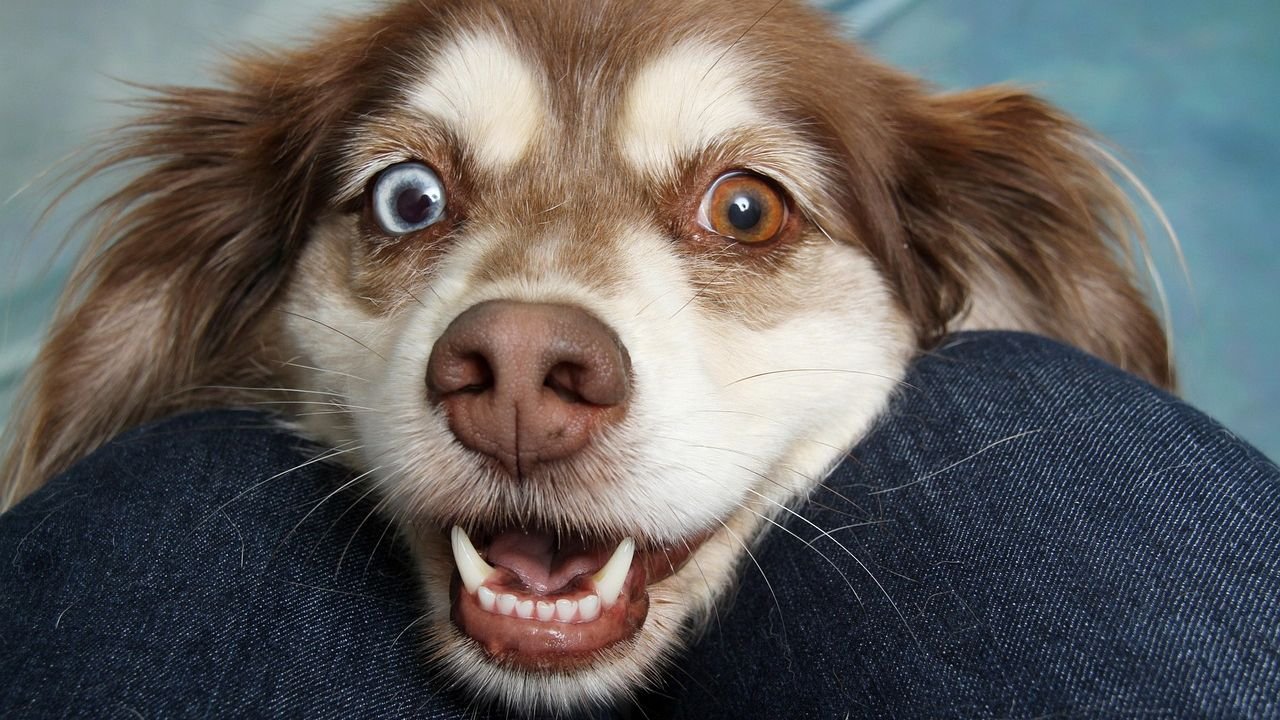
You know that feeling when your dog bounds up to you, tail spinning like a propeller, and you just know in your heart they’re having the best day ever? Honestly, it’s one of the purest joys of sharing your life with a furry companion. Yet there are those quieter moments when you might wonder what’s really going on behind those soulful eyes. Is my pup genuinely content, or are they just good at hiding their feelings?
Here’s the thing: dogs communicate constantly, but they speak an entirely different language than we do. They’re not going to tell you outright when they’re thrilled or troubled. Instead, they show you through subtle shifts in posture, the way they hold their ears, and yes, even how they wag their tail. Learning to read these signals isn’t just about satisfying your curiosity. It’s about deepening the bond you share and ensuring your best friend lives their happiest, healthiest life possible. So let’s dive into the fascinating world of canine happiness and discover what your dog might be telling you right now.
That Tail Tells a Story
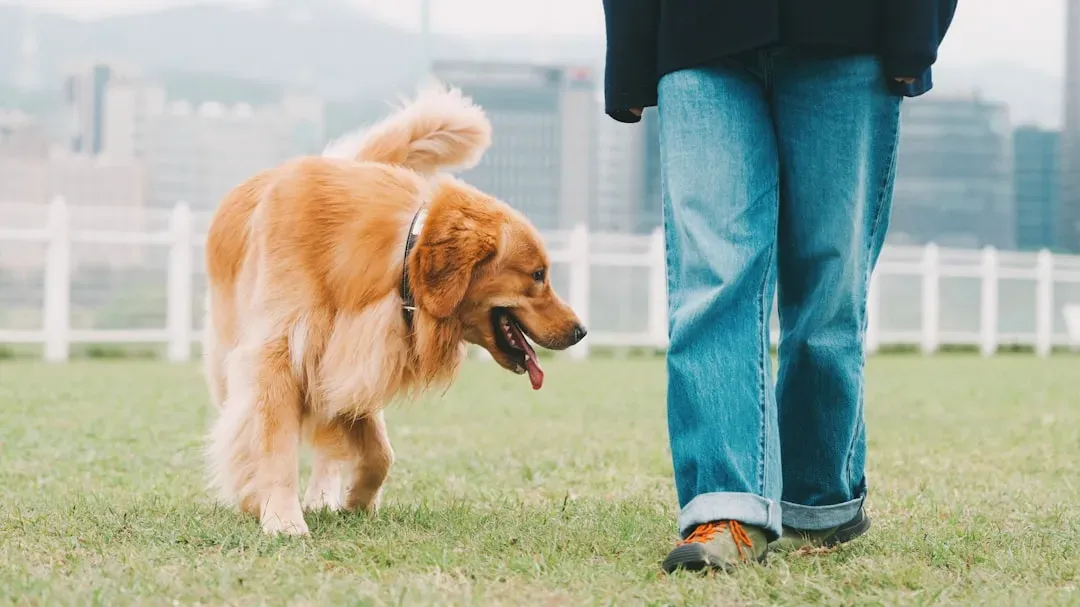
A gentle, loose tail wag can indicate happiness in a dog, with the tail in a neutral position or slightly raised and wagging slowly from side to side. The key word here is loose. When your dog’s entire backend seems to shimmy along with the tail, that’s a beautiful sign of genuine joy.
If your dog is wagging its tail in a circle, it is showing you that it is very happy and joyful. I think that circular motion, sometimes called a helicopter tail, is absolutely one of the most unambiguous expressions of canine delight you’ll ever witness. It’s hard to say for sure, but dogs seem to reserve this special wag for their absolute favorite people and moments.
Yet tail wagging isn’t always what it seems. Dogs wag their tails to the right when they are happy or confident, and to the left when they are frightened. The position matters too. A tail held high and stiff might signal arousal or even aggression, while a tucked tail suggests fear or submission.
The Eyes Have It
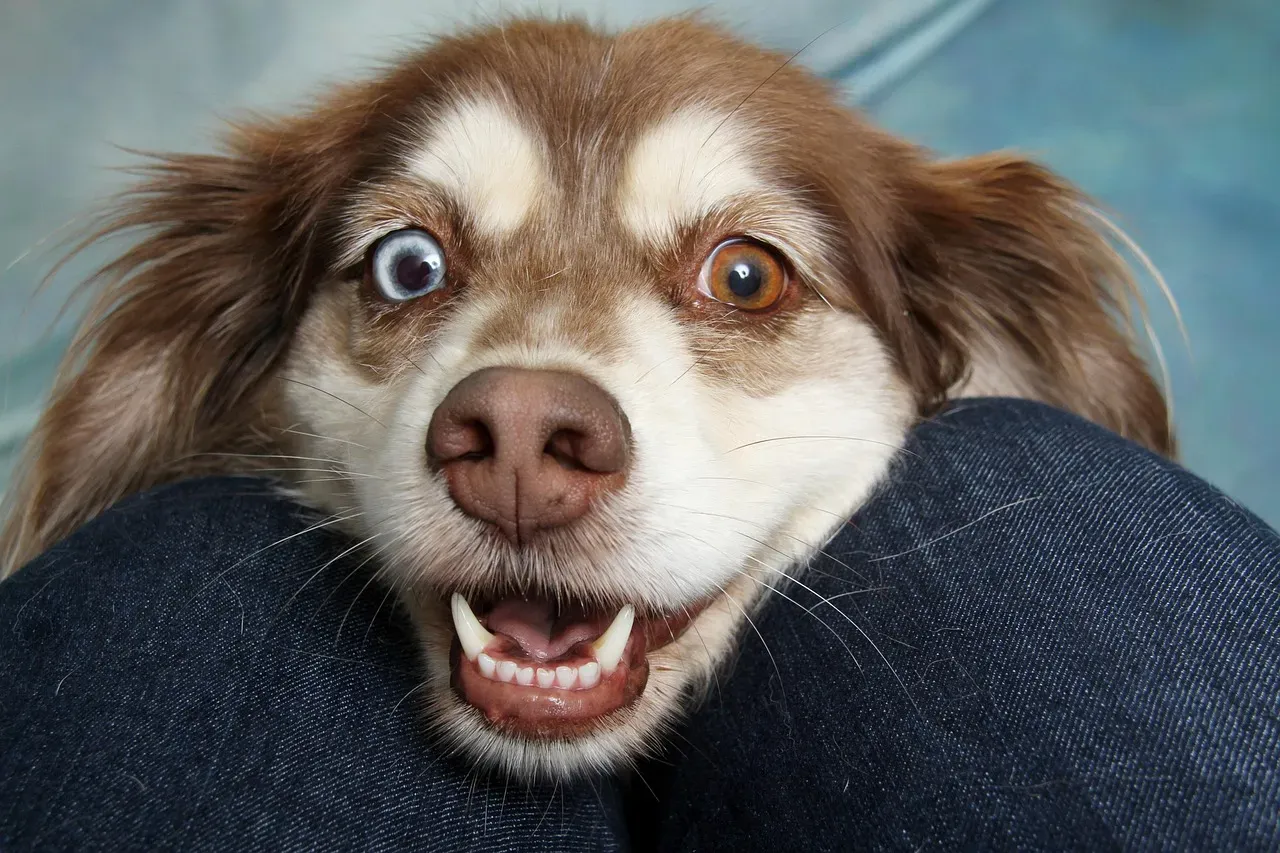
Happy dogs have soft, relaxed eyes, with eyelids that may droop slightly. You’ve probably seen this look a hundred times without even realizing what it meant. Those gentle, half-moon eyes that make your dog look almost sleepy when you’re petting them? That’s pure contentment right there.
Meanwhile, hard staring or wide eyes showing the whites can indicate stress or discomfort. Slow blinking is a quiet sign of comfort and trust. Some breeds make this trickier to read, especially dogs with naturally dark fur around their eyes, but spend enough time observing your particular pup and you’ll become fluent in their unique expressions.
Body Language Speaks Volumes
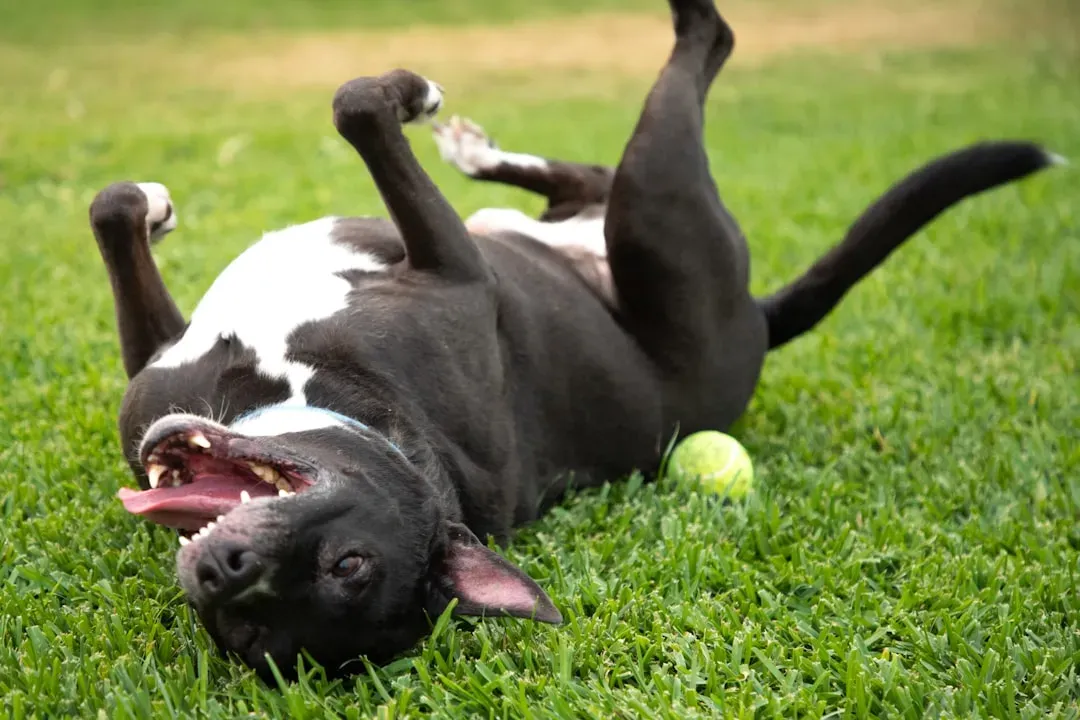
The body is fluid and relaxed, the mouth is slightly open with the tongue hanging to the side and all the signals a dog gives off communicate joy, confidence, and a desire to invite play and attention. Think about how your own body feels when you’re truly at ease versus when you’re tense. Dogs are no different.
A dog that’s feeling happy will have a loose, bouncy and smooth gait, displaying normal dog behavior such as sniffing at plants and flowers and engaging with other friendly dogs. Watch how they move during walks. A happy dog explores their world with curiosity and enthusiasm, not with hesitation or rigidity.
A happy dog has body language that is relaxed and loose, which might result in a full body wiggle where they seem to be wagging their whole body, sometimes doing a hop or squiggle known as the ‘Happy Dance’. Let’s be real, when you see that wiggle, there’s absolutely no question about what your dog is feeling.
Playful Invitations and Social Behavior
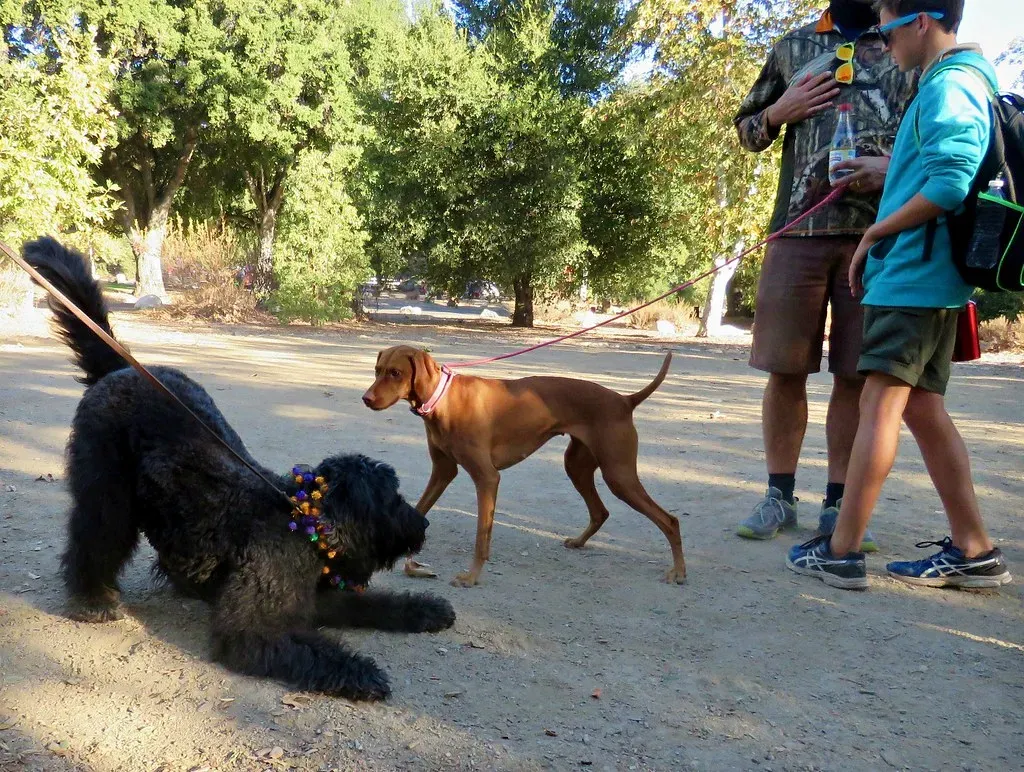
Dogs in a happy, playful mood may lower their chest down to the floor with their bottom in the air in a stance called a play bow, which signals they are ready to play. This gesture is essentially your dog’s way of saying, “Hey, let’s have some fun!”
If your pup is social at the dog park, friendly with other family pets, and not overly aggressive to new animals, these are all signs they’re in a good mood. Social engagement matters. A happy dog generally wants to interact with their world, whether that’s other dogs, people, or even you during a simple game of fetch.
Happy dogs make a lot of body contact, and if your dog reacts, stays close, or even leans in toward your hand during petting, they’re enjoying the contact. That lean against your leg while you’re standing in the kitchen? Your dog is telling you they feel safe, loved, and genuinely happy in your presence.
Eating, Sleeping, and Daily Routines
If your dog is stressed or ill, they may refuse food, and while every dog has different eating habits, it’s important to check that they are consistent. A content pup typically maintains a healthy appetite and shows enthusiasm at mealtime. They don’t have to act like they’re starving, but a steady interest in food is reassuring.
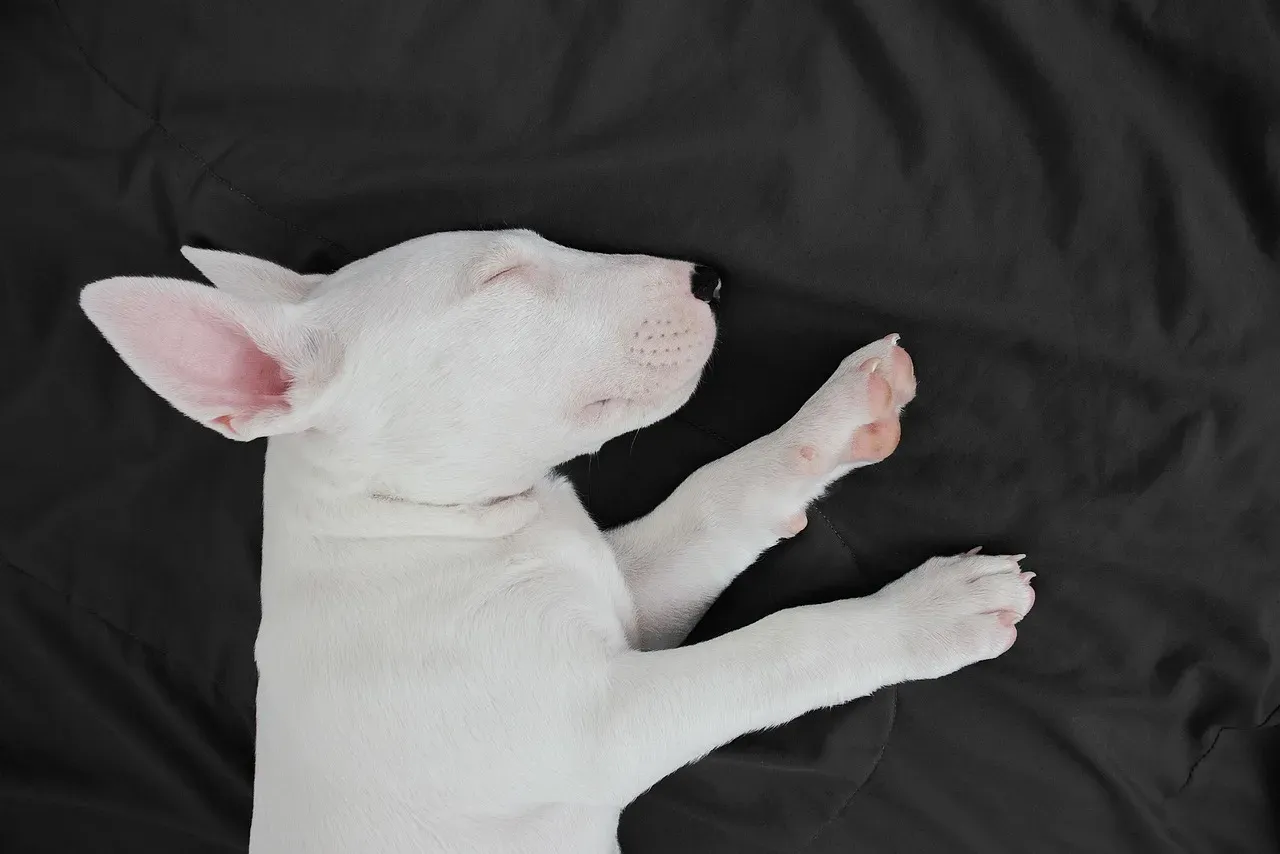
Sleep patterns matter too. Healthy adult dogs sleep 12-14 hours per day. A happy dog settles into restful sleep without excessive pacing or whining. They feel secure enough in their environment to truly relax.
Changes in these routines can be red flags. An ill dog may sleep more, be grumpier, and not want the normal interaction he usually gets excited about, and if your normally active and happy dog starts to isolate and show lethargy and decreased appetite, this is a sign that something has changed. Trust your instincts when something feels off.
The Little Things That Matter
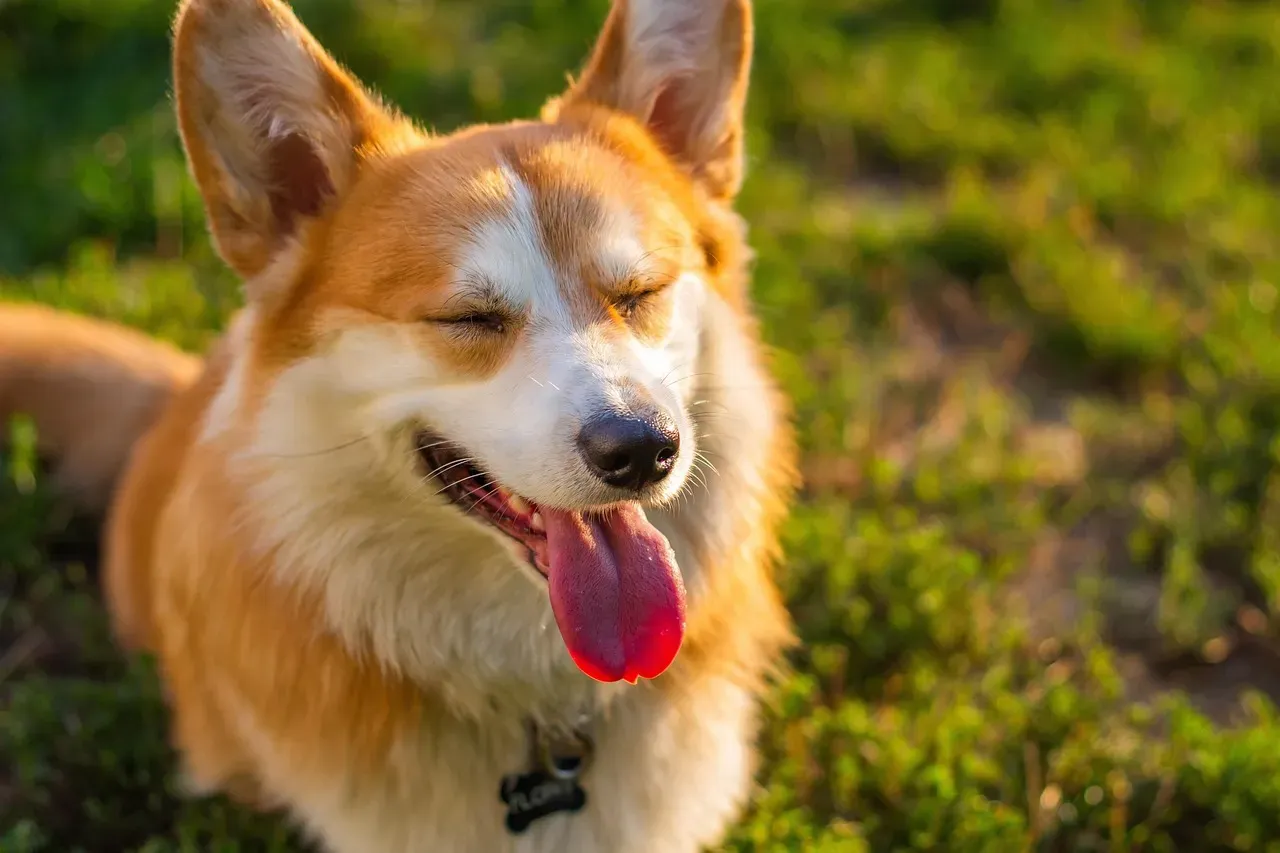
A happy dog’s ears are relaxed and rest naturally against their head, with some dogs having one ear cocked up or both ears loose and floppy. Ears pulled tightly back or pinned flat can signal anxiety or fear. Each breed has different ear shapes, so you’ll need to learn what relaxed looks like for your particular dog.
Happy dogs are unlikely to destroy your home or act naughty, as excessive chewing or destructive behavior, particularly in an adult dog, could be a sign of stress or boredom. Sure, puppies will be puppies and occasionally test boundaries. Still, chronic destructive behavior in a mature dog often points to unhappiness or unmet needs.
Zoomies, or sudden bursts of energy and running around, are a playful way your dog can show off their happiness. Those wild, joyful sprints around the yard or living room? Pure canine bliss. If you’ve seen your dog do zoomies, you’ve witnessed happiness in its most unfiltered form.
Recognizing the Full Picture
It’s important to look at the dog’s entire body language and communication, not just one thing like a tail wagging. Context is everything. A wagging tail at the vet’s office might not mean the same thing as a wagging tail when you walk through the front door after being gone all day.
All dogs are individuals, and some may have other ways of showing happiness or contentment, so it’s important to be on the lookout for variations from your dog’s norm, which may indicate stress, anxiety, or illness. You know your dog better than anyone else. Pay attention to their unique personality and what normal looks like for them specifically.
Every interaction is an opportunity to listen to what your dog is telling you. When you respond with understanding and care, you’re not just making them happy in the moment. You’re building a foundation of trust that lasts a lifetime. What do you think about your own dog’s happiness signals? Can you spot them now?


