
How Can I Help My Shy Dog Make New Friends Safely?

I know that sinking feeling when your dog cowers behind your legs or tries to vanish under the couch at the sight of another pup or a friendly stranger. You’re not alone in this. Honestly, it’s more common than you might think. Shyness in dogs can stem from genetics, lack of early socialization, or maybe even a past experience that left them feeling uncertain about the world.
Here’s the thing though. Social skills can be taught at any age, and with a little patience and the right approach, even the shyest dogs can build confidence and learn to enjoy new experiences. So let’s dive in and explore how to help your timid pup come out of their shell, step by gentle step.
Understanding What Shyness Really Looks Like
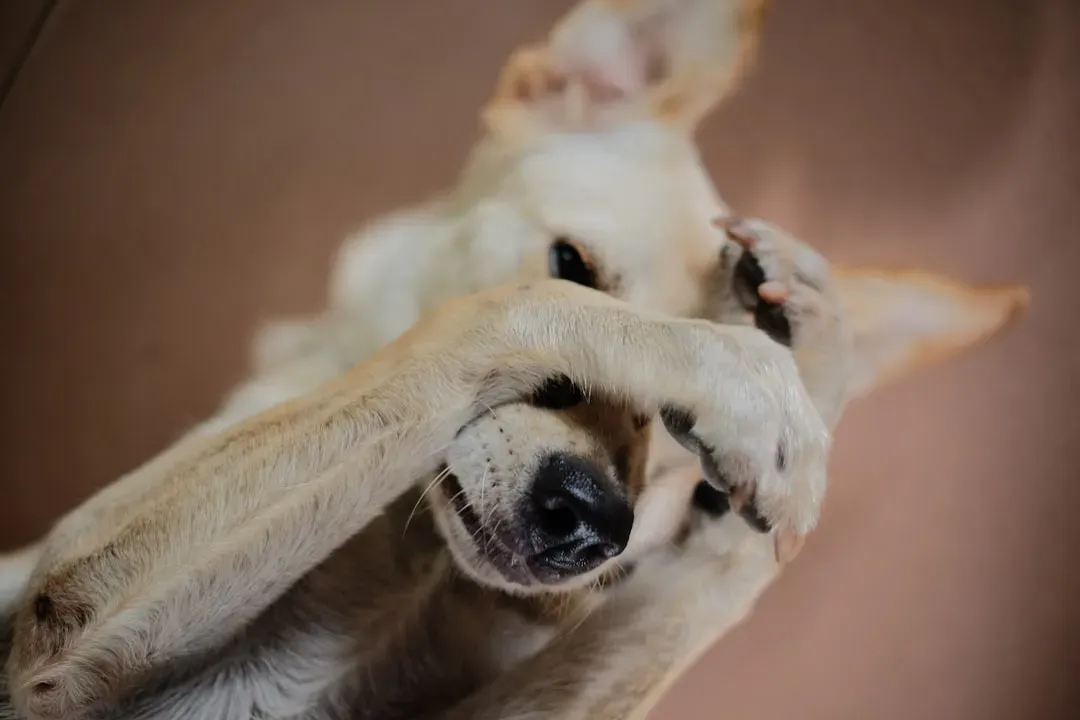
Before we can help our dogs, we need to understand what they’re telling us through their body language. A fearful dog may lean away, lean back, tremble, crouch, lower his body or head, or roll onto his side or back. You might also notice their tail tucked low or between their legs, ears pinned flat against their head, or those telltale whale eyes where the whites of their eyes show.
An anxious dog may pant excessively when not hot or recently exercised, lick his lips when not hungry, yawn when not tired, and have a slightly lowered body stance with his ears slightly back, may wag his tail slowly and look away or move away from people, and may also shed and drool heavily. Sometimes they’ll freeze completely or try frantically to escape. Learning to read these signals is your first step in becoming your dog’s best advocate.
Creating a Safe Home Base
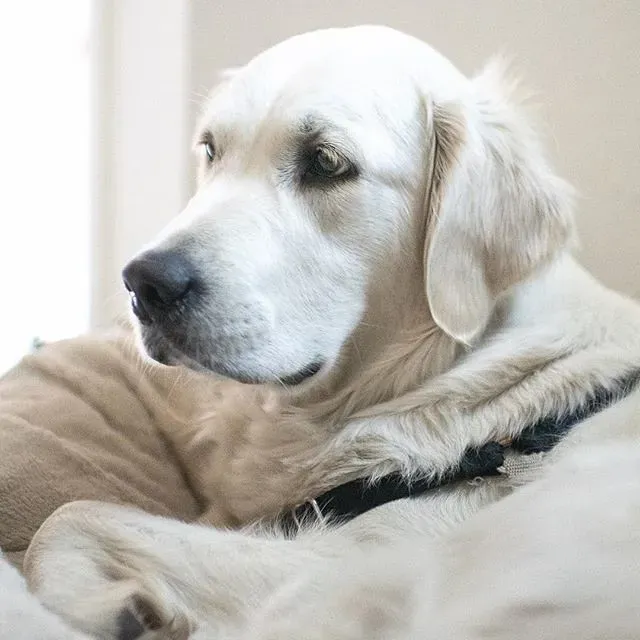
Think of your shy dog’s safe space as their emotional sanctuary. To effectively socialize a fearful dog, it’s important to first establish a safe environment, which can be a designated “safe space” within your home that allows your pup to retreat whenever she feels overwhelmed or just wants some space, and this “safe space” can be anywhere she feels most comfortable, maybe it’s a cozy covered crate, a quiet corner, or even a whole room.
At home, make sure your dog has a safe, quiet place where they can go to decompress when they feel overwhelmed, like a crate or a quiet room. Fill it with their favorite bed, toys, and maybe even an old t-shirt with your scent. This becomes their refuge when the world feels too big or too loud. Never force them out of this space when they’re hiding there.
Taking Baby Steps with Socialization
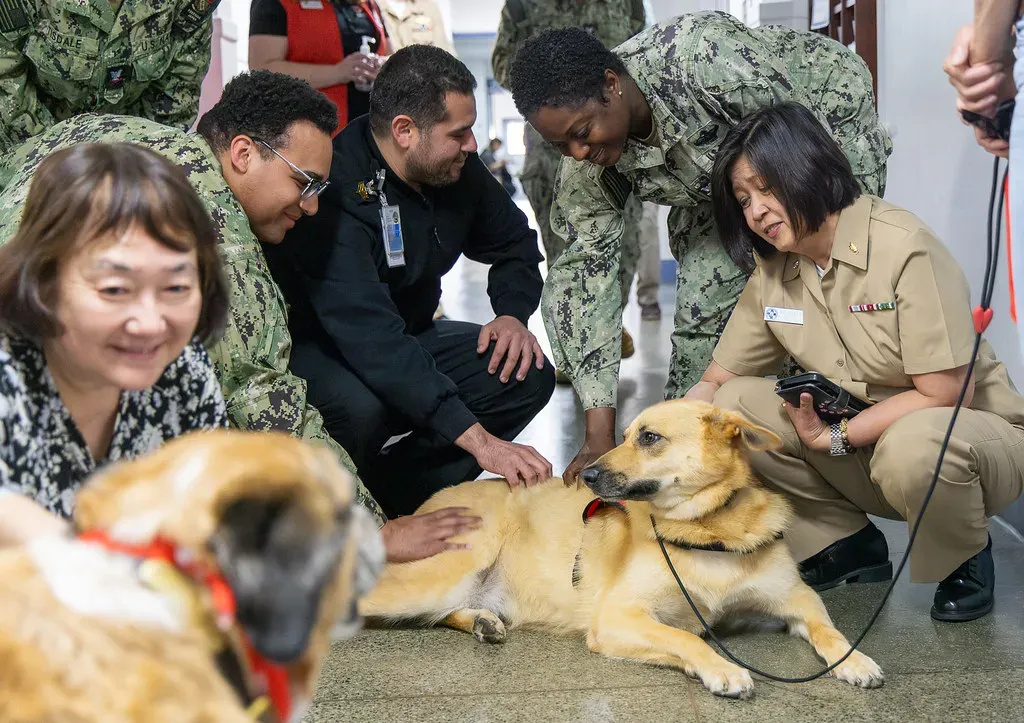
Let’s be real here. Tossing your shy dog into a busy dog park is like throwing someone who’s afraid of water into the deep end of a pool. If your dog is timid or fearful, it’s important to take it slow, and socialization doesn’t mean tossing them into a loud dog park or crowded event – it means helping them feel safe as they explore the world at their own pace.
The goal is to build trust, not to overwhelm your dog, keep socialization sessions short, positive, and pressure-free, and if your dog seems anxious or scared, it’s okay to stop early. Start with calm environments. Maybe that’s just sitting in your car in a parking lot watching people walk by from a distance. Gradually decrease the distance as your dog becomes more comfortable. Reward every moment of calm curiosity with their favorite treat.
Reading the Room and Respecting Boundaries
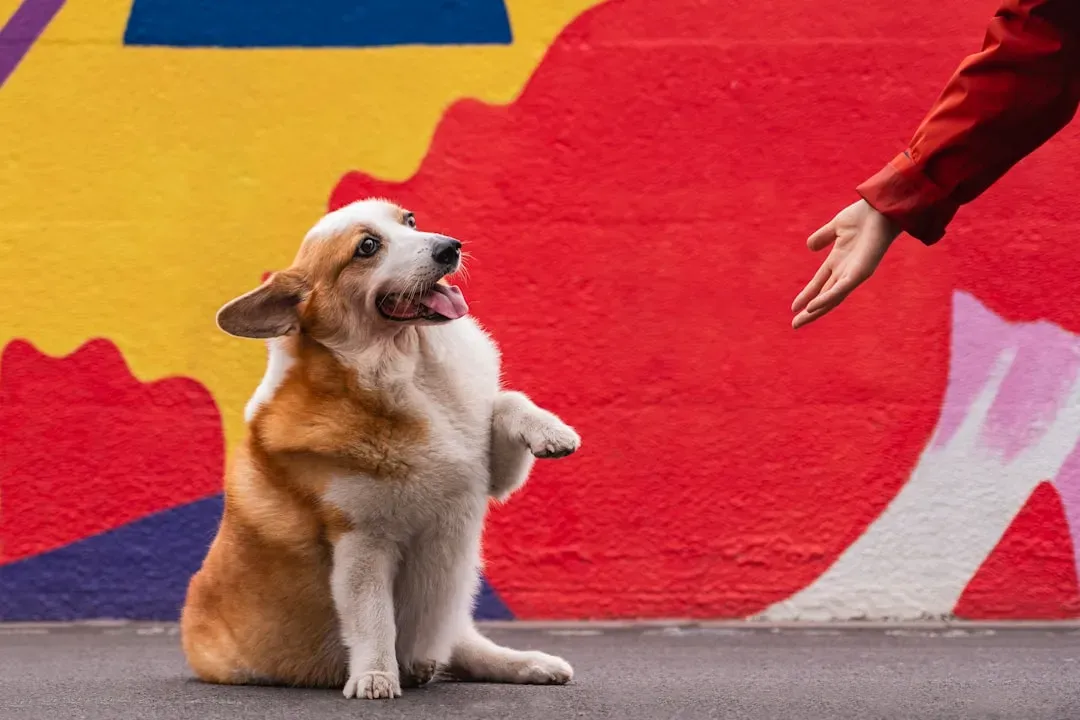
Your dog is constantly communicating with you, even if they’re not barking or whining. Your dog is constantly communicating through body signals, and you should learn to recognize comfort signals (relaxed movements, play bows) versus stress signals (lip licking, stiff posture, whale eyes). When you see those stress signals appearing, it’s time to create more distance or end the session.
Avoid pushing your dog into interactions, if they freeze or back away, give them space and try again another time, and let your dog choose how close to get, and always reward calm behavior with treats or praise. I can’t stress this enough. Forcing interactions will only confirm your dog’s fears that the world is scary and unpredictable. You want to be their safe person, the one who protects them and respects their limits.
Using Positive Associations to Build Confidence
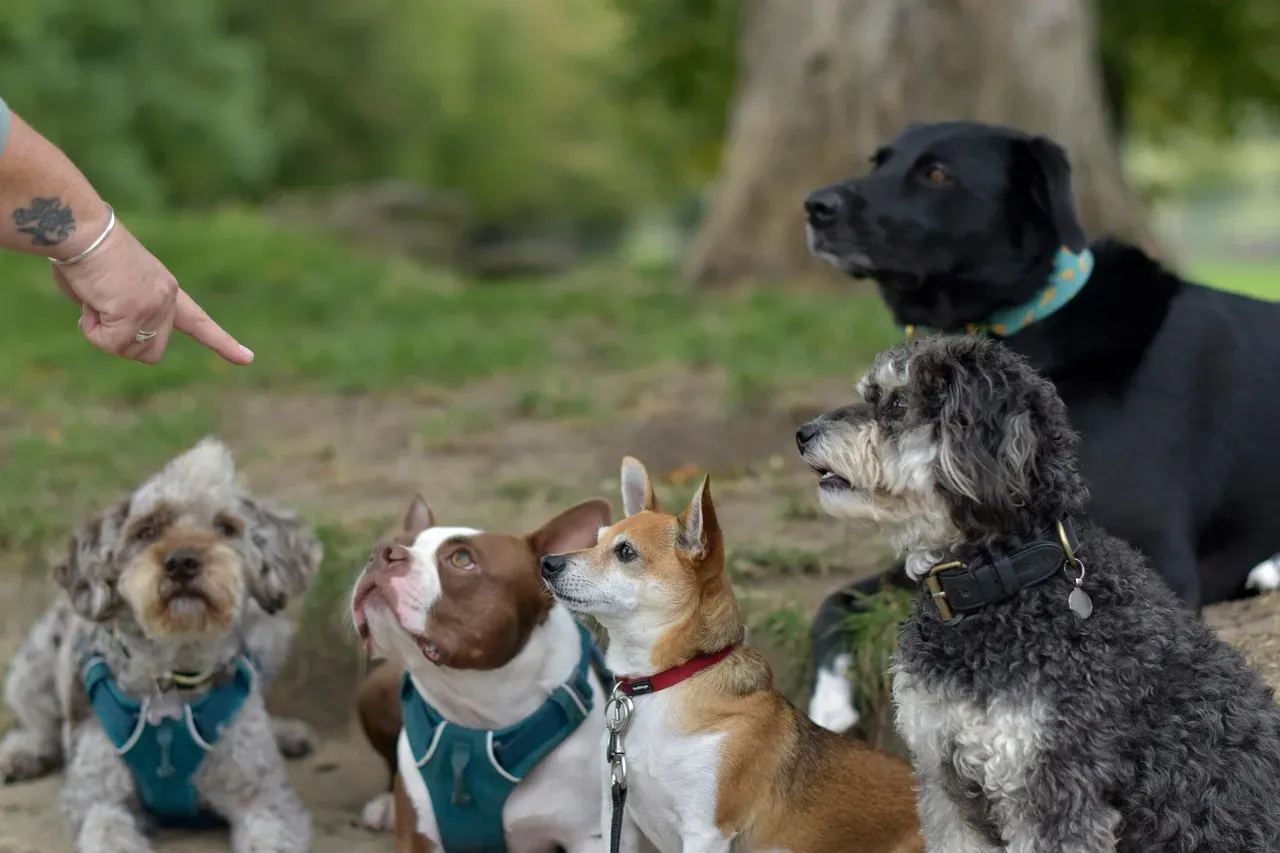
Dogs learn from positive association, and the best way to help a shy or fearful dog gain confidence is to expose them to what frightens them at a low intensity and pair this exposure with something positive, like a tasty treat. This technique, called counter-conditioning, can work wonders over time.
When your dog sees another dog from across the street and remains calm, immediately reward them. When a stranger walks past without your pup bolting, celebrate that moment with praise and treats. Use treats, praise and play to reward your dog when they show bravery or engage in social interactions, make sure these rewards are highly motivating for your dog, and the goal here is counter-conditioning – or pairing a situation that normally elicits a negative emotional response with something that triggers a positive response, like giving them a treat they love. You’re essentially teaching them that new experiences can predict good things.
Making Canine Introductions the Right Way
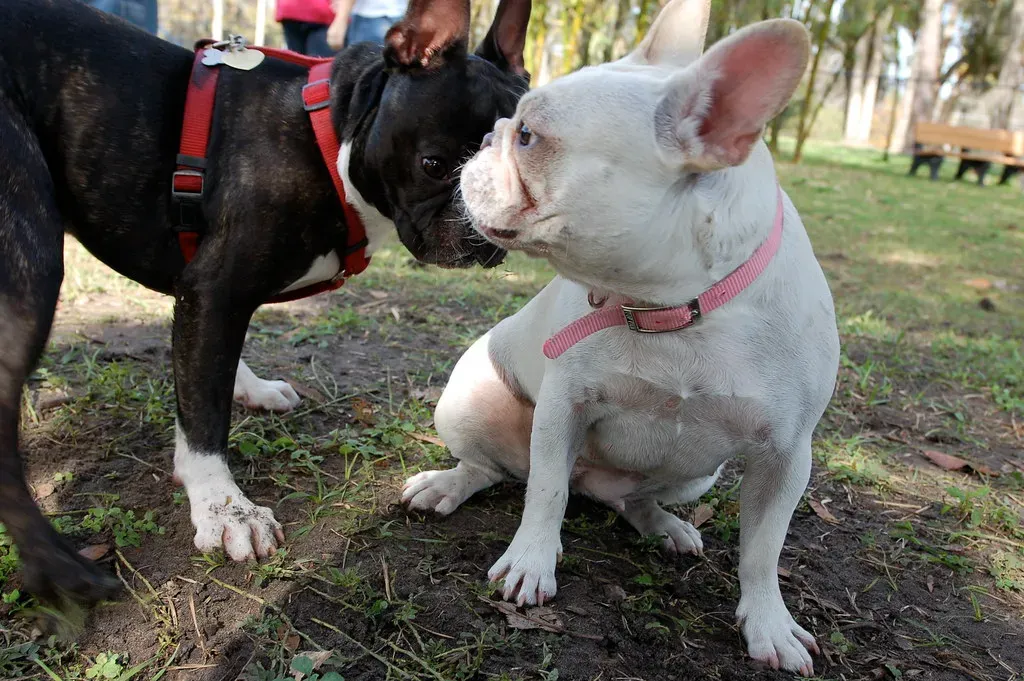
When it’s time for your shy dog to meet potential doggy friends, slow and steady wins the race. Always introduce dogs on neutral ground – a quiet park or walking path where neither dog feels the need to defend “their turf,” and the proper technique for these first meetings is crucial for building positive relationships.
Try parallel walking: walk dogs side by side with space between them, gradually decreasing distance as comfort grows, and this allows your dog to become familiar with another dog’s presence without the pressure of direct interaction. Choose calm, well-socialized dogs for these early meetings. A confident but gentle mentor dog can work absolute magic. Professional trainers often enlist the help of a confident, laid back canine helper, and when a timid dog sees the confident helper dog playing, sitting for treats, and enjoying herself, he will often relax and join in on the fun.
Finding Your Support Network and Celebrating Progress
Remember, you don’t have to do this alone. If your dog’s shyness is severe or they don’t progress (or they regress), you may want to consider consulting a professional dog trainer or a behaviorist, and they can offer more tailored advice and strategies that will help your dog feel more comfortable. Look for trainers who use positive reinforcement methods and have experience with fearful dogs.
It really depends on the dog and why they are so shy – it can take anywhere from a few weeks to months. Every small victory deserves recognition. Did your dog make eye contact with a stranger for the first time? Celebrate it. Did they sniff another dog’s scent on the grass without trembling? That’s progress worth acknowledging. Your patience and consistency will pay off, even if the journey takes longer than you hoped.
Did you expect that helping a shy dog could be such a gradual, rewarding process? What small step will you take with your pup today?