
Why Does My Dog ‘Bury’ Their Treats Indoors?
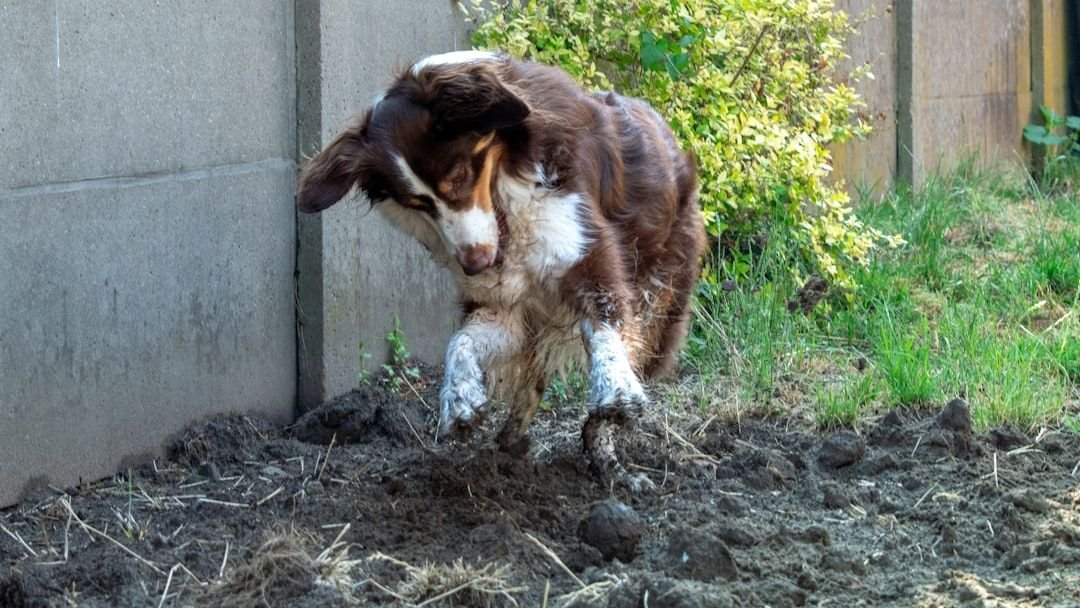
You walk into the living room and catch your dog nudging a bone under the couch cushions with their nose. Or maybe you discover a forgotten treat wedged behind a pillow days later. If this sounds familiar, you’re not alone. This quirky behavior leaves many dog owners scratching their heads, wondering what on earth is going on in their furry friend’s mind.
Here’s the thing: your dog isn’t trying to annoy you or create a messy scavenger hunt. They’re actually tapping into something deeply rooted in their DNA, something that connects them to their wild ancestors. It’s instinct, memory, and sometimes even a little anxiety all rolled into one fascinating behavior. Let’s dive into what’s really happening when your pup decides to stash their prized possessions around your home.
The Ancient Instinct Behind the Behavior
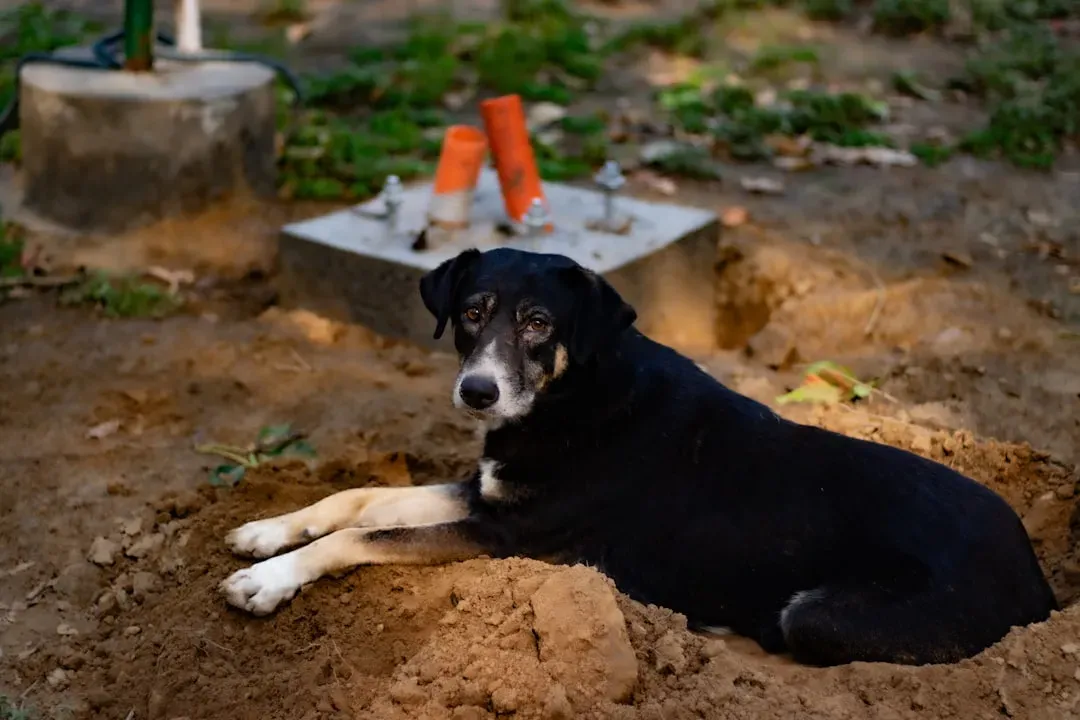
This practice known as caching stems from their wild ancestors who needed to save excess food for times of scarcity. Think about it like this: wolves and wild dogs didn’t have the luxury of knowing when their next meal would arrive. The ground acts as nature’s refrigerator, helping to preserve meat and sustain the pack through trying times.
Even though your dog gets fed regular meals and has no real threat of starvation, that primal urge remains hardwired. Even though domestic dogs typically have a steady food supply, this instinct can still manifest in the form of burying treats. It’s kind of beautiful when you think about it. Your pampered pooch is carrying out a ritual that has been passed down through countless generations.
Breeds with a strong prey drive, such as terriers or hounds, might be more inclined to bury treats because of their historical roles in hunting and scavenging. So if you’ve got a Dachshund or Beagle who’s constantly hiding things, they’re simply honoring their heritage as little hunters.
Creating a Sense of Security and Control
Burying treats can make dogs feel more secure about their food supply. By hiding their treats, dogs may be trying to protect their resources from potential thieves. Your dog sees that treat as valuable, and in their mind, the safest place for it is somewhere only they know about. This isn’t paranoia; it’s smart planning from their perspective.
Dogs may hide their food as a way of creating a safe and secure space. This behaviour is often observed in rescued or adopted dogs who might have experienced food insecurity in the past. By hiding food, they establish a sense of control over their resources and feel more secure in their environment.
In a multi-pet household, for instance, a dog might bury its treats to keep them away from other pets. Even if your other pets have never stolen food, your dog might still feel the need to protect what’s theirs. It’s less about actual competition and more about peace of mind.
When Anxiety Plays a Role
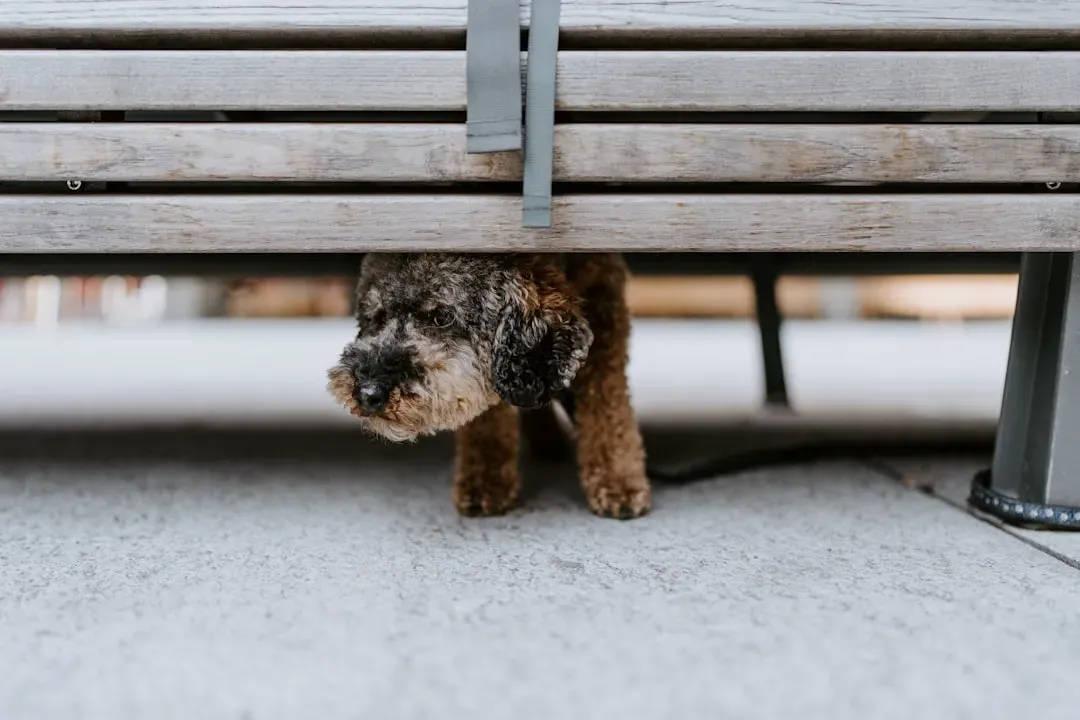
Sometimes, indoor burying behavior signals something deeper than instinct. Dogs may also hide their food in response to stress or anxiety. Changes in the household, the introduction of a new pet, or other environmental factors can trigger this behavior as a coping mechanism. If you’ve recently moved, brought home a baby, or changed your routine significantly, your dog might be feeling unsettled.
Another reason why your dog is burying food could be due to anxiety. Perhaps something traumatic or negative has happened to them when they were younger? Maybe they had to compete for food in the past, and this may be where this possessive behaviour around food is coming from.
Dogs that are anxious will turn to digging as a way to calm and self-soothe themselves. If a dog does not feel safe or is not comfortable in the area they are fed, they may decide to hide their food in a safer spot. Watch for other signs of stress like excessive panting, pacing, or avoiding eye contact. These cues can help you understand whether your dog needs more emotional support.
Overfeeding and Treat Overload
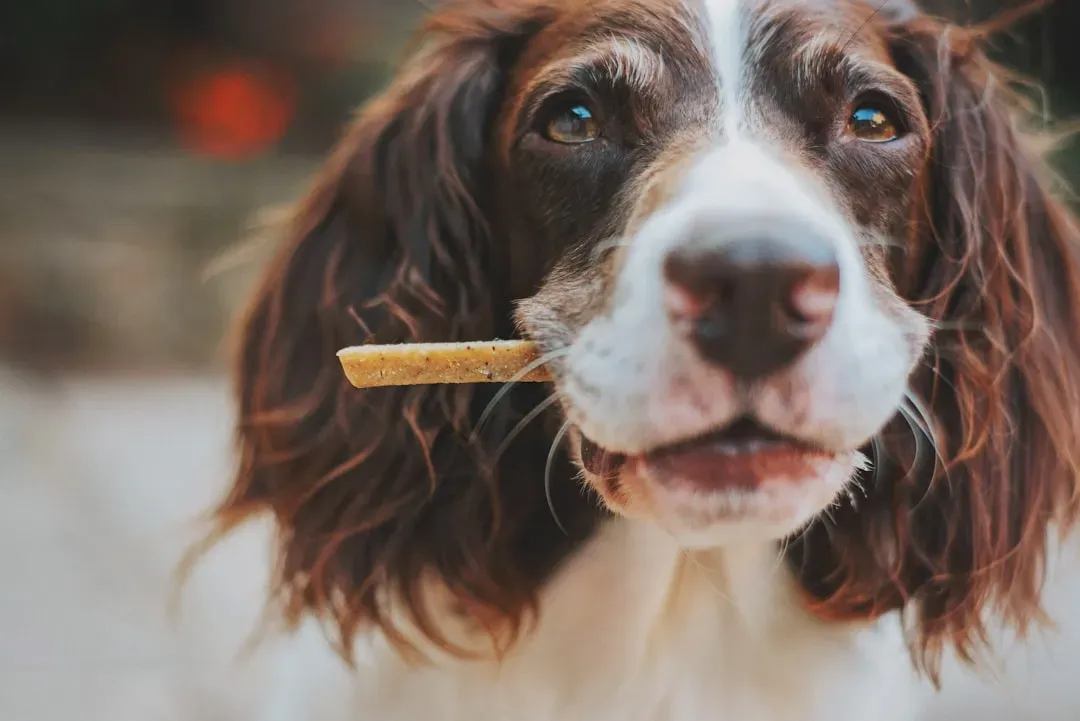
Let’s be real: sometimes we spoil our dogs a bit too much. If your pooch wants to hide treats rather than immediately eat them, it could be a sign that you’re feeding them more treats than they need. Ideally, your dog should want to gobble up a treat as soon as they’re presented with them, as they should know they only get a set number of treats per day.
You may be unintentionally overfeeding your dog. If they feel that they have more food than they need, their natural instinct may be to bury some food to eat later. It’s worth taking an honest look at portion sizes and treat frequency. Your dog isn’t being ungrateful; they’re just overwhelmed with abundance.
Think of it like this: if someone kept handing you snacks all day when you weren’t hungry, you’d probably start tucking them away for later too. Your dog is doing exactly that, except their “later stash” ends up under your favorite throw pillow.
When Burying Is Just Plain Fun
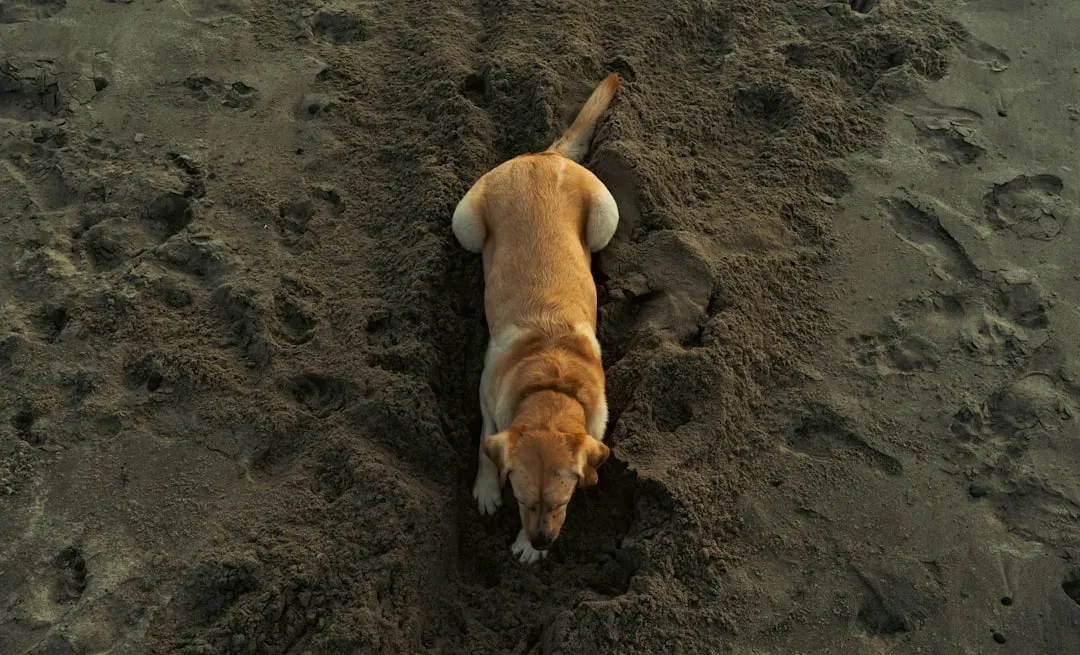
Not everything has a serious explanation. Perhaps the most light-hearted answer to the question ‘why do dogs bury food?’ is that they find it entertaining! It may simply be a game to them, and one that satisfies their instinct to burrow and hide things. Some dogs genuinely enjoy the process of finding the perfect hiding spot, carefully nudging items into place, and returning to check on their treasure later.
Hiding and finding treats might just be a fun game for your dog. As we mention below, lots of dog breeds are more prone to hiding and searching for food/treats than others, so will likely do it no matter the circumstances.
If your dog seems happy, relaxed, and not obsessive about the behavior, it might just be their version of entertainment. Dogs need mental stimulation, and creating little hiding projects can be surprisingly engaging for them. Honestly, watching them carefully tuck a bone behind a plant and then trot away looking pleased with themselves is pretty adorable.
How to Manage Indoor Burying Behavior

Establishing a regular feeding schedule can help reduce anxiety and uncertainty around mealtimes, potentially minimizing the urge to hide food. Consistency is key here. When your dog knows exactly when meals are coming, they feel less need to hoard resources.
Designate a quiet and secure space for your dog to eat. This can help alleviate any perceived competition or threat, reducing the need to hide food. Make sure their feeding area feels safe and calm, away from household traffic and noise.
If the behavior is becoming problematic, like damaging furniture or creating hygiene issues, you can gently redirect. Provide indoor and outdoor spots where they can safely bury items, such as a sandbox or a pile of blankets. Give them an appropriate outlet rather than trying to eliminate the behavior entirely. Some dogs respond well to puzzle toys or snuffle mats that satisfy their foraging instincts in a more controlled way.
If food-hiding persists and is accompanied by signs of stress or anxiety, consult with a professional dog behaviourist or veterinarian. They can offer tailored advice based on your dog’s specific needs. There’s no shame in getting professional help if you’re concerned. Your dog’s wellbeing is worth it.
Conclusion
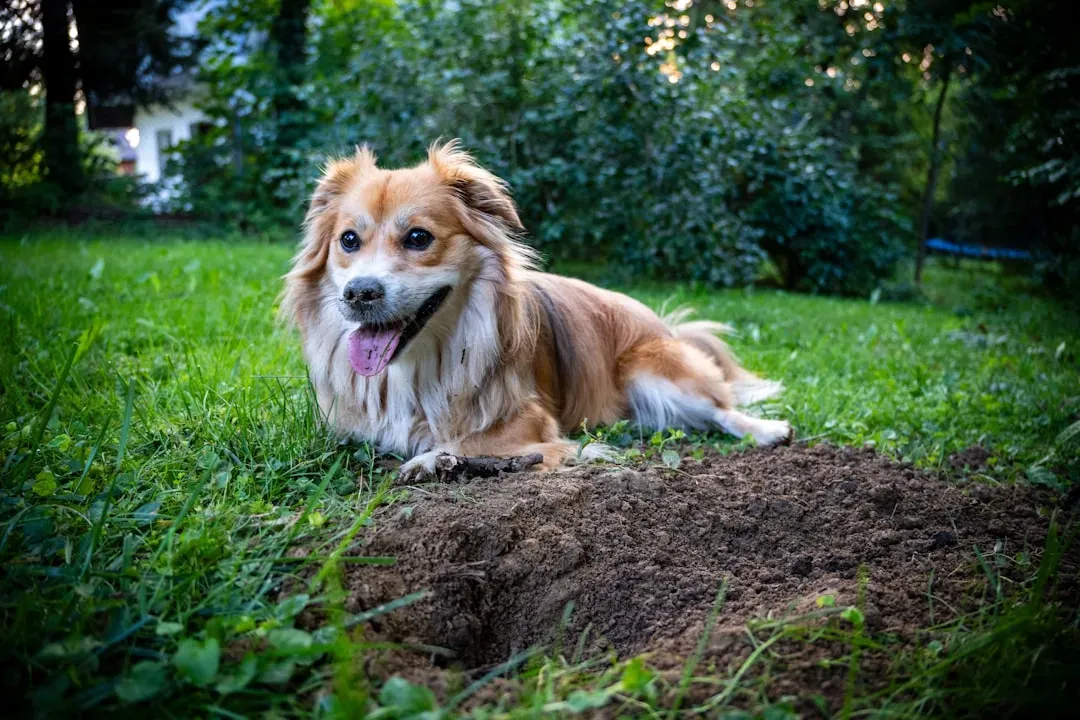
Understanding why your dog buries treats indoors opens a window into their fascinating inner world. Whether they’re honoring ancient instincts, seeking comfort, or simply having fun, this behavior is usually nothing to worry about. It’s a reminder that despite all their domestication, our dogs still carry the wild within them.
The next time you find a forgotten treat wedged behind the sofa, try to see it through your dog’s eyes. They’re not making a mess; they’re securing their future, creating comfort, or playing a game that brings them joy. What do you think about your dog’s hiding habits? Have you discovered any particularly creative stash spots around your home?