
8 Simple Training Hacks to Help Your Dog Overcome Common Behavioral Hurdles
Let’s be real, there comes a moment in every dog owner’s life when their beloved pup does something that makes them wonder where they went wrong. Maybe it’s the chewed up sofa cushion, the incessant barking at 2 a.m., or the embarrassing jumping on every guest who walks through the door. Here’s the thing, though: you haven’t failed your dog. These behaviors are incredibly common, and they’re often just your furry friend trying to communicate something important to you. The beautiful truth is that most behavioral struggles can be turned around with some simple, practical training hacks that feel less like boot camp and more like building a deeper understanding with your canine companion.
So let’s dive in. What follows are eight proven strategies that can help transform frustrating moments into opportunities for connection, learning, and real progress. Ready to see a calmer, happier dog emerge?
Use the Power of Consistency to Create Security
If there’s one universal truth about dogs, it’s this: they thrive on predictability. Think of consistency as your dog’s emotional anchor in a world full of confusing human rules. When everyone in the household follows the same rules, your dog won’t get mixed signals, like learning to beg at the table if someone slips them treats while you’re trying to stop the behavior, or continuing to jump on people if others pet them when they do.
Inconsistency breeds confusion and anxiety. Set clear household rules for everyone, whether it’s not allowing the dog on furniture or requiring a sit before meals. When your dog knows exactly what to expect from every family member, they feel safer and more confident. That sense of security is honestly half the battle won.
Tire Them Out Before You Train Them Out
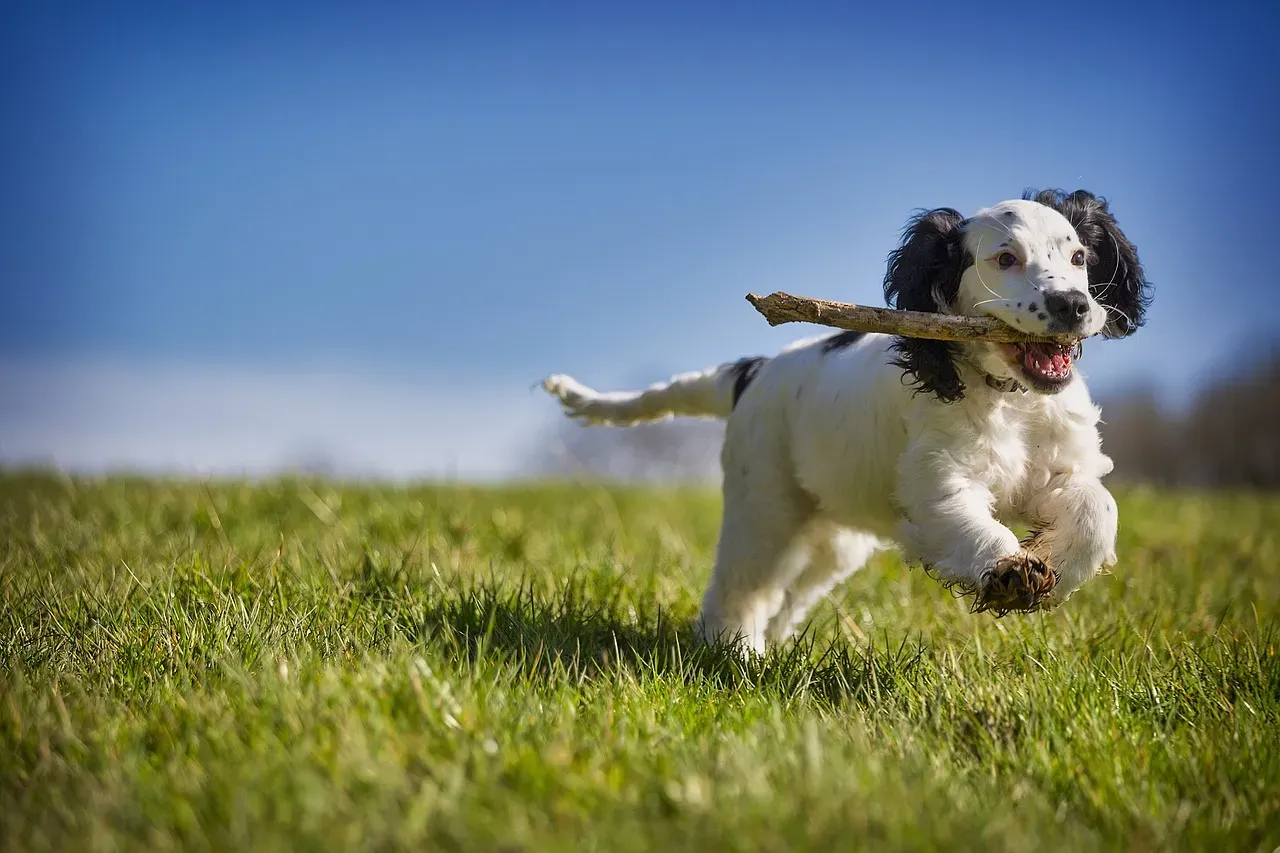
A tired dog is a good dog. It sounds almost too simple, yet so many behavioral issues stem from pent-up energy that has nowhere to go. If you’re gone most of the day and your dog’s exercise consists of a quick dash into the backyard, they may channel extra energy into bad behaviors like chewing shoes or dragging you on the leash.
Before tackling training sessions or expecting calm behavior, make sure your dog has had adequate physical and mental exercise. A brisk walk, a game of fetch, or even a puzzle toy can work wonders. Your dog’s breed also plays a role here, as some need significantly more activity than others. A worn-out pup is far more receptive to learning and far less likely to act out.
Swap Punishment for Positive Reinforcement
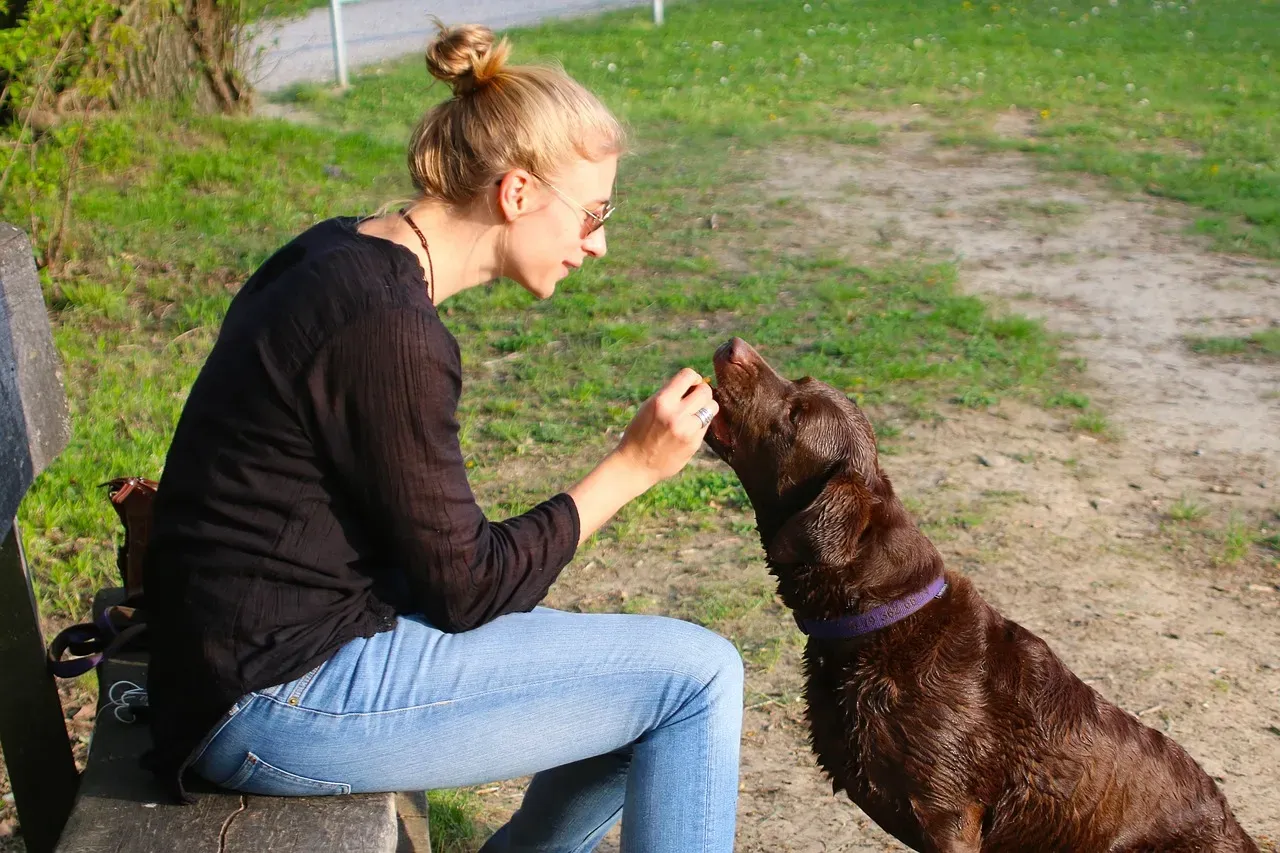
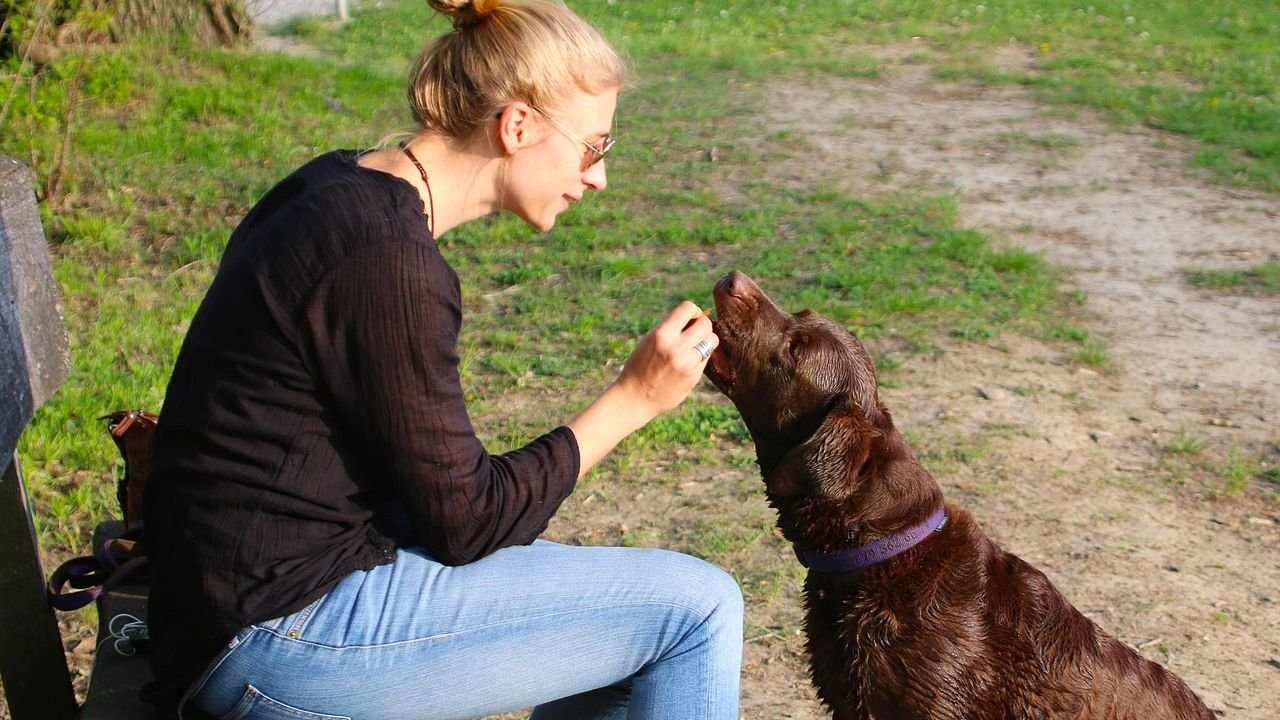
Multiple studies have shown that training based on punishments or confrontations are more likely to lead to fear, avoidance, and increased aggression, while dogs trained with rewards have fewer behavioral problems and are less fearful. This isn’t just about being nice; it’s about what actually works.
Positive reward-based training teaches your dog that good things happen when they do what you ask, strengthens your bond, and provides mental stimulation that will help tire them out, making them less likely to misbehave. Focus on catching your dog doing something right and rewarding that behavior immediately with treats, praise, or play. The more you reinforce what you want, the less room there is for what you don’t.
Master the Art of Redirection for Jumping and Excitement

While jumping may seem like a friendly greeting, it can be overwhelming for guests and even dangerous, especially for children or elderly individuals; dogs jump out of excitement or to seek attention, so the best way to curb this behavior is to ignore them when they jump and reward calm greetings instead. I know it sounds counterintuitive to ignore your dog when they’re so thrilled to see you, but attention is the reward they’re seeking.
Teaching the sit command as an alternative behavior works well; when your dog remains seated while greeting people, reward them with attention or treats. The key here is patience and consistency. Every single person who interacts with your dog needs to follow the same rule. Yes, even Aunt Linda who insists she doesn’t mind.
Tackle Separation Anxiety with Gradual Desensitization
One of the most common complaints of pet parents is that their dogs are disruptive or destructive when left alone, with behaviors like urinating, defecating, barking, howling, chewing, or digging; separation anxiety is triggered when dogs become upset because of separation from their guardians. This is heartbreaking for both of you, and it requires a compassionate approach.
Moderate or severe cases of separation anxiety require a complex desensitization and counterconditioning program where it’s crucial to gradually accustom a dog to being alone by starting with many short separations that do not produce anxiety and then gradually increasing the duration over many weeks. Start with literally seconds. Step outside the door, come right back in. Build up slowly from there, always staying below your dog’s panic threshold. The best way to help a dog with separation anxiety is to permanently change their perception of what being alone means, one second at a time.
Stop Leash Pulling by Becoming a Tree
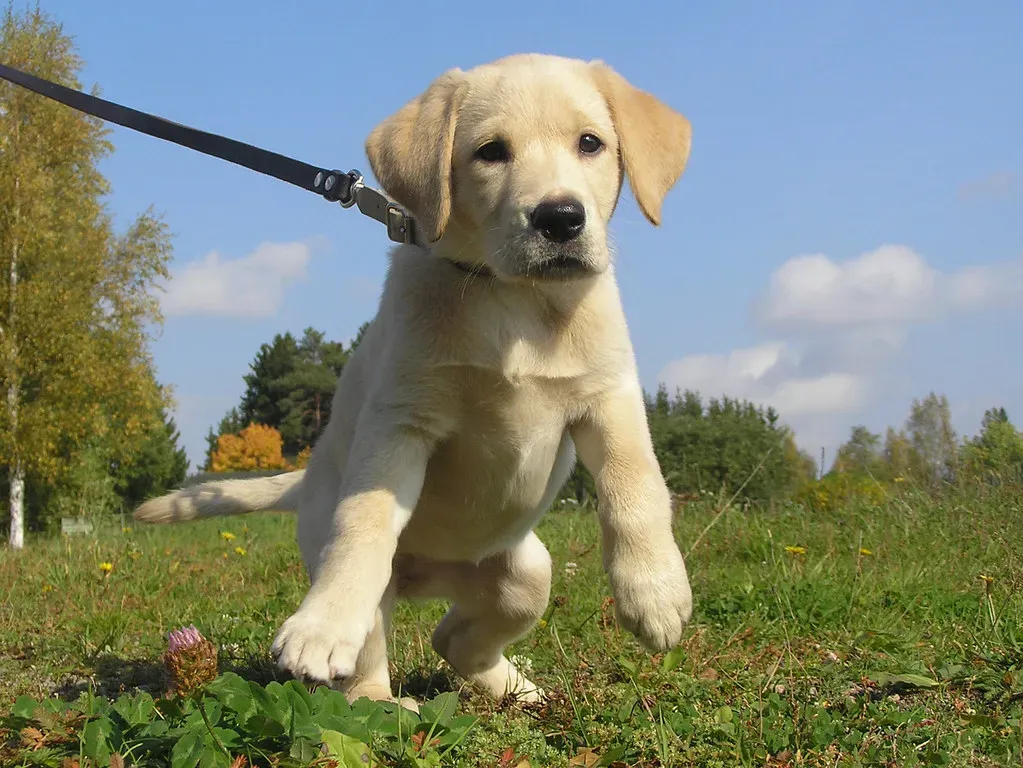
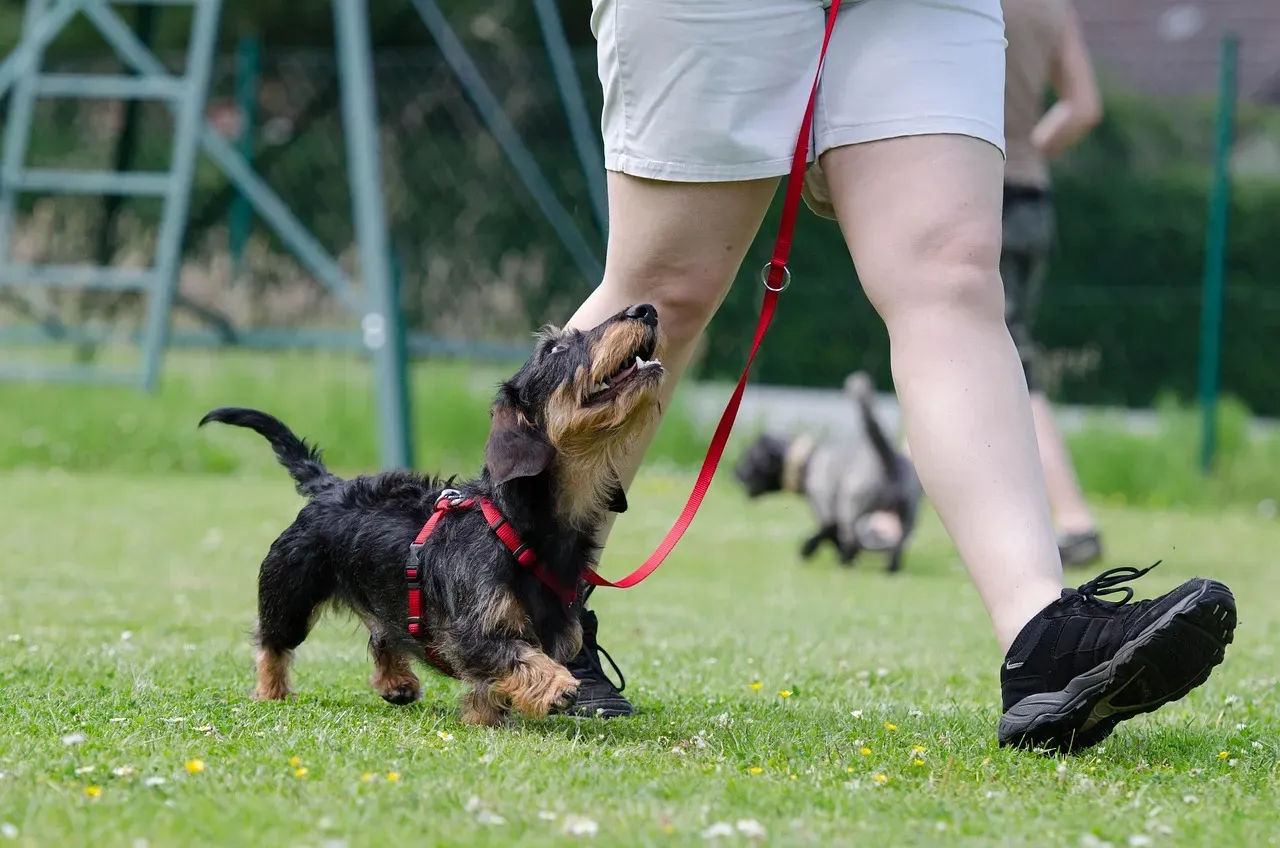
When you’re out for a walk, try not to pull your dog since they’ll instinctively pull right back; instead, reinforce walking nicely on the leash by providing praise, marking the good behavior with a clicker, or offering a treat; if your dog pulls on the leash, you can stop walking. Seriously, just stop. Become a tree.
Your dog will quickly learn that pulling gets them nowhere, while walking calmly by your side gets them where they want to go. Practice first in a place where there aren’t many distractions; it’s important that your dog learns to pay attention to you, no matter how exciting the environment is. This takes repetition, but the payoff is walks that feel like pleasant strolls instead of arm-wrenching marathons.
Teach a Quiet Command for Excessive Barking

Barking is natural canine communication, but when it becomes relentless, it’s usually signaling boredom, anxiety, or a need for attention. Teach a quiet or enough command; then, as soon as your dog starts to bark, you calmly say that command. Wait for even a brief pause in the barking, then immediately reward the silence.
Providing sufficient exercise and mental stimulation can also help reduce boredom-related barking; if the issue persists, consider using desensitization techniques to help your dog become more comfortable with their triggers. Identify what sets off the barking spree. Is it the doorbell? Passing dogs? Once you know the trigger, you can work on changing your dog’s emotional response to it.
Give Appropriate Outlets for Natural Behaviors
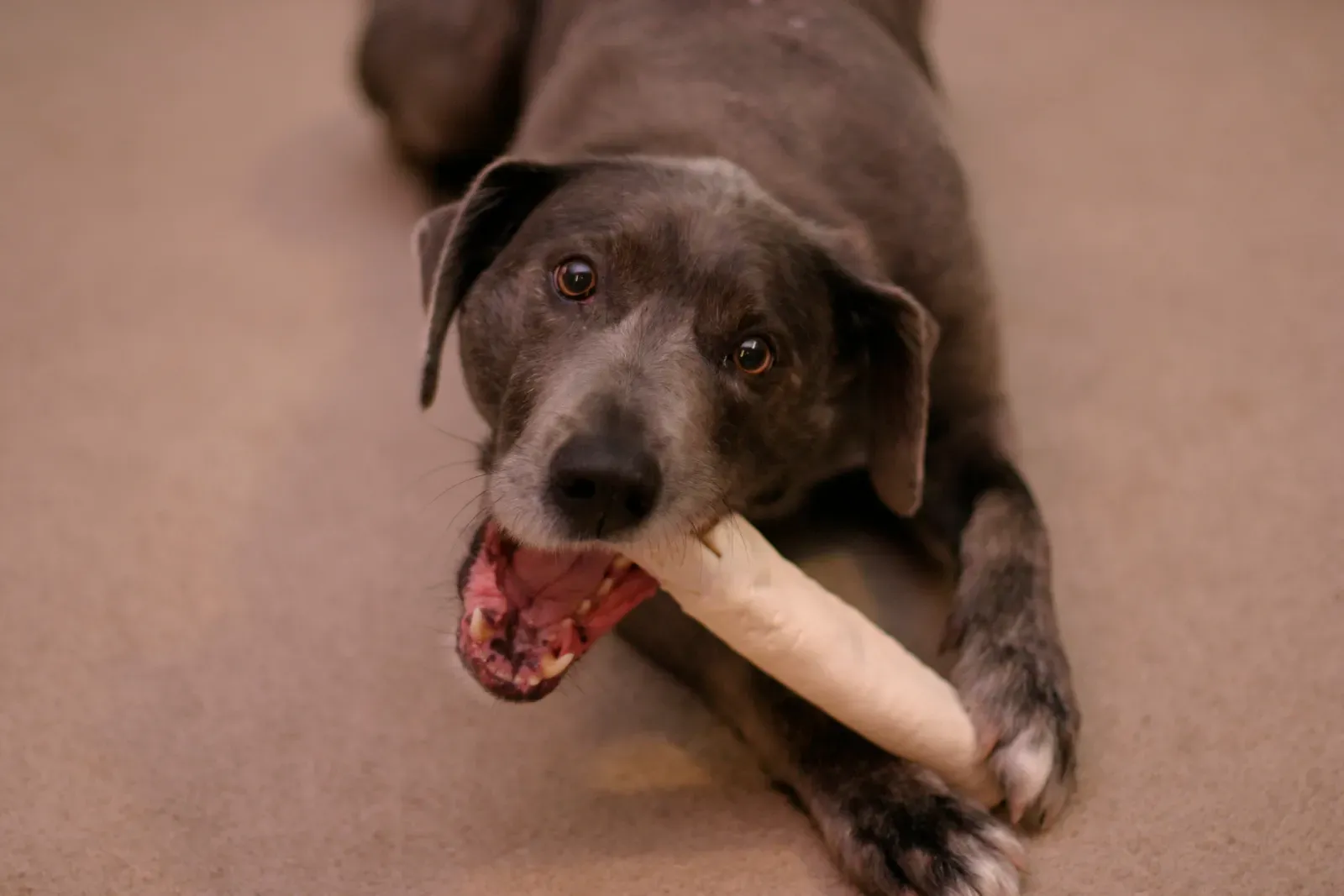
Chewing is a natural instinct for dogs, but when they target furniture, shoes, or household items, it becomes a problem; to address destructive chewing, provide plenty of appropriate chew toys and discourage chewing on household items by using deterrent sprays, making sure your dog gets enough exercise and mental stimulation to prevent boredom.
The same principle applies to digging. To manage digging behavior, determine why your dog is digging; if they are bored, increase their physical activity and provide puzzle toys to keep them engaged; you can also designate a specific digging zone, like a sandbox, where they are allowed to dig freely. Rather than fighting your dog’s instincts, redirect them into acceptable channels. It’s amazing how much calmer a dog becomes when they have a proper outlet for their natural drives.
Conclusion: Progress Over Perfection
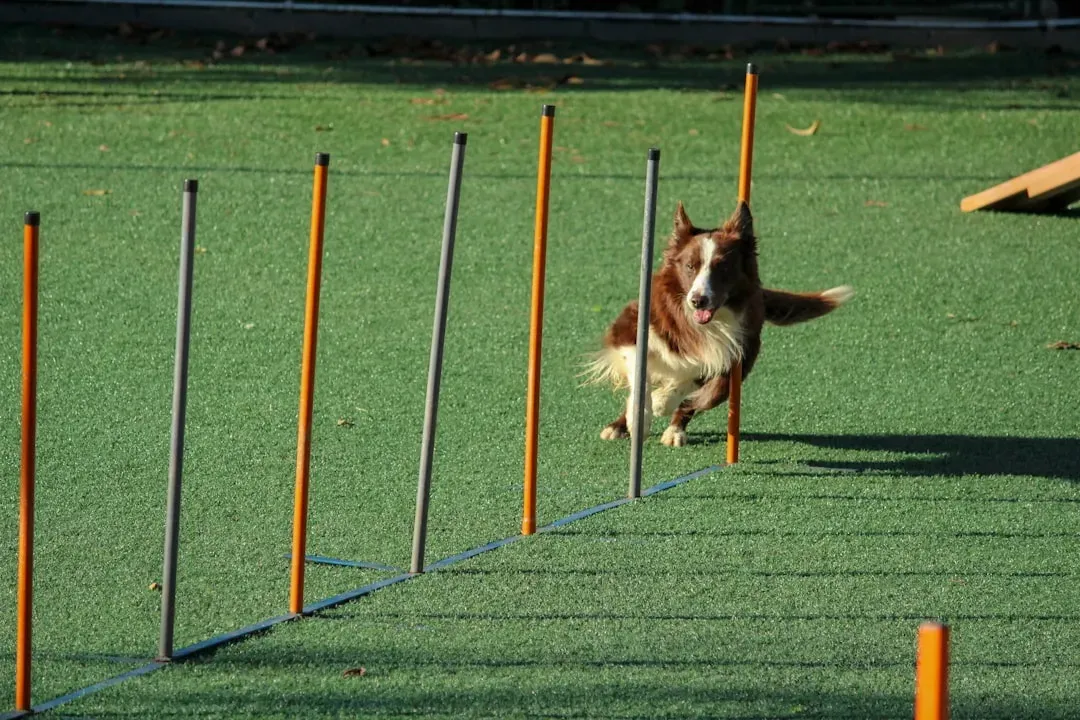
Many behavioral problems stem from lack of training, socialization, or even underlying health concerns; the good news is that with patience, consistency, and the right approach, most behavior problems can be corrected. Remember, you’re not looking for a perfect dog. You’re looking for a dog who feels understood, secure, and connected to you.
These eight hacks aren’t magic wands; they’re tools that work when applied with empathy and consistency. Some days will feel like breakthroughs, others like setbacks. That’s completely normal. Keep showing up for your dog, keep learning their language, and trust that every small step forward matters. What’s one behavior you’re most excited to start working on with your pup? Your dog is waiting to surprise you with what they’re capable of.