
9 Dog Breeds That Thrive in Cooler Climates (And 6 That Prefer the Heat)
Picture this: you’re staring out the window at snowflakes drifting down, hot cocoa in hand, while your dog presses their nose against the glass with an expression that could either mean pure joy or absolute misery. The truth is, not all dogs feel the same about winter. Some are built for blizzards, others for blazing sunshine. Understanding your furry friend’s climate preferences isn’t just about comfort; it’s about their health, happiness, and wellbeing. Whether you’re considering a new canine companion or just curious if your current pup is living their best weather life, this guide will walk you through the breeds that love a good snow day and those who’d rather lounge under the desert sun.
The Siberian Husky: Born for the Cold
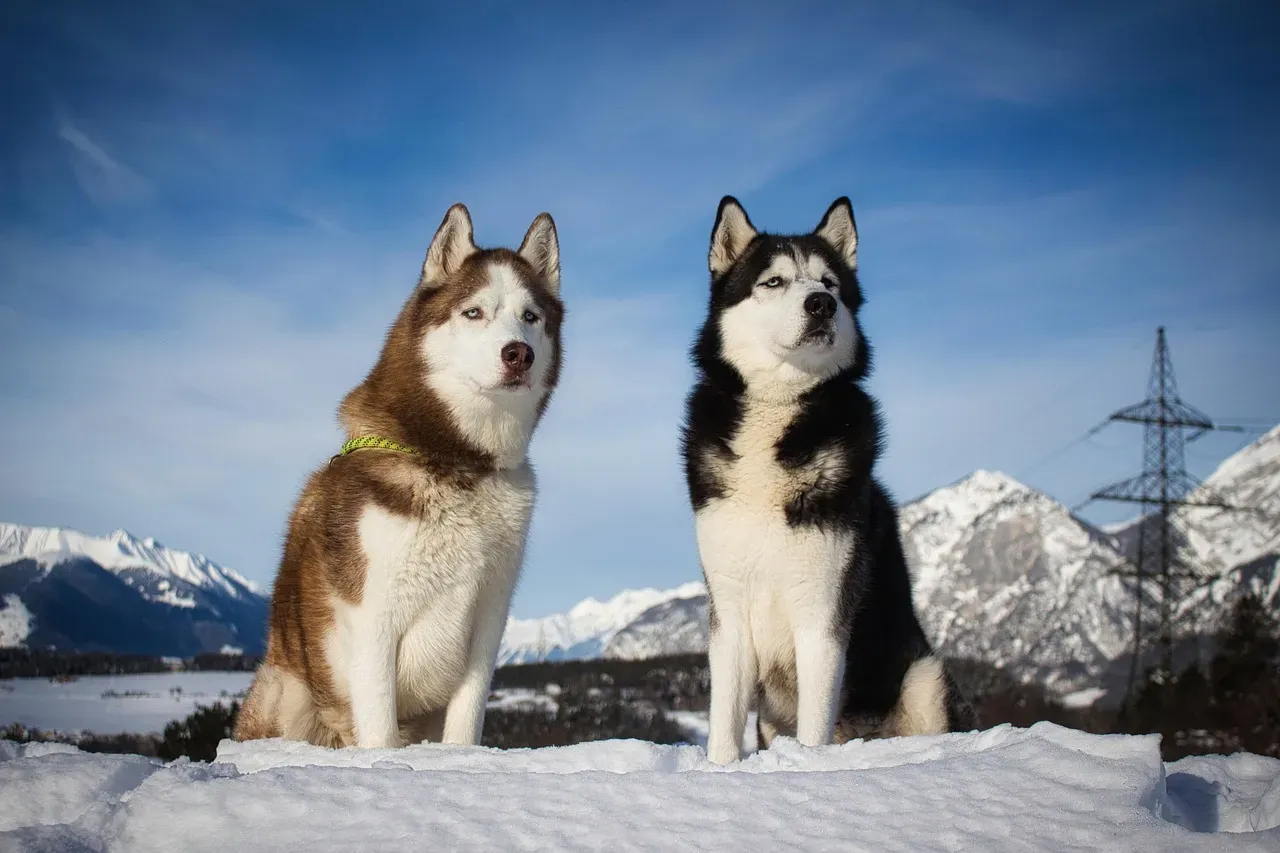
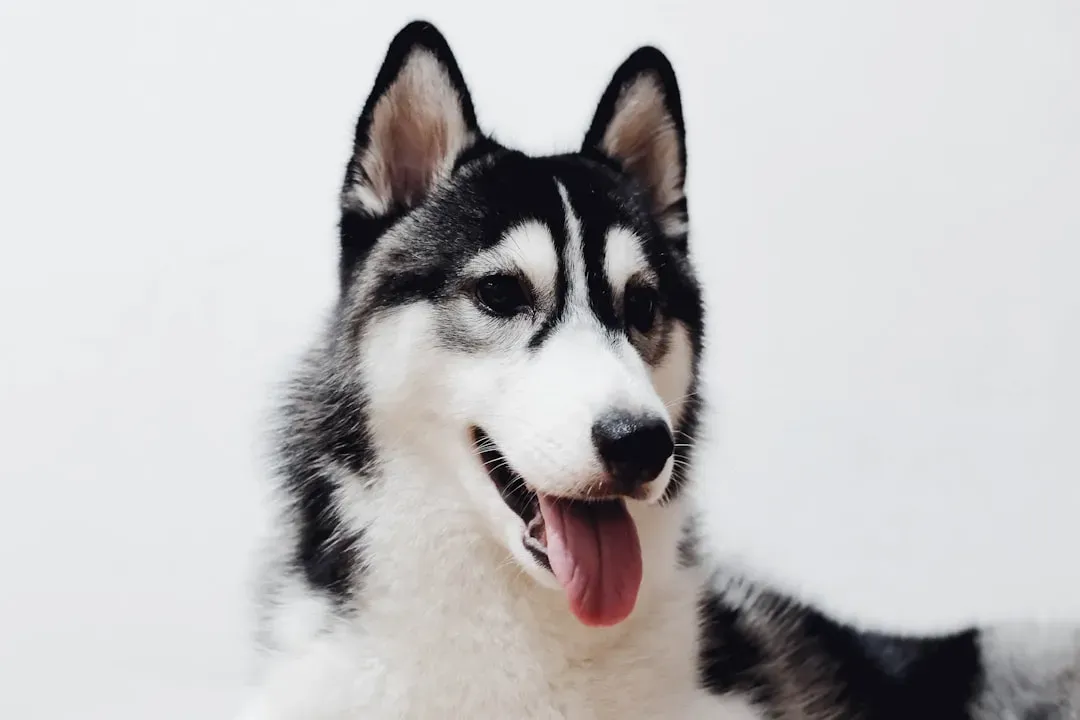
The Siberian Husky is perhaps the most popular cold-tolerant dog breed in the world, with their dense double coats, lithe figure, and striking blue eyes. These dogs were originally bred to help pull sleds and transport property across the frozen Russian tundra. When the mercury drops, Huskies come alive. Their thick undercoat acts like nature’s insulation system, trapping warmth close to their body.
This job required them to be around humans most of the time, meaning they carry their fondness for people with them to this day and are fantastic family dogs who enjoy spending time with the members of their pack. However, if you live in a hot climate, you’ll need to take extra precautions. These snow lovers can quickly overheat when temperatures climb, so early morning walks and plenty of water become non-negotiable.
Alaskan Malamute: The Arctic Powerhouse
Bred by the Malamuit people of northwest Alaska, the Alaskan Malamute is one of the most iconic Alaskan dog breeds and a powerhouse among sled dogs, essential for hauling heavy loads, freighting supplies, and providing reliable transportation across frozen terrain. A descendant of artic wolves, the Alaskan Malamute can tolerate temperatures as low as -20 degrees Fahrenheit.
Their dense double coats keep them warm in freezing conditions, and their strong build makes them excellent workers in snowy environments. These gentle giants are incredibly loyal and affectionate. If you’re someone who loves winter hiking or snowshoeing, a Malamute might be your ideal adventure companion, though they do require substantial exercise to stay happy.
Bernese Mountain Dog: The Swiss Farm Favorite

Let’s talk about one of the most beautiful cold-weather breeds. The Bernese Mountain Dog is an affectionate cold-weather dog breed, a gentle soul that loves to play, bred to be farm dogs in Switzerland and enjoy being outside, with their thick double coat protecting their skin from moisture and low temperatures.
Well known for their tricolored coat of jet black, clear white, and rust, the Bernese Mountain dog has rather imposing looks but a wonderful sweet-natured personality, originating in the Swiss Alps and used for farm work. Temperatures above 75°F (24°C) and below 32°F (0°C) pose significant risks to their health. They’re happiest when they can cuddle with their humans after a romp in the snow.
Saint Bernard: The Alpine Rescuer
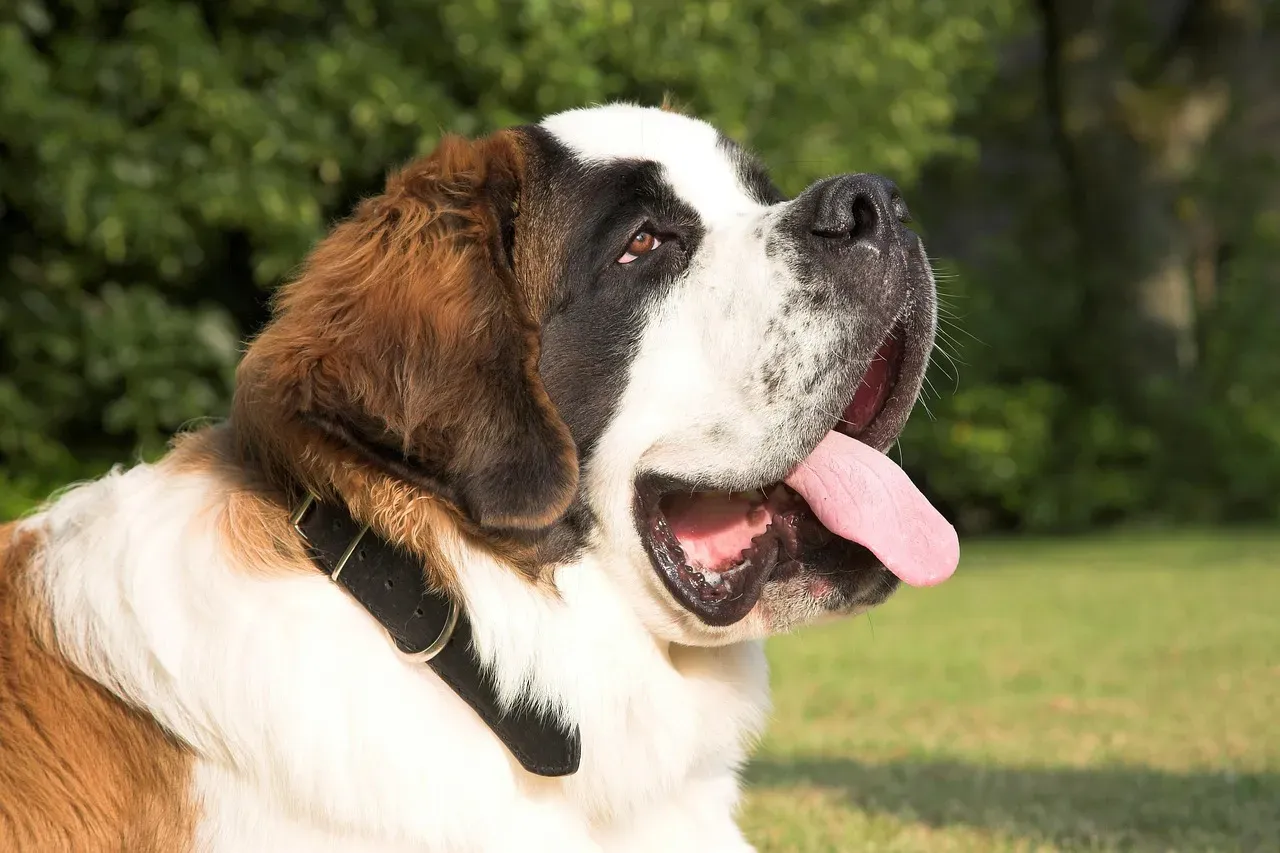
Here’s a breed with genuine heroic history. The Saint Bernard dog was once the companion of monks, guiding them through the Alps or helping to rescue stranded or lost travellers in the snowy mountains. These massive, gentle souls have saved countless lives over the centuries. Their thick, weather-resistant coat allows them to work in conditions that would be dangerous for most other breeds.
Famous for their rescue missions in the Swiss Alps, Saint Bernards are built for cold climates, with their thick coats helping them endure chilly temperatures, and their calm, friendly nature makes them wonderful family pets. Despite their size, they’re surprisingly gentle and patient, especially with children.
Samoyed: The Smiling Snow Dog

The Samoyed is an Arctic dog breed with an elegant white coat, companions to the Samoyed people in Siberia for generations before coming to the U.S. in the early 20th century. Samoyeds are beloved for their friendly personality and face that’s shaped into a permanent smile. That famous smile isn’t just adorable; it actually serves a purpose, preventing icicles from forming around their mouth in extreme cold.
These dogs have a thick double coat that keeps them cozy in even the coldest temperatures, originally bred by the nomadic Samoyedic people of Siberia to herd reindeer and pull sleds, so they love the snow. Their cheerful demeanor makes them wonderful companions for active families in colder regions.
Norwegian Elkhound: The Viking Companion
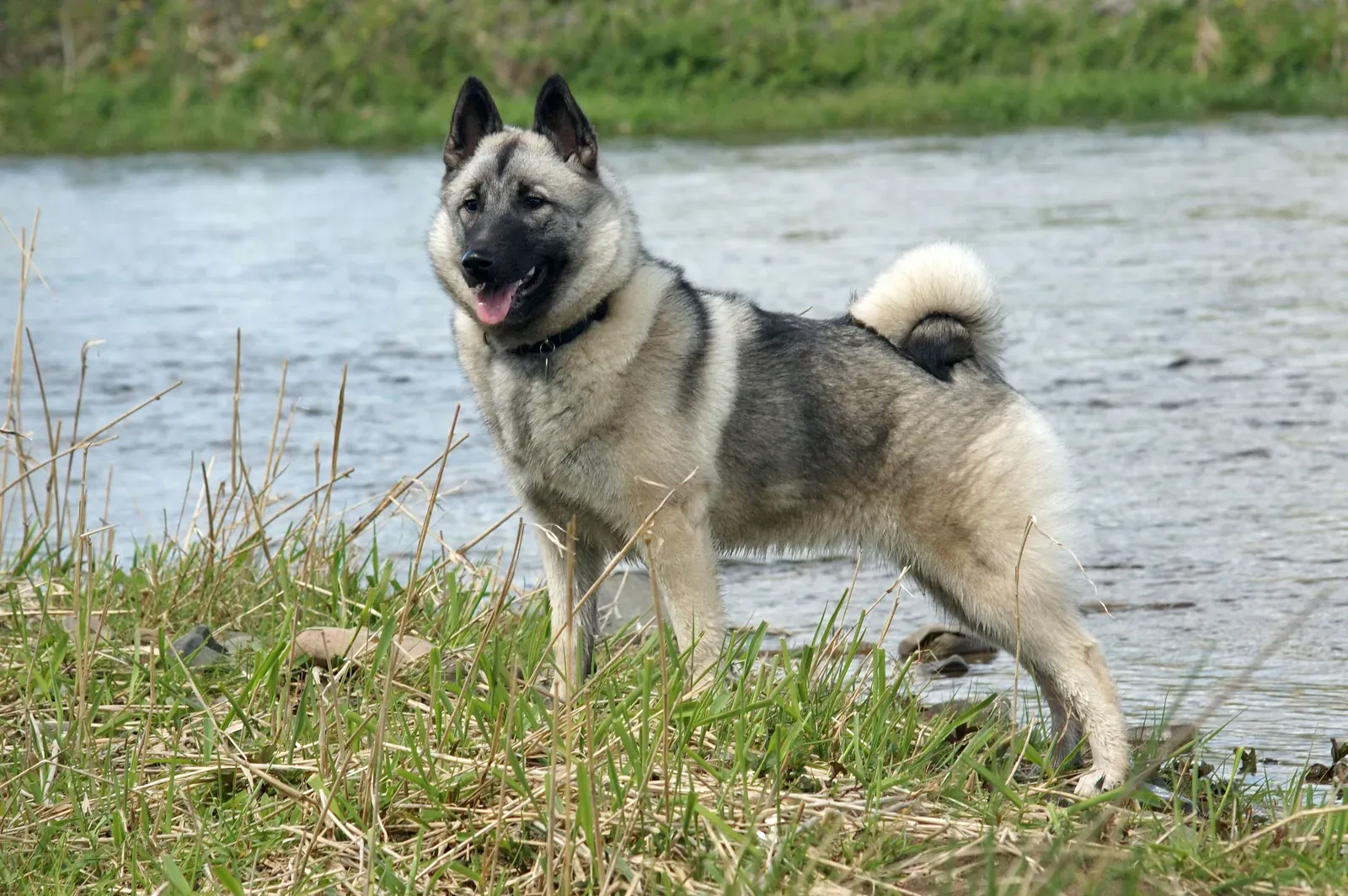
The Norwegian Elkhound has a seafaring past: these Arctic dogs sailed with Vikings! Trusted and reliable companions, Norwegian Elkhounds helped with herding, hunting, and protecting their people, and in Norway’s rocky terrain and frigid climate, their dense double coat and powerful, athletic build were essential for survival.
Norwegian Elkhounds are cold weather dogs dating back to the Vikings, now the national dog of Norway, originally used as hunting dogs, which means they can have a lingering prey drive and may chase after smaller animals, such as squirrels, rabbits, or cats. They’re incredibly loyal and need an active owner who understands their independent nature.
Akita: The Japanese Guardian
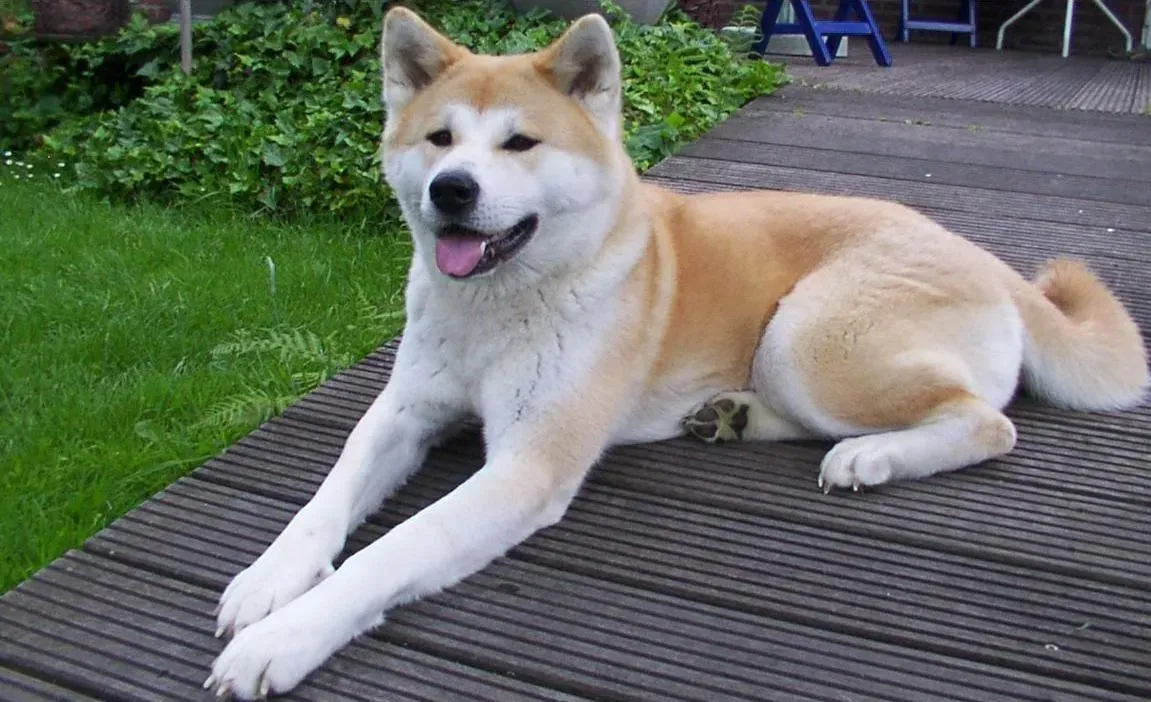
Hailing from the northern mountains of Japan, the Akita is a large dog breed with a muscular physique and a thick double coat, with their dense double-layered coat keeping them warm even in the harshest of winters, known for their loyalty and protective nature, making them excellent guardians as well as companions.
Though typically independent and reserved, Akitas form strong bonds with their close family members. Their devotion to family is legendary. However, they require experienced owners who understand guardian breeds and can provide proper socialization from puppyhood.
Newfoundland: The Gentle Water Bear
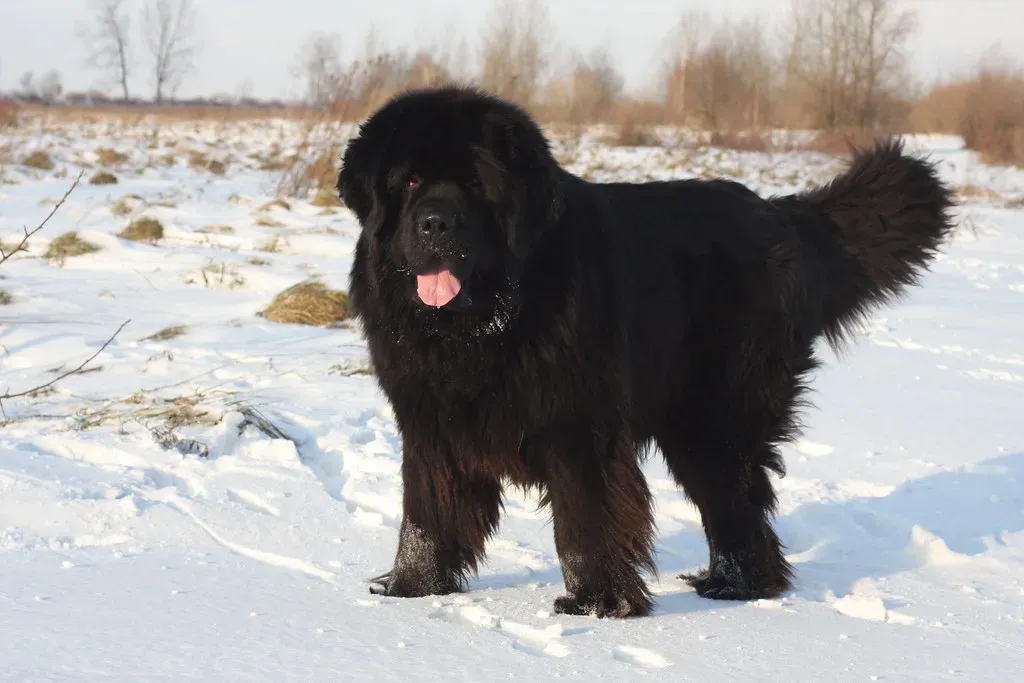
Newfoundlands are massive, gentle dogs that excel in cold weather, with their thick double coat providing warmth and protection from harsh conditions. Originally bred for working in cold, harsh waters, the Newfoundland is an excellent swimmer and an adaptable cold-climate dog, with their thick, water-resistant fur handling cold temperatures and loving outdoor activities.
These dogs are natural lifeguards with an instinct to rescue people from water. Despite their massive size, they’re incredibly gentle and patient, earning them the nickname “nanny dogs” for their excellent temperament around children.
Tibetan Mastiff: The Mountain Lion Dog
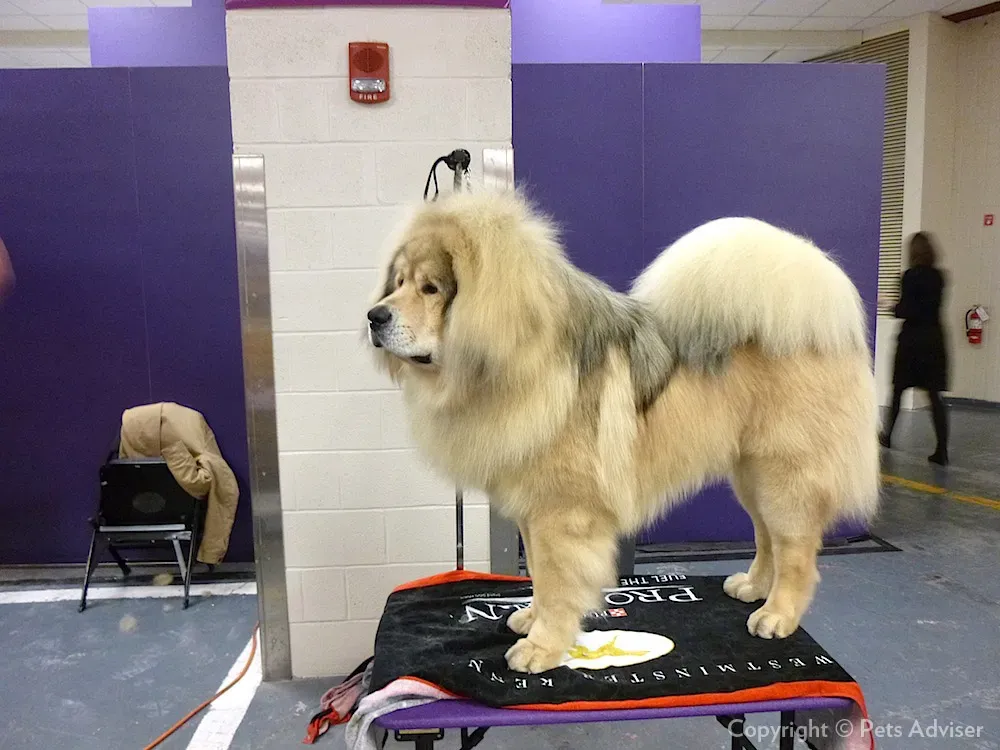
An ancient breed with written records dating back to 1100 BCE, the Tibetan Mastiff looks less like a canine and more like a lion, with the giant dogs being broad with an ultra-thick, wooly mane that kept them warm in the Tibetan mountains, where the breed originated. Tibetan Mastiffs developed in the cold of the Himalayan Mountains and have an immense double coat that keeps them insulated.
These are not dogs for first-time owners. Tibetan Mastiffs can be aloof toward strangers and, as with any breed, need consistent socialization. Their protective instincts run deep, making them excellent guardians but requiring experienced handling and training.
Chihuahua: The Desert Heat Seeker

Now let’s shift gears to those sun-worshipping breeds. Originating in the Mexican desert, the Chihuahua is a national symbol of Mexico with a lineage dating back to the ancient kingdoms of pre-Columbian times. This 2-to-5-pound dog with large erect ears and a thin coat seeks warmth and needs a sweater and a warm lap when the temperature drops.
These tiny dogs were bred in warm, desert-like environments, making them naturally adaptable to high temperatures, with their short coat, small body, and high-energy nature making them perfect for warm climates. Watch for sunburn on lighter-coated Chihuahuas, though. Their ears and noses are particularly vulnerable to sun damage.
Basenji: The Barkless African
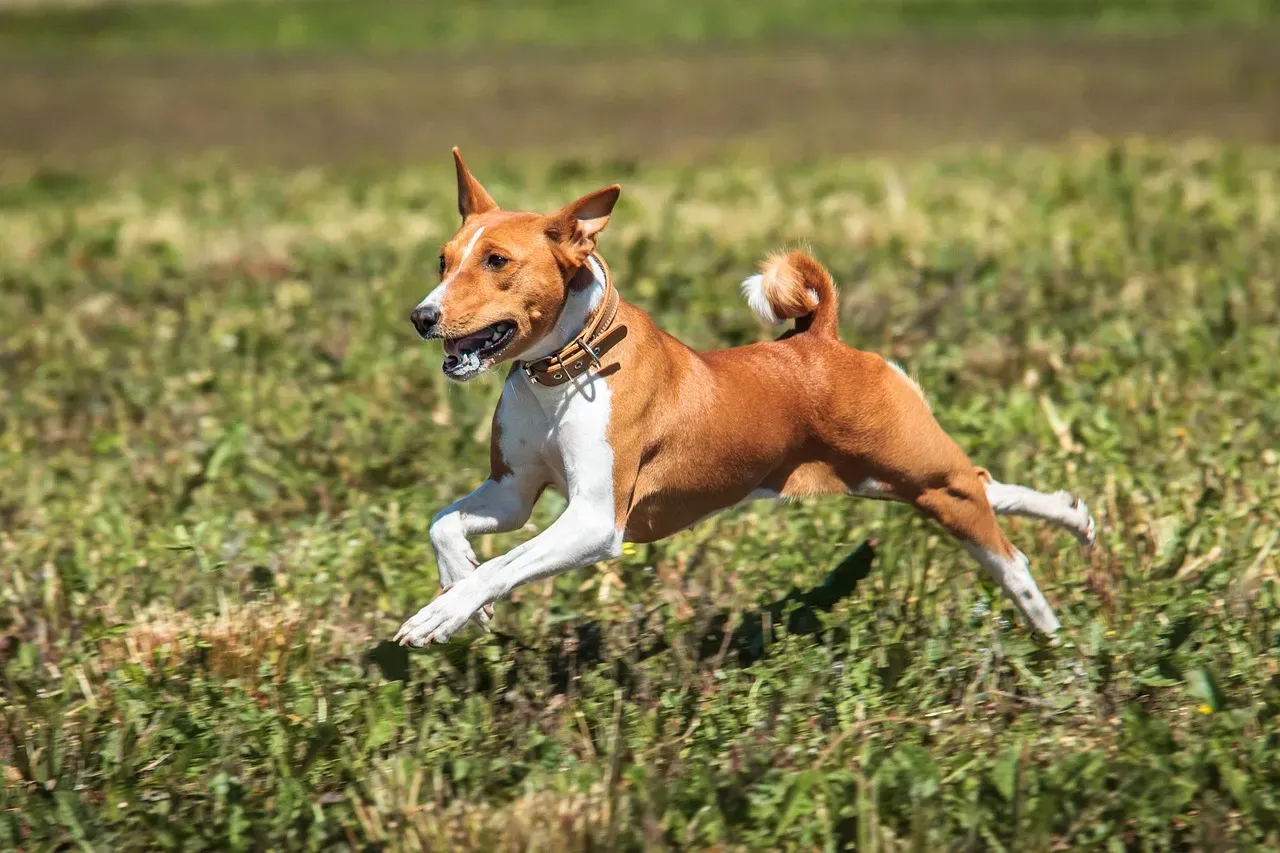
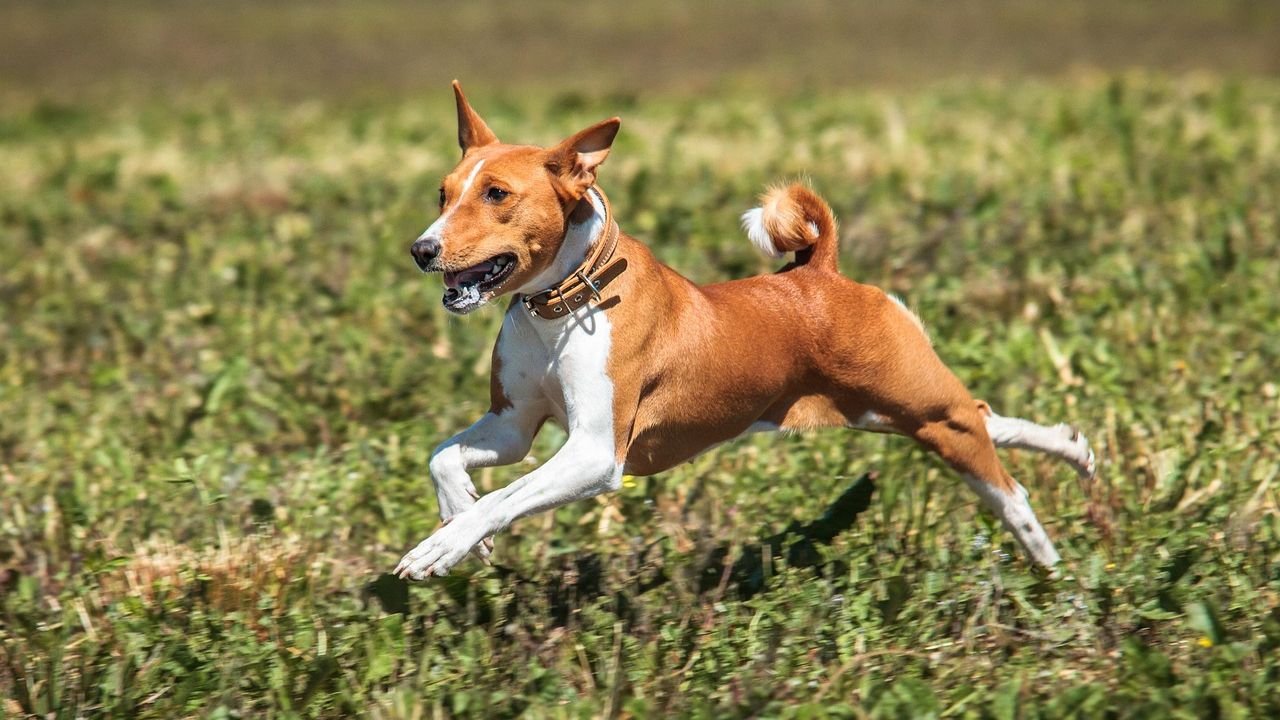
Originating from Central Africa, Basenjis have a rich history of living in hot climates and are often called “barkless dogs” and are well-known for their cat-like grooming habits. Their short, fine coat provides natural insulation and allows for efficient heat dissipation, making them well-suited for warmer weather and highly adaptable, tending to be more tolerant of heat compared to other breeds.
These unique dogs are incredibly intelligent and independent. They do have a stubborn streak, so consistent training is essential. Their cat-like personality extends to their cleanliness, making them one of the lower-maintenance breeds when it comes to grooming.
Italian Greyhound: The Mediterranean Sprinter
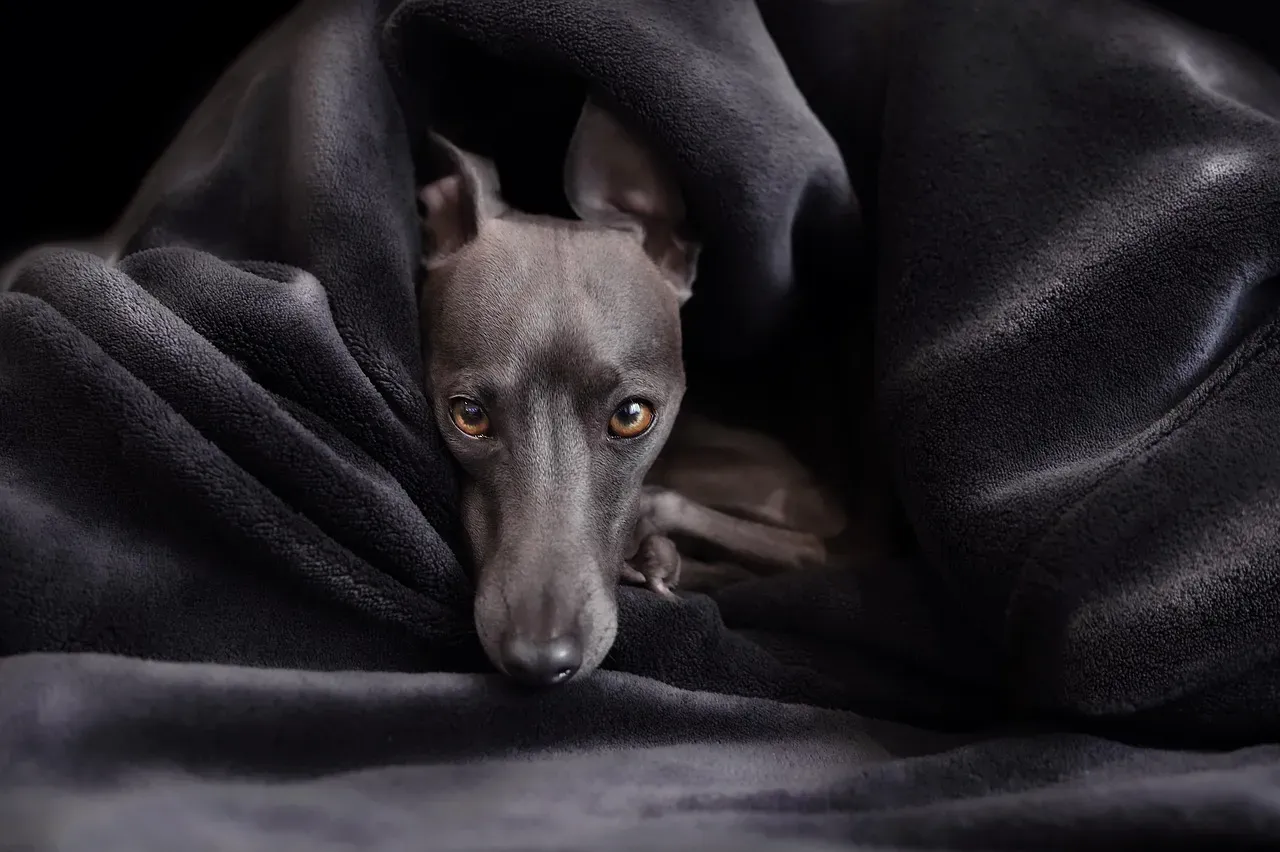
Italian Greyhounds are dainty, long-legged sighthounds classified as a toy breed by several kennel clubs, with their slender frame and short, thin coat providing zero protection against snow and ice, making these dogs great candidates for warmer climates. They often have low body fat and may require clothing like sweaters and coats if cooler weather strikes.
These elegant little dogs are surprisingly fast and agile. They’re gentle and affectionate, making them wonderful companions for warm-weather dwellers who want a loving lap dog that can also keep up on walks.
Whippet: The Lean Speed Demon

One of the biggest perks of having a Whippet in burning climates is their low-maintenance coat: they don’t shed excessively, require minimal grooming, and rarely develop that “doggy odor.” If you’ve ever seen a whippet shivering on a cold day, you’ll know how much this breed likes to be kept warm, with their short hair preventing insulation and allowing cooler air to circulate, a long nose to take in air and large open ears to disperse heat.
Their lean, athletic build means they carry minimal body fat, which helps them stay cool but leaves them vulnerable to cold. They’re surprisingly lazy indoors, despite being capable of incredible bursts of speed outdoors.
Pharaoh Hound: The Ancient Blusher
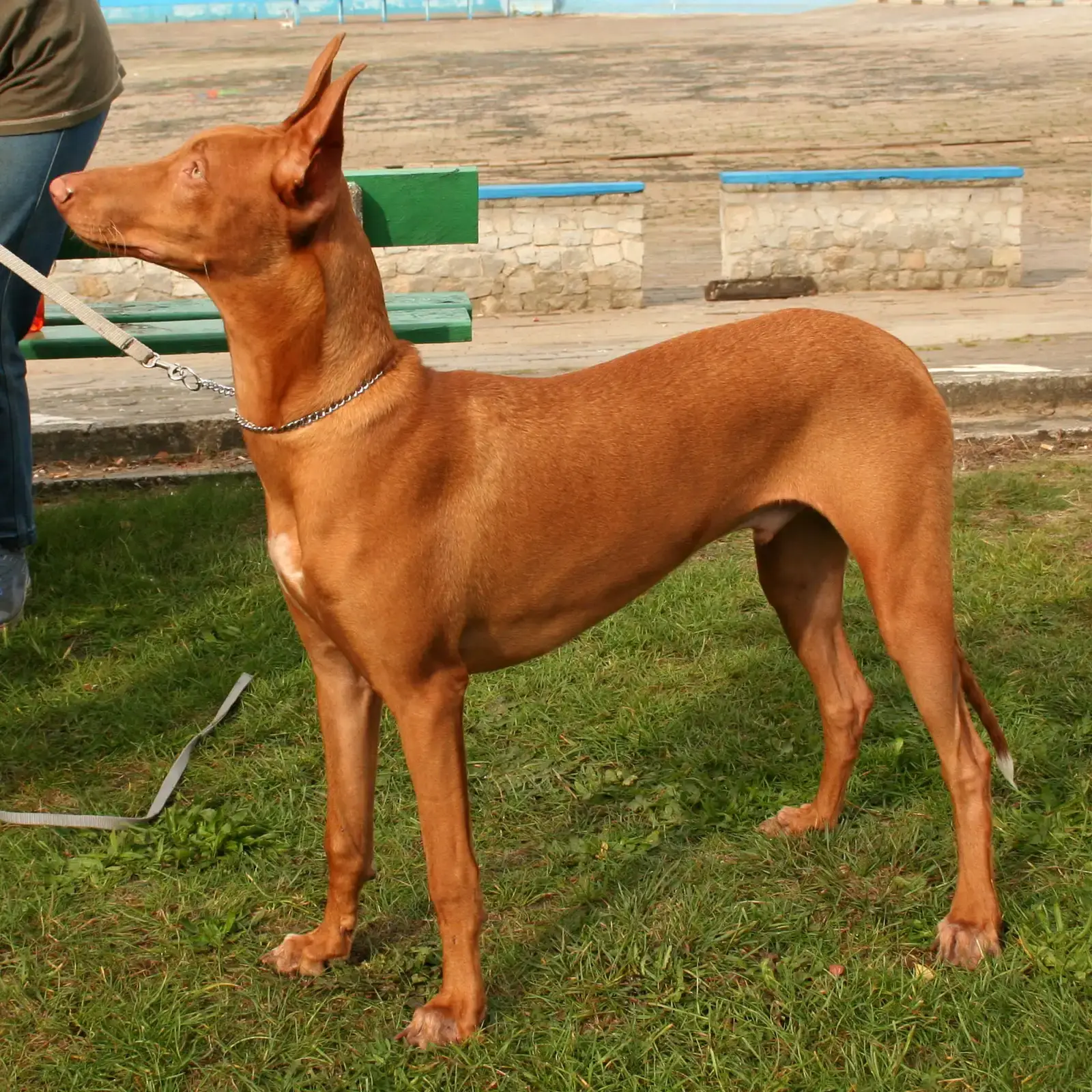
Originally from Malta, the Pharaoh Hound possesses incredible heat tolerance and is often called the “blushing dog” due to its unique ability to display a rosy hue when excited or warmed. Their short coat is fine and thin, allowing for better heat exchange, with the Pharaoh Hound’s ears also being large and thin, aiding in heat regulation.
These elegant dogs are playful and affectionate with family but can be reserved with strangers. They have a strong prey drive, so secure fencing is absolutely essential if you’re bringing one of these ancient hunters home.
Dalmatian: The Spotted Sun Lover
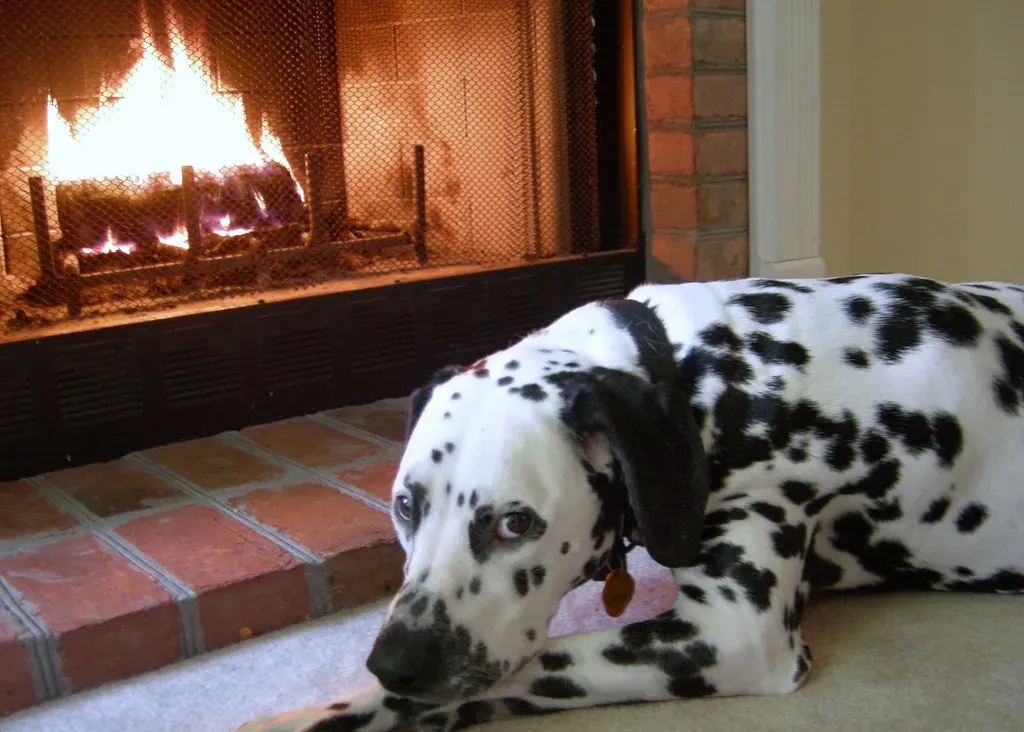
While the Dalmatian’s origins are obscure, by the early 1800s, the Non-Sporting Group member accompanied travelers in Dalmatia along the Adriatic Sea, with a short, white spotted coat, the breed is athletic but knows when it’s time to catch some rest in the sun. Dalmatians have short and sleek coats that help in heat dissipation and are also known for their high energy and stamina, which allows them to remain active even in warmer temperatures.
These iconic spotted dogs are incredibly energetic and need plenty of exercise. They’re best suited for active families who can match their enthusiasm and provide the mental stimulation they crave.
Understanding Temperature Tolerance and Safety
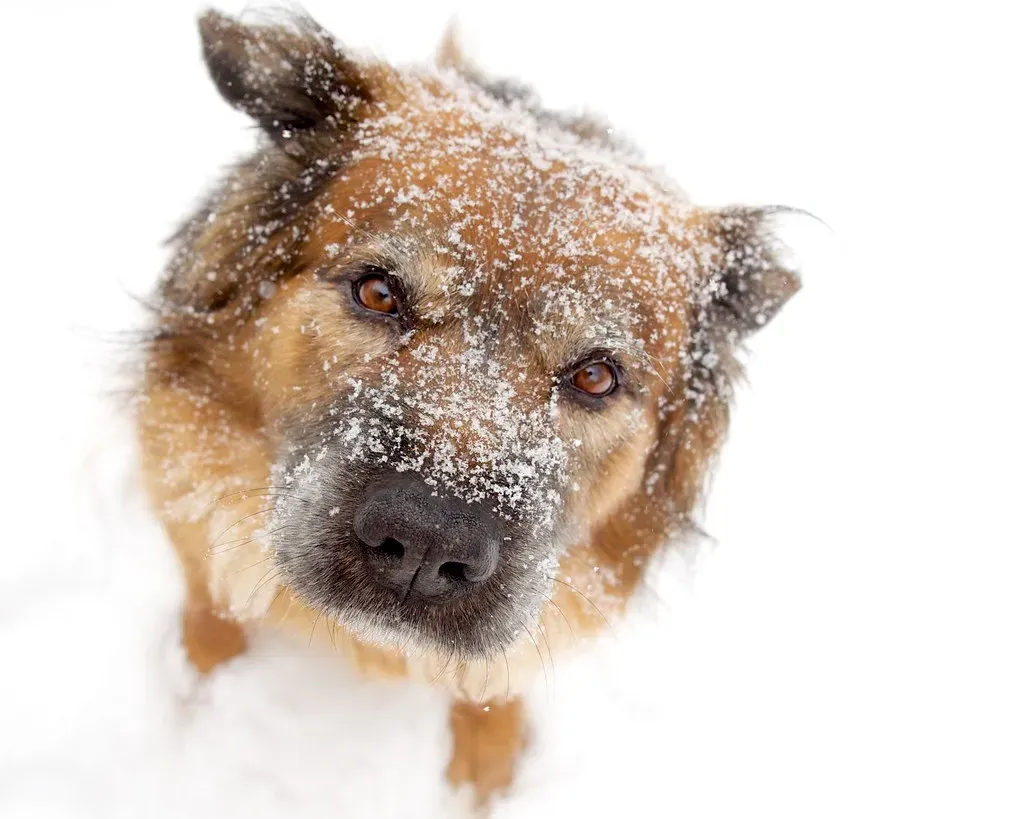
Here’s what you need to know about keeping all dogs safe, regardless of breed. Temperatures below 20 degrees require owners of all dog breeds (no matter their coat type) to take care to ensure they are protected from hypothermia and frostbite. Your dog can generally stay comfortable in weather up to 81-85 degrees Fahrenheit, however, as temperatures climb during the summer months, you may need to pay more attention to signs that your dog might be too hot or even dehydrated.
If you notice your dog shivering, lifting their paws, or whining, bring them inside immediately to warm up. Overheating or heatstroke is a condition where the dog’s body temperature rises above 105 degrees Fahrenheit and cannot be cooled effectively, which can cause severe damage to the dog’s organs and can result in death. Watch your pup carefully, regardless of their breed. They’re counting on you to keep them safe and comfortable in whatever weather comes your way.
Your dog’s happiness truly depends on matching their natural preferences with your climate. Cold-weather breeds in hot climates need air conditioning, plenty of water, and limited outdoor time during peak heat. Heat-loving breeds in cold areas need sweaters, booties, and shortened winter walks. So what’s the takeaway here? Your furry friend isn’t being dramatic when they seem miserable in certain weather; they’re genuinely uncomfortable. What’s your dog’s relationship with the weather like? Have you noticed them come alive in certain temperatures? Share your experiences in the comments below.