
12 Dog Behaviors That Are Actually Signs of Intelligence (Not Mischief)
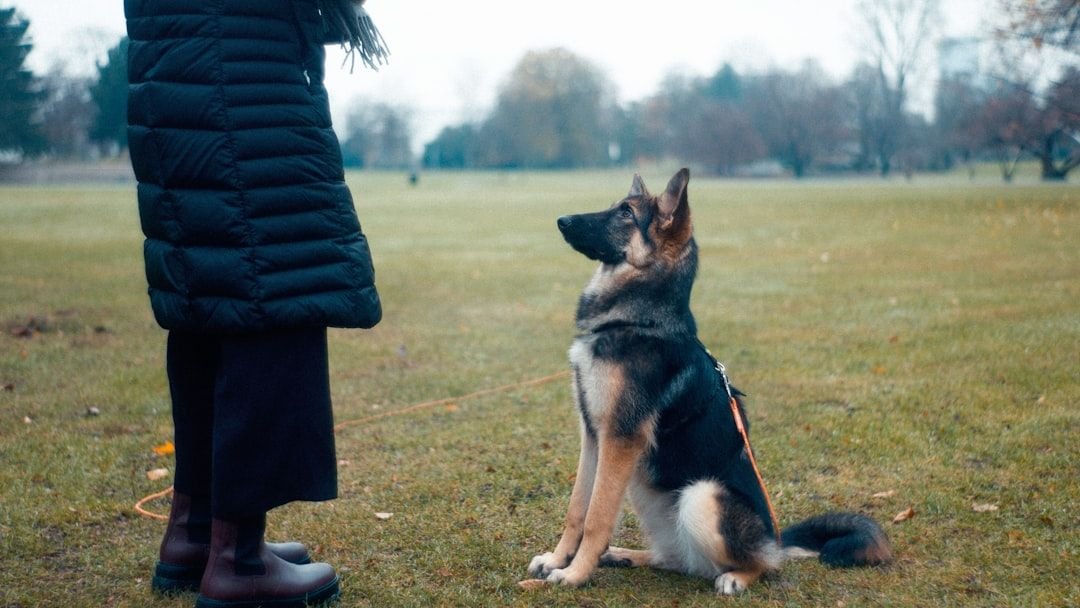
You’ve probably caught your dog doing something that made you shake your head in frustration. Maybe they figured out how to open the cabinet where the treats are stored, or perhaps they ignore your command when something more interesting is happening across the yard. Here’s the thing, though: what looks like disobedience or troublemaking might actually be your dog showing off their smarts.
Research reveals that people often misread their dogs’ emotions and behaviors, missing the clever thinking happening behind those watchful eyes. The intelligence of our canine companions goes far beyond simple obedience. Let’s dive into the behaviors that actually prove your dog is smarter than you might think.
1. Selective Hearing When You Call Them

Does your dog suddenly develop hearing problems when you call them away from something fascinating? You might think they’re being stubborn or defiant. Honestly, there’s more going on than simple disobedience.
Dogs can understand roughly 165 words and signals on average, and some exceptional pups know far more. When your dog chooses not to respond immediately, they’re often weighing their options and making decisions based on what matters most to them in that moment. This is called impulse control and decision-making, both hallmarks of cognitive processing.
Think about it like this: your dog heard you perfectly fine. They’re just running a quick cost-benefit analysis in their head, evaluating whether coming to you right now is worth abandoning whatever they’re currently investigating. That’s not defiance, that’s intelligence at work.
2. Staring at You During Problem Situations
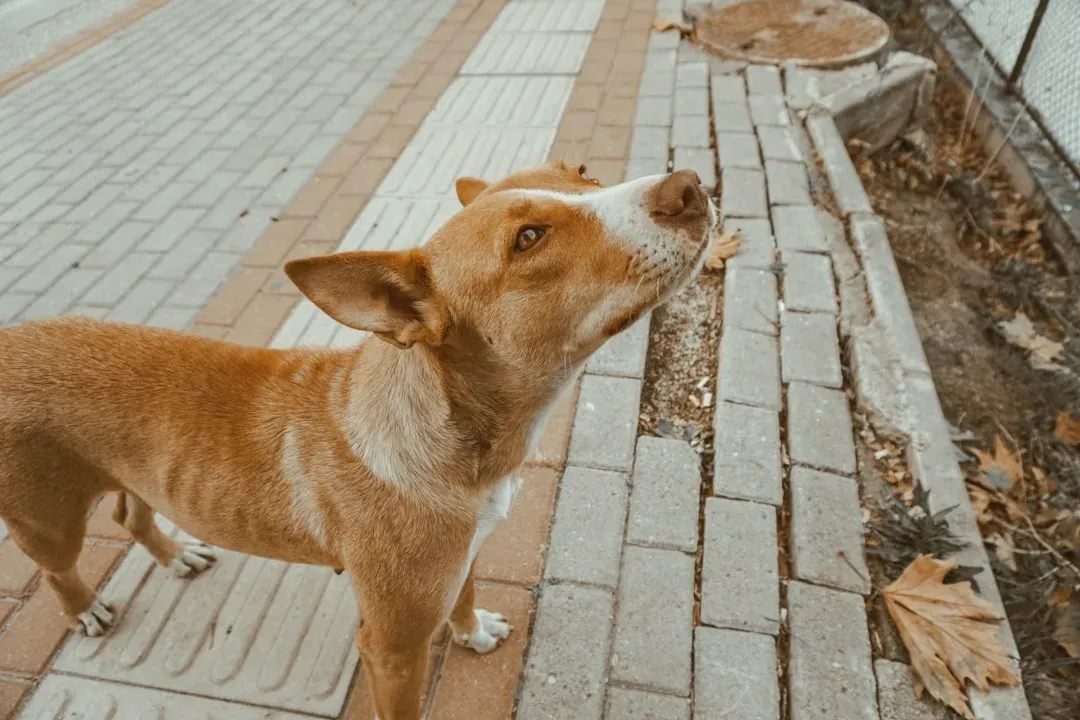
When your dog encounters something they can’t figure out, like a toy stuck under the couch or a closed door, they often turn and stare directly at you. Many owners interpret this as helplessness or laziness. Let me tell you, it’s actually sophisticated social intelligence.
Dogs that spend more time asking humans for help are more obedient and easier to train, with fewer management issues like pulling on leashes or stealing food. This behavior shows your dog understands that humans are problem-solvers and that communication can lead to results.
Your dog has learned through observation that you have capabilities they don’t possess. Turning to you for help demonstrates social cognition and an understanding of collaborative problem-solving. Wild canines rarely display this behavior, making it uniquely intelligent in domestic dogs.
3. Testing Boundaries and House Rules

Your dog knows they’re not allowed on the couch. Yet somehow, when you leave the room, they hop right up there. When you return, they might even jump down quickly with that guilty expression.
This isn’t just naughty behavior. Dogs can read and react appropriately to human body language such as gesturing and pointing, and understand human voice commands. When they test rules in your absence, they’re demonstrating an understanding of cause and effect, as well as social awareness about when rules are enforced versus when they might slide.
They’ve figured out the difference between your presence and absence, and adjusted their behavior accordingly. Some researchers might even say they’re engaging in a form of deception, which requires a fairly advanced level of thinking about what others know or don’t know.
4. Bringing You Specific Items Without Being Trained
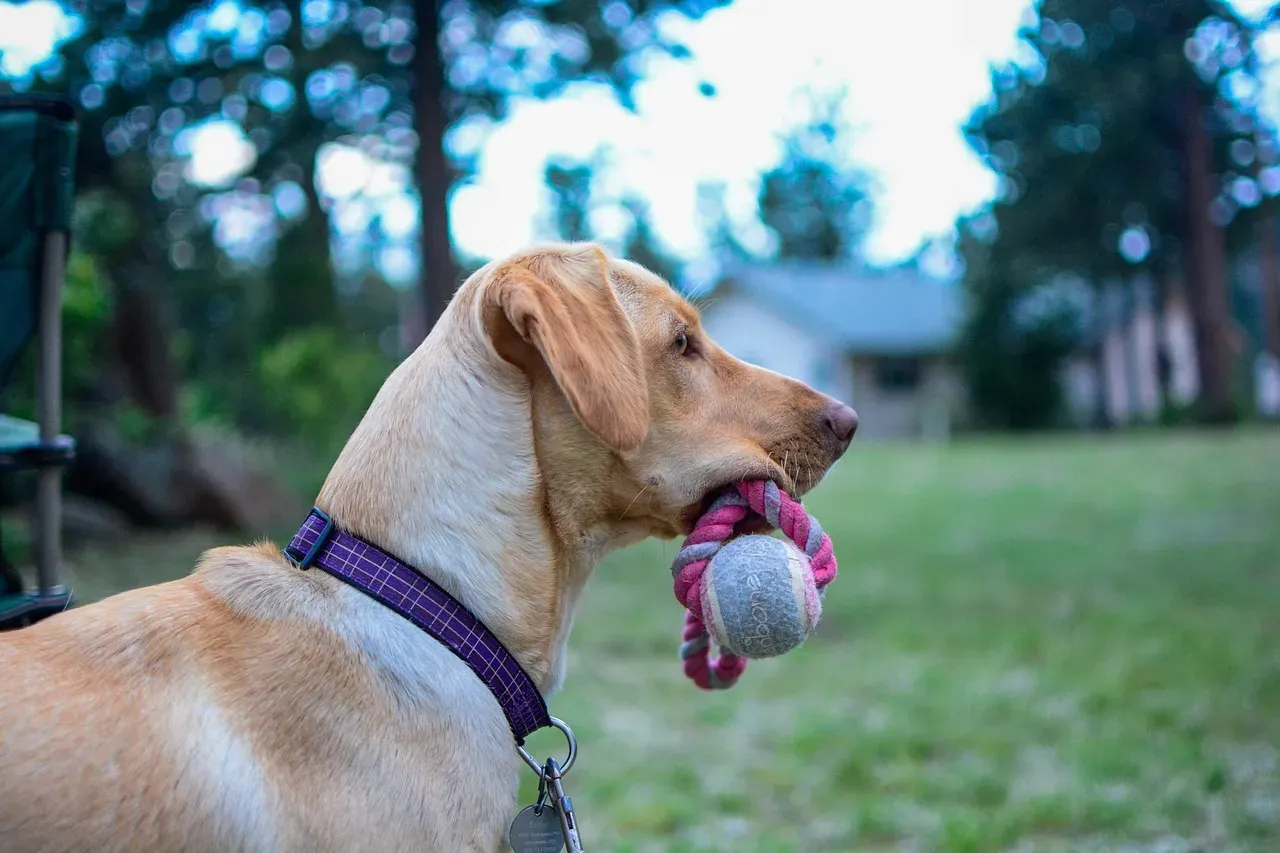
Has your dog ever brought you their leash when they want a walk, or carried their empty food bowl to you at dinner time? This spontaneous communication shows remarkable cognitive abilities that go beyond basic training.
Trained retrievers can keep track of five or more objects in order while hunting, showing dogs have sophisticated memory and object permanence skills. When your dog fetches a specific item to communicate their needs, they’re using symbolic thinking – understanding that an object represents an idea or desire.
This behavior requires memory (remembering which object is associated with which activity), planning (deciding to get the item), and communication (presenting it to you with intent). That’s a pretty complex chain of cognitive events for an animal we sometimes underestimate.
5. Taking the Longest Route to Get Somewhere
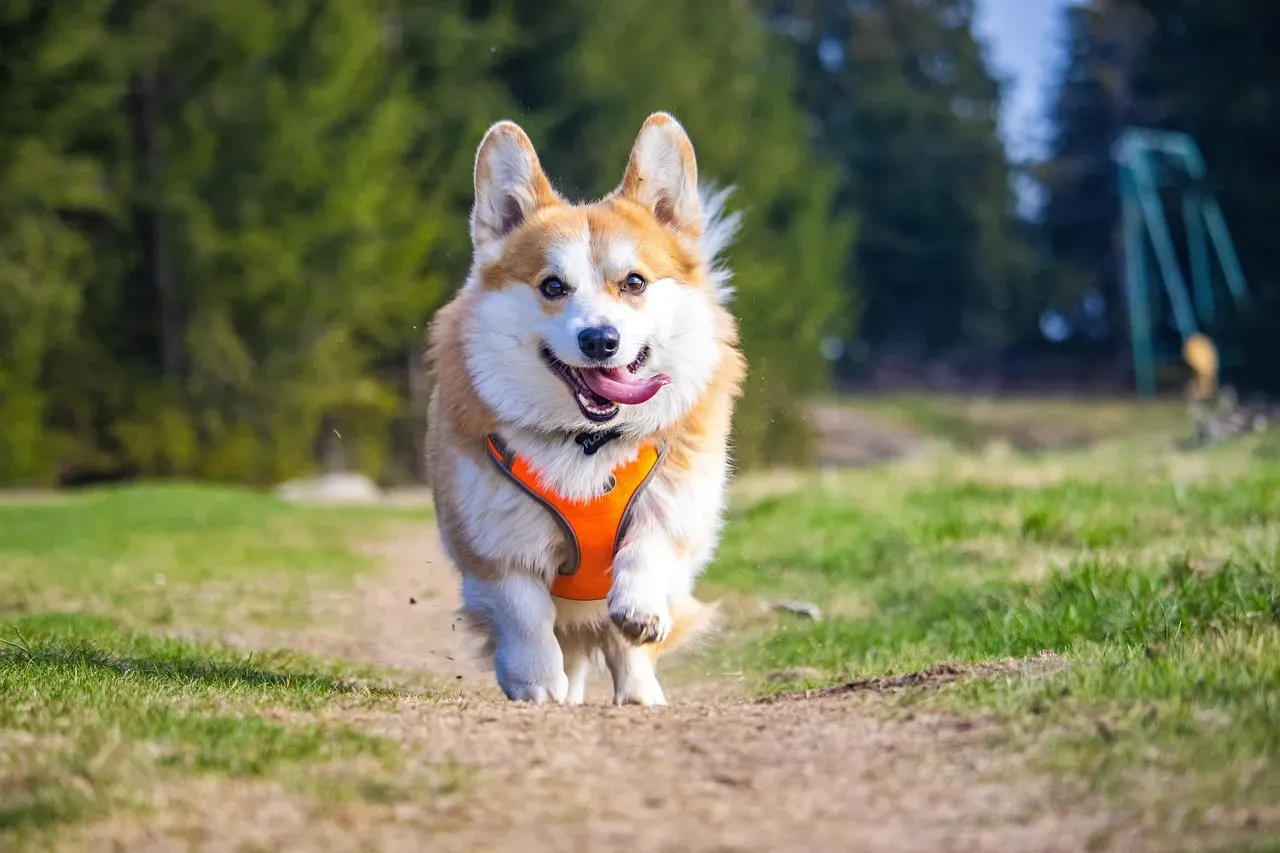
You’re walking your dog when they suddenly take a bizarre, winding path instead of the direct route. Before you assume they’re just distracted or confused, consider what’s really happening in their brilliant nose.
Dogs’ brains are highly attuned to actions and movement, as animals must be very concerned with things happening in their environment. When your dog chooses an indirect route, they’re often processing dozens of scent trails, tracking movement patterns, and gathering information about their territory.
The ability to navigate complex environments using multiple sensory inputs shows spatial intelligence and environmental awareness. Your dog might appear to be wandering aimlessly, but they’re actually conducting sophisticated reconnaissance of their world.
6. Ignoring Commands They Know Perfectly Well
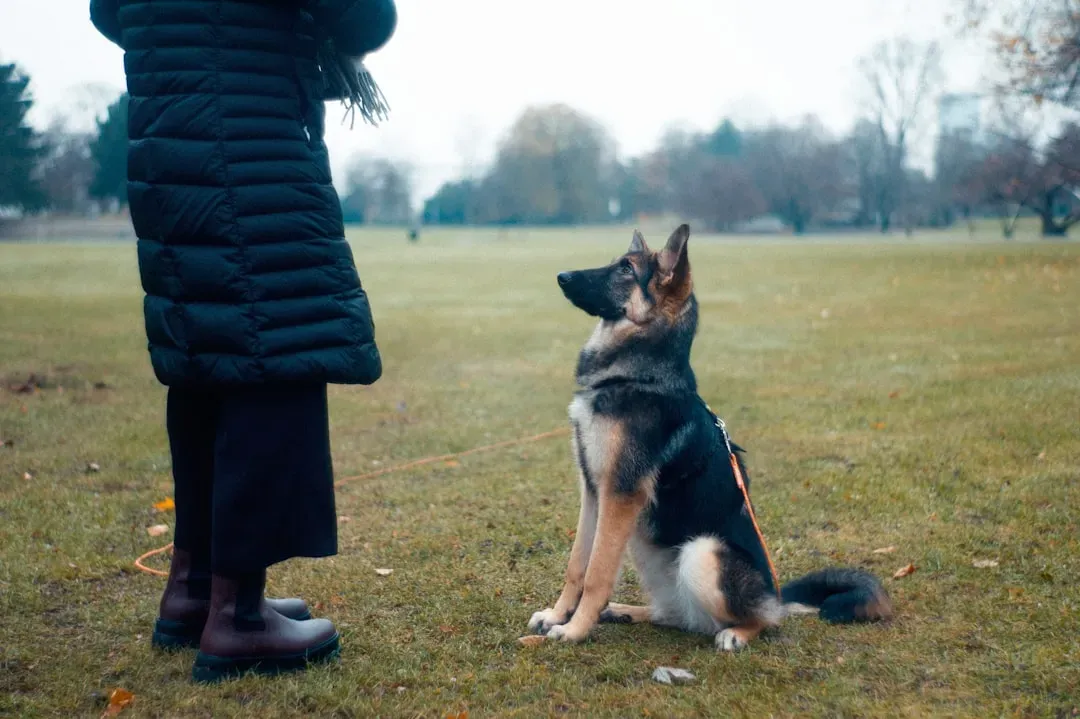
The cylinder test measures self-control, and dogs that make more mistakes in this test are more impulsive and more difficult to train in everyday life. So when your dog suddenly “forgets” how to sit or stay, especially in exciting situations, they’re not being spiteful.
This behavior actually reveals something interesting about canine cognition. Your dog is experiencing what researchers call inhibitory control challenges – the same thing that makes it hard for young children to resist temptation. The fact that they can follow commands most of the time shows they’ve learned impulse control, which is an executive function requiring significant brainpower.
Dogs with strong problem-solving abilities sometimes struggle more with strict obedience because their brains are wired to think independently rather than simply comply. It’s hard to say for sure, but this might explain why some of the smartest breeds can also be the most challenging to train.
7. Stealing Food Right in Front of You

Let’s be real: when your dog swipes food from the counter while making eye contact with you, it feels like pure audacity. Yet this bold behavior demonstrates several intelligent processes happening simultaneously.
Dogs demonstrate theory of mind by engaging in deception, and self-awareness by detecting their own smell during sniff tests. When your dog calculates whether they can grab that sandwich before you intervene, they’re assessing risk versus reward, reading your body language, and making split-second decisions.
They’ve also learned through experience that sometimes they succeed and sometimes they don’t, which means they understand probability at some level. The fact that they’re willing to take calculated risks shows cognitive flexibility and bold problem-solving strategies.
8. Pretending to Need to Go Outside

Your dog sits by the door with that urgent look, you let them out, and then they just stand there sniffing the air with no intention of doing their business. Frustrating? Sure. Clever? Absolutely.
This manipulative behavior shows your dog has learned to use your expectations and routines to their advantage. They’ve figured out that the “potty signal” is a reliable way to get what they want, whether that’s outdoor exploration time, your attention, or access to something interesting happening outside.
Puppies learn behaviors quickly by following examples set by experienced dogs, learning tasks up to fifteen times faster when watching demonstrations. This means dogs are constantly observing and learning from outcomes, then applying that knowledge in creative ways.
9. Hiding Toys or Treats in Strange Places

You find your dog’s favorite ball buried in the laundry basket, or discover treats stashed behind the couch cushions. This hoarding behavior might seem odd or annoying, but it’s rooted in intelligent planning for the future.
Caching behavior demonstrates several cognitive abilities: memory (remembering where items are hidden), planning (preparing for future needs), spatial awareness (choosing hiding spots), and impulse control (resisting immediate consumption). Wild canines use this same strategy to ensure food security.
Memory and impulse control are cognitive traits that improve with age in dogs. When your dog hides resources, they’re showing foresight and the ability to delay gratification, both considered markers of higher intelligence in animal cognition research.
10. Destroying Things When Left Alone
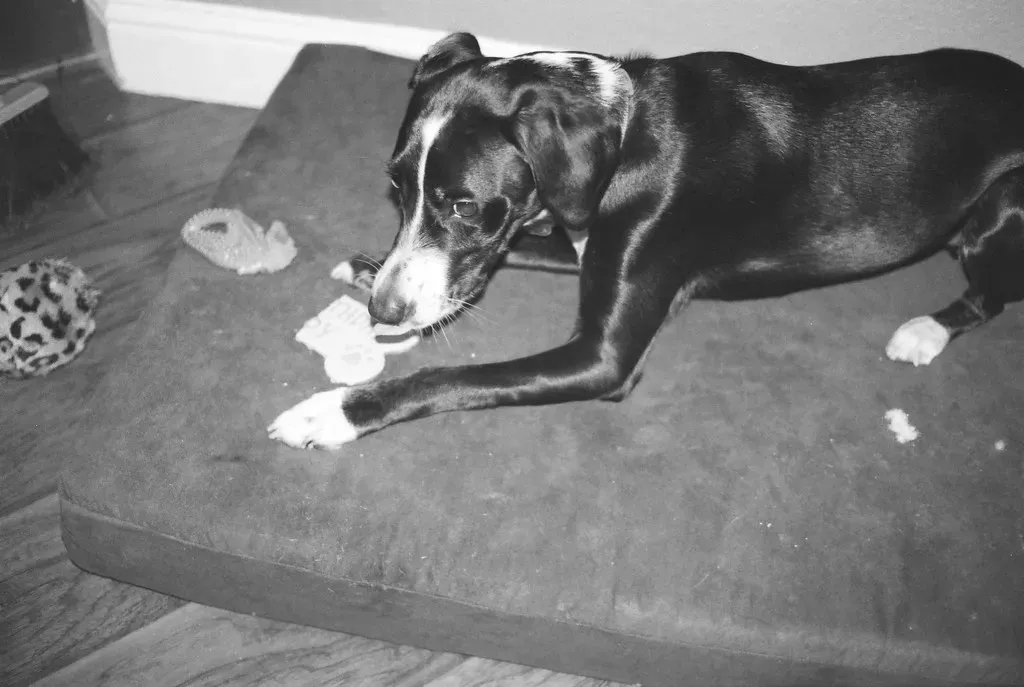
Coming home to shredded pillows or chewed furniture is maddening. Most people label this as bad behavior or spite, but the reality is more nuanced and actually reveals your dog’s emotional intelligence.
Dogs suffering from separation anxiety have a more negative cognitive bias, which becomes less negative after treatment with medications and behavior therapy. Destructive behavior when alone often stems from anxiety, not malice, and anxiety requires a fairly sophisticated emotional landscape.
Your dog’s distress at your absence shows attachment, emotional bonding, and awareness of social isolation. The destructive behavior itself is often an attempt at self-soothing or coping with stress. Understanding this as an emotional response rather than defiance completely changes how we should address it.
11. Refusing to Walk Past Certain Places
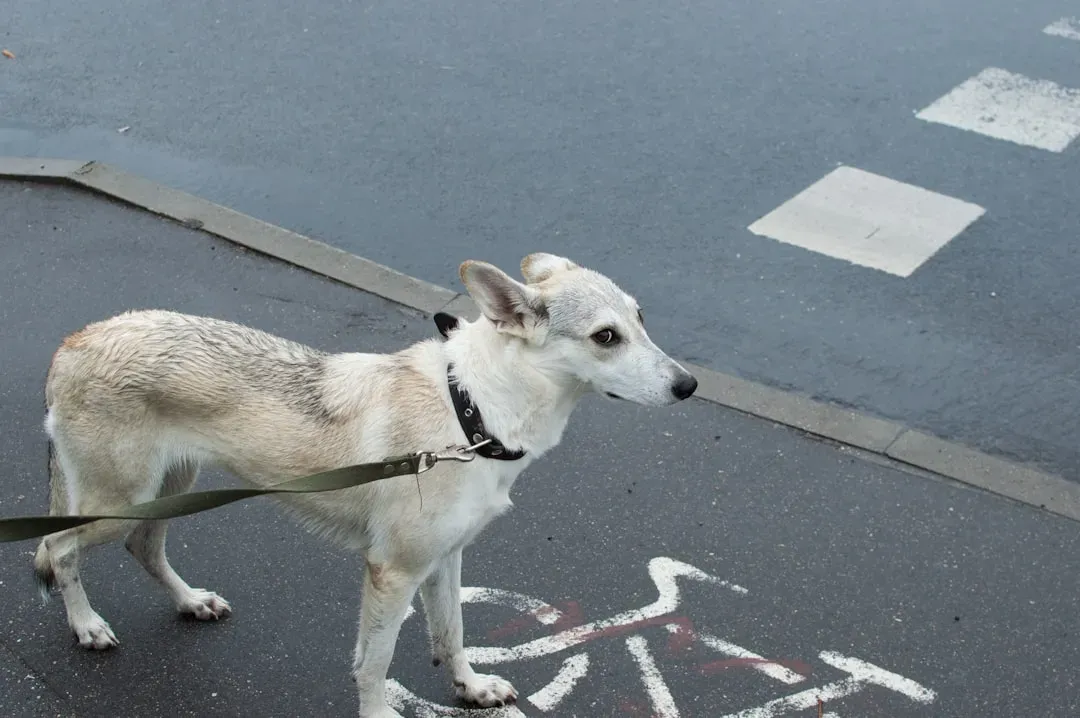
Your dog suddenly plants their feet and refuses to walk past a particular house, alley, or street corner. No amount of coaxing works. You might think they’re being difficult, but they’re actually demonstrating impressive memory and pattern recognition.
Dogs remember negative experiences with remarkable clarity. Dogs have episodic-like memory, recalling past events that included complex actions of humans. If something frightening happened in that location once, your dog has filed it away as a place to avoid.
This shows risk assessment, spatial memory, and self-preservation instincts. Your dog is essentially telling you they’ve conducted a threat analysis and determined this location is potentially dangerous. That’s pretty sophisticated situational awareness.
12. Learning Your Routine Better Than You Know It Yourself

Your dog starts getting excited for dinner before you’ve even looked at the clock, or they’re waiting by the door before you’ve consciously decided to take them for a walk. This anticipatory behavior reveals extraordinary observational and pattern recognition skills.
In studies measuring cooperation, dogs waited for their partner to get in position before tugging on a string, showing they understood collaborative problem-solving. This patience and social awareness extends to their relationships with humans.
Dogs are constantly monitoring subtle cues in your behavior that you don’t even realize you’re giving. They’ve mapped your routines, associated certain actions with outcomes, and learned to predict what happens next. This requires sustained attention, pattern recognition, memory, and the ability to read incredibly subtle human behaviors. It’s actually one of the most impressive displays of canine intelligence we see in everyday life.
Conclusion
The next time your dog does something that tests your patience, take a moment to consider what’s really happening behind those expressive eyes. Self-control and turning to humans in problem situations are valuable traits for pet dogs, while impulsiveness and independent problem-solving styles can lead to challenges in daily life.
What we often label as mischief or disobedience is frequently intelligence expressing itself in ways we don’t immediately recognize. Our dogs are problem solvers, pattern recognizers, social strategists, and emotional beings with rich inner lives. Understanding these behaviors as signs of intelligence rather than defiance can transform your relationship with your dog and help you appreciate just how remarkable these animals truly are.
What behavior does your dog do that drives you crazy but might actually be pretty clever? Share your stories in the comments – we’d love to hear about the smart (and sometimes too smart) things your furry friend gets up to!