
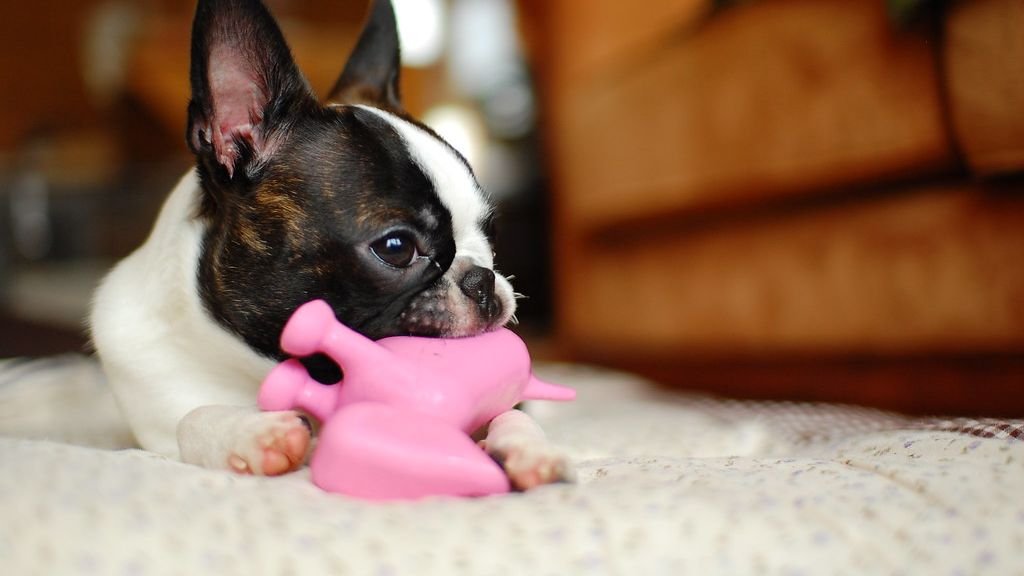
Think small dogs are just cute lap accessories? Think again. These pint sized pups pack more personality into their tiny frames than most of us could ever imagine. They’re bold. They’re loving. Sometimes they think they’re ten times bigger than they actually are. If you’re searching for a furry companion who’ll shower you with affection while keeping you endlessly entertained, you’re in the right place.
Small dogs have carved out a special spot in homes worldwide, and it’s not hard to see why. They fit perfectly into cozy apartments, don’t need marathon runs to stay happy, and their adorable faces make every rough day a little brighter. Let’s be real, though: they’re not all fluff and cuddles. These breeds come with distinct quirks, energy levels, and care needs that deserve your attention before you bring one home. Let’s dive into what makes these tiny dynamos so irresistible, starting with their royal roots and moving through to their everyday antics.
The Cavalier King Charles Spaniel – Royal Charm in a Tiny Package
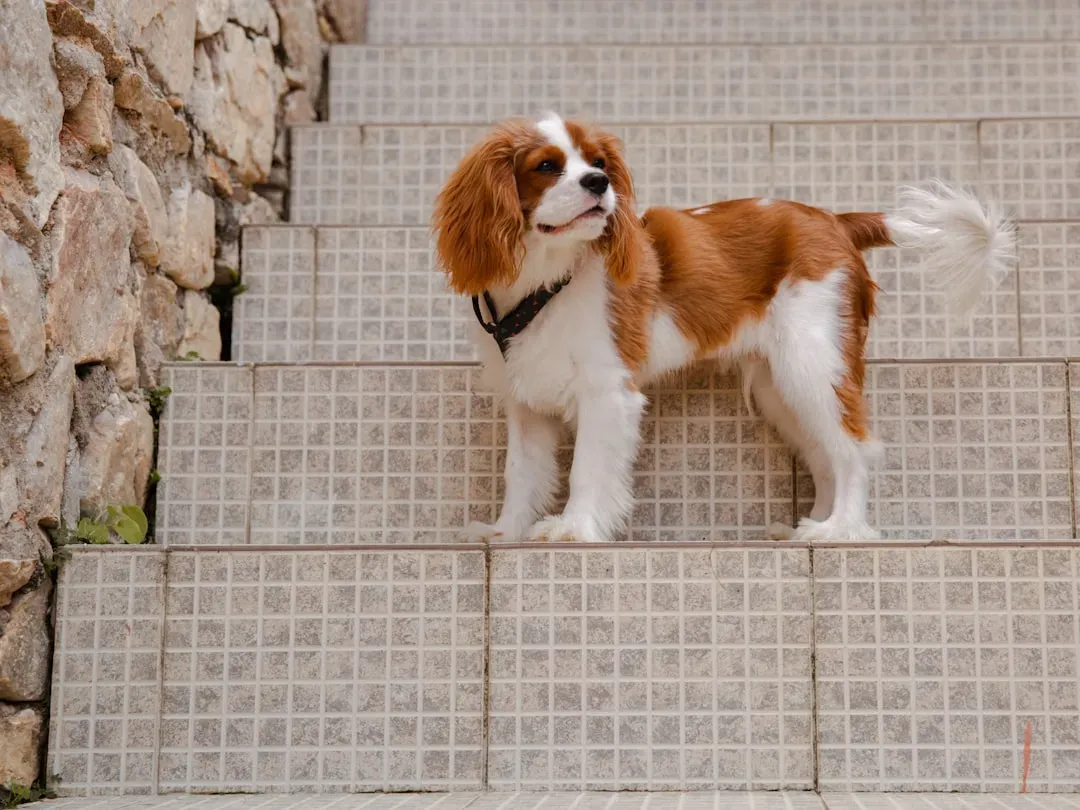
The Cavalier King Charles Spaniel is an enchantingly affectionate, playful, intelligent dog that eagerly indulges its guardians with endearing devotion. This breed truly lives up to its reputation as a companion dog, craving closeness with their favorite humans at every opportunity. Picture those big, soulful eyes gazing up at you, practically begging to curl up on your lap after a gentle stroll around the block.
Cavalier King Charles Spaniels have a calm, playful nature and are usually sociable. This temperament makes them well-suited to serve as therapy dogs. Their friendly demeanor extends to children, other dogs, and even strangers who stop by for a visit. Ideal as a family dog or as a companion for “empty nesters,” the Cavalier loves to cuddle and has been described as the perfect lap dog.
Health wise, keep an eye out for heart related issues, especially as they age. Mitral valve disease (MVD) is the leading cause of death in Cavalier King Charles Spaniels. Regular vet visits and monitoring for signs like coughing or fatigue can help catch problems early. Regular grooming is key to keeping the Cavalier’s coat lustrous. Little more than a thorough weekly brushing is required, in addition to routine bathing and professional trimming as desired.
The French Bulldog – Compact Comedian with a Heart of Gold
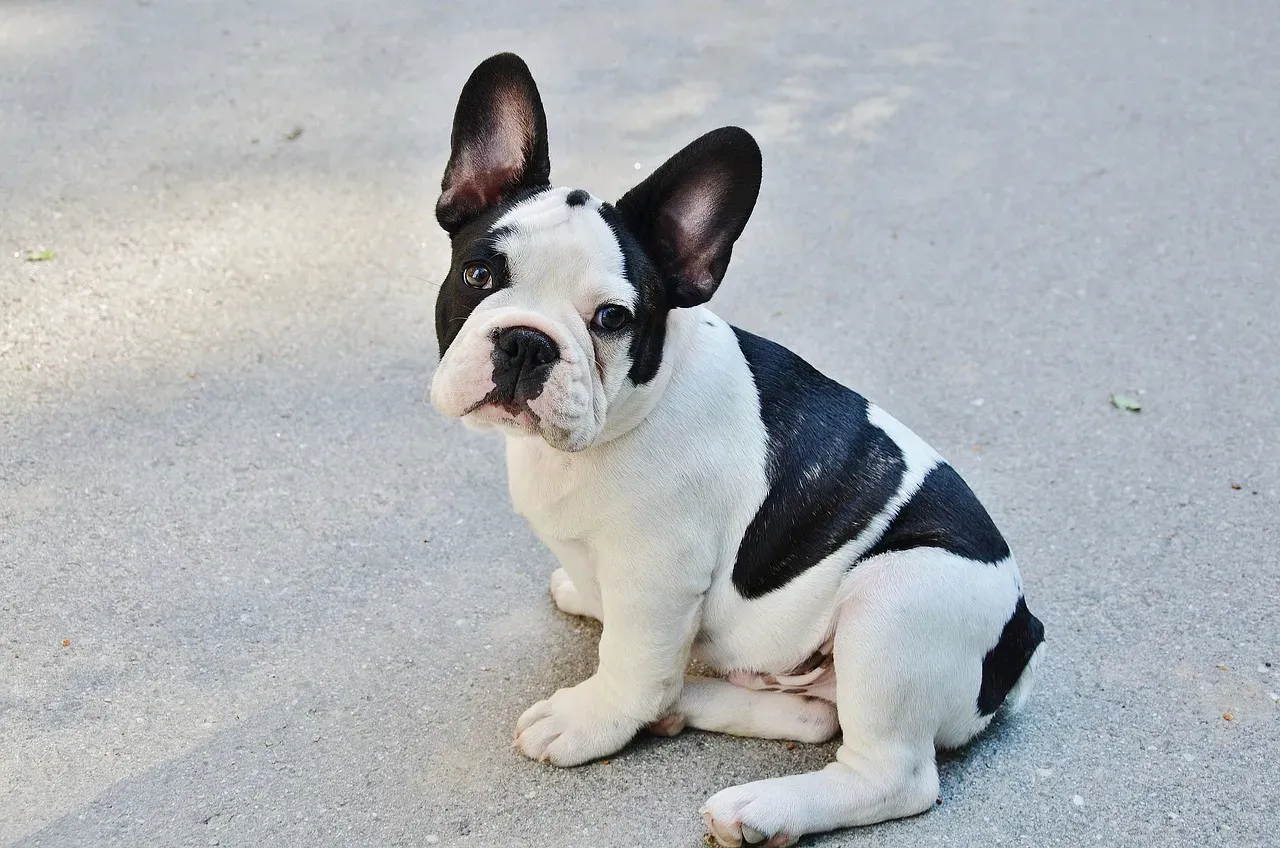
French Bulldogs are known to be gentle, friendly, affectionate, and loyal to their owners. They’re also entertaining, playful, and alert. These adorable bat eared buddies have skyrocketed in popularity, becoming one of the most sought after breeds in urban settings. Their compact size and minimal grooming requirements make them perfect apartment companions who’d rather lounge beside you than race around a backyard.
Frenchies can be surprisingly stubborn during training. Frenchies have a desire to please and are generally easy to train, but they can be stubborn. It’s best to start socialization and obedience training early to develop good habits and limit reactivity. Positive reinforcement is your friend here, trust me. Treats and praise work wonders on these food motivated pups.
Their flat faces, while undeniably cute, do bring health considerations. They can compete in canine sports like agility and rally, but some individuals may be limited by breathing difficulties associated with their brachycephalic (short skull) head shape. Be careful exercising your Frenchie on hot or humid days, as it can be more difficult for them to breathe properly and they are prone to overheating. Keep summer outings brief and always watch for signs of overheating like excessive panting or lethargy.
The Pomeranian – Bold Little Fluff Ball with Big Dog Attitude
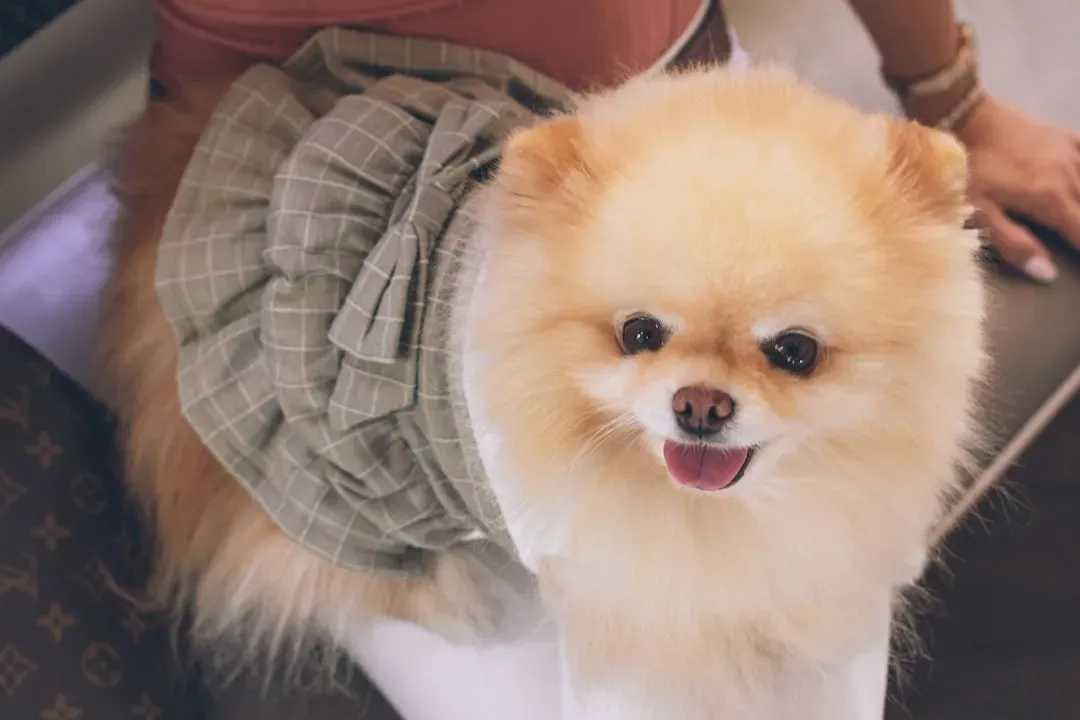
The lively and bold fox-faced Pomeranian stands at just six to seven inches tall and weighs a mere three to seven pounds – but that certainly does not mean they lack anything in personality. Part of the pint-sized toy group, DiNardo said these purebred Poms are “very affectionate and sweet, making great family companions.” These fluffy dynamos are descendants of larger sled pulling dogs, which explains their fearless attitude despite weighing less than a gallon of milk.
Natural Pomeranian behavior characteristics shine brightly as they get to know members of the household. They’re playful, active, and extroverted by nature. They find it incredibly simple to build a platonic, harmonious bond with other pets and their human family. However, their alertness can sometimes translate into excessive barking if not properly managed. Early training is crucial to help them understand when it’s appropriate to sound the alarm.
But the dogs’ long, fluffy coat requires daily upkeep and grooming to stay pretty and healthy. Regular brushing prevents mats and keeps that gorgeous coat looking its best. Additionally, Pomeranians may be susceptible to dental problems due to their small size and crowded teeth. Many other health issues can result in poor dental care or disease. Dental care, including regular teeth brushing and professional cleanings, is crucial to prevent dental issues such as tooth decay and gum disease.
The Boston Terrier – The American Gentleman in a Tuxedo
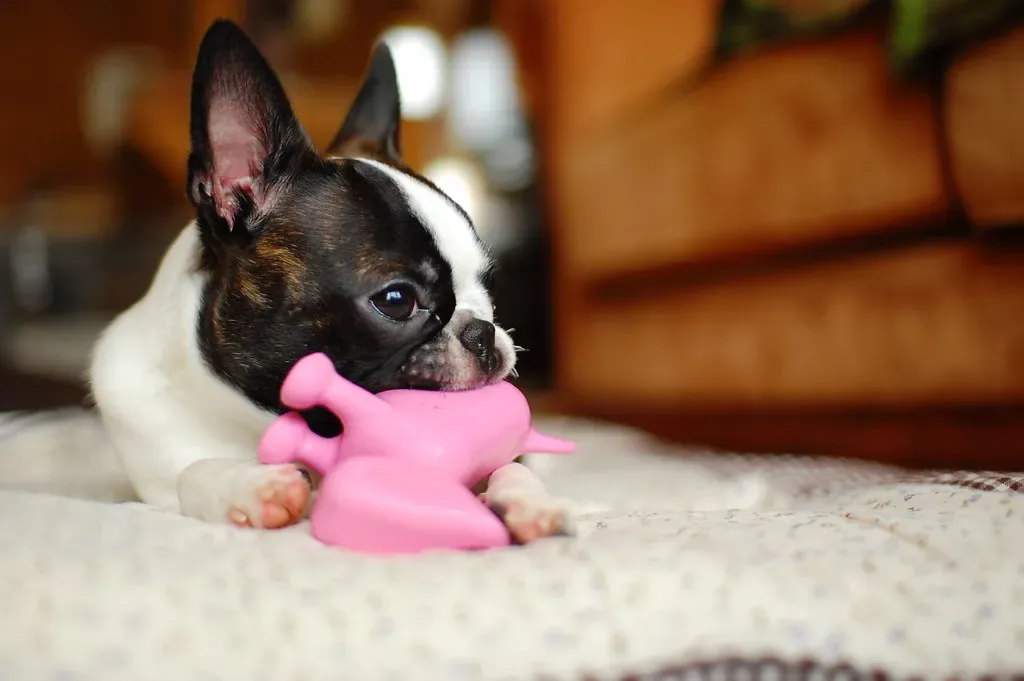
Known as the American Gentleman, the Boston Terrier is lively, smart, and affectionate with a gentle, even temperament. They can, however, be stubborn, so persistence and consistency are definite musts when training. These dapper little dogs with their distinctive tuxedo markings bring charm and humor to every household they join. Their expressive faces seem almost human at times, capable of conveying every emotion from pure joy to mild disapproval.
Friendly, highly affectionate, and easygoing, Boston Terriers take their role as a companion seriously and don’t like to be left alone. If you work from home or have a lifestyle that allows your dog to tag along, a Boston will be your shadow. Bostons generally get along well with other pets, even cats, especially if they are raised together. Because they have a sturdy build, Bostons are probably more tolerant of children compared with other small dogs. If children treat them well, the Boston really enjoys romping with kids.
Their flat faces mean temperature sensitivity is real. Due to their short noses, Boston Terriers can be sensitive to extreme weather conditions, both hot and cold. Owners should monitor them closely and provide protection when necessary. Short walks in moderate weather are usually enough to keep them healthy and happy, though they’re always up for a game of fetch indoors.
The Shih Tzu – Ancient Lapdog with Modern Charm
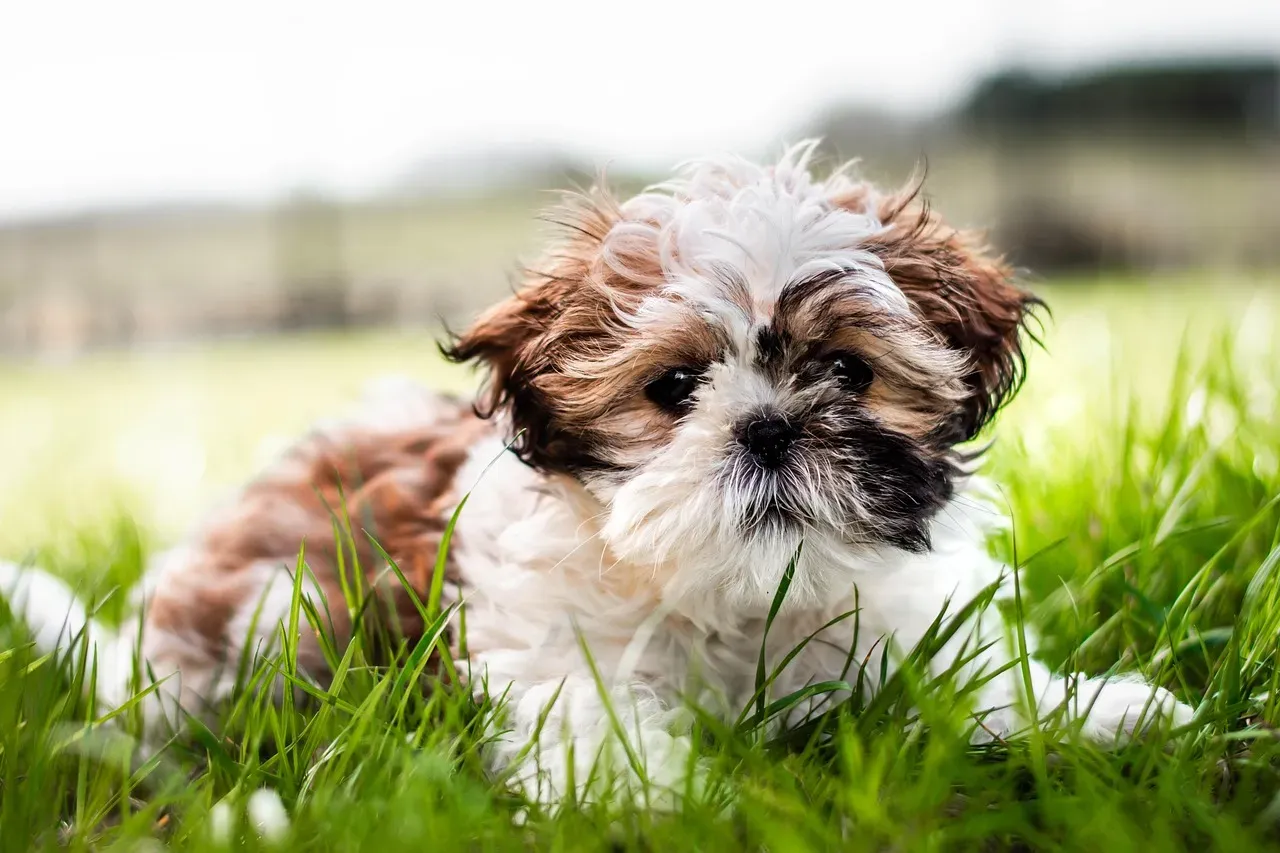
That sweet face with big dark eyes and a gentle expression makes the Shih Tzu irresistible. Small yet solid, these little charmers are lively, affectionate, and especially great with children. Their playful personality brings joy and mischief to any household, making them ideal family companions. Originally bred as palace companions for Chinese royalty, these dogs still carry themselves with a certain regal air, though they’re just as happy playing with kids as they were lounging in imperial courts.
Bred to spend most of their time indoors, Shih Tzus thrive in apartments or homes without large yards. Their luxurious coats require grooming, but their affectionate nature and calm demeanor make the effort worthwhile. As per the AKC, originally bred as palace companions, Shih Tzus need minimal exercise, enjoying short walks and indoor play. That flowing coat is stunning but demands commitment. Daily brushing prevents tangles, and many owners opt for shorter “puppy cuts” to reduce maintenance.
Shih Tzus form incredibly strong bonds with their families. They’re content to follow you from room to room, never wanting to miss a moment of your day. Their gentle temperament makes them particularly well suited for seniors or anyone seeking a devoted companion who’s perfectly happy with a relaxed lifestyle.
The Papillon – Butterfly Ears Meet Athletic Spirit
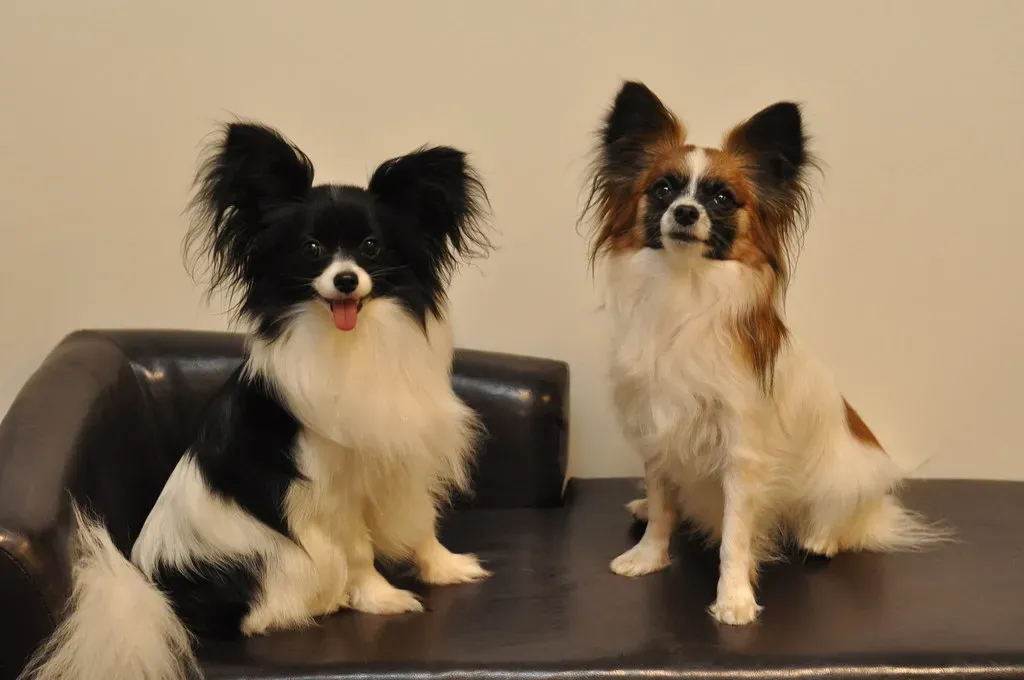
With dainty features and striking, butterfly-like ears, the Papillon is a tiny toy breed full of charm and personality. Small yet energetic, these cute dogs thrive in families where they receive plenty of attention and love. Their alert, playful nature makes them delightful indoor pets, as well as fun playmates for children. Don’t let their delicate appearance fool you, though. Papillons are surprisingly athletic and often excel in agility competitions.
These little dogs are exceptionally intelligent. Though delicate in appearance, Papillons are surprisingly hardy and athletic. They enjoy both indoor activities and short outdoor play, making them ideal for pet parents who want a small but active companion. Their eagerness to learn makes training sessions genuinely enjoyable. They pick up tricks quickly and seem to delight in showing off their new skills.
As per Purina, originating as miniature lap dogs for noblewomen in Europe, Papillons were refined in Italy, Spain, and France. Their playful yet gentle temperament, combined with intelligence and adaptability, perfectly embodies the qualities of small breeds that stay sweet. While they’re social butterflies, proper socialization from puppyhood helps ensure they’re comfortable with various people and situations.
The Havanese – Cuba’s Gift to Dog Lovers
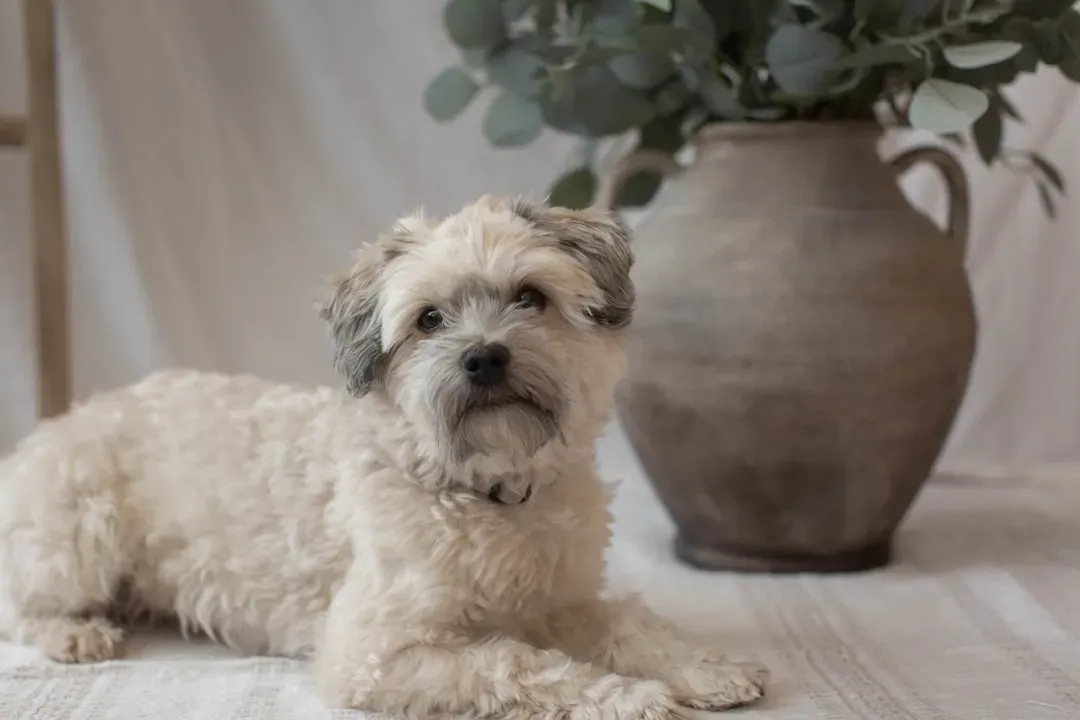
Named after the city of Havana, the Havanese breed was the native lapdog of Cuba’s aristocrats and wealthy planters. These pups are cheerful little dogs. With a smart, trainable, and extroverted personality, they make ideal city companions because they’re excellent watchdogs, but keep barking to a minimum. These silky coated charmers adapt beautifully to apartment living while maintaining a playful spirit that keeps their families constantly entertained.
Havanese dogs thrive on human companionship and don’t do well when left alone for extended periods. They’re natural people pleasers who genuinely want to be involved in every aspect of family life. Whether it’s running errands together or simply hanging out on the couch, a Havanese wants to be right there with you.
Their coats require regular attention to prevent matting, though many owners find grooming sessions become special bonding time. These dogs are generally healthy and robust, with fewer breed specific health concerns compared to some other small breeds. Their adaptable nature and moderate exercise needs make them excellent choices for first time dog owners or families with children.
The Pug – Wrinkled Face, Unlimited Love
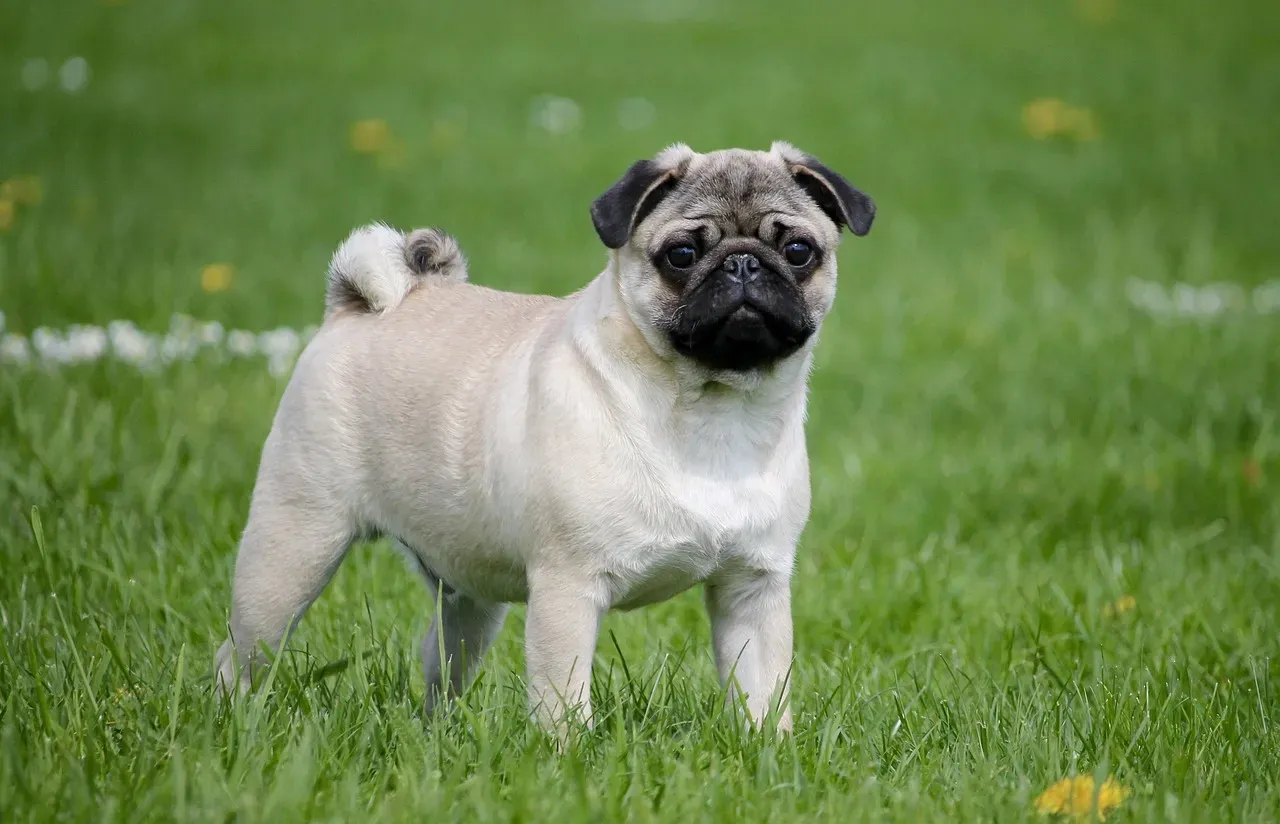
The Pug is affectionate and loves to have fun outside or spend time with his family. The Pug lives to love and be loved in return. They live to be near their favorite people. These compact comedians with their distinctive wrinkled faces have been charming humans for centuries. Their motto might as well be “cuddles over everything,” because they genuinely seem happiest when snuggled close to their owners.
A Pug’s motto might as well be, “Eat, play, nap, repeat.” These dogs are small but mighty, with personalities that far exceed their compact size. They are perhaps one of the most easily recognizable breeds, thanks to their distinctive wrinkled faces and curly tails. A Pug thrives on attention and will gladly park themselves on your lap to ensure they get all the cuddles they deserve. Their comic nature and undeniable charm make them wonderful companions, especially for those who appreciate a dog with a healthy appetite for fun – and food.
Pugs do require careful monitoring of their diet and exercise. Their love of food combined with their stockier build means weight management is crucial. Short daily walks and interactive play sessions help keep them fit without overtaxing their breathing. Like other flat faced breeds, they need protection from extreme temperatures and should never be overexerted in hot or humid conditions.
Understanding Small Breed Health Needs
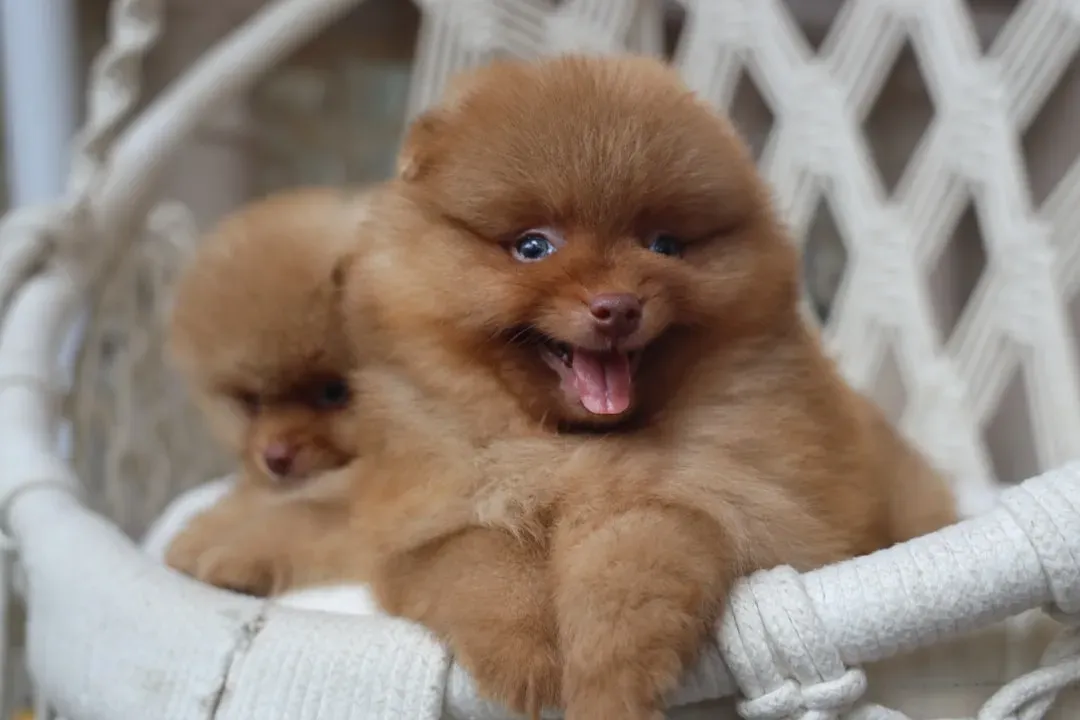
Small breeds often share certain health considerations that every owner should understand. Dental issues are particularly common due to crowded teeth in smaller mouths. Daily teeth brushing might seem excessive, but it genuinely makes a difference in preventing painful dental diseases that can affect overall health.
Patellar luxation, where the kneecap slips out of place, affects many small breeds. Watch for signs like occasional skipping or hopping during walks. While not always painful, it’s worth discussing with your vet during regular checkups. Some cases require surgery, while others can be managed with weight control and moderate exercise.
Many small dogs are also prone to hypoglycemia, especially as puppies. Feeding smaller, more frequent meals helps maintain stable blood sugar levels. If you notice your puppy acting lethargic, shaky, or disoriented, contact your vet immediately. Prevention is simple: stick to consistent feeding schedules and ensure they’re eating enough for their activity level.
Training Tips for Small Dogs with Big Personalities
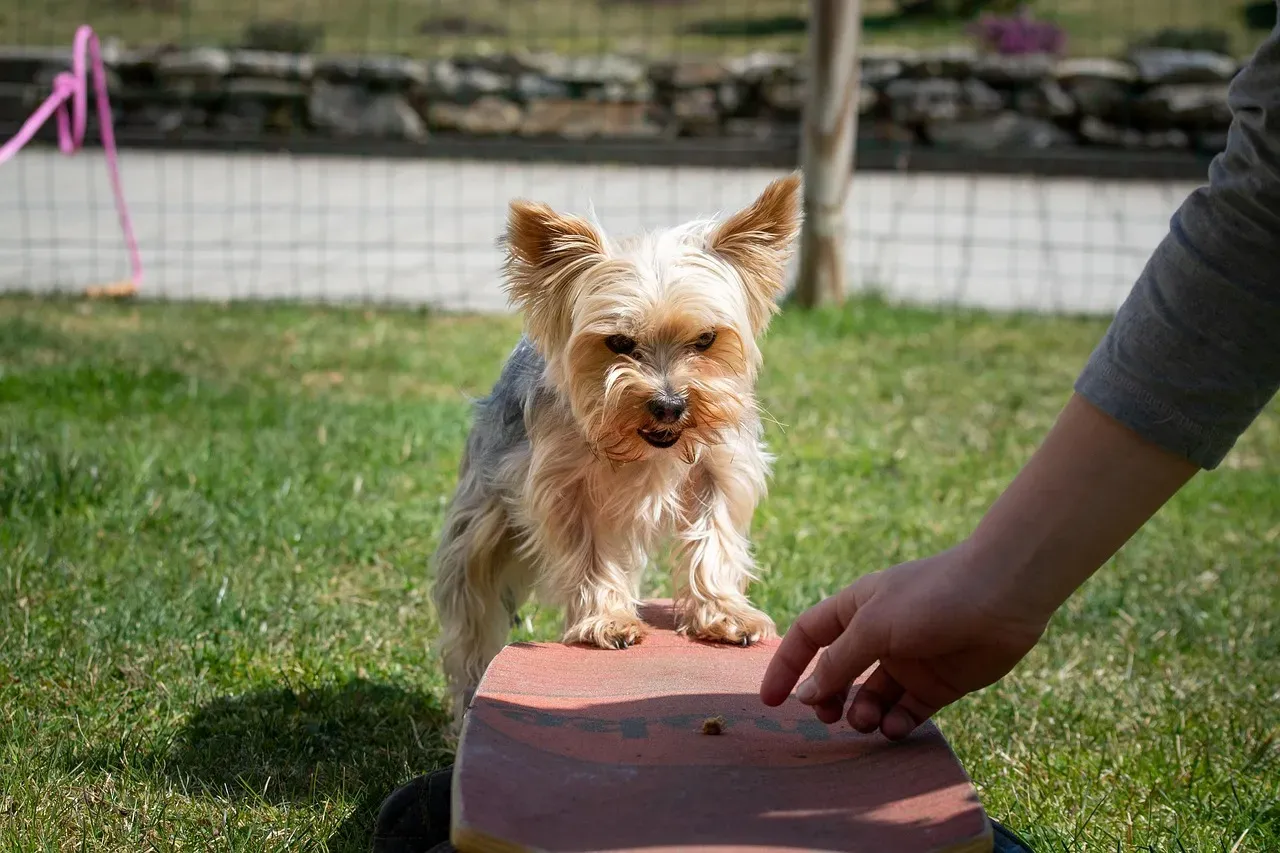
Small dog syndrome is real, but it’s preventable. Many owners unconsciously allow behaviors in small dogs that they’d never tolerate in larger breeds. Jumping, excessive barking, and leash pulling need correction regardless of your dog’s size. Consistency is everything. Set boundaries early and stick to them.
Positive reinforcement training works beautifully with these intelligent breeds. Most small dogs are highly food motivated, making treat based training incredibly effective. Keep sessions short and engaging, maybe five to ten minutes at a time. Their attention spans are impressive, but variety keeps training fun for both of you.
Socialization cannot be emphasized enough. Expose your puppy to various people, places, sounds, and experiences during their critical developmental period between eight and sixteen weeks. A well socialized small dog becomes a confident, well adjusted adult who handles new situations calmly. Puppy kindergarten classes offer excellent socialization opportunities while teaching basic obedience skills.
Creating the Perfect Home Environment
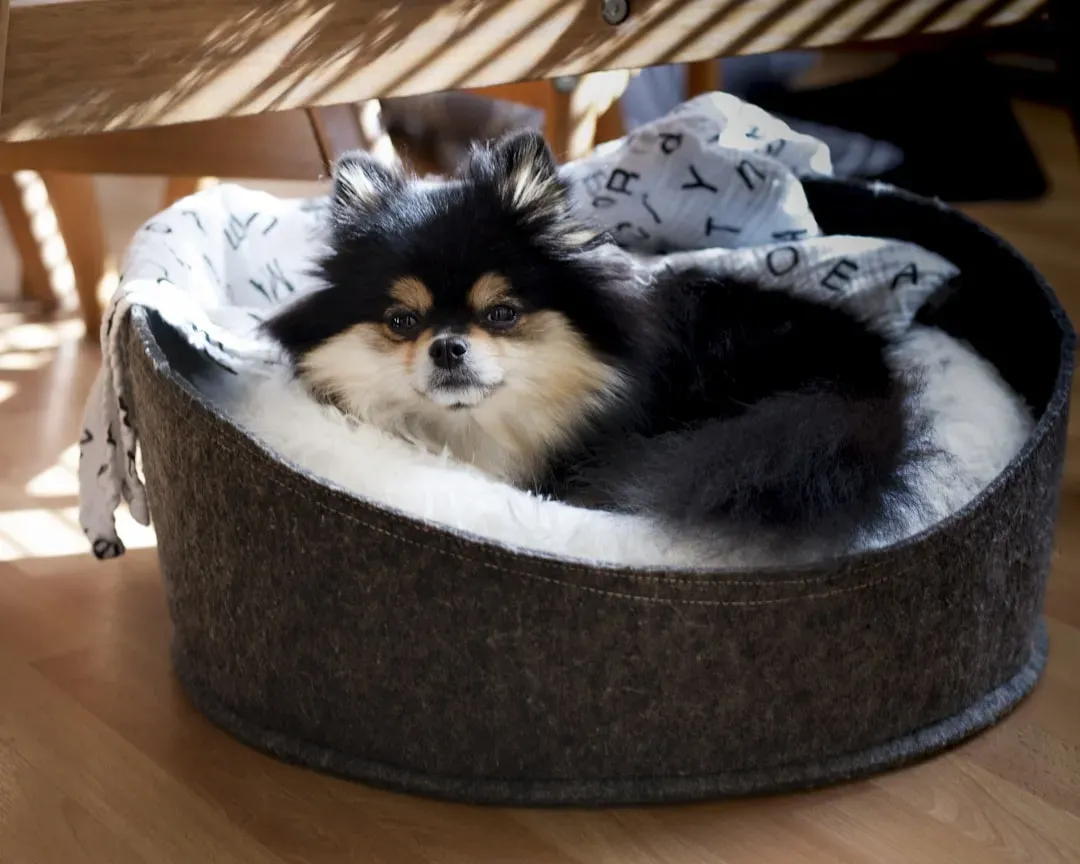
Small dogs may not need sprawling yards, but they still require mental stimulation and physical exercise. Interactive toys, puzzle feeders, and regular play sessions prevent boredom related behaviors like excessive barking or destructive chewing. Rotate toys regularly to maintain novelty and interest.
Safety considerations differ for tiny dogs. They can easily slip through small gaps in fencing, so ensure your yard is secure. Indoors, be mindful of hazards like open balconies or unsecured windows. Small dogs can injure themselves jumping from heights that wouldn’t faze larger breeds. Consider pet stairs or ramps for furniture access if your dog enjoys lounging on beds or couches.
Temperature regulation matters significantly for these pint sized pups. Many small breeds feel the cold more intensely and may need sweaters or coats during winter walks. Conversely, flat faced breeds overheat quickly in warm weather. Air conditioning isn’t just a luxury for them during summer months – it’s a necessity for their health and comfort.
The Joy of Living with Small Dogs
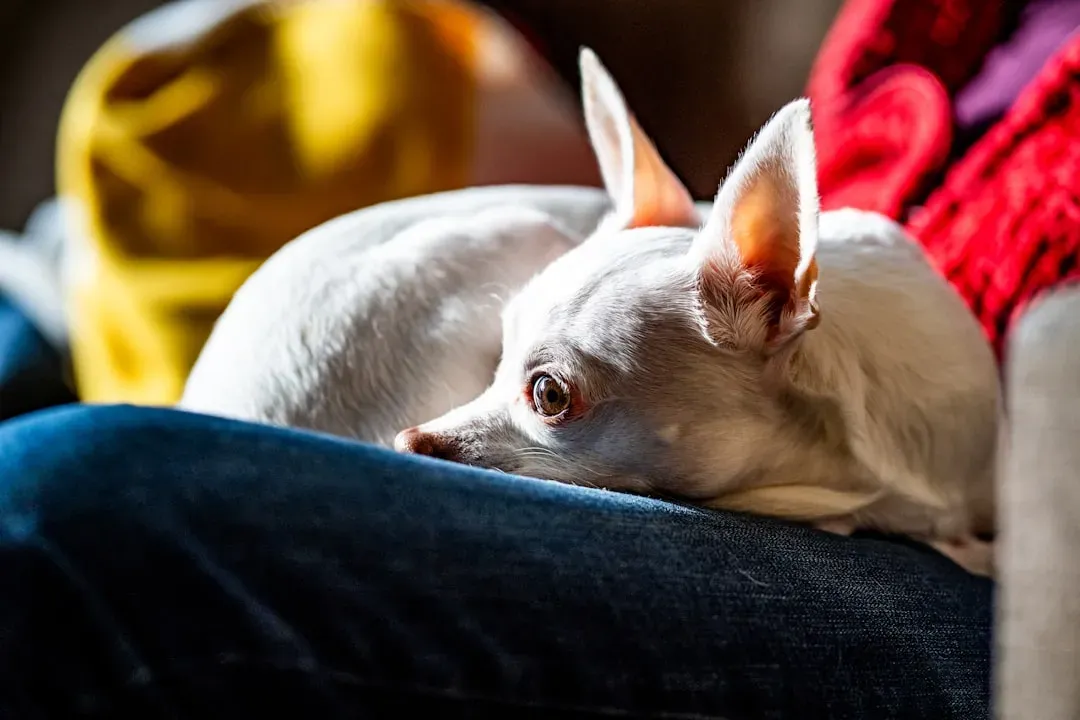
There’s something magical about sharing your home with a dog who views you as their entire world. Small dogs form incredibly deep bonds with their families, offering unwavering loyalty and affection. They’re portable companions who can accompany you on errands, trips, and adventures that might be challenging with larger breeds.
Their longer lifespans mean more years of companionship. Many small breeds live well into their teens with proper care, giving you precious extra time together. Every stage of their life brings new joys, from the chaotic puppy months through their mellow senior years when they’re perfectly content to simply be near you.
These dogs teach us about resilience and confidence. Despite their diminutive size, they approach life with boldness and enthusiasm. They remind us that personality isn’t measured in pounds and that the biggest hearts often come in the smallest packages. Their ability to bring laughter and joy into everyday moments transforms ordinary days into something special.
Small dogs thrive in diverse households, from bustling families with children to quiet homes with single owners or seniors. Their adaptability and manageable care requirements make them accessible companions for many lifestyles. Whether you’re active or prefer relaxed evenings at home, there’s likely a small breed whose temperament perfectly matches yours. The key is understanding what each breed needs to flourish and honestly assessing whether you can provide it. These tiny companions ask for relatively little – love, attention, basic care – and give back immeasurably more than their size would suggest possible.
Did you expect these small breeds to have such distinct personalities? What surprised you most about their care needs and temperaments?


