
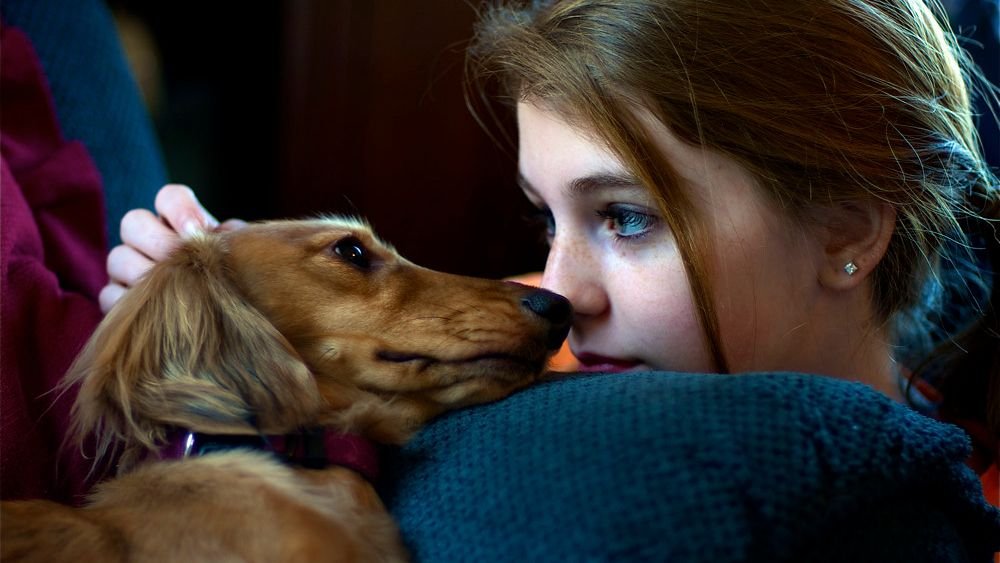
You’ve had a terrible day. The moment you walk through the door, before you’ve even set down your keys, your dog is at your side. Not bouncing and begging for a walk like usual. Instead, they press against your leg with unusual gentleness. They rest their chin on your knee. Those soulful eyes seem to see straight through to the ache inside your chest.
It’s hard not to wonder how they know. You haven’t said a word. Your dog can’t read the text messages that upset you or understand the layered complexity of human disappointment. Yet somehow, they’re absolutely certain you need comfort right now.
This isn’t coincidence or wishful thinking on your part. It’s science, wrapped in fur and powered by thousands of years of shared history. Let’s be real, your dog has been studying you since the moment you brought them home, learning to decode the subtle shifts in your emotional landscape with a precision that would make most therapists jealous.
They Can Literally Smell Your Sadness

Dogs can detect stress through smell, specifically identifying higher levels of cortisol, the stress hormone, and they react to it emotionally. Studies from 2018 showed that dogs exposed to sweat from scared people exhibited more stress than dogs that smelled happy sweat. Your emotional state changes your body chemistry in measurable ways, and your dog’s nose picks up on these invisible signals with remarkable accuracy.
Research has confirmed that dogs can discriminate with a high degree of accuracy between human breath and sweat samples taken at baseline and when experiencing psychological stress. Think about that for a moment. Your sadness has a scent, and your dog is trained by evolution and experience to recognize it instantly.
Your Face Tells Them Everything
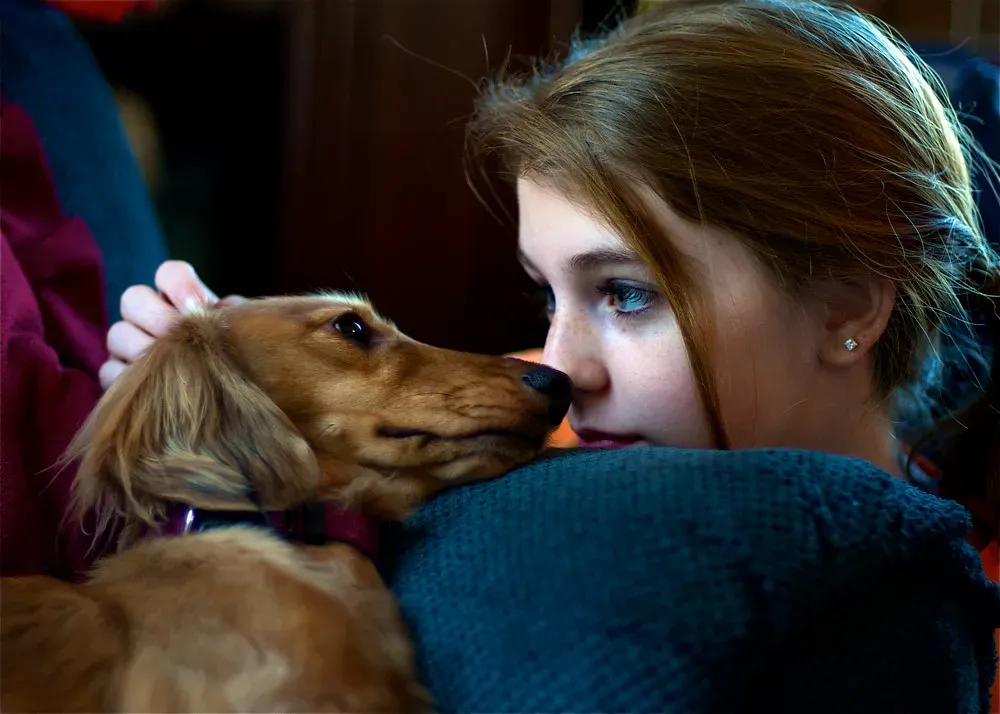
Dogs are skilled face readers in ways that might surprise you. Research reveals dogs can recognize feelings like happiness, sadness, anger, fear and even surprise just by observing our faces and listening to our voices. Seeing a familiar human face activates a dog’s reward centres and emotional centres, meaning your dog’s brain is processing your expressions in feelings.
Scientists at the University of Lincoln showed dogs images of people and dogs looking negative, neutral, or positive, and concluded that dogs are more sensitive to changes in facial expressions of other dogs, but they show different responses to human expressions too. When your eyes look different, when the corners of your mouth turn down, when your whole face seems heavier somehow, your dog notices. They’ve been watching you that closely all along.
The Sound of Your Voice Carries Emotional Weight
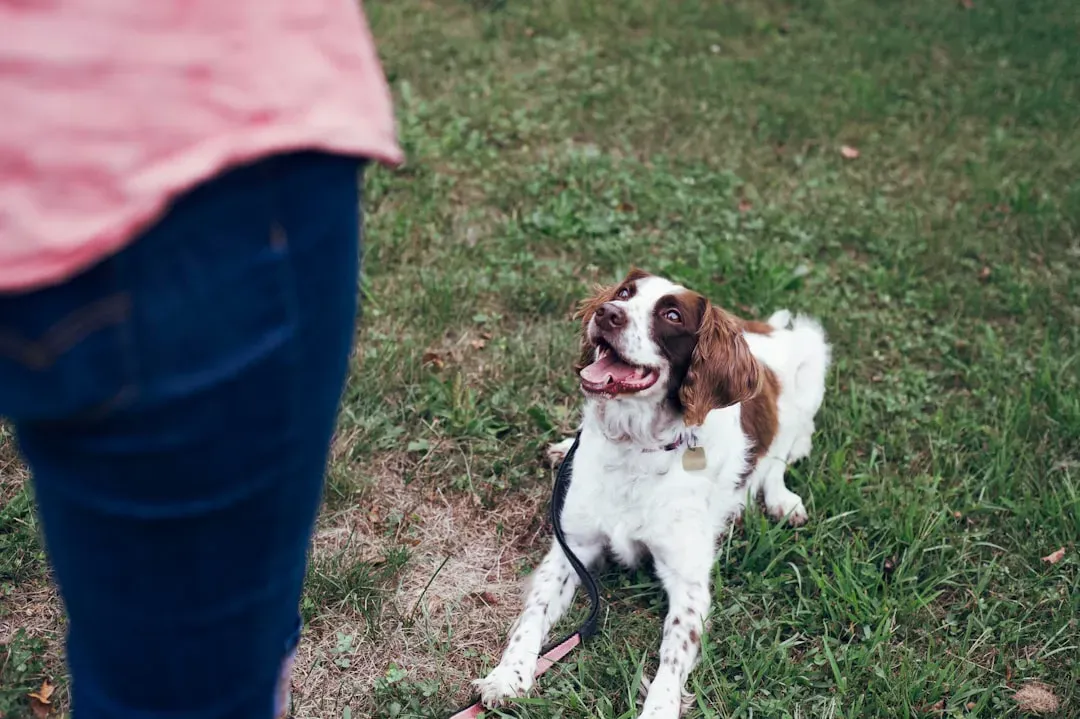
Dogs possess voice-processing regions in their temporal cortex that light up in response to vocal sounds, with dedicated brain areas sensitive to voice similar to those in humans. Research found that dogs can distinguish the positive sound of laughing from the negative sound of crying, and that negative sounds upset and arouse dogs more than positive ones.
Studies showed that dogs turned to the left for fear and sadness vocalizations, indicating they process negative emotions with the right side of their brain, using only their ears to determine human emotions for happiness, fear, and sadness. Your tone shifts when you’re sad. The pitch changes. The rhythm slows. Even if you try to sound normal, your dog hears the truth underneath your words.
Your Body Language Betrays Your Inner State
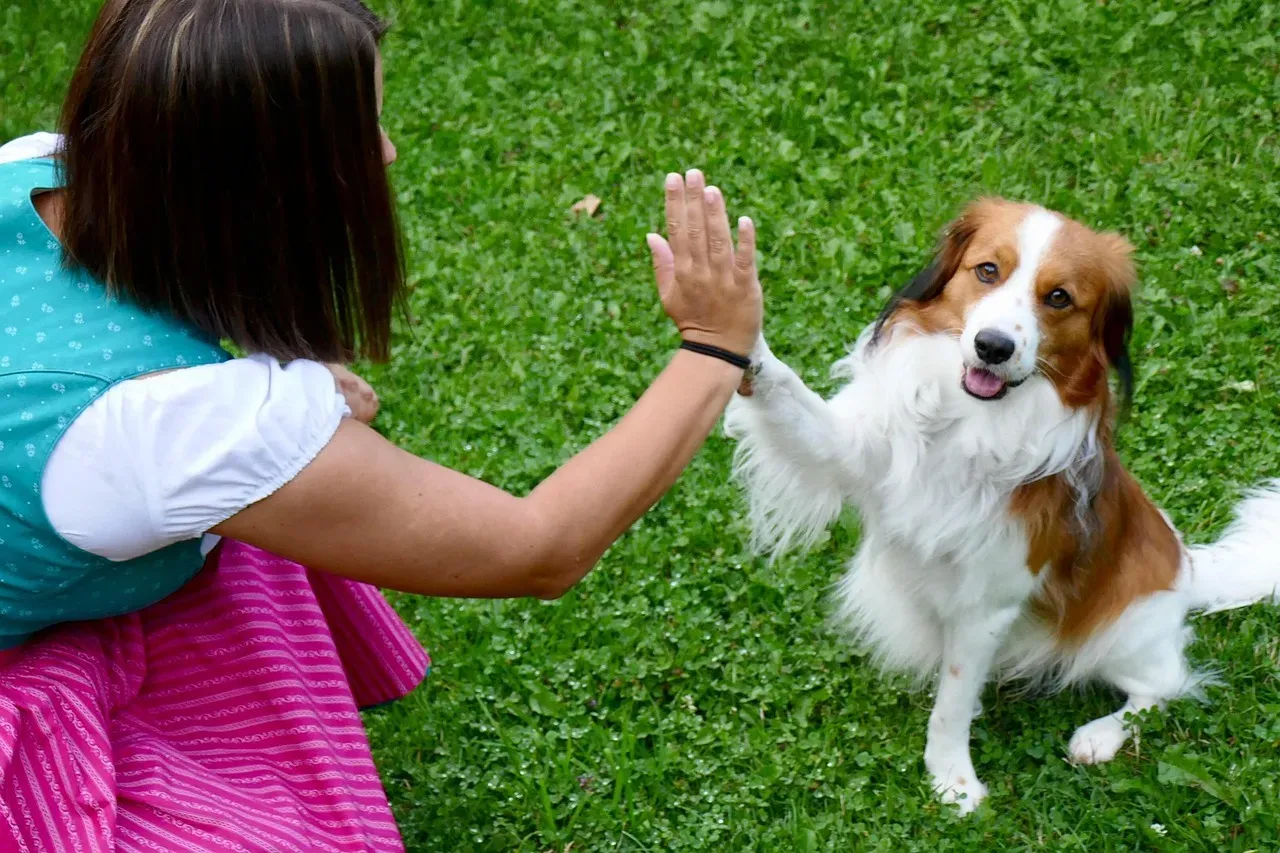
Honestly, we humans are terrible at hiding how we feel physically. A slumped posture, slower movements or a tense voice can all alert your dog that something isn’t right. Dogs are observational masters who depend on reading us for their survival and comfort, making them exquisitely attuned to even minor changes in how we carry ourselves.
Dogs do not have to understand every spoken word to get the gist of a conversation, since only about one tenth of what humans communicate is actually verbal, with posture, gestures, body carriage, and facial expressions communicating the vast majority. When you move differently through your home, when your energy feels heavy instead of light, your dog registers every detail.
They Experience Emotional Contagion

Here’s where it gets fascinating. Dogs don’t just observe emotions, they can catch them through emotional contagion, a basic form of empathy where one individual mirrors another’s emotional state, and a 2019 study found that some dog-human pairs had synchronized cardiac patterns during stressful times with their heartbeats mirroring each other.
Research shows that owner personality rather than dog personality affects cortisol levels in dogs, suggesting that dogs mirror the stress of their owners, demonstrating the first evidence of long-term synchronization in stress levels between members of two different species. Your dog isn’t just aware you’re sad. On some level, they may actually feel a version of your sadness themselves. That’s the depth of your connection.
Evolution Designed Them to Understand Us

Thousands of years living as our companions have fine-tuned brain pathways in dogs for reading human social signals, and while a dog’s brain may be smaller than a wolf’s, it may be uniquely optimized to love and understand humans. Dogs have been shown to be particularly sensitive to human emotions, discriminating and showing differential responses to emotional cues expressed through body postures, facial expressions, vocalizations and odours.
This remarkable ability didn’t happen by accident. Dogs have learned to live with humans for thousands of years with much of their evolution alongside us, and there’s an emotional contagion between our species as social animals. The dogs who could best read and respond to human emotions were the ones who thrived, passed on their genes, and created the empathetic companions we know today.
Their Response Is Driven by Both Instinct and Love
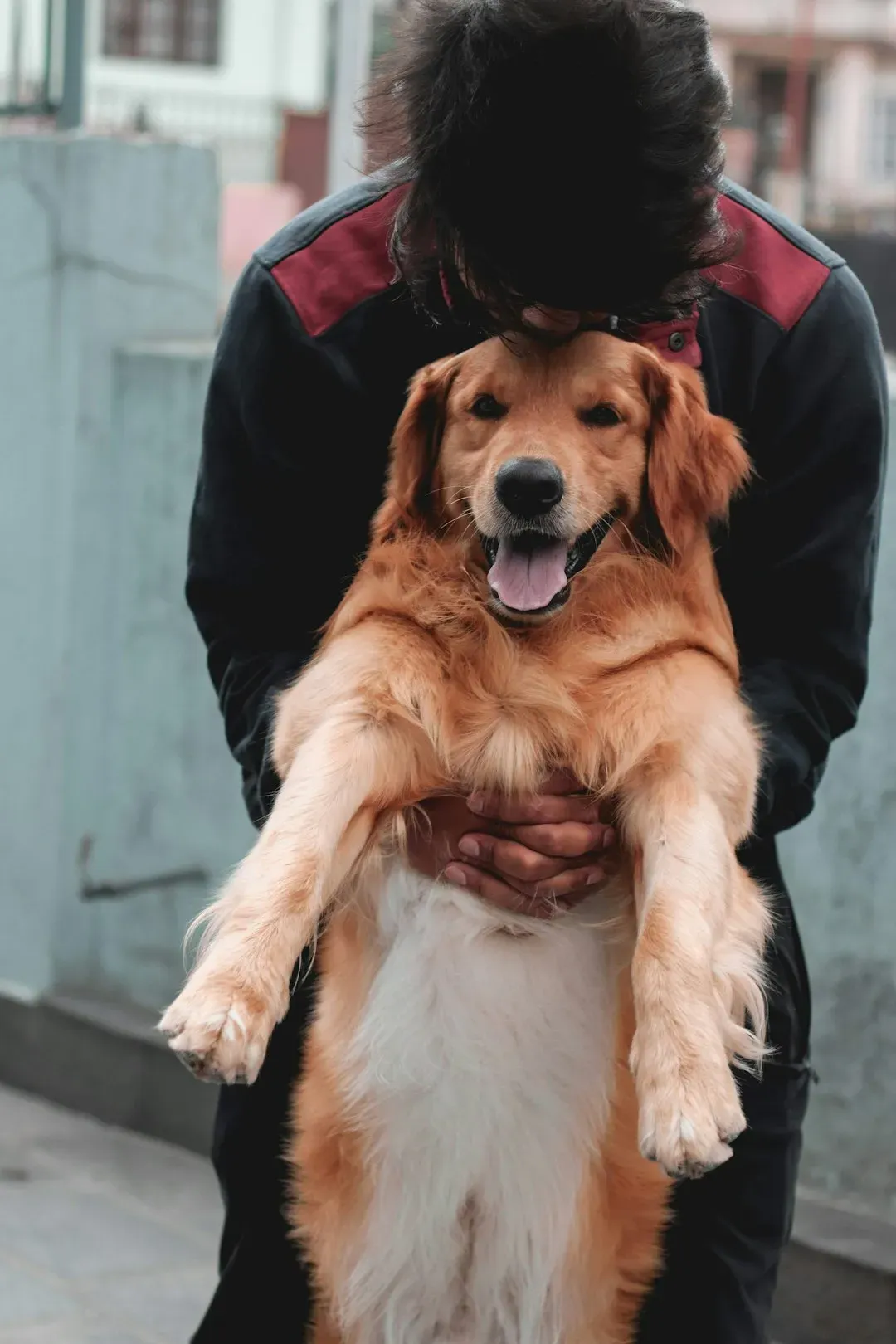
Research found that among dogs who opened a door to reach their crying owners, those responding to distress did so much faster after an average of 23 seconds compared to almost 96 seconds when owners were humming, and dogs who scored highly on owner bond tests tended to open the door quickly. Dogs sense shifts in mood and may reflect changes in your emotional state through their own behavior, constantly observing and responding to whether you’re happy, sad, or anxious.
Sometimes people ask whether dogs truly understand sadness or just respond to changes in routine and behavior. The truth probably lies somewhere between pure instinct and genuine emotional connection. What matters is that your dog cares enough to try, to stay close, to offer the comfort of their warm presence when words fail. That’s real, regardless of how we label it psychologically.
Conclusion

The bond between humans and dogs goes deeper than simple companionship. It’s written in biology, refined through evolution, and strengthened every single day you spend together. Your dog knows you’re sad because they’ve become experts at reading you through scent, sight, sound, and the mysterious emotional attunement that exists between your species.
Next time your dog shows up exactly when you need them most, remember it’s not magic. It’s the beautiful result of mutual adaptation over millennia, combined with the individual relationship you’ve built together. They can’t fix what’s wrong, but they can sit with you in it. Sometimes that’s everything.
What do you think? Does your dog seem to sense your moods even before you fully feel them yourself?


