

Have you ever watched your pup interact with the world and wondered what makes them tick? Maybe they’re bold and adventurous, or perhaps they prefer quiet cuddles on the couch. You might’ve chalked it up to breed or early experiences, which certainly play a role. Here’s the thing, though: there’s a fascinating piece of the puzzle you might not have considered. The month your dog was born could actually influence their personality more than you’d expect.
Think about it. Seasonal shifts bring changes in daylight, temperature, and even the hormones coursing through a pregnant mother’s body. These environmental factors don’t just disappear once puppies enter the world. Let’s explore how your dog’s birth month might be quietly shaping who they are today.
The Science Behind Birth Month and Temperament
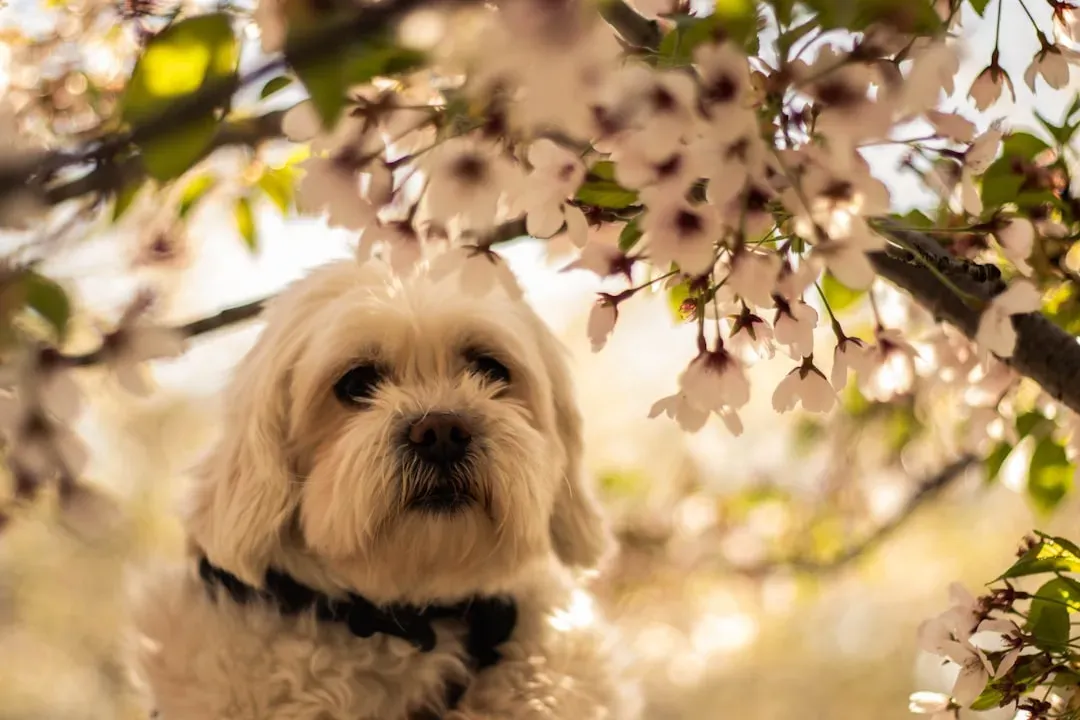
Research shows that temperament in dogs can be affected by both litter size and season of birth. This isn’t some mystical zodiac prediction. Maternal stress during the prenatal period can have lifelong impacts on a puppy’s physical and behavioral health, with stress hormones crossing the placenta and changing the puppies’ stress response system. The conditions surrounding conception and pregnancy matter profoundly.
The environment in the uterus is very important to how a dog develops, and the first few weeks after birth are also extremely important. Seasonal variations mean different light exposure, temperature fluctuations, and varying stress levels in mother dogs depending on when they’re pregnant. A mother experiencing the calm of spring versus the intensity of winter will have different hormonal profiles, potentially influencing her offspring’s baseline temperament.
Spring Puppies: March, April, May
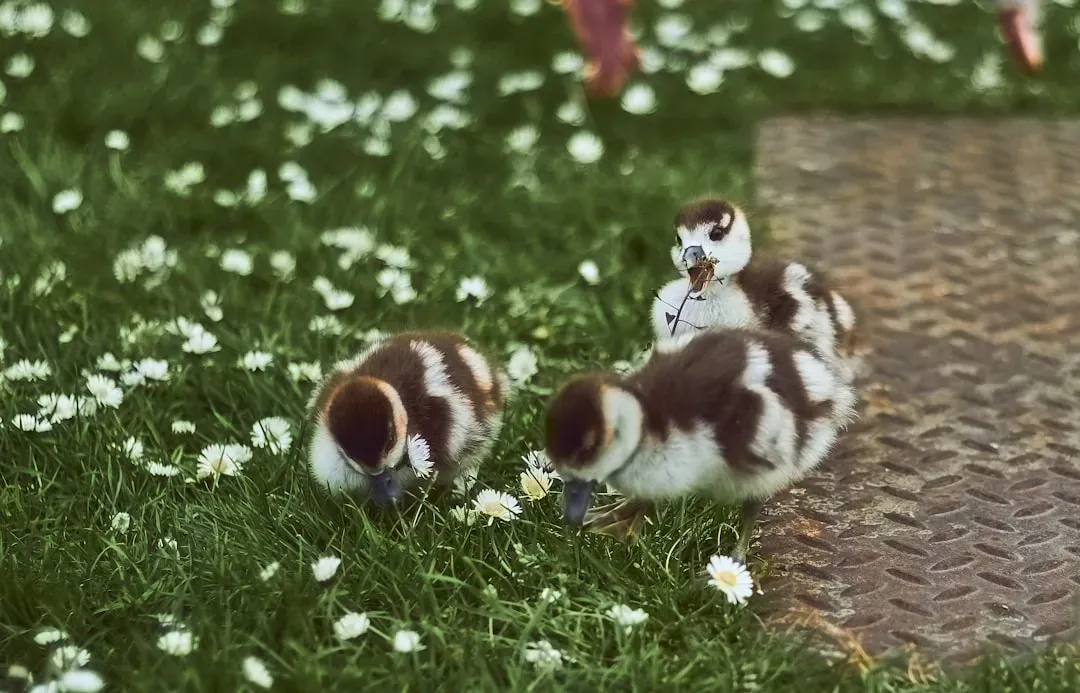
Puppies born as the world awakens tend to emerge into an environment of renewal and increasing daylight. Research on males born in spring showed they scored lower on novelty seeking than those born in fall or winter. This might translate to dogs who are calmer, more measured in their responses, and less impulsive when encountering new situations.
Spring babies often grow up during the warmest months, meaning their crucial socialization period happens when outdoor activities are plentiful. They’re more likely to encounter diverse experiences during that critical developmental window between eight and sixteen weeks. These dogs might display balanced, easygoing temperaments, comfortable with change because their early world was one of gradual transformation. If your spring pup seems particularly adaptable and steady, their birth timing might be a factor.
Summer Puppies: June, July, August

The heat of summer brings its own influences. Dogs born in June and July often show high energy and loyalty, making them excellent companions for active families. There’s something about those long, light-filled days that seems to fuel boundless enthusiasm. Summer puppies are frequently the ones leading the charge at the dog park, always ready for the next adventure.
Their socialization period hits during autumn, a time of transition and moderate weather perfect for extensive exploration. These dogs often develop strong confidence because they experienced so much sensory input during their formative weeks. Watch for behaviors like excitement during walks, eagerness to meet new dogs, and a general zest for life. They might need extra mental stimulation to keep that vibrant energy channeled productively.
Autumn Puppies: September, October, November

There’s a richness to autumn births. Males born in autumn scored high on the Disorderliness subscale in personality assessments, suggesting these dogs might march to the beat of their own drum. Autumn puppies can be wonderfully independent thinkers, which is charming when they’re problem-solving but challenging when you’re trying to get them to come inside from the yard.
Their early socialization happens during winter, which might mean fewer varied encounters if weather limits outdoor time. This could contribute to a more reserved or thoughtful temperament. These dogs often form incredibly deep bonds with their families, showing intense loyalty and sometimes being a bit wary of strangers initially. They’re the observers, taking their time to assess before jumping in.
Winter Puppies: December, January, February

Winter babies arrive when the world is quiet and introspective. Males born in winter scored high on personality traits related to sensation seeking and extravagance, similar to findings in human studies. Despite being born in the coldest season, these dogs often display surprisingly bold temperaments, perhaps because the stark environmental conditions create resilient, adaptable animals.
Their critical socialization window falls in late winter and early spring, a time of dramatic seasonal shift. This exposure to change might make them particularly flexible and curious. Winter puppies frequently exhibit playful exuberance and aren’t easily intimidated by new experiences. If your dog seems fearless and constantly seeking novelty, their winter birth might partially explain that adventurous spirit.
How Maternal Care Shapes Birth Month Effects

Variation in maternal care has clear effects on the behavior of adult dog offspring, with more maternal care related to more engagement in social activities with humans. The season influences not just the puppies directly but also how mothers behave. A comfortable mother in mild weather likely provides different care than one managing harsh conditions.
When dogs experience stress during pregnancy, puppies may show more fear or repetitive behaviors, and puppies that experience prenatal stress are more stressed later in life. Understanding this helps explain why individual dogs born in the same month can still vary. Your dog’s personality isn’t determined solely by birth timing but by the complex interplay of season, maternal experience, genetics, and early socialization. Prevention tip: responsible breeders who minimize maternal stress during pregnancy set puppies up for better behavioral outcomes.
Recognizing Your Dog’s Birth Month Personality Patterns

Pay attention to how your dog responds to new situations. Does your autumn-born pup take a cautious approach, hanging back to observe before engaging? That’s classic measured assessment. Does your summer baby dive headfirst into every new experience with tail-wagging enthusiasm? That high energy aligns with their birth season.
Behavioral cues matter here. Notice if your spring dog handles routine changes with remarkable grace, or if your winter pup seems perpetually on the hunt for something exciting. These aren’t just quirks; they’re expressions of deeply rooted temperament patterns influenced by seasonal factors during crucial development. Understanding these tendencies helps you provide the right environment and training approach for your individual dog.
Using Birth Month Insights to Better Support Your Dog
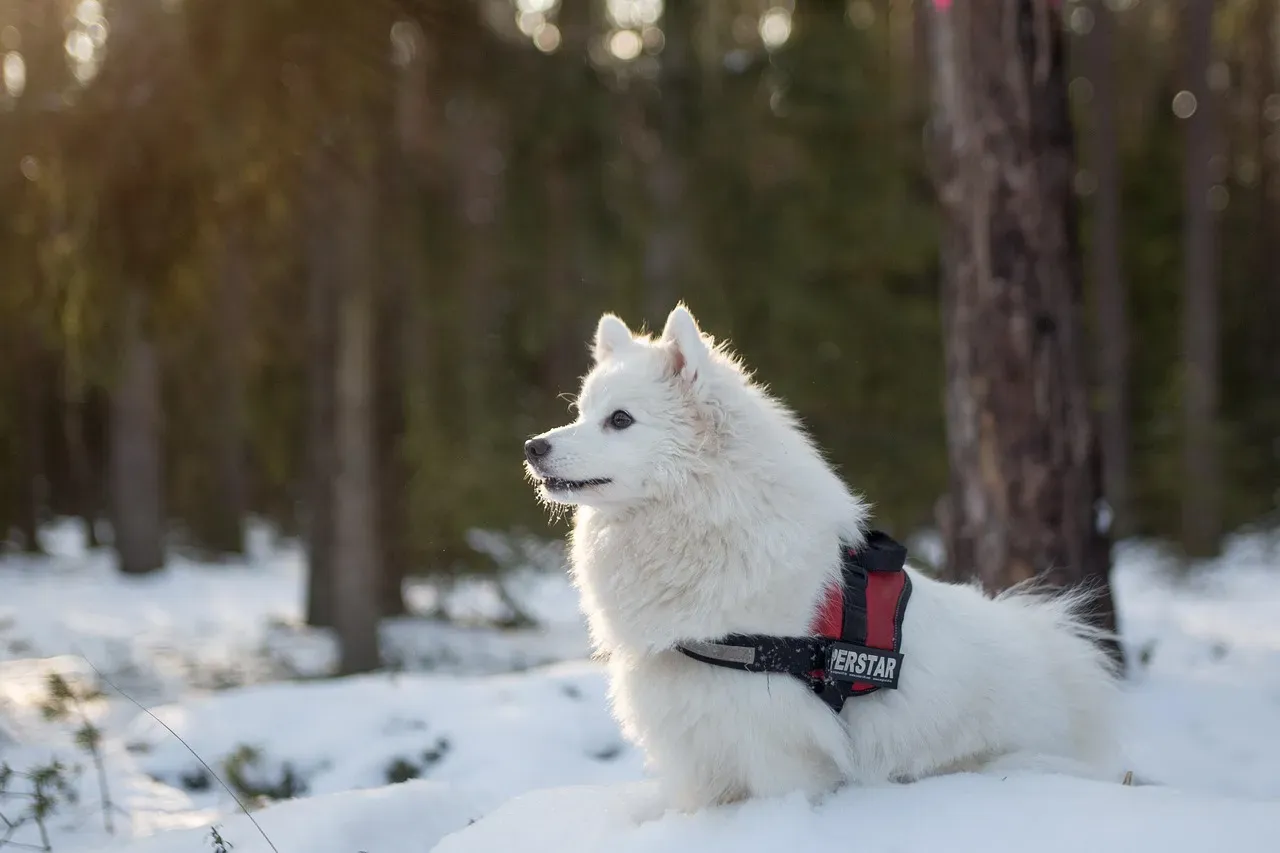
Early life experiences are known to shape behavioral development in dogs, and events occurring during preadolescence and adolescence may have long-term effects important for later behavior and suitability for different tasks. Knowing your dog’s birth month tendencies lets you tailor their care more effectively. An energetic summer pup might thrive with agility training, while a thoughtful autumn dog might excel at scent work requiring patience and focus.
Adverse experiences in the first six months of life are significantly associated with increased aggression and fearfulness in adulthood. This means whatever predispositions your dog has based on birth season, early positive experiences remain crucial. If you have a naturally cautious autumn pup, extra gentle socialization becomes even more important. For an already bold winter dog, teaching impulse control early helps channel that confidence appropriately.
When Birth Month Meets Individual Personality
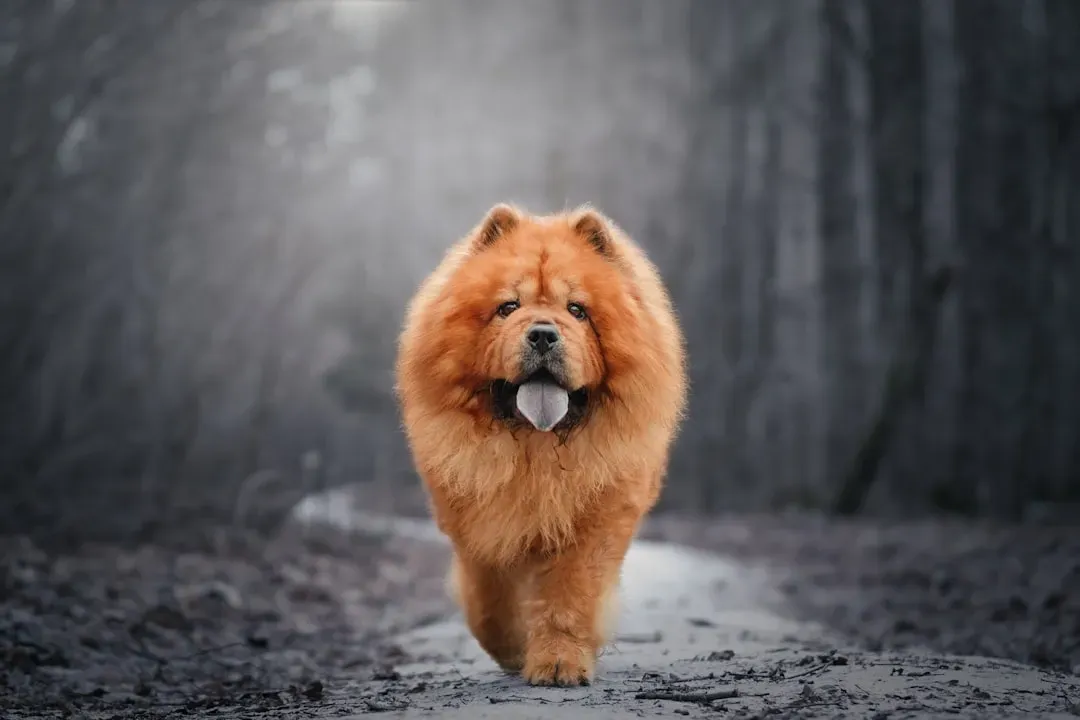
Let’s be real: your dog is still an individual. Even within a breed, there can be fair amounts of variation in temperament, and every dog is an individual with other factors shaping their temperament. Birth month provides a framework for understanding possible influences, not a rigid destiny. Think of it like knowing whether someone grew up in the mountains or by the ocean – it provides context but doesn’t define everything about them.
Some spring dogs will be wildly energetic. Some winter pups will be timid. Genetics, early socialization, training, health, and daily experiences all contribute massively. The beauty is in understanding that seasonal influences add another layer to comprehending your unique companion. It’s one more tool in your arsenal for building the strongest possible relationship with your dog.
Preparing for Puppies: Considering Birth Timing
If you’re planning to add a puppy to your family, birth month awareness can inform your decision. Looking for a calm companion for a quiet household? Dogs born in certain months might be calm and intelligent, potentially making them better matches. Want a hiking partner with endless stamina? Summer-born pups might naturally align with that lifestyle.
Real-world example: families with young children often do well with dogs who have steady, adaptable temperaments. Spring puppies frequently fit this profile. Active individuals who run or hike daily might find summer pups naturally match their energy level. Think about your lifestyle and how a puppy’s birth season personality might complement it. Remember, though, that socialization and training matter more than any single factor.
The Role of Early Socialization Across All Birth Months

How the mother takes care of puppies and how puppies interact with each other matters immensely, and temperament can be inherited. Regardless of birth month, the socialization window between approximately eight and sixteen weeks is critical. Puppies need positive exposure to various people, animals, environments, sounds, and experiences during this time.
Continuing socialization after the primary period is important for future behavior, and enrichment and proper stimulation later in life may partly compensate for a poor start. Health signs to watch: puppies who seem excessively fearful during socialization, regardless of birth month, may benefit from slower, gentler introductions. Those who are overly bold might need extra focus on teaching appropriate boundaries. Meeting your individual pup where they are, informed by birth month tendencies, creates the best developmental foundation.
Conclusion: Celebrating Your Dog’s Seasonal Story
Your dog’s birth month is just one thread in the rich tapestry of their personality. Seasonal influences during pregnancy and early development create subtle but real effects on temperament, giving each dog a unique starting point. Spring’s calm emergence, summer’s vibrant energy, autumn’s thoughtful independence, and winter’s bold curiosity all leave their mark.
Understanding these patterns doesn’t put your dog in a box. Instead, it offers you deeper insight into why they might respond to the world the way they do. That knowledge empowers you to provide better training, more appropriate activities, and deeper empathy for their natural inclinations. Whether your pup was born during blossoming flowers or falling snow, they’re perfectly themselves, shaped by countless factors including the season that welcomed them into the world.
What month was your dog born, and do you see these seasonal patterns in their personality? Understanding your dog’s unique seasonal story might just deepen the already incredible bond you share.


