
Are You Accidentally Reinforcing Your Dog’s ‘Bad’ Habits? A Psychological Look
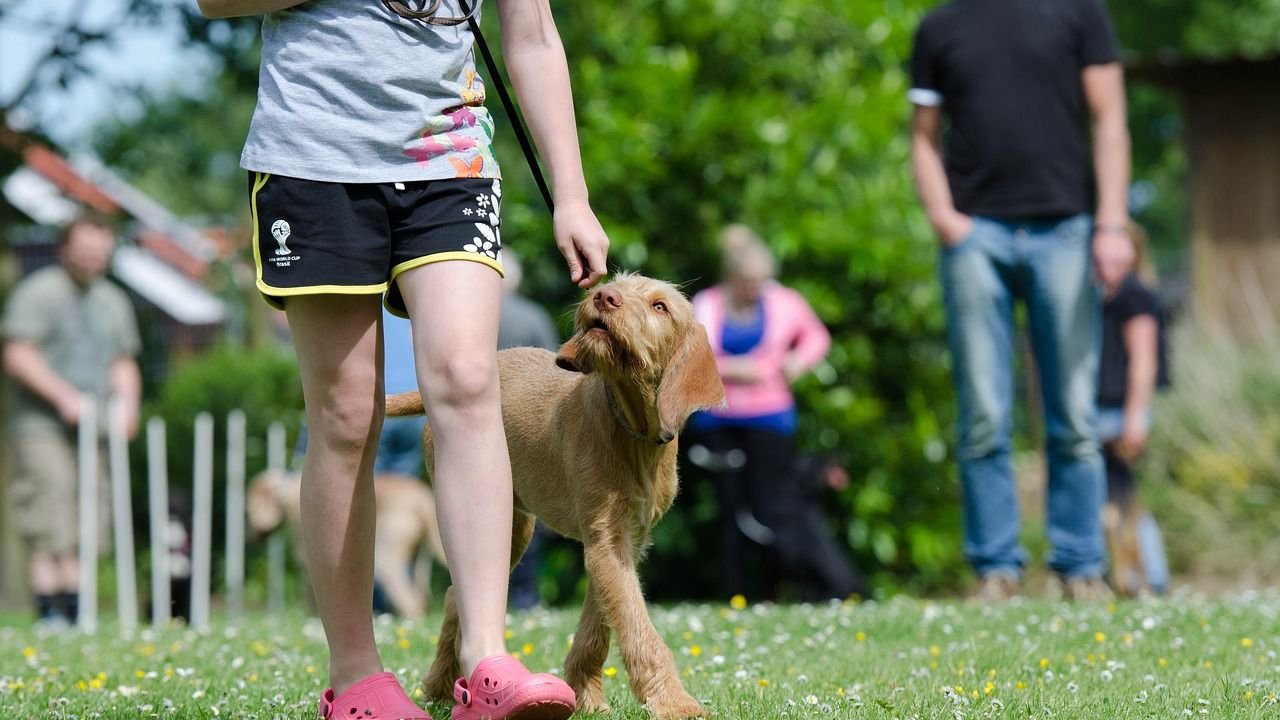
You love your dog. You truly do. Yet sometimes you catch yourself wondering why they keep jumping on guests, barking at the doorbell, or pulling on the leash like a furry freight train. Here’s the thing though – what if I told you that your dog’s most frustrating behaviors might be your fault? Not intentionally, of course. Most of us would never deliberately teach our pups to misbehave. Still, through tiny, everyday actions, we’re often unwittingly training them to do exactly what drives us up the wall.
Dogs are brilliant learners, constantly making connections between their actions and what happens next. Any behavior that has been reinforced is most likely to be repeated, whether we meant to reward it or not. That adorable face, that wagging tail – it’s easy to cave in and accidentally send the wrong message. Let’s dive into the psychology behind why our best intentions sometimes backfire, and more importantly, how we can fix it.
The Secret Power of Reinforcement History
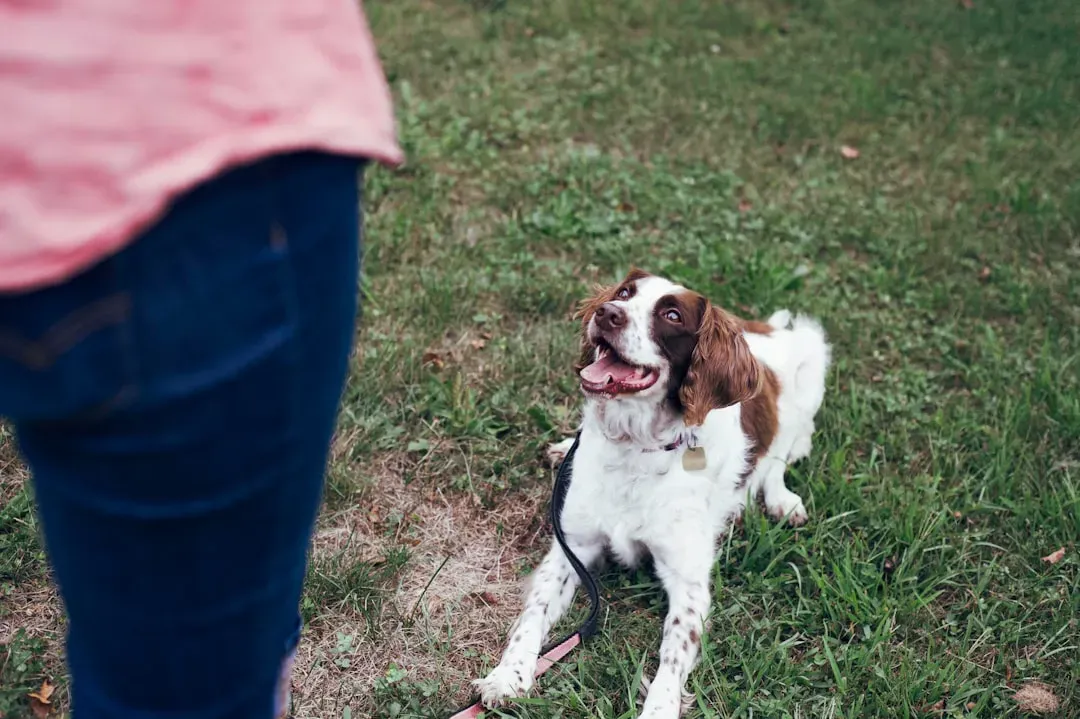
Your dog’s brain is like a scrapbook of experiences, cataloging every single time a behavior led to something good. Reinforcement history refers to the frequency or number of times that a particular behavior your dog does has been reinforced. Think about it – if your dog has jumped on you fifty times and received attention fifty times, you’ve built a rock-solid reinforcement history. They’ve learned that jumping equals good things, whether that “good thing” is pets, excited voices, or even being pushed away (which many dogs interpret as play).
Dogs thrive on routine and reinforcement, so the more they rehearse a behavior, or the more times that behavior has been reinforced, the more likely it is to be repeated. This is why seemingly harmless moments matter so much. Every time you give in, you’re adding another entry to that scrapbook. The pattern becomes ingrained, which is why breaking these habits feels impossibly hard later on.
When Attention Becomes a Reward (Even Negative Attention)
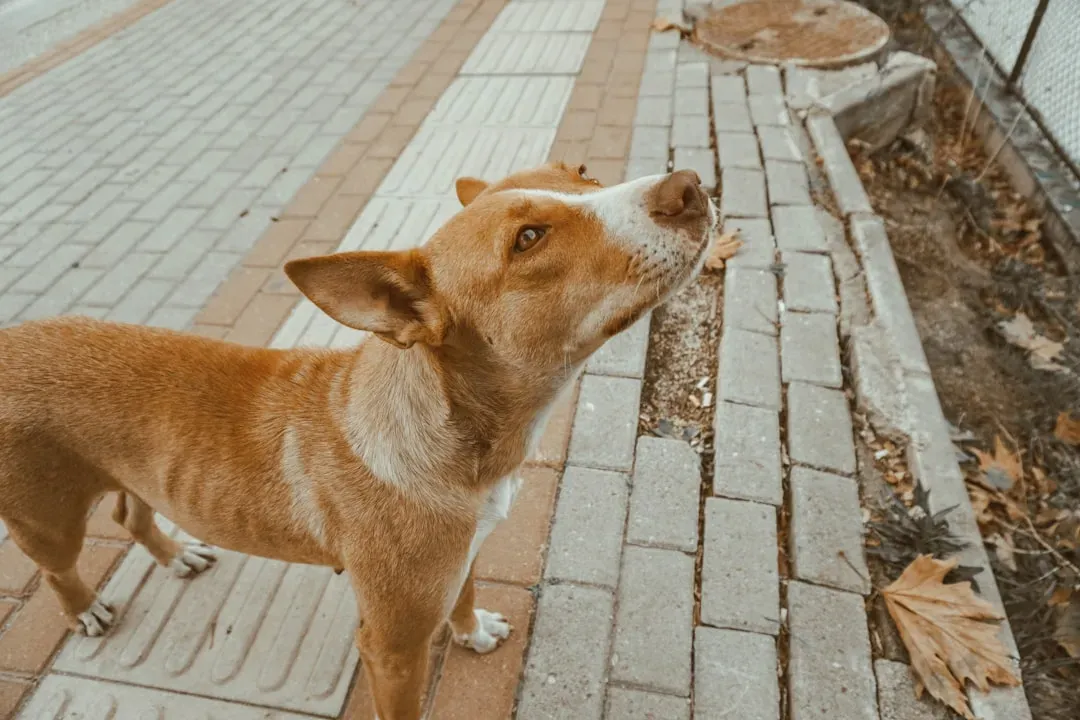
Let’s be real – your voice is one of the most powerful tools you have with your dog. Yet it’s also one of the easiest ways to accidentally reinforce bad behavior. Picture this: your dog barks at the doorbell. You yell at them to stop. In that case, the dog’s barking is reinforced by the owner’s yelling. Your dog doesn’t understand what you’re saying, they just know that when they “yell,” you “yell,” and now everyone yells, which is a very fun reinforcing game for your dog.
I know it sounds crazy, but from your dog’s perspective, any attention can feel like a reward. When they’re craving interaction and you react – even if you’re scolding them – you’ve just given them exactly what they wanted. Another behavior that’s easy to accidentally reinforce with attention is your dog jumping up. When your dog jumps up if you pet them, they’re receiving positive reinforcement for the behavior. So the next time they want your focus, guess what they’ll do? Jump, bark, or whatever worked last time.
The Jumping Trap: Why Pushing Them Off Doesn’t Work
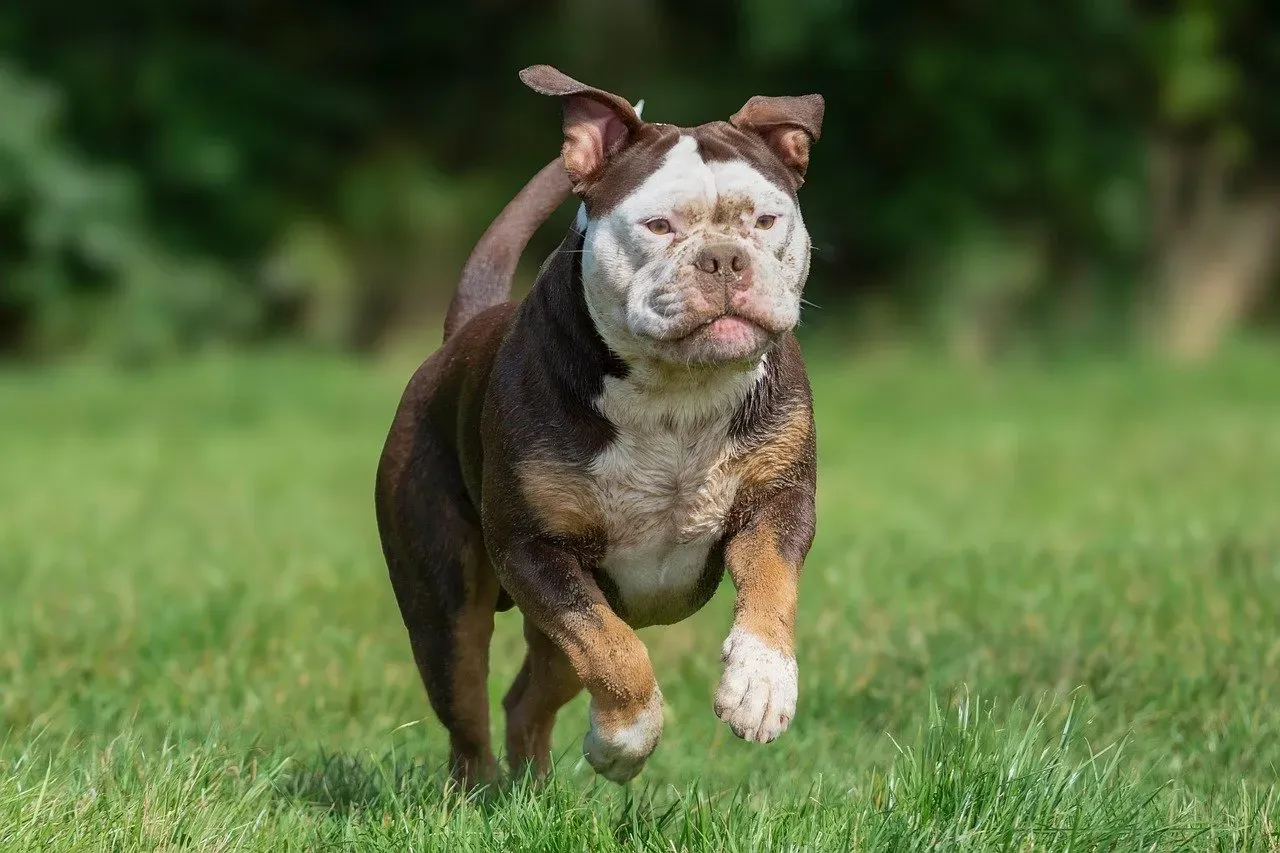
Here’s a scenario nearly every dog owner has lived through. You come home, your dog launches themselves at you like a rocket, and you push them away. Simple, right? Actually, if you push your dog away from you, but your dog keeps on jumping up…the behavior is NOT decreasing. That means that pushing your dog away is actually a reward, not a punishment. Your pup interprets your hands on their body as engagement, essentially physical play.
The same thing happens when we tell a jumping dog to sit, then reward the sit. Dog jumps up on you to get your attention. Then you instruct him to sit instead. The dog sits. You give him a treat. By following this pattern, you are actually reinforcing the dog’s jumping behavior because the entire behavior chain started with jumping. Your dog now believes: jump, then sit, then treat. Whoops.
Timing Is Everything (And We’re Usually Late)
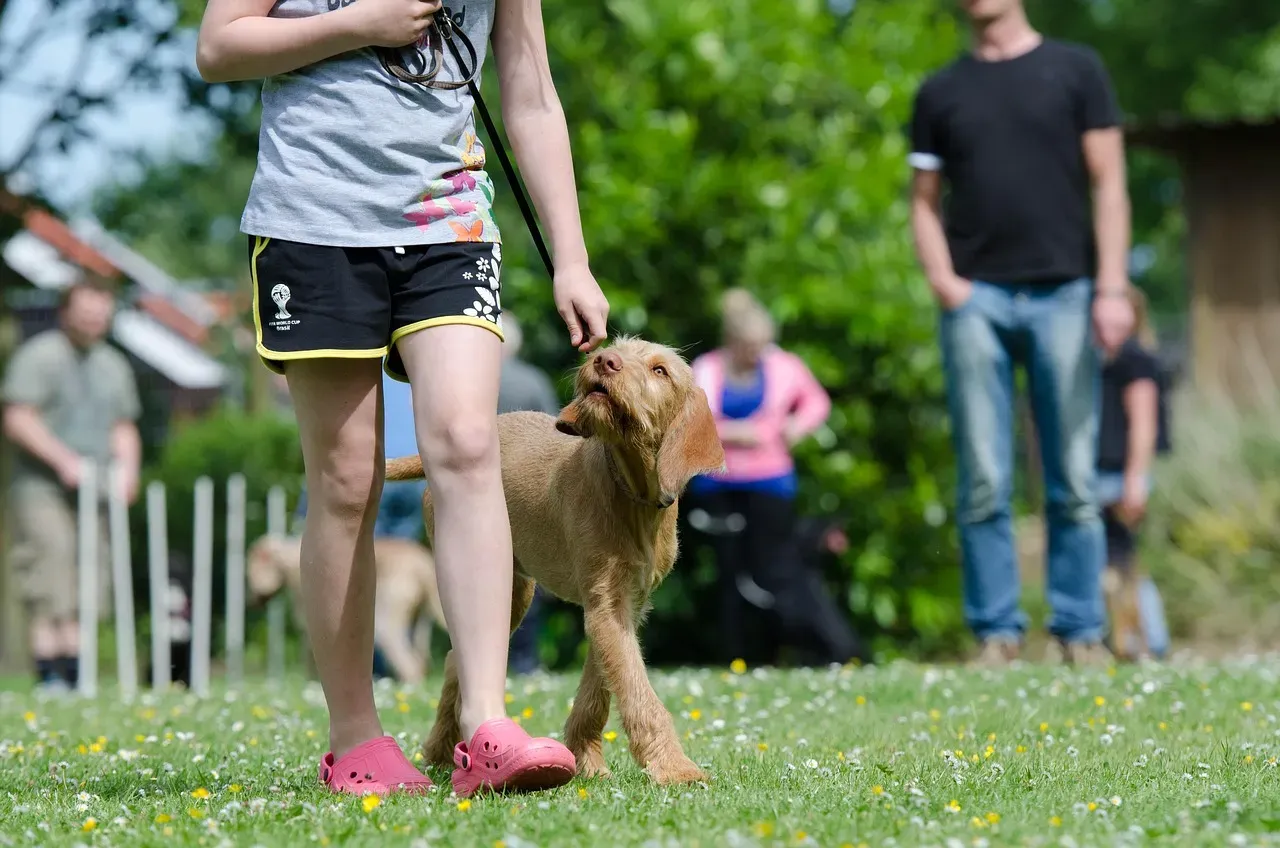
One of the trickiest parts of dog training is timing. When training your dog with positive reinforcement, you want to give your dog the treat as soon as they do the behaviour you want. If there’s even a second’s delay, your dog may have already moved on to a different behavior – and now you’ve rewarded the wrong thing. Let’s say your dog sits beautifully. You fumble for a treat in your pocket, and by the time you deliver it, they’ve stood up and barked. Congratulations, you’ve just rewarded standing and barking.
Reinforcement must immediately follow the behavior. If there is any delay, you run the risk of the pet engaging in another behavior while you are administering the reinforcement. It sounds harsh, yet it’s simply how dogs learn. They live in the moment, connecting rewards to whatever they’re doing right now, not what they did five seconds ago. This is why clicker training has become so popular – it allows you to mark the exact moment your dog does something right.
The Psychological Puzzle of Operant Conditioning
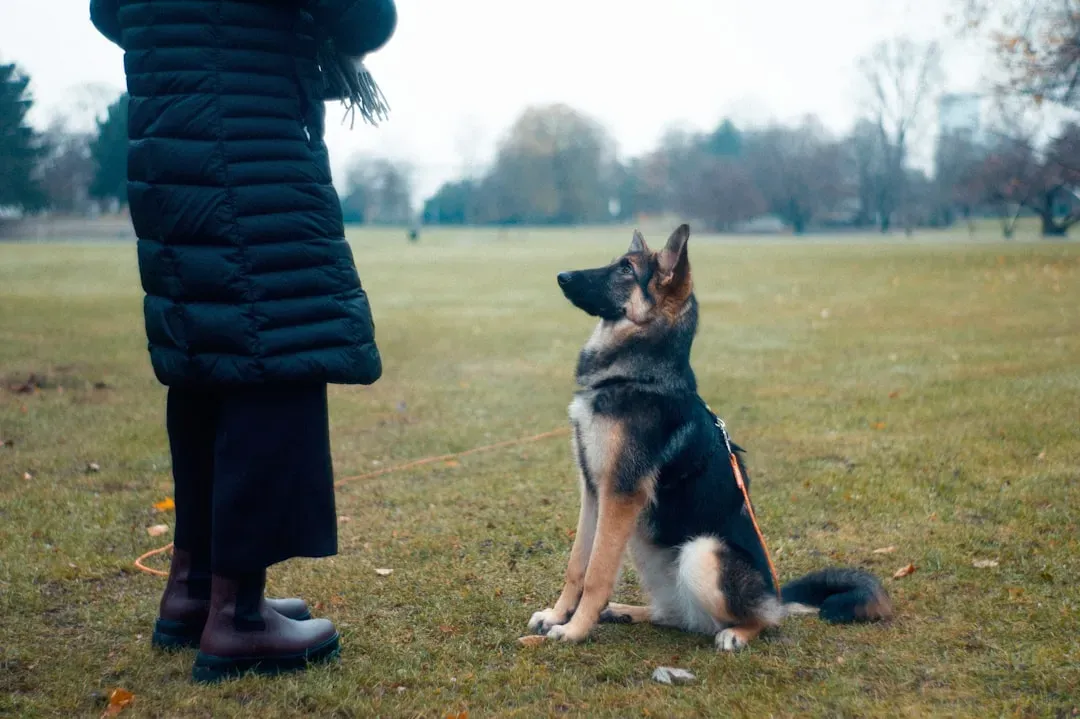
Consequences drive behavior, training is all about controlling the consequences of your dog’s actions to influence the behaviors they choose to express. This is the backbone of operant conditioning, a learning theory developed decades ago that applies to every creature with a nervous system. It might sound technical, yet it’s surprisingly simple once you get the hang of it. Behaviors that lead to good outcomes increase. Behaviors that lead to bad outcomes (or no outcomes) decrease.
Here’s where people get confused. If you provide your dog with a treat, you’ve added something. That’s known as a positive. If you take away a toy, you’ve removed something. That’s known as a negative. Reinforcement means anything that makes the behavior more likely and punishment means anything that makes the behavior less likely. Positive doesn’t mean “good” and negative doesn’t mean “bad” – it’s just math. Addition versus subtraction. When we understand this, we can see how easily we mess things up in daily life.
Breaking the Cycle: Replacing Bad Habits With Better Ones
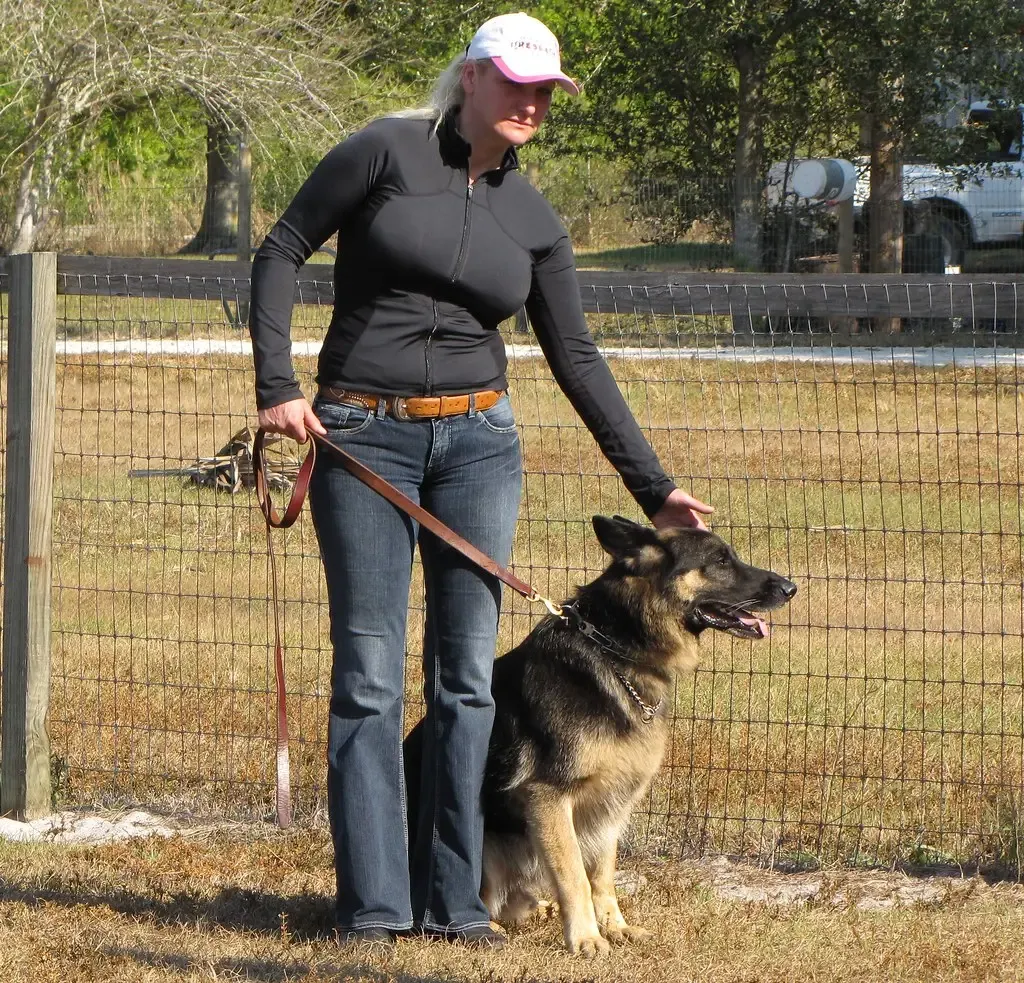
If you find yourself in a situation where you realize you’ve accidentally built a reinforcement history for a behavior you don’t want, the easiest way to begin to shift your dog’s behavior is to reinforce a different and incompatible behavior. To do this, we need to get ahead of our dog’s behavior. Instead of reacting after your dog jumps, teach them that sitting gets them what they want. Proactively reward calm greetings before the jumping even starts.
If you don’t want your dog to bark at the doorbell, you need to teach them a different behavior. When the doorbell rings, get your dog’s attention with the treats and lure them to their bed or other location where you want your dog to be. The more you practice, the more you’ll rebuild a new reinforcement history with this new behavior. Over time you’ll be able to change the behavior. Consistency is your superpower here. Perfect practice makes perfect, not halfhearted attempts when you feel like it.
What Your Dog Really Finds Rewarding (Hint: It’s Not Always What You Think)
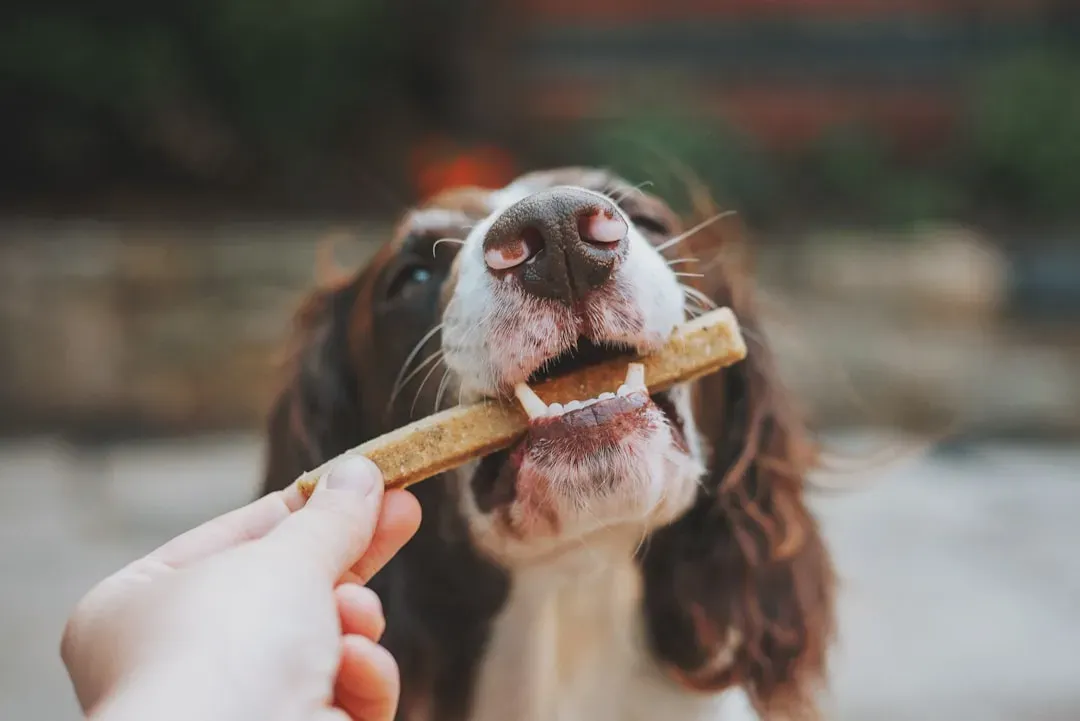
We often assume that praise and petting are universally rewarding to dogs. The truth is more complicated. Some dogs genuinely dislike being patted on the head or hugged tightly, especially when they’re excited or nervous. Petting and affection can be an excellent reward when the dog is in the mood for these interactions, but can be a source of fear and anxiety if the dog is not in the mood, or if the affection is being given by someone from whom the dog does not want attention.
A common mistake is to use something the trainer thinks will be reinforcing but which the dog doesn’t particularly care about, like praise. Pay attention to your dog’s body language. Are they leaning into your touch or pulling away? Yawning, turning their head, or sniffing the ground during praise are signs they’re actually stressed. The most effective rewards are the ones your individual dog genuinely loves – whether that’s treats, toys, a game of tug, or even just the freedom to sniff that fascinating tree.
Conclusion
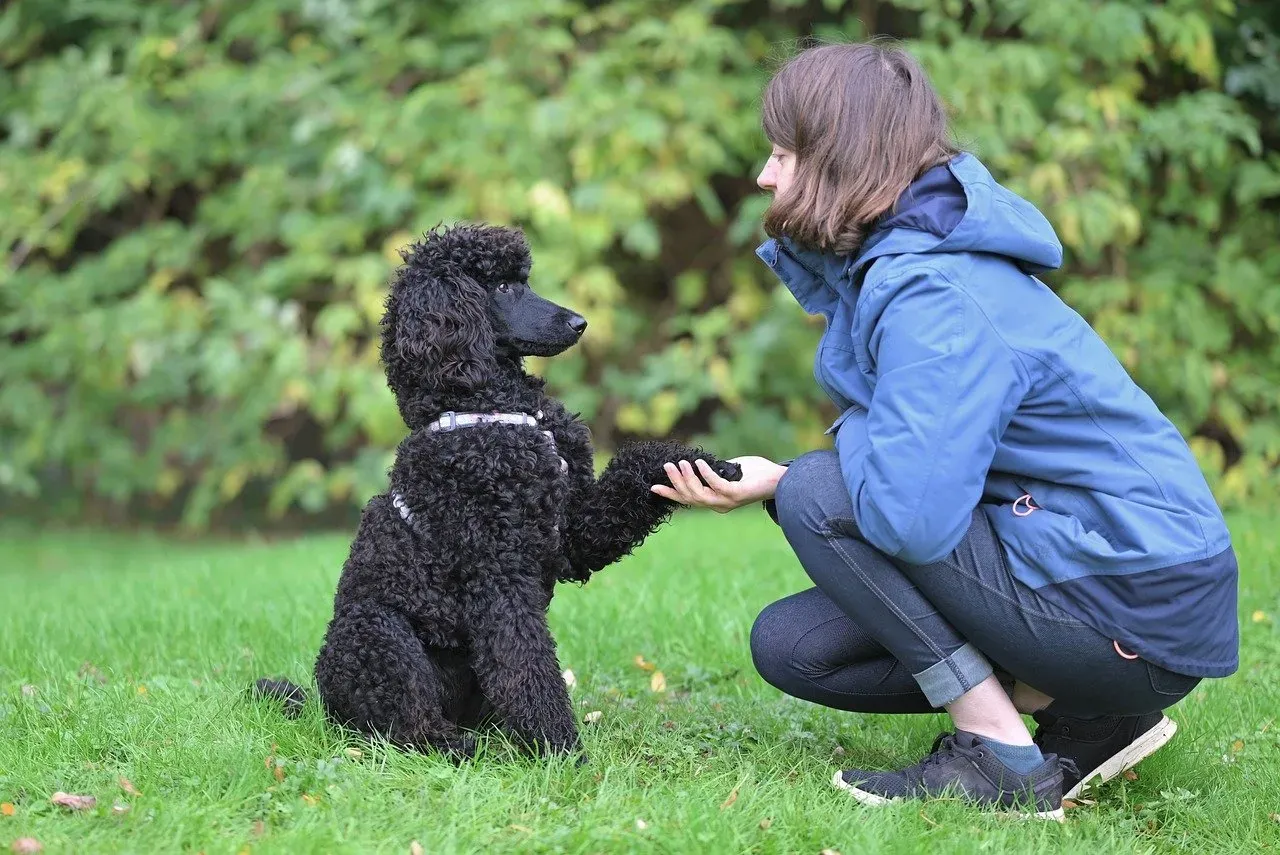
Understanding how our actions shape our dogs’ behavior isn’t just about fixing problems – it’s about building trust, clarity, and a deeper bond. When we accidentally reinforce behaviors we don’t want, it’s not a failure. It’s simply a learning opportunity for both ends of the leash. The beautiful thing about dogs is their resilience and willingness to adapt when we give them clear, consistent information about what we actually want from them.
Positive reinforcement training can improve an animal’s overall quality of life, improve learning, and reduce the risk of future behaviour problems. This can in turn reduce the incidence of relinquishment and euthanasia. The stakes are higher than we think. Our small, daily training choices don’t just determine whether our dog sits nicely or jumps wildly – they shape their entire emotional wellbeing and our relationship with them. So next time your dog does something frustrating, pause. Ask yourself: have I accidentally been rewarding this? What would I rather see instead? The answers might surprise you, and the changes you make could transform both your lives. What patterns have you noticed in your own dog’s behavior that might be worth rethinking?