
10 Dog Breeds With a ‘Sixth Sense’: Canine Intuition Explained by Psychology

You know that feeling when your dog looks at you right before you reach for the leash? Or when they somehow know you’re feeling off before you’ve even said a word? It’s uncanny. Almost spooky. Dogs have this way of reading us that goes beyond just recognizing our routines.
For centuries, we’ve marveled at their seemingly supernatural abilities to predict danger, comfort us in distress, or even sense changes in our health. Some folks swear their pups can see things we can’t. While researchers hesitate to call it paranormal, there’s something deeply compelling about the way certain breeds seem to tap into a frequency all their own. Dogs may appear to have a sixth sense due to their powerful senses, ability to read human emotions, and knack for associative learning. That combination creates what we experience as intuition.
So let’s dive in. Here are ten dog breeds that seem to possess an almost eerie level of awareness, and the psychological science behind what makes them so extraordinary.
German Shepherd: The Protective Empath With Razor Sharp Instincts
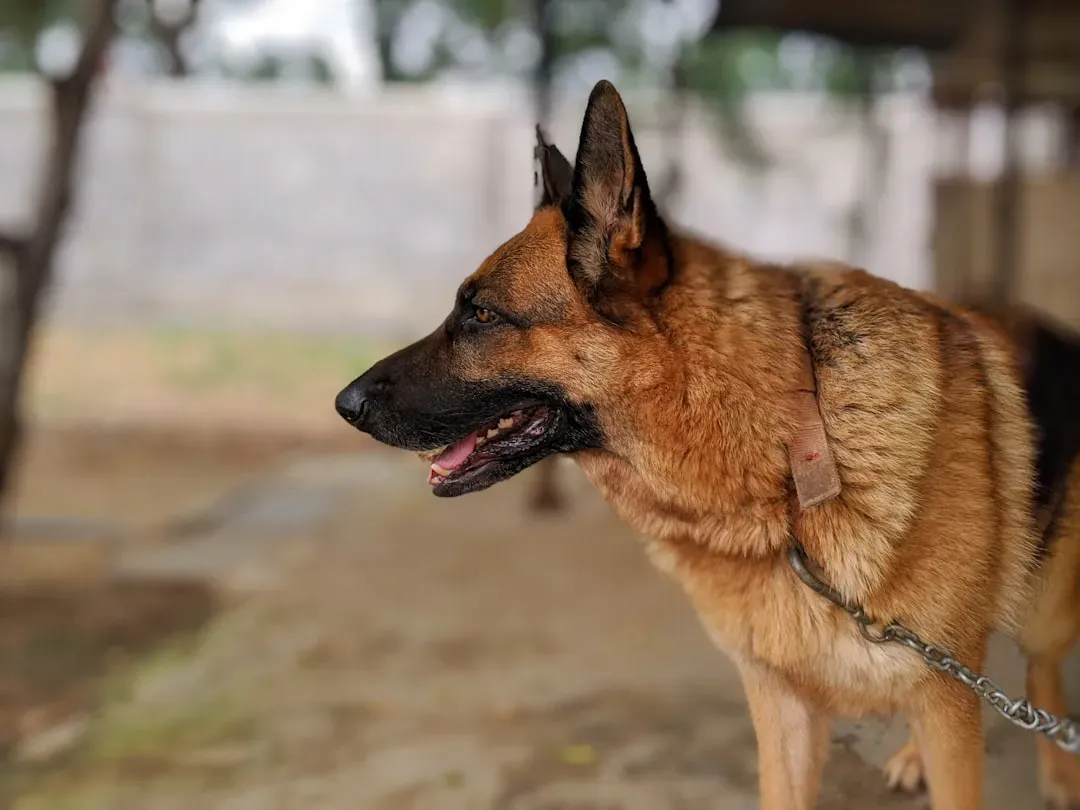
German Shepherds don’t just guard your home. They guard your emotional state too. German Shepherds possess an extraordinary ability to sense emotions, detect danger, and respond instantly to changes in their environment. Their heightened alertness comes from a blend of biology and breeding history. German Shepherds possess approximately 225 million scent receptors in their noses, compared to the human’s 5 million. This allows them to detect and discern vast scents, often identifying changes in human body chemistry or subtle environmental shifts that can signal danger.
They’re not just sniffing out intruders. They’re reading you. If you’re anxious, they pick up on it immediately. German Shepherds are not only known for their intelligence and versatility but also for their exceptional intuitive capabilities. They have a keen ability to read human emotions and are often used in roles that require sensitivity and perceptiveness, such as therapy and service dogs. That’s why police and military units worldwide rely on them. Their capacity to distinguish real threats from harmless situations is practically unmatched. Honestly, if you’ve ever seen a German Shepherd lock eyes with a stranger who gave you bad vibes, you know exactly what we’re talking about.
Border Collie: The Mind Reader in a Fur Coat

The Border Collie is often called the Einstein of dogs – and for good reason. Originally bred for herding sheep, this breed is famous for its sharp mind, focus, and boundless energy. Their intelligence isn’t just about learning tricks quickly. It’s about anticipation. What truly sets the Border Collie apart is its remarkable intuition and awareness. They seem to sense their handler’s next move, often reacting before a command is even given. Their keen observation skills and ability to read human emotions make them not just intelligent workers but deeply connected companions.
These dogs watch everything. Your posture, your tone, the way you shift your weight. Border Collies have a deep connection with their owners, often being able to read subtle signals and body language to understand commands and expectations. Their acute awareness and responsiveness make them not just excellent working dogs but also sensitive companions who can pick up on emotional and environmental changes quickly. It’s like living with someone who’s always three steps ahead emotionally. If you’re stressed, a Border Collie will sense it and adjust their behavior accordingly. They might rest their head on your lap or bring you their favorite toy without being asked.
Labrador Retriever: The Emotional Genius You Didn’t Know You Needed
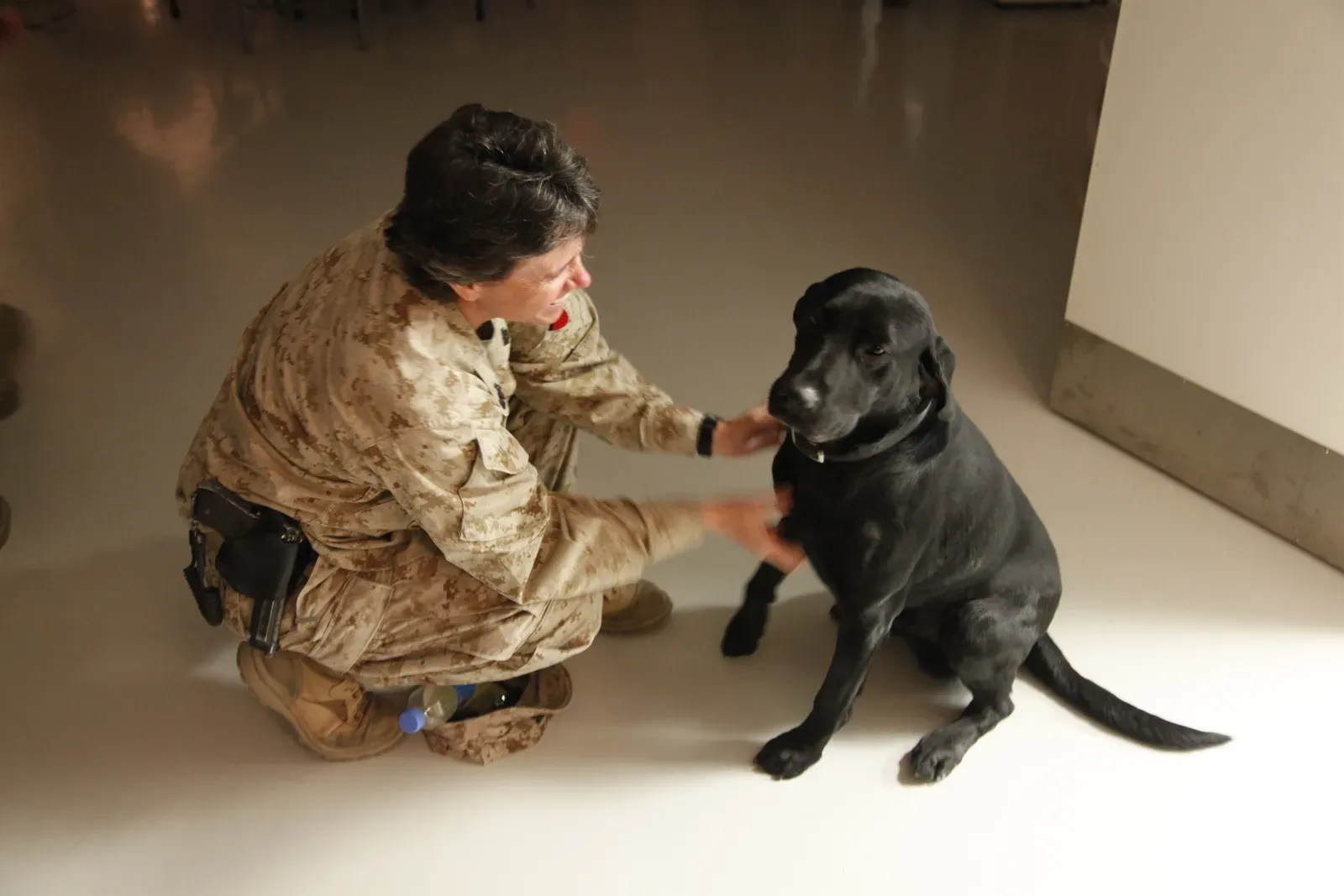
Let’s be real – when you think of a dog that just gets you, a Labrador Retriever is probably the first face that pops up. What sets Labs apart is their insane emotional intelligence. Seriously, it’s like they majored in human feelings. Labrador Retrievers are known for their friendliness and loyalty, but one of their standout qualities is their deep emotional sensitivity. These dogs seem to have an innate ability to read their owners’ moods and provide comfort when needed most. Whether you’re feeling anxious, sad, or overjoyed, a Labrador will respond accordingly, often with a comforting nuzzle or a wagging tail of encouragement.
Labs aren’t just friendly. They’re intuitive. Labradors are incredibly intuitive. Many Lab owners report that their dogs can sense changes in mood and offer support without needing verbal cues. Whether it’s cuddling up next to you during a panic attack or encouraging you to get out of bed on a difficult day, Labs instinctively know how to offer emotional assistance. Their presence is grounding, warm, and completely reassuring. Labs excel in reading human emotions and responding appropriately to social cues. Their high emotional intelligence makes them particularly effective as therapy and emotional support animals. It’s hard to say for sure, but there’s something almost telepathic about how quickly they pick up on what you need.
Golden Retriever: The Comforter With an Uncanny Sixth Sense
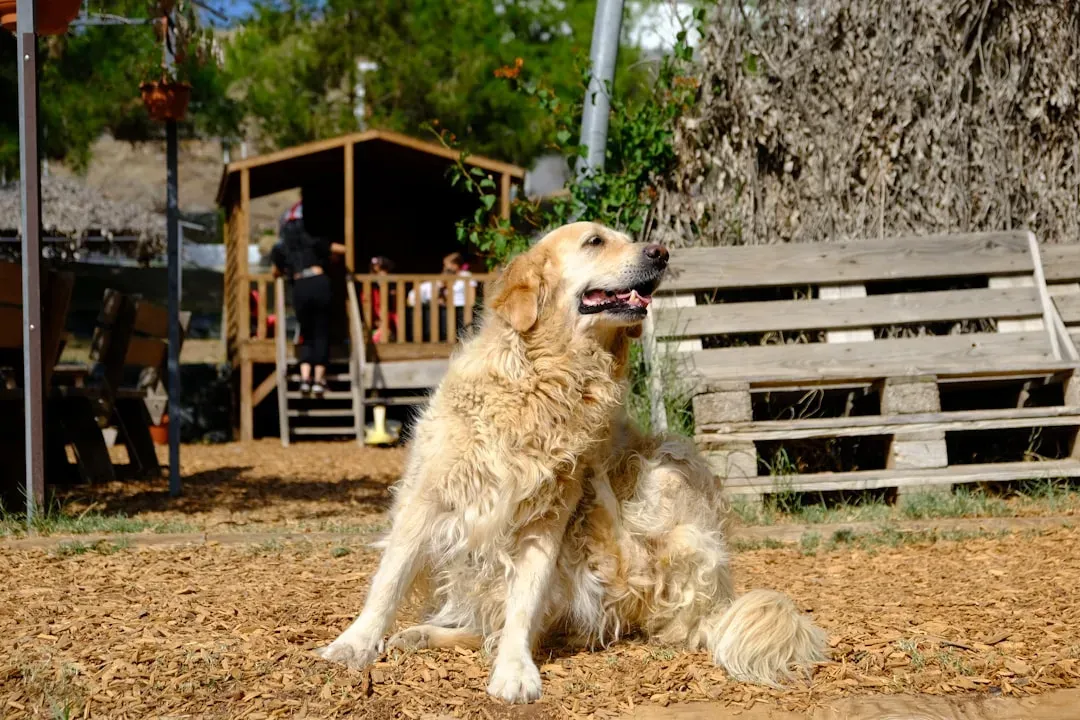
Golden Retrievers are beloved for their friendly and loyal nature, and they also have a notable sixth sense, particularly when it comes to empathizing with human emotions. Goldens have an innate ability to provide comfort and support, often sensing when their owners or others are upset or unwell. This breed has been effectively used in therapy and as emotional support animals due to their ability to intuitively respond to human emotional states. They don’t panic when you do. Instead, they act as a buffer, grounding you with their calm and unshakable loyalty.
Golden Retrievers are renowned for their friendly, patient, and loving nature, and their ability to connect with human emotions is truly remarkable. They have an innate ability to sense something wrong and won’t hesitate to comfort you with their calm, gentle presence. Golden Retrievers are often used as therapy dogs because of their empathetic nature – they seem to have a sixth sense when it comes to detecting sadness or stress in their human companions. Whether it’s a panic attack or just a rough day at work, your Golden will shift into comfort mode. Their emotional stability is a gift to anyone dealing with anxiety or depression.
Doberman Pinscher: The Vigilant Guardian Who Sees Everything
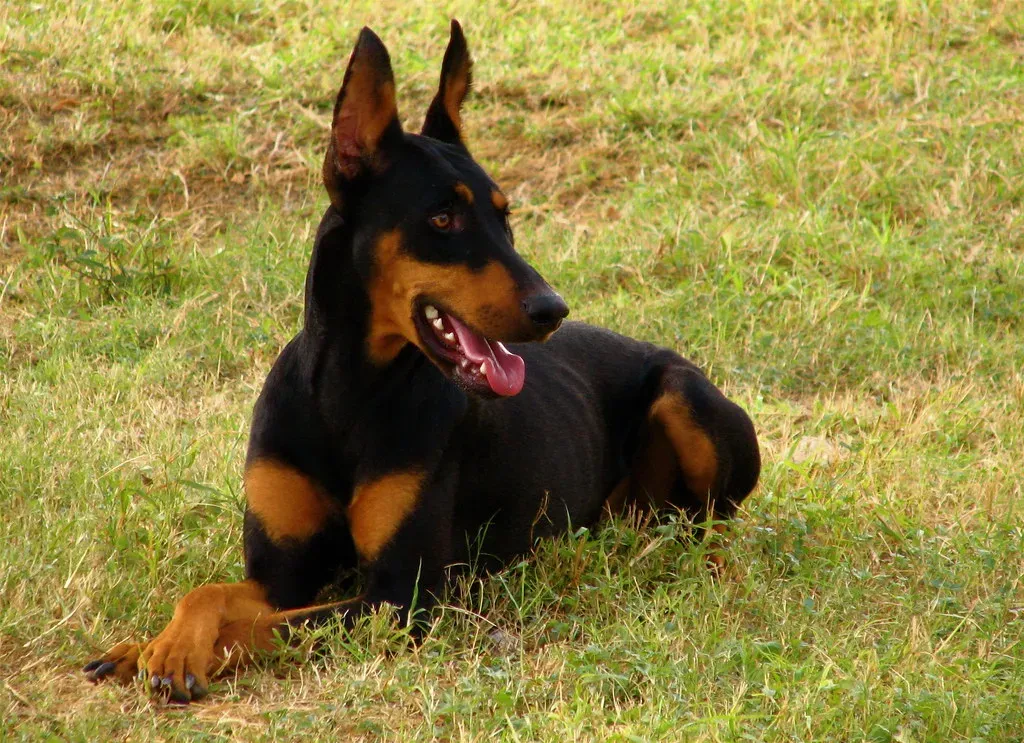
Dobermans are sleek, powerful, and incredibly smart. Doberman Pinschers are often associated with protection and loyalty, but they also have a remarkable sixth sense, especially in detecting threats or unusual occurrences. Dobermans are highly attuned to their environment and sensitive to subtle changes, which makes them excellent guard dogs. They can often sense danger or unfamiliar presence long before their owners, reacting quickly to protect their home and family. Their intuition extends beyond physical danger. This breed’s intuitive nature extends to sensing its owner’s emotions and well-being, often providing comfort and presence in times of stress or anxiety.
They’re not aggressive without cause. Dobermans are discerning. They assess situations with a level of precision that’s almost unnerving. If something feels off to them, it probably is. Their ability to detect unseen threats and emotional cues is a testament to their extraordinary perception and intelligence. For families looking for both a protector and a companion who understands emotional nuance, Dobermans deliver on both fronts.
Papillon: The Tiny Dog With a Giant Emotional Radar
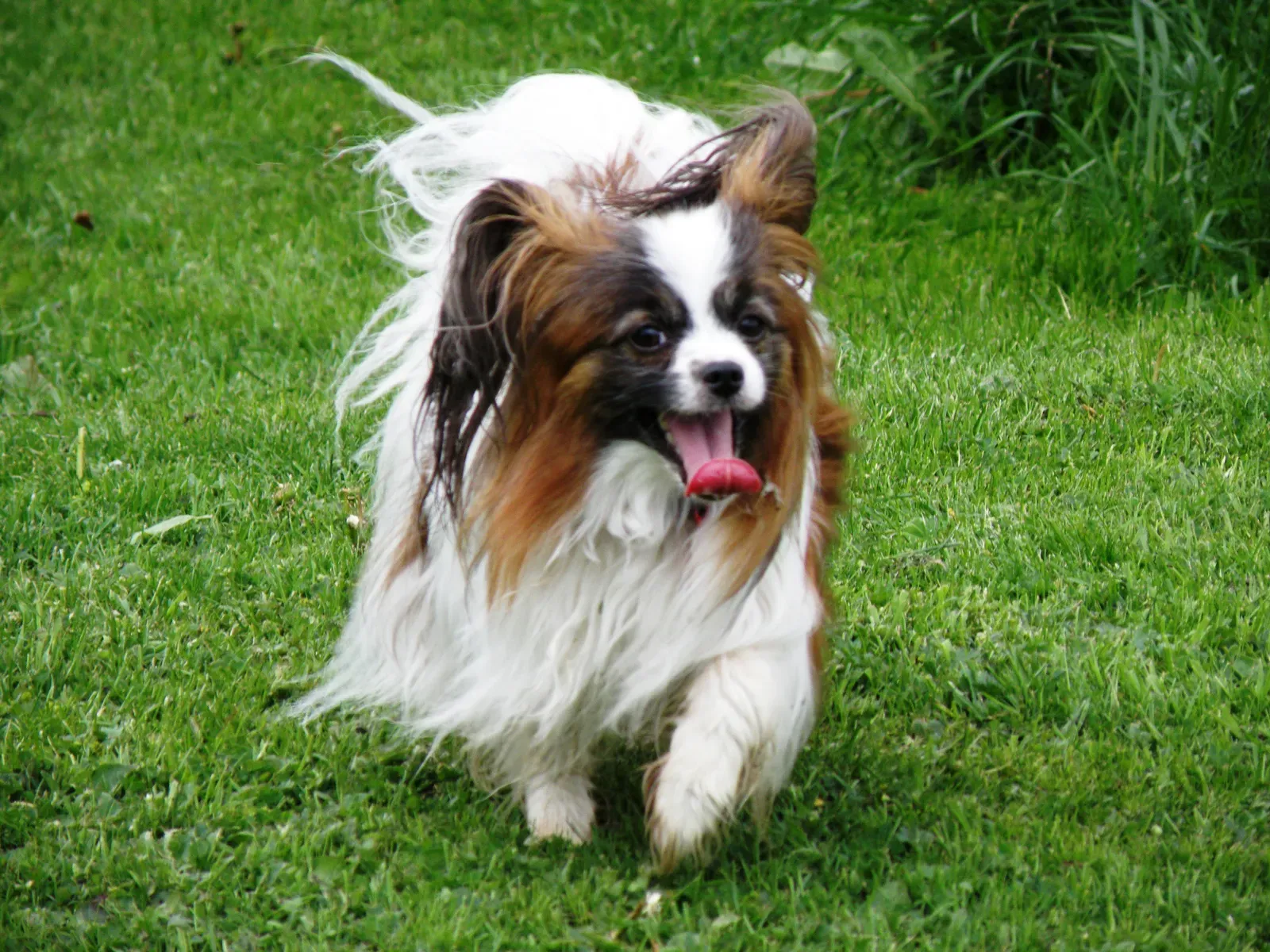
Don’t let their size fool you. Papillons are small dogs with massive emotional awareness. Smaller breeds like the Shetland Sheepdog and Papillon combine alertness and empathy, making them perfect emotional companions. Papillons are a toy breed dog that are not only, of course, great companions is their breed standard, but they also are very alert and make great service dogs for doing things like hearing ear, and even medical alert like diabetic alert and seizure alert. Their alertness is matched by their sensitivity to human emotion.
These dogs are constantly tuned in to their owner’s emotional state. If you’re feeling down, a Papillon will notice and stay close. They might curl up on your lap or follow you from room to room, offering quiet companionship. Their small stature means they can be near you almost all the time, creating a constant emotional connection. Papillons are proof that intuition and empathy aren’t about size – they’re about awareness.
Poodle: The Elegant Mind With Emotional Depth

The Poodle isn’t just a pretty face – it’s one of the most intelligent dog breeds out there. Whether Toy, Miniature, or Standard, every Poodle shines with intelligence, grace, and adaptability. Originally bred as hunting dogs, they’ve always been quick learners and eager workers. From balancing on balls to jumping through hoops, Poodles love challenges and thrive when they have something to focus on. That intelligence translates into emotional intuition.
Poodles have this uncanny ability to read human emotions like a book. Feeling down? They’ll quietly rest their head on your knee. Anxious and fidgety? They’ll gently lean into you or bring a toy to shift your focus. They’re masters at offering just the right kind of emotional connection – not too clingy, never distant. Poodles are responsive without being overwhelming. Their emotional awareness makes them excellent therapy dogs and companions for people dealing with anxiety or depression. They’re elegant, yes, but they’re also deeply empathetic.
Shetland Sheepdog: The Quiet Observer Who Feels Everything

Shelties are affectionate and highly attuned to their humans. Shetland Sheepdogs, or Shelties, are affectionate and highly attuned to their humans. They quickly pick up on emotional cues, often staying close when you’re low. Their herding background makes them sensitive to noise and change, but also deeply responsive to clear, calm guidance. They thrive on routine and emotional stability, which means they’re incredibly perceptive when something feels off.
Shelties are watchful. They notice when you’re upset even before you realize it yourself. Their sensitivity can make them anxious in chaotic environments, but in calm, loving homes, they flourish. They bond deeply with their families and offer quiet companionship during difficult times. If you need a dog who will sit with you in silence and just be there, a Sheltie understands that job perfectly.
Rottweiler: The Calm Sentinel Who Knows Before You Do

Rottweilers have a reputation for being tough, and they are. Strong, muscular, and confident. Yet beneath that exterior lies a deeply intuitive and emotionally intelligent dog. The Rottweiler is the perfect mix of massive build and mush – a true guardian with a heart that beats for family. With their broad chests, confident stance, and steady gaze, Rottweilers radiate calm strength. They don’t need to bark or bluster to earn respect; one look is enough for most intruders to decide they’ve made a terrible life choice. But beneath that tough exterior lies a deeply affectionate dog who adores their humans. Rottweilers are loyal to the core, forming powerful emotional bonds with their families. They’re happiest when they’re part of the action – whether that means watching over the kids, lounging on the couch (preferably on your feet), or giving you that signature “I’ve got your back” stare.
Rottweilers don’t just guard your home. They guard your peace. They’re sensitive to changes in your mood and environment. If something feels wrong to them, they’ll alert you calmly but firmly. Their intuition isn’t flashy, but it’s reliable. Rottweilers are the kind of dog who will sense danger before it arrives and position themselves between you and whatever threat they perceive. That level of awareness is both protective and profoundly comforting.
Dogs Who Detect Seizures: The Medical Miracle Workers
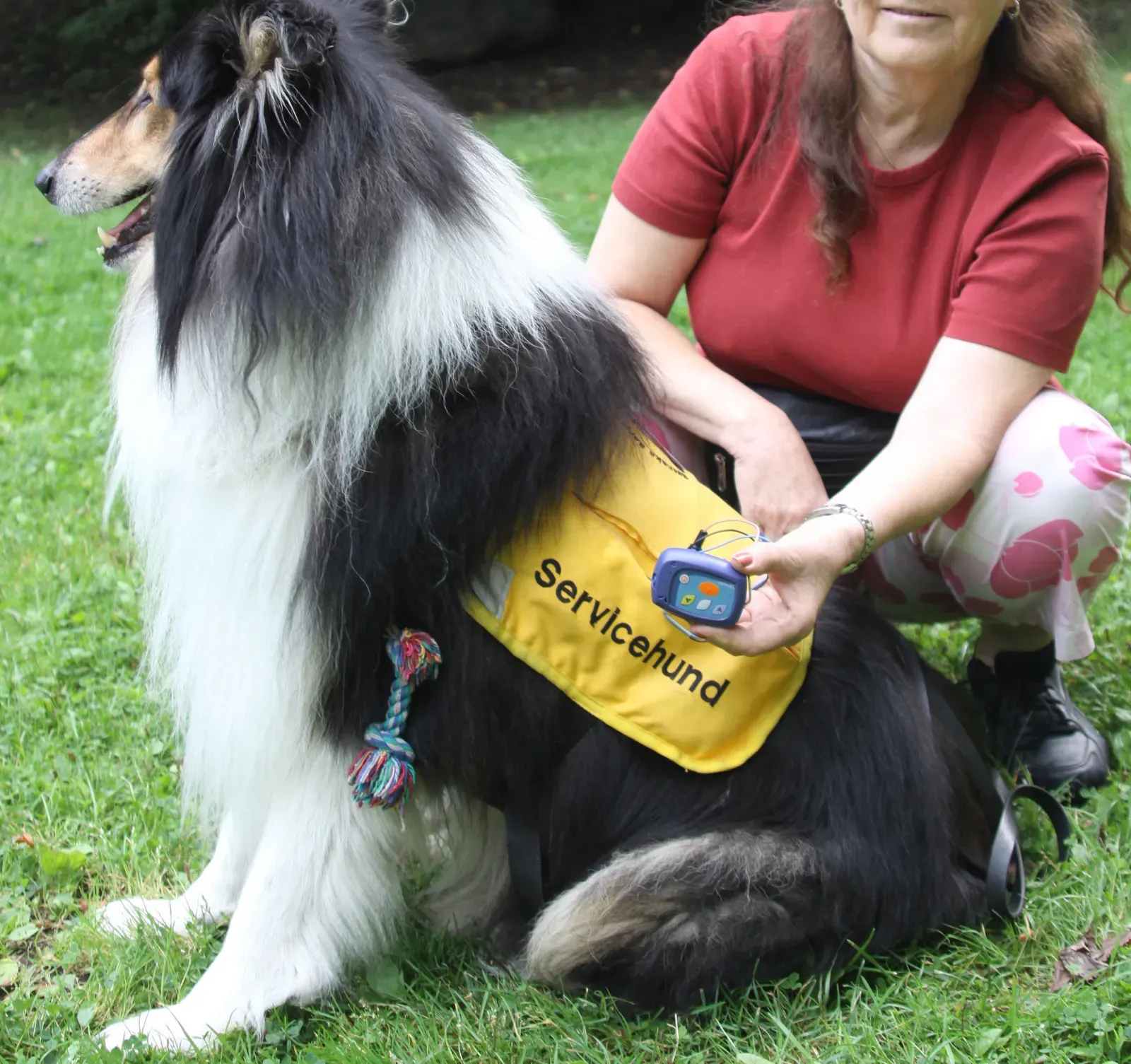
Some dogs don’t just sense emotions – they sense medical events. This alerting behavior has been reported to occur several seconds to 45 minutes or more before the start of the seizure. The dog does this by exhibiting marked changes in behavior, including close eye contact, circling, pawing, barking etc. All nineteen pet dogs engaged in a significant increase in attention-seeking behaviours on detecting odours from seizure associated sweat samples compared with control odours. This is an important finding since it suggests that changes in an individual’s scent might be a cue that indicates an imminent seizure. But more than that it suggests that we now have a means of not only training seizure response dogs but also “seizure alert dogs.” The existence of pre-seizure odor(s) is an important finding because it offers a simple and reliable means for training dependable seizure-alert dogs to warn people of an impending epileptic event, an aim which has long been sought.
Breeds like Labrador Retrievers, Golden Retrievers, and even Papillons have been trained to detect seizures through scent. For our dogs, the way we train them is scent-based. So there is, we believe, a scent component to the buildup and then occurrence of a seizure that the dogs, when trained, can pick up on. That’s, typically, a natural behavior that some dogs will do, but we train it and we train that based on scent. So, the families will send in scent articles of when their child has had a seizure. And we use those to train the dogs on that scent, so that they learned that whenever I smell this smell, it means a huge party, and a big reward. This ability to detect volatile organic compounds related to seizures is nothing short of life-changing for people with epilepsy. It’s a sixth sense grounded in biology, refined through training, and utterly extraordinary in practice.
Conclusion: The Science Behind the Magic
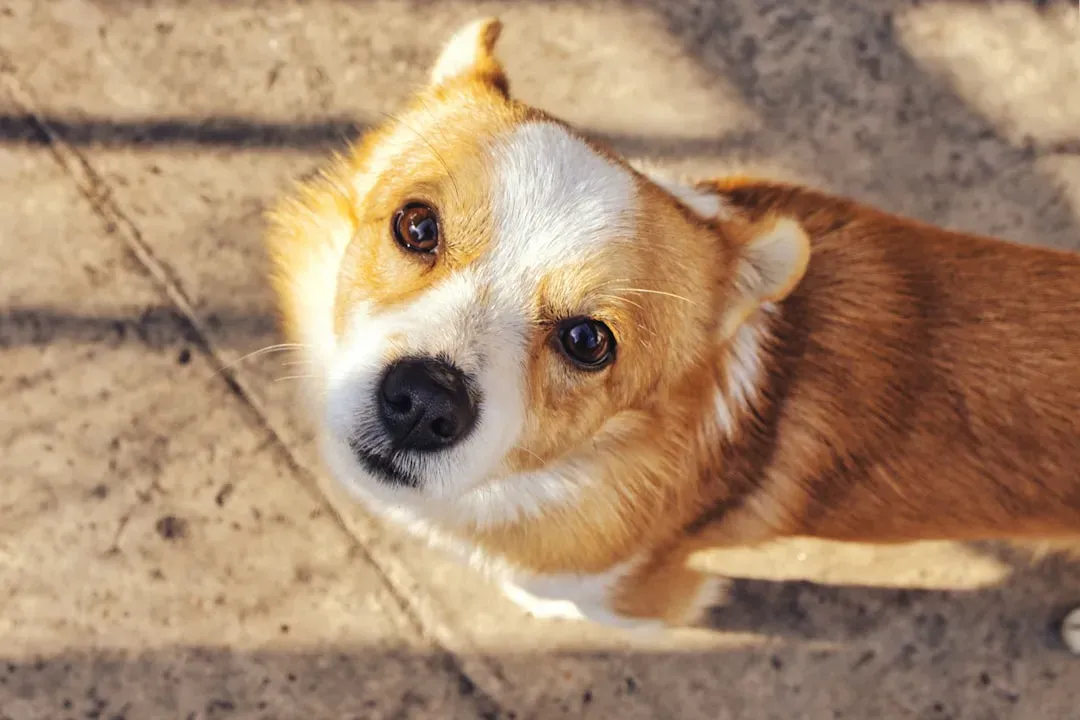
Your dog likely appears to have a sixth sense because they are making associations with stimuli you cannot detect, but they can. Studies also suggest that our smell may play a role in dogs’ reading of our emotions. Due to their incredible smell, dogs can detect “chemosignals,” which communicate specific emotions. When someone asks “Do dogs have a sixth sense?” we can certainly now answer “Yes”: That extra sense is one that detects variations in magnetic fields. Dogs indeed perceive differences in human emotion and behave differently depending on their owner’s emotional state.
So, is it magic? Not quite. It’s biology, evolution, and an extraordinary bond forged over thousands of years. These ten breeds have honed their intuitive abilities through selective breeding, training, and an unbreakable connection with humans. They sense what we can’t see, hear what we can’t hear, and feel what we try to hide. That’s not a supernatural power – that’s the profound result of living alongside us, learning us, and loving us.
Have you ever experienced a moment when your dog seemed to know something before you did? What do you think about it? Tell us in the comments.