
Your Dog’s Zodiac Element Reveals Their True Play Style
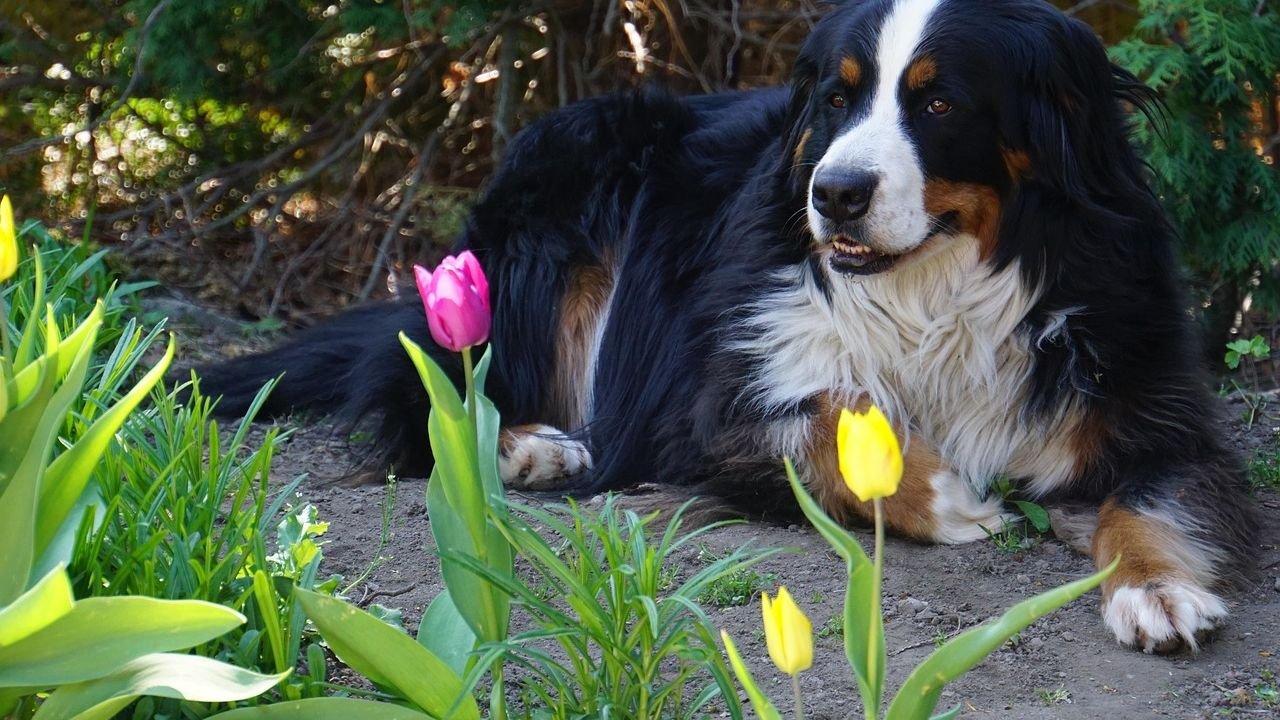
Have you ever watched your dog at the park and wondered why they play the way they do? Some pups are like little rockets, launching themselves at every opportunity for action. Others prefer a leisurely sniff around the perimeter, content to observe rather than dive into the chaos. The secret to understanding your dog’s unique play personality might be written in the stars, or more specifically, in the ancient wisdom of the five elements.
Traditional Chinese philosophy uses five natural elements – Wood, Fire, Earth, Metal, and Water – to describe different personality types and constitutions. This same framework applies beautifully to our canine companions, revealing why your dog gravitates toward certain activities and avoids others. Let’s explore how your pup’s elemental nature shapes their playtime preferences and what that means for keeping them happy and healthy.
The Wood Element Dog: The Competitive Challenger
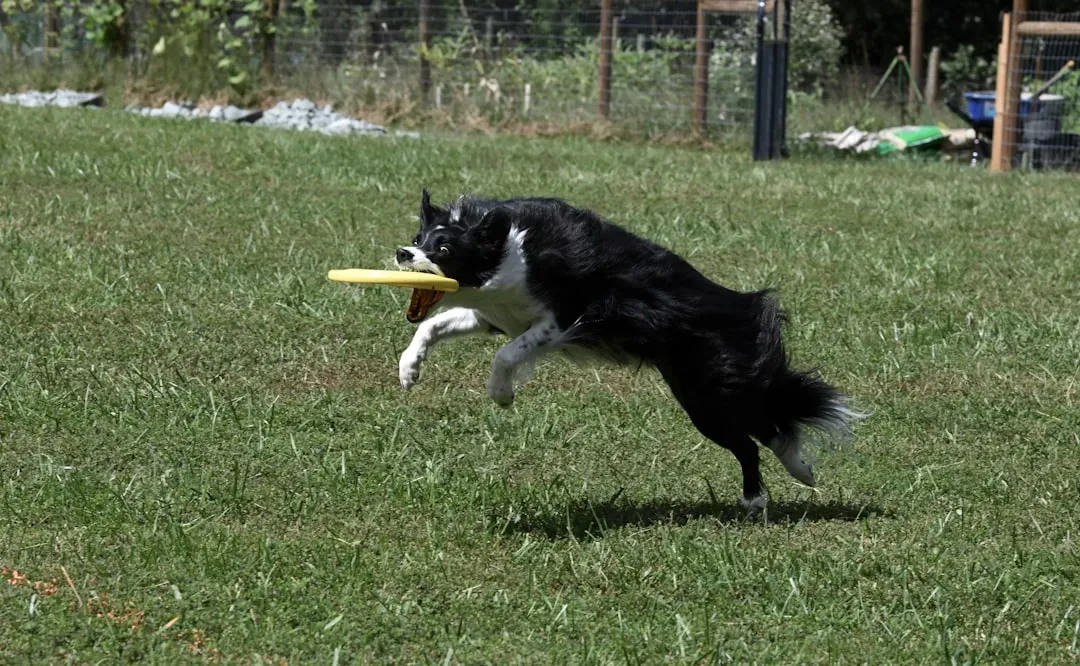
Wood type dogs are very alert, fast moving and competitive, with a natural drive that makes them excel at structured activities. These are the pups who live for games with clear rules and winners. Think agility courses, frisbee competitions, or intense fetch sessions where they absolutely must retrieve that ball before anyone else even thinks about it.
Wood dogs may act frustrated, impatient or angry when stressed or bored because of inconsistent rules or lack of movement. Stress balancers include exercise, providing consistent boundaries, clear leadership, challenging and varied work, gentle kindness and soft praise. If your Wood dog starts getting nippy during play or seems restless even after a walk, they’re probably craving more mental stimulation. These dogs need variety in their play routine, not the same boring game every single day.
Wood element dogs embody growth, strength, and assertiveness, displaying confident, even headstrong nature, with impressive stamina for physical activities, though their impatience and impulsivity might land them in a pickle. Watch for signs of overexertion, especially with ligament or tendon issues. Their go-go-go attitude sometimes writes checks their body can’t cash.
The Fire Element Dog: The Social Butterfly
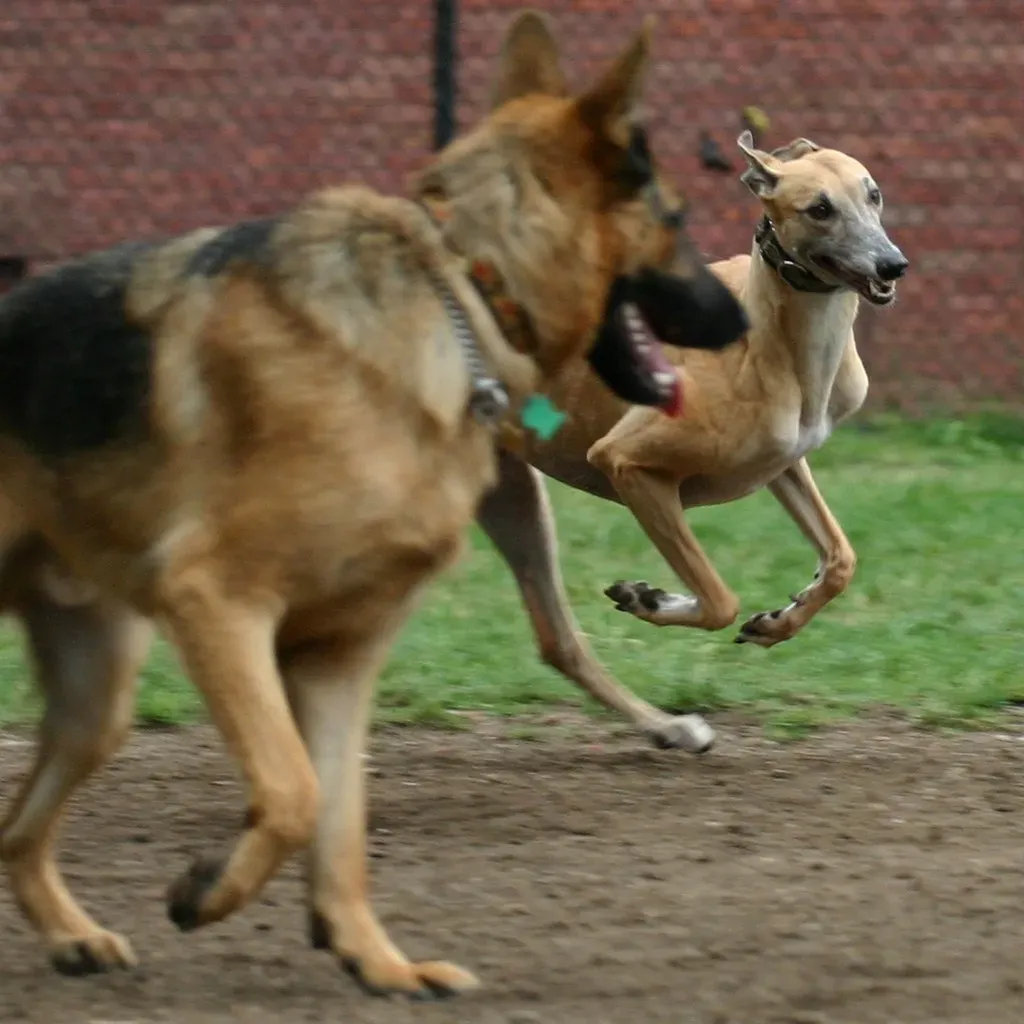
Fire element dogs are friendly, outgoing, social, love attention, affectionate, charismatic, hyper-excitable, difficult to calm down, classic extroverts, playful, full of energy, outgoing, vocal, inquisitive with strangers, love to be adored, like to bark, and are always moving. These are your park celebrities, the ones who greet every dog and human like a long-lost friend. Their ideal play involves an audience and lots of interaction.
Fire dogs have a short attention span, are more emotionally sensitive than any other elemental dog, and may react strongly to scolding or negative emotions. Fire dogs thrive on both physical and emotional contact, which is as essential to them as food. Group play dates are perfect for these social creatures. Solo activities? Not so much. They’d rather have mediocre playtime with company than amazing toys alone.
Fire dogs need attention and adoration, love short walks where they can gather attention and feel loved, include them in your social life, monitor their environmental temperatures by giving them cool places in summer heat, watch for allergic flair-ups, and have regular vet checks for their big hearts. These pups can literally overheat from excitement, so keep water nearby and watch for excessive panting during play.
The Earth Element Dog: The Gentle Companion
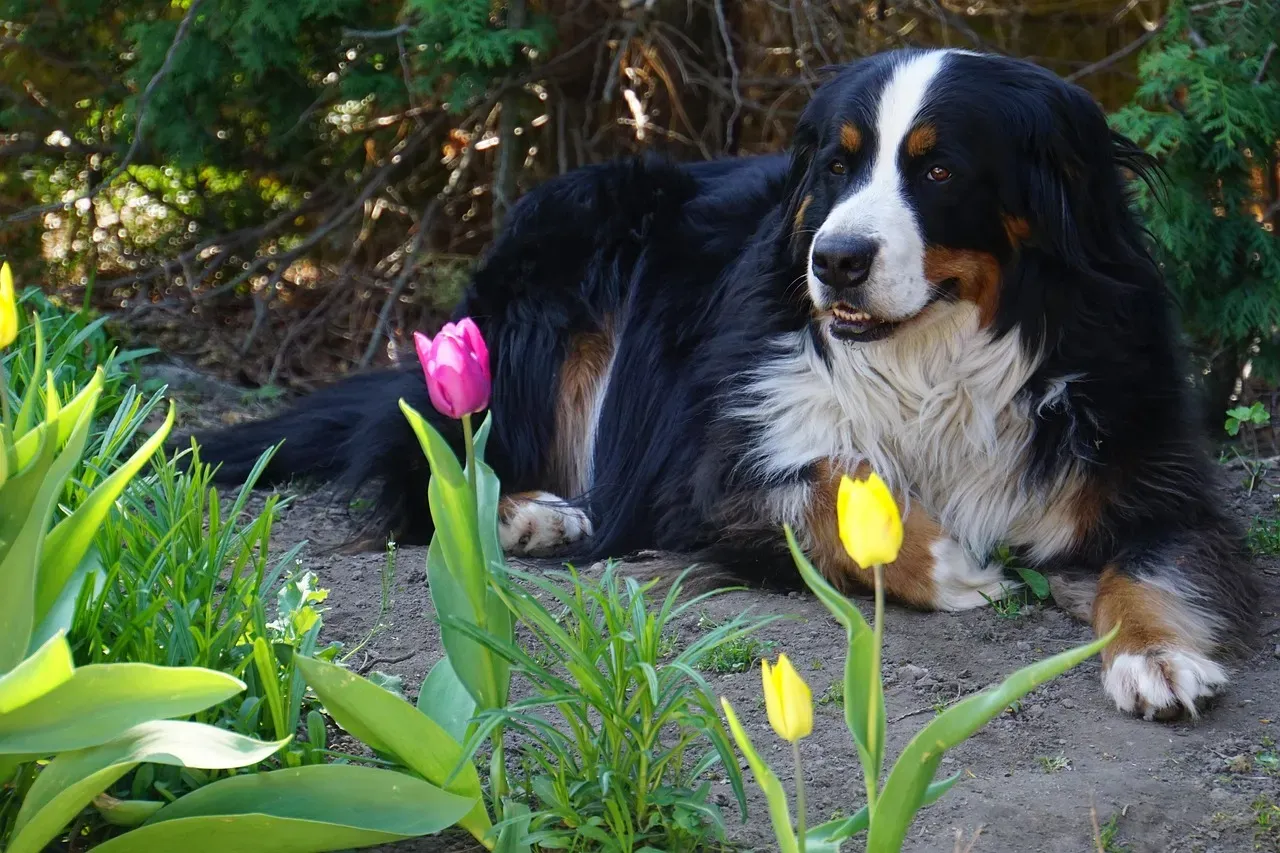
Earth dogs are very laid back, sociable, very food orientated, very loyal, provide support to their owners, showing great kindness and empathy, nurture and are great with children, slow to anger and very dependable, but if earth energy becomes depleted, they can begin to worry excessively and are sometimes clingy and possessive. Play for these dogs is about connection, not competition.
Earth dogs are kind, gentle, nurturing, chubby, easy-going, extremely friendly but lazy, laid back, slow, love everyone, love to be touched and petted, seek comfort, enjoy sleeping and eating, eager to please, great therapy dogs, routine-based, can be stubborn, food-motivated, and gain weight by simply looking at food. Sniff walks where they can explore at their own pace are heaven for Earth dogs. Incorporating treat puzzles into playtime works wonders because, let’s be real, these pups are highly motivated by snacks.
Their play style involves gentle tug games, leisurely strolls, and activities that allow them to stay close to you. They’re not interested in showing off athletic prowess. These dogs are prone to gastrointestinal issues, diarrhoea and food allergies, and can easily become obese if not kept in check. Regular but moderate exercise helps maintain their health without pushing them beyond their comfort zone.
The Metal Element Dog: The Disciplined Performer
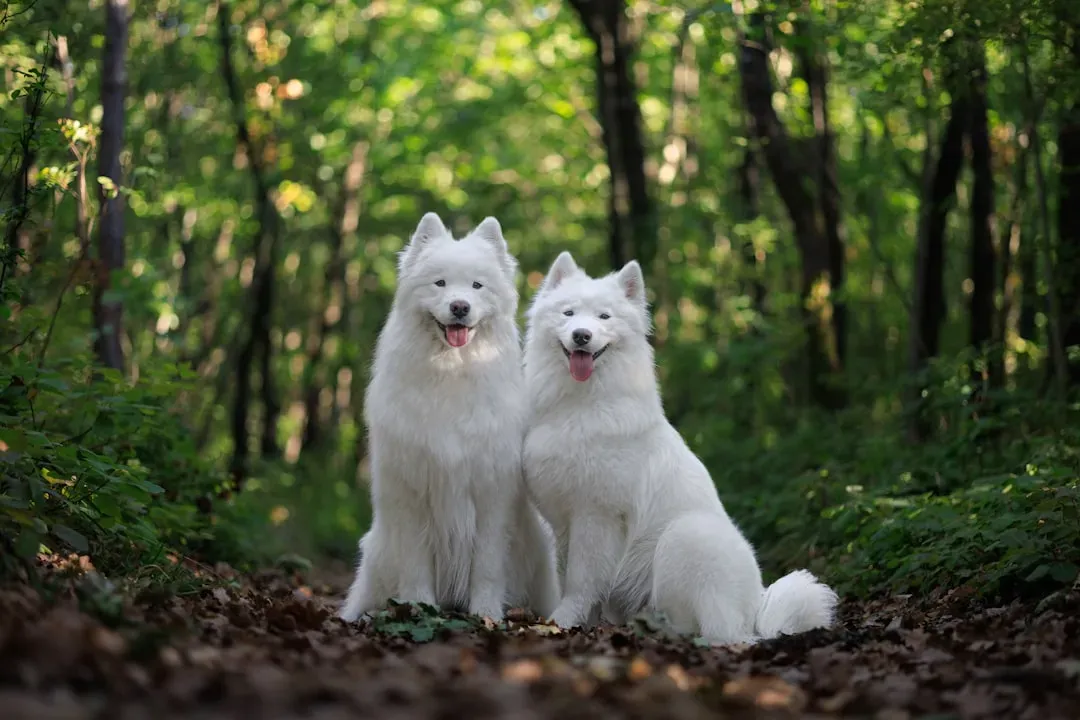
Metal type dogs are confident, independent and very quick and intelligent which makes these dogs easy to train, can often be aloof but always seem to know what is expected of them, will often be the leader in a group of dogs but will follow the rules, like to get things right, and when in balance can take things in and let go easily. These are your obedience champions, the dogs who genuinely enjoy training sessions as play.
Metal dogs thrive on structured activities with clear expectations. They’re the ones who actually read the instruction manual, if dogs could read. Metal pets are known for their disciplined, loyal, and structured personalities, value routines, can sometimes be reserved or cautious, when imbalanced may display excessive stubbornness or exhibit signs of grief, monitor them for any changes in their routine or sudden lack of interest in activities.
When the metal element is deficient there may be an inability to form lasting bonds and these dogs will often tend to go lie down on their own somewhere and can become quite isolated, owners will often say they feel they can’t quite ‘connect’ with these dogs, an excess of the metal element leads to inflexibility and a strong need to control things. If your Metal dog suddenly becomes withdrawn, they might need more predictable routines and reassurance that everything is under control.
The Water Element Dog: The Sensitive Observer
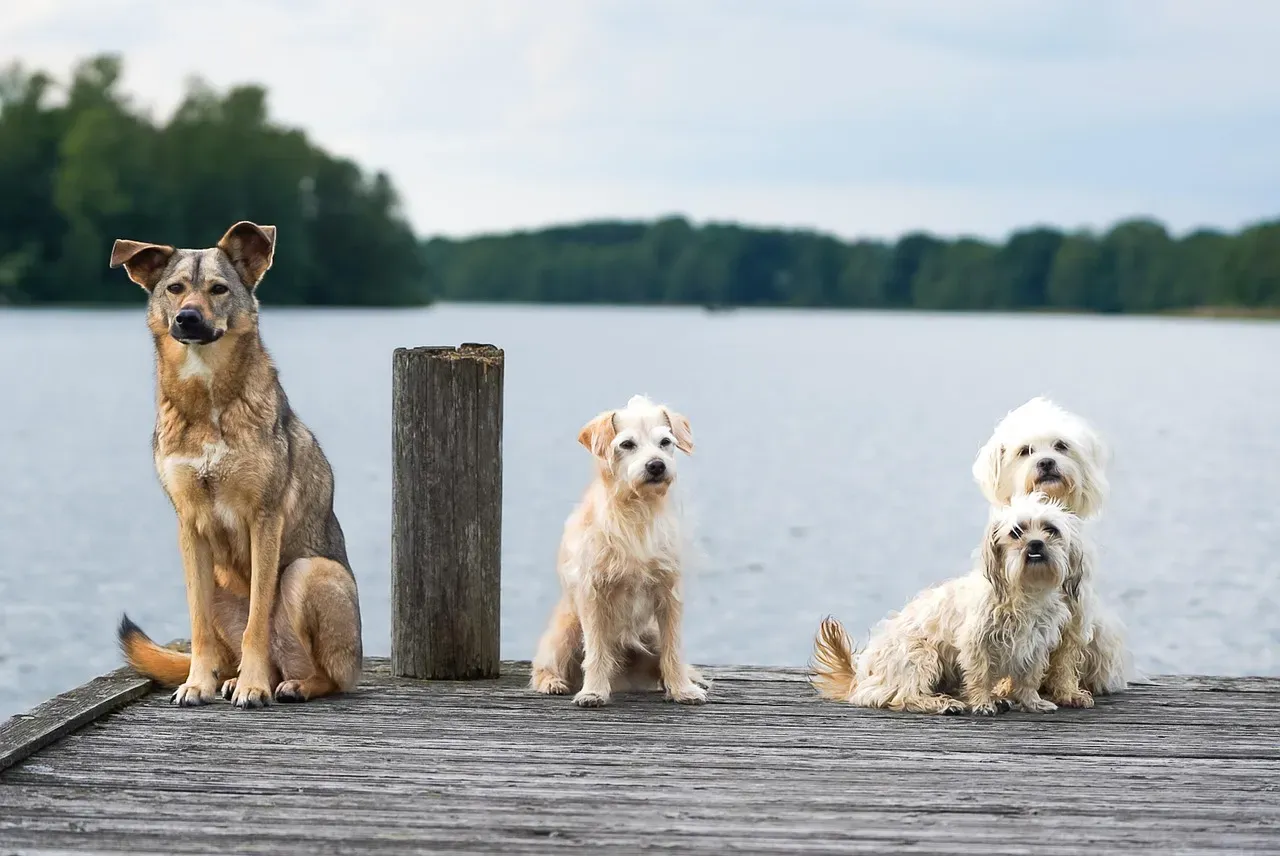
Water type dogs are introverted, fearful of everything, quiet but good observers, willing to live alone, very consistent but slow, approaching play with caution and thoughtfulness. These dogs aren’t antisocial, they’re just selective about their playmates and prefer low-key, predictable activities.
Water element pets are usually introspective, adaptable, and deeply intuitive. They excel at one-on-one play sessions in familiar environments. Taking them to a chaotic dog park might overwhelm them, but a quiet trail walk or gentle backyard play with a trusted friend could be perfect. They need time to warm up to new situations, and that’s completely okay.
Water dogs prefer warmth, are prone to infertility, back pain, urinary infections, diarrhea at dawn, depression, the Kidney dominates reproduction and supplies vital force, coldness is a natural enemy of the Kidney, the Kidney stores the Essence which influences growth, development, and reproduction. Keep these sensitive souls warm during outdoor play, especially in cold weather. Indoor play might actually be their preference during winter months.
Tailoring Activities to Your Dog’s Element
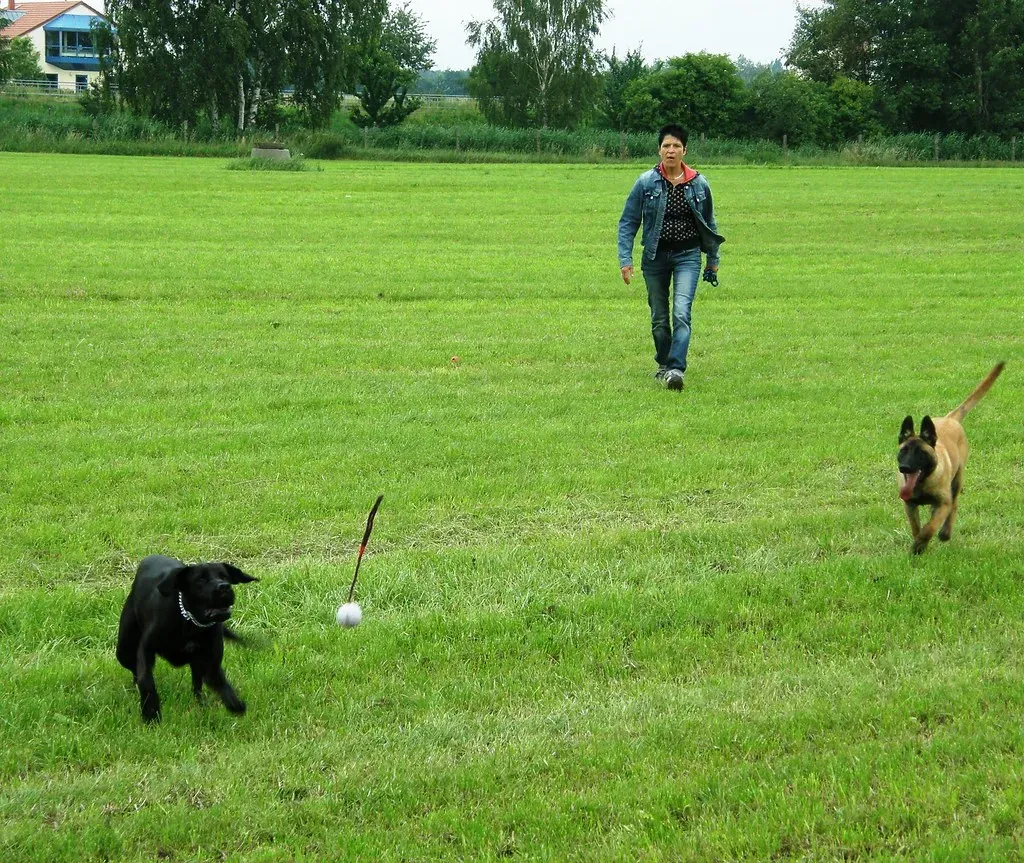
Understanding your dog’s element isn’t just an interesting party trick. It’s practical wisdom that helps you choose activities they’ll genuinely enjoy rather than forcing them into play styles that don’t suit their nature. A Wood dog will be bored senseless by the slow pace an Earth dog loves. A Water dog might find the social chaos that Fire dogs crave absolutely terrifying.
Practitioners need to consider the interactions of each of these elements within the body in order to decide how best to restore balance. As each element has its own traits, disease predispositions, weaknesses, and physical issues, a practitioner who works with 5 elements would use their knowledge to not only treat acute illnesses, and also formulate a treatment plan to maintain the long term health of your dog. Start noticing what activities make your dog’s tail wag hardest and which ones they tolerate rather than enjoy.
Consider mixing up play styles occasionally to provide balance. Even the most social Fire dog benefits from some quiet time, and the introspective Water dog might surprise you by enjoying a brief social interaction on their own terms. Pay attention to their body language and energy levels throughout different activities.
Recognizing Imbalance Through Play Behavior
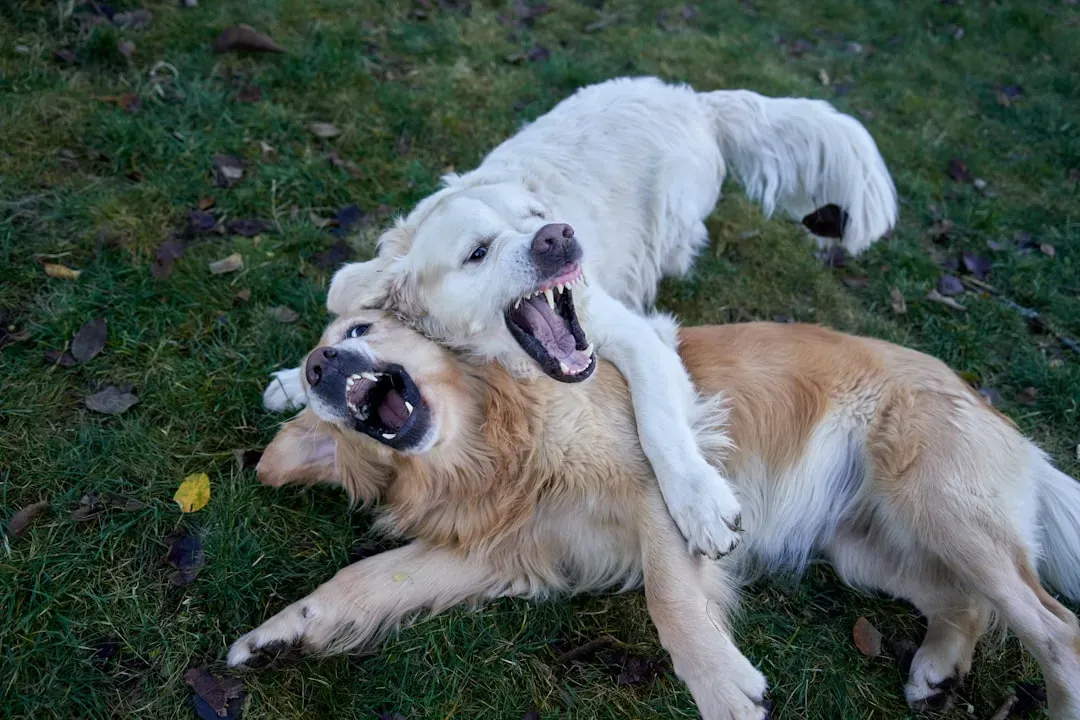
Emotions are strongly linked to the balance of these elements within the body. An example of an emotional problem would be anxiety, considered an imbalance between the elements of water and fire energy. Fire energy relates to the heart’s ability to feel settled in the world, the fire element is strong in dogs who are over-excitable and who find it difficult to settle and calm down, in nature water controls fire, therefore the kidney energy starts to become stressed and depleted as it desperately tries to control the excessive fire energy. Changes in play behavior often signal that something’s off.
A usually playful dog who suddenly loses interest might be experiencing elemental imbalance. Similarly, a typically calm dog who becomes hyperactive or destructive during play could be showing signs of stress. These shifts deserve attention because they’re your dog’s way of communicating that something needs adjustment in their routine or environment.
Health issues often manifest first in behavioral changes. If your Wood dog starts avoiding activities they normally love, check for joint or liver issues. A Fire dog who becomes unusually withdrawn might be dealing with heart concerns. Understanding these connections helps you spot potential health problems earlier.
Creating Balance for a Happier Pup
Traditional Chinese Medicine practitioners use a system of classification called 5 elements to describe the ‘constitution’ of a dog, meaning the dog’s genetic strengths and weaknesses which are expressed both physically and emotionally, temperament is passed on genetically as well as physical characteristics, the basis of 5 element theory is therefore all about synergy and balance. The goal isn’t to change your dog’s fundamental nature but to support it while gently addressing any extremes.
Most dogs aren’t purely one element. They’re a blend, with one or two dominant traits. Your job is to observe which elements show up most strongly and create a lifestyle that honors those qualities. This means accepting that your Earth dog might never be an agility star, and that’s perfectly fine. They have their own gifts to celebrate.
Every element brings something beautiful to the relationship between dogs and humans. Wood dogs teach us determination, Fire dogs remind us to embrace joy, Earth dogs show us unconditional love, Metal dogs demonstrate discipline, and Water dogs model quiet wisdom. By understanding and working with your dog’s elemental nature rather than against it, you create a partnership built on mutual understanding and respect. What does your dog’s play style reveal about their elemental nature? Pay attention during your next play session, and you might discover a whole new dimension to your furry friend’s personality.