
The Psychological Stages of Dog Adulthood: What to Expect at Every Age
You’ve celebrated the first birthday, navigated the chaos of puppyhood, and now your dog is officially growing up. Yet adulthood isn’t just one long stretch of settled behavior and predictable routines. Your dog’s mind continues to evolve through distinct psychological stages, each bringing new emotional landscapes, behavioral shifts, and opportunities to deepen your bond.
Think of it like this: just as humans don’t stop developing mentally at eighteen, dogs don’t freeze in time once they hit maturity. From the confident swagger of early adulthood to the gentle wisdom of their senior years, your furry companion is constantly adapting, learning, and yes, occasionally surprising you. Understanding these stages helps you meet them where they are, anticipate their changing needs, and honestly, it makes you a better advocate for their wellbeing. So let’s dive into what’s really happening inside that furry head as the years unfold.
Young Adulthood: The Settling Phase (1-3 Years)
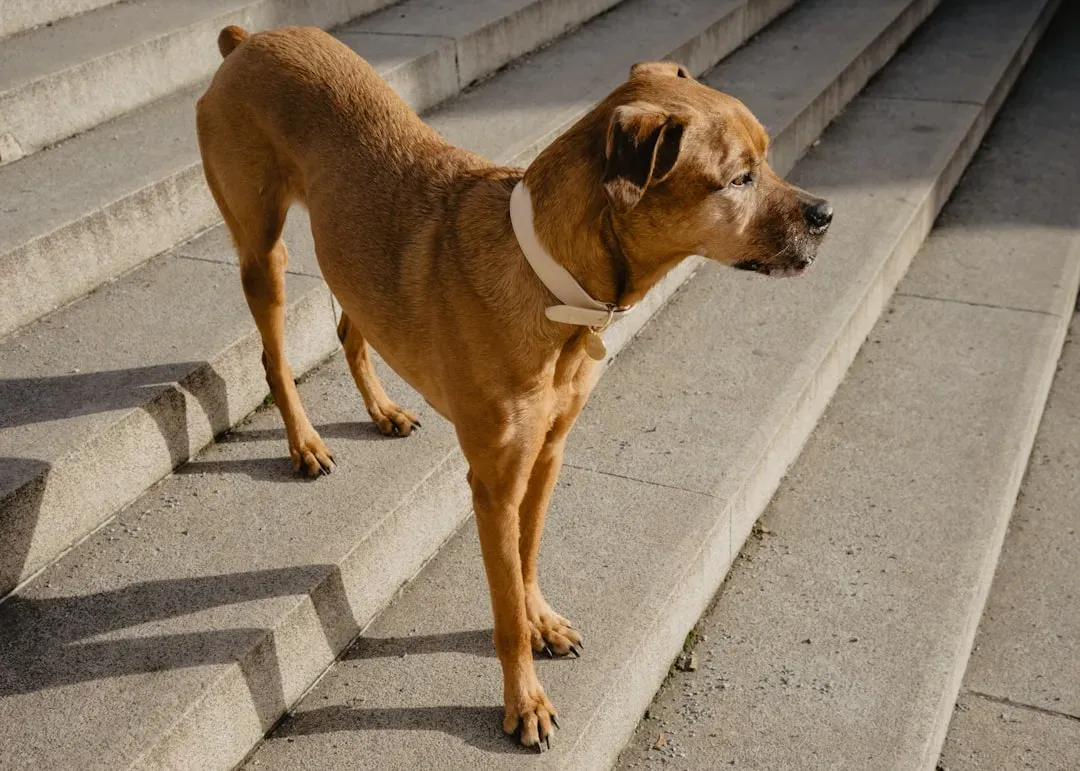
Once dogs reach adulthood at around 2 years old, they are typically fully grown and have settled into their adult personalities. This is the stage where all that training you’ve poured into them finally starts to click. Most dogs reach their emotional maturity between 12 and 18 months and have the temperament and personality they’ll have through adulthood.
During these years, you’ll notice your dog becomes more predictable in their responses. The impulsive teenager who’d bolt after every squirrel transforms into a companion who actually listens. Small breeds reach their mental pinnacle by 10-12 months, exhibiting enhanced impulse control and emotional stability. Larger breeds take a bit longer, sometimes stretching into their second or third year.
Adult dogs form strong bonds with their two- and four-legged family members during this life stage, becoming generally more predictable as they enjoy a stable and loving environment. This is when your dog figures out their place in your household. They’re confident but not reckless, playful but capable of settling down. It’s honestly one of the sweetest phases because they still have that youthful energy but paired with enough maturity to be a genuine companion rather than a project.
Prime Adulthood: The Golden Years of Energy (3-6 Years)
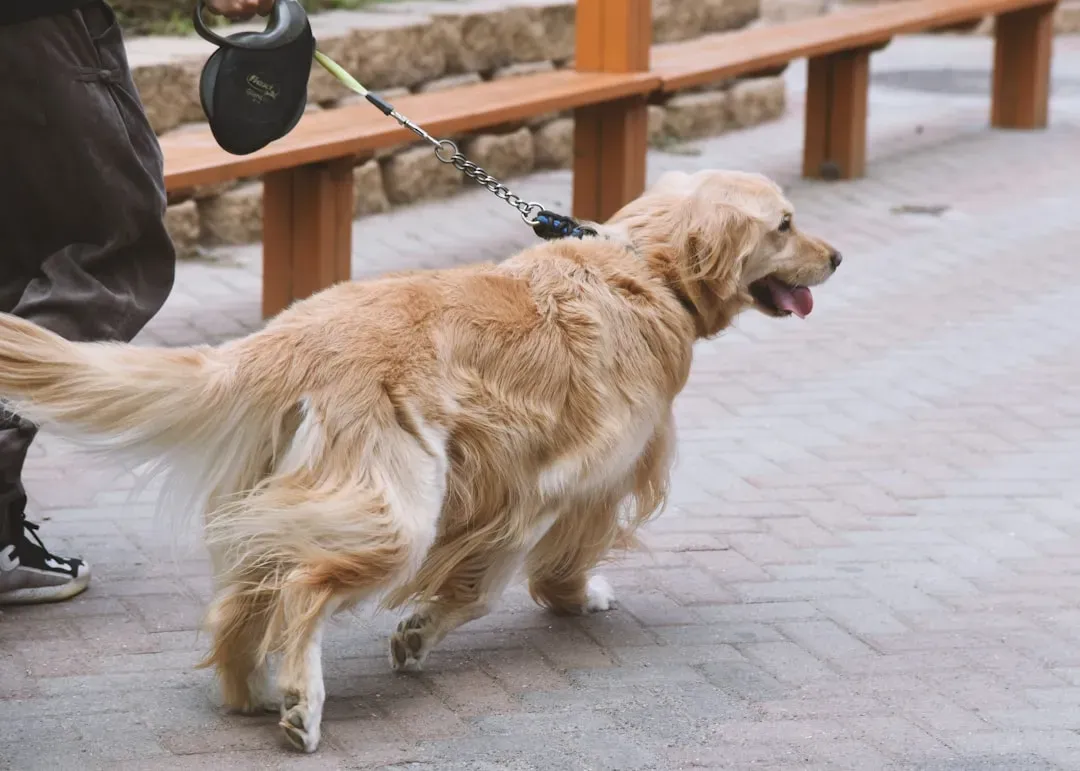
Here’s the thing about this stage: it’s often the easiest. Your dog knows the rules, their health is typically robust, and they’re at their physical and mental peak. Dogs typically become more emotionally stable and more independent during adulthood, displaying a calmer demeanor and becoming more settled in their routine.
This is when you can really enjoy activities together, whether that’s hiking, agility training, or simply long walks where they’re perfectly in sync with you. Their impulse control is solid, and they’ve learned to read your moods and routines. Many dogs at this stage seem almost telepathic, knowing when you’re about to leave or when it’s dinner time without any obvious cues.
Regular social interactions with other dogs and people help maintain their social skills. Don’t let their settled nature fool you into thinking they don’t need stimulation. Dogs in their prime still crave mental challenges and social connections. Keeping them engaged now sets the foundation for healthier aging later.
Mature Adulthood: Subtle Shifts Begin (6-8 Years)
Smaller breeds tend to age slower and are considered seniors around 10-12 years old, while larger breeds may reach this stage around 6-7 years old. This is the transition phase where you might start noticing tiny changes. Maybe your dog takes a few extra seconds to get up from their bed, or they’re not quite as enthusiastic about that third game of fetch.
Psychologically, dogs at this stage often become more selective about their energy expenditure. They’re not lazy, they’re just wiser about conserving their resources. You might notice they’re less tolerant of chaos or younger dogs’ antics. This isn’t grumpiness, it’s discernment. They’ve figured out what they enjoy and what drains them.
Dogs become seniors at different ages, depending on size: small breeds are seniors around 9–10 years, while giant breeds are seniors as early as 5–6 years. It’s important to start paying closer attention to their behavioral cues during this window. A dog who suddenly avoids stairs might not be stubborn, they might be experiencing joint discomfort. Watch for changes in their usual patterns.
Early Senior Years: The Wisdom Stage (8-10 Years)
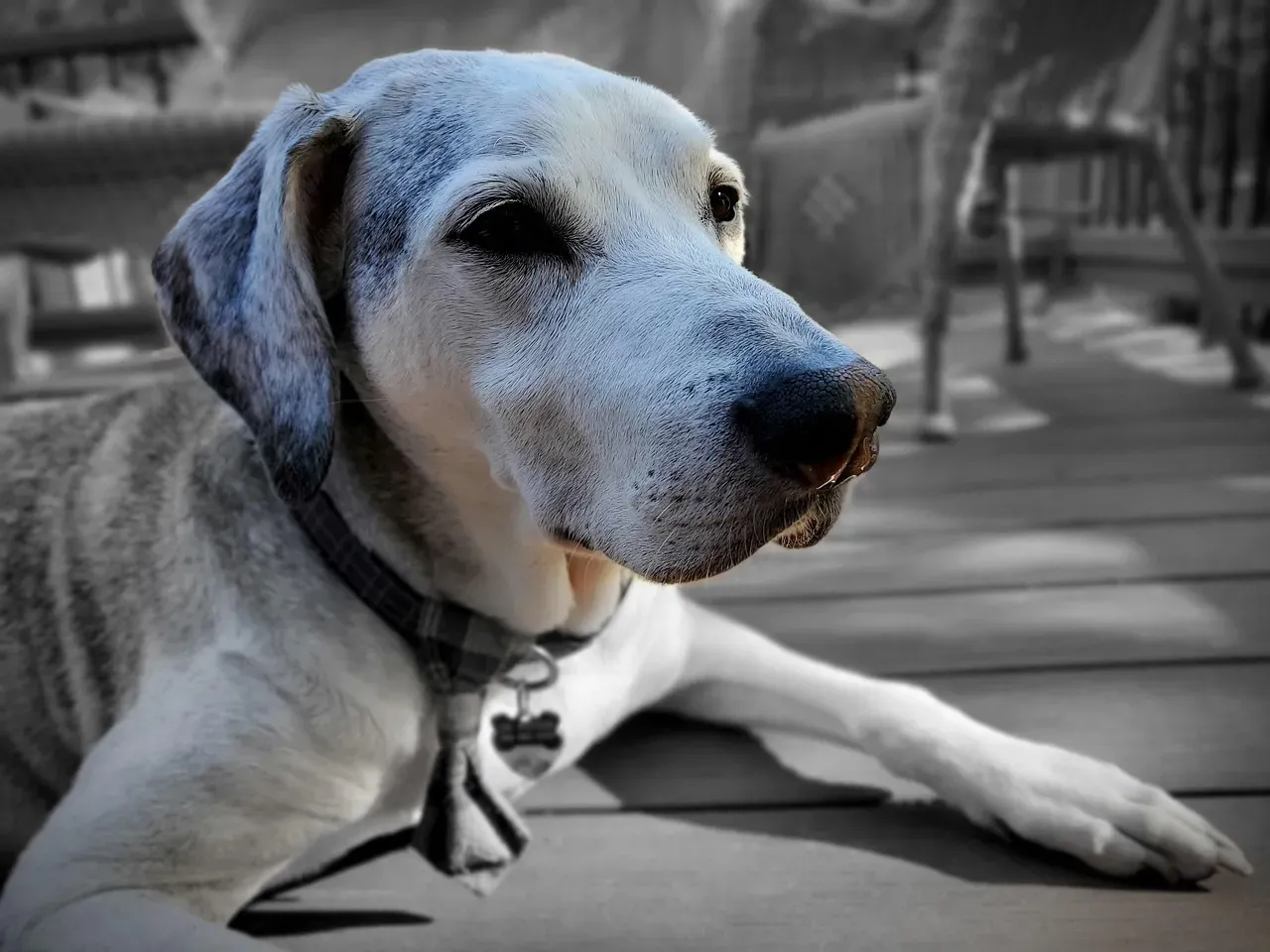
As dogs enter their senior years, their activity level may decrease, and they may start showing cognitive and physical aging signs. Let’s be real, this stage can catch you off guard. The dog who once sprinted to the door now takes their time, and their once jet-black muzzle now sports distinguished silver streaks.
Psychologically, senior dogs often show increased preference for routine and predictability. Seniors may prefer more relaxed activities than they did as rambunctious adults, and will likely spend more time resting and sleeping. Changes in sleep patterns are common, with some dogs sleeping more during the day but becoming restless at night. This isn’t random, it’s part of how their aging brain processes rest differently.
These changes might be due to discomfort or pain, worsening sight or hearing, certain diseases, or just the normal aging process. Here’s where your role as their advocate becomes crucial. Not every change is “just old age,” some signal treatable conditions. If your previously calm dog becomes anxious or clingy, it could indicate pain, cognitive changes, or sensory decline. Regular vet checkups become non-negotiable.
Advanced Senior Years: Navigating Cognitive Changes (10+ Years)
Research found that 62% of 11-16 year old dogs scored positively for one or more behavioral categories commonly associated with cognitive dysfunction, with nearly 100% of dogs 16 or older showing at least one sign. This statistic isn’t meant to scare you, it’s meant to prepare you. A dog’s brain ages in much the same way as people’s brains age.
Canine cognitive dysfunction takes place when there is a decline in a dog’s cognitive ability, where affected dogs may appear confused, forget commands and sometimes may even not recognize friends or their owners. You might notice your dog staring at walls, getting stuck in corners, or forgetting which door leads outside. It’s heartbreaking, I know.
The good news? Early intervention helps. When caught early, the first signs of canine cognitive dysfunction can be managed fairly well with the help of your veterinarian. Mental stimulation remains important, even at this stage. Simple puzzle toys, gentle training refreshers, and maintaining social connections can all support brain health. Your patience during this stage is perhaps the greatest gift you can give them.
Supporting Your Dog Through Every Stage: Practical Wisdom
Dogs need to use their brains and bodies to maintain their mental and physical fitness. This truth holds across all stages of adulthood. Whether your dog is three or thirteen, they benefit from appropriate mental and physical challenges tailored to their current abilities.
The most important thing you can do as a part of senior dog care for aging dog behavior changes is to keep their brain and body moving and to make sure they’re getting the right nutrition and are staying hydrated. Prevention starts in young adulthood. The habits you establish early, regular exercise, social interaction, mental enrichment, and routine veterinary care, pay dividends later.
If you chalk up behavioral changes to old age, you might be missing out on catching something, as early detection is imperative to treating any type of condition. Trust your instincts. You know your dog better than anyone. If something feels off, it probably is. Never hesitate to advocate for them at the vet’s office, because they can’t speak for themselves.
The journey through dog adulthood is rich with changes, challenges, and countless moments of connection. Each stage brings its own beauty, from the exuberant confidence of young adulthood to the quiet dignity of senior years. By understanding what’s happening psychologically at each age, you’re not just prepared, you’re empowered to give your dog the life they deserve. What stage is your dog in right now? Take a moment to appreciate exactly where they are, because honestly, every phase is fleeting and precious.