
Your Dog’s ‘Shadow Self’: Understanding Their Hidden Behavioral Triggers

Have you ever watched your usually friendly dog suddenly snap or cower at something that seems perfectly harmless? Maybe it’s the way a stranger approaches on a walk, or the sound of a plastic bag rustling, or even just a specific time of day when your pup transforms from relaxed companion to anxious mess. We often scratch our heads and wonder what on earth is going on in that furry head.
Here’s the thing. Your dog isn’t being difficult or stubborn. Beneath the wagging tail and eager eyes lies what I like to call their ‘shadow self’, a complex web of hidden triggers, past experiences, and emotional patterns that shape how they react to the world. Understanding these invisible forces can completely transform your relationship with your four-legged friend. Let’s dive into what’s really going on beneath the surface and how you can help your dog feel safer, calmer, and more confident.
The Science Behind Those Mysterious Reactions

Think about the last time something startled you and your heart raced before you even had time to think. Your dog’s brain works similarly, only their alarm system can be way more sensitive than ours. Research shows that behavior problems rooted in fear, anxiety, excessive arousal, and impulsivity can develop as a result of genetic factors, stressful perinatal environment, insufficient early socialization, medical conditions affecting brain health and development, and traumatic environmental events.
What’s fascinating is that traumatic experiences literally rewire a dog’s brain, creating new neural pathways that prioritize survival over sociability. Imagine someone installing an overly sensitive security system in your home that goes off at the slightest movement. That’s essentially what happens in your dog’s brain after a scary or traumatic experience. Their emotional alarm system becomes hyperactive, and suddenly everything feels like a potential threat.
Noise sensitivity, the most common fear-based anxiety, affects about 32% of dogs, which means nearly one in three dogs struggles with sounds that seem ordinary to us. The real kicker? This type of anxiety generally stems from a lack of experience or knowledge of the fearful trigger and doesn’t necessarily relate to a history of abuse.
When Past Experiences Create Present Problems

Your dog doesn’t need to have experienced severe abuse to develop behavioral triggers. Sometimes a single negative moment is all it takes. Dogs frightened by a person or animal may develop long-lasting fear, and a single negative or traumatic experience may induce a profound fear of the trigger or could generalize to fear of related or unrelated triggers.
Let me give you a real-world example. Say your puppy had a bad experience with a loud motorcycle when they were young. Now, years later, they might react fearfully not just to motorcycles, but to any loud engine sound, or even just being near a busy street. The brain makes these connections without our permission.
Studies reveal that adverse experiences in the first six months of life, such as abuse and relinquishment, were significantly associated with increased aggression and fearfulness in adulthood, even when accounting for factors such as acquisition source, sex, and neuter status. Those early months are crucial. Puppies between 3 and 14 weeks of age are behaviorally flexible and prepared to accept novelty, including new people and animals, in a developmental period known as the sensitive period for socialization.
Reading the Silent Signals Your Dog Sends

Dogs are constantly telling us how they feel, but most of us miss roughly ninety percent of what they’re saying. Their language is written in body postures, facial expressions, and subtle movements that happen in split seconds.
Subtle communications exhibited by fearful dogs include avoiding eye contact, looking away, lowering their head or body, tucking their tail, pinning back their ears, licking their lips, and yawning. That yawn during a hug? Not tiredness. Dogs yawn when they’re stressed, using it as a calming signal to soothe themselves or communicate discomfort.
Dogs naturally lick their lips or noses when eating, drinking, or after getting wet, but if your dog is repeatedly licking when no food or water is around, it may be a calming signal or a way to self-soothe during a stressful moment. These little tongue flicks are easy to miss but incredibly important. Watch for the “whale eye” too. When a dog shows the whites of the eyes, it’s a signal that they’re feeling anxious or stressed in a situation.
Context matters enormously. Panting after a game of fetch is normal. Panting in a quiet, cool room signals stress. Learning your individual dog’s baseline behavior helps you spot when something’s off.
Common Household Triggers You Might Be Missing
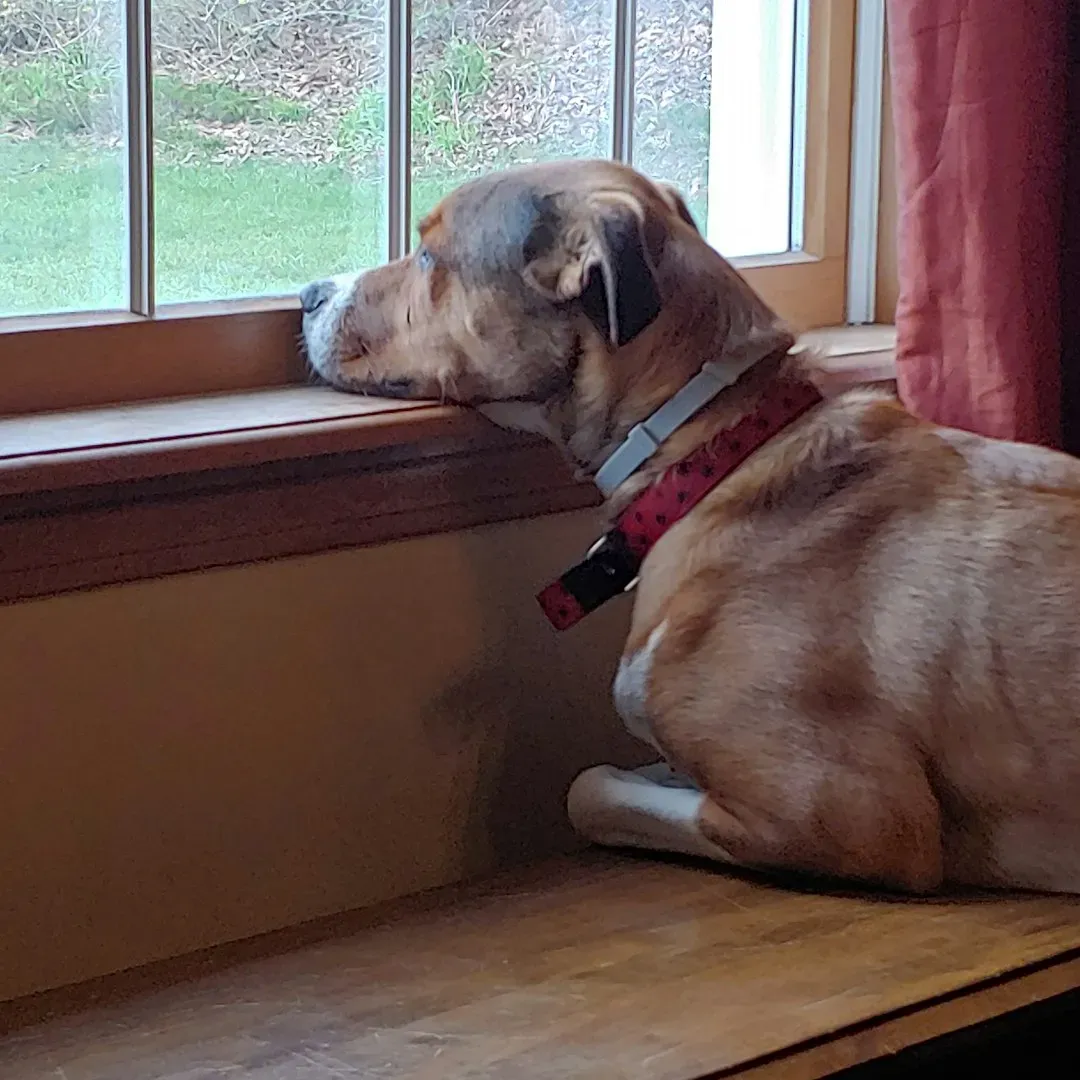
Sudden, loud noises are one of the most common triggers for fearful behaviors in dogs, though existing research focuses on dramatic infrequent sounds like thunderstorms and fireworks. What about the everyday sounds in your home?
Honestly, we underestimate how stressful our normal environments can be. Research found that respondents appeared to underestimate their dogs’ fearfulness, and the majority of humans in videos responded to their dogs’ behaviors with amusement, with welfare concerns rarely expressed. That vacuum cleaner, the doorbell, the coffee grinder, even the sound of keys jingling can trigger anxiety responses in sensitive dogs.
Some dogs struggle with visual stimuli too. High-energy, high-drive dogs, particularly those from herding or hunting breeds who have come from working lines, commonly show a fascination with lights and shadows. What starts as innocent curiosity can spiral. Light and shadow chasers might begin to chase as a way to relieve boredom or anxiety, but this can turn into a compulsive behavior that is highly resistant to change.
Then there are situational triggers related to specific people, places, or circumstances. Does your dog act differently around men versus women? Near certain doorways? During particular times of day? These patterns aren’t random. They’re your dog’s shadow self revealing itself.
Breaking the Cycle and Building Trust
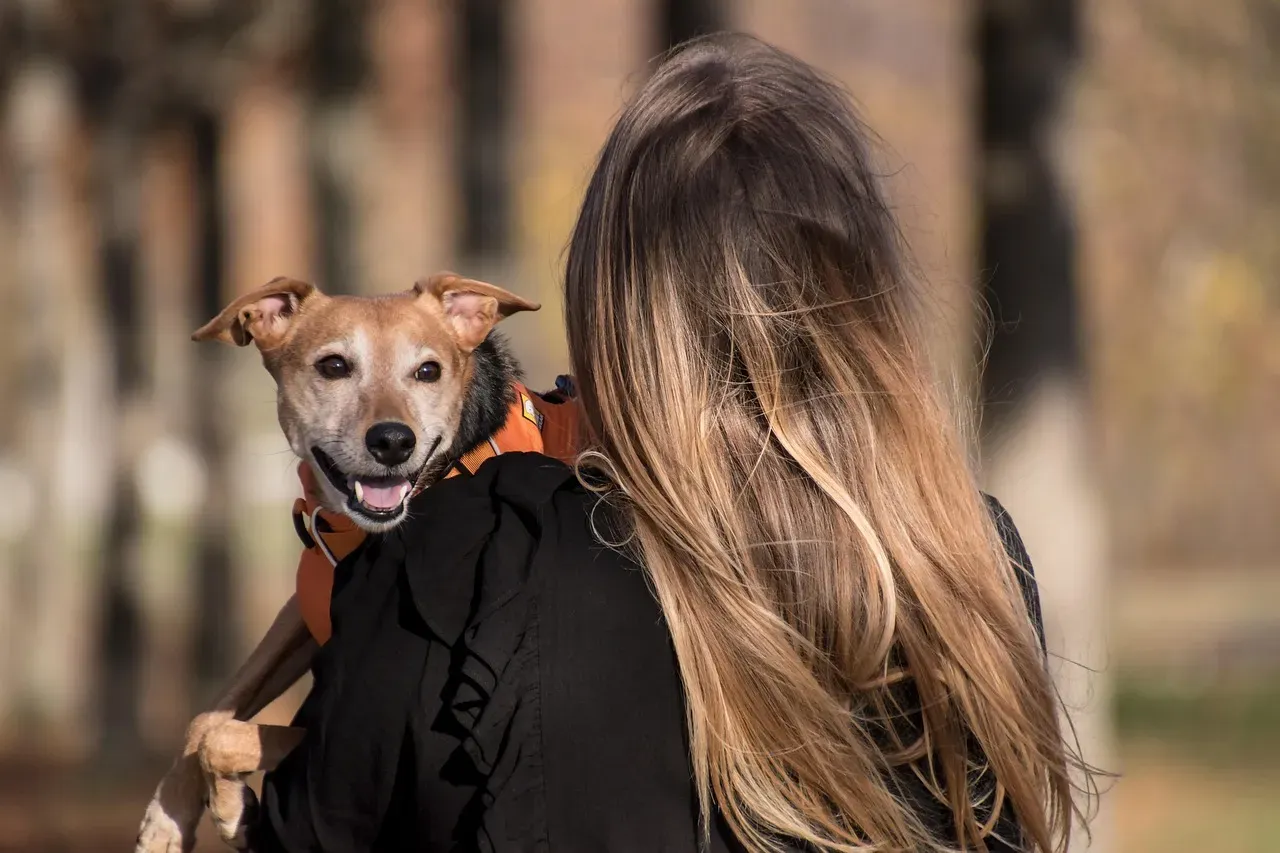
The good news? You can help your dog feel safer. Overall, reward-based training, mental stimulation, and habituation were associated with increased odds of improvement in dogs with fear and anxiety issues.
Desensitization and counter-conditioning are common techniques used to treat anxiety, with desensitization involving gradually exposing your dog to anxiety triggers in a controlled manner. Think of it like slowly turning up the volume on a scary sound while feeding your dog delicious treats. Over time, their brain learns to associate the trigger with good things instead of danger.
Patience is absolutely essential here. A trauma-informed care approach recognizes that where dogs respond in an apparently irrational or over the top manner, it may be the result of previous trauma, requiring people to respond with empathy, understanding, and practical solutions to improve welfare while avoiding re-traumatization.
Never punish fear-based behaviors. Punishing, reprimanding, or disciplining your dog when they are fearful or use aggression can increase fear and anxiety and the very behaviors you are trying to stop. Instead, create safe spaces, use predictable routines, and reward calm behavior consistently.
When to Seek Professional Help

Sometimes love and patience aren’t enough, and that’s completely okay. Owners sought professional help for 50% of fearful or anxious dogs, which tells you that struggling with these issues is incredibly common.
Extreme fears, fear of multiple triggers, anxiety in multiple contexts, and phobias all require professional guidance, with dogs experiencing phobias often benefiting from a combination of behavior modification and medication. There’s no shame in getting expert support. In fact, it shows you’re committed to your dog’s wellbeing.
Look for a veterinary behaviorist or certified professional dog trainer who uses positive reinforcement methods. A certified professional trainer will create a behavior modification plan to help transform the emotional response your dog has to certain triggers. Sometimes medication can help too, giving your dog’s anxious brain enough calm to actually learn new, healthier responses.
Research indicates that fear, specifically the fear of strangers, is related to shortened lifespan, showing that chronic stress isn’t just uncomfortable for your dog but genuinely impacts their health. Getting help isn’t optional. It’s essential.
Every dog has their shadow self, those hidden layers of past experiences and sensitivities that influence their daily behavior. By learning to recognize triggers, read subtle body language, and respond with empathy instead of frustration, you become your dog’s best advocate and protector. Recovery takes time, but with consistency and understanding, most dogs can learn to feel safer and more confident navigating the world. What hidden triggers have you discovered in your own dog? Share your experiences in the comments below.