
10 Ways You Annoy Your Dogs Without Realizing It
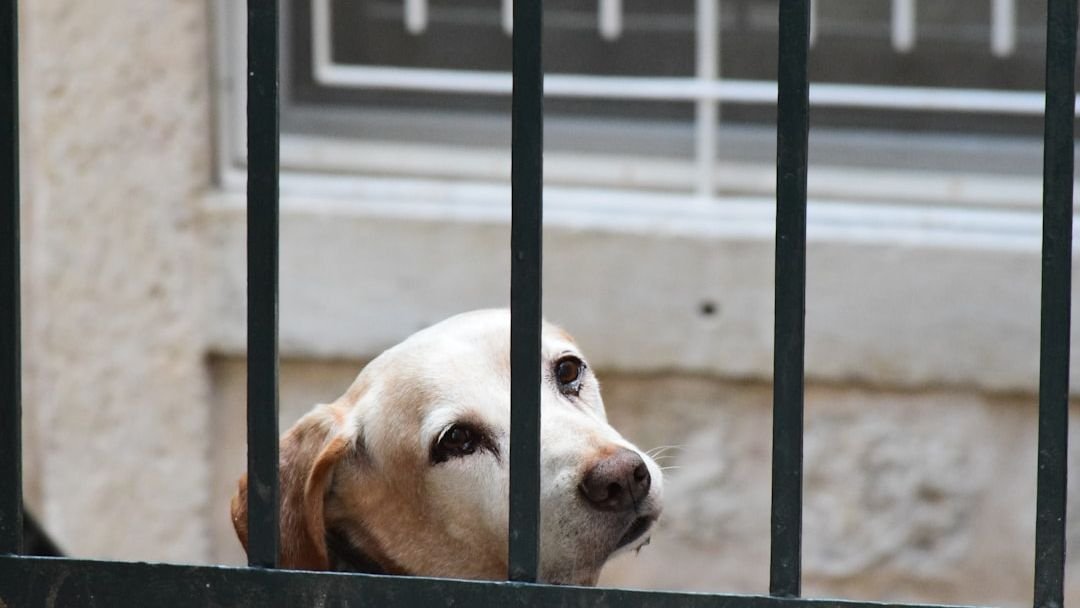
You love your dog more than most things in this world. I think that’s safe to say. You feed them the best food, take them on walks, shower them with toys, and give them a cozy bed to sleep in. Yet sometimes, despite all your good intentions, you might be driving your furry friend absolutely bonkers. Dogs are remarkably forgiving creatures, which is probably why you haven’t noticed those subtle signs of frustration.
Here’s the thing. Your dog can’t exactly tap you on the shoulder and say, “Hey, can we talk?” Instead, they communicate through body language, behaviors, and those little stress signals we often miss or misinterpret. Let’s dive into the surprising ways you might be annoying your beloved pup, so you can strengthen that beautiful bond you share.
You’re Hugging Them Too Much
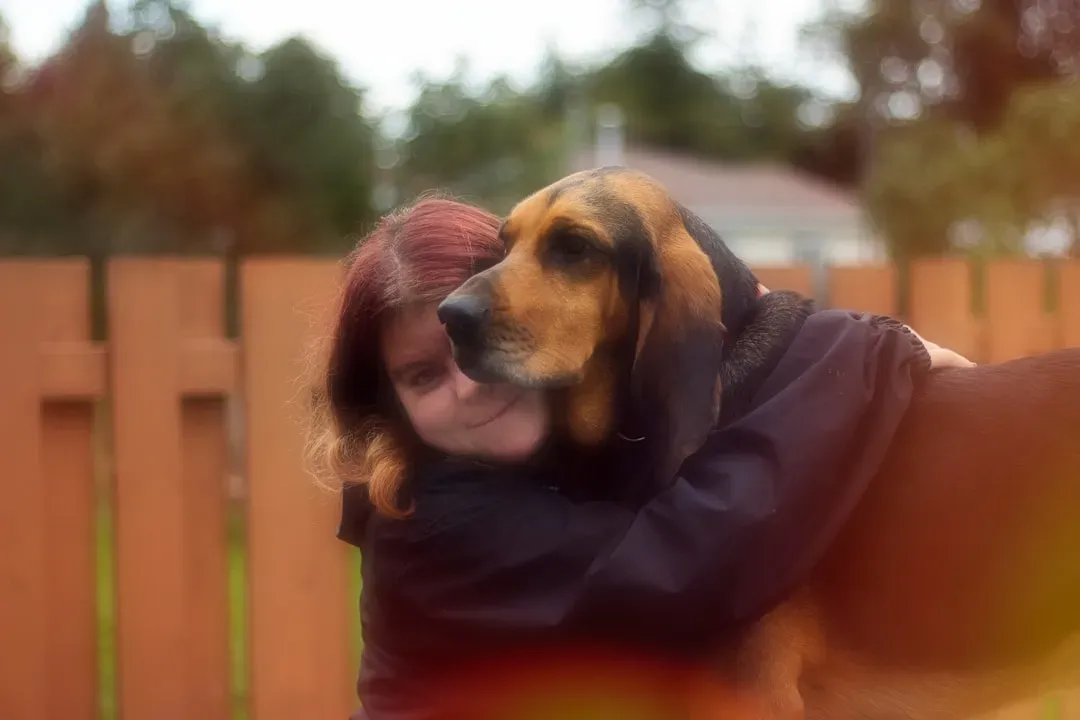
Dogs often interpret hugs as a sign of dominance or restraint, not affection the way we humans do. When you wrap your arms around your dog, they might feel trapped or uncomfortable, even if they tolerate it because they love you. Watch closely next time you go in for that big squeeze.
The whites of the eyes, known as “whale eye,” signal they’re feeling anxious or stressed in that moment. Many dogs will also turn their heads away, lick their lips, or even yawn when being hugged. These are all polite ways your dog is saying this isn’t their favorite thing. Save the hugs for when they voluntarily lean into you, or better yet, offer them gentle pets on the chest or behind the ears instead.
You Keep Staring Directly Into Their Eyes
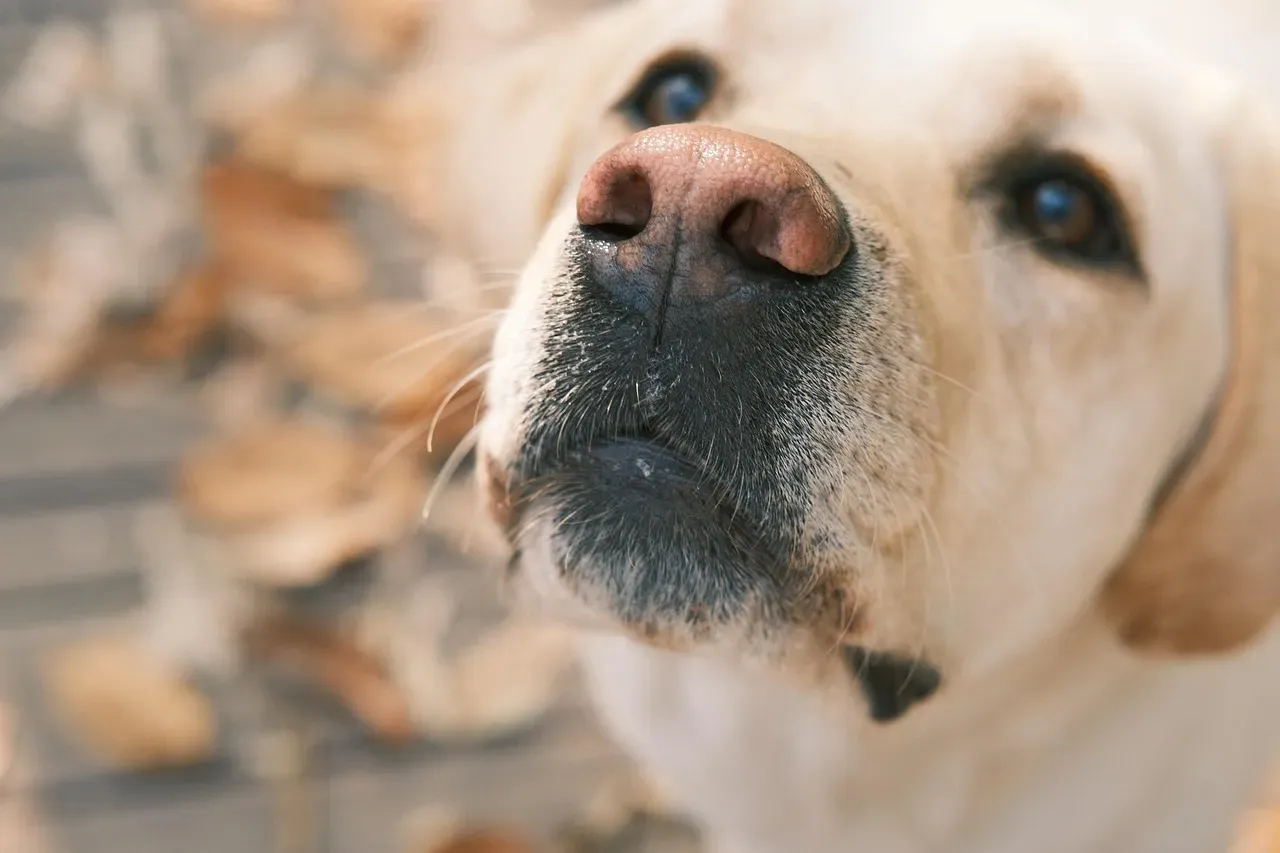
Eye contact is an important signal for dogs, and the hard stare can be a precursor to aggression. While you might think gazing lovingly into your dog’s eyes is sweet, prolonged direct eye contact can actually make them uncomfortable. In dog language, staring is considered rude or even threatening.
When dogs feel stressed, they’ll pointedly look away and avoid eye contact, as the dog is expressing discomfort. If your dog keeps turning their head or looking away when you’re staring at them, they’re not being stubborn. They’re trying to diffuse what feels like tension to them. Soft glances and looking at them from the side is much more comfortable for most dogs.
You’re Not Giving Them Enough Sniffing Time on Walks
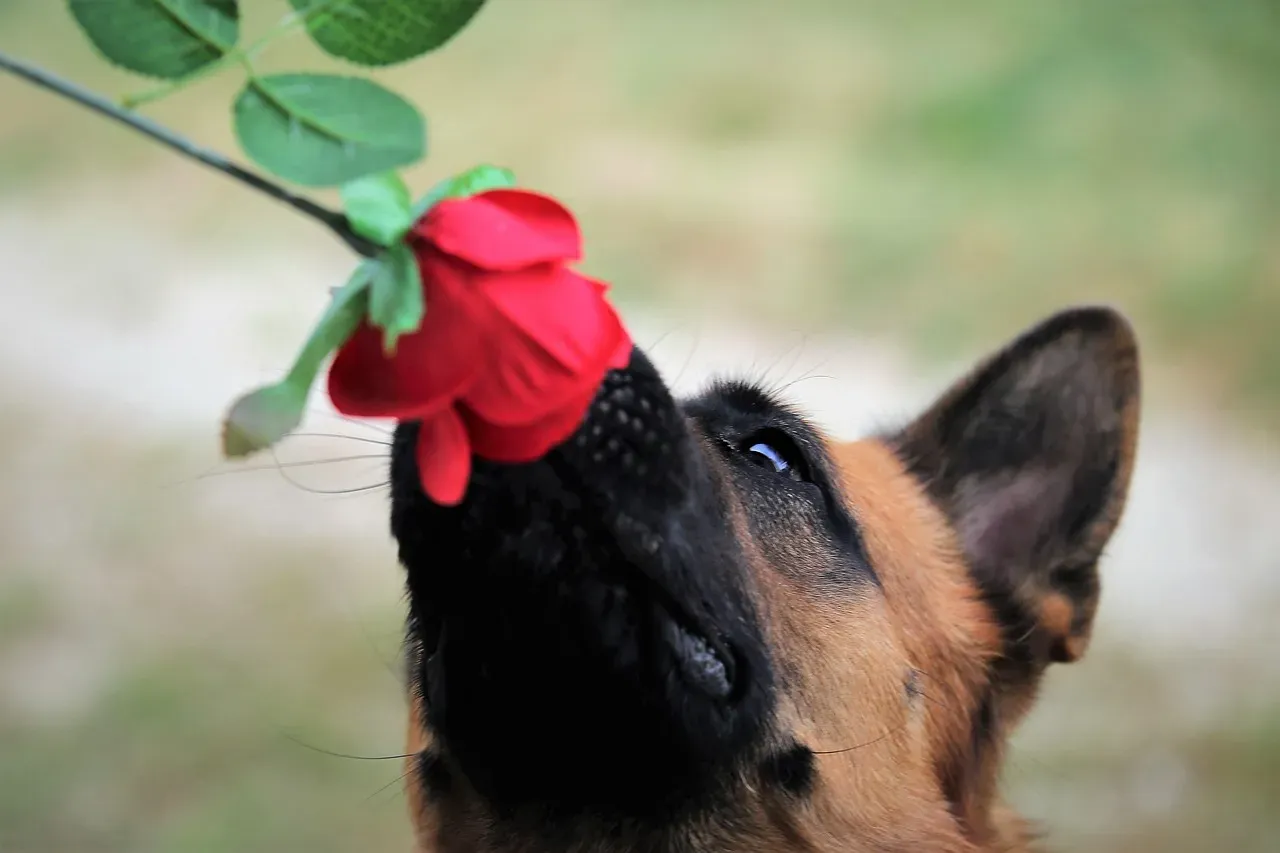
Walks aren’t just about exercise for your dog. They’re about exploring the world through their most powerful sense. A dog’s sense of smell is 100,000 times more powerful than a human’s, with about 2 billion olfactory receptors compared to our measly 40 million. Every fire hydrant, tree, and patch of grass tells them a story.
When you constantly tug them along because you’re in a hurry, you’re essentially dragging them through an art museum blindfolded. Taking long sniffs slows down a dog’s heart rate, providing a calming, physiological benefit, so allowing your dog time to sniff on walks is important for their wellbeing. Let them stop and smell the roses, or rather, that fascinating spot on the sidewalk. It’s mentally enriching and actually good for their health.
You’re Touching Their Paws Without Building Trust First
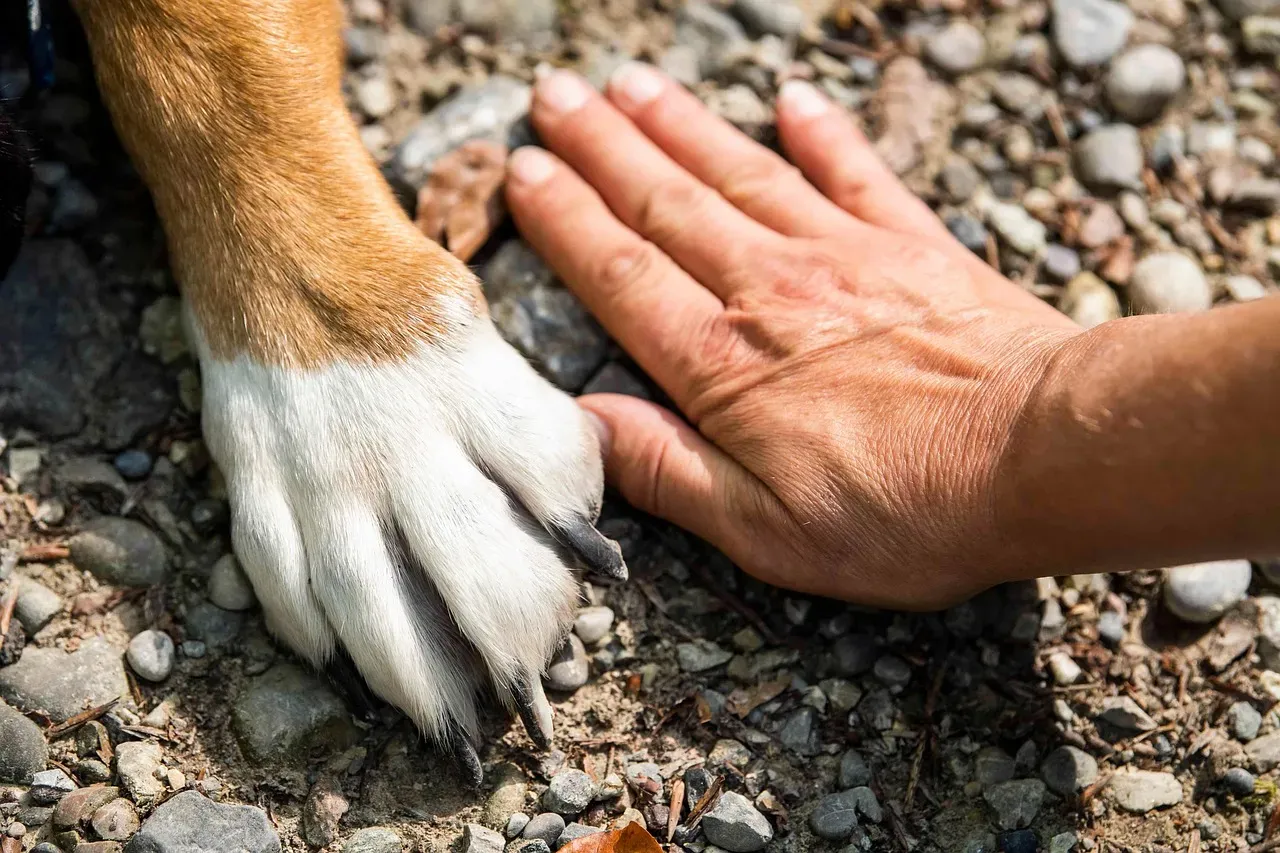
Dogs’ feet are sensitive, which is why so many hate having their paws touched or their nails clipped. Those paws are packed with nerve endings, and for many dogs, having them handled feels invasive or uncomfortable. If you’ve ever had your dog pull away when you reach for their foot, now you know why.
Many dogs do not like to be touched on their paws, so it’s important to introduce paw handling gradually and gently. Start by just touching the leg, then work your way down over several sessions, always pairing it with treats and praise. Eventually, most dogs can learn to tolerate paw handling, but forcing it before they’re ready is a surefire way to annoy them and create more resistance.
You’re Using That Fake Throw During Fetch
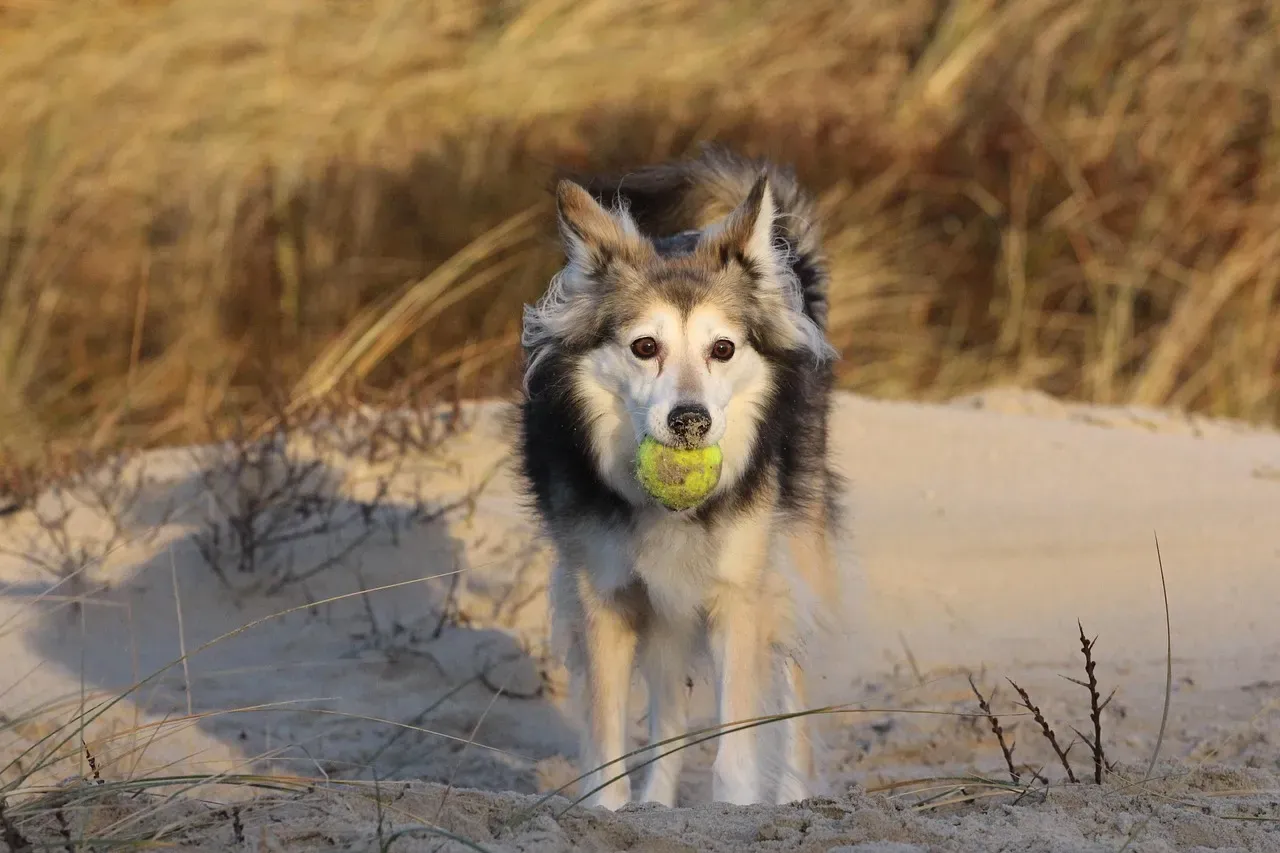
Teasing your dog by pretending to throw a ball can lead to frustration, anxiety, or even aggression. Sure, it might seem funny to watch your dog race off looking for a ball you never actually threw, but from their perspective, you just lied to them. Dogs thrive on trust and predictability in their relationship with you.
When you repeatedly fake them out, you’re teaching them that your signals aren’t reliable. This can actually undermine your training efforts in other areas. Some dogs will just stop playing fetch altogether if they learn they can’t trust whether you’re actually throwing the ball. Play fair, and your dog will be much more enthusiastic about the game.
You’re Forcing Them Into Social Situations
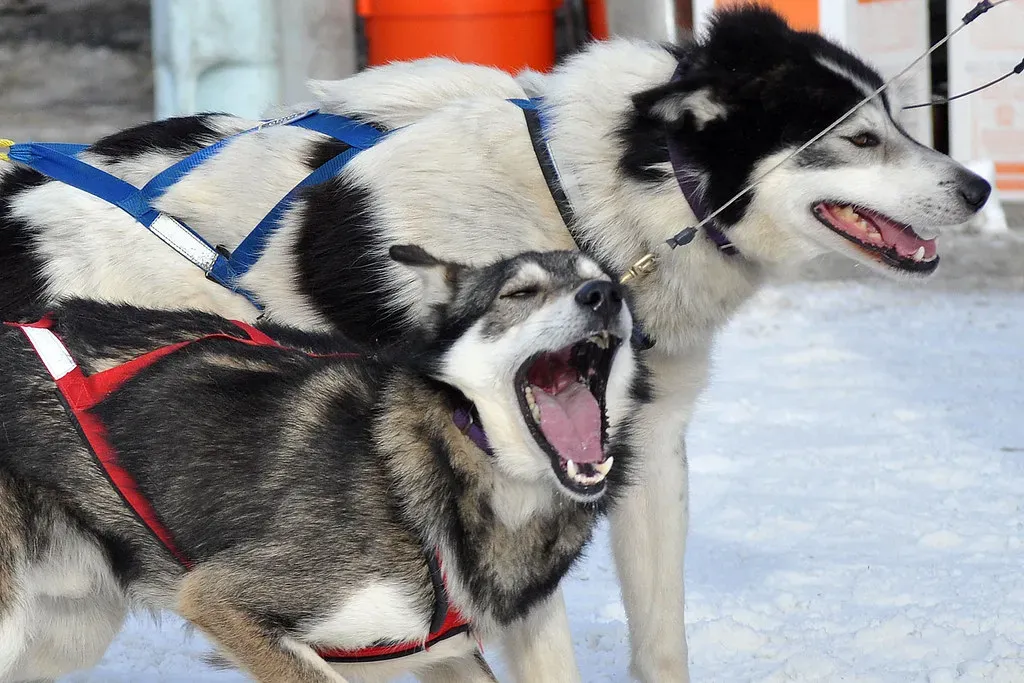
Not all dogs are social butterflies, and forcing your dog to interact with other dogs or people they don’t know can be overwhelming and stressful. Just like people, dogs have different personality types and comfort levels. Your dog might be perfectly happy being a homebody who only socializes with their favorite humans.
When animals resist being handled, owners often force their dog into social interaction by holding them in place, which can make your dog more fearful of strangers over time. Watch your dog’s body language carefully. If they’re backing away, tucking their tail, or showing whale eye when someone approaches, respect their boundaries. Let them approach new people and dogs at their own pace, or simply let them opt out entirely.
You Keep Disrupting Their Routine
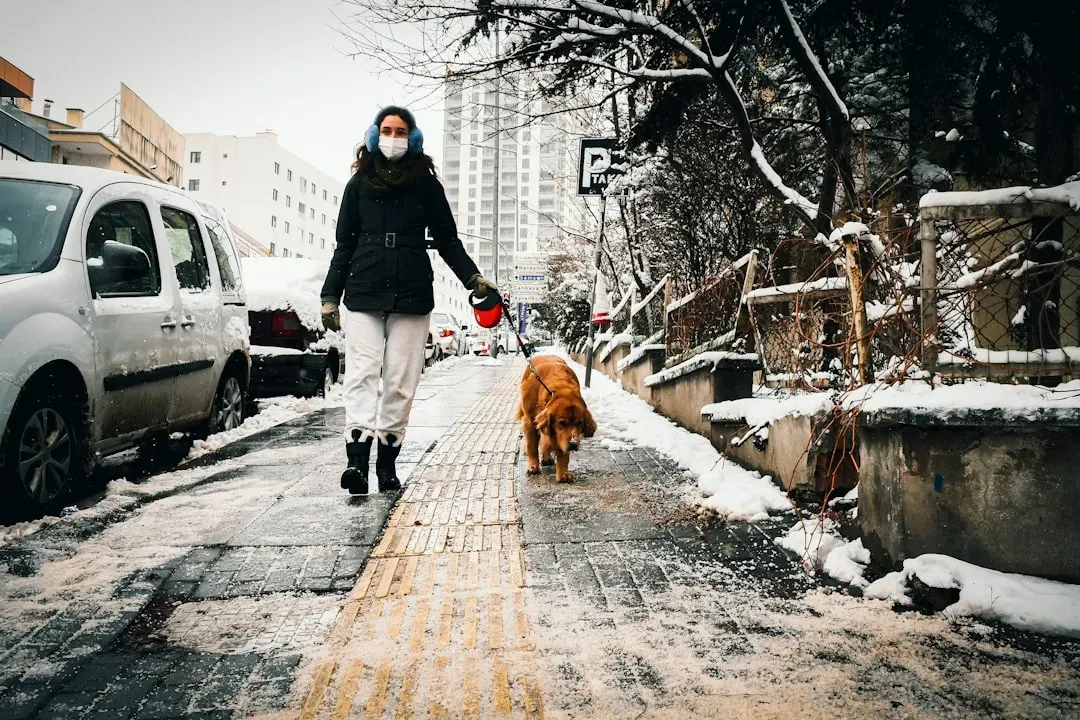
Dogs thrive on routine, and inconsistent schedules or unpredictable mealtimes can disrupt their sense of security and lead to stress. Your dog’s internal clock is remarkably accurate, and they know when it’s time for breakfast, walks, and bedtime. When these things happen at wildly different times each day, it creates low-level anxiety.
Try to keep feeding times, walk times, and bedtime as consistent as possible. This doesn’t mean you can never be flexible, but establishing a general routine helps your dog feel secure and know what to expect. Dogs are creatures of habit, and that predictability actually helps them relax and feel safe in their environment.
You’re Misreading Their “Guilty” Look
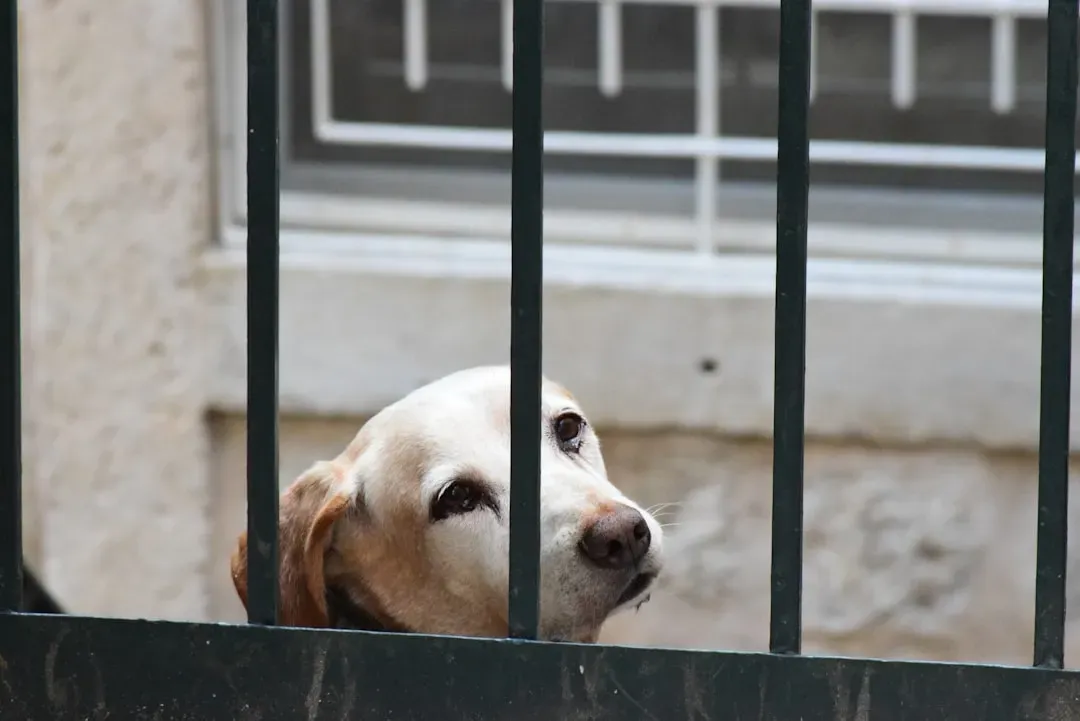
That sheepish expression your dog makes when you come home to a chewed-up shoe isn’t actually guilt. Dogs yawn when they’re stressed, and according to experts, dogs use yawning to calm themselves in tense situations. What you’re seeing is appeasement behavior in response to your body language and tone of voice.
Dogs will lick their lips after a delicious meal, but they’ll also do it when they feel anxious. Your dog is picking up on your frustration and trying to diffuse the situation, not admitting wrongdoing. When you scold them long after the incident happened, they have no idea what they’re being punished for. This just creates confusion and stress, not learning.
You’re Being Too Loud and Energetic During Greetings
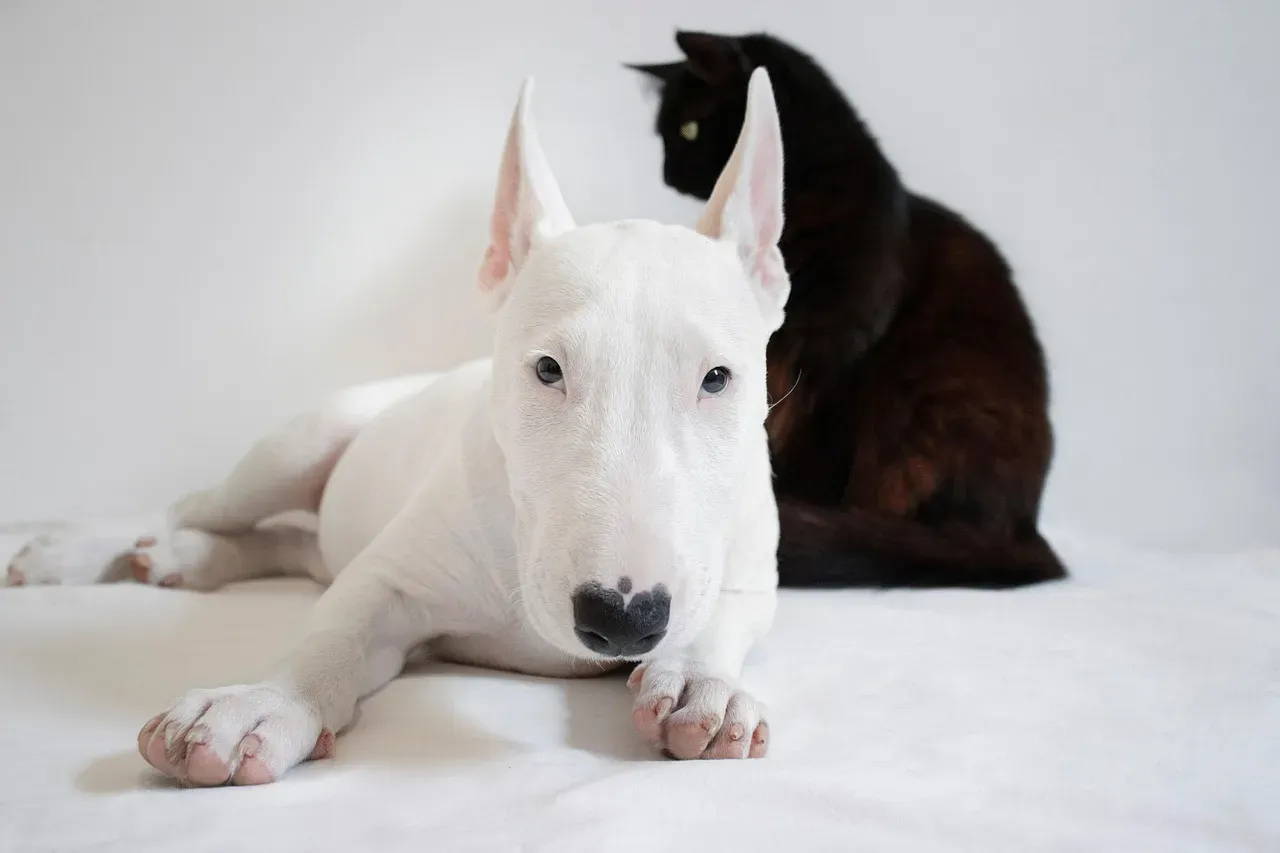
Dogs have a keen sense of hearing and are capable of hearing sounds four times further away than the human ear can discern. When you come home and immediately start talking in that high-pitched excited voice while hovering over them, it can be overwhelming. Your enthusiasm is sweet, but it’s a lot of sensory input all at once.
Greet your dog calmly to avoid getting them overly excited, as refusing to give attention is the best way to discourage jumping. A calmer greeting actually helps your dog settle down faster and creates a more peaceful homecoming for everyone. Try coming in quietly, putting your things down, and then calmly acknowledging your dog. They’ll still be thrilled to see you, just without the frantic energy.
You’re Ignoring Their Subtle Stress Signals

Dogs are masters of communication, but their language is often subtle, with a yawn, lip lick, or turned head all signs that your dog might be feeling stressed or uncomfortable. Most people only recognize the obvious signals like growling or cowering, but dogs give us so many earlier warnings that we completely miss.
Dogs have more than 30 ways to avoid stressful situations and try to calm themselves, including whale eye, tucked ears or tail, raised hackles, lip-licking, yawning, and panting. When you ignore these polite requests for space or a break, your dog has to escalate their communication. Learn to read these signals, and you’ll prevent countless uncomfortable situations for your furry friend.
Conclusion
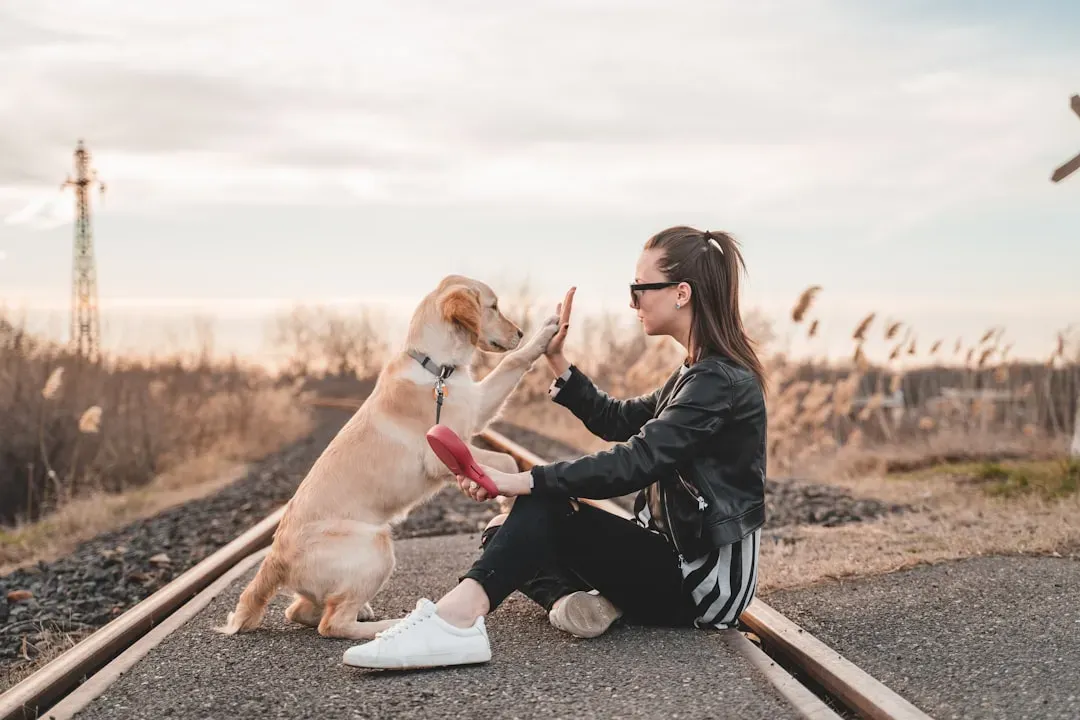
The beautiful thing about dogs is their incredible patience and forgiveness. Even when we accidentally annoy them, they still love us unconditionally. Now that you know these common mistakes, you can make small adjustments that will make a huge difference in your dog’s daily happiness and comfort level.
Pay attention to what your dog is telling you through their body language. Respect their boundaries, honor their sensory sensitivities, and give them the predictability they crave. These simple changes will deepen your bond and help your dog feel truly understood and safe with you. What subtle signals have you noticed from your own dog? Tell us in the comments.