

You’ve just walked through the door after a long day. The house is quiet, maybe too quiet. Then you see it: cushion stuffing scattered across the living room floor, a gnawed chair leg, or worse, that beautiful leather sofa looking like it lost a fight with a wild animal. Your heart sinks. Your dog looks up at you with those big, innocent eyes, and you can’t help but wonder, what on earth is going on in that furry little head?
Here’s the thing. Your dog isn’t out to ruin your life or take revenge for leaving them alone. They’re not plotting against your furniture, I promise. Destructive chewing and furniture demolition usually come from something much deeper, like anxiety, boredom, or simply not knowing any better. The good news? You absolutely can turn this around. With patience, understanding, and the right approach, you and your pup can find peace, and your furniture can survive to see another day.
Understanding Why Dogs Destroy Furniture

Most of the time, furniture destruction comes down to boredom or too much freedom, and often it’s both of those things. Let’s be real, our dogs aren’t little humans in fur coats. They experience the world differently, and chewing is a normal part of being a dog at all ages. Think of it as their way of exploring, releasing energy, or simply keeping their jaws busy.
Just like people, when baby teeth are falling out and adult teeth are coming in, it hurts. Puppies especially find relief by chomping on anything within reach. However, adult dogs chew too, sometimes because they learned early on that your sofa tastes interesting, or because an adult dog who chews inappropriately is likely stressed, bored, or both. Honestly, if you were stuck at home all day with nothing to do, you’d probably look for something to occupy yourself too.
Subtle changes in a dog’s routine can cause anxiety, including the introduction of new pets or people into the house, a change in schedule, new furniture, or even a change in cleaning products. Sometimes the destruction isn’t about your dog being naughty at all. It’s about them trying to cope with a world that suddenly feels unfamiliar or overwhelming.
Recognizing Separation Anxiety Versus Plain Boredom

There’s a big difference between a dog who’s just under-stimulated and one who’s truly panicking when you leave. Separation anxiety is triggered when dogs become upset because of separation from their guardians. These dogs aren’t just passing time by nibbling, they’re experiencing genuine distress.
Destructive chewing due to stress or anxiety is not your dog throwing a tantrum, they are having a panic attack, and chewing is just a symptom of their panic. If your dog only destroys things when you’re gone, and the chewing is widespread on furniture and other household items, the root cause may be driven by separation anxiety. Watch for other signs too, like excessive barking, pacing, or attempts to escape.
In contrast, a bored dog may chew because there’s simply nothing else interesting going on. Dogs need mental stimulation, and some can be disruptive when left alone because they’re bored and looking for something to do; these dogs usually don’t appear anxious. It’s kind of like the difference between a child who’s quietly playing versus one who’s screaming in genuine fear. Both need your help, but in very different ways.
The Power Of Exercise And Mental Stimulation
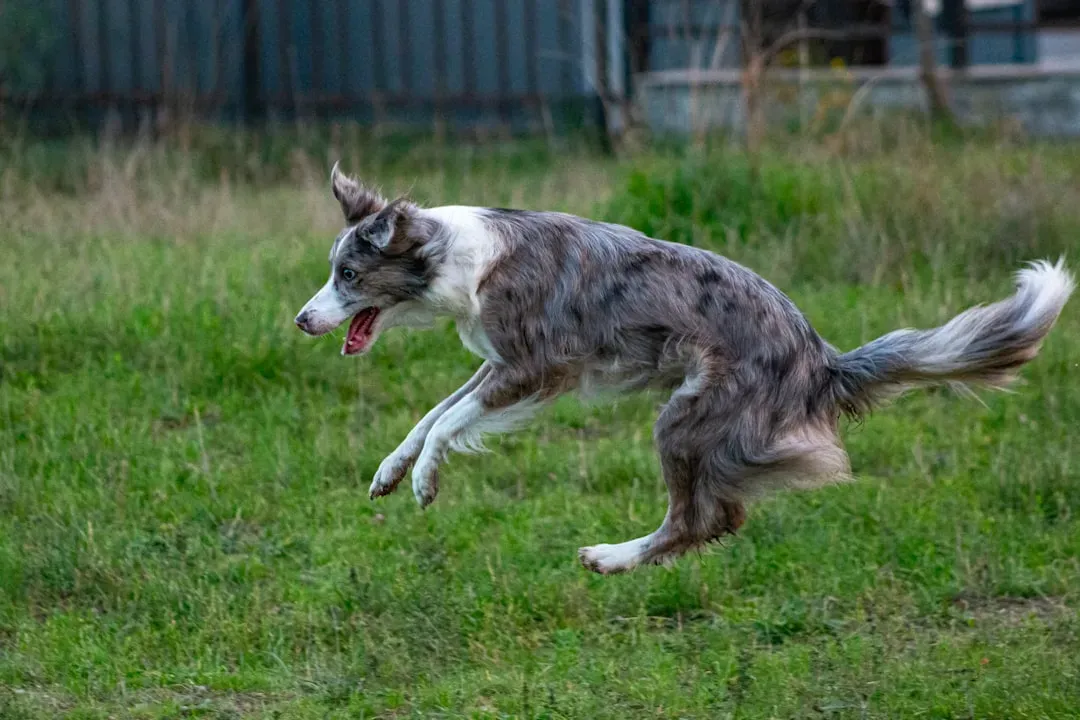
I think one of the most underestimated tools we have is simply wearing our dogs out. All dogs wake up with energy every single day that needs to be drained, and that energy is coming out constructively or destructively; if you don’t provide enough constructive energy release, your dog will find a destructive outlet. It sounds simple, but it truly works wonders.
Most people greatly underestimate the exercise needs of their dogs. A quick walk around the block might not cut it, especially for high-energy breeds. A tired dog is a less destructive dog, and adequate exercise includes satisfying walks allowing time for mental and physical engagement. Think fetch, tug-of-war, agility courses, or even a good old-fashioned romp at the dog park.
Puzzle feeders, treat-dispensing toys, lick bowls, or safe chew toys keep dogs mentally engaged, and mental stimulation helps redirect anxious energy into something rewarding. Mental workouts can be just as exhausting as physical ones. A dog who’s spent twenty minutes figuring out how to get treats from a puzzle toy is far less likely to turn your coffee table into a snack.
Providing The Right Chew Toys And Alternatives
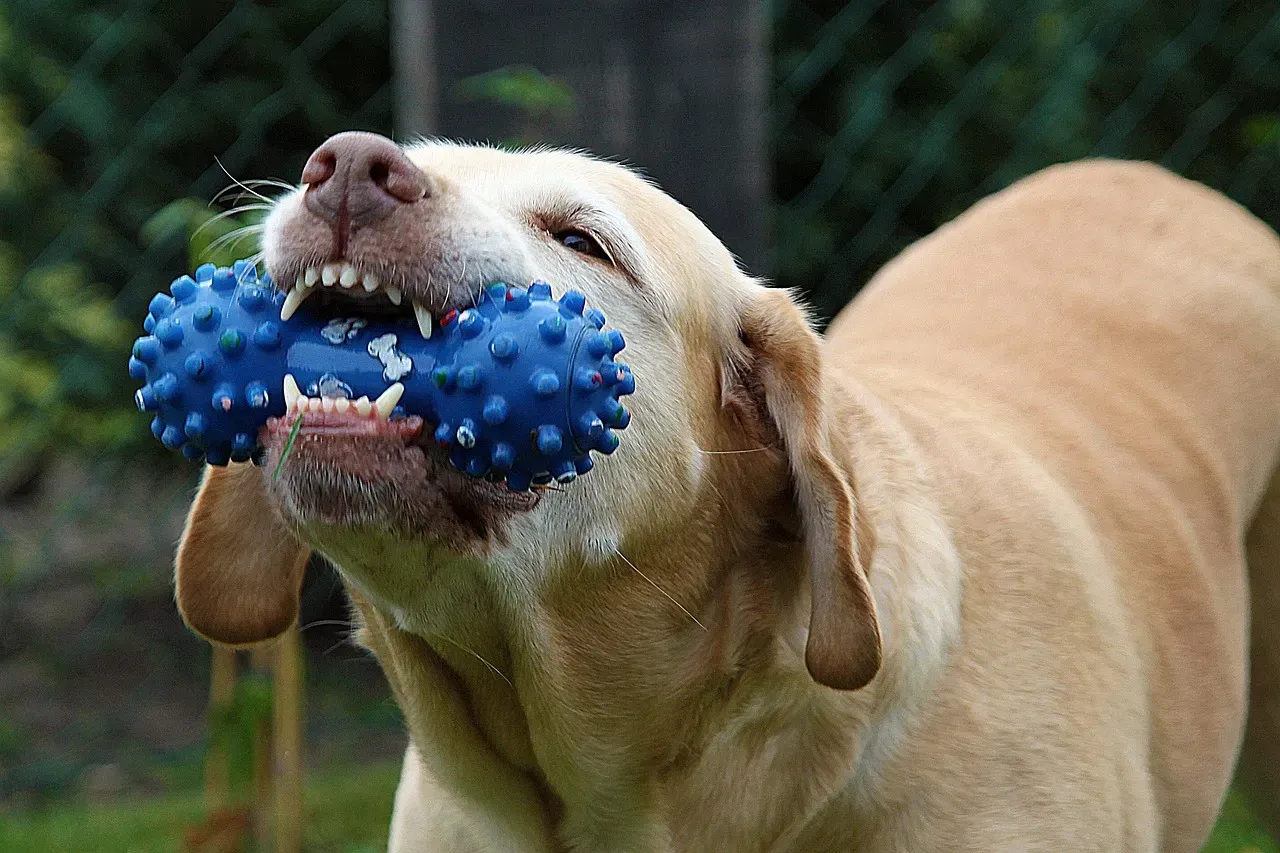
Here’s where things get practical. Your dog needs to chew. Period. Rather than trying to stop dog chewing altogether, you need to provide appropriate outlets, and this means actively encouraging and perhaps even teaching your dog how to use chew toys. Not all toys are created equal, either.
When trying to stop a dog from chewing furniture, owners will have more success if they match the texture of what the dog is chewing; for example, if your dog is chewing soft furnishings, offer them a soft plush dog toy instead. Some owners worry their dog will destroy the toy, but that’s actually the whole point. They need that outlet to fulfill their instinctive drive.
Rotate toys regularly to keep things fresh. To keep your dog interested, rotate which toys are out each week; keep other toys put away in a closet, then rotate through them so you don’t have to buy brand-new toys all the time but your dog still gets new toys to keep it exciting. Make a big deal when you bring out a “new” old toy. Dogs love novelty just like we do.
Training And Redirection Techniques

Yelling at your dog after the fact does absolutely nothing except make them anxious around you. Dogs’ brains don’t move forward and backward in time the way ours do, so your dog won’t understand if you yell at him after the fact. That guilty look? It’s just your dog reacting to your angry body language, not an admission of guilt.
Your dog needs to learn what they’re allowed to chew, and the best way to teach them is to use redirection; never punish your dog or yell at them for doing something wrong. Catch them in the act if possible. Interrupt the behavior with a firm but calm “no” or “leave it,” then immediately offer an appropriate chew toy and praise them enthusiastically when they take it.
Training is essential to curbing destructive chewing; dogs need to understand what’s off-limits, so offer a variety of safe chew toys, and when they chew on appropriate items, reward them with praise and treats so over time your dog will learn to differentiate between acceptable and unacceptable items. Consistency is everything here. Every family member needs to be on the same page, reinforcing the same rules.
Managing Your Environment And Using Deterrents
Sometimes the simplest solution is just keeping temptation out of reach. To ensure your dog picks correctly, control their choices by putting away what you can to limit temptation, like putting shoes in the closet and remote controls in a drawer, and for other objects, block access or make them less appealing. Puppy-proofing isn’t just for puppies.
Bitter tasting sprays may help deter your dog; apply the spray on baseboards, furniture, or other unmovable items every day for at least three or four weeks. These products work for some dogs, though not all. Some pups just ignore the taste or even seem to like it, so test it out first.
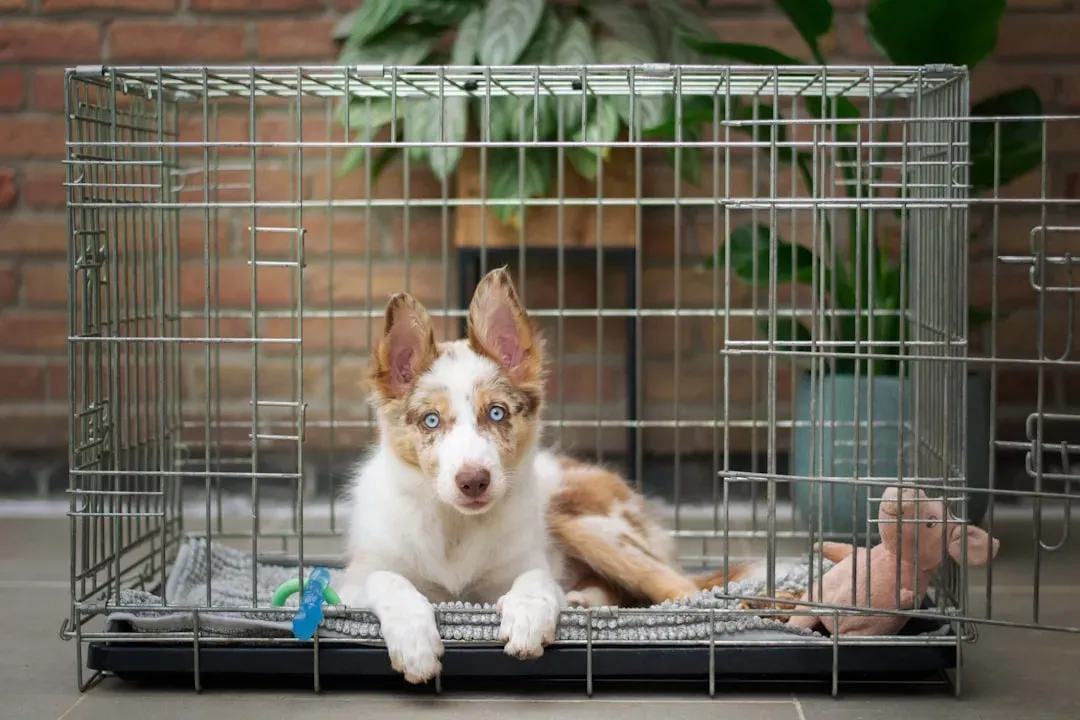
Consider crate training or creating a safe space. If your dog is crate-trained, they can spend time in their crate while you’re unable to watch them, or try creating a safe room with a small puppy-proofed space such as a bathroom, adding your dog’s favorite bed, a few toys, and a pet gate. Think of it as giving them a cozy den where they can relax without getting into trouble.
Conclusion: Patience And Consistency Are Your Best Friends
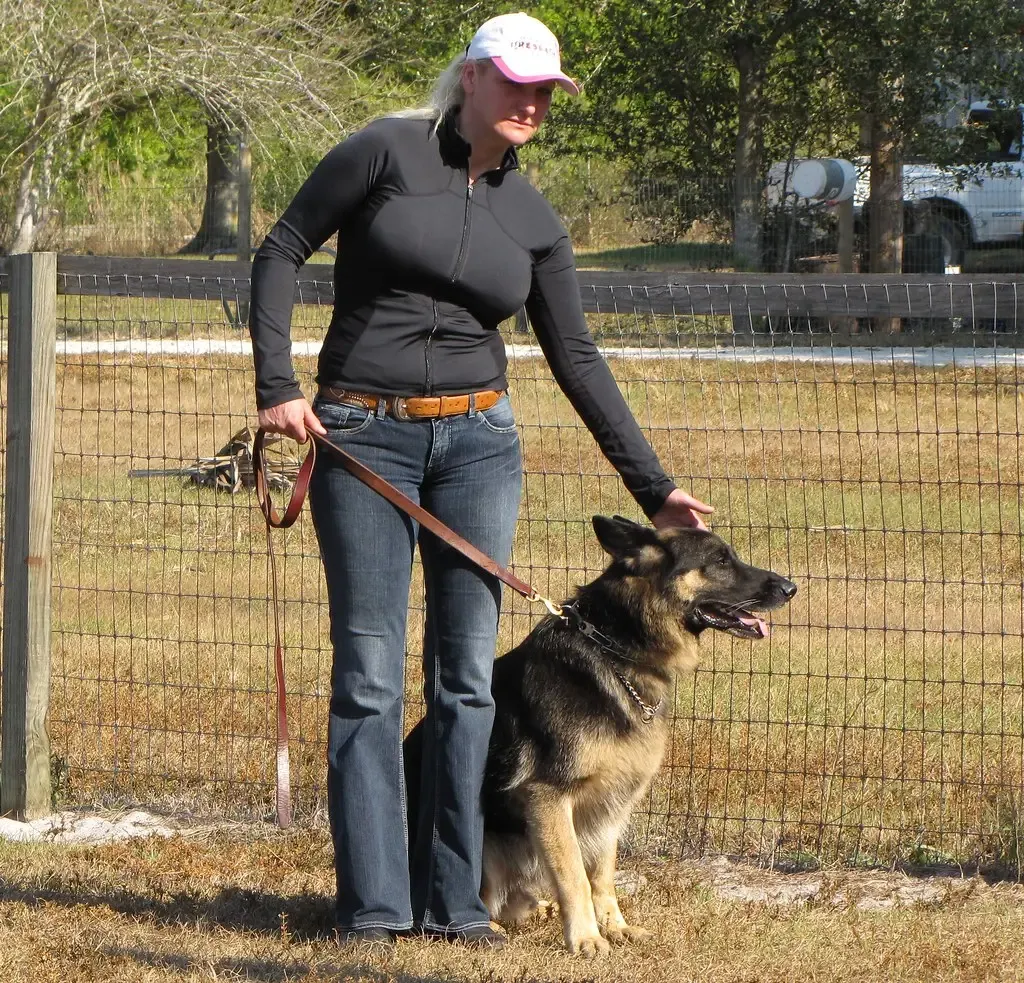
Stopping your dog from destroying furniture isn’t going to happen overnight. It takes time, effort, and a whole lot of patience. Your dog isn’t being spiteful or trying to hurt you. They’re just being a dog, trying to navigate a human world that doesn’t always make sense to them.
By understanding why they chew, addressing their physical and mental needs, providing proper alternatives, and training with kindness and consistency, you can absolutely transform this frustrating behavior. Every dog is unique, and what works for one might not work for another, so don’t be afraid to experiment and adjust your approach.
If the destruction continues despite your best efforts, don’t hesitate to reach out to a professional trainer or veterinary behaviorist. There’s no shame in asking for help. Together, you and your dog can create a peaceful, happy home where both your furniture and your furry friend can thrive. What changes are you going to try first?


