
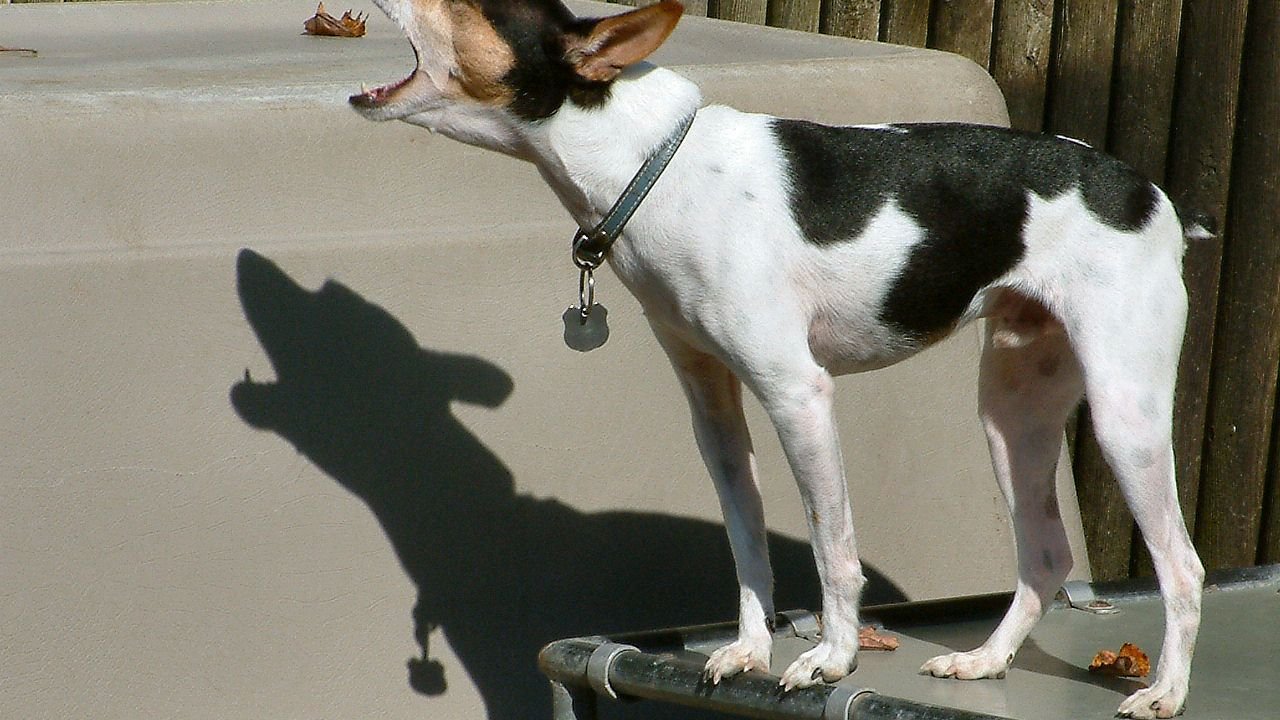
Picture this. You finally crawl into bed after a long day, pulling the covers up with a satisfied sigh. Then it starts. A bark. Another bark. Maybe a howl for good measure. Your dog has decided that midnight is the perfect time to sound the alarm, and your dreams of restful sleep have officially evaporated.
If you’re a dog lover, you know that barking is part of the package. It’s how our furry friends communicate, after all. Yet some breeds seem to take their nighttime vocal performances a bit more seriously than others. Whether it’s their hunting heritage, guarding instincts, or just plain excess energy, certain dogs are practically programmed to keep you on your toes when the sun goes down. Let’s dive into the breeds that might have you reaching for earplugs and discover what makes them such enthusiastic night owls.
Beagles: The Midnight Howlers

Beagles are bursting with energy, curiosity, and a strong hunting instinct that often comes alive after dark. Picture a small hound with a nose that could detect a crumb from three rooms away and you’ve got the Beagle in a nutshell. These dogs howl more than other breeds because it’s an instinctive part of their breeding, triggered by being lonely or having found a fun scent.
Beagles are extremely social dogs that don’t do well when left totally by themselves, and most are happiest in the company of at least one person, cat, or another dog. That separation can translate into nighttime anxiety, which means howling that echoes through your home. Their keen sense of smell can turn even a quiet backyard into a late-night adventure zone, prompting vocalizations that let everyone within earshot know what they’ve discovered.
Siberian Huskies: The Vocal Marathoners
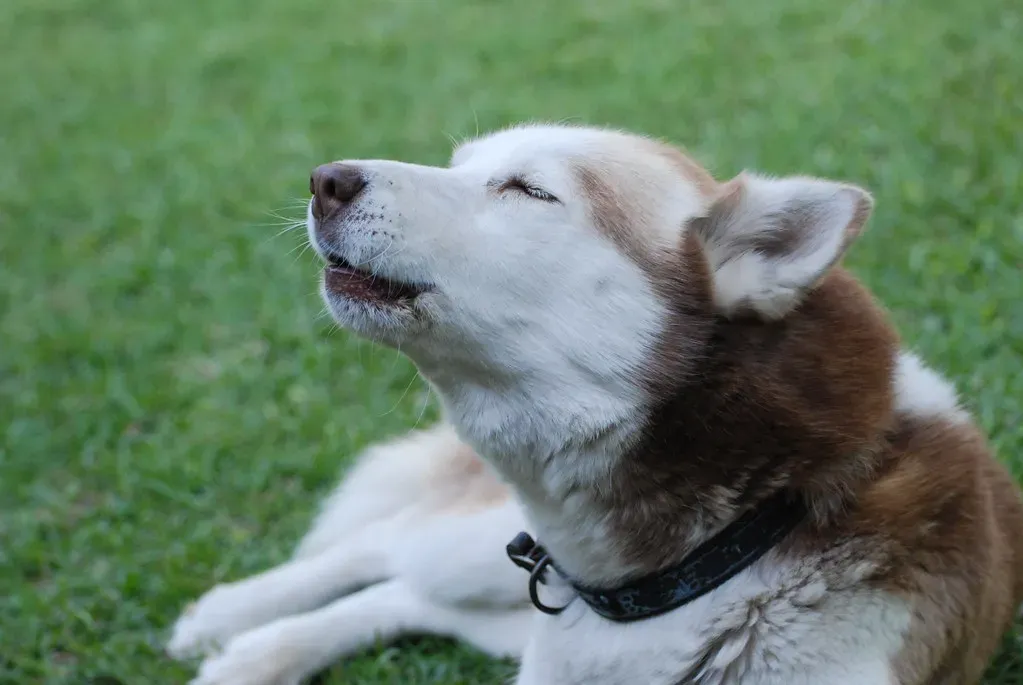
Huskies express their boundless energy well into the night because they were bred to run sleds across great distances, so their stamina stays high. These striking dogs with their piercing blue eyes aren’t just beautiful. They’re also incredibly talkative, especially when they’re bored or under-stimulated.
Breeds that are closer to the wolf genetically, like Huskies, tend to be more vocal and howl more than other breeds. Without enough physical and mental activity during the day, they can dig, chew, or create general mischief when darkness falls. Honestly, if you’ve ever heard a Husky howl at three in the morning, you know it’s a sound that carries. It’s like they’re calling their ancient wolf ancestors for a chat.
Jack Russell Terriers: The Energizer Bunnies
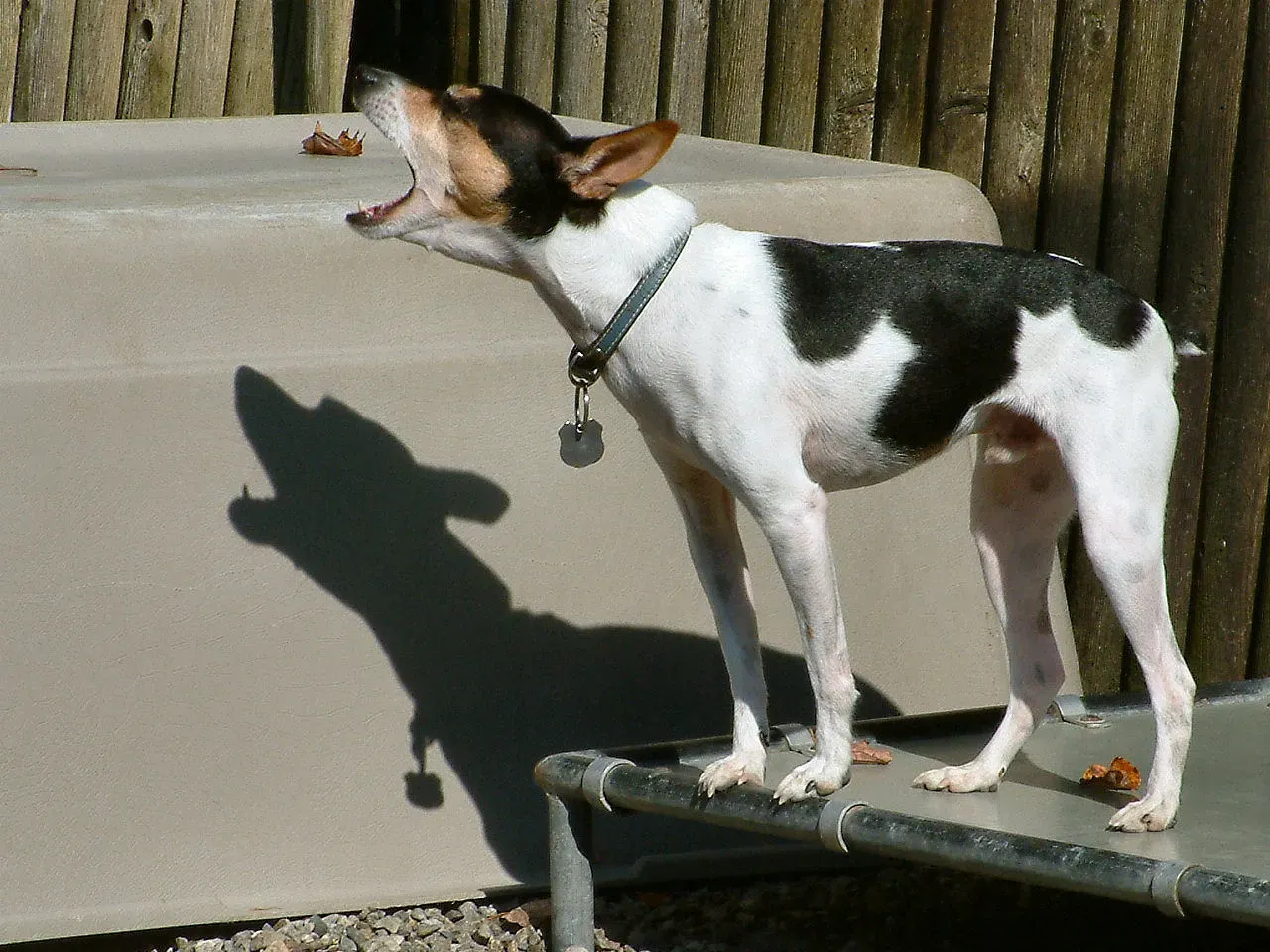
These small dogs pack an enormous amount of personality into a compact frame. Jack Russells are considered moderate to high barkers, and their instinctive nature and high energy levels may contribute to more frequent barking. Originally bred as hunting dogs, their tenacious nature means they notice every shadow, every rustle, and every sound that floats through the night air.
Jack Russell Terriers are highly energetic and vocal, particularly without strong training. They’re incredibly alert, which makes them excellent watchdogs but also means they’ll bark at practically anything they deem suspicious. A leaf blowing past the window? Bark. A neighbor’s cat wandering by? Full-scale alarm mode. Their relentless energy needs an outlet, and if they don’t get enough exercise during the day, nighttime becomes their personal stage.
Chihuahuas: Small Dogs With Big Voices
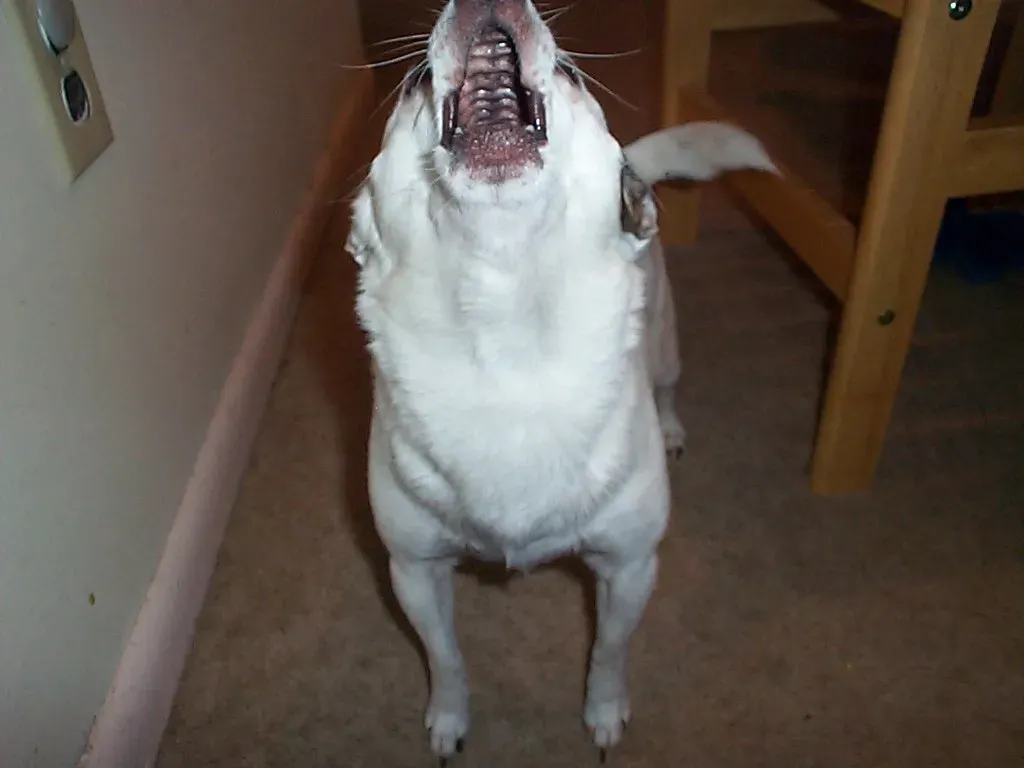
Don’t let their tiny size fool you. Dogs have incredible hearing and will bark at things that we will never pick up on. Chihuahuas are particularly sensitive to their surroundings, and nighttime seems to amplify their natural alertness. Many times a car will alarm a Chihuahua; it may be a neighbor who comes home at just about the same time each night and waking up your dog.
These little dogs can be fiercely territorial and protective of their humans. When the sun sets and the house goes quiet, they’re on high alert for anything that seems out of place. They’re also prone to separation anxiety, which means if they wake up and feel alone, they’ll let you know about it loudly and persistently.
Dachshunds: The Determined Barkers

With their elongated bodies and short legs, Dachshunds might look comical, but they were originally bred to hunt badgers. That means they’re fearless, determined, and quite vocal. Dachshunds were originally bred to hunt vermin and still carry the instincts to track and chase small prey, and as badger hunting dogs, they have a sharp mind and super efficient scenting abilities.
Dachshunds are known to bark excessively, and they may bark out of fear or anxiety. Their alert nature means they’re quick to sound the alarm if something seems amiss at night. Whether it’s a critter scurrying outside or an unfamiliar noise, your Dachshund will make sure you’re fully informed. Their barking can become habitual if not properly managed, turning peaceful nights into noisy affairs.
Miniature Pinschers: The Tiny Guardians

Miniature Pinschers do tend to be quite noisy because they have strong watchdog instincts and are very alert to their surroundings. These dogs may be small, but they act like they’re ten times their actual size. They’re confident, fearless, and incredibly protective of their territory.
By nature, Miniature Pinschers are alert and vocal dogs, often expressing themselves through barking and are quick to sound the alarm at any perceived threat. At night, this translates into barking at every sound, shadow, or movement they detect. Separation anxiety can also be an issue, leading to excessive barking when they’re left alone. Their high energy and natural vigilance make them one of the breeds most likely to disrupt your sleep.
Terriers In General: The Alert Sentinels
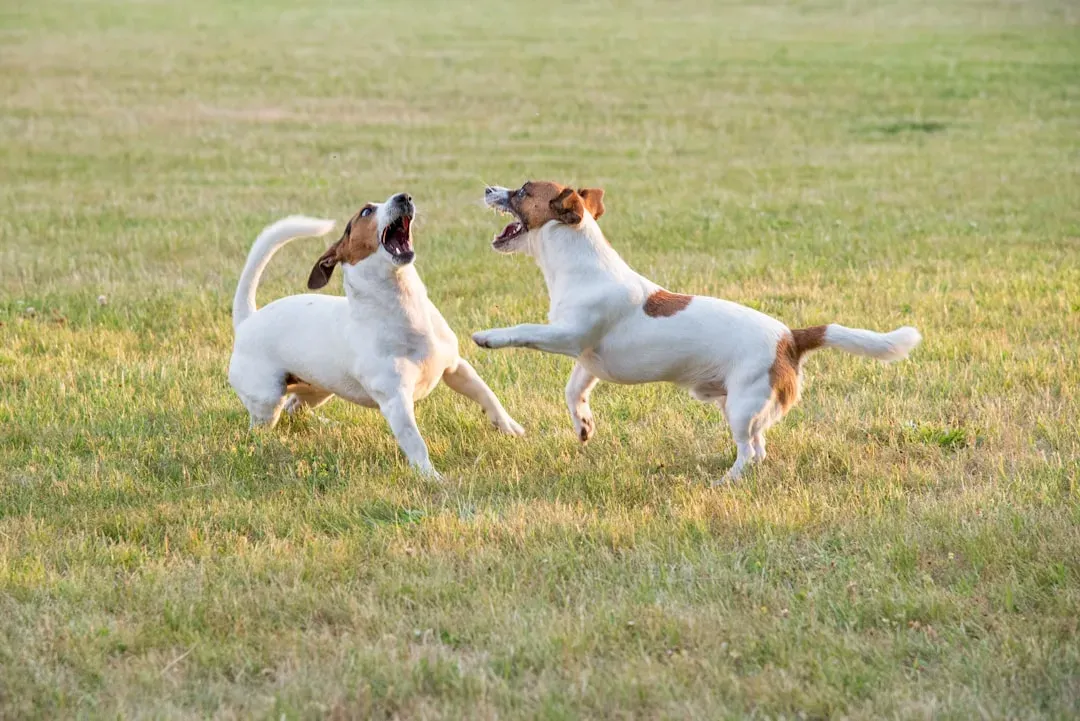
Highly alert and active, terriers make good watchdogs, but problems start when they become too eager to let you know what’s going on. This group includes breeds like the Cairn Terrier, West Highland White Terrier, and Scottish Terrier, all of which share a common trait: they love to bark.
They had to dig underground to get at that rat or badger, and if the ground fell in on them, they had to bark a lot to let the farmer or terrier man at a hunt find them. That instinct to vocalize hasn’t gone anywhere. Terriers were bred as working dogs with high energy levels, and without an outlet, destructive or obnoxious behavior like barking can ensue. Nighttime is no exception, especially if they sense anything unusual in their environment.
Great Pyrenees: The Nocturnal Guardians
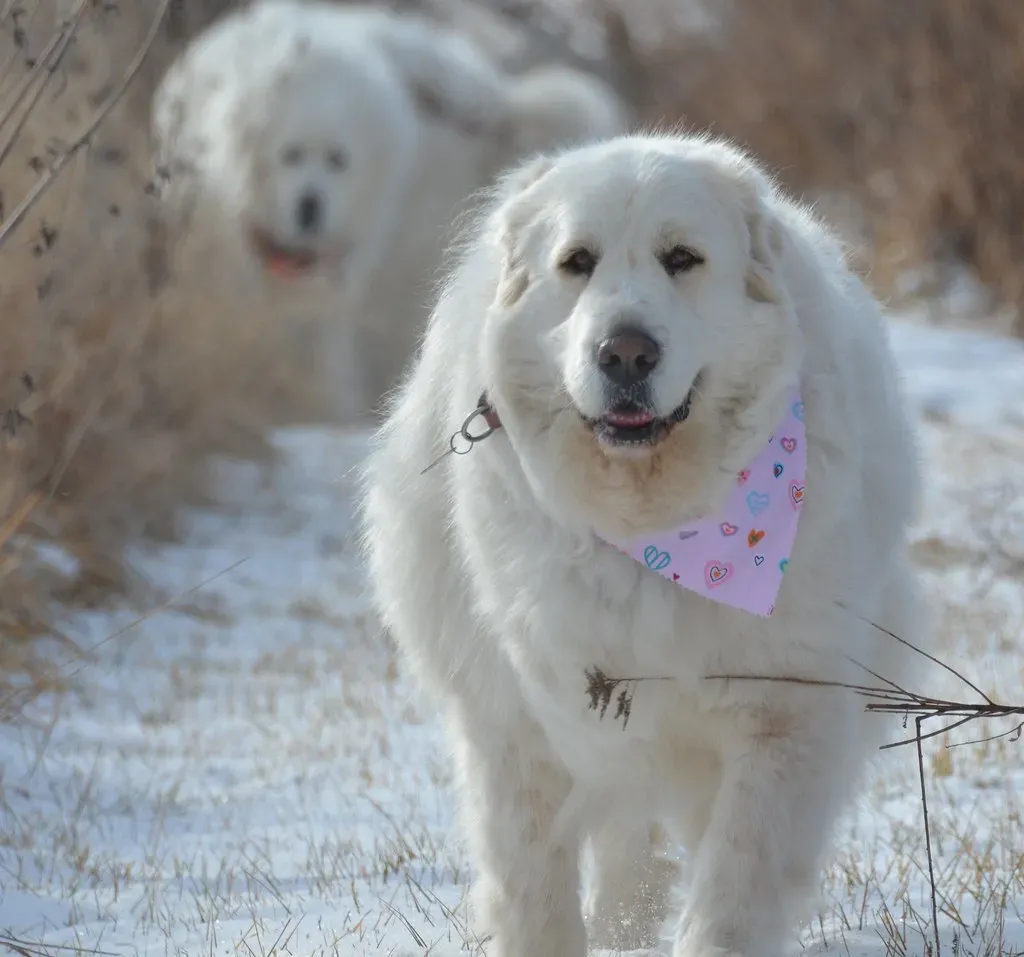
By nature, the Great Pyrenees is nocturnal. These majestic, fluffy giants were bred to guard livestock in the mountains, often working alone through the night to protect their flocks from predators. They bond quickly with their human flock and will guard you at night, barking at everything they feel is a threat.
They have deep barks and are known to bark most of the night. If you live in a rural area or have close neighbors, this can be a challenge. Their protective instincts are deeply ingrained, and barking is their first line of defense. Great Pyrenees are barkers, and barking is their first line of defense as they bark at everything they think can be a threat. While they’re incredibly loyal and loving, their nighttime vigilance can definitely keep you awake.
German Shepherds: The Protective Powerhouses
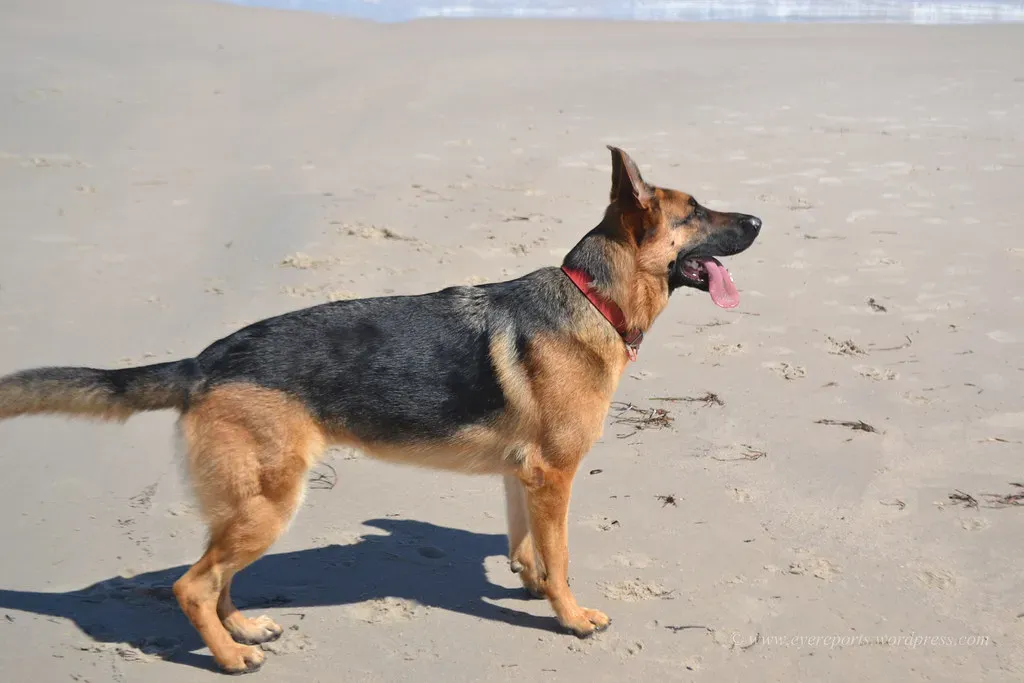
German Shepherds are among the most popular breeds worldwide, known for their intelligence, loyalty, and versatility. They’re also natural protectors. German Shepherds are dogs originally used to herd livestock, but they’re also one of the most popular guard dog breeds due to their natural guarding instincts.
Some dogs bark at night because they feel responsible for protecting their home, and guard breeds are especially prone to alert barking when they sense unusual movement or scents. German Shepherds take their job seriously, and if they hear something suspicious at night, they’ll let you know immediately. Their keen senses and strong protective drive mean they’re always on duty, even when you’d prefer they weren’t.
Alaskan Malamutes: The Strong-Willed Howlers
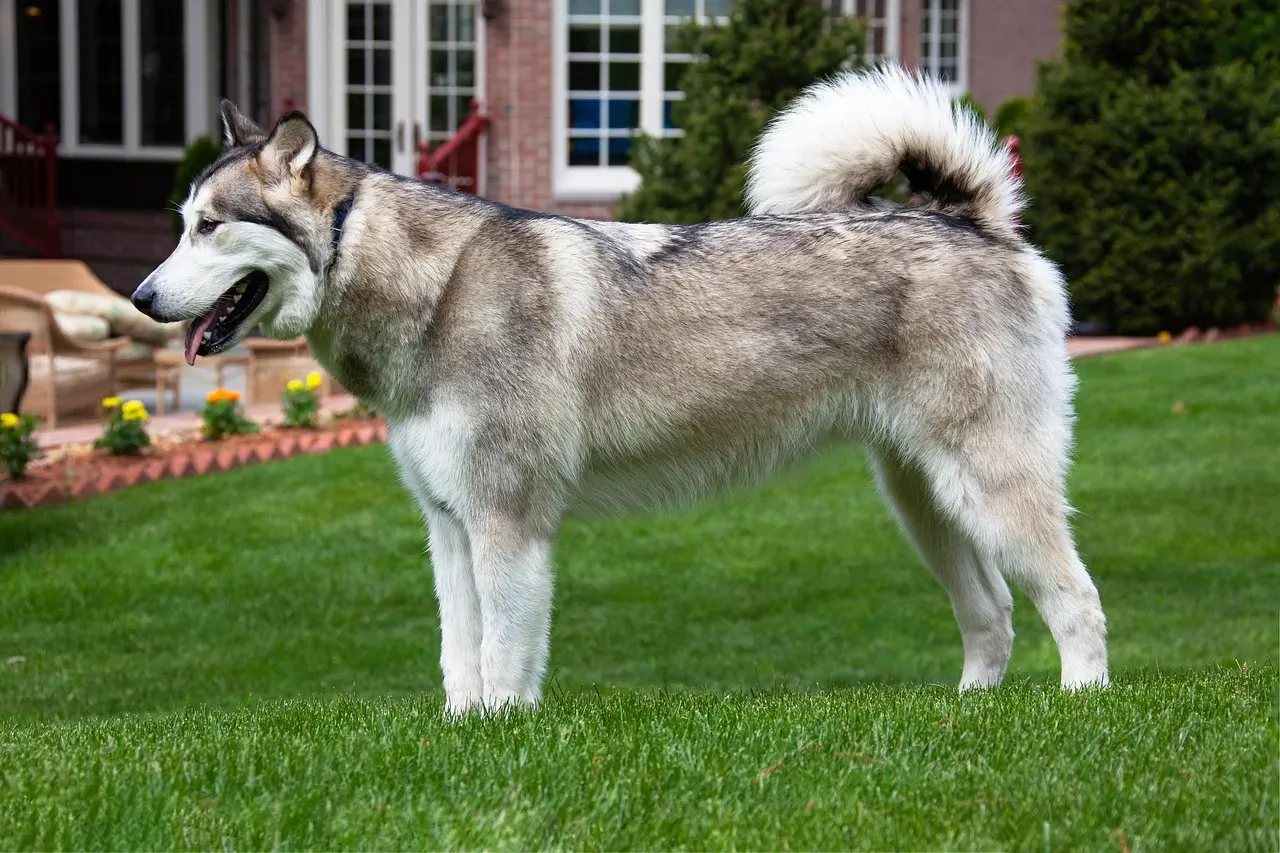
Similar to Huskies, Alaskan Malamutes are powerful, energetic dogs with a strong pack mentality. Dachshunds, Foxhounds, Huskies, Beagles, and Alaskan Malamutes all like their voices to be heard. These dogs were bred for endurance and strength, pulling heavy sleds over long distances in harsh conditions.
Their vocal nature means they’re prone to howling, especially at night when things are quiet and they can hear other dogs or wildlife. They’re social animals that thrive on companionship, and if they feel lonely or bored, they’ll vocalize to express their feelings. Their howls can be hauntingly beautiful, but they’re also loud enough to wake the entire household and possibly your neighbors too.
Conclusion: Love, Sleep, And A Little Patience

Living with a dog that loves to make noise at night can be challenging, there’s no denying that. Yet understanding why your dog barks or howls after dark is the first step toward finding a solution that works for both of you. A dog that doesn’t get enough exercise or playtime during the day may release pent-up energy at night through barking, and boredom and restlessness are common culprits.
Whether it’s providing more exercise, mental stimulation, proper training, or simply addressing underlying anxieties, there are ways to help your dog settle down when the lights go out. Remember, these breeds aren’t trying to drive you crazy. They’re simply being true to their nature, doing what centuries of breeding has taught them to do. With patience, consistency, and maybe a good pair of earplugs as backup, you and your vocal companion can find a balance that lets everyone get some rest.
What’s your experience with noisy dogs at night? Have you found strategies that work?


