
How to Turn Your Dog’s ‘Bad’ Habits into Adorable Quirkiness (It’s Easier Than You Think)
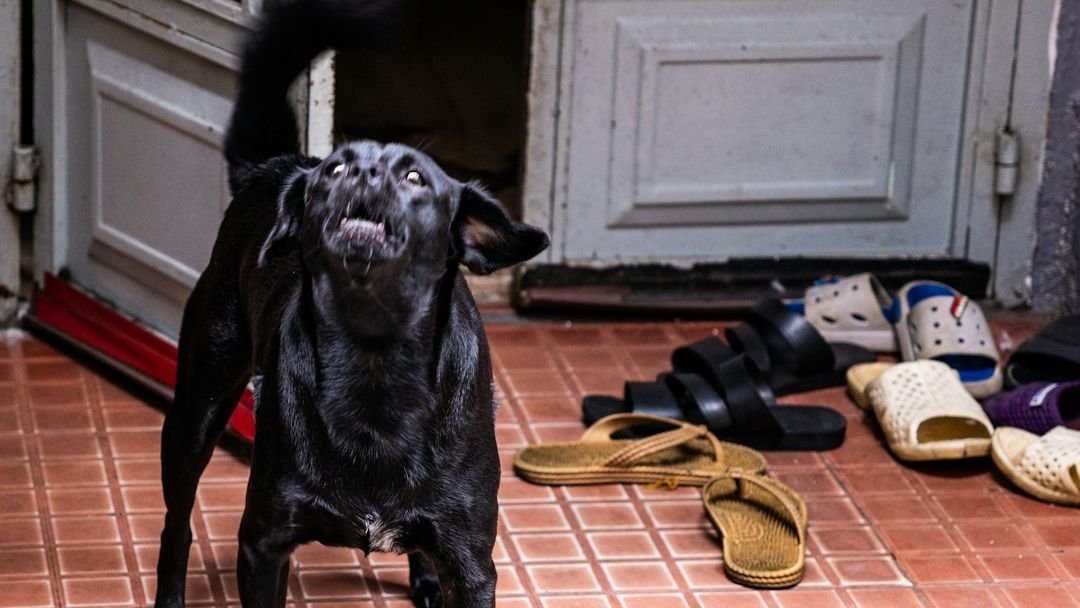
Picture this: your dog just dragged their butt across your living room carpet while your guests stared in horror. Or maybe they’ve mastered the art of counter surfing at exactly the moment you turn your back. I know what you’re probably thinking, these behaviors drive you absolutely bonkers. Here’s the thing, though. What we often label as behavioral problems are just your dog being, well, a dog.
The truth is, nearly every single pup has behaviors we wish we could change. Research shows that an overwhelming majority of dogs display what owners consider problematic actions. Yet shifting your perspective from frustration to fascination might be exactly what you and your furry companion need.
Why Your Dog’s Personality Actually Mirrors Yours
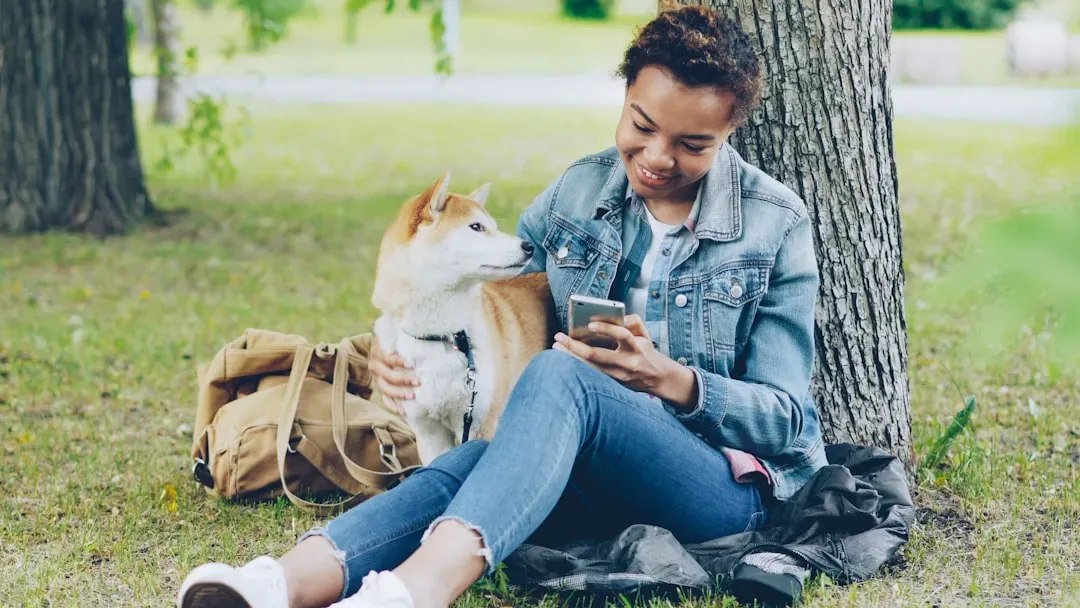
When dog-parents spend extra time scratching their dogs’ bellies, take their dogs out for long walks and games of fetch, or even when they feel constant frustration over their dogs’ naughty chewing habits, they are gradually shaping their pets’ personalities. It’s wild to think about, honestly. Your stress levels, your anxiety, even your morning routine influences your dog more than you realize.
Dogs’ personalities likely change over time, and to a surprisingly large degree. Think of it this way: if you’re an anxious person rushing around all morning, your dog picks up on that energy. Dogs are sensitive to their owners’ emotional states, and emotional contagion between owners and dogs is possible, so if you’re an anxious person, it’s likely that you’ll in turn have an anxious dog.
What we call bad habits might simply be your dog reflecting the household vibe back at you. The beautiful part? Humans have power over influencing a dog’s personality, and when you adopt a dog, some traits are likely tied to biology and resistant to change, but you then put it in a new environment where it’s loved, walked and entertained often. Change really is possible.
The Secret Power of Reframing Behavior

Let’s be real, your dog isn’t trying to embarrass you or ruin your day. Often, what we view as problem behavior is just a dog being a dog, but if your dog digs in the flower bed, scares the neighborhood kids while they ride bikes, or disturbs your sleep by barking all night, the behavior is problematic. See the difference? Context matters enormously here.
Dogs have their own unique personalities, some dogs may naturally be more outgoing and friendly, while others may be more reserved or independent, and understanding and respecting a dog’s individual temperament and preferences can help create an environment that supports their well-being and encourages positive behavior.
Instead of viewing your dog’s constant shadowing as clinginess, maybe they’re just incredibly devoted. That excessive sniffing on walks? Your pup is reading the neighborhood newsletter with their nose. Each dog has a unique quirk that makes them so lovable. The trick is learning to appreciate these quirks rather than fighting against them constantly.
Understanding the Root Before Labeling It ‘Bad’

Common dog behavior problems are often misunderstood by owners, and by recognizing and addressing these root causes, dog owners can adopt more effective strategies for managing problematic behaviors. This is where things get interesting. Your dog’s barking at the mailman isn’t defiance, it’s their territorial instinct kicking in.
While growling can appear aggressive to people, it’s a dog’s way of expressing discomfort, fear, or stress, and it’s often a warning signal, not always a sign of aggression, and understanding the context and triggers behind the growl is crucial. See how quickly perspective shifts things?
Dogs often jump up to greet people, and this behavior can be misunderstood as dominance or aggression, but in reality, it’s most often a result of excitement and a desire for attention. Once you understand the why behind the behavior, you’re halfway to transforming it into something manageable, maybe even endearing.
Redirecting Energy Instead of Crushing Spirit
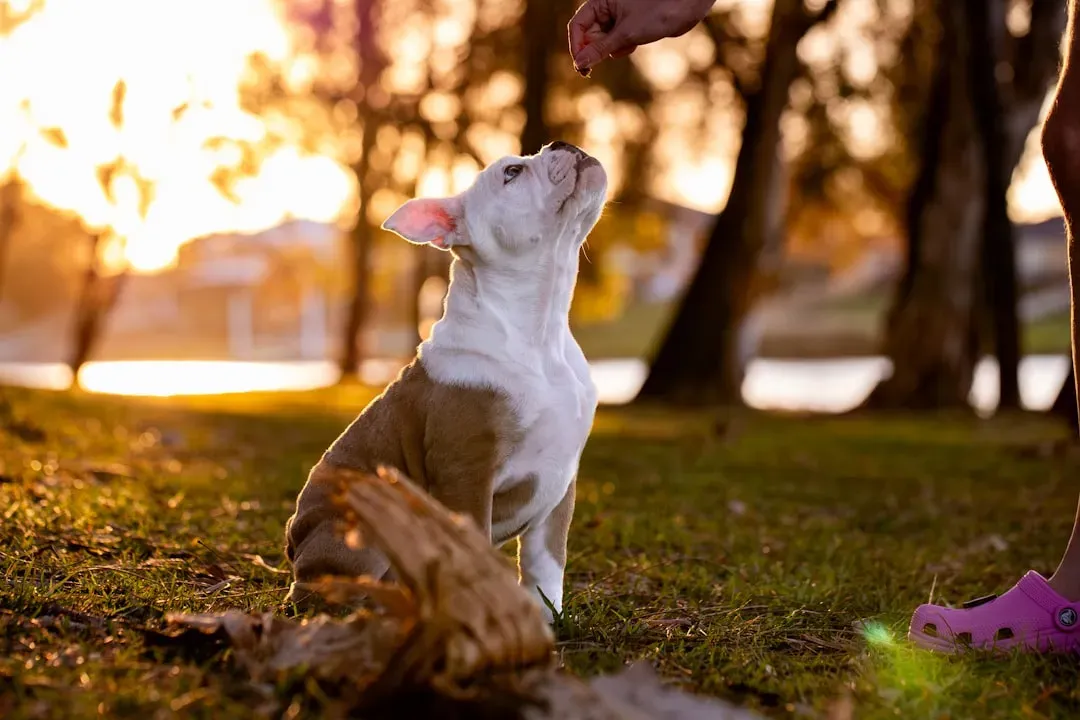
Here’s something trainers know but don’t always share: Positive reinforcement is a method of dog training that uses rewards to encourage desired behaviors, and it teaches dogs to associate rewards, such as dog treats or kibble, praise, or toys, with established or new behaviors, encouraging your dog to repeat the behaviors to receive more treats.
Rather than constantly saying no to your enthusiastic digger, give them a designated digging spot in the yard. Seriously, it works. Find ways to reward good behavior, and if your dog has an issue with jumping onto furniture, the next time you see him lay on the floor when he otherwise might have jumped on the couch, reward him with a small treat, as replacing a bad habit with a good one is a crucial piece of the training puzzle.
In most cases, desired behavior change can be achieved by effectively managing the dog’s environment, meeting physical health and exercise needs, and using non-aversive operant and classical conditioning, and these techniques teach foundational skills, train alternative behaviors, and use desensitization and counterconditioning to modify the dogs’ behavior. Think of it as giving your dog’s energy a better outlet instead of trying to shut it down completely.
Timing and Consistency Make Magic Happen
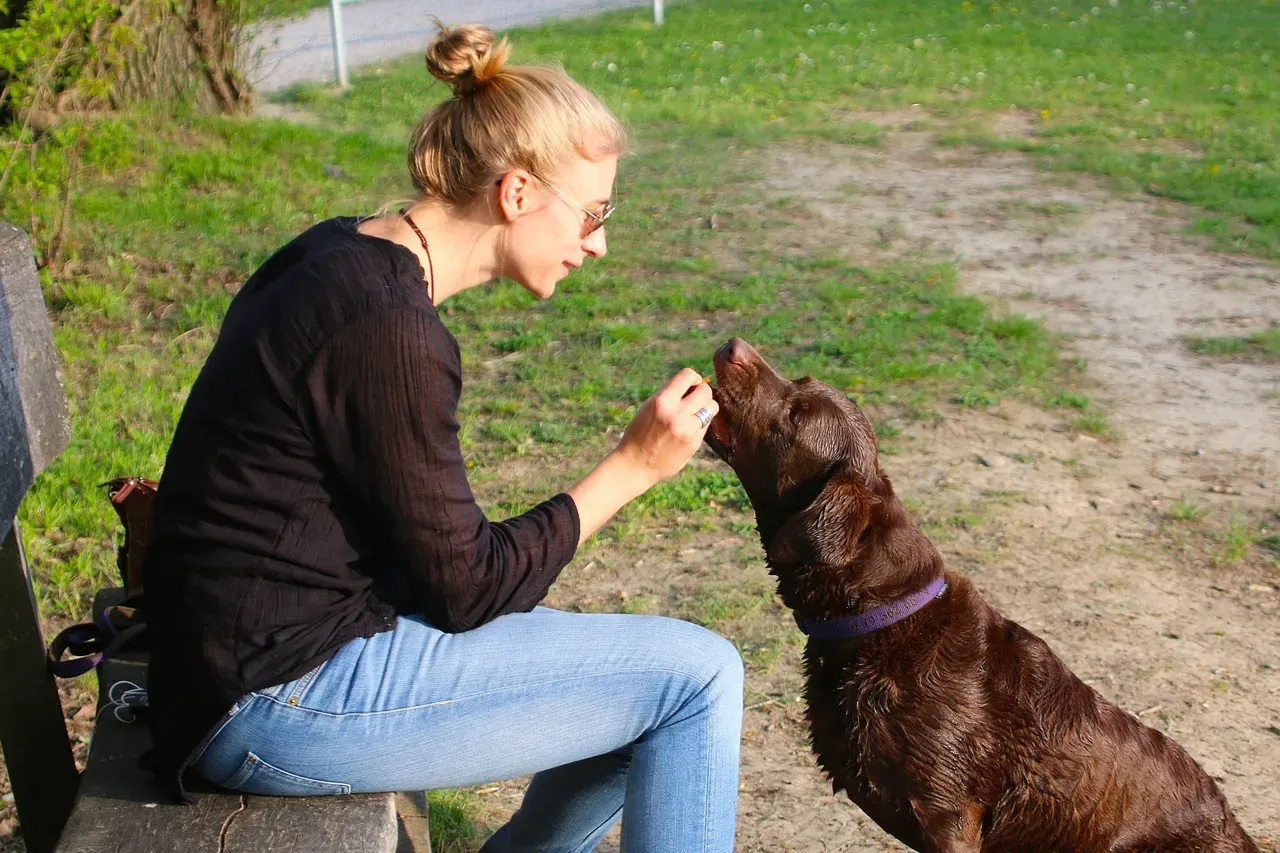
Always reward good dog behavior immediately after it happens, because dogs may struggle to connect their actions with the treat if there is a gap in time between them. This is where so many of us mess up, myself included. We wait too long or we’re inconsistent with what we reward.
Positive reinforcement is only effective if it’s constant, predictable, reproducible, and given immediately after your dog exhibits good behavior, and consistency also applies to rewarding the same types of desired behaviors and making sure negative behavior is never rewarded. I can’t stress this enough.
Your dog won’t magically understand that jumping is okay on Tuesday but not on Saturday when guests arrive. Pick your boundaries and stick to them religiously. Let your dog know what is good and what is not, for example, dogs who follow a routine or a command get a reward, while dogs who misbehave get a timeout, and ensure that you stick to these rules because eventually, dogs will catch on what they should and should not do, as they are incredibly fast learners.
Your Attachment Level Changes Everything
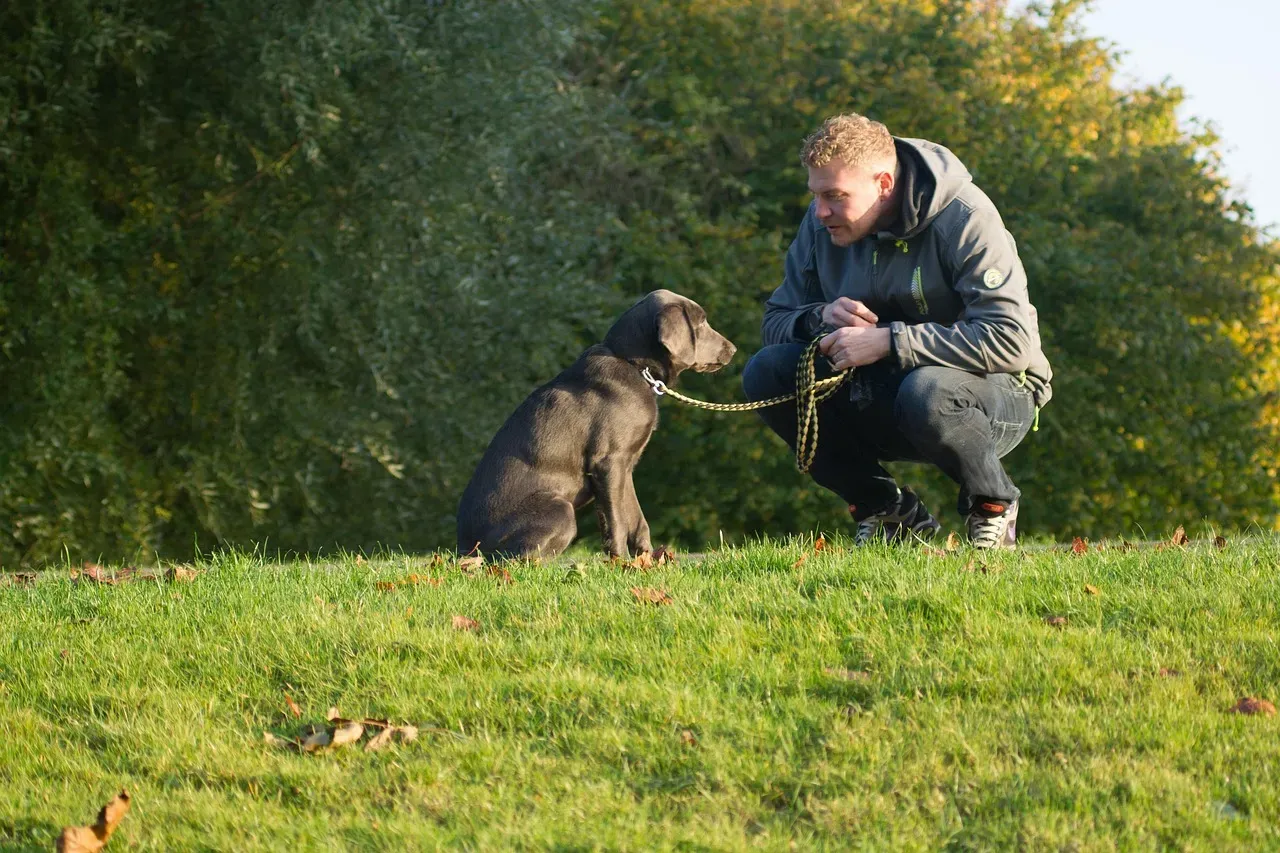
Something that surprised me when I researched this: The level of the owner’s attachment to their pet had major influences on the success of behavioral intervention, as owners with higher levels of attachment were more likely to have dogs who managed to decrease their touch sensitivity, separation anxiety, and stranger-directed aggression, and they also found a progressive increase in trainability.
Translation? The more you genuinely bond with your dog, the easier training becomes. It’s not about being permissive or letting them run wild. It’s about investing emotionally in the relationship. Positive reinforcement training techniques build and strengthen bonds between you and your pooch, and consistent training sessions with rewards instill trust, which makes your dog want to repeat behaviors that please you.
When it comes to the owner’s basic personality factors, extroverted dog owners were more likely to see decreases in fearfulness and touch sensitivity than were their introverted counterparts, and openness to experience also made a difference, since people who were high on this dimension tended to have dogs that became gradually less fearful toward other dogs, which may have to do with the fact that individuals high on this personality dimension are more flexible and may be more likely to accept new methods. Being open to trying new approaches matters more than you’d think.
Conclusion: Celebrating Your Dog’s Unique Flavor

Look, I’ll be honest with you. Not every behavior can or should be reframed as cute. Aggression toward people or animals needs professional intervention immediately. But that enthusiastic tail that knocks over your coffee? The snorting excitement when you grab the leash? Those howling sessions that embarrass you on video calls? Those are the quirks that make your dog uniquely theirs.
Your dog has a great propensity for change and growth, and as a natural explorer, his curiosity will work in your favor for helping him overcome his bad behavior. The shift from viewing behaviors as problems to seeing them as personality traits doesn’t mean you stop training. It means you train with compassion, understanding the motivation behind the madness.
Your dog isn’t broken. They’re not giving you a hard time, they’re having a hard time understanding what you want. While positive training methods take repetition, they’re the most effective and build the best relationship between you and your dog, and you should reward positive behaviors with praise, treats, and toys.
What quirky habit does your dog have that drives you crazy but also makes you smile? Have you found ways to redirect those habits into something more manageable? The journey from frustration to appreciation doesn’t happen overnight, but trust me, it’s worth every patient moment you invest.