
Are You Accidentally Stressing Out Your Dog? Hidden Cues You Might Be Missing
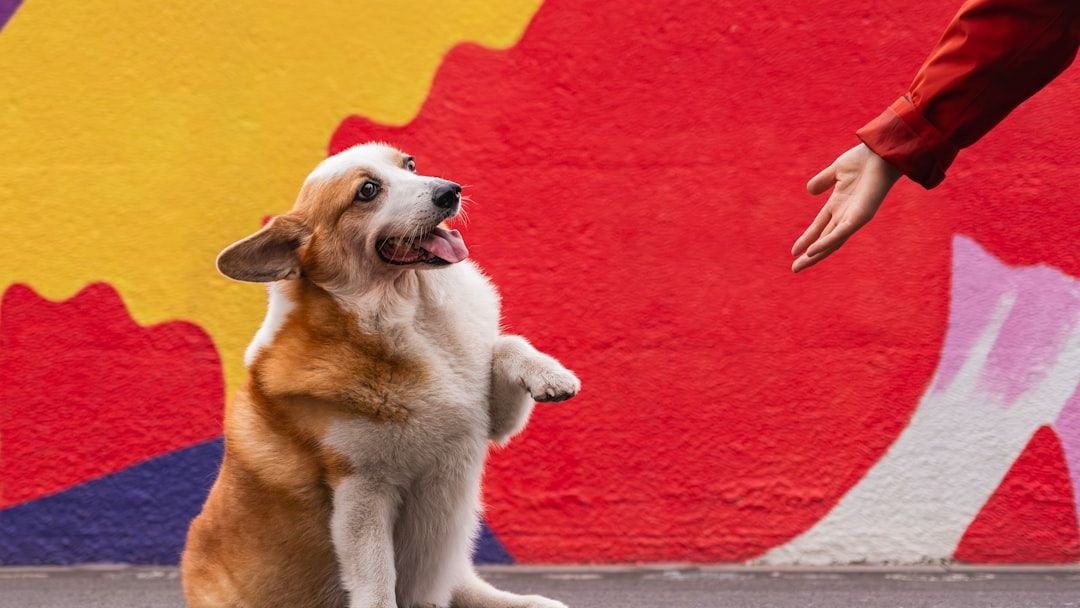
You know that feeling when you sense something is off with someone you love, but you can’t quite put your finger on it? That same intuition applies to our dogs, except they communicate distress in ways we might not immediately recognize. Truth is, many of us are unknowingly causing stress for our furry companions every single day.
A study surveyed over 13,700 dogs in Finland and found that 72.5% exhibited at least one anxiety-related behavior, with noise sensitivity being the most common issue, affecting 32% of dogs. That’s a staggering number. It makes you wonder how many of these anxious behaviors stem from things we do without realizing it.
That Quick Tongue Flick You Keep Missing
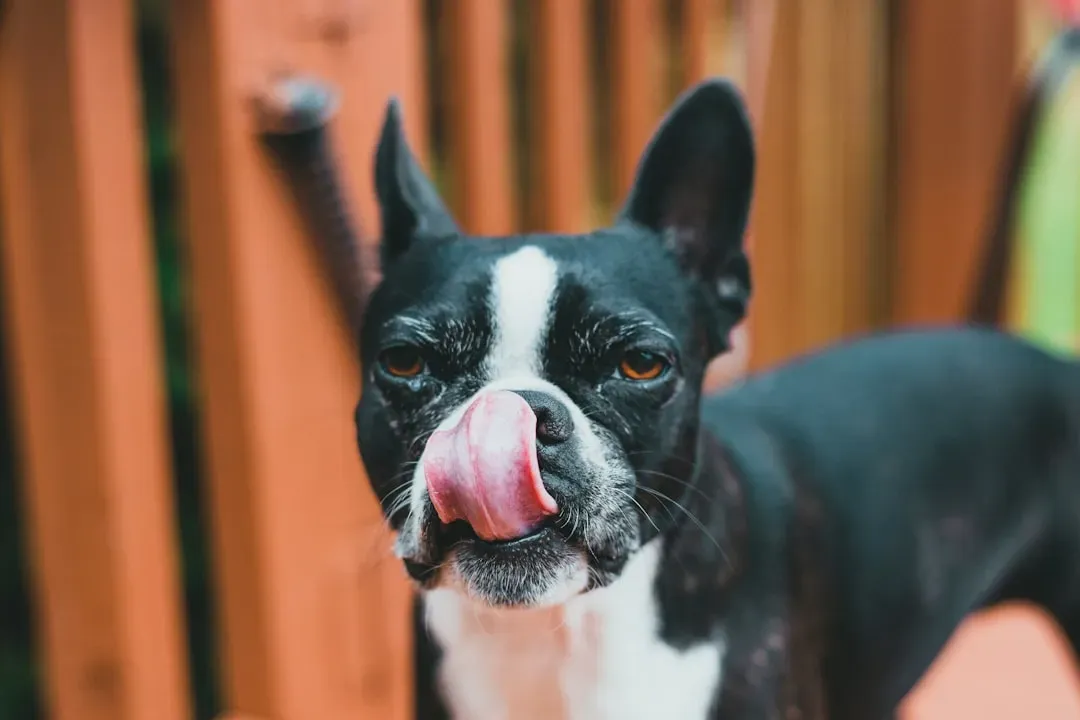
When a dog is anxious, she will often quickly stick out her tongue and lick her lips. It’s usually just a fast, little flick. Watch your dog; this is one of the most common signals.
This signal is so subtle you might mistake it for your dog simply smelling something interesting. Dogs will lick their lips after a delicious meal, but they’ll also do it when they feel anxious. Sometimes the tongue flick is so quick it’s tricky to notice. The context matters enormously here. If your dog is repeatedly licking their lips in the waiting room at the vet or when a stranger leans down to pet them, that’s not about food. That’s a cry for help you might be ignoring.
I think the reason we miss this so often is because we expect stress signals to be more dramatic, like barking or cowering. Your dog is actually being quite polite about their discomfort.
Those Yawns Aren’t About Bedtime
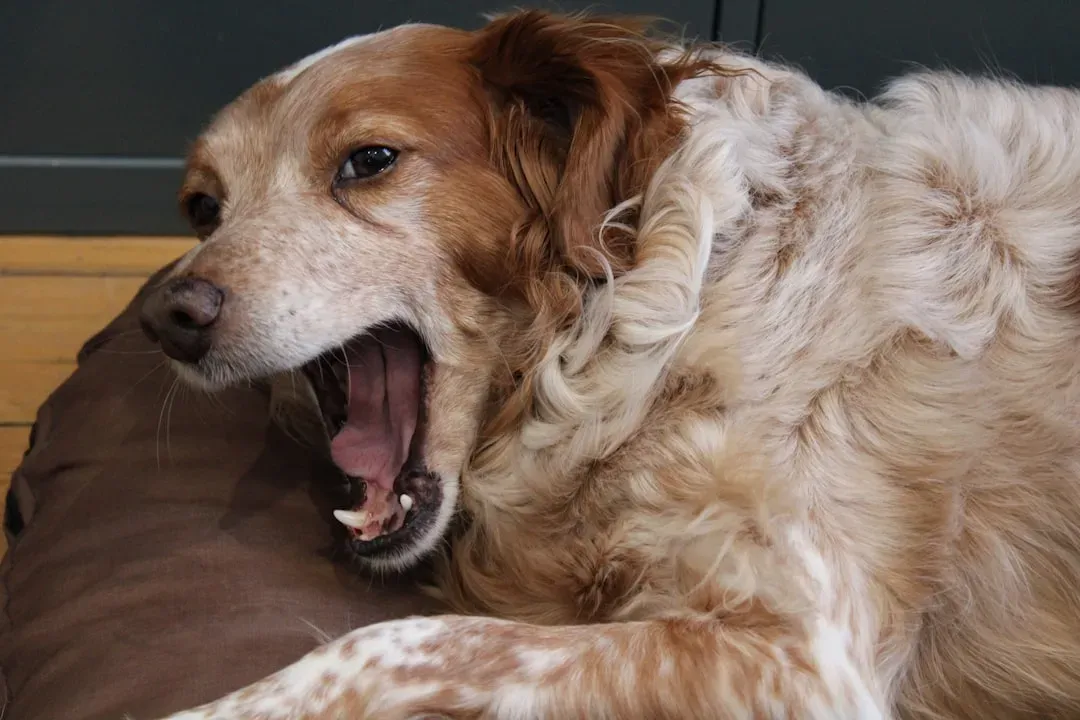
Here’s something that catches nearly everyone off guard. A staggering nine in ten (88%) do not know that yawning could be an early warning sign of anxiety or fear. Think about that for a moment. Nearly all of us are completely misreading one of the most common stress signals.
Yawns can also indicate stress. If your dog yawns repeatedly in the middle of a noisy waiting room, during a training session, or while being hugged by a stranger, it’s less about sleepiness and more about unease.
So when your child enthusiastically wraps their arms around the family dog and the dog yawns, that’s not contentment. That’s actually your dog trying to self-soothe through an uncomfortable situation. People yawn when they’re tired or bored, but dogs yawn when they’re stressed. The difference is critical to understand.
Your Own Stress Is Contagious

Let’s be real, this one hits hard. Recent studies indicate that your own emotional health and stress levels could impact your dog’s stress, with research showing dogs, to a great extent, mirror the stress level of their owners.
Dogs are capable of experiencing emotional contagion, or “catching” their owner’s emotions. So, if you’re feeling anxious, your dog may also start to feel and show signs of anxiety, like restless pacing and whining. In many ways, your dog may be like a mirror to your emotional state. This explains why your dog seems on edge right before you leave for that stressful work meeting, or why they pace when you’re anxiously waiting for important news.
Your nervous energy radiates outward, and your dog picks up on every bit of it. They can’t understand why you’re stressed, which makes them even more anxious. It’s hard to say for sure, but your own self-care might actually be one of the most important things you can do for your dog’s mental health.
Inconsistent Rules Are Driving Them Crazy

Allowing a dog to jump on guests one day but scolding them for it the next creates confusion. This inconsistency can lead to anxiety and stress, as the dog struggles to understand what is expected of them. Sound familiar? Most households operate this way without realizing the toll it takes.
Inconsistent discipline can confuse your dog and cause stress. For example, if mom says it is not ok to bite hands when playing, but dad says it is, what is a puppy to do? Your dog isn’t being stubborn or difficult when they seem confused by your commands. They’re genuinely trying to figure out rules that keep changing.
Dogs thrive on predictability and structure. Sudden changes to their daily routine can leave them feeling unsettled and anxious. The solution isn’t complicated, though it requires family cooperation. Everyone needs to be on the same page about what behaviors are acceptable, and you need to stick to consistent meal times, walk schedules, and bedtime routines. Predictability equals security for dogs.
The Body Language You’re Completely Misreading
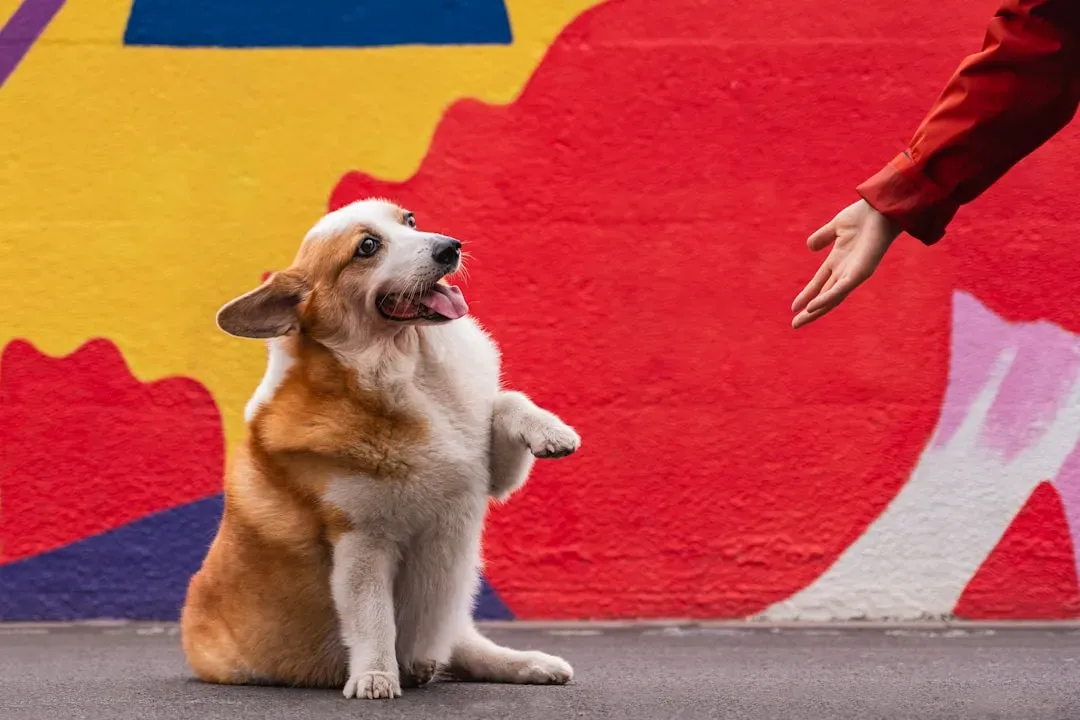
A wag doesn’t always mean a dog is happy. A tail tucked tightly between the legs is a classic stress signal. A low tail with a stiff, quick wag can also mean worry, not joy. This misconception leads to so many stressful situations for dogs.
Stress signs to look for include whale eye (when dogs reveal the whites of their eyes), tucked ears or tail, raised hackles, lip-licking, yawning, and panting. Your dog might also avoid eye contact or look away. The problem is these signals happen quickly and often simultaneously, making them easy to overlook unless you’re really watching.
The “half-moon” refers to the white arc that is often seen when a dog is stressed and trying to hold it in. (Also referred to as “whale eye”) Watch out! When you see the whites of your dog’s eyes showing more than usual, they’re not just looking at something interesting. They’re deeply uncomfortable and potentially close to their breaking point.
Honestly, learning to read these signals feels like learning a new language, because essentially, that’s exactly what it is.
When Comforting Actually Makes Things Worse

This might seem counterintuitive, but your well-meaning reassurance could be reinforcing your dog’s anxious behavior. Resist the urge to overly comfort them. When your dog is stressed and you respond with excessive petting, treats, and soothing voices, you might accidentally be telling them their fear is justified.
Avoid overly comforting a stressed dog and behave normally. Extra petting or treats can serve as positive reinforcement, leading to an increase in this behavior in the future. Instead, the better approach is to calmly remove them from the stressor if possible, or redirect their attention with commands they already know well.
When your pet is experiencing a stressful event or in a stressful situation it is understandable that we may also become anxious or worried. However, we need to approach new and/or stressful experiences without fear. Calm reassurances, happy and cheerful tones and relaxed posture can all help your pet feel more comfortable in uncomfortable situations. The key is staying calm yourself while acknowledging their feelings without amplifying them. It’s a delicate balance that takes practice.
Conclusion
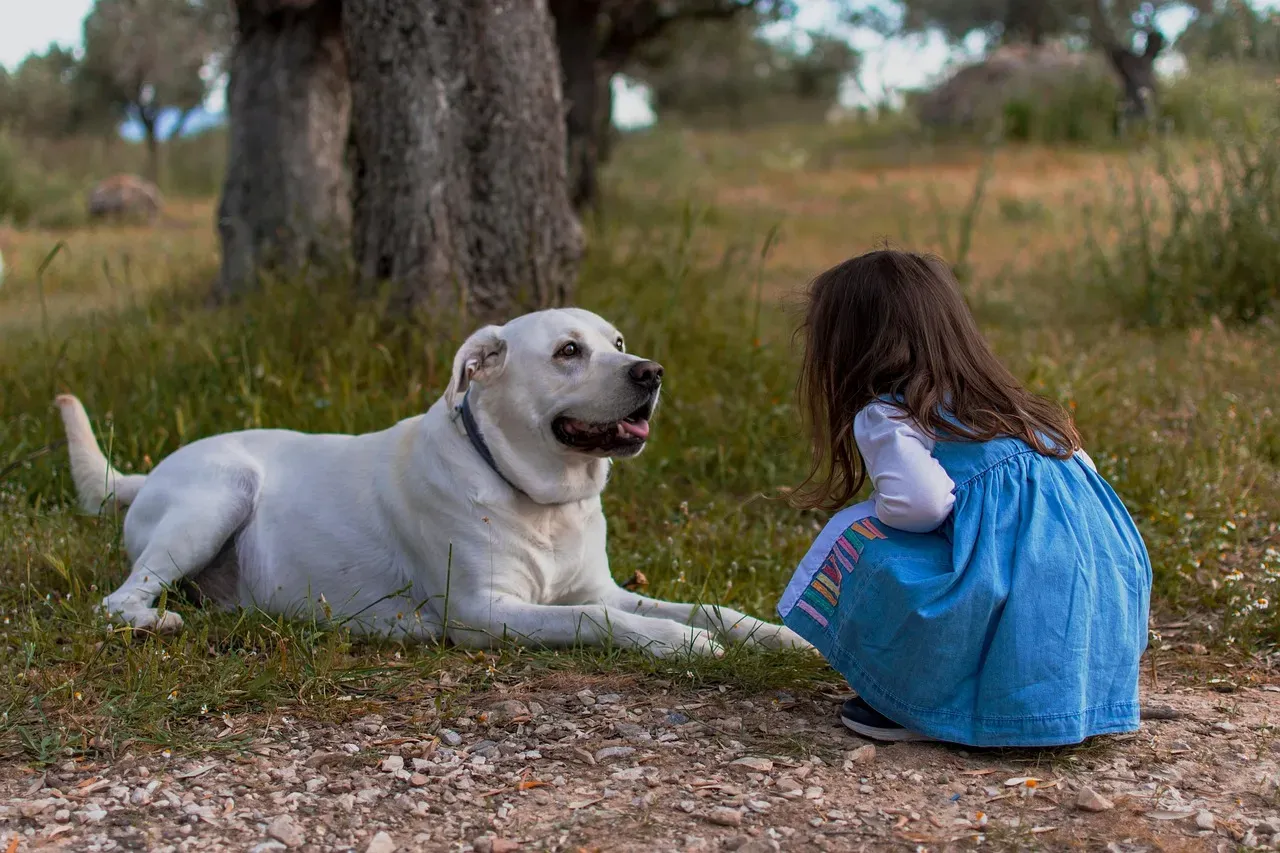
Learning to recognize these hidden stress signals transforms your relationship with your dog. Start paying attention to your dog’s body language and you’ll be able to read their stress signals and reduce their anxiety in no time. Learning our dogs’ special ways of communication can reduce their anxiety and prevent potentially dangerous situations from happening.
The good news? Once you start noticing these cues, you can’t unsee them. You’ll become your dog’s best advocate, stepping in before their stress escalates. Small changes in how we interact, maintain consistency, and manage our own emotions can dramatically improve our dogs’ quality of life.
Your dog has been trying to tell you how they feel all along. Now you know how to listen. What small change will you make today to help your furry friend feel more secure?