
How to Introduce a New Pet to Your Dog Without Chaos (Expert Tips for a Smooth Transition)

You’re standing at the doorway with your new pet, heart swelling with excitement about expanding your furry family. Your dog waits on the other side, curious, maybe a bit anxious. This moment could shape everything that comes next. It’s normal to feel that little flutter of worry, wondering if your beloved companion will welcome or reject this stranger. Trust me, you’re not alone in this.
The truth is, introducing a new pet to your dog doesn’t have to be chaotic or stressful. With patience, preparation, and a deep understanding of how your dog communicates, you can create a foundation for a harmonious household. Let’s explore exactly how to make this transition as smooth as possible, so everyone in your family feels safe, loved, and genuinely comfortable.
Understanding Your Dog’s Body Language During Introductions
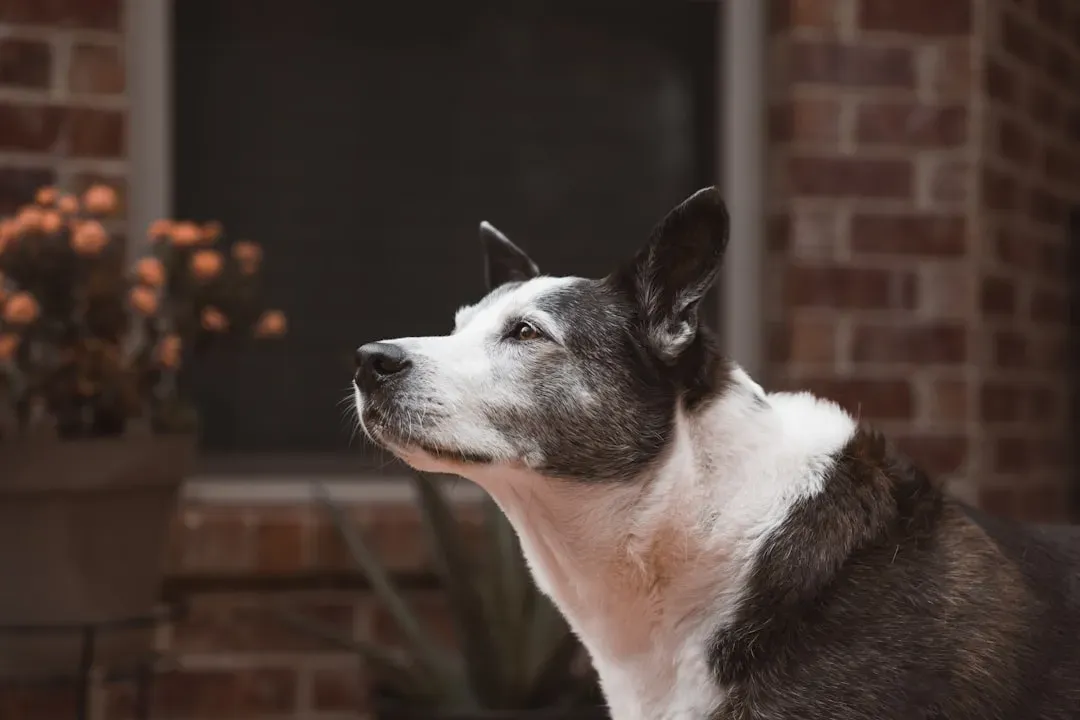
Dogs communicate primarily through body posture, facial expressions, and vocalizations, and recognizing these signals is everything. Before you even think about bringing the new pet home, you need to become fluent in reading your dog’s emotional state.
Stressed dogs may have dilated pupils and blink rapidly, showing more sclera (white) than usual. Dogs yawn when they’re stressed, not just when they’re tired. Dogs will lick their lips when they feel anxious, even when there’s no food around.
Pay close attention to tail position too. Dogs with their tails pointing down or tucked between their legs are feeling fear and stress. If a healthy dog shifts their weight to the rear legs or cowers, they may be exhibiting stress, and when scared, dogs may also tuck their tails or become rigid.
Here’s the thing: these signals happen fast. Your dog might show discomfort for just a few seconds before the situation escalates. Watch for pinned ears, a closed tight mouth, or that telltale whale eye where you see too much white. These are your early warnings that your dog needs space, time, or a different approach entirely.
The Power of Scent Introduction Before Meeting

Scent introduction is the process of letting dogs and cats get used to each other’s smell before they meet face-to-face, helping reduce stress and fear. Honestly, this step is often overlooked, but it’s absolutely critical.
Animals have a very keen sense of smell, and you can actually introduce them before they ever meet via their scents. Start building enthusiasm through scent swapping by presenting a blanket or toy with the other pet’s scent and rewarding calm behavior with treats.
I recommend keeping them completely separated for at least the first week. Keep the dog and cat completely separated without access to each other for at least a week. During this time, swap bedding, toys, or use a clean cloth to collect scent from one animal and place it where the other spends time. Immediately start rewarding any interaction your pet has with the scented object, and in the beginning stages, the scented object should only be present if someone is there to give treats for calm behavior.
This might feel slow, but rushing this process almost always backfires. Your dog learns that the new pet’s scent predicts good things, not threats. Once both animals show relaxed, calm behavior around these scented items, you’re ready to move forward.
Choosing Neutral Territory for First Meetings

The first meeting should be in territory unfamiliar to both dogs, with plenty of space. This is where so many introductions go wrong. Bringing a new pet directly into your dog’s home triggers territorial instincts immediately.
Creating a neutral space for the meeting is important because bringing a new dog home to a space that one dog already claims as its own can trigger territorial aggression. Think of a quiet park, a friend’s fenced yard, or even a neutral room neither pet has claimed.
Each dog should have a handler, ideally a family member who knows how to interact with the dog, as a familiar human presence will help these social animals feel comfortable and provide security if things go poorly. You need one calm adult per animal, period.
Keep both animals on leashes initially for control, but try to allow them a little room to maneuver, as they may be calmer if they don’t feel completely restrained. Let them approach gradually, sniff from a distance, and observe each other’s reactions without forcing interaction. If either shows stress signals, create more distance immediately.
Managing the Home Introduction with Separate Spaces
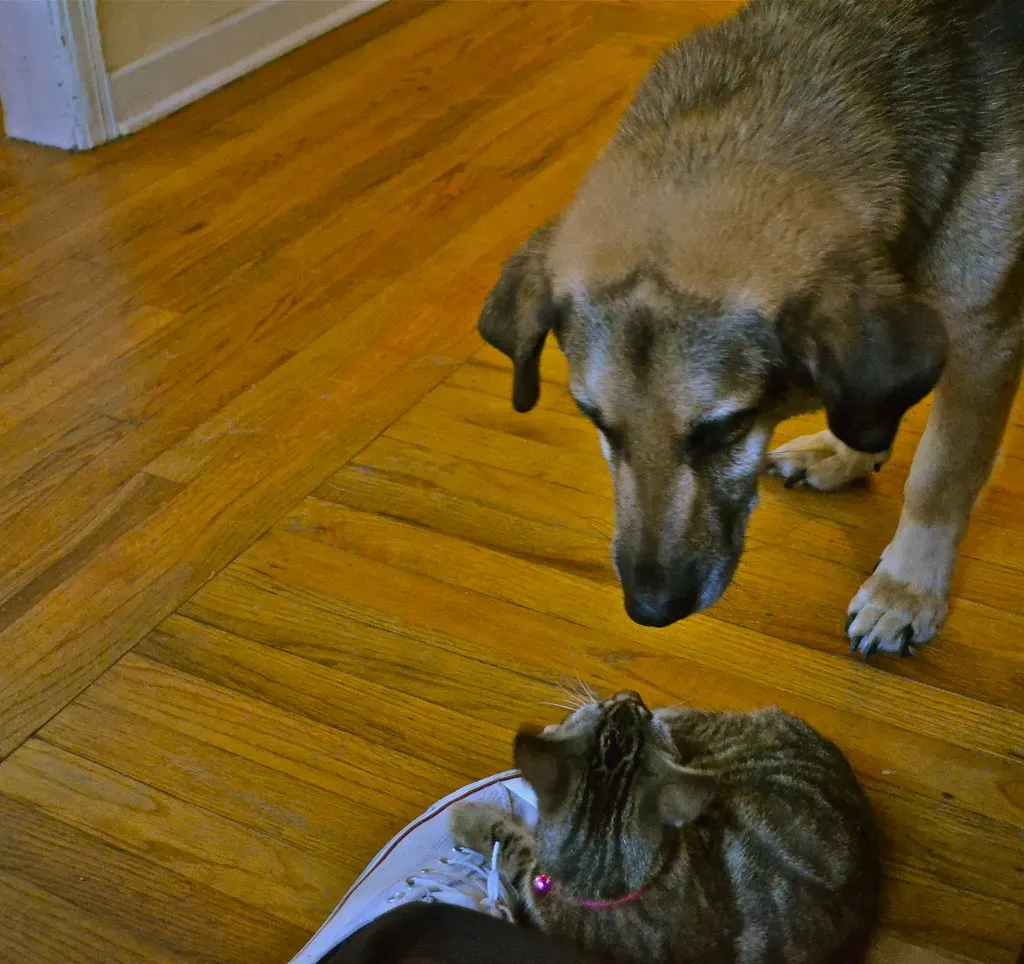
Once initial meetings outside go well, the home introduction requires careful setup. Set up a safe space with everything the cat needs: food, water, a litter box, places to hide, multiple scratchers, places to rest and sleep, and toys and enrichment, keeping the cat and dog completely separate and out of each other’s sight for the first week or so.
Physical barriers are your best friends during this phase. Baby gates, closed doors, or exercise pens create visual separation while allowing the pets to sense each other’s presence. Initially, the space should be divided with a physical space separating them so they can’t make physical contact with each other unless supervised.
Make sure there is an environment of plenty, with more than one water bowl, more than one comfortable place to lie down, and plenty of toys. Resource guarding happens when pets feel competition over essentials. If your dog has a history of guarding toys, remove them temporarily during the initial introduction period.
Feed them in separate areas at first. Feed your dog the way you always have done and feed the new dog in a different room so your dog should not have to worry about feeding time. As comfort increases, you can gradually feed them on opposite sides of a barrier, building positive associations.
Recognizing Signs of Progress and When to Slow Down

Play bows occur when a dog puts their paws down flat and tails and hindquarters high in the air, representing comfort and sociability. This is the body language you’re hoping to see. Relaxed postures, loose wagging tails, and soft eyes tell you things are moving in the right direction.
However, rushing the process can backfire, so it’s important to be patient and let the dogs adjust at their own pace, which may take days, weeks, or even months. Some dogs adapt quickly; others need significantly more time. Neither response is wrong, and honestly, pushing too fast is one of the biggest mistakes people make.
Dogs may experience avoidance or displacement behavior, such as sniffing or digging the ground, licking their genitals, or simply turning away, and if your dog avoids interaction with other dogs or people, do not force the issue. These displacement behaviors tell you your dog is overwhelmed and needs a break.
Watch for freezing, excessive panting, excessive shedding, or changes in bathroom habits. These are all stress indicators. If you notice them, take a step back in your introduction process. Spend more time with barriers between the pets, do more scent swapping, and give your dog extra one-on-one attention to rebuild his confidence.
Building Long-Term Harmony Through Consistent Routines

Your current dog may need reassurance with all the changes, so spend quality one-on-one time with each dog through training sessions, walks, and snuggle time, which helps prevent jealousy and strengthens their bond with you. Your resident dog shouldn’t feel displaced or forgotten.
Keeping consistent feeding times, exercise schedules, and training routines ensures stability, preventing the first pet from feeling displaced and helping the new pet settle in more smoothly. Predictability reduces anxiety for everyone involved.
Exercise both pets before supervised interactions. Be sure that the dog has gotten plenty of playtime and physical exercise before meeting the cat. A tired dog is a calmer dog, with less excess energy to funnel into unwanted behaviors.
Reward calm, appropriate behavior constantly in the early weeks. Treats, praise, gentle petting anytime the animals coexist peacefully reinforces what you want to see. When supervising interactions, reward both dogs for behaving appropriately and make sure your puppy is getting enough mental and physical exercise.
Patience truly is everything here. Some relationships blossom into genuine friendship; others settle into peaceful coexistence. Both outcomes are successful. What matters is that every member of your household feels safe, secure, and valued. With time, consistency, and genuine empathy for what your dog is experiencing, you can absolutely create the harmonious multi-pet home you’re dreaming of. What has your experience been with introducing new pets? Share your stories in the comments.