
Why Owls Are Symbols of Wisdom Across Ancient Cultures
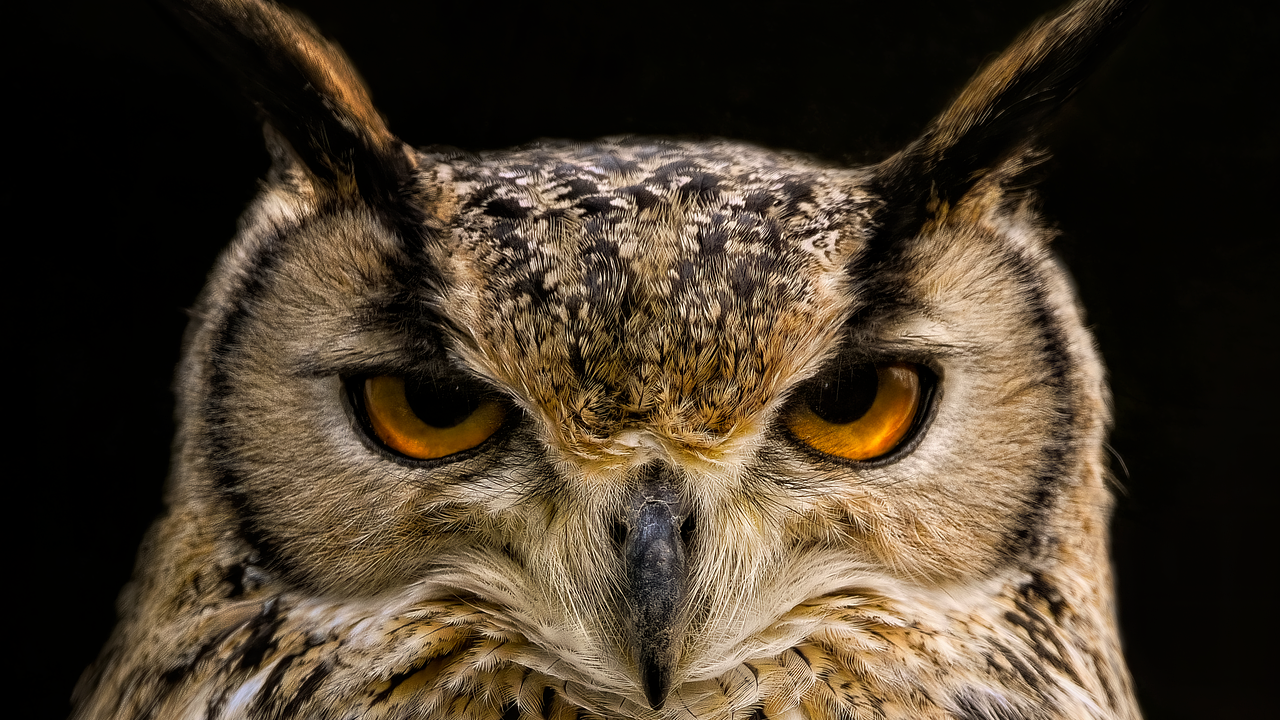
There’s something about owls that gets under your skin. Maybe it’s the way they stare through you with those enormous eyes, or how they glide silently through darkness when everything else retreats. Throughout history, humans have been mesmerized by these nocturnal hunters, weaving them into myths and legends that still echo today. The curious thing is, nearly every ancient society had something to say about owls, though their stories don’t always agree.
From Greek temples to Celtic forests, from the bustling markets of ancient Rome to the sacred grounds of Indigenous peoples, owls have occupied a peculiar space in our collective imagination. Sometimes they’re heralds of wisdom. Other times, they’re omens of death. This contradiction itself feels like a puzzle worth unraveling. Let’s be real, there’s more to this feathered enigma than meets the eye, and digging into these ancient connections might just reveal something profound about how we’ve always understood knowledge, mystery, and the unknown.
The Greek Connection: Athena’s Sacred Companion
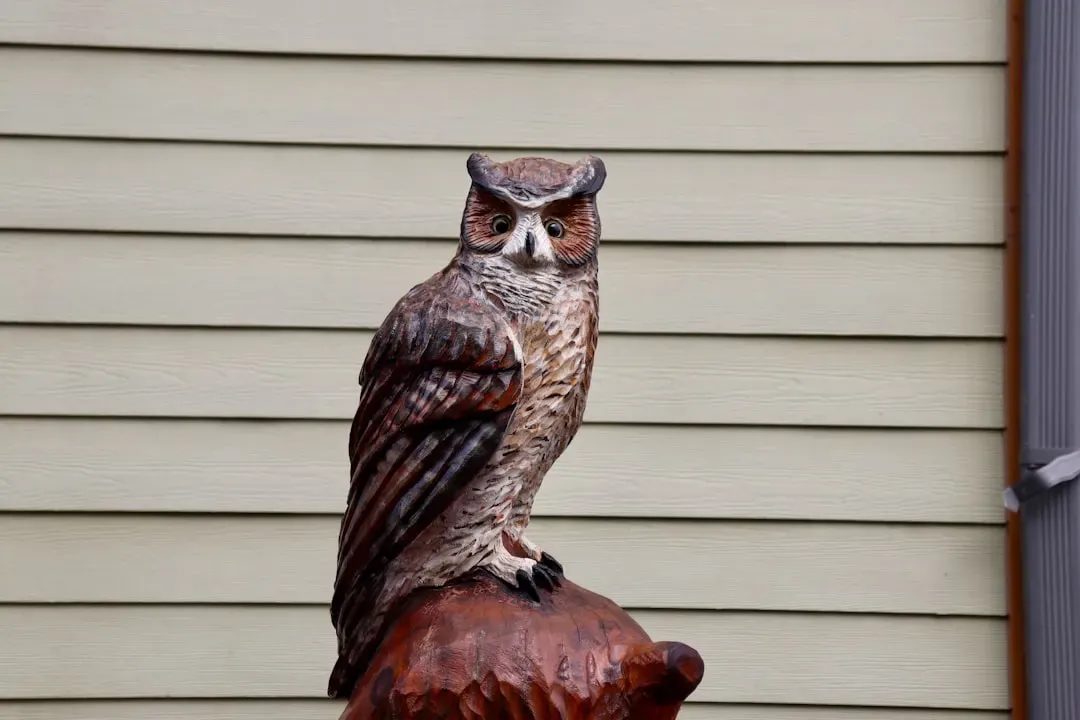
In Greek mythology, a little owl traditionally represents or accompanies Athena, the virgin goddess of wisdom, and this relationship became foundational to Western culture’s association between owls and intelligence. The Greeks didn’t just randomly pick this bird. Some theorize about the appeal of characteristics of owls such as their ability to see in the dark to be used as symbol of wisdom, which perfectly aligned with Athena’s role as someone who could perceive truth where others saw only confusion.
Owls were commonly reproduced by Athenians on vases, weights and prize amphoras, and the owl of Athena even became the common obverse of the Athenian tetradrachms after 510 BC. Think about that for a moment. They literally put owls on their money. This wasn’t just religious symbolism; it was civic pride, a statement about what Athens valued most.
According to myth, the owl sat on the blind side of the Goddess and allowed her to see everything and to comprehend the whole truth. It’s a beautiful metaphor, honestly. The owl completed Athena’s vision, revealing what she couldn’t perceive on her own. At the naval Battle of Salamis, the appearance of some owls was seen as a blessing from the goddess of warfare, wisdom and strategy, showing how deeply this symbol penetrated Greek military and cultural life.
What makes this particularly fascinating is how when Greek civilization peaked during the Archaic, Classical and Hellenistic periods, owls were transformed into major symbols of wisdom, power, justice and divinity, connected to the goddess Athena and the city of Athens. This wasn’t always the case. The association evolved and strengthened over centuries, becoming increasingly central to Greek identity.
Rome’s Complicated Relationship with Night Birds
The association between the owl and the goddess continued through Minerva in Roman mythology, the Roman equivalent of Athena. Yet the Romans held a deeply conflicted view of these creatures. On one hand, they inherited the Greek reverence for owls as symbols of wisdom. On the other, they harbored intense superstitions about them.
The Romans believed the Owl to be a prophetic animal that could predict doom in the future, and an owl perched on top of a house signals death in the building. A writer from ancient Rome recorded how the whole city of Rome had to be cleaned with the ritual of lustratio after an owl flew into the Capitolium. That’s not just mild concern; that’s borderline panic about ceremonial pollution.
Legend has it that the death of Julius Caesar, as well as the emperors Augustus and Commodus Aurelius were all predicted by owls. These stories reinforced the owl’s reputation as a harbinger, though whether of wisdom or doom depended entirely on context. The Owl was also the sacred animal of Minerva, the Roman goddess of wisdom, law, justice, victory, and war, representing the all-seeing nature of the goddess.
Perhaps the Romans simply couldn’t shake their anxieties about the dark and the creatures that ruled it. Their ambivalence reveals something important: cultural symbols are never fixed. They shift and morph depending on who’s telling the story and what they need that story to do.
Celtic Mysteries: Guardians of the Underworld
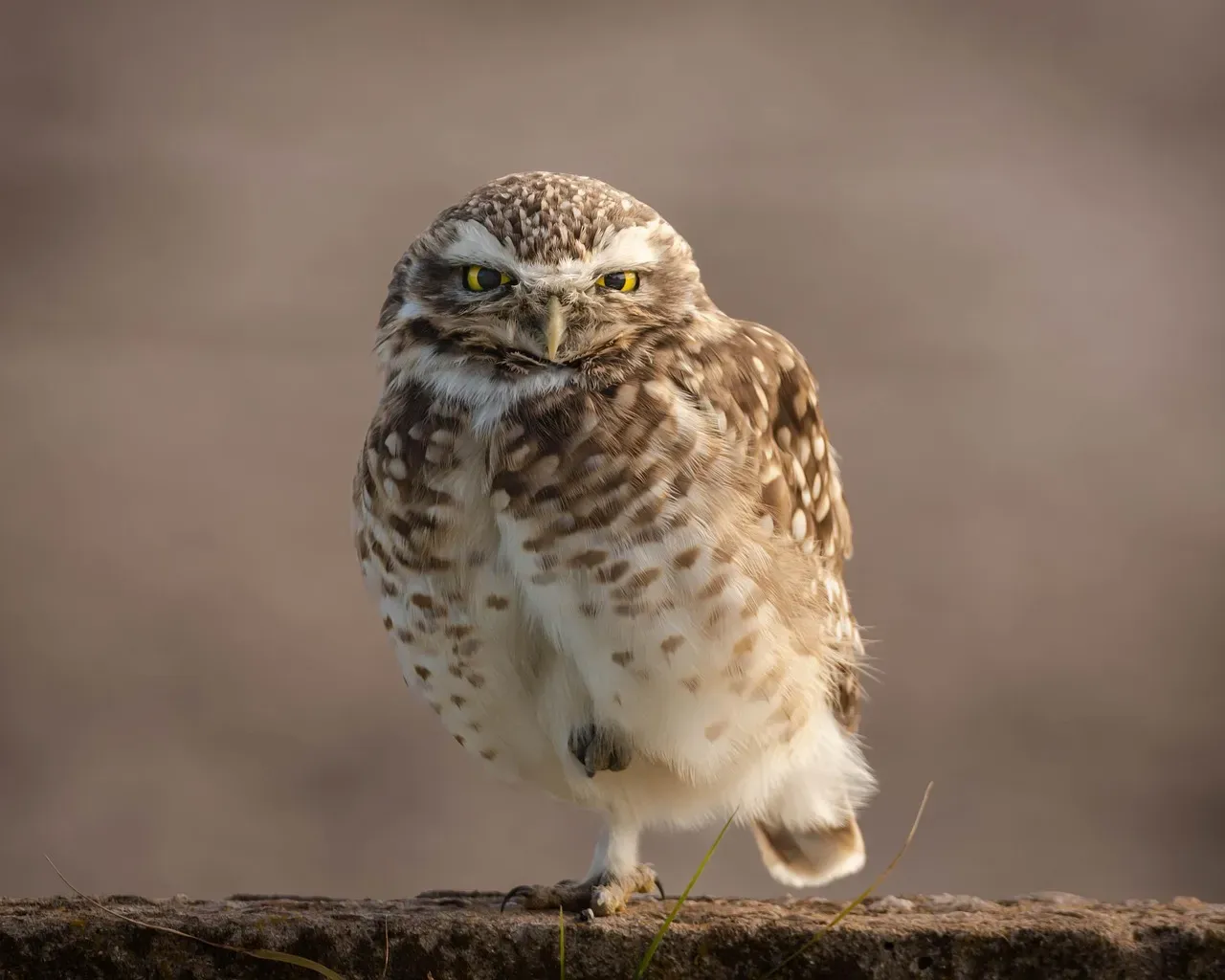
In Celtic mythology, Owls knew the way to the underworld and were fierce defenders of truth and honor. The Celts didn’t mess around when it came to owls. For the Celtic people, the Owl is a sinister creature that symbolizes death, the underworld and rebirth, and the old Celtic word for owls was scréachóg reilige, which means shrill graveyard bird.
They believed that when a person dies, the Owl guides the soul to the underworld. This wasn’t necessarily negative, though. The most positive image of owls in Celtic mythology is their connection to the Goddess in her crone or old woman form, linking them to wisdom that comes with age and experience, the kind of knowing that only reveals itself after you’ve lived through darkness.
The Celtic Owl was tied closely to the ancient Goddess of fertility and frequently appears in knotwork and bestiaries, being revered for its ability to see in the dark and acting as a messenger between humans and the Divine. The Celts proudly displayed owl imagery on their belongings, treating these birds as sacred intermediaries.
There’s something poignant about how the Celts embraced both the ominous and the illuminating aspects of owls. They didn’t try to sanitize the symbolism. Death, wisdom, fertility, the underworld – it all coexisted in their understanding of what owls represented.
Ancient Egypt: Death, Language, and the Night
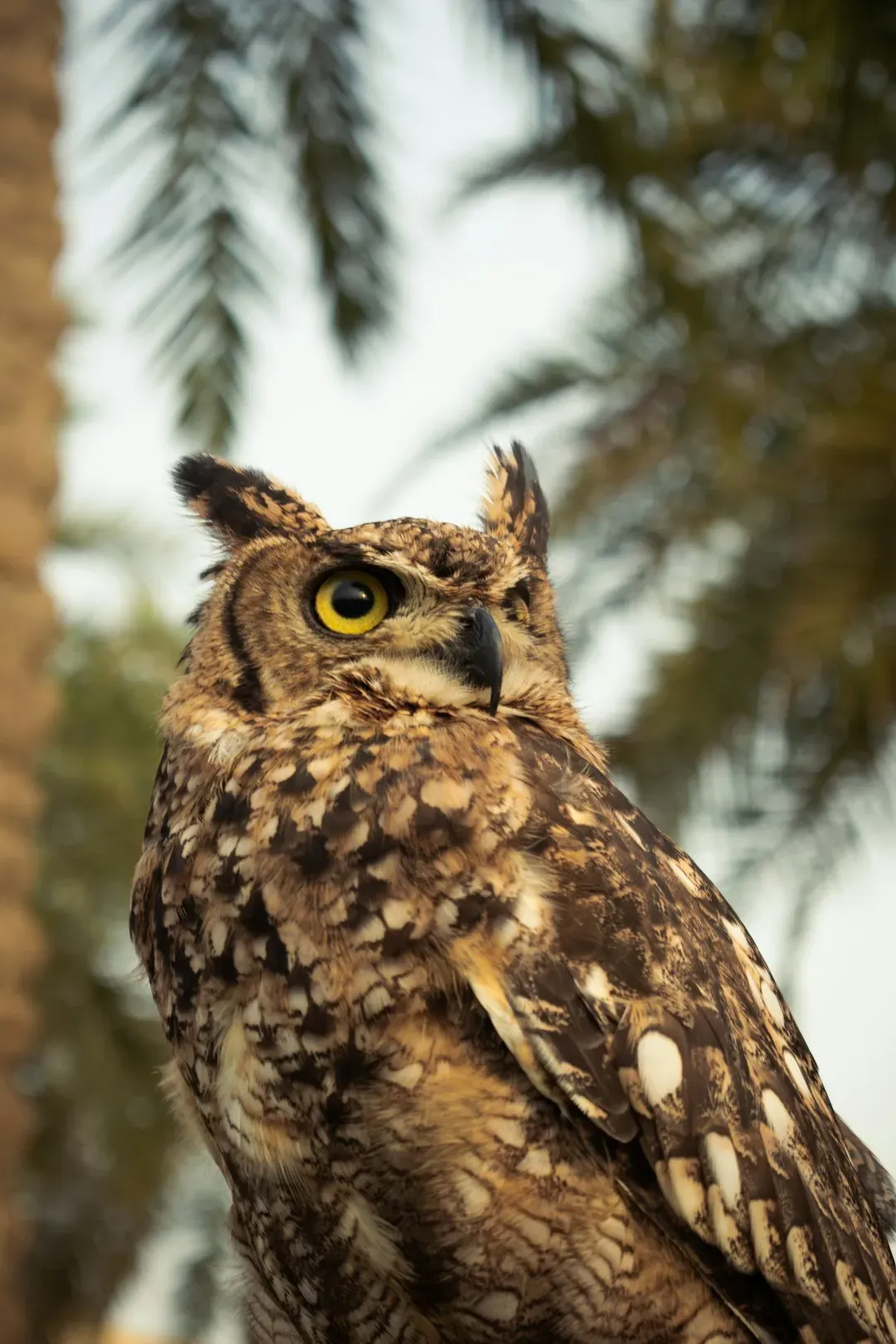
Here’s where things get genuinely surprising. In Ancient Egypt, the owl was not a symbol of wisdom – that is a Greek concept associated with the goddess Athena; instead, to the Egyptians, the owl represented the mysteries of the night, the precision of language, and occasionally, death. The Egyptians saw owls through an entirely different lens.
The owl was a symbol of sickness, evil, and death in ancient Egypt. Owls were known as keen-sighted hunters but were also associated with mourning and death. The owl had been the hieroglyphic symbol for the letter M, and ancient Egyptians believed that the spirit of the deceased wanders at night in the air as a bird with a human head, much like an owl.
Despite these darker associations, the Pharaoh owl was much respected and was honored through mummification and sculpture. Their hunting skills were clearly appreciated by ancient Egyptians, even if the symbolic weight leaned toward the funerary and nocturnal realms.
The Egyptian perspective reminds us that wisdom isn’t universal. What one culture venerates, another might fear. The owl’s connection to language through hieroglyphics is particularly interesting – a practical, linguistic role that coexisted with its spiritual significance.
Native American Perspectives: Spirit Guides and Omens
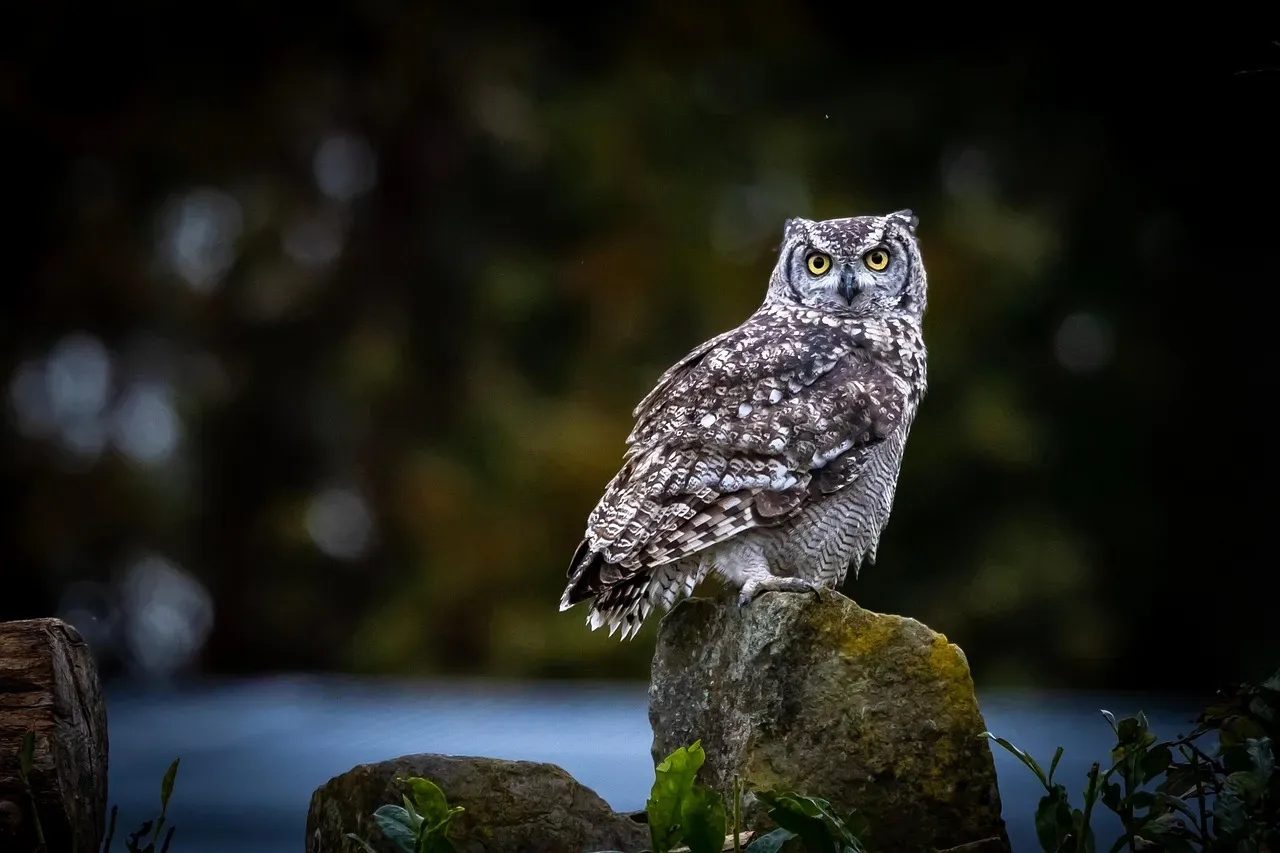
Many Native American cultures considered owls to be symbols of wisdom and strength due to their mysterious night activity and power as birds of prey, and many considered them to be protectors of warriors and carriers of ancestral souls. Yet this is only part of the picture. Native American beliefs about owls are incredibly diverse, varying dramatically from tribe to tribe.
Tribes like the Lakota, Omaha, Cheyenne, Fox, Ojibwa, Menominee, Cherokee, and Creek consider owls to be either an embodied spirit of the dead or associated with a spirit in some way, and the owl’s hoot in the night is believed to be the call of the deceased, seeking to communicate with the living. This connection to the afterlife runs deep.
Other Native American groups view owls in a different light, as carriers of ancient knowledge and deep, mystical wisdom; to them, the owl represents a connection to the spirit world, a symbol of foresight and intuition. Practitioners of Native American spiritual traditions hold that the owl represents vision and insight, and the Cree believe that the whistle-sounds of the Boreal Owl are a summoning call to the spirit world.
Among the Navajo people, the owl carries a dual symbolism; they are seen as messengers of death, but the Navajo also regard owls as protectors of their medicine men, who seek guidance from these creatures during their spiritual quests, making the owl a symbol of wisdom and a link to the unseen forces that shape their world.
The richness and complexity of these beliefs defy simple categorization. Owls occupy liminal spaces in Native American spirituality – neither wholly good nor bad, but powerful, mysterious, and worthy of respect.
Conclusion
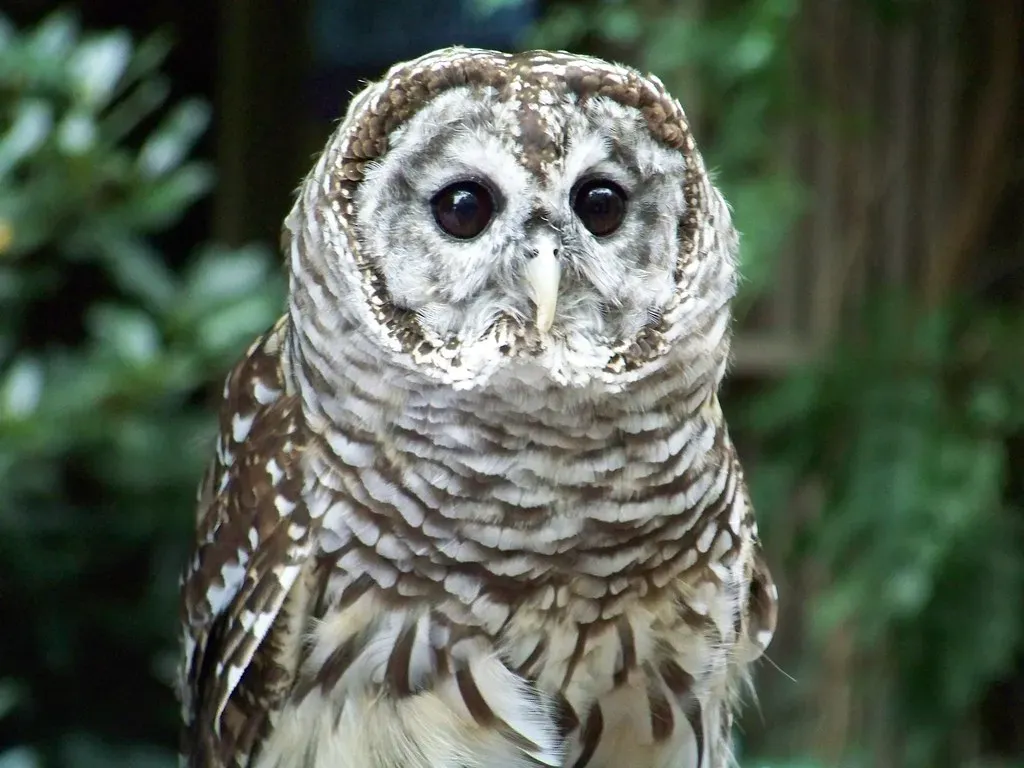
Looking across these ancient cultures, a pattern emerges that’s more complicated than “owls equal wisdom.” Yes, the Greek influence gave Western civilization that association, but dig deeper and you find death omens in Rome, underworld guides in Celtic lands, hieroglyphic symbols in Egypt, and spirit messengers among Indigenous peoples. The owl’s large, penetrating eyes and nocturnal habits made it a natural candidate for symbolism, but what that symbolism meant depended entirely on cultural context.
Honestly, I think that’s what makes owls such enduring symbols. They hold space for contradiction. They’re simultaneously wise and ominous, protectors and harbingers, guides through darkness and creatures of death itself. Ancient peoples recognized something essential in owls: the understanding that true knowledge isn’t always comfortable or straightforward.
Maybe the real wisdom of the owl isn’t about being smart in a conventional sense – it’s about seeing what others miss, operating in spaces where most fear to tread, and embodying mysteries that can’t be fully explained. These ancient cultures understood that, each in their own way. What does the owl’s gaze reveal to you?