
10 Ways To Calm Your Dog’s Anxiety When You’re Not At Home
You’ve probably seen it. That heartbreaking look as you reach for your keys. The way your pup shadows you from room to room, whining softly, maybe pawning at your leg. When you finally close the door behind you, the soundtrack changes. Maybe it’s endless barking. Maybe it’s the destruction you’ll find later, furniture chewed, pillows shredded, accidents on the floor even though your dog hasn’t had an accident in years.
Between 20 and 40 percent of dogs suffer from separation anxiety, which means if your dog is struggling, you’re definitely not alone. Here’s the thing. Separation anxiety can be thought of as the equivalent of a panic attack in dogs. It’s not stubbornness or bad behavior. It’s genuine distress, and it deserves our compassion and attention. Let’s dive into ten practical, proven ways you can help ease your dog’s anxiety when you have to leave them at home.
Create a Safe, Comforting Space Just for Them

Dogs benefit from a safe place they associate with positive things like treats, toys, or undisturbed rest, and a dog bed or mat is perfect because it’s portable. Think of it as their personal sanctuary. This could be a cozy corner with their favorite blanket, a covered crate they already love, or even a quiet room away from windows and doors.
You want a cozy crate equipped with their favorite blankets, toys, and possibly an item with your scent, creating an environment where your dog feels protected from their anxiety triggers. The scent of your worn t-shirt or an old pillowcase can work wonders. Just make sure this space is associated only with calm, positive experiences so your dog naturally gravitates there when stress kicks in.
Tire Them Out Before You Go
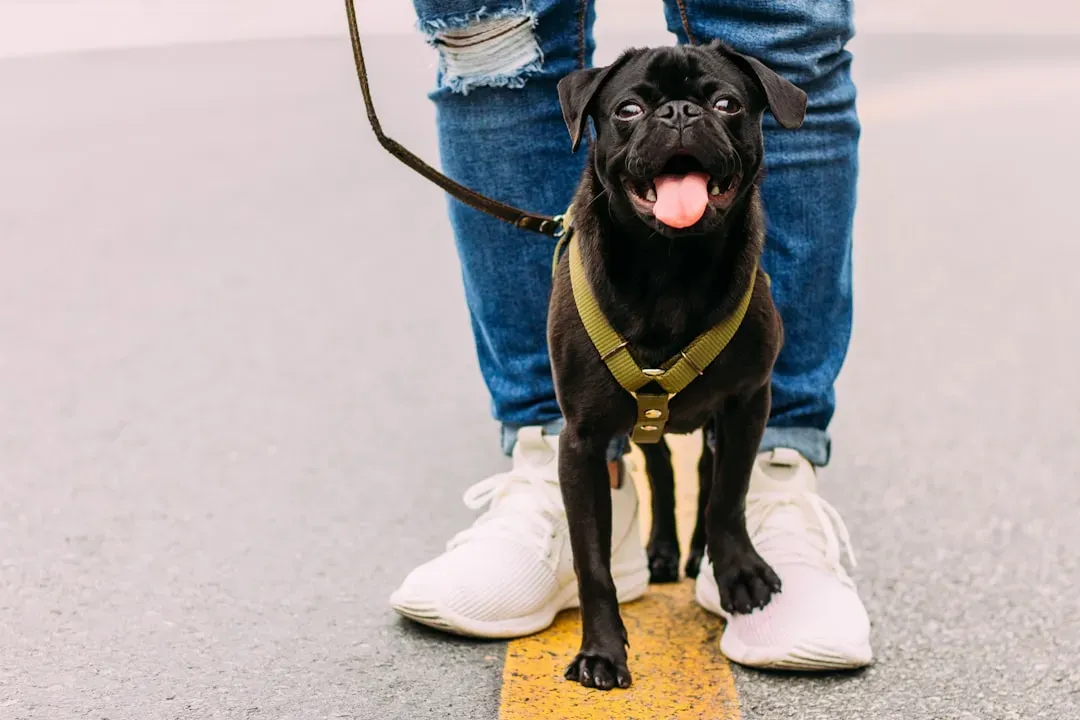
Let’s be real. A tired dog is usually a calmer dog. Tiring out your dog physically and mentally is the best tool you have for treating separation anxiety. Before you leave, take your dog on a longer walk than usual, maybe exploring new routes where they can sniff to their heart’s content.
Try taking your dog on a long walk, allowing lots of sniffing, and then bring out puzzle toys, long-lasting treats such as a stuffed frozen Kong, or other enrichment before you leave. Mental stimulation matters just as much as physical exercise. After a good workout and some brain games, your pup will be far more likely to settle down and nap while you’re gone.
Practice Gradual Departures
One of the most effective techniques involves desensitizing your dog to your leaving routine. First, practice leaving without opening the door by putting on your shoes, picking up your keys, and walking to the door, but don’t leave. Do this over and over until your dog stops reacting.
Begin by leaving your dog alone for short periods, just a few minutes at first, and gradually increase the time you are away, always rewarding calm behavior upon your return. It takes patience, honestly. Some dogs need weeks or even months of this gradual training. Start with absences as short as thirty seconds, then build up slowly. The goal is teaching your dog that you always come back.
Keep Your Comings and Goings Low Key
I know it’s tempting to make a big fuss over your dog when you leave or return home. We want to reassure them, right? Actually, that can backfire. You should keep your departures and your return home as chill as possible to avoid reinforcing your pet’s anxiety with your own.
Try ignoring your dog for a few minutes before you leave and when you first get home. It sounds harsh, but it helps normalize your absence. Once your dog is calm, then you can offer affection and attention. This teaches them that your leaving and returning isn’t a dramatic event worth getting worked up about.
Use Calming Music or White Noise
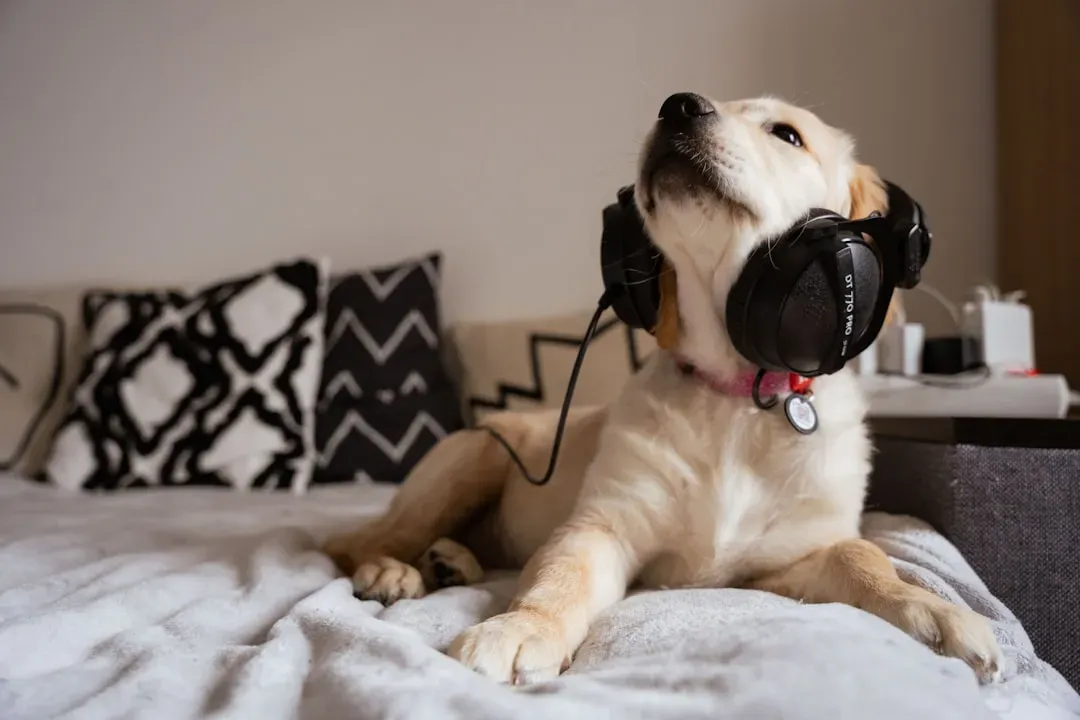
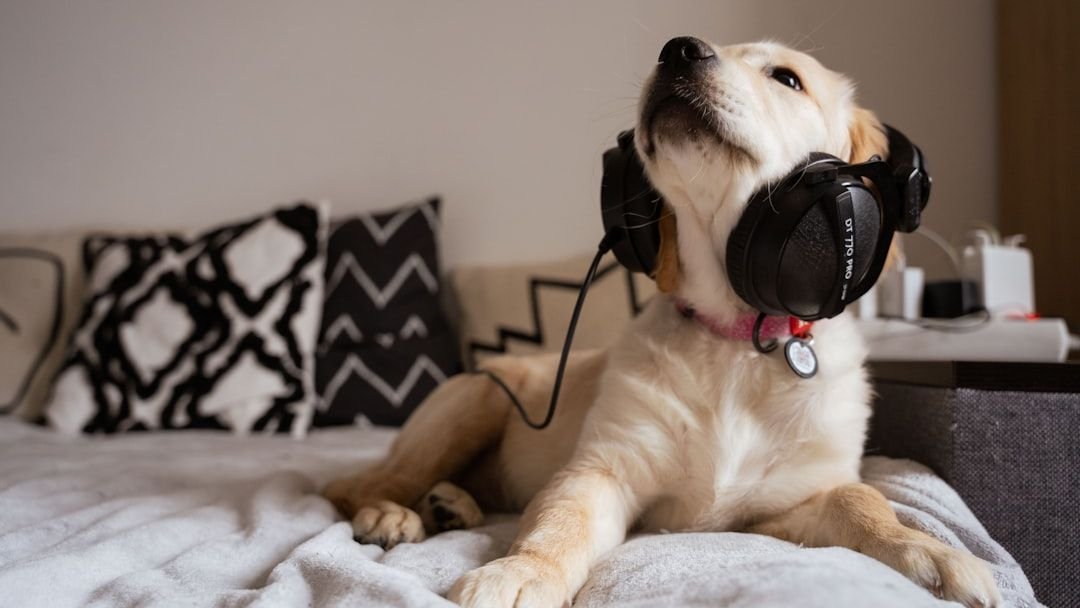
When dogs experience anxiety, music or white noise can help calm them down by providing a soothing and calming environment that naturally reduces their stress and anxiety levels. Research has shown that many dogs prefer classical music, though some studies suggest dogs might also respond well to reggae.
Music or white noise can also drown out the unpredictable noises from thunderstorms or fireworks that trigger anxiety. Leave the radio or TV on, or use specially designed playlists for anxious dogs. It fills the silence and masks outside sounds like neighbors, delivery trucks, or other dogs that might set off your pup’s anxiety.
Try a Pressure Wrap or Anxiety Vest
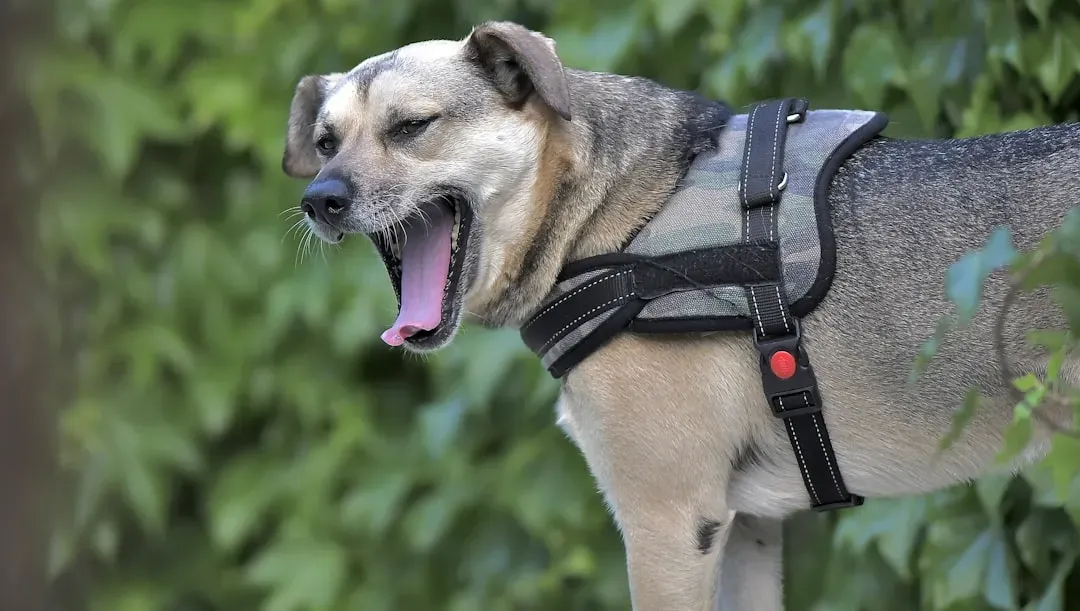
Garments like Thundershirts help dogs cope with many types of stressful situations by gently applying pressure to your dog’s body, which can make them feel hugged and soothe anxieties. Think of it like a comforting hug that lasts as long as they need it.
These products work for many dogs, though not all. Some pups find the gentle compression incredibly reassuring, while others might not respond as strongly. It’s worth trying, especially combined with other calming strategies. Just make sure the fit is snug but not restrictive, and introduce it gradually with positive associations.
Provide Engaging Toys and Puzzle Feeders
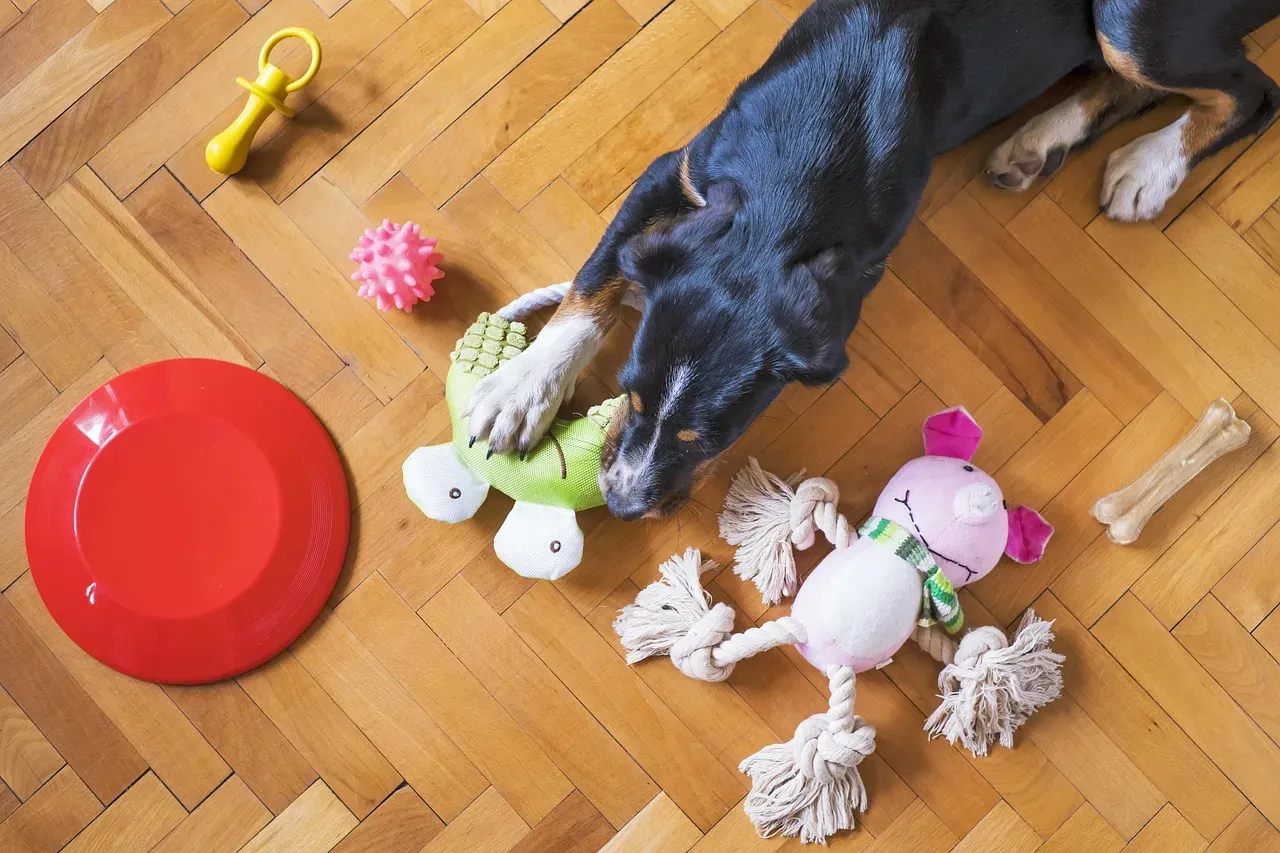
Boredom can amplify anxiety, so giving your dog something interesting to focus on helps tremendously. Games can be a great way to ease your dog’s nerves and distract them from their anxiety triggers, especially calm games that engage your dog’s brain rather than riling them up.
You can give your dog a long-lasting chew such as a stuffed Kong toy, a meat-flavoured chew or a treat ball when you plan to go out. Save the really special treats for when you leave. Over time, your dog might even start looking forward to your departures because they know something wonderful is coming their way.
Consider Calming Supplements or Pheromone Diffusers
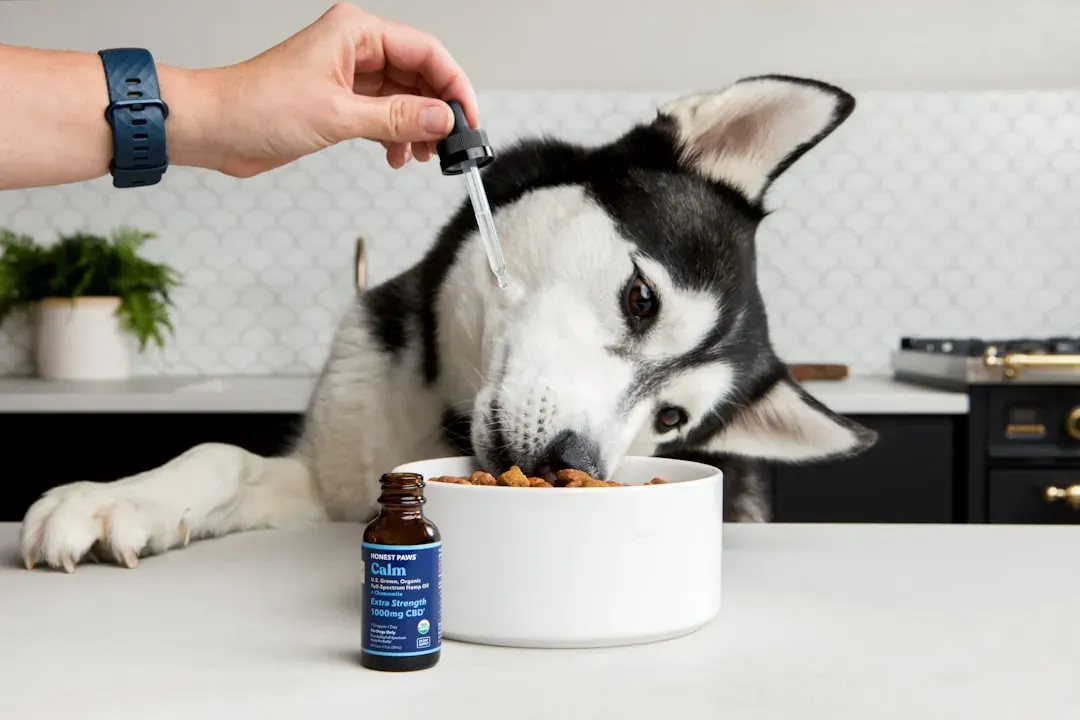
Synthetic pheromones like Adaptil can help calm dogs when they’re in a new environment or feeling anxious, and are available in diffusers, sprays, and collars. These products mimic the natural calming pheromones that mother dogs produce for their puppies.
There are also various natural supplements available. Lavender and chamomile are two of the most well-researched scents known to calm dogs, with studies showing that lavender can reduce barking, movement, and signs of stress. Always check with your vet before starting any new supplement, but many dog owners find these non-prescription options helpful for mild to moderate anxiety.
Stick to a Predictable Routine
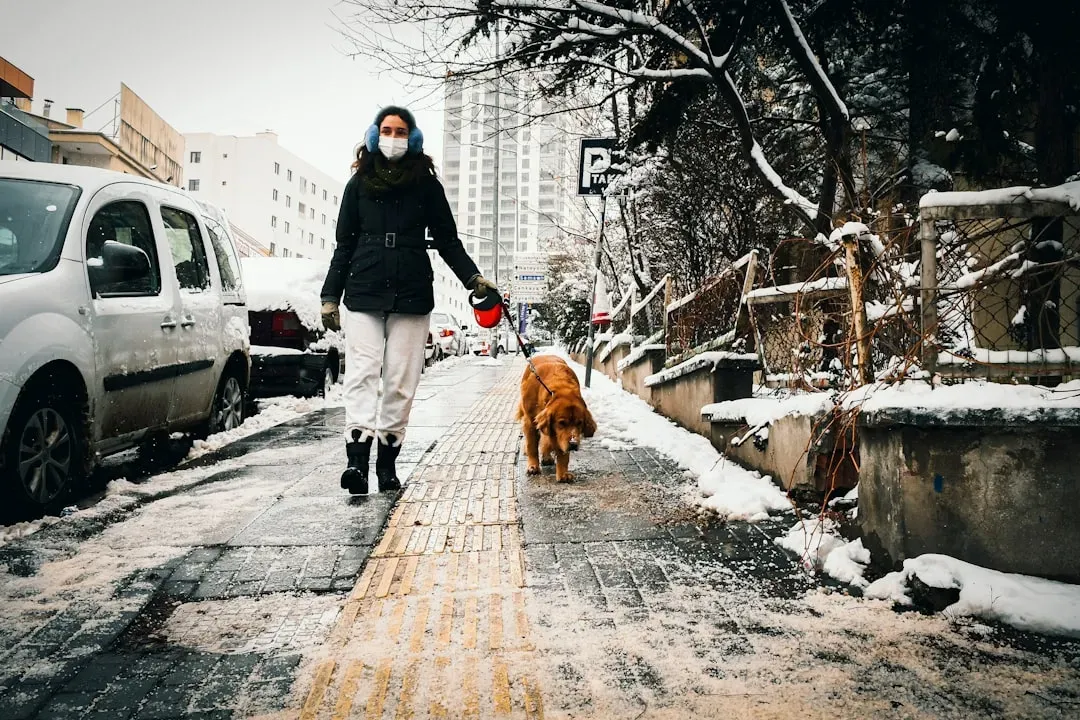
It’s essential to establish a routine for your dog so they feel comfortable and secure, as dogs are creatures of habit and thrive on predictability and structure. When your dog knows what to expect and when, it reduces overall stress levels significantly.
Leave at the same time, come home at the same time, and eventually they develop a level of comfort with the idea that you’ve come back before, so you’re going to come back again. This consistency builds trust and confidence. Feed them at the same times, walk them at regular intervals, and try to maintain consistent departure and arrival times on workdays.
Know When to Seek Professional Help

Sometimes, despite our best efforts, anxiety is severe enough that professional intervention becomes necessary. If you think the dog is suffering, if you are suffering, or if your relationship with the dog is suffering, then anti-anxiety medications are a solid option, and by the time most owners resort to seeing a behaviorist, their dogs need medication.
Early recognition, intervention, and treatment are important to prevent symptoms of separation anxiety in dogs from worsening, and multiple forms of management are available to help a dog with separation anxiety. Your veterinarian can rule out underlying health issues and refer you to a certified animal behaviorist if needed. There’s absolutely no shame in asking for help. In fact, it shows how much you care about giving your dog the best possible life.
Conclusion

Living with a dog who experiences separation anxiety can feel overwhelming for both of you. The destroyed furniture, the neighbor complaints about barking, the guilt you feel every time you have to leave. It’s exhausting and heartbreaking. Here’s what I want you to remember though: your dog isn’t being difficult or vindictive. They’re genuinely scared, and with patience, consistency, and the right strategies, things really can get better.
The techniques we’ve covered work best when combined together and tailored to your individual dog’s needs. Some dogs respond beautifully to one or two changes, while others need a more comprehensive approach. Give each strategy time to work, celebrate small victories, and don’t hesitate to reach out to your vet or a certified behaviorist if you need additional support. Your dog is lucky to have someone who cares enough to help them through this. What strategies have worked best for your anxious pup? We’d love to hear about your experiences.