
How To Prepare Your Dog For Its Journey Across The Rainbow Bridge
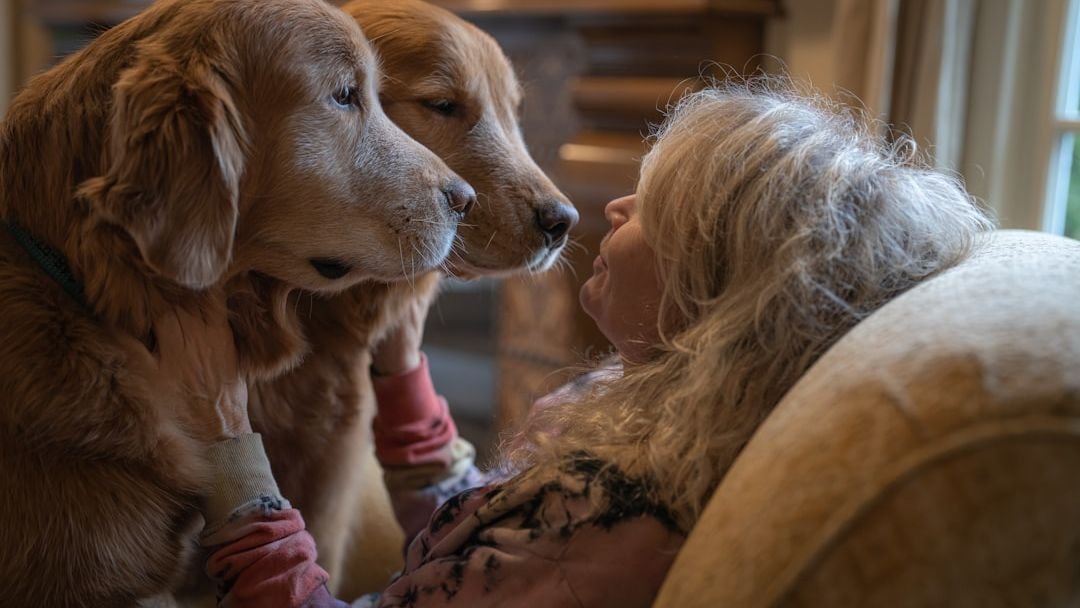
There comes a moment in every dog lover’s life when love takes on its most tender, most selfless form. It’s when the joyous years of tail wags and wet noses begin drawing to a close. It’s when you realize the hardest thing you’ll ever do for your four-legged best friend is the kindest.
This isn’t a conversation anyone wants to have. We’d all rather freeze time back when they were young and boundless. Yet here we are, and if you’re reading this, you’re likely facing one of life’s most profound heartbreaks. Let me walk with you through this difficult terrain, not as a stranger, but as someone who understands what it means to love a dog so deeply that letting them go becomes an act of grace.
Recognizing When the Sunset Is Near

Loss of weight, appetite, energy, mobility, and bodily functions are all signs that a dog may be nearing its end. You know your dog better than anyone else on earth. Decreased mobility is a common symptom of aging and will steadily get worse, which may be due to pain from arthritis or other injuries, loss of muscle mass causing a decrease in strength, or unsureness because of declining vision. Watch for subtle changes that become unmistakable over days and weeks.
A drastic decrease in energy levels is another common sign, as dogs who are nearing the end of their lives may spend most of their time sleeping or appear uninterested in the activities they once loved. Maybe your pup no longer greets you at the door with enthusiasm, or perhaps their favorite squeaky toy sits untouched. Canine Cognitive Dysfunction is very similar to dementia in humans, with early signs including pacing at night, fussiness, and irritability.
Dying dogs will find it difficult to regulate their body temperatures, losing control over their bodily functions and growing vulnerable to becoming hot or cold. Sometimes breathing becomes labored or irregular. These aren’t easy things to witness, and honestly, your heart will ache watching them struggle.
The Quality of Life Conversation Nobody Wants But Everyone Needs
Here’s the thing about quality of life. It’s messy and subjective and emotionally loaded. The HHHHHMM scale stands for Hurt, Hunger, Hydration, Hygiene, Happiness, Mobility, and More Good Days than Bad. This framework helps you step back and assess things more objectively, even when your heart is screaming to hold on just one more day.
Many people use a calendar to track good and bad days, which makes patterns stand out and helps guide choices. Mark a plus sign on the calendar for days when your dog still seems to find joy, and a minus for the difficult ones. When the minuses begin to outnumber the pluses consistently, that’s your dog speaking to you in the only language they have left.
Veterinarians often recommend quality of life scales precisely because emotions can cloud our judgment. By assigning scores or ratings to each factor, the scale provides an objective way to track changes in your dog’s quality of life over time, gauge the effectiveness of treatments or interventions and make informed decisions regarding the dog’s care. It’s hard to do, I know. You want more time. But sometimes love means recognizing when time has become a burden rather than a gift.
Creating Comfort in Their Final Chapter
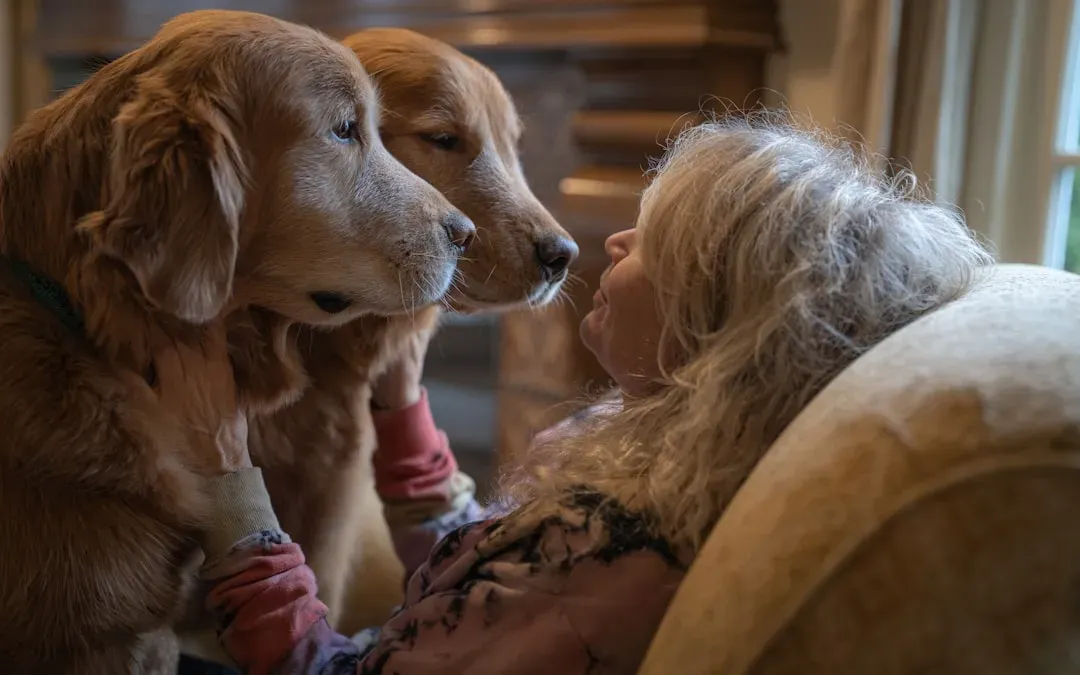
Pet hospice care, also known as palliative care, is an option if your pet is suffering from a terminal illness and a cure is not possible, with the goal to make a pet’s final days or weeks more pleasant with the proper use of pain medications, dietary strategies and human interaction. Think of hospice not as giving up, but as shifting gears toward comfort and connection.
Provide a calm and quiet area for your dog to rest, away from excessive noise or activity, using comfortable bedding to relieve pressure points and provide a cozy spot for them to lie down. Their favorite spot under the kitchen table, that sunny patch by the window, wherever they’ve always felt safest becomes sacred ground now. Soft blankets, gentle lighting, maybe some classical music playing low in the background.
Pain management becomes absolutely critical at this stage. You want to ensure maximum comfort if your dog is in pain, so consult a vet for medications or palliative care to help your dog pass away peacefully. Don’t let them suffer because you’re afraid of what medication might mean. Keeping them comfortable is the greatest gift you can offer right now.
Offer gentle petting and cuddling if your dog enjoys it, but be mindful of their comfort level which may be changing. Some dogs want to be close; others seek solitude. Let them guide you. Your presence matters more than you realize, even if they seem distant.
Making the Impossible Decision With Grace

Let’s be real about euthanasia. The word euthanasia literally means good death, and it is the process of ending a life humanely and painlessly, an act of compassion, mercy, and love to relieve further pain and suffering when little more can be done to help a pet. It’s arguably the last great act of love you can give your companion.
During the procedure, your vet will inject your pet with a sedative followed by a special medication, and the animal experiences no awareness of the end of life, with the process being akin to undergoing general anesthesia for a surgical procedure and taking about ten to twenty seconds. Most dogs simply drift off to sleep in your arms, peacefully and without fear.
Some veterinarians specialize in at-home euthanasia or incorporate it into their practice, which is often preferred because the pet’s final moments take place in a familiar setting surrounded by the ones they love, and at-home euthanasia does not require a sick pet to be transported in a car and can avoid the anxiety often associated with the veterinary clinic.
Deciding when is perhaps the hardest part. If you wish for a peaceful, calm, loving, family-oriented, in-home end-of-life experience for your pet, you will probably need to make the decision a little sooner than you want, with this decision not being about ending suffering that has already occurred, but about preventing any suffering in the first place. Better one day too early than one moment too late.
The Final Goodbye: What to Expect and How to Cope

To make the most of your remaining time together, try to create special memories you can cherish, such as snuggling on the couch or soaking up the sunshine outdoors, and above all, give your pet your time and presence as they will appreciate the love and comfort you provide during this difficult time. Spoil them with their favorite treats if they can still eat. Take them to that spot they always loved, even if it’s just sitting in the backyard.
Pet parents are encouraged to speak loving words to their dogs throughout the procedure, as hearing familiar, comforting voices from family is an incredible gift of love that lasts until the end of your pet’s life. Tell them what they meant to you. Thank them for every walk, every cuddle, every moment of unconditional love they gave so freely.
Some worry about whether they should be present. Many pet parents later say that they regretted not being there when their pet was euthanized. There’s no wrong choice, but being there offers closure that absence sometimes cannot provide. Your dog has spent their entire life loving you; being there as they leave seems the least we can do.
After they’re gone, grief will hit in waves. Some days will feel impossible. Surround yourself with healthy outlets for grief and supportive relationships, and if your grief is becoming overwhelming, join a grief and loss support group or engage the service of a professional counselor, with such resources existing in generalized support and specialized support for pet loss.
Preparing your dog for their journey across the Rainbow Bridge isn’t about following a checklist or doing everything perfectly. It’s about love in its purest, most heartbreaking form. It’s about recognizing that sometimes holding on is selfish, and letting go is brave. Your dog gave you years of devotion, asking nothing in return except your love. Now they’re asking for one final kindness: the freedom to go gently into whatever waits beyond.
Did the time you had together feel long enough? Of course not. It never is. What do you think matters most in those final moments?