
10 Surprising Household Items That Double as Your Dog’s Favorite Enrichment Toys
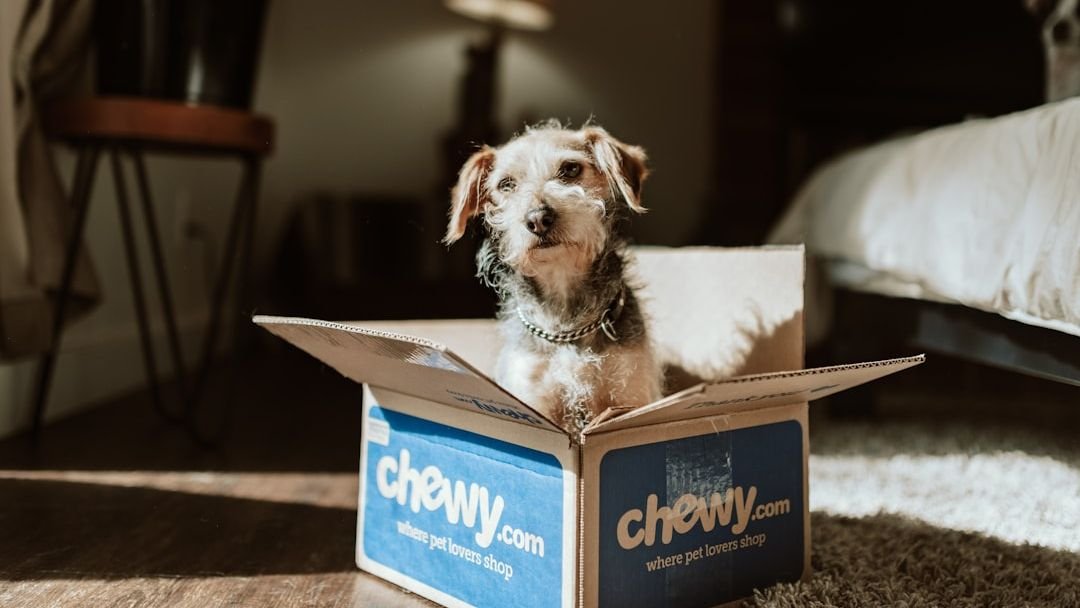
You know that moment when you bring home an expensive new toy for your dog, only to watch them ignore it completely in favor of the cardboard box it came in? That tells you something important about dogs. They don’t need fancy gadgets to stay happy and engaged. In fact, some of the best enrichment tools are probably sitting in your kitchen drawer or recycling bin right now.
Nearly 40% of dog owners report their furry friends facing boredom-related behavioral issues. That destructive chewing, excessive barking, or restlessness you’re seeing might not be misbehavior at all. It’s often just a bright mind begging for something to do. The good news? Mental exercises can actually make dogs even more tired than physical exercise. So while that daily walk is essential, adding mental challenges can transform your dog’s day without exhausting yourself.
Let’s explore the surprisingly simple household items that can become your dog’s new obsession. You might be amazed at what you already have.
The Humble Muffin Tin and Tennis Balls
This combination is honestly genius in its simplicity. Place treats in several cups of a muffin tin and cover all the cups using tennis balls, soft toys, or crumpled paper. Your dog has to figure out which cups contain the goodies, working their nose and problem-solving skills simultaneously.
The beauty here is the adaptability. Start easy by only covering the treat-filled cups, then level up by covering them all once your dog gets the hang of it. It’s a great way to work their sense of smell and practice problem-solving. I’ve seen dogs of all ages become absolutely absorbed in this game, from puppies learning patience to senior dogs keeping their minds sharp.
Old Towels and Blankets

That frayed beach towel you’ve been meaning to toss? Hold on to it. Lay a towel flat and scatter small treats or kibble across the surface, roll or fold the towel to hide the treats within the layers, and let your dog sniff and unroll the towel to uncover their rewards. This taps directly into their natural foraging instincts.
You can make it more challenging by knotting the towel or rolling it tighter. Some dogs will paw at it, others will use their noses, and the really clever ones develop their own technique. The satisfaction they get from working through each layer is visible. Their tails wag faster, their eyes brighten, and that restless energy transforms into focused engagement.
Cardboard Boxes from Deliveries
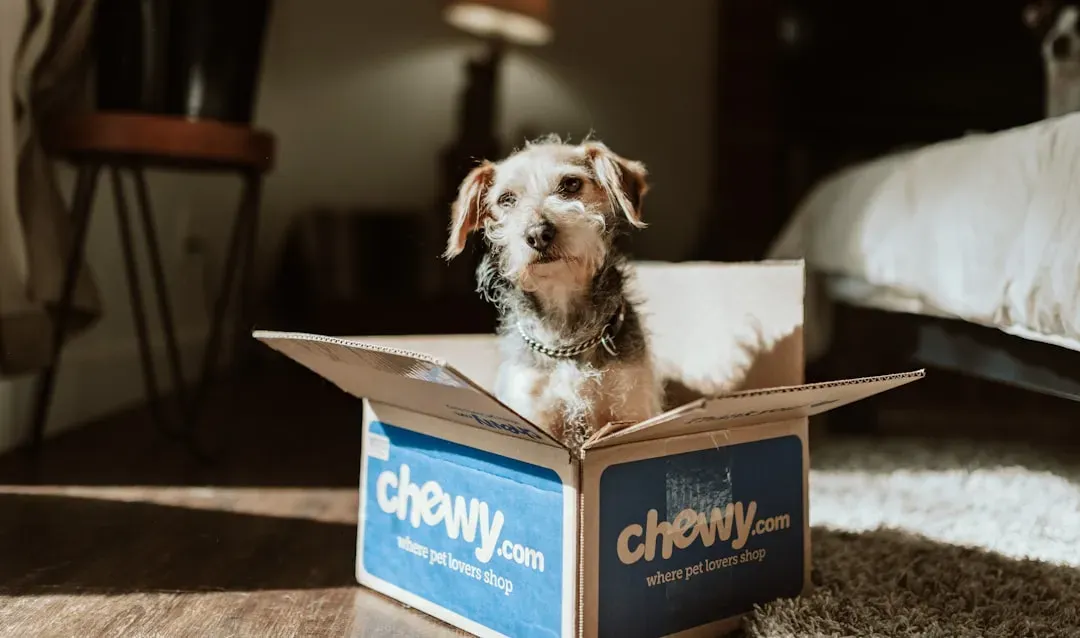
Before you break down that Amazon box for recycling, consider its second life as enrichment. Place a few toys or treats inside the box, add crumpled paper, toilet paper rolls, or other safe fillers to create layers, and watch as your dog digs and searches for the hidden goodies. The different textures and sounds provide sensory stimulation that puppies especially love.
Here’s the thing about cardboard: it’s naturally satisfying to destroy. Channel destructive urges into an appropriate outlet by allowing your dog to destroy cardboard destined for the recycling bin, stashing dog treats in an empty paper towel tube and allowing your dog to roll and rip it. Just supervise to ensure they’re shredding, not swallowing large pieces. The controlled destruction is actually therapeutic for many dogs.
Empty Plastic Bottles
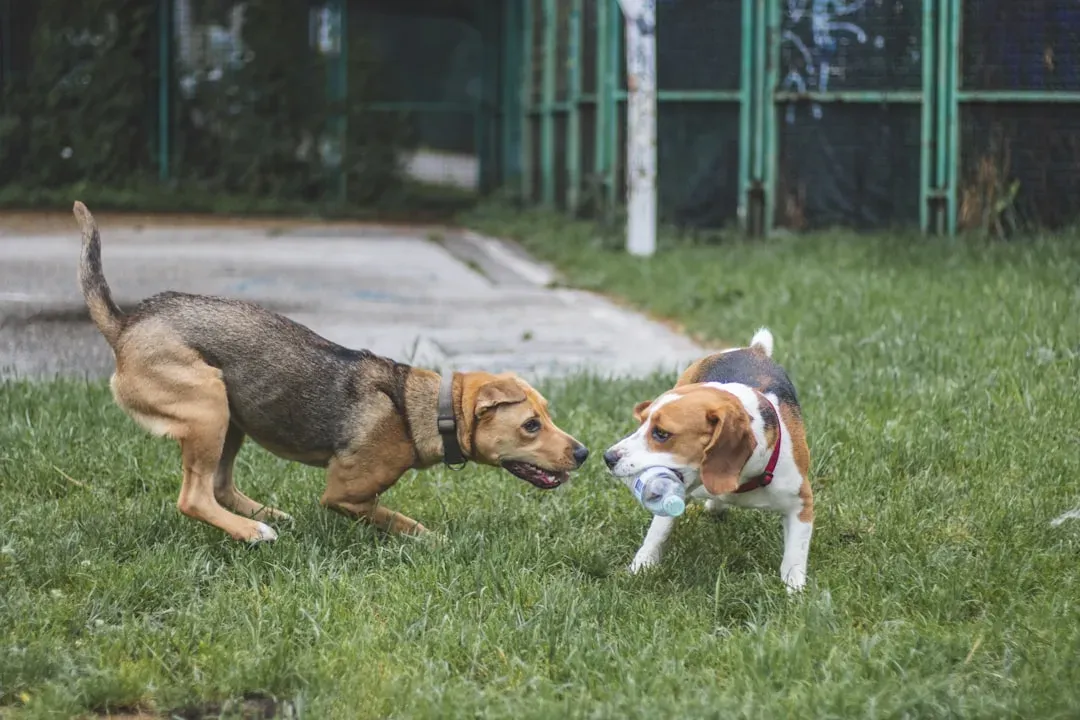
That water bottle you just finished? Place kibble or treats inside an empty plastic bottle (remove the cap and label) for a noisy, interactive toy. The crinkling sound and rolling motion create an unpredictable challenge that keeps dogs engaged far longer than you’d expect. Some dogs will bat it around for ages, figuring out how to make the treats fall out.
You can even slip the bottle inside an old sock and tie it off for dogs who might be aggressive chewers. Remove the cap and label from an empty plastic water bottle, place it inside an old sock, tie off the open end. The crunch remains satisfying, but there’s an extra layer between teeth and plastic. Always supervise this activity though, because safety comes first.
Toilet Paper Rolls and Paper Towel Tubes
These cylindrical treasures are perfect for quick enrichment sessions. Take an empty toilet paper roll and fold in one end, fill it with treats or kibble, then fold in the other end. Your dog will bat, roll, and eventually tear it open to claim their prize. It’s a mini puzzle that provides instant gratification without being too frustrating.
The simplicity is what makes this work so well. You can make several in advance and hand them out throughout the week. Think about things that can hold food that you might otherwise toss in the trash, such as empty cereal boxes (make sure to take out the bag – those are a huge suffocation risk), toilet paper rolls, empty egg cartons, empty cardboard boxes, packing paper, and more. Honestly, most dogs don’t distinguish between a five dollar toy and a free toilet paper roll if both dispense treats.
Ice Cube Trays for Frozen Delights
Hot summer day? Fill an empty ice cube tray or a silicone mold with pet-safe treats like peanut butter, broth, or mashed banana, add water and freeze, and once solid, these icy treats double as a fun mental challenge and a refreshing snack on hot days. The licking and problem-solving combo is incredibly soothing for anxious dogs too.
You can get creative with ingredients, mixing kibble into low sodium broth or adding small pieces of dog-safe fruits. The extended licking time releases endorphins and naturally calms dogs down. I think it’s particularly brilliant for dogs who need to decompress after high-energy play or stressful situations.
Old T-Shirts for Tug Toys
Got t-shirts with holes or stains heading to the donation pile? Cut your t-shirts into strips that are about 1-2 inches wide, aim for equal lengths to achieve a balanced braid, tie the ends of three strips together in a secure knot to begin, then start braiding the strips together. You’ve just created a durable tug toy for absolutely free.
The fabric is soft on their teeth and gums, making it perfect for puppies or senior dogs. Tugging satisfies that natural pulling instinct and provides excellent physical exercise without equipment. Just one caution: If your dog already has a habit of stealing your clothes to chew on, avoid these types of DIY toys and practice safe management to prevent grabbing inappropriate items. You don’t want to accidentally teach them that all fabric is fair game.
Muffin Tin with Water for Icy Treats
This variation takes the basic muffin tin game to another level. Fill each muffin cup with water or low-sodium chicken broth. Freeze overnight, and you’ve got individual ice pucks that dogs can lick and chase as they melt. It’s especially entertaining on warm days when dogs need cooling relief.
Some dogs will carry them around like trophies, others will pin them down and systematically lick them into oblivion. The melting process creates an evolving challenge as the ice changes shape and becomes easier to manipulate. It’s simple physics meeting canine curiosity, and the result is usually a very content, cooled-down dog.
Household Items for DIY Agility Courses
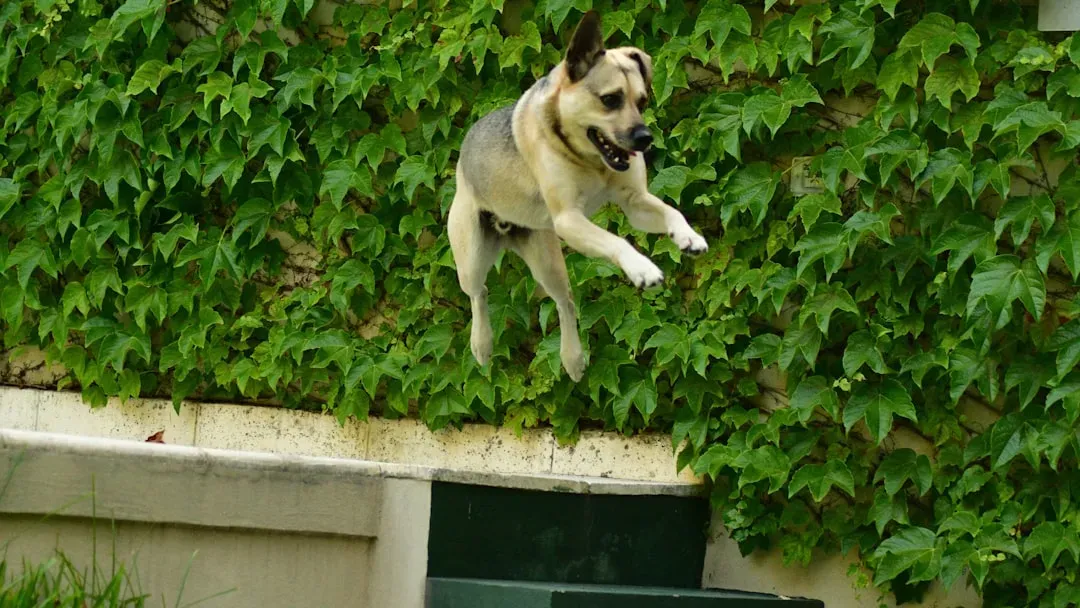
Use blankets, pillows, and plastic cups to create obstacles for your dog to navigate, adding a jumping bar by placing a broomstick between two chairs or on top of step stools if your pup is shorter. Your living room can transform into a mini agility course without purchasing a single thing. Chairs become weaving poles, broomsticks become jumps, and boxes become tunnels.
Set up your dining room chairs and have your dog weave through them, or set up a broom or mop to have them jump over, and your dog will be following your cues to get through the course, but they’ll be having so much fun that they won’t even realize you’re training them! The mental and physical combination exhausts them in the best possible way. Plus, it strengthens your bond as you work together through each challenge.
Socks and Squeaky Balls
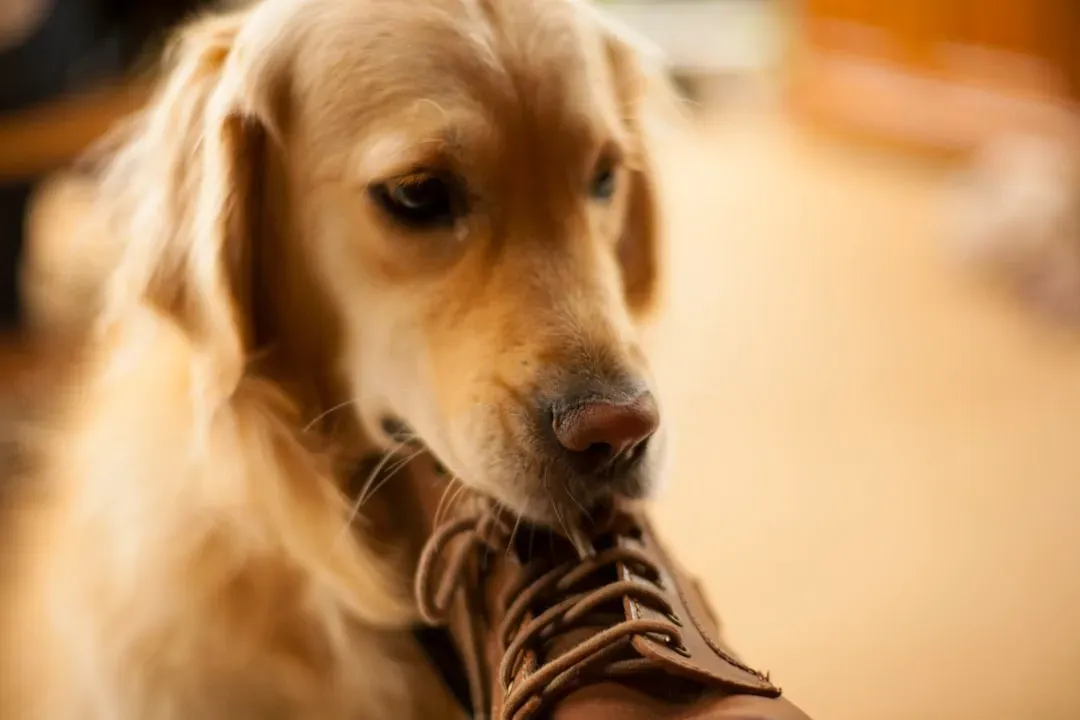
Find that lonely sock whose partner vanished in the dryer? Stuff a small squeaky ball or crinkly water bottle inside and tie a knot at the end. You’ve created a textured, noisy toy that combines multiple sensory experiences. The unpredictability of the squeaking combined with the soft sock exterior makes it interesting for dogs who like variety.
This works particularly well for dogs who love to carry things around. The sock gives them something substantial to grip, while the hidden surprise inside keeps them guessing. It’s like a present they can unwrap over and over. Just make sure the sock is large enough that it can’t be swallowed, and replace it when it starts showing significant wear.
Conclusion: Enrichment Doesn’t Require a Budget
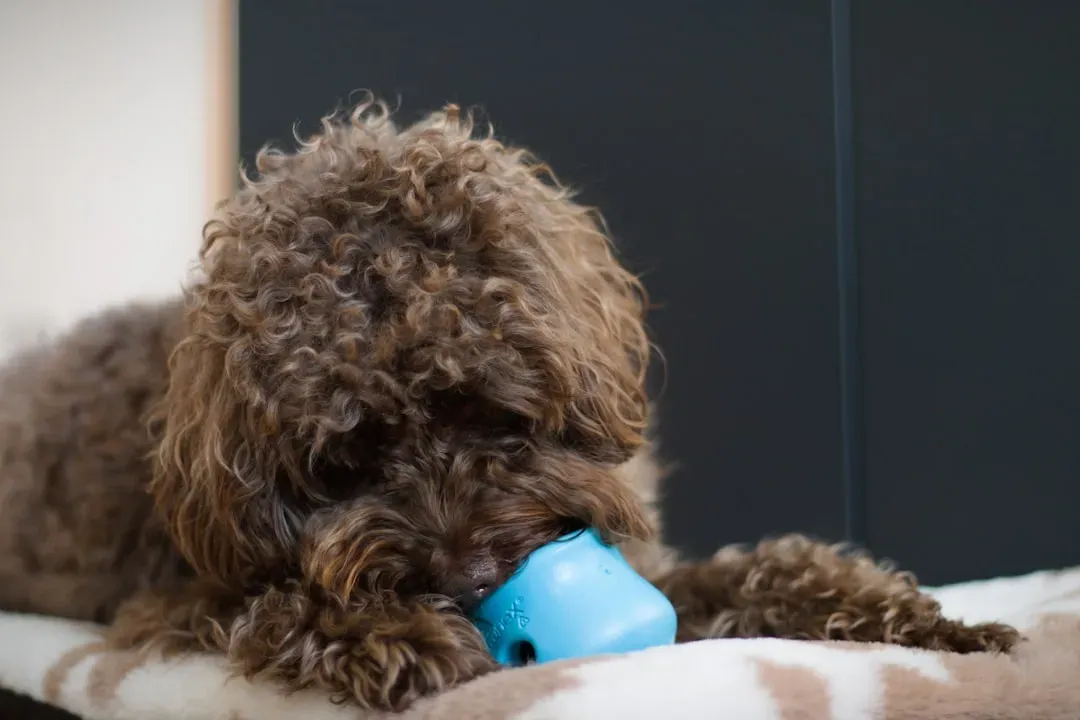
Enrichment helps keep your pup’s mind sharp, allows them to burn off excess energy, reduces stress and anxiety, and helps prevent problem behaviors. The items scattered throughout your home right now can transform your dog’s daily routine from mundane to mentally stimulating. It’s not about how much you spend, it’s about understanding what makes your dog’s brain light up with curiosity.
This statistic hints at the critical need for engaging activities to keep our dogs mentally and physically stimulated, and creating DIY dog enrichment toys is an innovative solution that offers a rewarding experience for both pets and owners. Start with one or two of these ideas and watch how your dog responds. You might discover they have a hidden talent for puzzle-solving or an unexpected love of frozen treats.
What simple household item surprised you most as a potential enrichment tool? Give one a try today and see how your dog’s eyes light up with that spark of engagement we all love to see.