
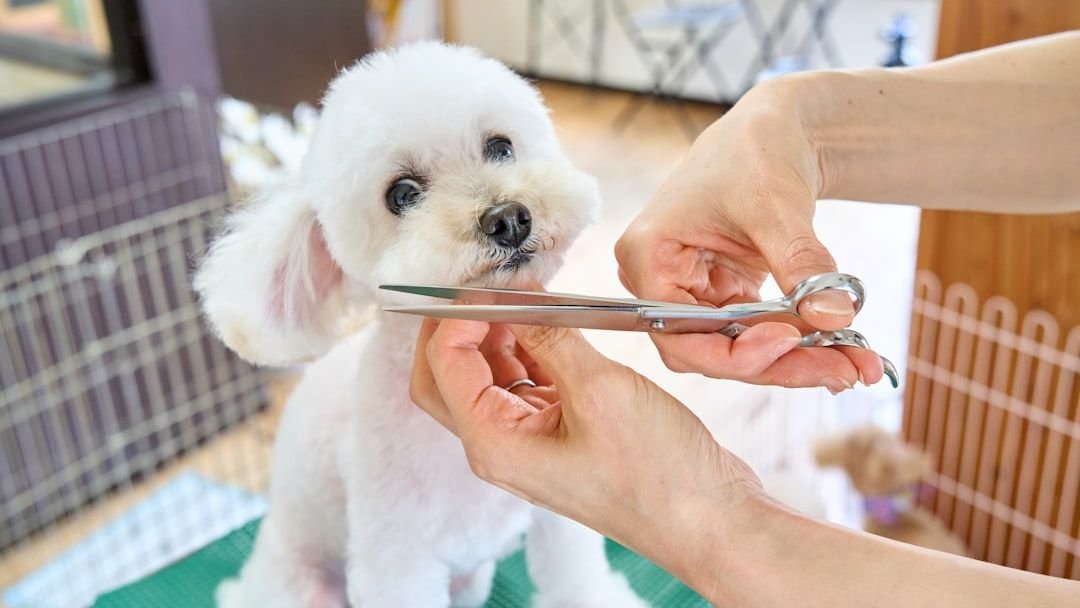
You know that feeling when you spot a tangle in your dog’s coat and groan? I think most of us have been there. Grooming can feel like one more thing on the endless to-do list, wedged somewhere between folding laundry and returning emails. What if I told you it could be different?
Grooming is more than vanity or a necessary haircut; it’s about connection, quiet time to show admiration and compassion and foster mutual trust. It’s a chance to slow down, tune in, and truly see your dog. Let’s explore how to transform grooming from a dreaded chore into something that strengthens your bond and brings you both closer together.
Creating the Right Mindset: It’s Not About Perfection
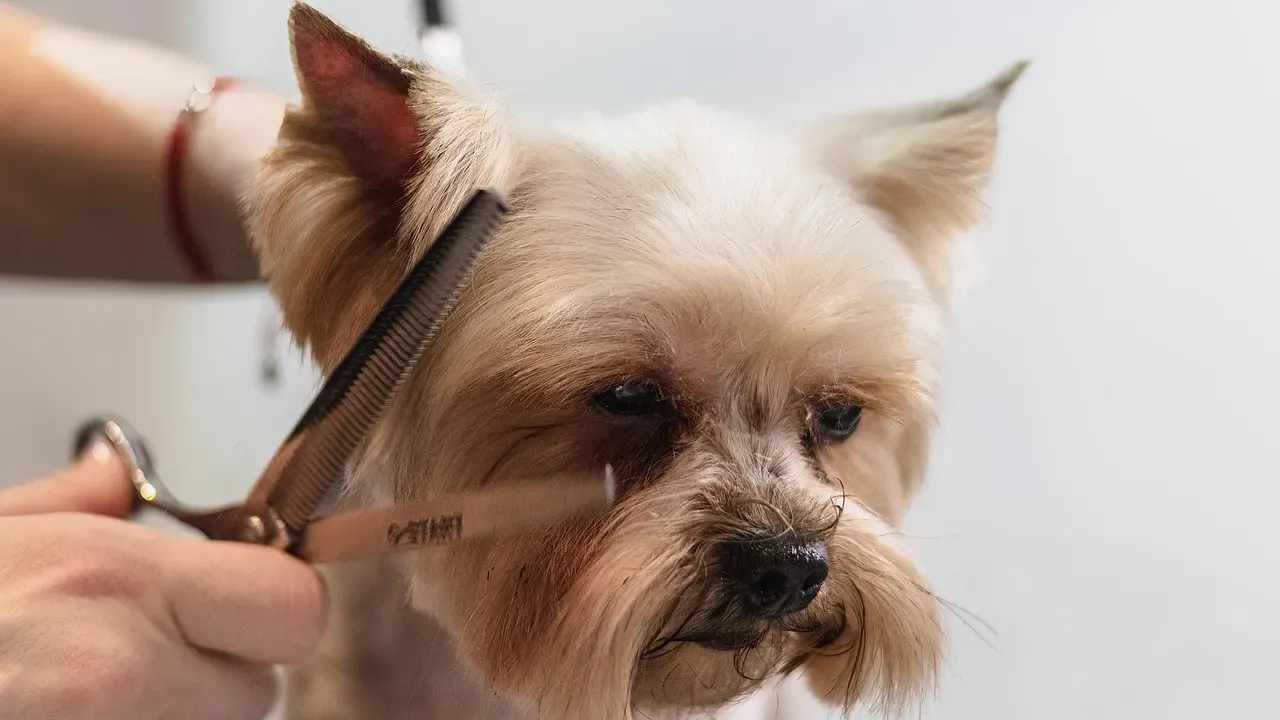
Here’s the thing: your dog doesn’t care if their haircut looks salon-perfect. They care about how you make them feel during the process. Your dog won’t hold it against you if it’s not perfect the first time! Approaching grooming with a relaxed, open mindset changes everything.
The repetitive motions of brushing and petting during grooming sessions mimic social grooming behaviors seen in animals, which can have a calming effect on your dog, reducing stress and anxiety. Think of it as your version of sitting down for tea together. The goal isn’t efficiency or flawlessness but presence and connection.
Before you even pick up a brush, take a breath. It’s important to remain calm because if your dog senses that you are nervous they will think there is something to fear. Dogs are emotional mirrors. When you’re tense, they tense up too.
Reading Your Dog’s Body Language: The Silent Conversation
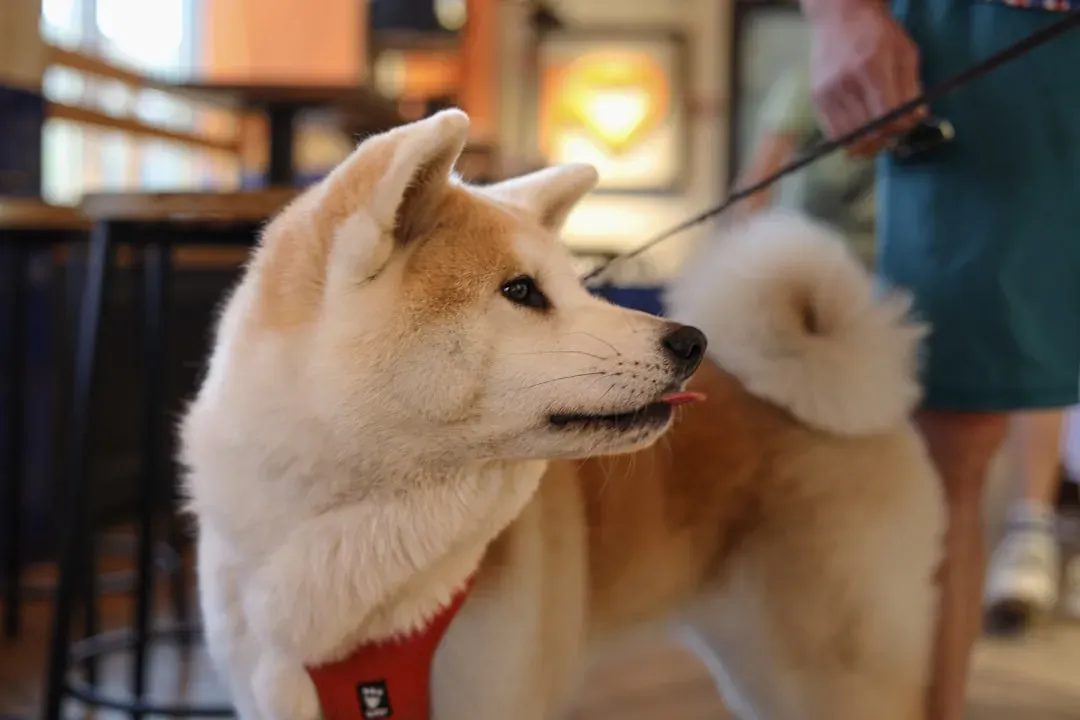
Observing your dog’s body posture from nose to tail and looking for tension is a good way to start, as dogs communicate with their bodies, using body posture and facial expressions to give us cues about how they are feeling. Learning to spot these signals can feel like unlocking a secret language.
A calm or content pooch will have a relaxed or neutral body posture, a facial expression free from tension, and ears and tail carried in its natural position. On the flip side, watch for signs of stress like stiff movement, a tucked tail, or lip licking. These aren’t acts of defiance; they’re your dog saying they need a break.
Recognizing when a dog is anxious, overstimulated, or simply needs a break can turn a stressful grooming session into a trust-building experience, as dogs who feel seen and understood are easier to care for. Pausing when you notice discomfort shows respect, and over time, this patience builds deeper trust between you both.
Building Trust Through Desensitization and Positive Reinforcement
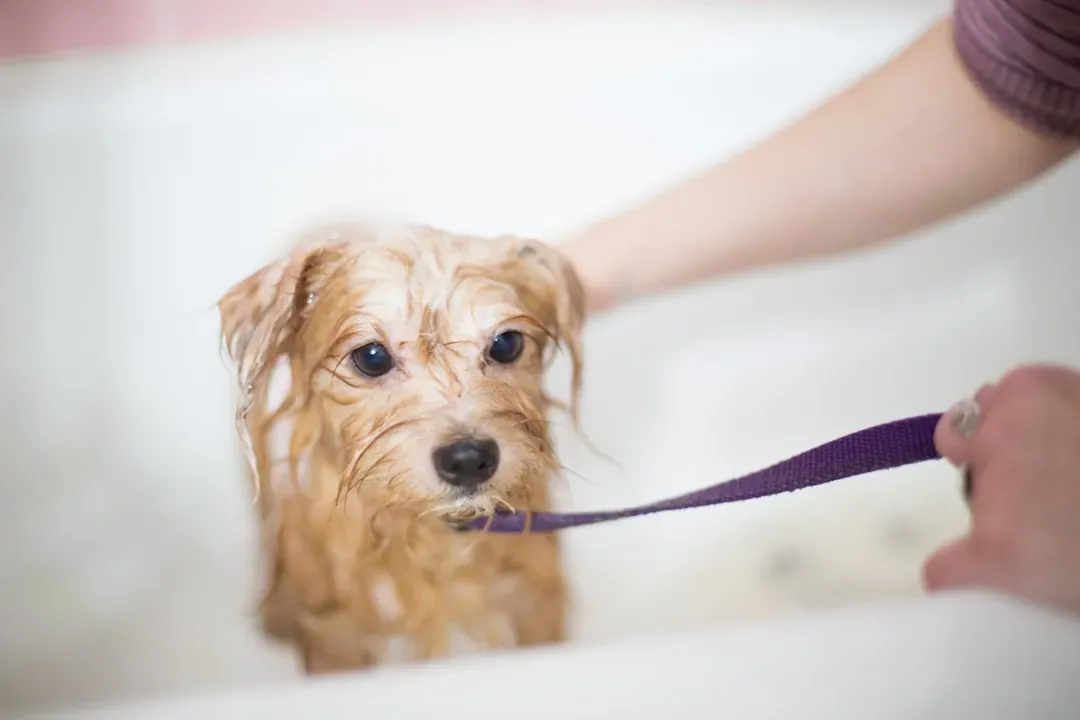
Desensitization is a dog training method that reduces fearful or anxious reactions to specific stimuli by exposing dogs to triggers at very low intensities that don’t provoke stress, with these exposures increasing in strength as the dog becomes comfortable. It’s about baby steps, not giant leaps.
Pet owners can implement at-home desensitization techniques to ease their pet’s apprehensions about specific grooming tasks, like consistent handling of your pet’s feet and gentle brushing of their faces, or using a blow dryer on the lowest setting to acclimate your canine to the noise and sensations. Start small and reward every bit of progress.
Positive reinforcement is an effective way to train your dog to stay calm and relaxed during grooming, offering treats and praise when your dog sits still to be brushed or lets you clip a nail will teach your dog good grooming manners, even if that means only clipping one nail at each attempt.
Honestly, some days you might only brush one paw. That’s perfectly fine. You’re building a foundation of trust, not racing to the finish line.
The Physical and Mental Benefits: Why Grooming Matters
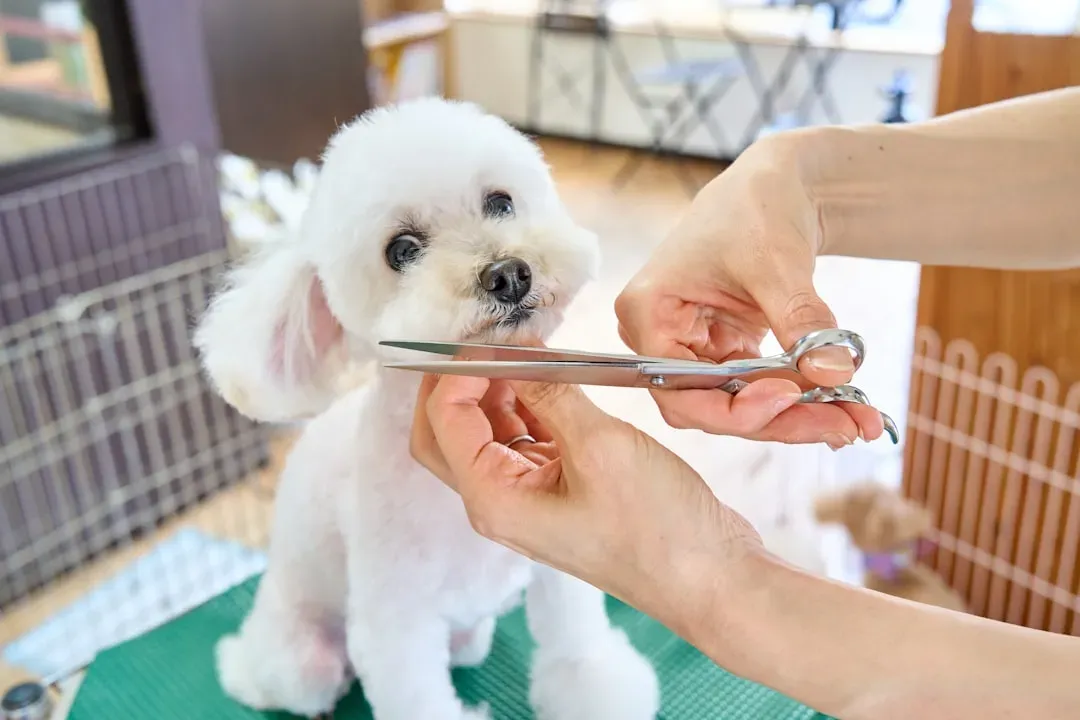
Regular brushing and grooming sessions help remove dead hair, dirt, and debris, preventing matting, tangling, and skin irritation, while grooming aids in distributing natural oils throughout the coat, keeping the skin moisturized and preventing dryness and itching. This isn’t just cosmetic; it directly impacts your dog’s comfort and health.
By engaging in regular grooming practices, dog owners can also identify any skin issues early on, such as hot spots or infections, enabling prompt treatment before they worsen. Running your hands over your dog’s body during grooming lets you feel lumps, bumps, or changes you might otherwise miss.
Studies have even shown that grooming can lower cortisol levels, a key stress hormone, in both pups and their owners! So you’re not just helping your dog feel better; you’re benefiting yourself too. Let’s be real, who couldn’t use a little stress relief these days?
Establishing a Routine: Predictability Builds Security
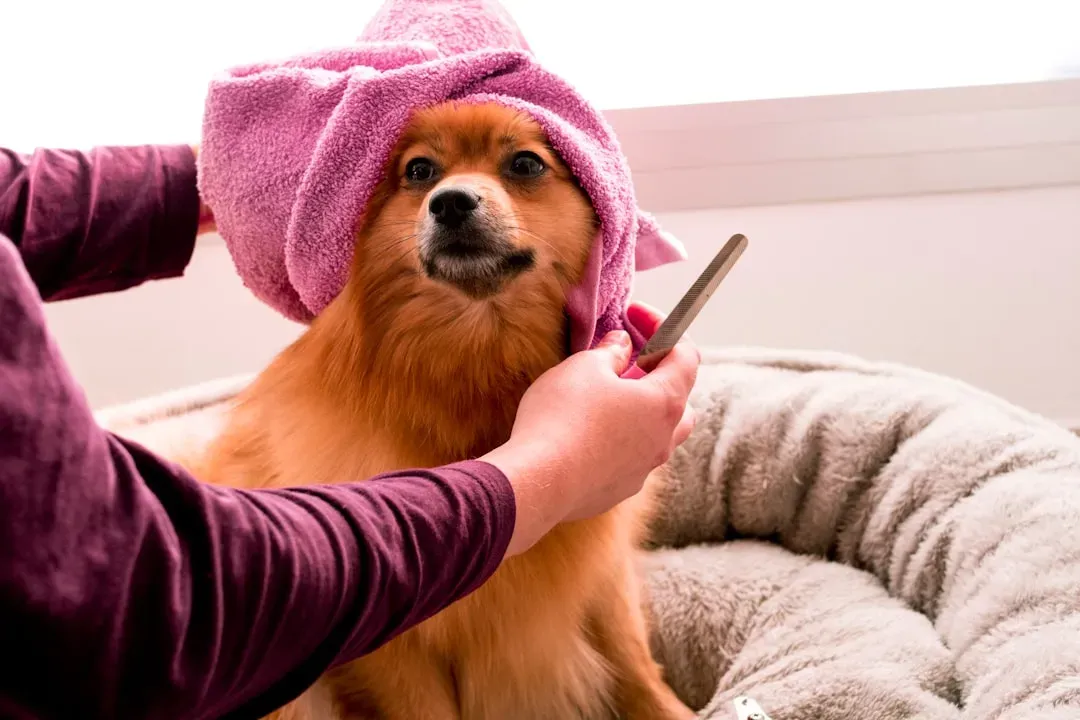
Dogs do best in environments with a routine, so set aside 10 to 15 minutes each day to practice home grooming, being sure to keep your interactions consistent, using a calm, gentle approach, and plenty of praise. Consistency makes grooming feel safe and expected rather than scary and unpredictable.
A routine provides stability and consistency, which can reduce anxiety in dogs, as with a routine, a dog knows what to expect at certain times of the day. Whether it’s brushing after breakfast or paw checks before bed, rituals create comfort.
Pick a time when both you and your dog are relaxed. Avoid rushing through grooming right before you need to leave the house. The calmer and more unhurried the session, the more your dog will associate grooming with peace rather than stress.
Transforming Grooming Into Quality Time Together
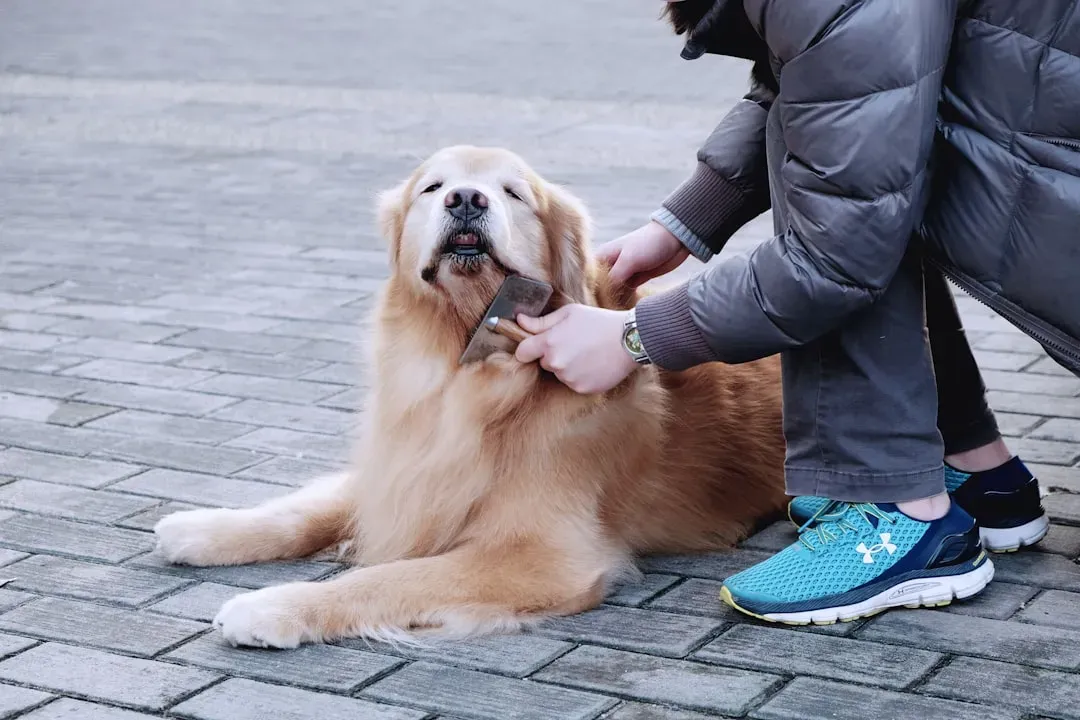
Your dog will learn that it’s okay to allow his body and feet to be handled; you will be building trust with your canine companion, and for you, it’s very relaxing and satisfying to spend more time with your dog while helping him look and feel his best. This shared time becomes precious in our busy lives.
Grooming sessions provide valuable bonding opportunities, fostering trust and affection between dogs and their owners, as through the physical contact and attention during grooming, a deeper connection is formed, creating a sense of joy and happiness in both the pet and the owner’s lives.
Gentle grooming can increase bonding by up to 68%. Those minutes spent brushing, checking ears, or trimming nails become moments of connection. Your dog feels your care through your touch, your soft voice, and your patience. That’s the real magic of grooming.
Every stroke of the brush, every gentle word, every patient pause when your dog needs reassurance adds up. Grooming becomes less about ticking a box and more about nurturing your relationship. It’s a ritual that says, without words, that you see your dog, you care, and you’re willing to take the time to make them comfortable.
So the next time you reach for that brush, take a breath and remember: this isn’t a chore. It’s an opportunity. An opportunity to slow down, connect, and show your dog just how much they mean to you. What will your next grooming session look like when you approach it with this mindset? Will you notice something new in your dog’s body language? Will you feel that shift from task to connection? Give it a try and see what happens.


