
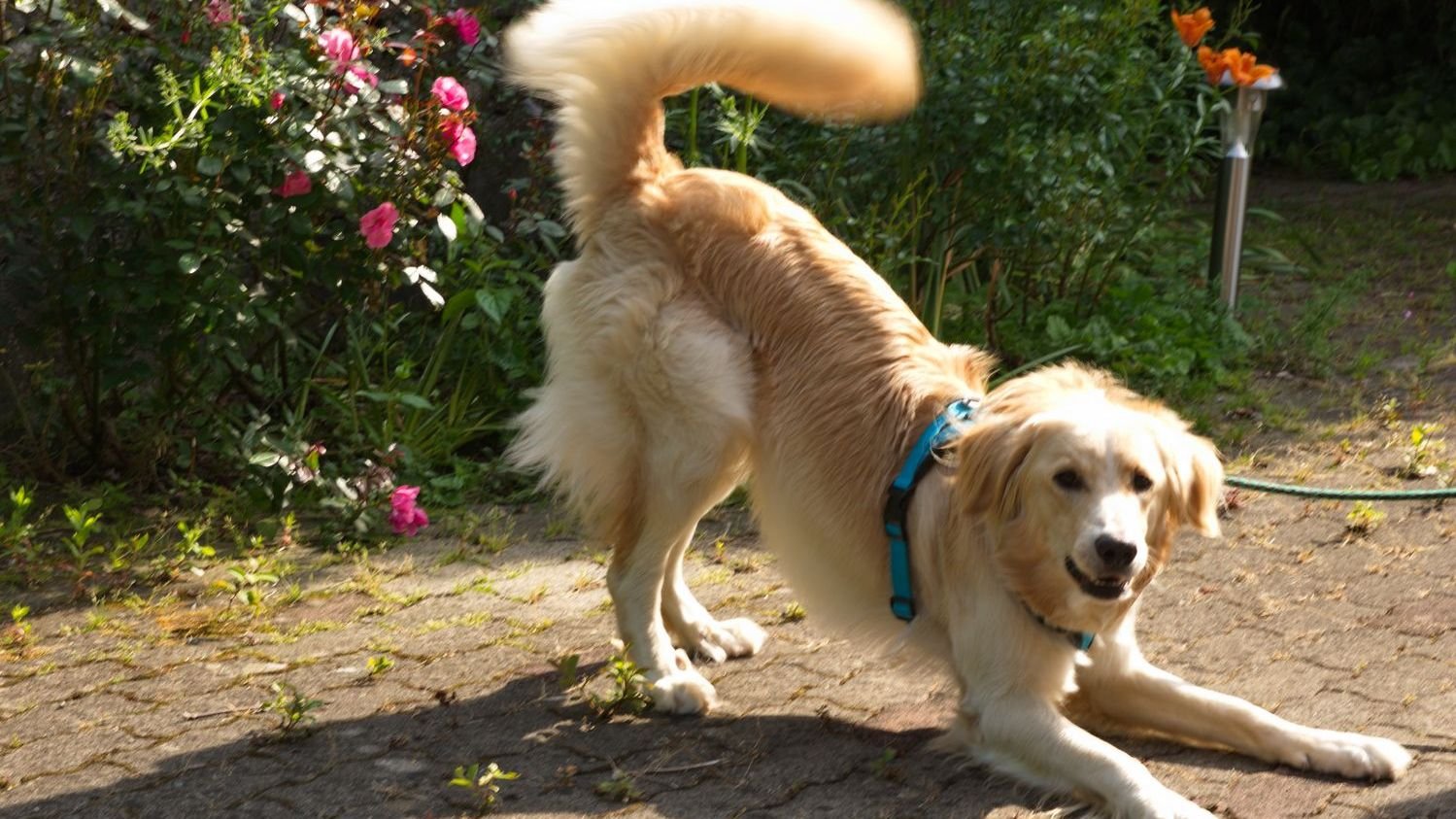
You’ve seen it a thousand times. Your dog drops their front legs, sticks their bum in the air, and suddenly you’re being invited into a whole new conversation. Or maybe they nudge your hand with their cold, wet nose when you’re trying to scroll through your phone. These aren’t random movements. They’re part of a rich, nuanced language that dogs have been perfecting for thousands of years, and honestly, most of us are only catching about half of what they’re trying to tell us.
Think about it this way: dogs don’t have words, yet they manage to communicate complex emotions, intentions, and desires with remarkable precision. The play bow and the nudge are just two pieces of an incredibly sophisticated puzzle. Let’s dive in and decode what your furry companion is really saying.
The Play Bow: More Than Just an Invitation
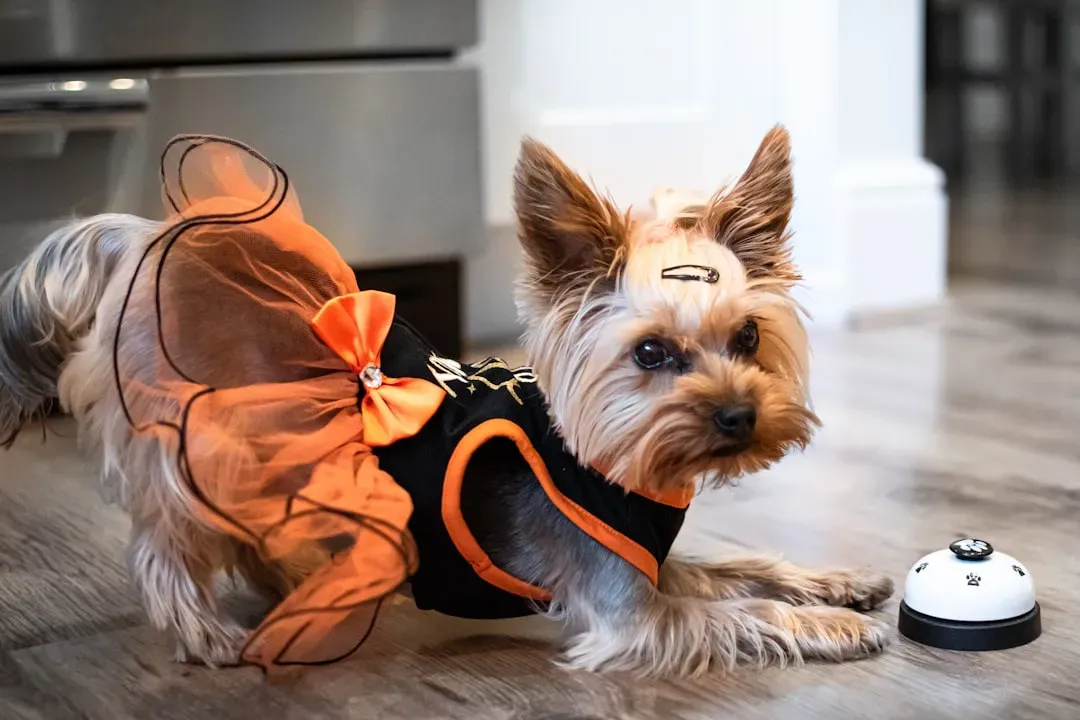
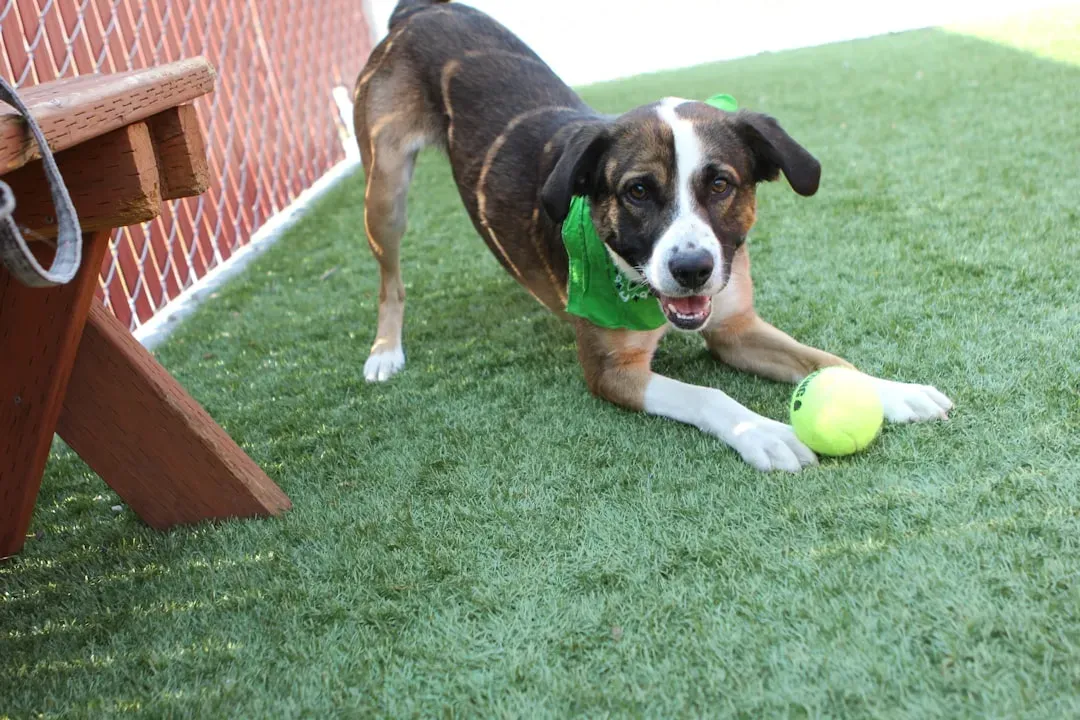
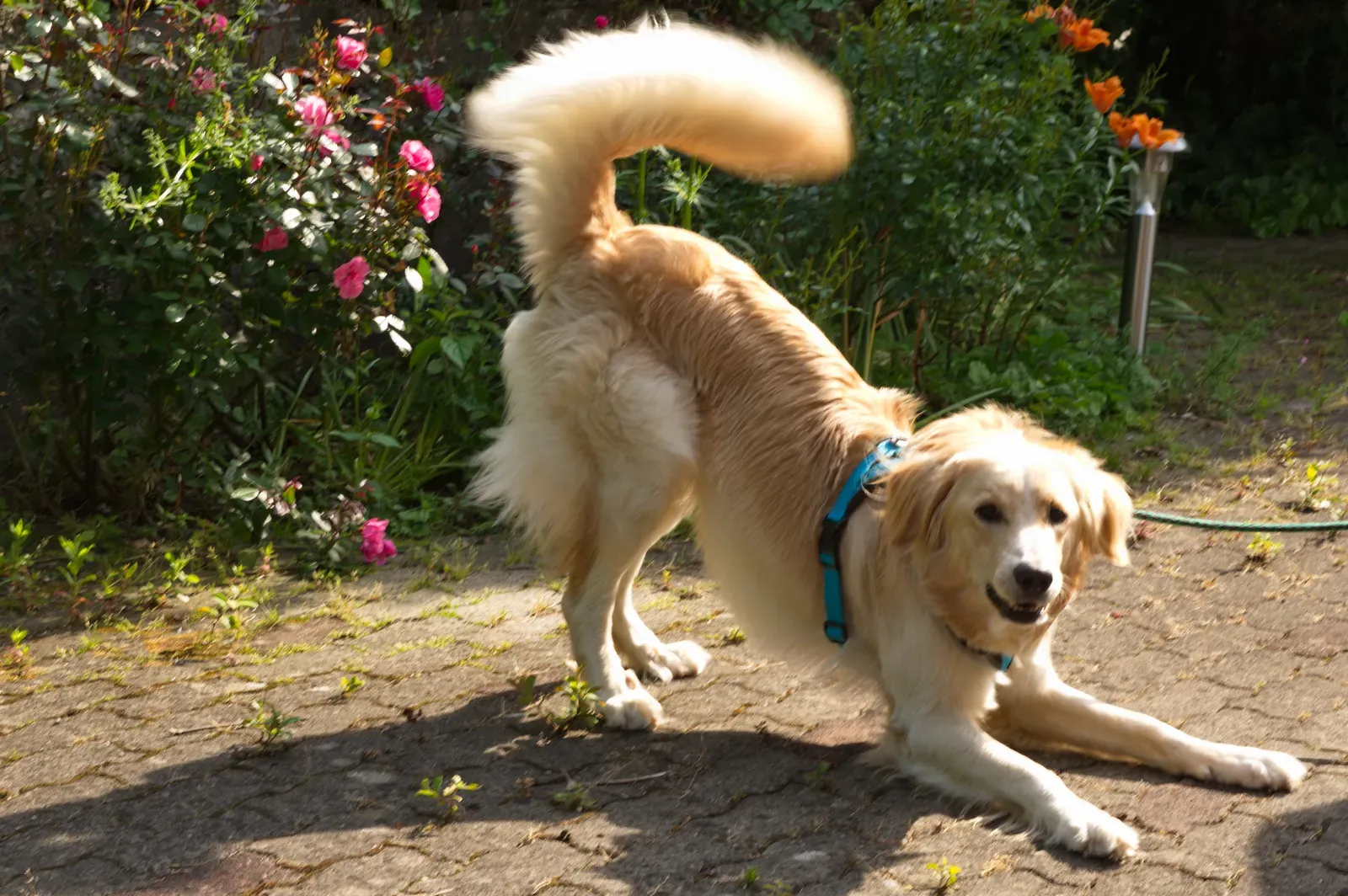
When your dog bows to you, it’s usually an invitation to play or engage. Picture this: front legs stretched forward, elbows touching the ground, rear end high in the air, often accompanied by a wagging tail and bright, eager eyes. In dogs, it seems to restart play after a pause, functioning as a way to keep the fun going when things have gotten too quiet.
Here’s something fascinating though. The play bow suggests strategic use of this play signal to accomplish immediate goals, including continuation of play by enticing the partner into a runaway/chase interaction. It’s not random. A dog or another animal crouches on their forelimbs, sticks their butt up in the air, and while they bow, they are stretching their muscles and tendons and perhaps warming up, getting ready to play.
What Science Tells Us About That Adorable Rear-End-Up Position
Let’s be real: researchers have spent years trying to figure out exactly what the play bow means. For decades, experts believed it was a way for dogs to say something like “I’m just playing, don’t take this seriously!” because many play behaviors – chasing, mock fighting, even gentle biting – can look aggressive if you don’t know better.
Turns out, that’s not quite right. Findings suggest that play bows do not occur at random and do not simply enhance the play atmosphere in a general way. Instead, their association with particular behaviors before and after the play bow suggests strategic use of this play signal. Dogs are actually being tactical about it. The data support that play bows are a visual signal that serve to continue the play bout itself.
Dog and wolf puppy play bowers use play bows as visual signals. Almost all bows were performed when the dyad was visually attentive to one another, meaning your dog knows exactly when you’re watching. They’re not just throwing shapes around randomly.
When a Bow Isn’t About Play: Health Red Flags to Watch
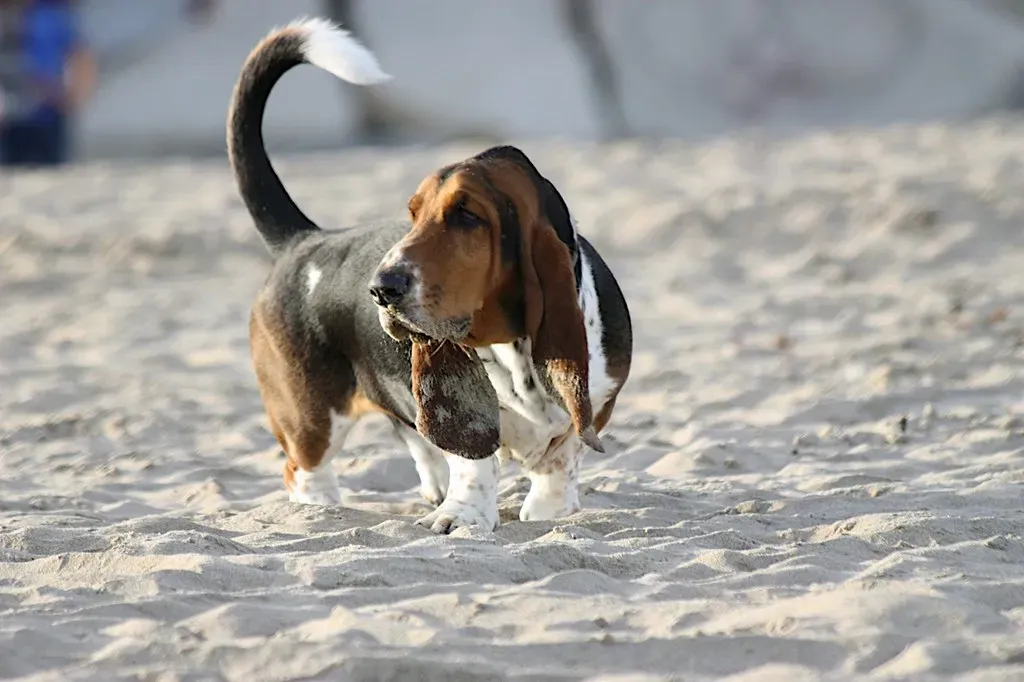
I know it sounds crazy, but not every bow is a happy invitation. Sometimes what looks like a play bow is actually a prayer bow, and that’s when you need to pay close attention. When dogs display the prayer bow frequently, especially after meals, it could point to gastrointestinal issues like bloating or pancreatitis.
The difference? A prayer bow involves more of a deep stretch with the dog trying to relieve discomfort in their abdomen. If paired with signs like lethargy, vomiting, or abnormal bowel movements, a vet consultation is essential. If your dog frequently performs prayer bows after meals or shows signs of discomfort, it could indicate an underlying health issue.
Trust your gut here. If something feels off, if your dog is bowing more than usual or seems uncomfortable, don’t brush it off.
The Nose Nudge: Your Dog’s Way of Tapping You on the Shoulder
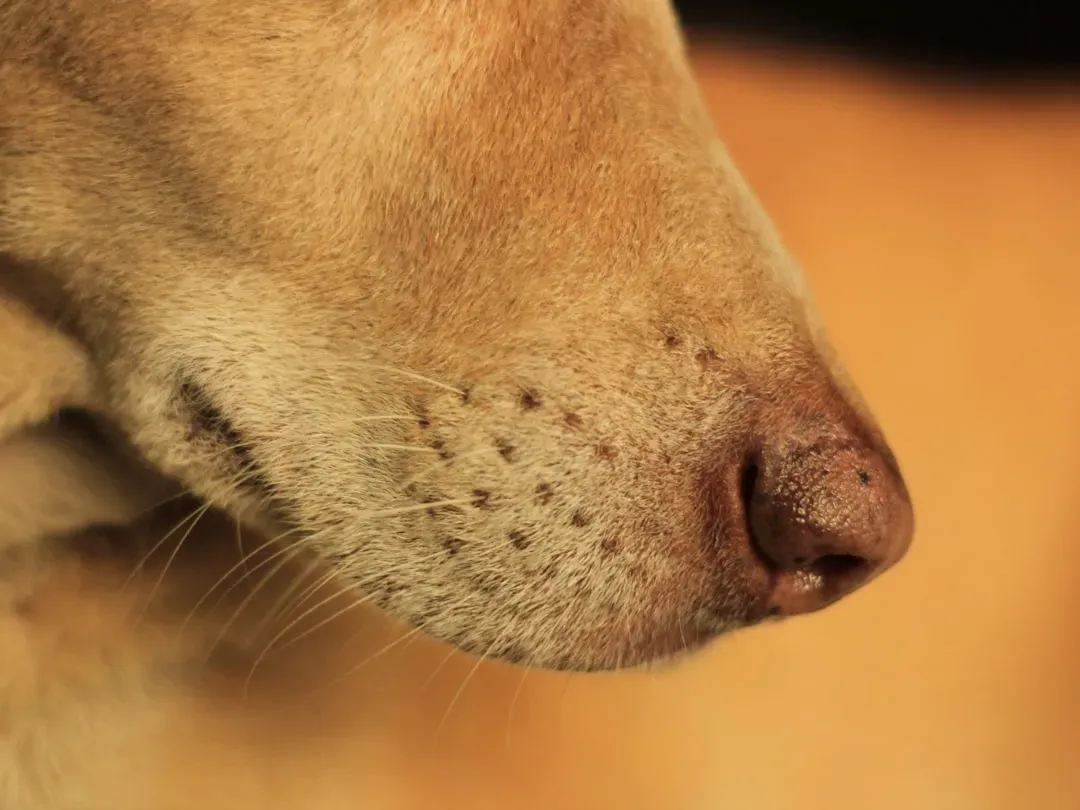
Now let’s talk about that insistent little poke you get from a wet nose. The main reason a dog will push its nose into a person’s arm or leg is to get their attention, but honestly, it’s rarely that simple. One of the most common reasons that many dogs nudge is simply to say “hi.”
One reason why your dog nuzzles is to send a clue as to how he’s feeling, what he wants, or what he needs. Lots of dogs use their noses to push at our hands or arms – they may be asking for a range of things, from affection, to dinner, to play, or to go for a walk. It’s a form of trial and error. Your dog learns which nose pokes get results.
The thing is, some dogs are absolutely relentless with this behavior. If you’ve got a herding breed, well, that nudge might be them trying to herd you. Dogs that are bred to herd animals often use nudging to tell those animals where to go. When dogs with this instinct are put in a domestic situation, they will sometimes “herd” people (usually children) with some nose-nudging.
Decoding the Meaning Behind the Nudge
For many dog owners, one of the most heartwarming reasons behind a dog’s nuzzle is its potential to convey affection. Dogs may nuzzle to show they love you. “Nuzzling is a sign of affection and that they’re comfortable with you.” Dogs have scent glands around their faces, and nuzzling can also be a way of marking you as “theirs,” in a gentle, non-aggressive manner.
Sometimes though, the nudge means something entirely different. In some cases, dogs may nudge their owners when they’re feeling anxious or stressed. Your dog may be seeking comfort and reassurance from you by nudging your legs. Context matters hugely here. A nudge at the door when you’re holding the leash is different from a nudge when there’s a thunderstorm outside.
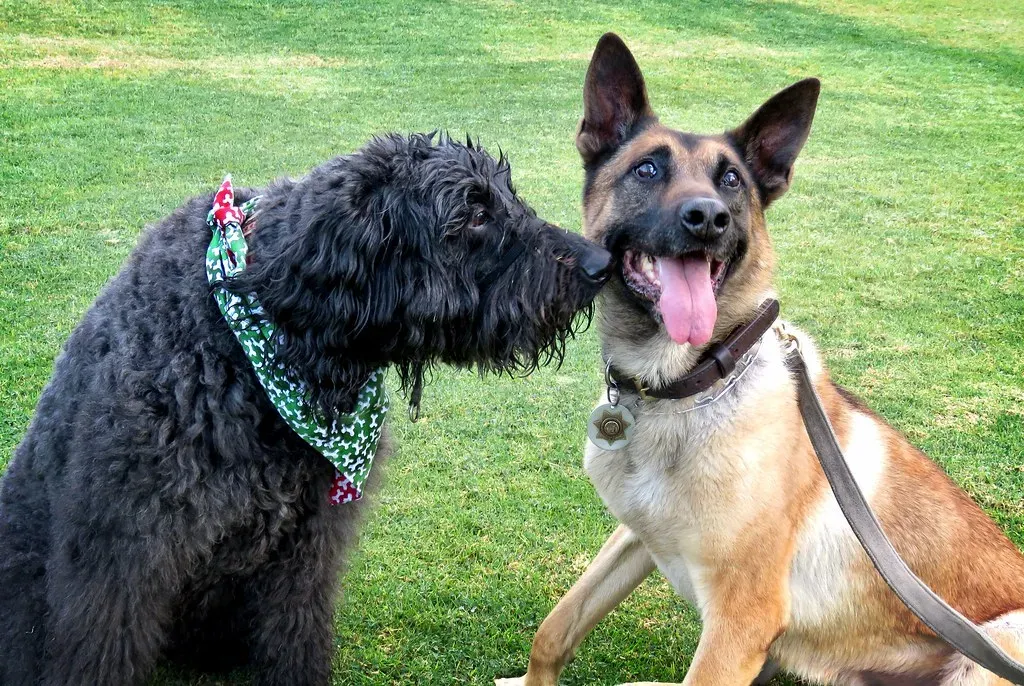
When a dog communicates with another dog by poking its nose in the mouth and nose area of the latter, it is trying to say that you are superior. Sometimes even the tongue is used to nudge the muzzle of this other canine to express submission to it.
Building a Better Conversation With Your Four-Legged Friend
Here’s the thing about dog communication: Results demonstrated the importance of eye contact in human-dog communication, and, to a lesser extent, the calling of the dog’s name – which are precisely the communicative cues used by human infants for identifying communicative intent. Your dog is basically reading you like a toddler would, picking up on the tiniest signals you didn’t even know you were sending.
Want to play bow back at your dog? Go ahead. A play bow can be a great tool during training, acting as a fun, non-verbal way to encourage engagement. Use it to reward your dog for preferred behavior or to reset the energy during a training session. Get down on your hands and knees, lower your front end, and see what happens. Most dogs absolutely love it when you speak their language.
During play, you and your dog experience moments in which two species – human and dog – really become one. A dog play-bow is a play signal that dogs use to initiate play with other dogs and signal to others that their intentions are playful. Play-bows communicate that even if the behavior to follow is rough, it is playful in nature.
The beauty of all this is that roughly about half a century of research into canine cognition has shown us something remarkable: Dog puppies were more attracted to humans, read human gestures more skillfully and made more eye contact with humans than wolf puppies. This isn’t learned behavior from years of living with you. This is hardwired into who dogs are.
Conclusion: Becoming Fluent in Dog
Learning to read your dog’s play bows and nudges isn’t just about satisfying curiosity. It’s about building a deeper, more meaningful relationship with a creature that has evolved specifically to communicate with us. When you understand that a play bow is an invitation to connect, or that a nudge might mean “I’m worried” instead of just “feed me,” you’re opening up a whole new level of companionship.
Pay attention to context. Watch your dog’s body as a whole, not just isolated movements. Is their tail wagging? Are their eyes soft or hard? Are they leaning toward you or away? Every signal works together to tell a story, and the more you learn to listen, the more your dog will trust that you understand them.
Your dog has been trying to talk to you all along. They’ve mastered our gestures, learned to read our emotions, and adapted their entire communication style to fit into our world. The least we can do is meet them halfway. What have you noticed about your dog’s unique way of communicating? The conversation is just getting started.


