

Picture this. You’re sitting on the couch with your favorite furry friend curled up beside you, and you’re munching on something juicy and sweet. Those big, soulful eyes turn to you with that unmistakable look of hope. You know the one. Your pup is convinced that whatever you’re eating is absolutely meant for them, too.
Honestly, the question of whether to share isn’t always straightforward. While many fruits pack a nutritional punch for humans, the same isn’t automatically true . Their digestive systems work differently than ours, and what seems harmless to us might actually cause problems for them. Yet, some fruits can be wonderful treats that add variety, hydration, and even health benefits to your dog’s diet. So let’s dive into which fruits really deserve a spot in your pup’s snack rotation.
Why Blueberries Deserve the Spotlight
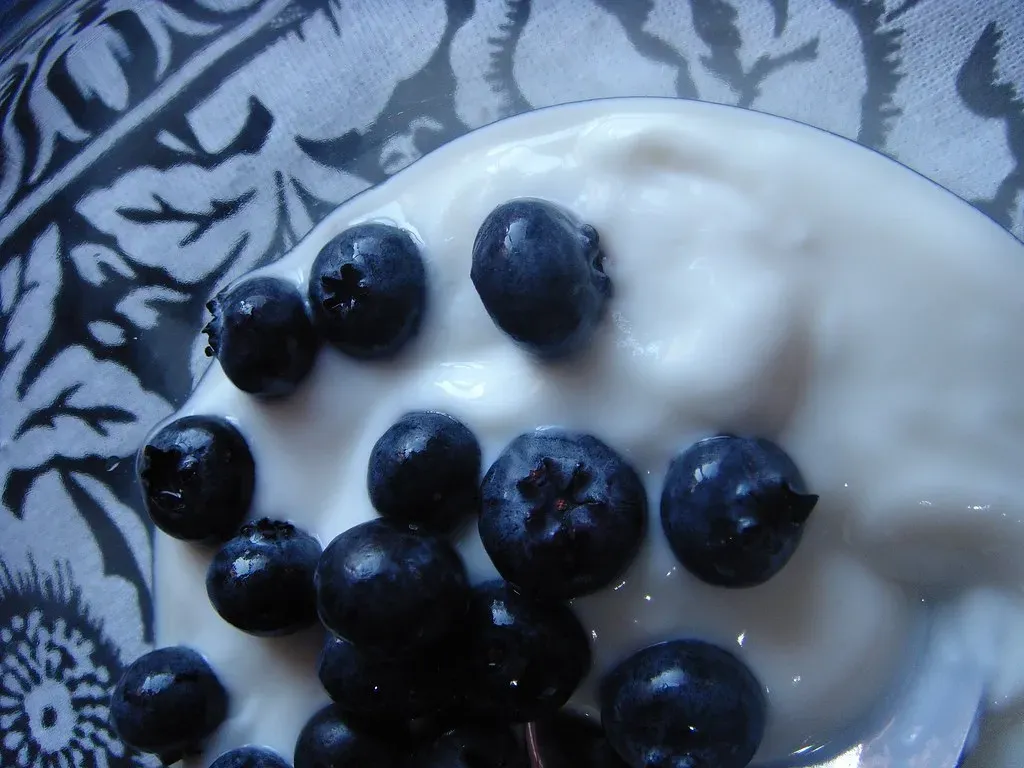
Blueberries are full of antioxidants and fiber, making them excellent for your dog’s gut and brain. These tiny powerhouses are like nature’s multivitamin in berry form. What makes them particularly special is their size. They’re the perfect bite for dogs of any breed, from tiny Chihuahuas to giant Great Danes.
You can create treats with fresh or frozen blueberries for dogs. Frozen blueberries make an especially refreshing summer snack when your dog needs to cool down after a long walk or play session. I think what really sets blueberries apart is how easy they are to use. No peeling, no chopping, no worrying about seeds. Just rinse and serve.
The Apple Advantage: A Crunchy Classic
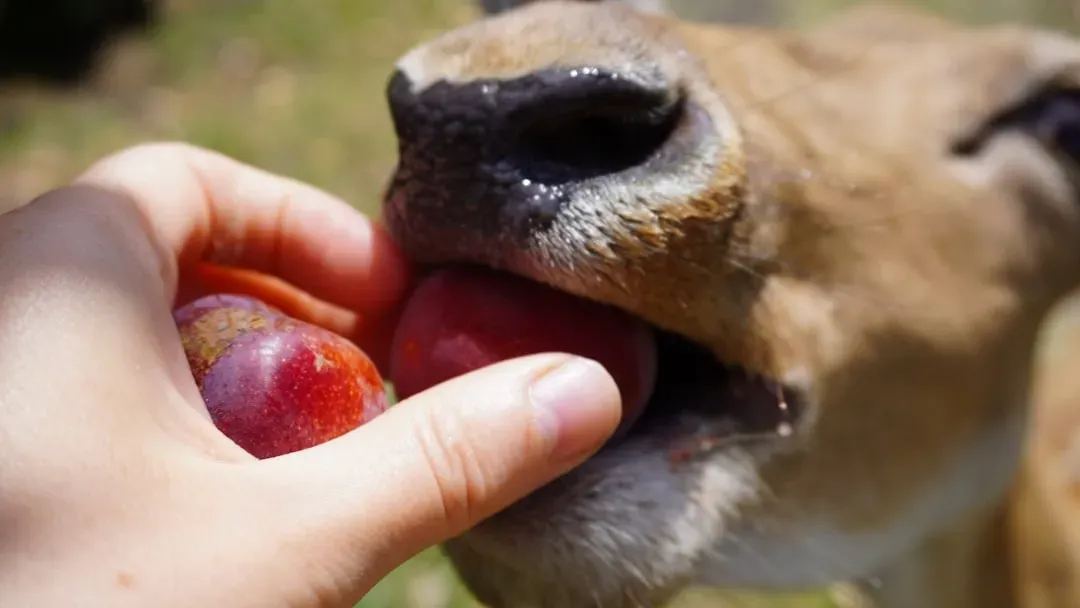
Apples are a healthy treat for dogs, rich in vitamins A and C, as well as fiber, which promotes healthy digestion. There’s something satisfying about the crunch of a fresh apple slice, and dogs seem to love that texture too. The natural sweetness appeals to most pups without being overwhelming.
Here’s the thing though. Always remove the seeds and core before sharing, as they can pose a choking hazard or cause an obstruction. Apple seeds contain trace amounts of cyanide, which isn’t something to panic about, but it’s definitely worth being cautious. Slicing the apple into small pieces can make it easier for your dog to eat and digest.
For senior dogs or those carrying a bit of extra weight, apples are particularly beneficial. They are low in fat and calories, making them a great snack for dogs. Think of them as the guilt-free treat that still feels like a reward.
Watermelon: Summer’s Hydrating Hero

Let’s be real, on a scorching summer day, nothing beats watermelon. As long as you remove the rind and seeds, watermelon is a superfood for dogs, packed with potassium, vitamin A, vitamin B6, and vitamin C, and because it’s mostly water, it’s also hydrating on hot days. This makes watermelon especially valuable when temperatures climb and your pup needs extra hydration.
The preparation is simple but important. Cut away the tough green rind completely, remove any seeds, and chop the pink flesh into manageable cubes. Some dogs go absolutely wild for watermelon, while others are more indifferent. It’s worth a try to see where your pup falls on that spectrum.
Bananas: The Potassium Powerhouse

Bananas are a good source of potassium, fiber, magnesium, and vitamins C and B6. These nutrients support everything from heart health to proper muscle function. Potassium is important for your dog’s heart, kidneys, muscles and digestion.
However, moderation is key here. They are low in calories, cholesterol, and sodium but higher in sugar, so they should be given in moderation. A couple of slices for a small dog or up to half a banana for a larger breed is plenty. Bananas can be a great treat for dogs, especially when frozen for a cool, refreshing snack. Frozen banana slices can keep your dog entertained and satisfied on warm afternoons.
What to Absolutely Avoid: The Dangerous Ones
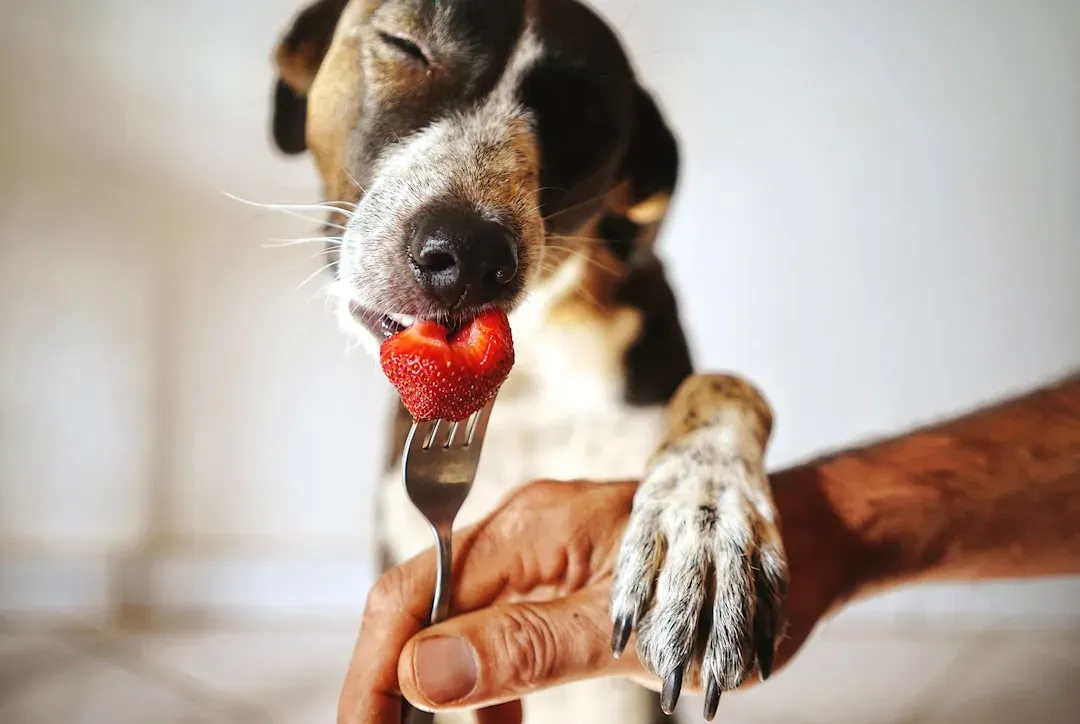
While we’ve covered the winners, it’s crucial to know which fruits should never make it into your dog’s bowl. Grapes and raisins are highly toxic to dogs, no matter their breed, sex, or age, and they can lead to acute sudden kidney failure. Even a single grape can be an emergency, which is honestly terrifying when you think about how common they are in our homes.
Cherry plants contain cyanide and are toxic to dogs, and cyanide disrupts cellular oxygen transport, which means that your dog’s blood cells can’t get enough oxygen. While the fleshy part around the pit might technically be safe, the risk of your dog swallowing a pit makes cherries a fruit best avoided entirely.
The pit, skin, and leaves of avocados contain persin, a toxin that often causes vomiting and diarrhea in dogs, and avocado flesh is also high in fat, which can cause gastrointestinal upset. Beyond the toxicity concern, the large pit poses a serious choking hazard. Keep your guacamole to yourself on this one.
Conclusion: Making Smart Fruit Choices

really depends on your individual pup’s preferences, health status, and dietary needs. Blueberries, apples, watermelon, and bananas consistently rank among the safest and most beneficial options. They provide vitamins, fiber, hydration, and a sweet taste that most dogs genuinely enjoy.
Keep in mind that all treats, including fruits, should make up no more than 10% of your dog’s diet, with the remaining 90% coming from a complete and balanced dog food. Always introduce new fruits slowly, watching for any signs of digestive upset or allergic reactions. Remove seeds, pits, and tough rinds before serving, and cut everything into appropriate sizes for your dog’s breed.
Most importantly, when in doubt, consult your veterinarian. Every dog is unique, and what works wonderfully for one might not be suitable for another, especially if your pup has underlying health conditions like diabetes or weight concerns. What fruit does your dog go crazy for? Have you discovered any surprising favorites in your household?


