
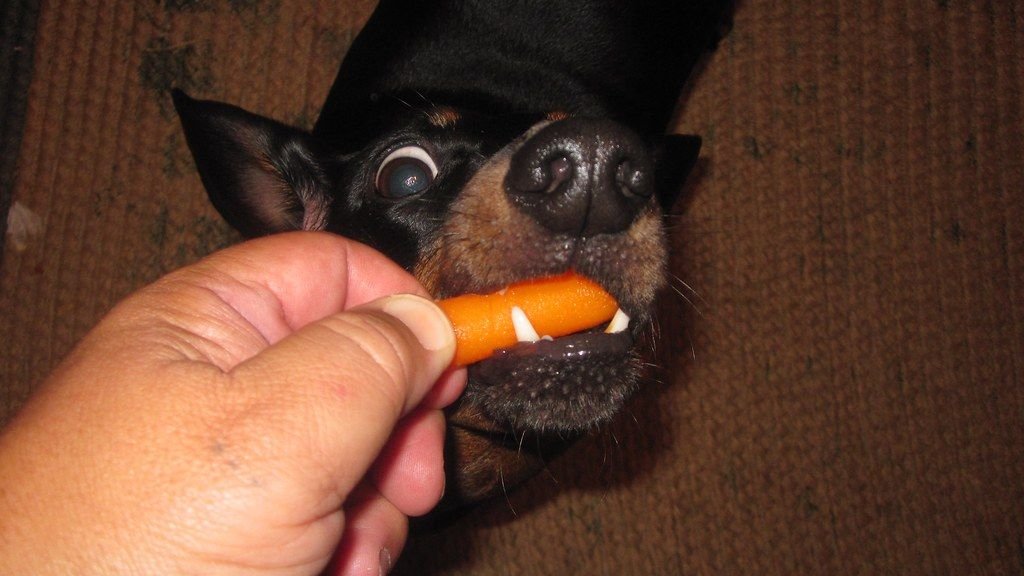
Picture this: You’re in the kitchen, steaming fresh for dinner. Your dog sits beside you, tail wagging hopefully, eyes locked on those vibrant orange sticks. You pause, spoon in hand, wondering if sharing a piece would be a treat or a mistake. It’s one of those everyday moments that makes you question what’s truly safe for your furry companion.
Let’s be honest, we’ve all been there. The good news is that you’re asking the right question, and honestly, the answer might surprise you in the best way possible.
The Short Answer: Yes, and Here’s Why It Matters

Dogs can absolutely , and interestingly, while some vegetables retain more nutrients raw, carrots actually provide more nutrients when cooked. This makes cooked carrots not just safe but potentially more beneficial than their raw counterparts.
Cooked carrots are softer and easier for dogs to chew and digest, especially for senior dogs or those with dental issues, and you can steam, boil, or roast them without oils or seasonings. Think of it like this: you’re not just offering a snack, you’re giving your pup something that’s gentle on their system while packing serious nutritional value. Carrots are safe and healthy for most dogs, providing vitamins, minerals, fiber, and antioxidants that support eye health, digestion, skin, and coat.
Nutritional Powerhouse in Every Bite
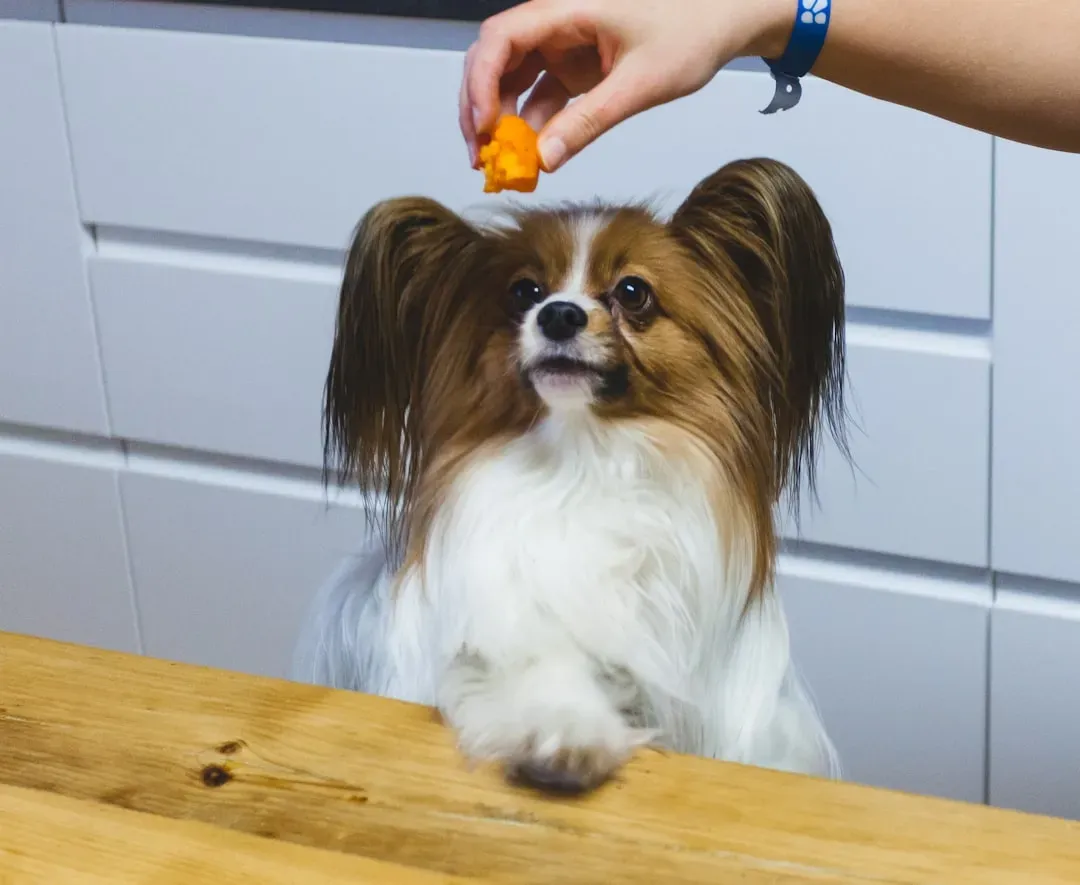
What makes cooked carrots such a winner for dogs? Carrots contain essential vitamins and minerals like beta-carotene, which the body converts to vitamin A, vitamin K, potassium, antioxidants, and fiber. I think what makes them remarkable is how they multitask for your dog’s body.
Beta-carotene converts to vitamin A in the liver, which helps support vision including night vision, because vitamin A travels through the bloodstream to the retina where it nourishes the rods and cones. Imagine giving your dog a snack that actually helps them see better on those evening walks. Carrots are loaded with high amounts of vitamin A, essential for maintaining good vision, a healthy immune system, and proper skin and coat health, and this comes from beta-carotene, the pigment that gives carrots their bright orange color.
The fiber content deserves special mention too. It’s the kind of thing that works quietly but powerfully, helping regulate digestion and keeping everything moving smoothly.
How Cooking Changes the Game
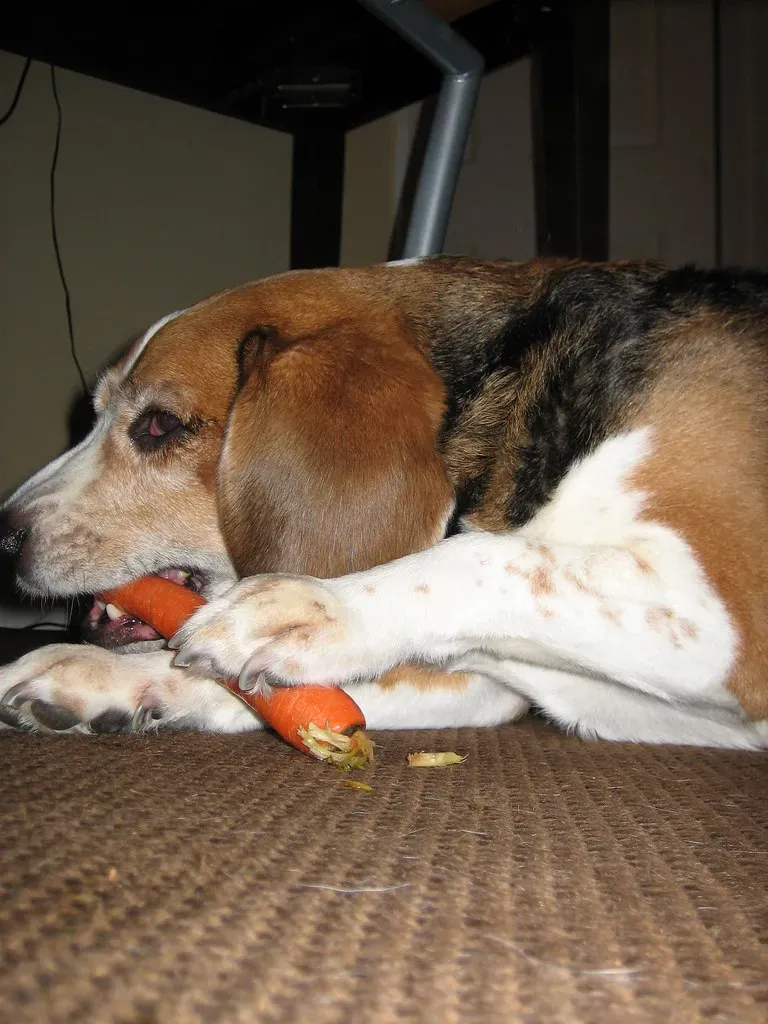
Here’s something fascinating: cooking carrots actually makes certain nutrients more accessible to your dog. Some nutrients like vitamin C are reduced when carrots are cooked, but the availability of beta carotene is actually increased, and cooking methods like steaming, blanching, or microwaving are preferred as they use less water, meaning less loss of water-soluble vitamins.
Steaming or minimally microwave-cooking carrots doesn’t majorly change the vitamin and mineral content, but boiling carrots tends to leech out nutrients. So yes, the method you choose matters. Steaming or light cooking preserves what your dog needs while making the carrots easier to digest.
Cooked carrots are easier to chew and digest, so if your dog has trouble with raw vegetables, lightly steaming or boiling carrots can be a good alternative. For older pups or those with sensitive tummies, this is genuinely a game changer.
The Right Way to Prepare Them

Preparation is where many well-meaning dog parents go wrong. You must avoid adding potentially dangerous ingredients like butter, oil, seasonings, or sugar. Plain is the name of the game here. Carrots that have been seasoned, glazed, or cooked with onions or garlic are harmful to dogs.
Start by washing your carrots thoroughly. Rinse carrots under running water to remove dirt and any pesticide residue. Then comes the crucial part: cutting them properly. Chop carrots into bite-size pieces to prevent choking.
When cooking, keep it simple. Plain steamed or boiled carrots are the best and safest options. No fancy seasonings, no added fats. Just pure, wholesome carrot goodness. Always allow carrots to cool completely before giving them to your dog. This might seem obvious, but it’s easy to forget when an eager pup is staring you down.
Portion Control and Potential Pitfalls
Even good things need limits. Too many carrots may cause digestive upset, so keep all treats combined to no more than 10% of your dog’s daily calories. For example, if your dog eats 1,000 calories per day, no more than 100 calories should come from treats, which is roughly two and a half medium-sized carrots.
Introduce carrots slowly by giving your dog a small amount so they get used to them before upping the serving size. Watch for any signs of digestive upset like gas, diarrhea, or decreased appetite. While natural sugars in carrots are fine in moderation, too much sugar over time can be dangerous for dogs with health problems like diabetes and obesity.
There’s also the choking risk. Large pieces of carrot may get stuck in your dog’s throat or cause intestinal blockage, so always cut them into bite-size pieces. Size matters, especially for smaller breeds or enthusiastic gulpers who don’t exactly chew their food carefully.
Conclusion: A Simple Treat with Big Benefits
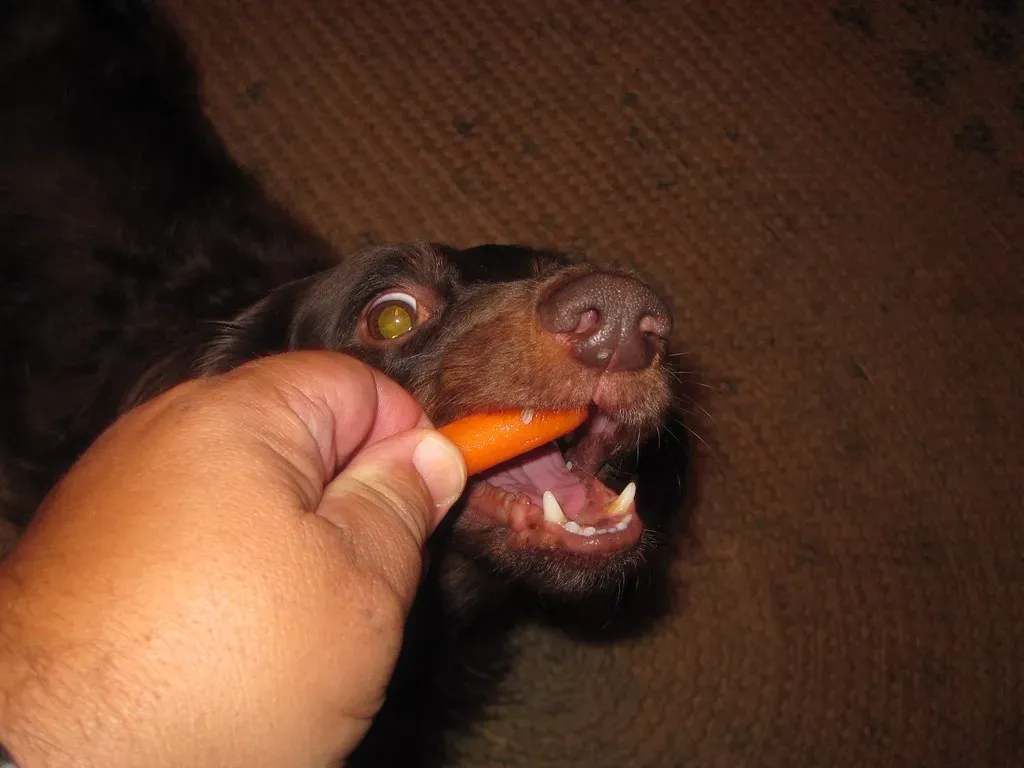
Cooked carrots are one of those rare things that check all the boxes: nutritious, safe, affordable, and most dogs genuinely enjoy them. They support everything from vision to digestion while being gentle enough for dogs with sensitive systems. Just remember to keep them plain, properly sized, and within reasonable portions.
Next time you’re steaming carrots for dinner, go ahead and set aside a few plain pieces for your pup. It’s a small gesture that shows you care about their health as much as their happiness. Have you tried giving your dog cooked carrots yet? What did they think?


