
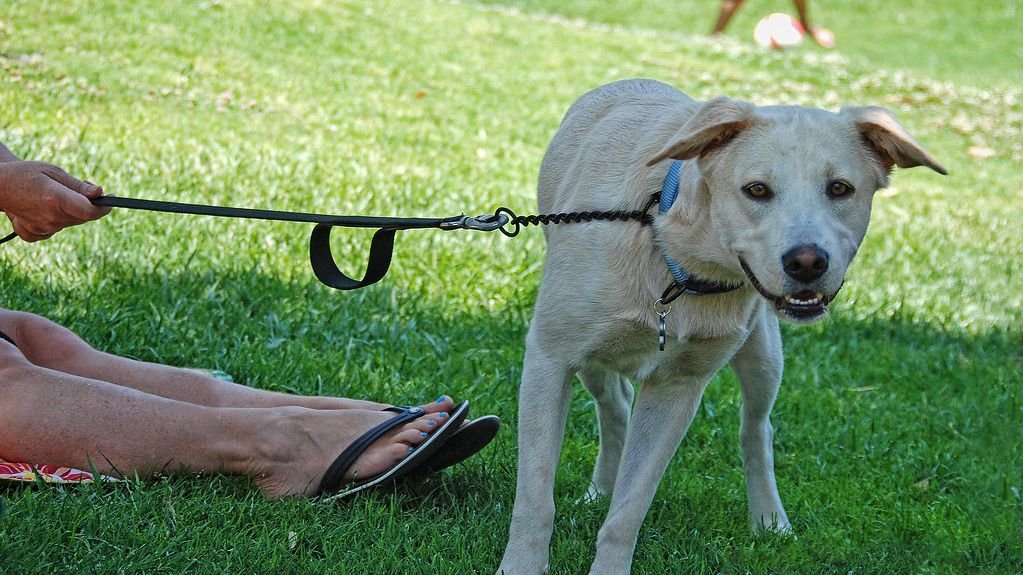
You know the feeling. You clip the leash on your dog, step outside, and within seconds you’re being dragged down the sidewalk like you’re water skiing on concrete. Your shoulder aches, your patience thins, and what should be a peaceful stroll turns into a battle of wills. Let’s be real, leash pulling is one of the most frustrating challenges dog owners face.
Here’s the thing, though. Your dog isn’t trying to be stubborn or dominant. They’re not plotting to embarrass you in front of the neighbors. The truth is, pulling on the leash is as natural to them as breathing. Understanding why it happens is the first step toward transforming those chaotic walks into the bonding experience you both deserve. So let’s dive in and unravel this mystery together.
Your Dog Isn’t Misbehaving, They’re Just Being a Dog
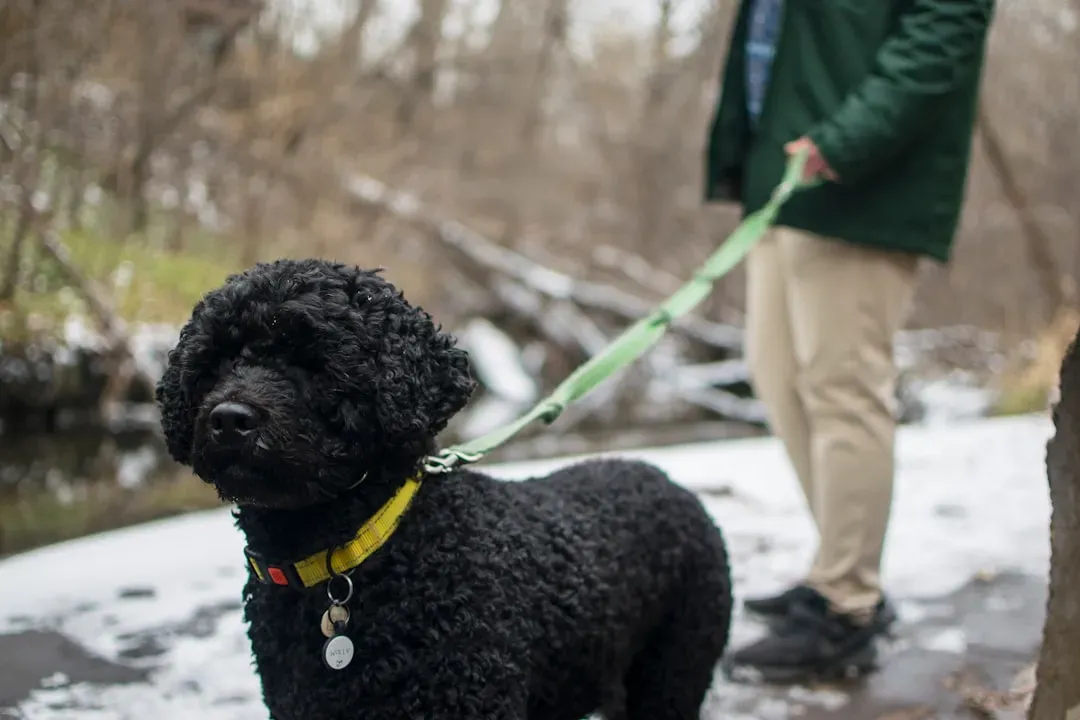
Wearing a leash and being tethered to a human is not a “natural” behavior for dogs. Think about it from their perspective. Dogs naturally walk faster than us, and in order to keep tension off of the leash, your dog has to alter their natural gait to match your much slower one. Imagine being forced to walk at the pace of a snail when you’re bursting with energy and curiosity.
From a dog’s perspective, humans can be slow. Your pup isn’t being rude when they charge ahead. They’re just excited! Walks offer a buffet of sights, sounds, and smells, and your dog wants to experience as many of them as possible. Meanwhile, you’re checking your phone or thinking about dinner. Dogs live in the moment, and every walk is an adventure waiting to unfold.
The Real Culprits Behind the Pulling
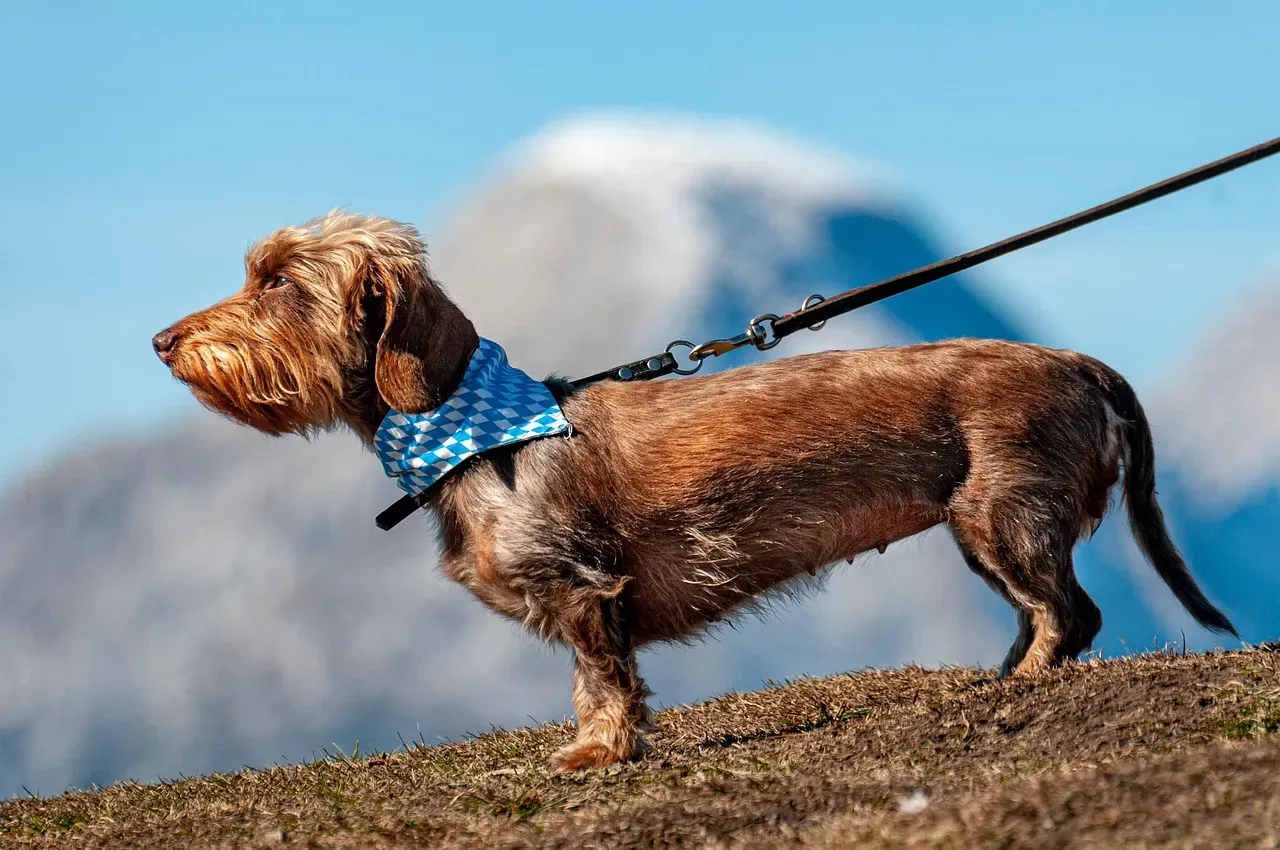
Several factors contribute to why your dog transforms into a furry sled dog the moment the leash clicks. Dogs, like any animal, do what “works,” and they repeat behaviors that have a favorable or meaningful result. If pulling gets them closer to that fascinating smell or the neighbor’s dog, congratulations, you’ve accidentally trained them to pull harder.
When your dog is pulling on the leash, they are tapping into their natural instinct of what we call “opposition reflex.” It’s because of something called the opposition reflex, which causes their muscles to push even harder into a pull, and when those muscles feel certain pressure, they naturally lean into that pressure. It’s like when someone pushes you toward a pool and you instinctively push back. The more you pull back on the leash, the harder your dog pulls forward. Wild, right?
Dogs have up to 300 million scent receptors in their nose, compared to our six million, and the area of a dog’s brain that’s dedicated to processing smells is also 30 times larger than ours. Their sense of smell can be anywhere from one thousand to ten thousand times better than ours. For them, every walk is like reading the most captivating novel ever written. You’d probably pull toward it too!
How Your Actions (Accidentally) Make It Worse
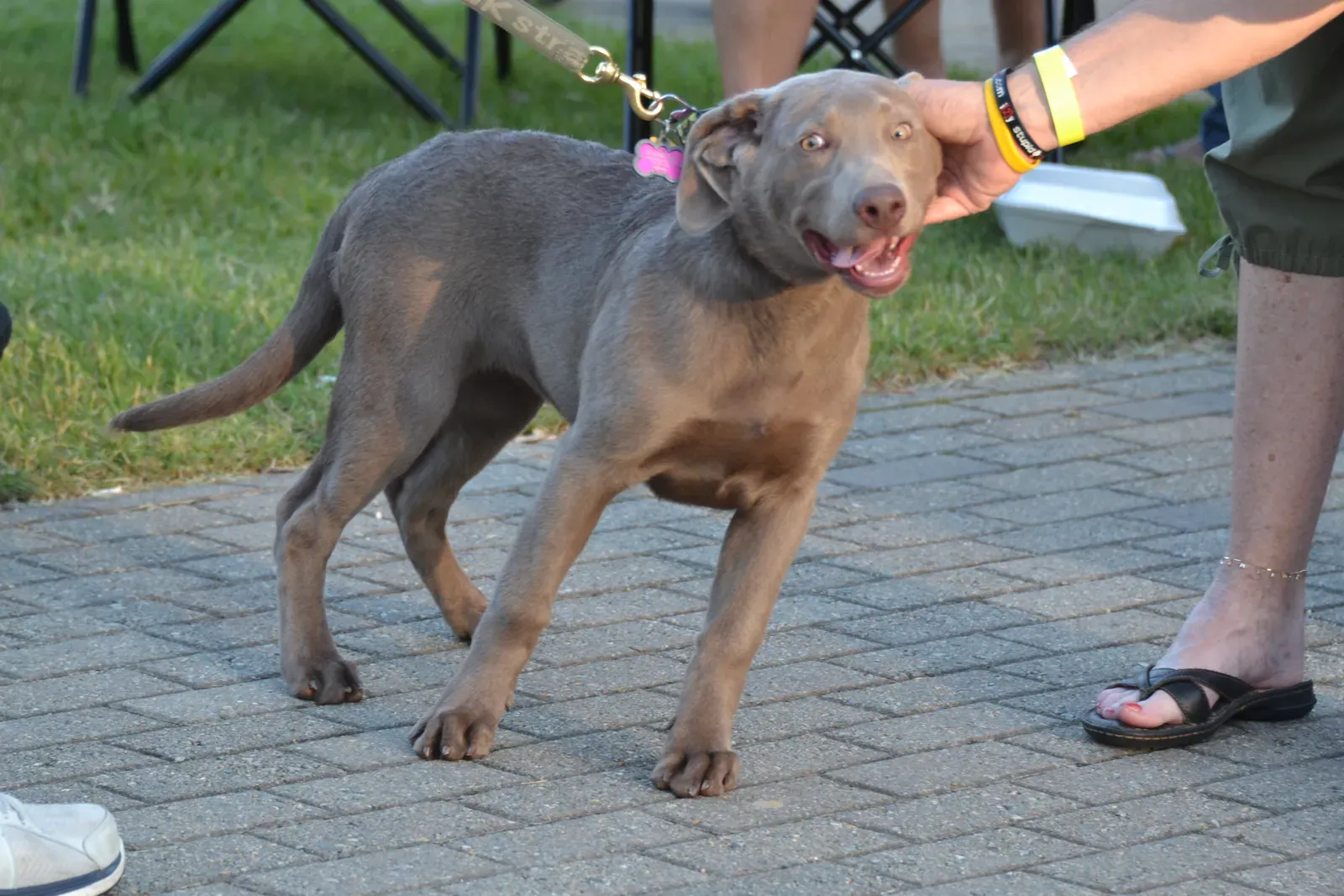
Most of us mean well, yet we unknowingly reinforce pulling behavior. Dogs repeat the unwanted behavior because it works, like when someone picks up their speed in response to the pup pulling, or they let go of the leash so the dog can reach whatever attracted their attention. Every time you give in and move forward while your dog is pulling, you’re teaching them that pulling equals progress.
Retractable leashes literally require force in order to extend, so the dog has to pull in order to get more length. These leashes reinforce the very behavior you’re trying to eliminate. It’s like trying to teach portion control while offering unlimited buffet access. Switch to a standard leash to give yourself a fighting chance.
Sometimes we also create expectations that set our dogs up for failure. Having your dog walk nicely next to you on boring concrete with no major sounds or distractions around them is dramatically different than walking down a busy road or past another dog, and dogs often pull on leash when they’re put in situations they aren’t ready for. Patience is everything here.
The Stop and Wait Method That Actually Works
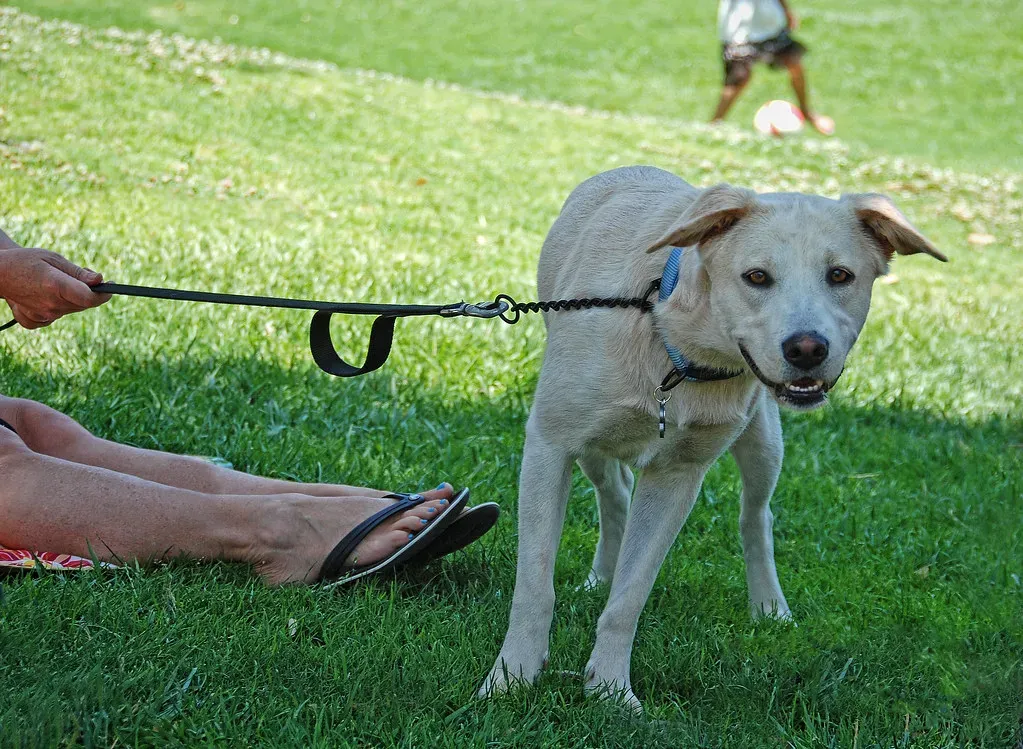
If your dog pulls on the leash, stop and wait until they stop pulling, and as soon as the tension on the leash is released, praise your dog, offer a quick treat, and then continue walking. Simple as that. You might have to stop and start every step or two at first, but your dog will soon figure out that pulling makes the walk stop and walking politely allows it to continue.
The simplest way to teach your dog not to pull is to never move forward when they do, so when your dog starts pulling, stop immediately, maintaining a consistent length of leash with your hands close to your body. This requires the patience of a saint initially. You might only make it to the end of your driveway the first few times, which is honestly okay. Remember, this is training, not transportation.
The key is consistency. Every single time. You need to be consistent with your no-pulling rule regardless of the situation, because anytime you allow your dog to pull on the leash, you will set your training back to square one. I know it’s tempting to let them pull when you’re in a hurry, yet that one exception can undo weeks of progress.
Practical Training Techniques You Can Start Today
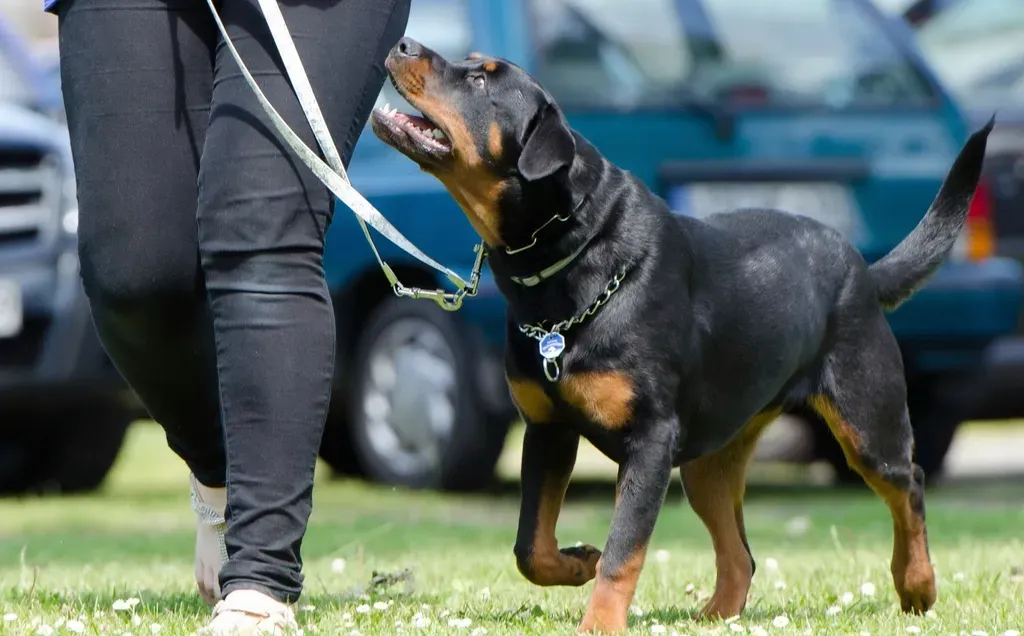
Start loose leash training in your house or in your backyard, in situations where your dog can be successful, reward the behavior that you like, and progress the difficulty and distractions slowly. Most people make the mistake of trying to train on actual walks where there are countless distractions. Set your dog up to succeed by starting somewhere boring and familiar.
Positive reinforcement is your best friend. Dogs repeat behaviors that are rewarding, whether that reward is a treat, praise, or a chance to sniff a fire hydrant, so whenever your dog is walking politely on a leash, be sure to reinforce that with some sort of reward like treats or pets and praise. Think of it as paying your dog for good behavior. They work for you, you pay them in snacks. Fair trade.
Try the direction change technique. When your dog pulls, turn and head in the other direction, which puts them behind you, at least momentarily, and your pup will not be pulling. Be unpredictable and reinforce the preferred behavior, as making quick turns, reversing direction, speeding up and slowing down all make you more interesting, which means your dog will follow you. You become the most interesting thing on the walk instead of everything else.
Have plenty of small, delicious treats with you, and wait for even the smallest second of slack in the leash, then tell your dog “Yes!” when the leash is slack and quickly deliver one or two wonderful treats. Timing matters enormously. The second that leash goes slack, reward immediately so your dog connects the dots between loose leash and tasty reward.
The Right Gear Makes a Massive Difference
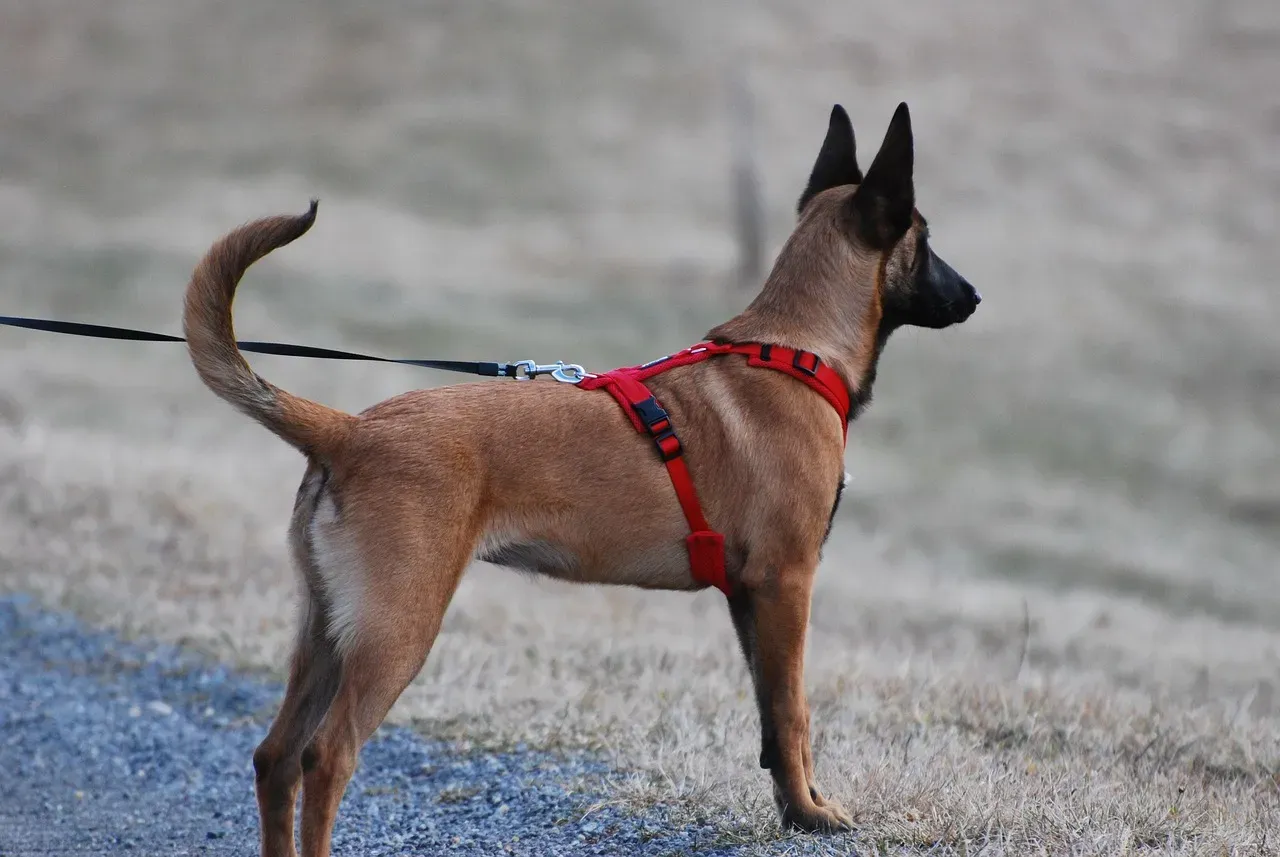
Front-lead harnesses, allowing the pressure of a tight leash to come from the chest rather than the back or neck, do not trigger the opposition reflex like a back-lead harness or collar. On a training harness, or no-pull dog harness, the leash attaches in the front at the dog’s chest, which allows you to have more control when your dog pulls, and when pressure is applied on the leash, the dog’s shoulders are turned and forward momentum stops.
Pulling puts a lot of stress on the animal’s neck and could potentially injure them. This is especially true for smaller dogs or breeds prone to tracheal issues. A harness distributes pressure more evenly across your dog’s body, making walks safer and more comfortable for everyone involved. Your dog’s health should always come first.
Utilize a longer leash to allow your dog to walk naturally and explore more within the confines of that leash, and while standard leashes are 6 feet in length, try a 10-foot leash to see the difference. Giving your dog more freedom within boundaries can actually reduce pulling because they don’t feel so restricted. It’s a bit counterintuitive, yet it works.
When to Ask for Professional Help
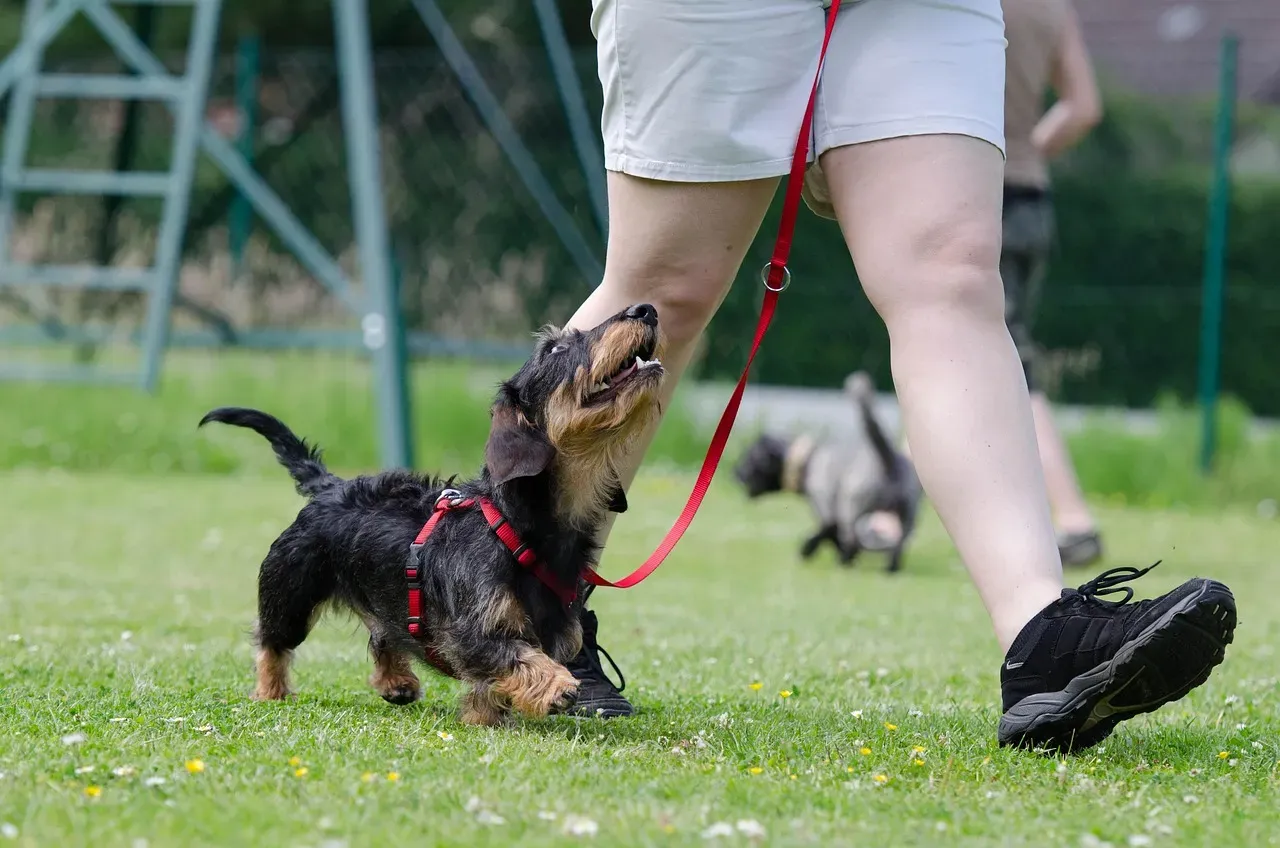
For dogs who lunge to the end of their leash, bark and frantically try to chase or approach other animals, people, moving cars, and bicycles, additional help is needed, so talk to your veterinarian for a referral to a professional behavior consultant and trainer for individualized coaching. There’s no shame in admitting you need backup. In fact, it shows you’re serious about helping your dog.
Some dogs lunge or bark because they are afraid, others are too excited and have trouble controlling themselves, and still others may have the urge to hunt or chase, so depending on the severity of the behavior and the underlying motivation, the individual training plan needs to be tailored to the specific dog. Every dog is unique, and cookie-cutter solutions don’t always work for complex behavioral issues.
Professional trainers can assess your specific situation and create a customized plan. Sometimes what looks like simple pulling is actually leash reactivity or anxiety, which requires a different approach entirely. Investing in professional help early can save you months of frustration and help your dog feel more secure and confident on walks.
The Path Forward: Patience, Consistency, and Celebration
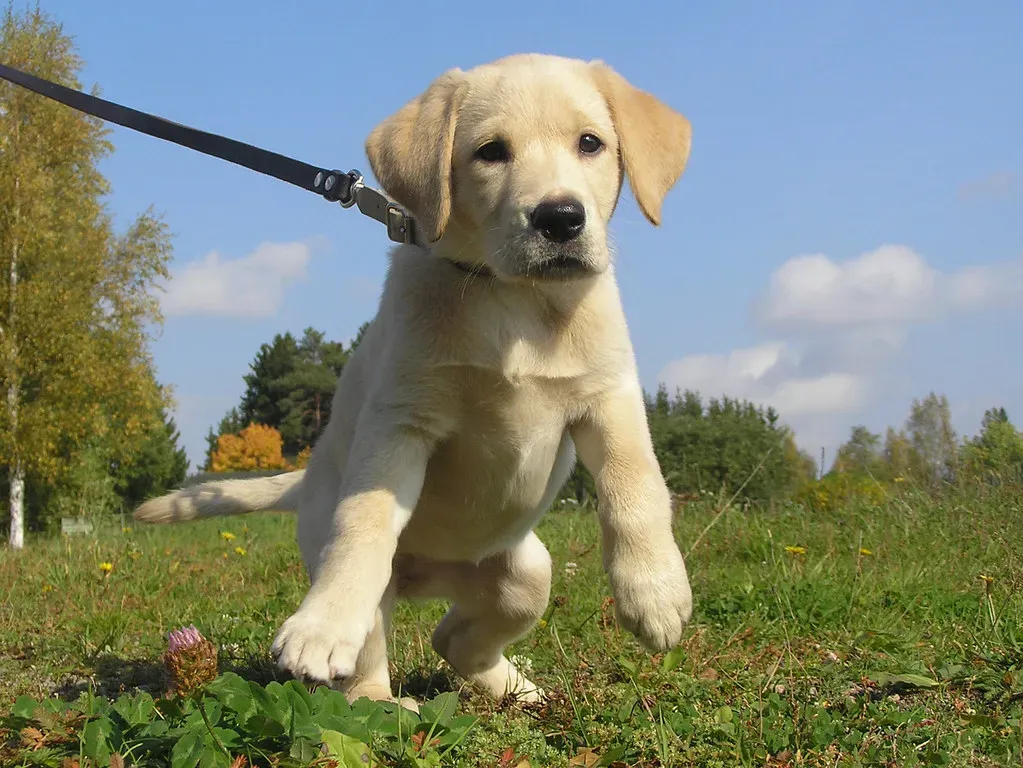
Transforming your dog into a polite walking companion won’t happen overnight. It can be frustrating to work with a determined leash puller, and in the beginning, you might get no further than the end of your driveway, so rather than pushing your dog until you’re both feeling cranky, keep your training sessions short and upbeat, and remember, your goal isn’t to make it a certain distance, it’s to walk with a loose leash.
The training process to stop a dog from pulling on a leash involves consistent, positive reinforcement techniques and tailor-made sessions to suit the dog’s learning pace, and in the realm of dog training, the fundamental principle is consistency. Every walk is an opportunity to practice. Every successful step without pulling deserves acknowledgment. Small victories add up to major transformations over time.
Celebrate progress, no matter how tiny. Did your dog only pull for half the walk instead of the entire time? That’s progress worth celebrating. Did they check in with you once without being prompted? Throw a party! These small moments are building blocks for the well-mannered walking companion you’re working toward. Your dog wants to make you happy. They just need clear, consistent communication about what that looks like.
The walks you dream of, where you and your dog stroll peacefully side by side, soaking in the sunshine and enjoying each other’s company, are absolutely within reach. It takes time, patience, and commitment, yet the payoff is worth every frustrating moment. Soon, those dreaded walks will become the highlight of both your days. What small change will you make on your next walk to start this journey?


