

You know that look. The one your dog gives you when the storm clouds roll in or the fireworks start. Those wide, anxious eyes searching your face for reassurance. It breaks your heart every single time. If you’re reading this right now, chances are you’ve seen that expression more times than you’d like to count.
Here’s the thing: crates can be amazing tools. They truly can. Yet for many anxious dogs, that wire box or plastic carrier just doesn’t cut it. Some pups need something different, something that speaks to their primal need for safety in a way that feels less like confinement and more like coming home. So let’s talk about creating a den that actually works for your nervous companion.
Understanding Your Dog’s Natural Denning Instinct

Dogs are still ruled by their natural instincts, and denning, where a dog builds and retreats to a shelter, is one such ancient behavior also observed in their wild relatives like wolves and foxes. Think about it. When your dog crawls under the coffee table during a thunderstorm or wedges themselves behind the couch when company arrives, they’re not being weird. They’re listening to something deep inside them.
Denning comes naturally to dogs, with the instinct to dig, scratch, or circle coming from their ancestors, and in the wild, it’s a safe area for these animals to rest and relax. Wild canines seek enclosed spaces to regulate temperature, raise their young, and simply feel protected from threats. Your domesticated buddy might not need to worry about predators anymore, yet that same urge for a cozy, secure hideaway remains hardwired into their brain. When the world feels overwhelming, they crave that den.
Recognizing the Signs Your Dog Needs a Den Space

Dogs show stress through pacing or shaking, and they pant when hot, excited, or stressed; if your dog is panting even though they have not exercised, they may be experiencing stress. Maybe you’ve noticed your pup licking their lips excessively, tucking their tail, or suddenly refusing treats they normally devour. These aren’t just quirks.
Dogs might move away or actively try to avoid whatever is worrying them, with some trying to hide or withdraw from a situation while others might bolt when frightened, which can be highly dangerous. Pay attention to where your dog gravitates when they’re feeling uneasy. Do they squeeze themselves into the gap between the bed and the wall? Burrow under blankets? That’s your dog telling you exactly what they need. Listen to them.
Designing a Den That Soothes Rather Than Confines

Dogs are den animals who need their own sanctuary that is just large enough for them to fit inside and feel secure, a home away from home where they can go when they are stressed, and if you don’t provide your dog a den of its own, it may make do with whatever is around. This matters more than you might think. Forget trying to force your dog into a traditional crate if it’s causing them distress.
Although domestic dogs do not create dens in the traditional sense, it is vital for their emotional security and comfort that owners provide a den-like space at home, often taking the form of a crate or a designated bed where the dog can retreat, relax, and sleep free from disturbance. Consider a covered dog bed, a specially designed anxiety den, or even a quiet closet space with soft bedding. The key is enclosure without entrapment. Your dog should feel hugged by the space, not trapped in it.
Creating the Perfect Den Environment
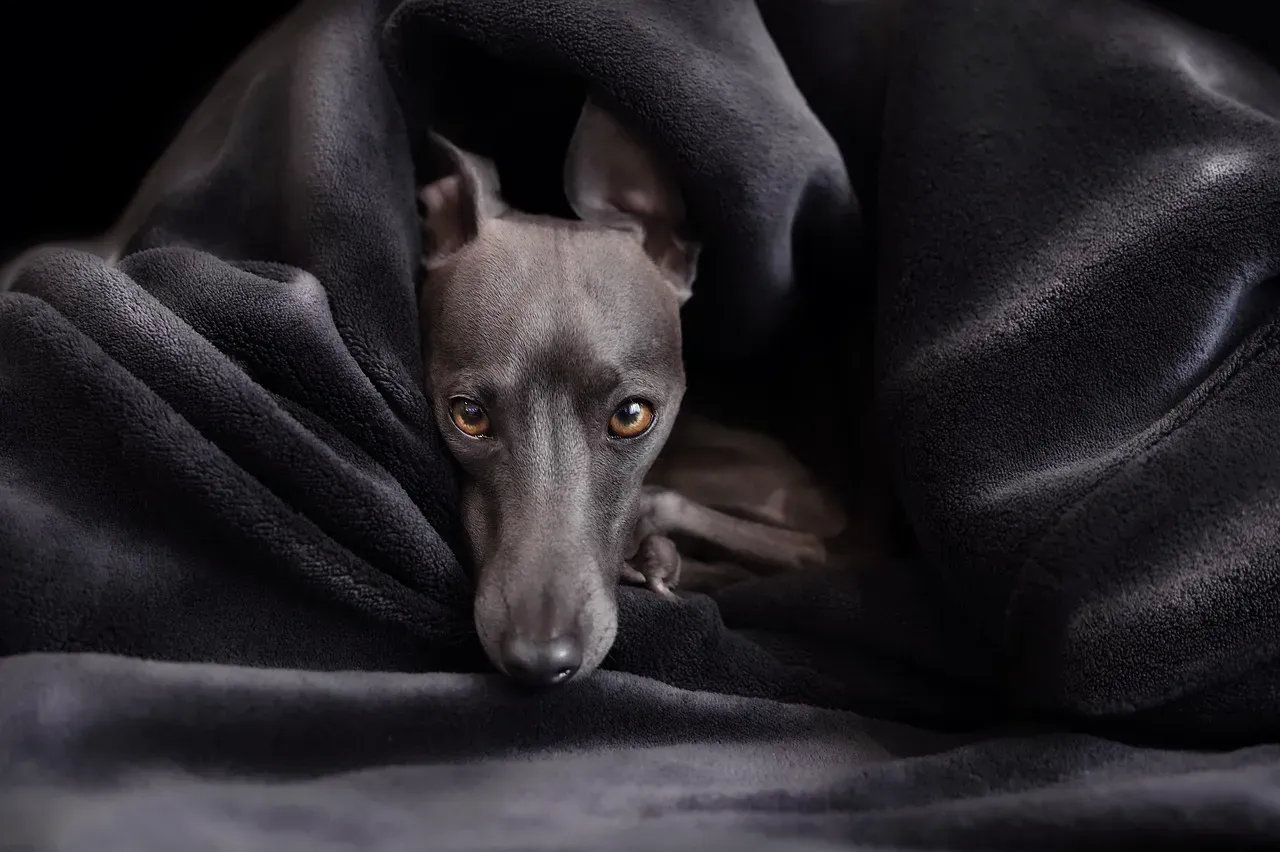
Cover the crate with a blanket that you’ve used a few times to surround your pooch with your scent, place an extra-cozy bed inside that feels like a hug, muffle any scary sounds with a white noise machine plugged in near the crate, and draw the blinds and dim the lights. Location matters enormously. Don’t stick your dog’s den in the garage or basement where they feel isolated from the family pack.
Choose a quiet corner in a room you frequently use. One especially popular den location for dogs is under the stairs, which is often enclosed on three sides, giving a cosy feel while still allowing the dog visibility and an easy exit, offering security by limiting how they can be approached. Add items that smell like you. Seriously, throw in that worn t-shirt. The familiar scent works wonders for reducing anxiety.
Making the Den a Positive Association
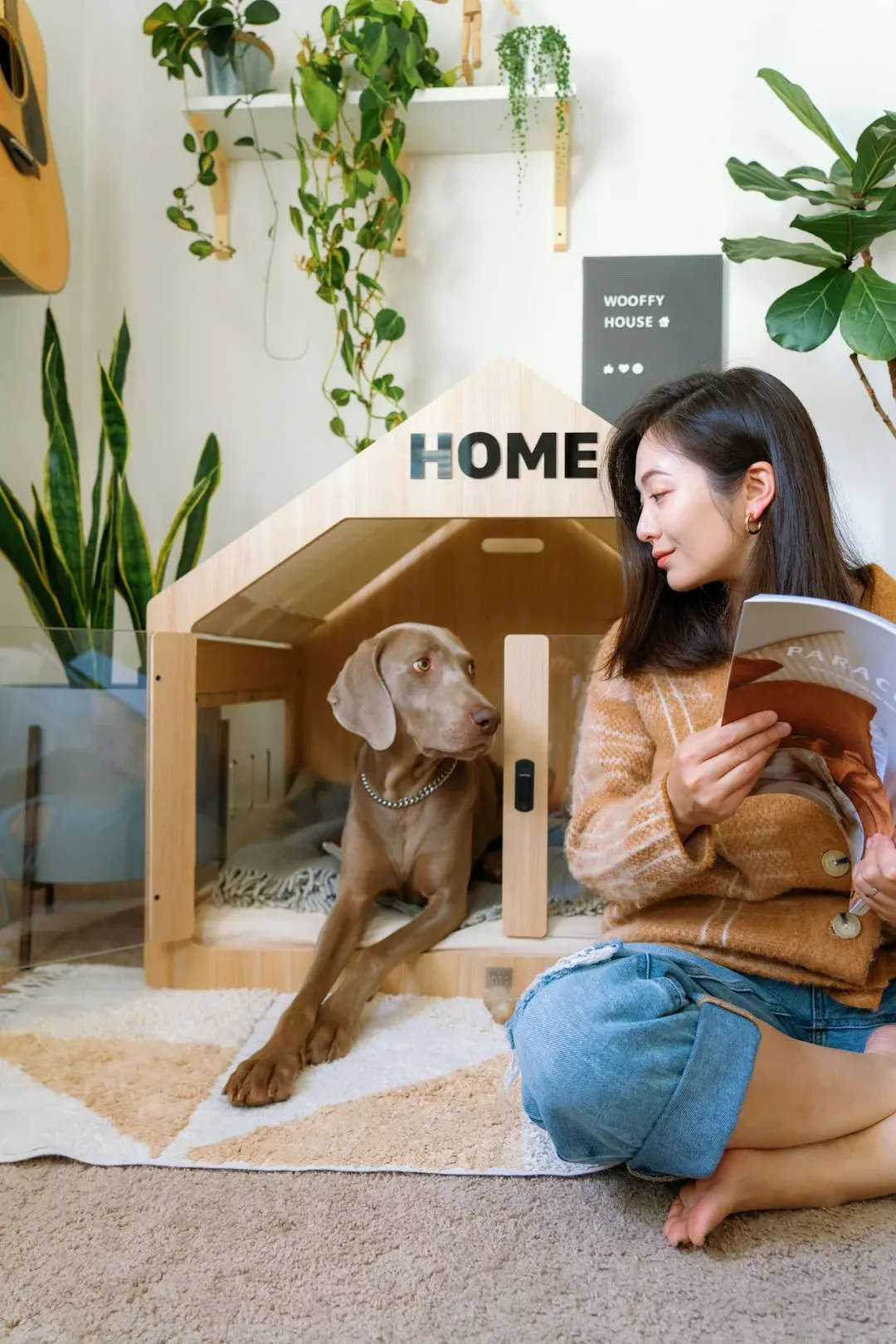
A familiar, comforting spot helps pups feel less alone when you step away, reducing destructive behaviors like chewing or barking, and dogs nap more deeply when they feel secure; when you pair the space with treats, favorite toys, or soothing background noise, dogs learn to view it as a reward, not a punishment. Never use the den as punishment. This cannot be stressed enough.
The den should be your dog’s sanctuary, their personal retreat where only good things happen. Toss high-value treats in there randomly throughout the day. Let them discover their favorite chew toy nestled in the corner. Play soft music near the space. If a dog is feeling stressed or anxious, surrounding himself with his own scent like this can be a way to self-soothe and make himself feel more secure. Over time, your dog will start choosing this spot on their own because it genuinely feels safe.
Beyond the Physical Space: Supporting Your Anxious Dog

It is important to provide your dog with a safe place in the home where they can escape stimuli that trigger a stress response, as everybody enjoys a calm place to retreat. Creating a den is just one piece of the puzzle. Anxious dogs benefit enormously from consistent routines, adequate exercise before potentially stressful events, and positive reinforcement training that builds confidence.
Medical conditions such as pain can cause dog anxiety, and it is estimated that fourteen to twenty percent of dogs have separation anxiety. If your dog’s anxiety seems severe or doesn’t improve with environmental changes, please consult your veterinarian. Sometimes underlying health issues contribute to anxiety, and there are excellent behavioral specialists who can help. You’re not failing your dog by seeking professional support. You’re being the advocate they need.
Your anxious dog isn’t broken. They’re just asking for understanding and a safe space that honors their instincts. When you create a proper den, something magical happens. That worried expression softens. The pacing slows. They finally exhale and rest. Honestly, there’s no better feeling than watching your nervous pup curl up contentedly in their special spot, knowing you’ve given them exactly what they needed all along. What small changes could you make today to help your dog feel more secure?


