
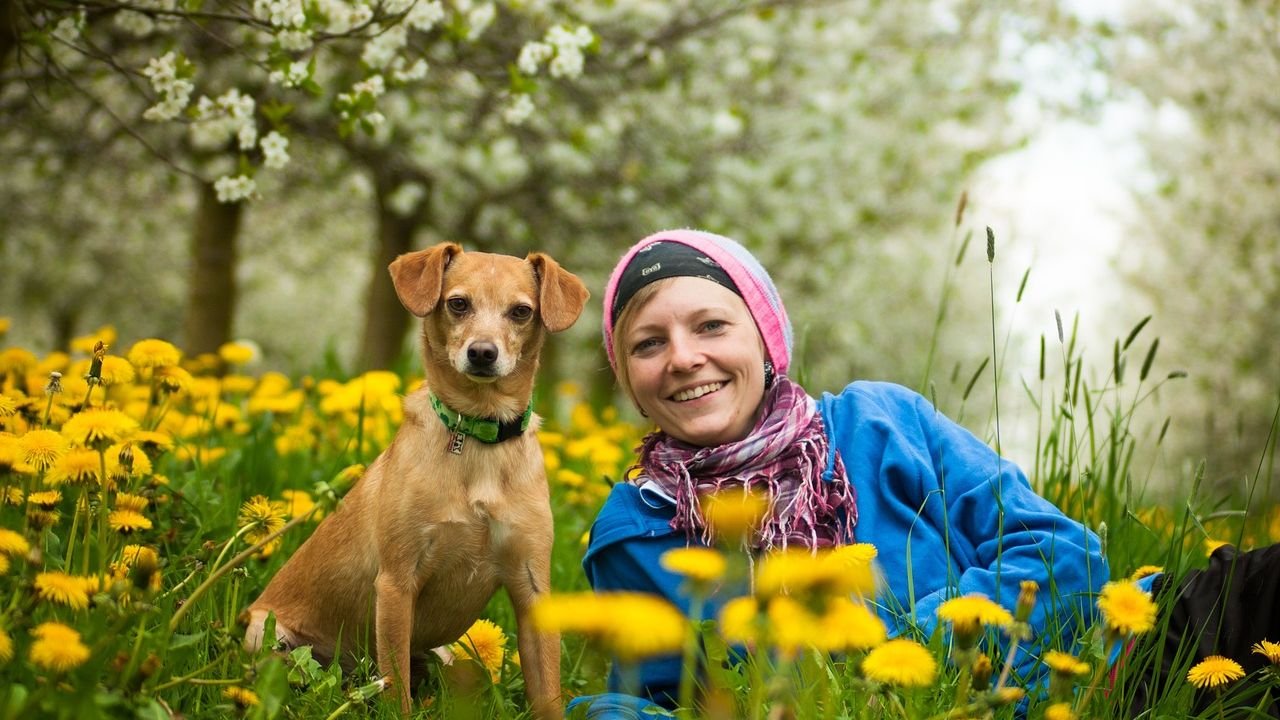
Picture this. Your pup spots another dog across the park. Instead of bolting toward their four-legged friend, they glance up at you, tail wagging, eyes locked on yours. They lean in closer. It’s not shyness or fear. It’s choice.
Some dogs actually prefer the company of human beings instead of other dogs, and research shows that as dogs became more domesticated, they may have bonded more with humans than with other canines. This isn’t a fluke or a personality quirk. There’s real science behind why your dog might just love you more than their own kind.
The Bond That Defies Species
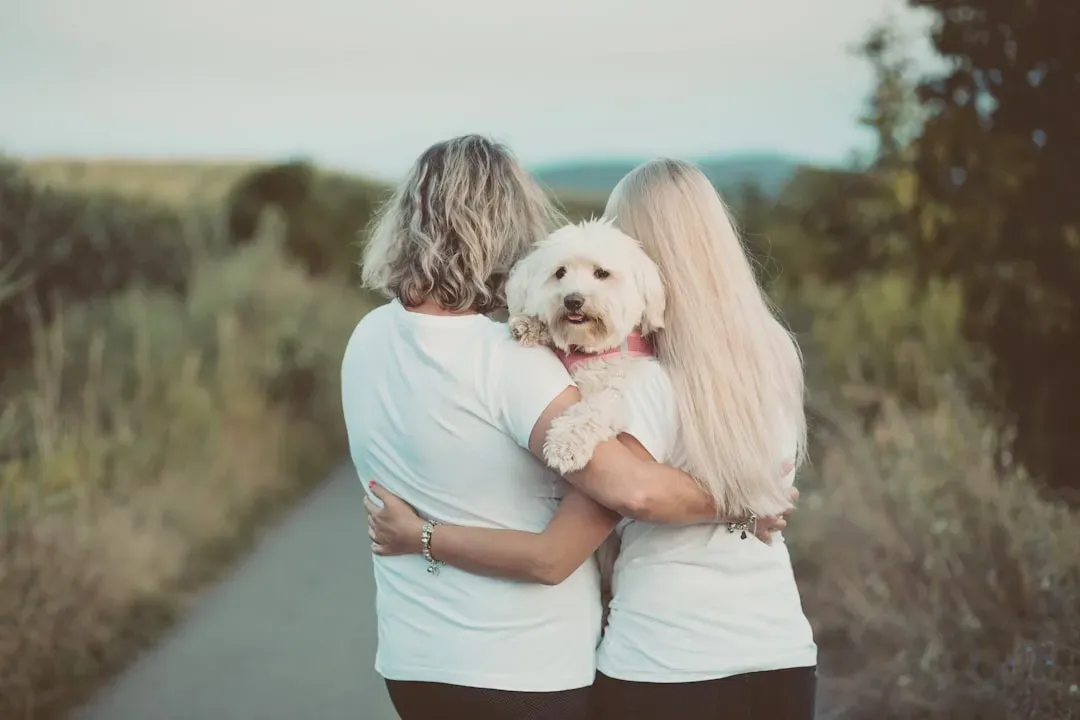
When dogs become stressed, they draw more comfort from the presence of their human caretaker than from another familiar dog, behaving as if they had a stronger bond with their human caretaker than with their brother or sister. This is honestly fascinating when you think about it. Imagine growing up with siblings your entire life, never being apart, and then choosing a stranger from another species to comfort you instead.
Research shows that dogs tend to stay, interact, and make contact with their human caretakers more than their littermate partners in times of discomfort and worry. Their stress hormone levels remained normal in the presence of the caretaker but spiked with their kennel mates. Think about what your dog does when they hear thunder or fireworks. Do they seek out another dog in the house, or do they come straight to you?
What Happened During Domestication
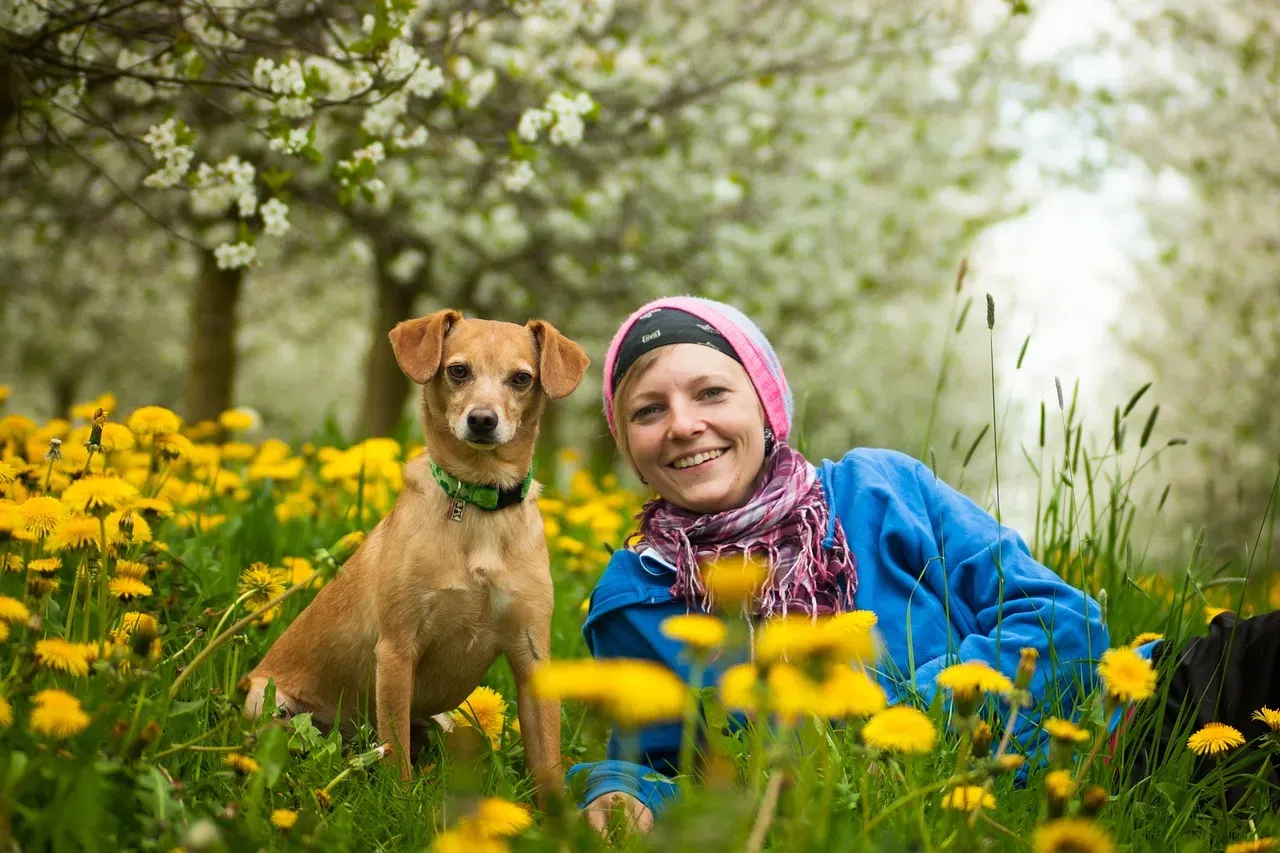
Dogs weren’t always like this. Wolves, their closest relatives, don’t exhibit the same human-focused behavior. Wolves rarely engage in eye contact with their human handlers and don’t show the same gazing behavior that increases oxytocin concentrations in owners.
Dogs are suggested to have acquired human-like communication skills as a byproduct of the mutation of the stress response endocrine system during domestication, and they naturally behave similarly to humans and prefer humans who synchronize with them. Over thousands of years living alongside us, dogs essentially rewired themselves to connect with humans on a level that transcends typical interspecies relationships. We may have selectively bred dogs to love humans more than they love animals of their own species.
The Chemistry of Connection
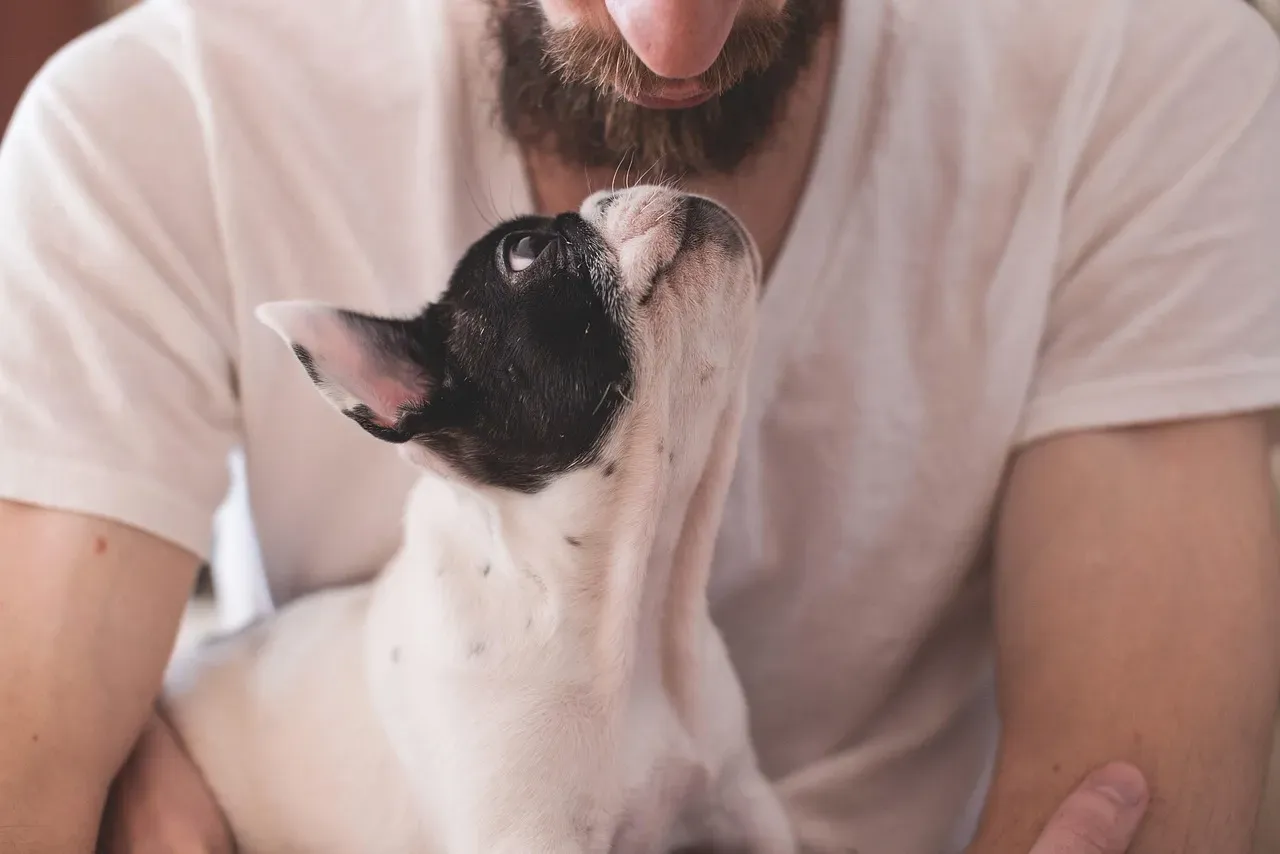
Here’s where it gets really interesting. Humans bond emotionally as they gaze into each other’s eyes, a process mediated by the hormone oxytocin, and such gaze-mediated bonding also exists between people and their dogs, with mutual gazing increasing oxytocin levels. When your dog looks into your eyes, both of you experience a surge of the same hormone that bonds mothers to their babies.
Scientists found that there was an increase in the levels of oxytocin in dog and owner after interactions involving eye contact, stroking, and cuddling. This creates what researchers call a positive feedback loop. Your dog looks at you, you both feel good, so you look at each other more. These results support the existence of a self-perpetuating oxytocin-mediated positive loop in human-dog relationships that is similar to that of human mother-infant relations. It’s like falling in love, except it happens between you and your furry companion.
Early Life Shapes Everything
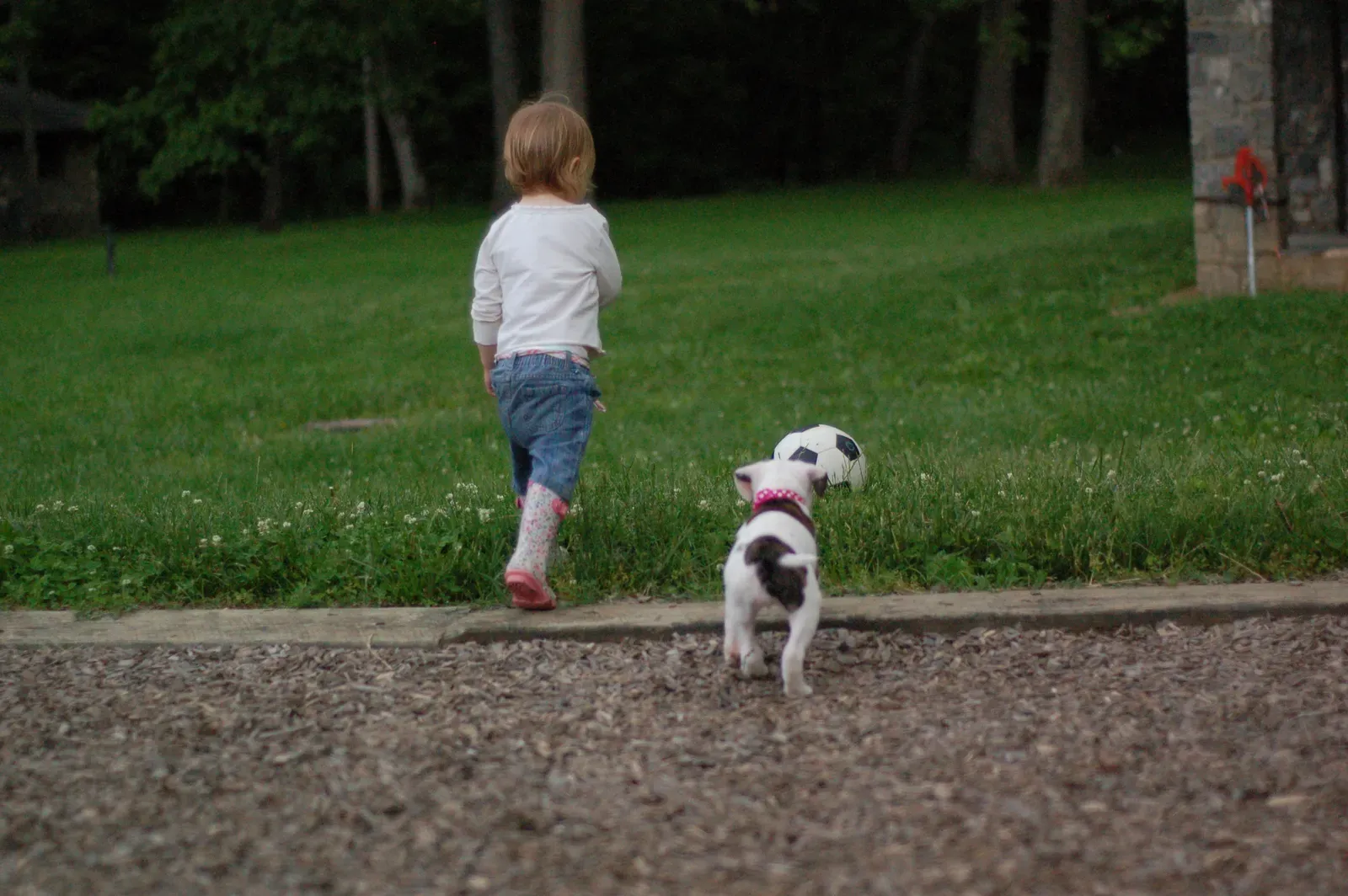
Puppies without exposure to humans before the age of 14 weeks are unable to form normal relationships with humans, with the fear response potentially becoming permanent. That narrow window during early puppyhood is absolutely critical. The commonly accepted time frame for primary socialization is from 3 to approximately 12 weeks of age.
It is very important that a puppy experience human touch from birth to promote a human-canine attachment and encourage the puppy’s ability to develop social attachments with people as they grow. Dogs who receive gentle handling, positive interactions, and consistent human contact during those first few months literally develop different brains than dogs who don’t. Their comfort-seeking behavior becomes wired toward humans rather than their own species. If you’ve ever wondered why rescue dogs sometimes struggle with human attachment, this early socialization period explains a lot.
Your Dog Is Watching You More Than You Think
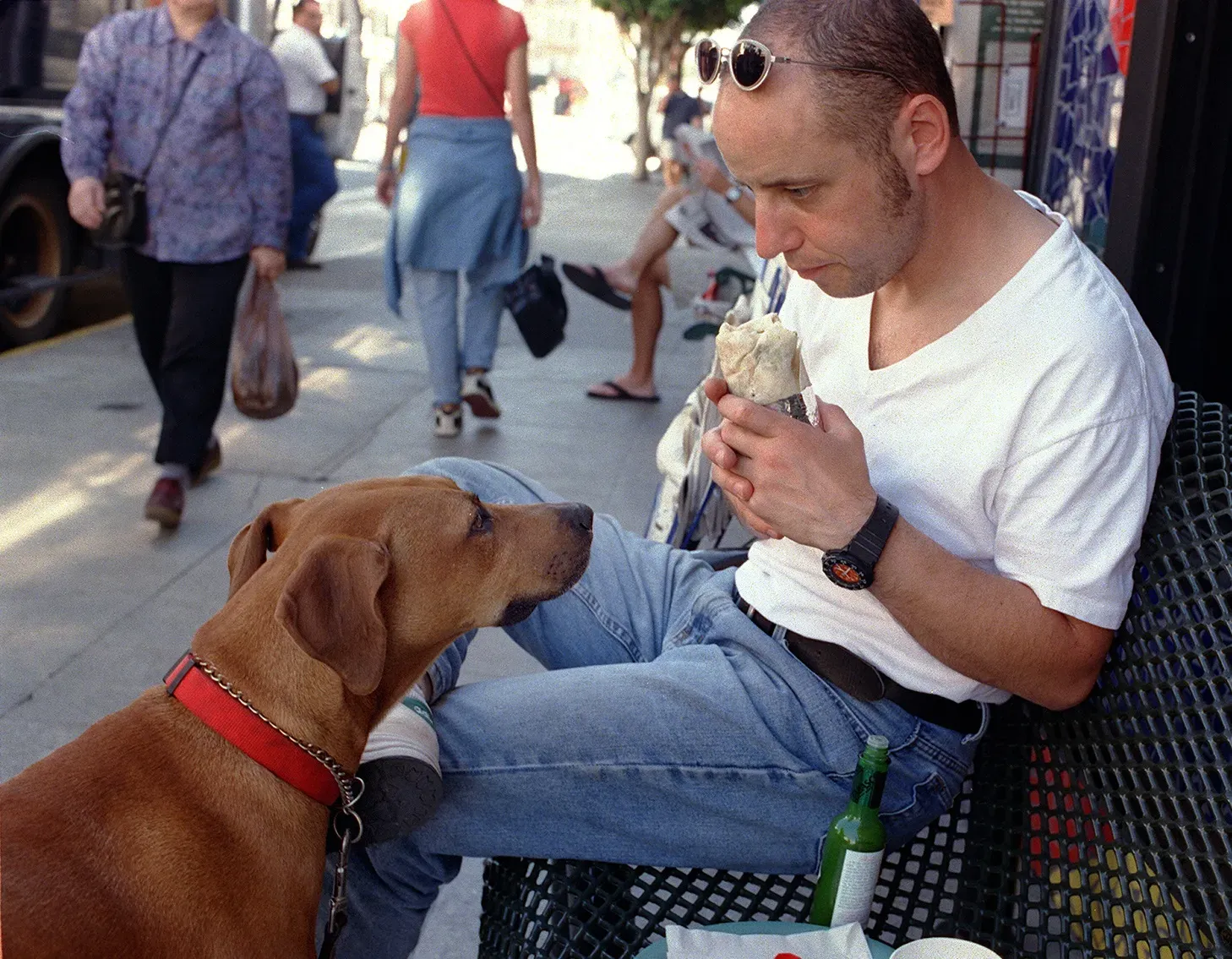
Research has shown that dogs are continually monitoring the social interactions their owners have with other people and using this information to form opinions. They’re not just hanging around looking cute. They’re actively studying you.
Dogs tend to do social eavesdropping, where they watch your interactions with others, including body language and tone of voice, and they were more trusting of helpful people who had positive interactions with their owners while avoiding people who were not helpful or negative toward their owners. I know it sounds crazy, but your dog is basically judging your friends. Your dog is observing your interactions more thoroughly than you may be, and they are forming opinions. That instant dislike your dog has for certain people? They might be picking up on something you’re missing.
When Human Connection Becomes Too Much
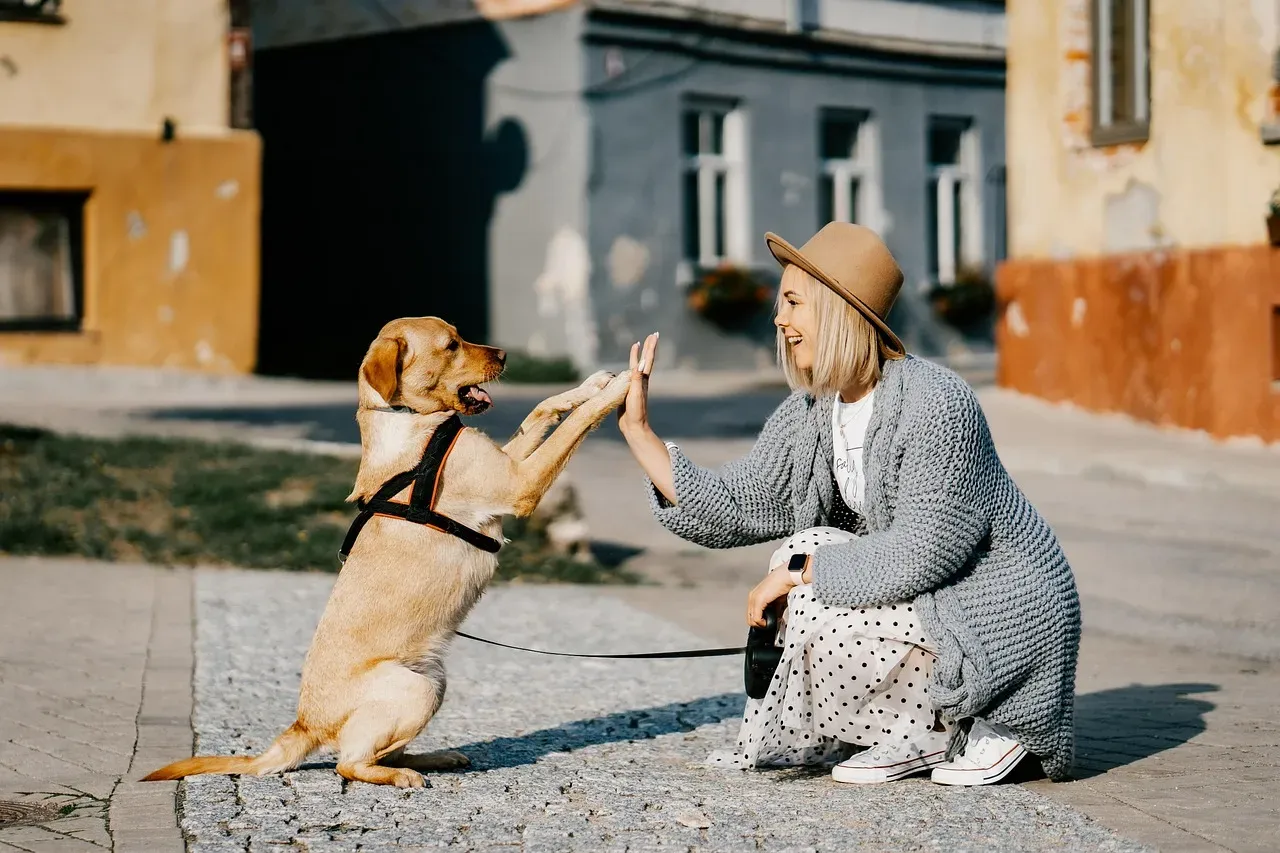
While the human-dog bond is beautiful, it can sometimes become problematic. Watch for red flags like your dog refusing to give space to anyone who comes near you, as that can turn into territorial behavior or even aggression. Some dogs become so fixated on their favorite person that they can’t tolerate anyone else approaching them.
When dogs reach social maturity between ages one and three, they often no longer enjoy playing with large groups of unfamiliar dogs and may either attempt to avoid the dogs, stand close to their human family, or even growl and snap at boisterous young dogs, which is actually quite common behavior. This doesn’t mean your dog is broken or antisocial. It might just mean they’ve decided you’re all the companionship they need. Let’s be real, sometimes one best friend is enough.
Your dog’s preference for you over other dogs isn’t a sign of poor socialization or a behavioral problem. It’s the result of thousands of years of evolution, brain chemistry that mirrors parent-child bonding, and the unique relationship you’ve built together. They’ve chosen you, and science backs up what you already knew in your heart. That gaze, that lean, that choice to stay by your side instead of running to play? That’s love, pure and simple.
What do you think about it? Does your dog prefer you over other pups? Tell us in the comments.


