
You know that guilty moment when you catch your dog’s eyes light up at the sight of something utterly mundane? Maybe it’s an empty cardboard box or a crumpled water bottle. Their excitement is genuine, and honestly, it makes you wonder why we spend so much on fancy toys. The truth is, your home is already packed with items that can bring joy, mental stimulation, and healthy play to your furry friend.
Let’s be real, though: Not everything lying around is safe for your pup. Some household objects can pose serious risks, from choking hazards to digestive trouble. That’s where this guide comes in. I’ve gathered fifteen common items that, when used properly and under supervision, can transform into fantastic, enriching playthings. Ready to discover what’s hiding in your pantry, laundry room, or recycling bin? Let’s dive in.
Old Towels and Blankets
Those worn-out towels tucked away in the back of your linen closet have a second life waiting for them. Dogs love sniffing, and you can create a snuffle mat by tying strips of towels together or using any fringed fabric where treats can be hidden. Scatter some kibble or small treats throughout the towel, then roll it up, twist it, or scrunch it into a ball.
Your dog will spend ages nosing through the fabric, working their natural foraging instincts. Spending a few minutes searching for treats on a fringed mat can stimulate your dog’s mind and help them relax. It’s hard to say for sure, but this simple activity might tire them out more than a short walk around the block.
Cardboard Boxes
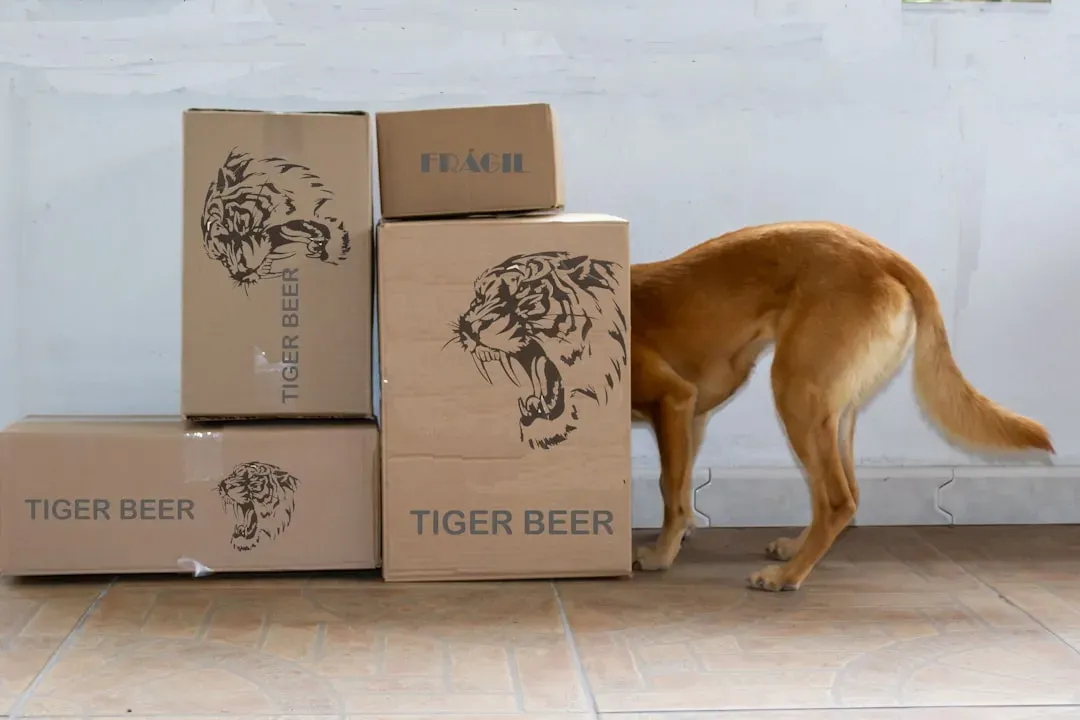
Cardboard boxes are a great and inexpensive way to create enrichment at home, and they can be used for DIY puzzles, sensory boxes, or satisfying the tearing and shredding sensation most dogs love. Fill a box with crumpled paper, toss in a few treats or toys, and watch your pup dive in headfirst.
Dogs enjoy tearing up cereal boxes and cardboard egg cartons to find hidden treats, and this activity doesn’t encourage destruction if a dog has a variety of appropriate activities to channel their energy. Always supervise to make sure they’re not swallowing large chunks, and remember, the mess is temporary but the mental workout lasts.
Empty Plastic Bottles
Before you toss that plastic water bottle into the recycling bin, consider giving it to your dog. Simply fill the bottle with some of your dog’s food, seal the lid, and let your dog have at it, or leave it unsealed to create a treat-dispensing toy. The crinkling sound and rolling motion make it irresistible.
You can place kibble or treats inside an empty plastic bottle with the cap and label removed for a noisy, interactive toy. Just keep a close eye on aggressive chewers who might bite through the plastic. When the bottle starts showing wear, it’s time to swap it out.
Toilet Paper and Paper Towel Rolls
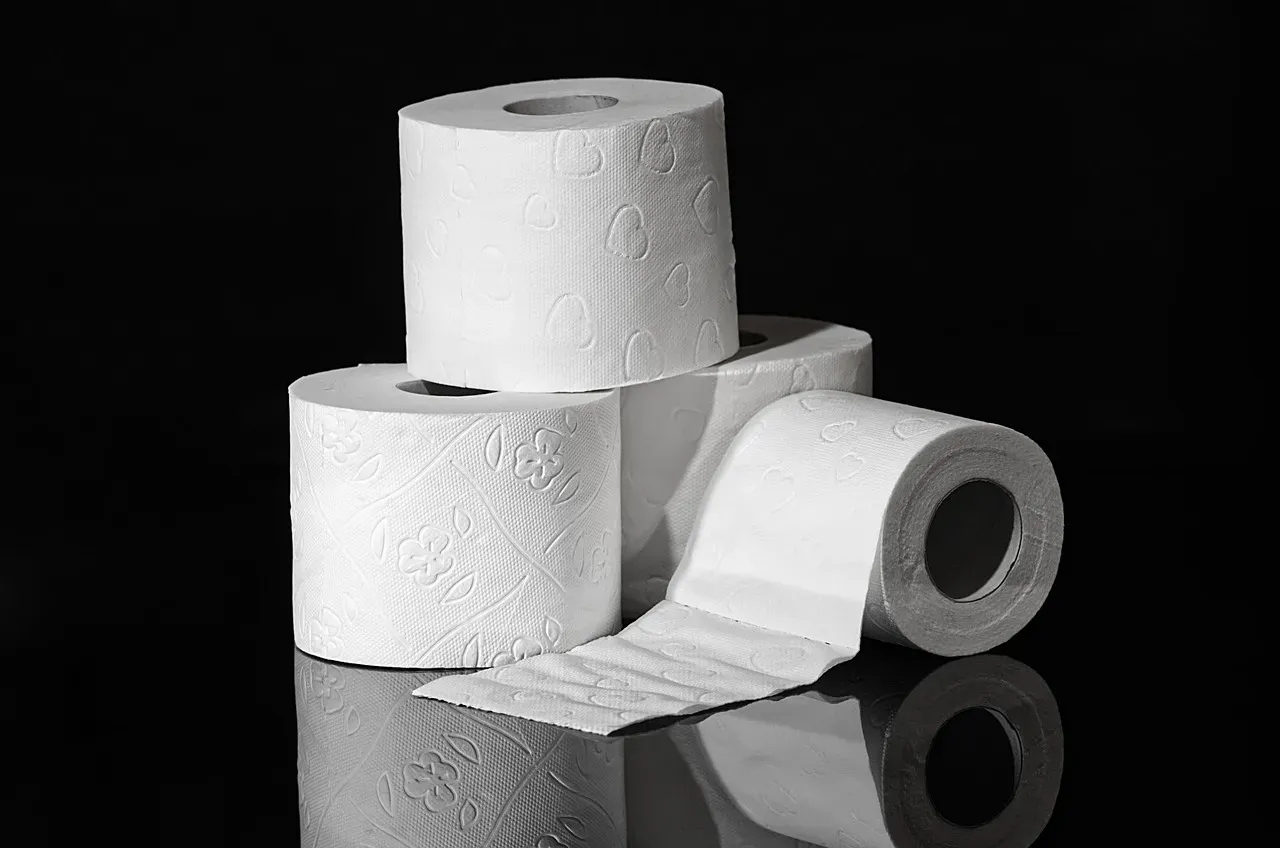
Don’t toss that empty toilet paper roll – save it for your dog, as paper towel rolls work great too by cutting slits into each end, folding down one end, adding food, then folding up the other end. It becomes an instant puzzle that satisfies their urge to rip and tear.
A simple puzzle feeder can be made from a cardboard paper towel tube by cutting random holes, adding treats, and pressing in the ends to close, with extra challenge added by covering the tube with paper and twisting the ends. You can even hide these around the house for a scavenger hunt vibe.
Muffin Tins
Here’s the thing: A standard muffin tin is basically a ready-made puzzle game. Take a standard muffin tin, place kibble or treats in some cups, then cover all cups with tennis balls or other dog-safe toys so your dog has to use their nose and paws to figure out which cups hold the treasure.
You can use muffin tins for different enrichment games and activities, whether through freezing treats in the bases or creating food puzzles. The mental effort required to solve this game can be surprisingly tiring, even for high-energy breeds.
Socks
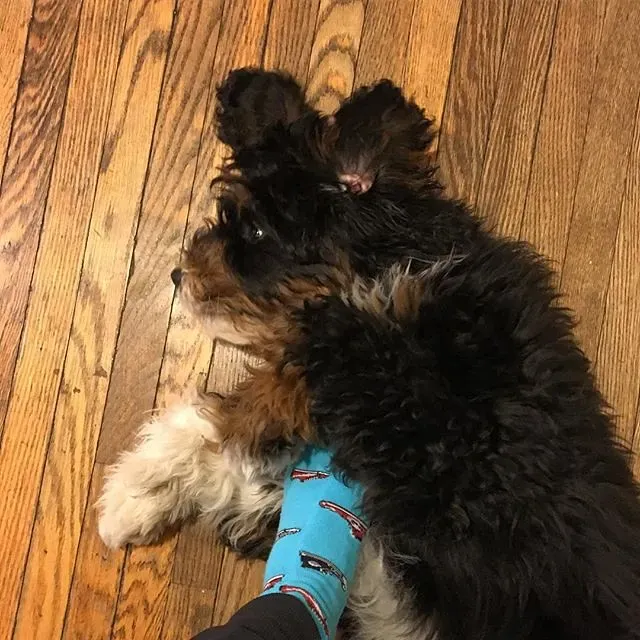
Skinneeez plush toys with no stuffing are smart, and all you need is a sock and catnip for cats – genius. For dogs, you can tie a knot in a clean old sock to create a simple tug toy. Tie a knot in an old, clean sock for a simple tug toy.
I know it sounds crazy, but dogs genuinely enjoy the texture and the interactive play. Make sure the sock is sturdy and doesn’t have holes that could unravel. Replace it once it starts looking ragged, because nobody wants a trip to the vet for swallowed fabric.
Egg Cartons
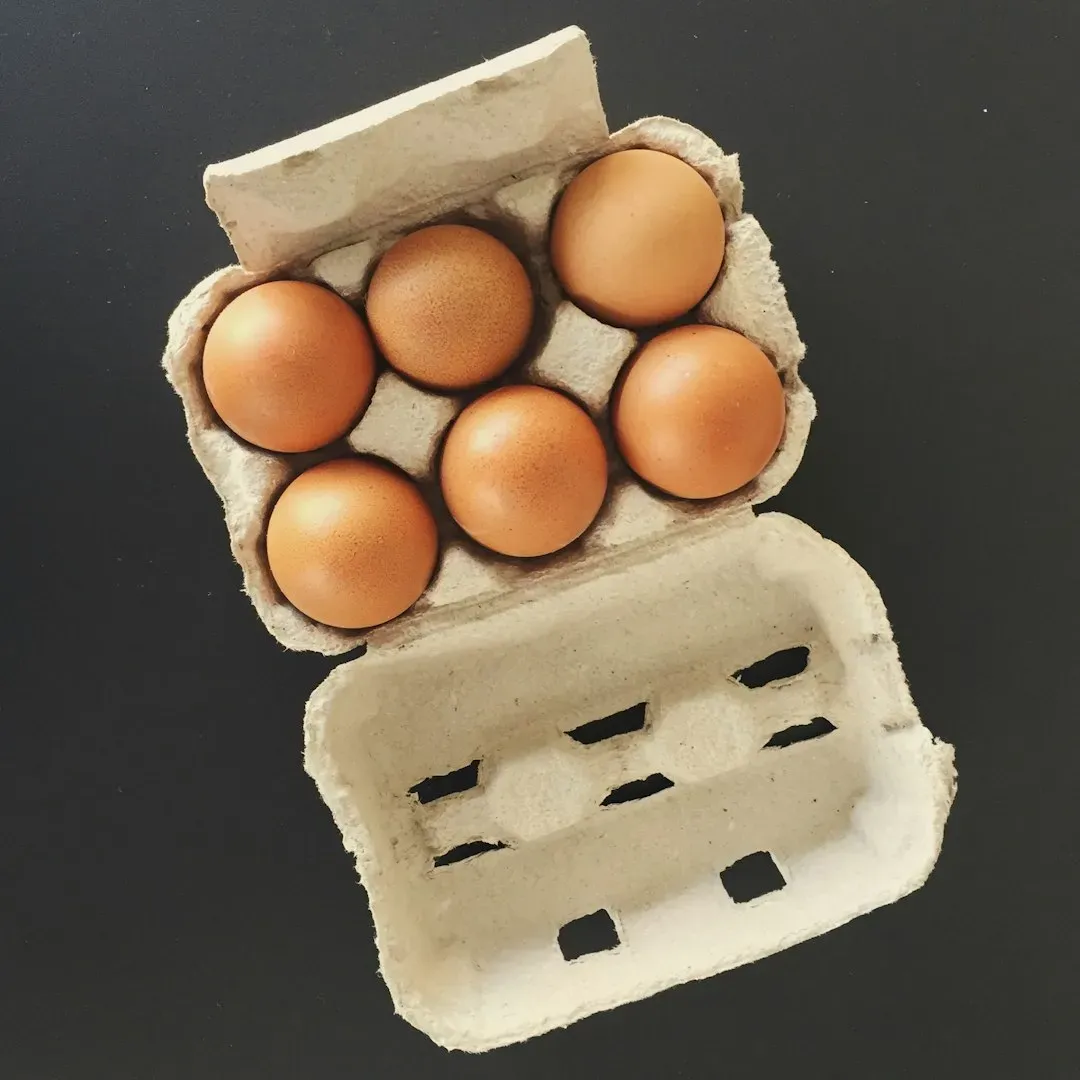
Save the egg carton for the easiest enrichment activity ever by taking your dog’s meal, filling the egg slots with a few pieces each, closing the box for an instant dog enrichment game. It’s beautifully simple and uses something you’d otherwise recycle.
Simply fill your egg carton with dry treats and close it. Once your pup understands the concept, you can increase difficulty by wrapping the carton in a towel or nesting it inside another box. The layers add extra brain work.
Tennis Balls (For Supervised Play Only)
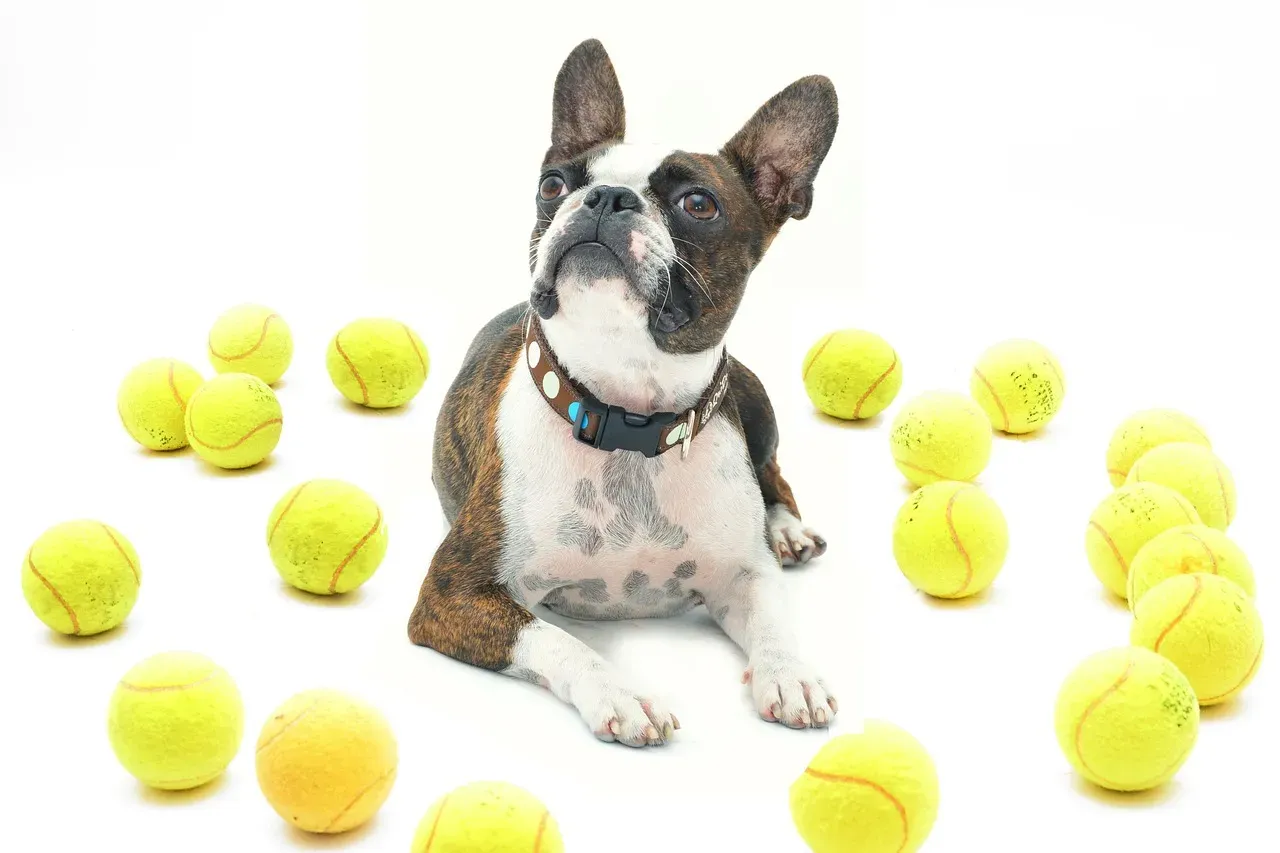
Let me be honest here: Tennis balls are controversial in the dog world. Tennis balls can cause problems when chewed because dog slobber and outside play cause dirt and sand to stick to the surface, making it like chewing on sandpaper, which wears down the protective enamel on dogs’ teeth.
Tennis balls are extremely dangerous for large breeds as they present potentially fatal choking risks, so consider teaching your dog the Leave It and Drop It commands since they could find one at the dog park. Use them for fetch, not chewing, and wash them regularly. There are safer alternatives out there for serious chompers.
Old T-Shirts
Old T-shirts destined for the donation pile or trash find a second life as dog toys through clever upcycling, keeping your dog entertained and promoting eco-friendly practices by creating a tug toy with an old T-shirt, tennis ball, and scissors. Cut the shirt into strips and braid them together for a sturdy rope toy.
Cut straight across from underarm to underarm on a t-shirt, separate the collar and sleeves from the body, cut the front and back apart to make rectangles, then cut slits in multiple rows on the mat piece – the closer together the slits, the fuller the mat will be. Dogs love the texture and it gives them something appropriate to tug on.
Ice Cube Trays
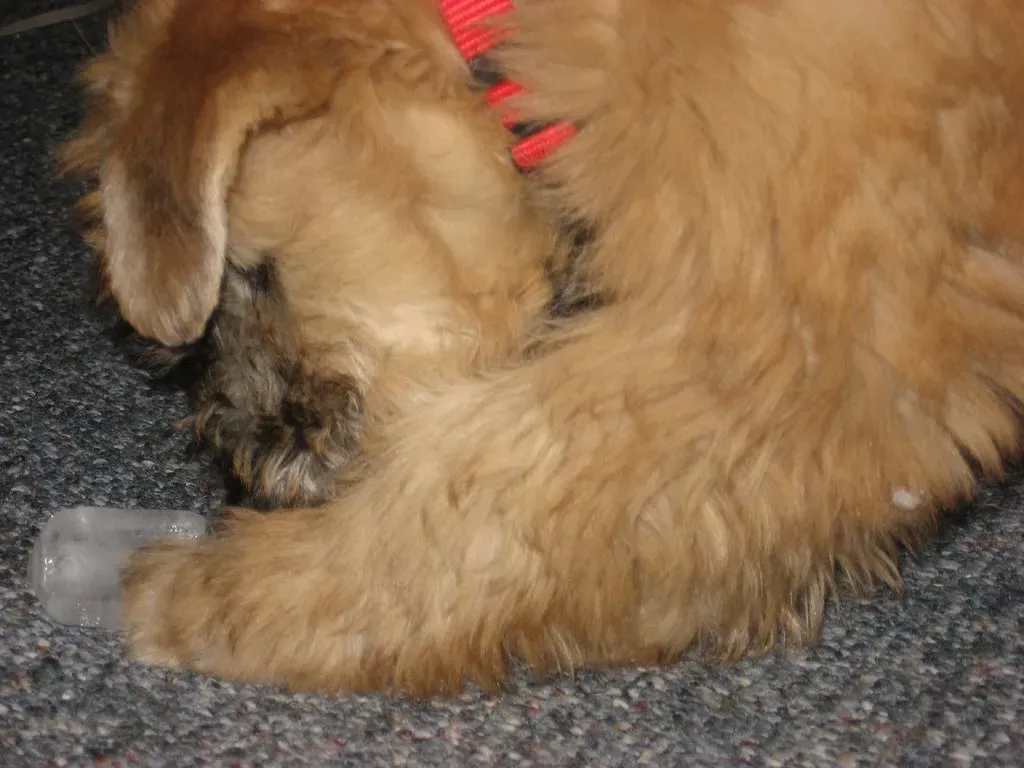
Blend equal parts peanut butter, yogurt, and water until smooth and pudding-like, pour the mixture into an ice cube tray, and freeze until set. On hot days, these frozen treats provide cooling relief and extended playtime.
A muffin tin can double as a creative feeding station by filling each cup with water or low-sodium chicken broth, adding treats or dog-safe fruits like blueberries, then freezing the tin. The frozen challenge keeps them occupied and hydrated simultaneously. It’s perfect for summer afternoons when everyone needs a break.
Cereal Boxes and Cracker Boxes
Spread a thin layer of peanut butter inside an empty box like cereal boxes or granola bar boxes, covering each side, then press handfuls of dry dog food to each side so it sticks. Your dog will spend considerable time licking and working to get every morsel out.
Turn an empty cardboard box into a treasure trove by placing toys or treats inside and adding crumpled paper or toilet paper rolls to create layers. Always check that the box doesn’t have any staples or plastic windows that could pose hazards.
Pillows and Cushions
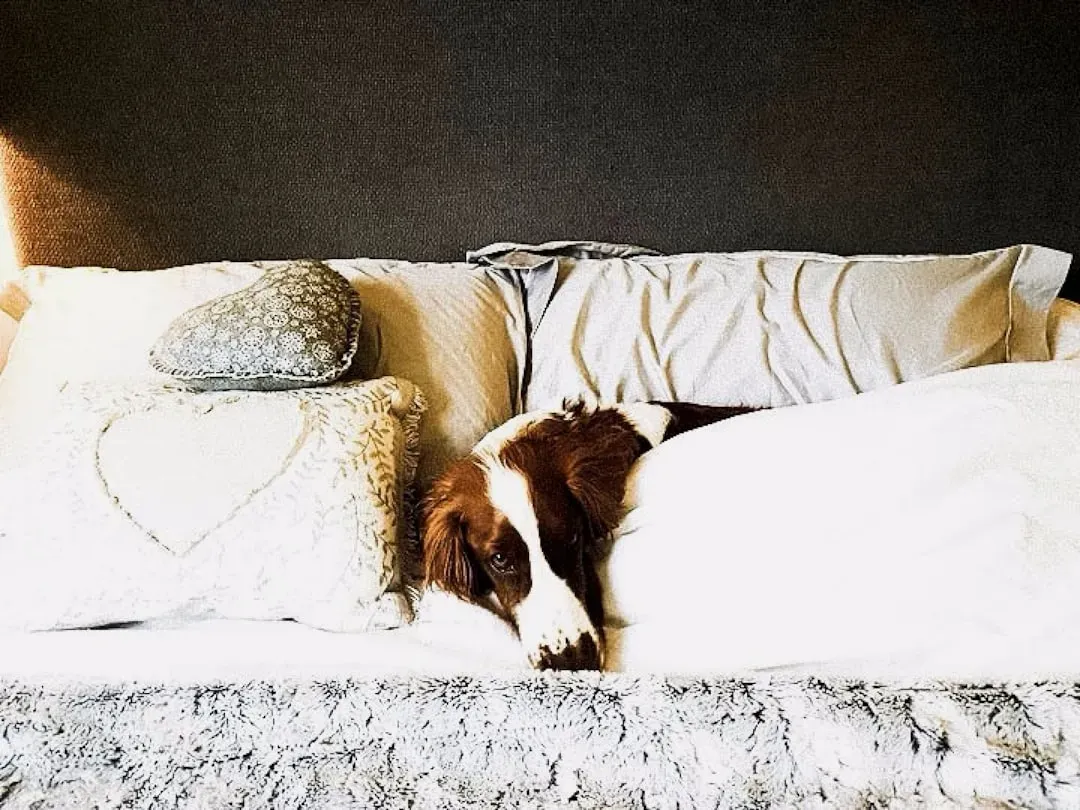
Bring out your inner kid and play Floor is Lava with your dog by gathering household items like pillows, blankets, and toys to set up a course where your dog walks on various surfaces. This builds confidence and offers physical enrichment without leaving your living room.
You don’t need professional agility equipment – use couch cushions to climb over, a row of dining chairs to create a tunnel with a blanket draped over them, and a broomstick propped on books to create a low jump, then lure them through with a treat. It’s surprisingly effective and ridiculously fun to watch.
Paper Grocery Bags
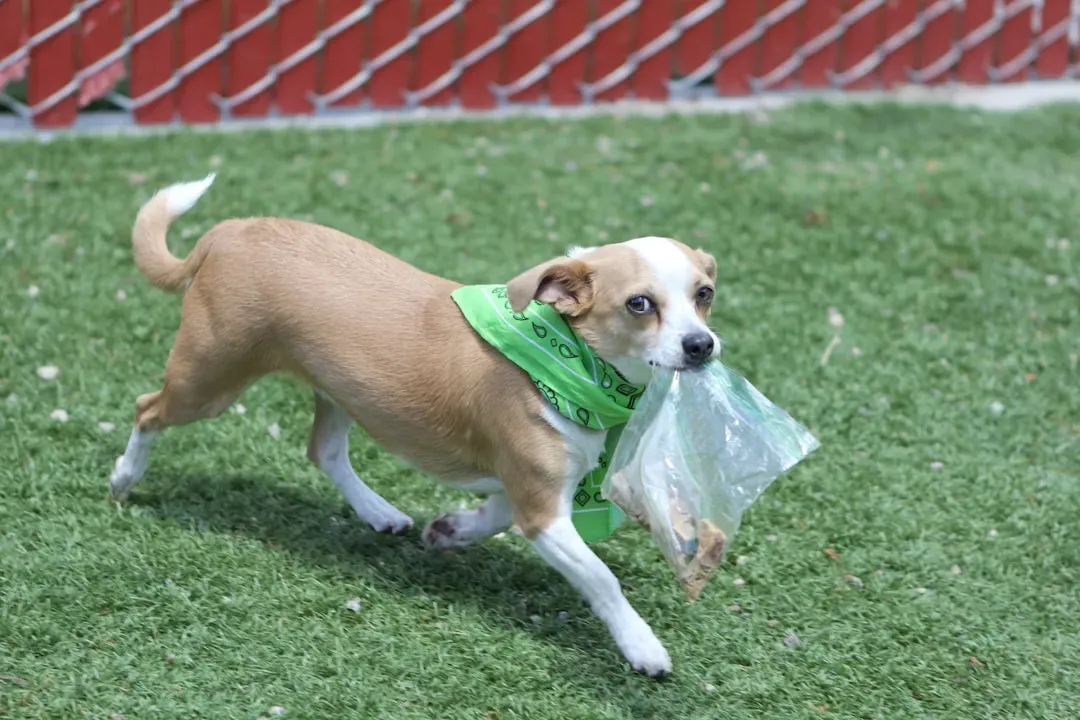
Paper bags offer crinkly sounds and mysterious depths that many dogs find fascinating. Place a few treats or toys inside and let your dog investigate. The rustling noise and the act of pushing their nose into the bag engages their senses.
Supervision is key here because some dogs will try to eat the paper. If your pup is a shredder, this might not be the best choice. For gentle sniffers, though, it’s a quick and easy way to add variety to their play routine.
Rope from Old Clothes
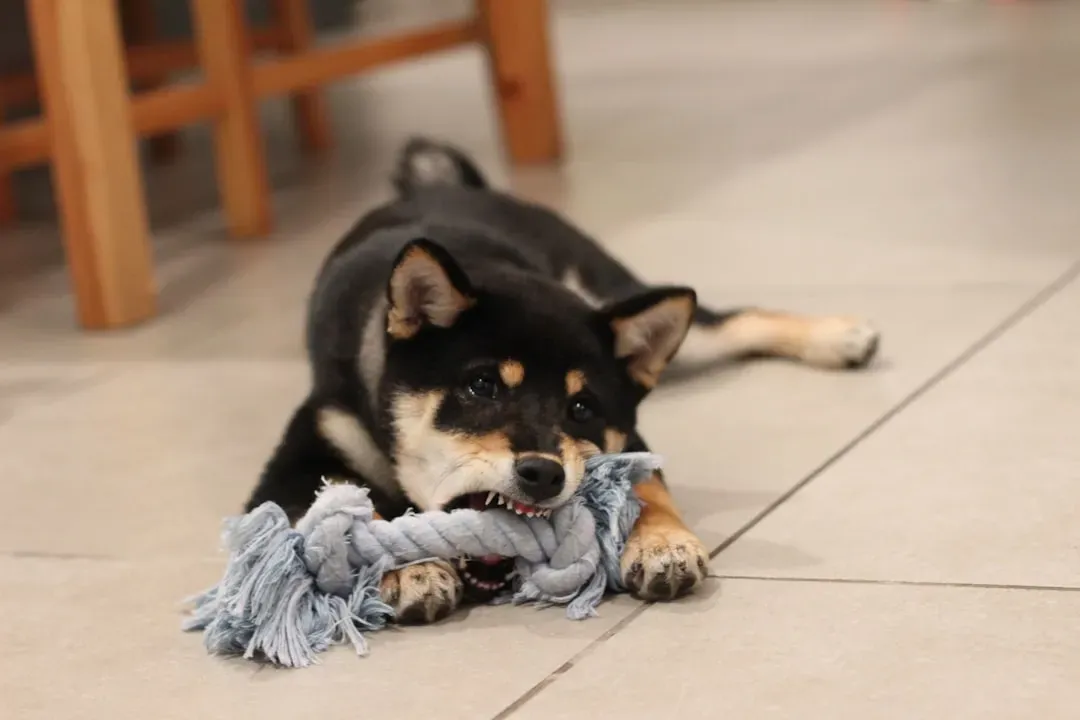
Beyond t-shirts, you can repurpose old jeans or fleece into braided rope toys. Crafting a denim dog toy from worn jeans offers a sturdy option for avid chewers. Cut the fabric into long strips and braid them tightly, securing the ends with knots.
Denim is particularly durable and stands up well to tugging games. Just make sure there are no loose threads or buttons that could become choking hazards. These DIY ropes can outlast some store-bought versions and cost you nothing.
Shallow Containers or Wading Pools
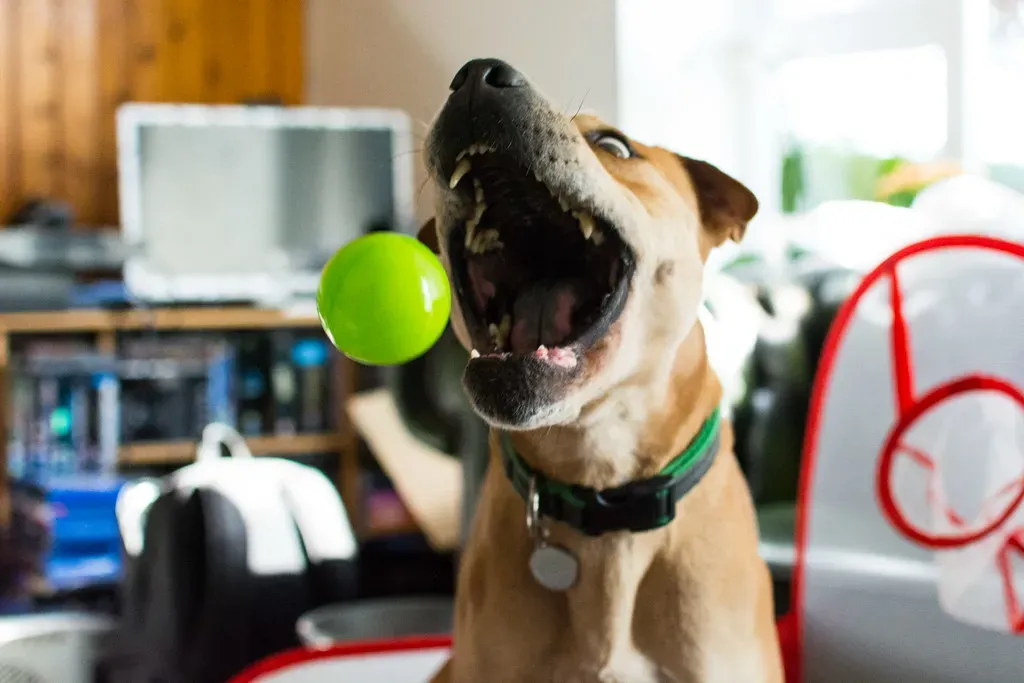
Anything new and interesting in the surroundings is beneficial to a dog, as an assortment of objects gives the dog an opportunity to think, explore, and use their senses – a child’s wading pool can be filled with different items each day. Try filling it with balls for a ball pit effect, or add safe herbs for a sensory sniffing experience.
Dogs are great at detecting smells since the nose is their number one sense touching the most important part of their brain, and allowing them to sniff herbs in the pool is safe as plants like basil, parsley, rosemary, mint, oregano, sage, and thyme are fine if the dog munches some. Rotate what’s inside the pool to keep things fresh and exciting.
Conclusion
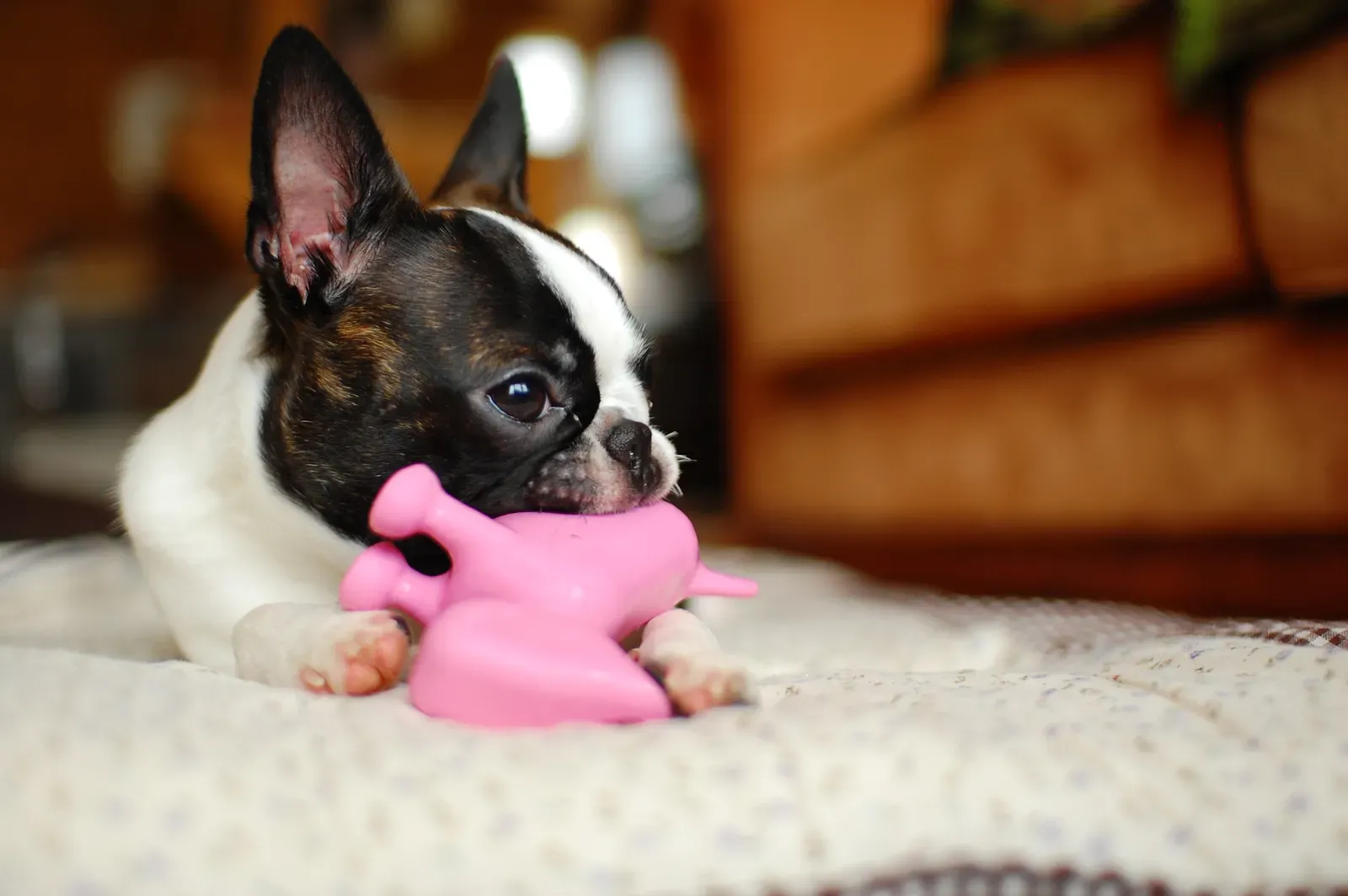
Transforming everyday items into engaging dog toys isn’t just budget-friendly – it’s a wonderful way to bond with your pup while giving them the mental and physical stimulation they crave. The key to a happy and healthy dog is regular enrichment and allowing them to engage in innate behaviors like playing, chasing, smelling, chewing, and scavenging, which allows them to be physically, emotionally, and mentally satisfied. From old towels to muffin tins, your home is filled with potential.
Remember, supervision is everything. It’s crucial to supervise your dog when introducing new activities to ensure they use the toys as intended and prevent accidents, always using materials that are safe for dogs and rotating toys regularly to keep things interesting. Keep an eye on wear and tear, swap out anything that’s breaking down, and never leave your dog alone with items that could be swallowed or splintered. What’s your dog’s favorite household item to play with? I’d love to hear what works for you – share your stories in the comments!


