

There’s a moment in every dog owner’s journey that no one wants to face. The moment when you realize your best friend is slipping away. I’ve sat with countless dog parents who were terrified they’d miss the signals, confused about what their dog was trying to tell them. Let’s be real, it’s one of the hardest things about loving a dog.
Yet even in this heartbreaking territory, there are moments of profound clarity. Dogs fighting to stay with us often show specific behaviors that reveal their determination, their resilience, even their hope. Understanding these signs doesn’t just help you make informed decisions. It helps you honor the journey you’re both on together.
They’re Still Greeting You, Even If It’s Just With Their Eyes
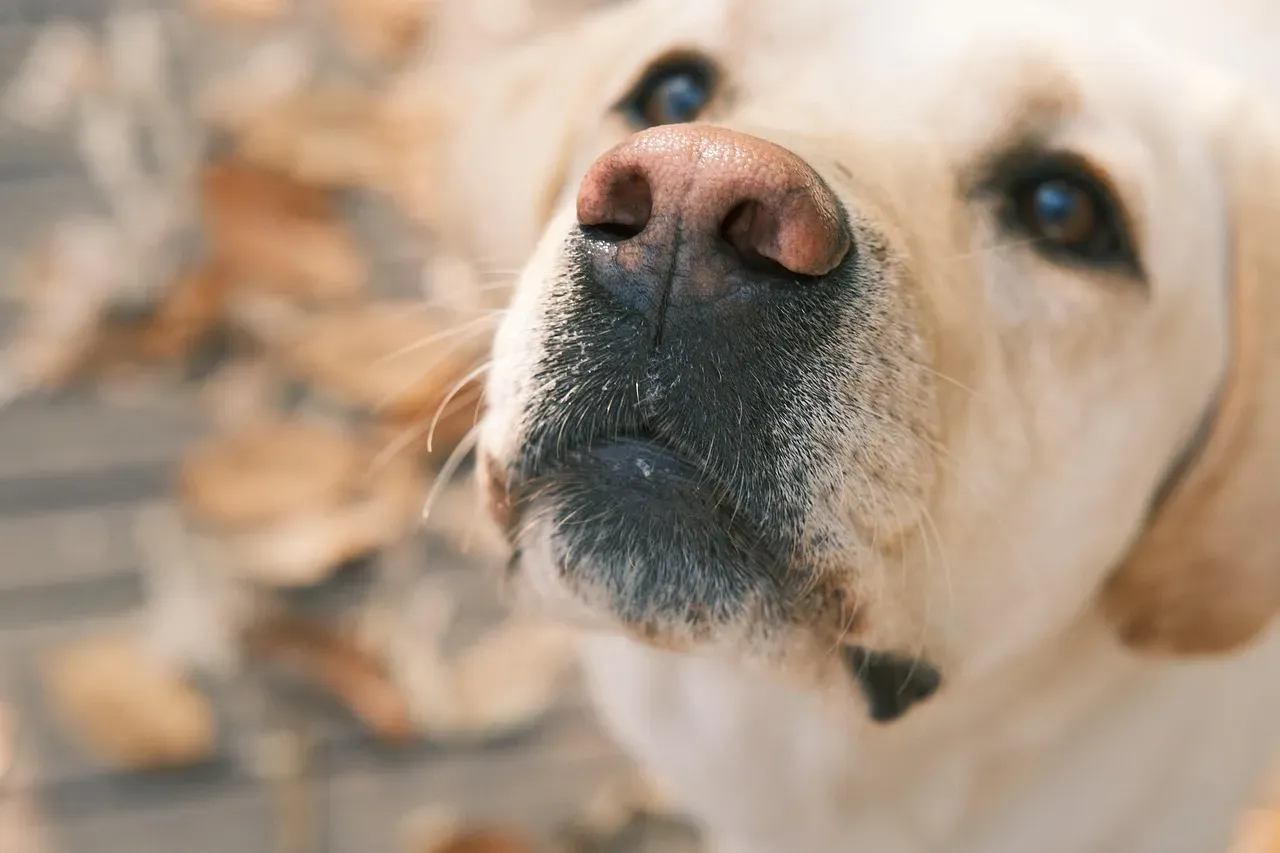
Dogs near the end often grow disinterested in favorite activities and people, initially just seeming to sleep more, but as you observe closely, you’ll notice a lack of usual greetings or tail wags. Here’s the thing, though. If your dog is still tracking you with their eyes when you enter the room, lifting their head even slightly, or offering that familiar soft gaze, they’re telling you they’re still here.
They might not bound to the door anymore. They might not leap off the couch. Still, that quiet acknowledgment, that deliberate focus on your presence, is a powerful sign of engagement with life. Dogs nearing the end of life often show much less interest in their previously beloved activities, and may become more clingy or more aloof, sleep much more during the day and have restless nights, and have little or no interest in food. When they continue to respond to you emotionally, it’s worth paying attention.
They’re Eating or Drinking Something, Anything

One of the earliest signs that a dog may be nearing the end of their life is often a reduced interest in food, and your dog may stop eating or significantly reduce their food and water intake. So when a dog continues to take even small bites or licks of water, they’re fighting. It may not be their regular kibble. It might be boiled chicken, baby food, or even angel food cake if that’s what tempts them.
Honestly, if your dog hasn’t touched food in days and suddenly shows interest in a treat you offer, that’s not just appetite. That’s will. If your pup hasn’t eaten in over a day, and you’ve done everything you can think of, throw out all the rules you’ve learned about what to feed a dog with cancer, and if your dog hasn’t eaten in a few days, anything she eats is lovely, like angel food cake. Hydration and nutrition fuel the body, and a dog who’s accepting nourishment is telling you they’re not ready to let go yet.
Their Tail Still Moves, Even Just a Little
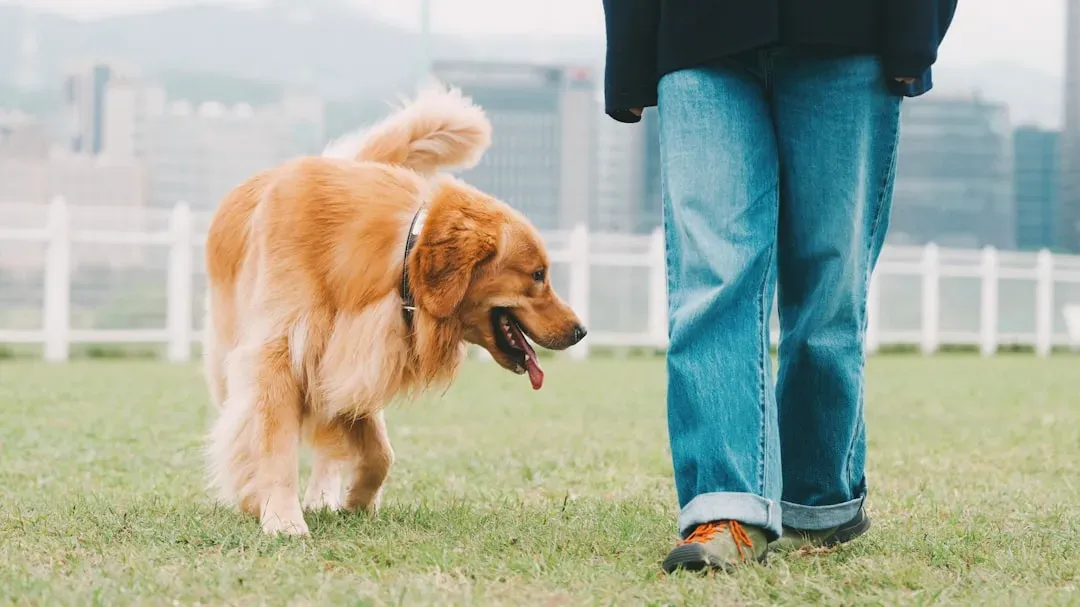
A wagging tail is the universal language of canine joy. In a dog who’s seriously ill, you might not see that full-body wag anymore. What you might see instead is a subtle flicker, a gentle thump against the blanket, or a slow side-to-side motion when you speak softly to them.
That tiny wag is enormous. It’s communication. It’s emotion. It’s proof that somewhere inside that tired body, your dog is still emotionally present and responsive. Dogs near the end often grow disinterested in favorite activities and people, initially just seeming to sleep more, but as you observe closely, you’ll notice a lack of usual greetings or tail wags. When that tail continues to respond, it’s one of the clearest signs your dog is holding on.
They Seek Out Your Touch or Presence

Some dogs seek out the comfort and company of their humans to the point of clinginess, while others become more solitary and seek quiet corners to be alone. If your dog is choosing closeness, following you from room to room, or resting their head on your lap, they’re anchoring themselves to you. They’re drawing comfort and strength from your presence.
This isn’t just passive behavior. If you notice your dog needs unusually high levels of attention or isolation, the time to put your dog down might be near, as a dying dog may socially distance itself and start spending more time alone, or do the opposite and become unnaturally clingy or needy. When they choose connection over withdrawal, when they lean into you instead of hiding away, they’re signaling they’re not done yet. Your bond is sustaining them.
They’re Responding to Pain Management
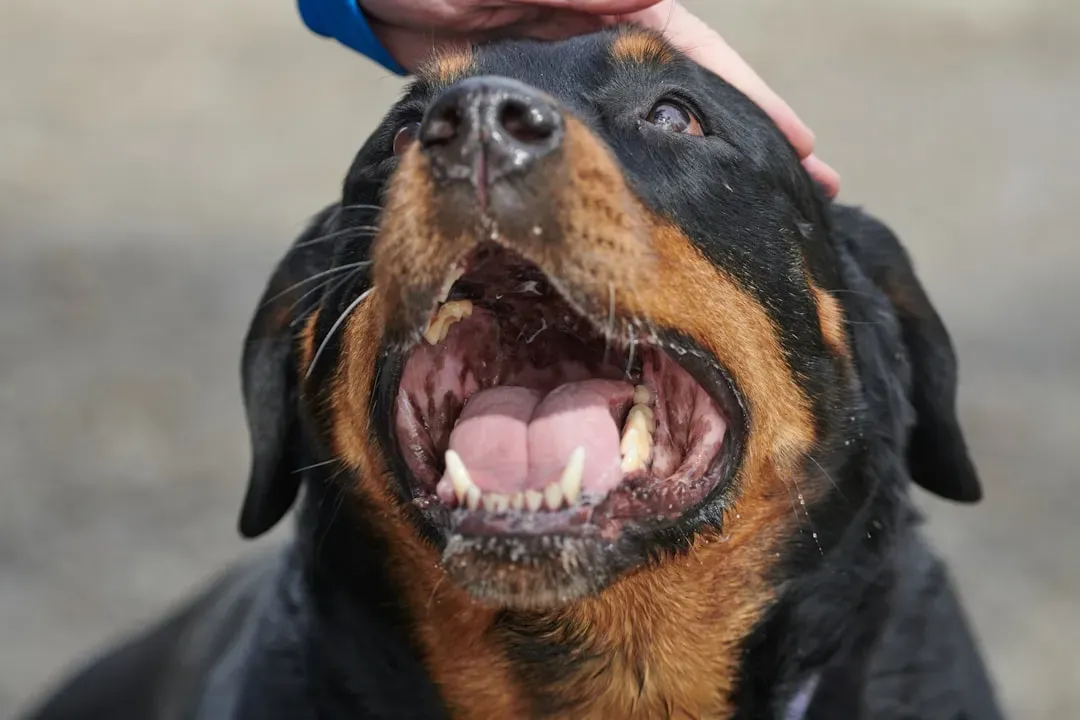
Pain is complicated in terminal illness. Sometimes it’s unmanageable. Sometimes medications lose effectiveness. Pain management might be in order, particularly if you notice panting, a possible sign of pain, and there are many pain meds your veterinarian might want to prescribe, based on your dog’s specific case. If your dog is visibly more comfortable after receiving pain relief, that’s meaningful.
I’ve seen dogs perk up after adjustments to their medication protocol. They breathe easier. They rest more peacefully. They engage a bit more with their surroundings. Work closely with your veterinarian to manage any pain or discomfort your dog may be feeling, as medications or alternative therapies can help maintain their quality of life during this sensitive time. When pain control brings relief, it can open a window where quality of life returns, even briefly. That responsiveness suggests their body is still cooperating with treatment.
They Show Interest in Their Surroundings
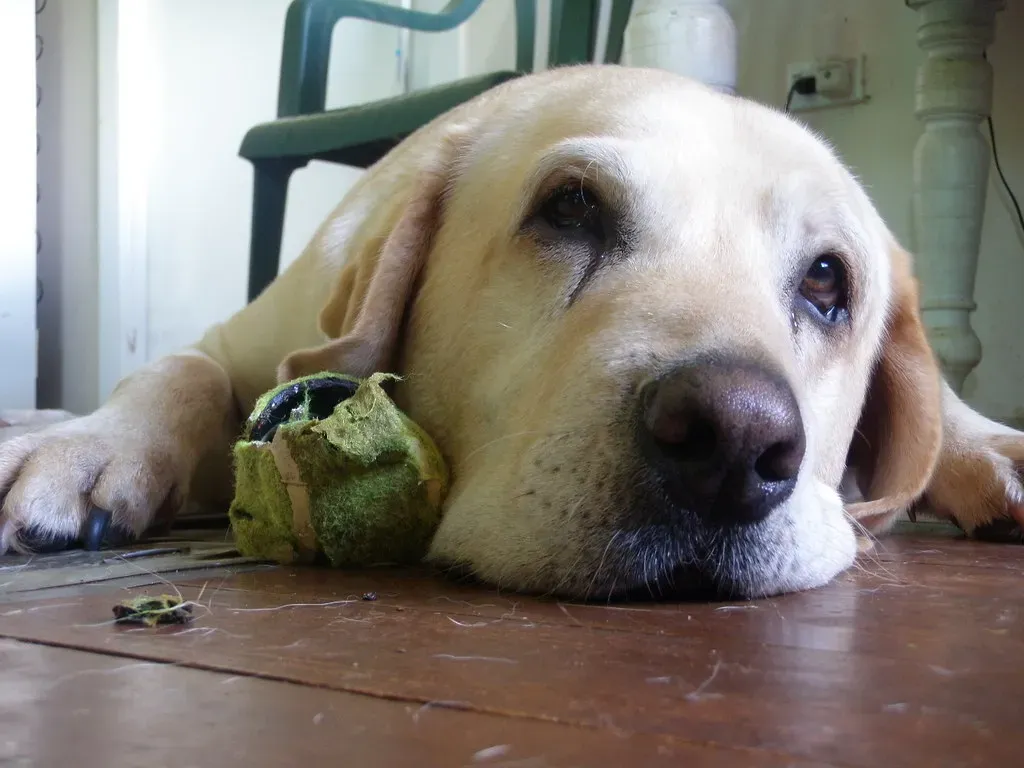
It might be the sound of the mailman. It might be another dog barking down the street. It might be the rustle of a treat bag. A pet that is bright, alert, aware of their surroundings and interacts normally with family members and other pets in the household, versus a pet that is dull or depressed, minimally responsive to stimuli or unaware of their surroundings. When a seriously ill dog continues to perk up their ears, turn their head toward sounds, or watch what’s happening around them, they’re engaged.
Awareness is a sign of neurological function and cognitive presence. Depression or withdrawal with less interest in play, walks, or family time, or confusion or disorientation like getting lost in familiar spaces or staring blankly. A dog who’s still curious, even in small ways, is telling you they’re tuned in to the world. They’re participating in life, not retreating from it.
They Make the Effort to Move or Reposition Themselves
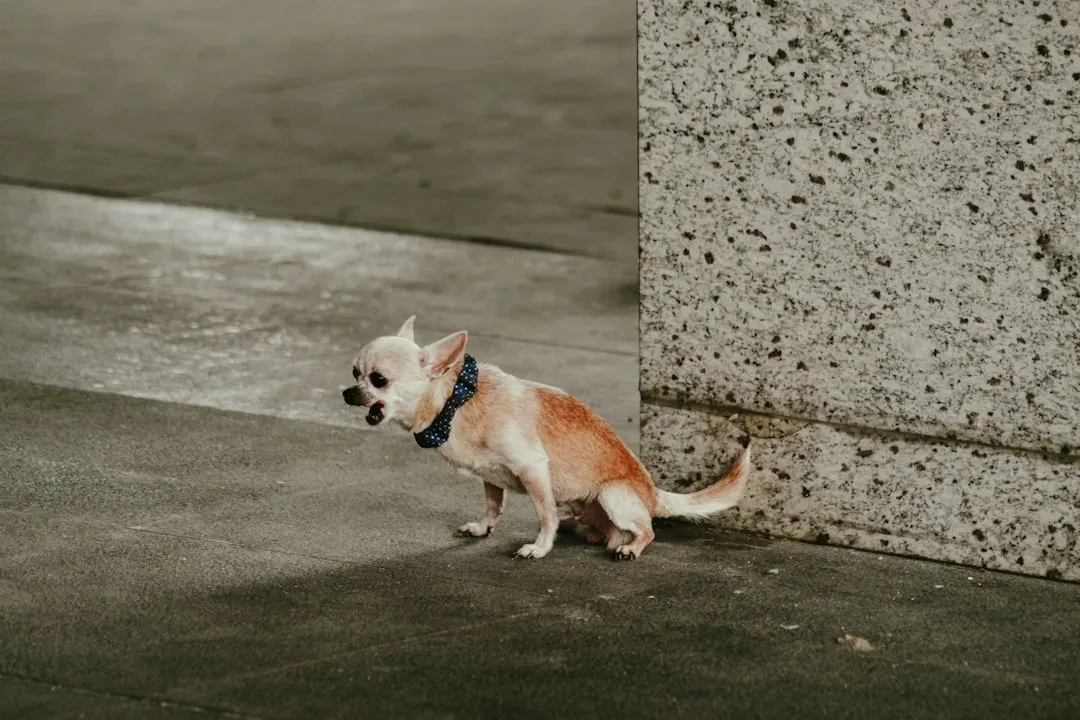
One telltale sign a dog is dying is the loss of mobility, which can be due to pain, loss of muscle mass, a neurologic condition, lethargy, or weakness. Yet if your dog is still trying to get up, even with difficulty, or shifting their position to get more comfortable, they’re using what energy they have left to maintain some level of autonomy.
This effort is significant. It can be very distressing for a dog when their joints begin to fail and it becomes difficult for them to get around, with getting up and down from their favorite napping spot, tackling stairs, and even squatting to go potty being challenging, and mobility issues can contribute to incontinence and lead to depression. When they persist in trying, when they don’t simply give up and lie still, they’re demonstrating will. They want to move. They want to participate. That’s a dog who’s still fighting.
They Have Good Days Mixed With the Bad Ones

Since pets can have good and bad days, it can be helpful to assess your pet’s quality of life daily over a period of time, and if you find that your pet is having more bad days than good, it may be time to think about euthanasia and end-of-life care. If your dog is still experiencing days where they eat better, seem brighter, or show a spark of their old personality, those good days matter deeply.
I know it sounds crazy, but some dogs rally. Some pets have a brief period of improved energy or appetite shortly before death. Even if the overall trend is decline, the presence of upswings suggests the body isn’t completely shutting down yet. Veterinarians often encourage keeping a journal of good days versus bad days. When good days still appear on that calendar, your dog is telling you they’re hanging in there. They’re not ready to say goodbye.
Conclusion

Recognizing these signs doesn’t make the journey any easier. It doesn’t erase the pain of knowing your dog is declining. What it does do is give you a framework for understanding where your dog is in their process. These signs of persistence, these small acts of engagement and will, are your dog’s way of communicating that they’re still present, still connected, still clinging to the life they’ve shared with you.
There’s no perfect formula for knowing when it’s time to let go. Every dog is different. Every situation is unique. Working closely with your veterinarian, paying attention to your dog’s quality of life, and trusting your bond with them will guide you. In the meantime, cherish those moments of connection. Celebrate those good days. Offer comfort, love, and presence. Your dog has spent their whole life loving you unconditionally. Now it’s your turn to walk beside them with the same devotion, no matter how hard it gets.
What signs have you noticed in your own dog? Share your experiences in the comments below.


