

We’ve all heard the saying about judging a book by its cover. Yet when it comes to dogs waiting in shelters, people do it every single day. Walk into any animal shelter, and you’ll notice certain dogs get passed by again and again. Not because they’re badly behaved or unloving. Simply because they’ve been branded with unfair reputations, unfortunate appearances, or circumstances beyond their control.
These dogs watch hopeful families stroll past their kennels, choosing the fluffier pup or the smaller breed instead. It’s heartbreaking when you realize many of these overlooked animals would make phenomenal companions if given half a chance. Let’s dive into the breeds and types of dogs that deserve so much better than the cold shoulder they often receive.
American Pit Bull Terrier
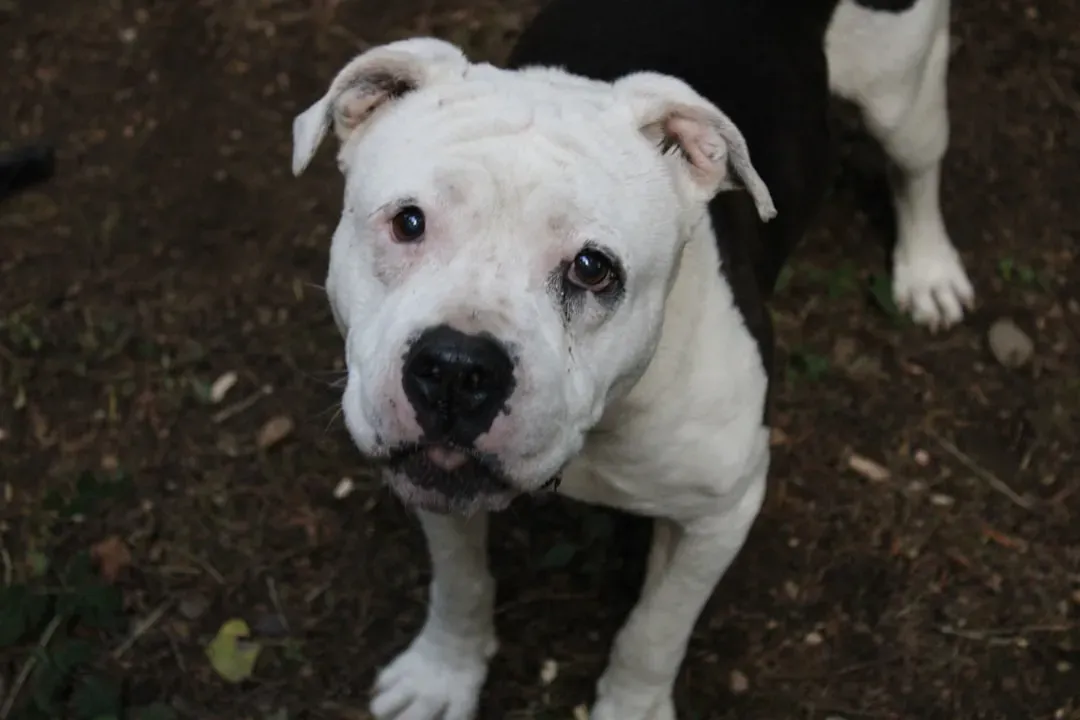
Pit Bulls and Chihuahuas are most likely to be euthanized among shelter dogs. Think about that for a moment. Despite pit bull-type dogs generally scoring higher on the temperament test compared to other dogs, they still face breed-specific legislation and intense media stigma.
Pit Bulls are often misunderstood due to media portrayals and breed-specific legislation labeling them as dangerous, which overshadows their natural loyalty, affection, and trainability. In reality, these dogs were historically called nanny dogs for their protective yet gentle nature around children. They’re incredibly devoted to their families and thrive in loving environments.
What most people don’t realize is that aggression towards humans is very abnormal for pit bull type dogs, and they are not naturally or inherently aggressive towards humans. The issue isn’t the breed itself but how humans have shaped their behavior through neglect or mistreatment. When properly socialized and trained, Pit Bulls are affectionate, people-oriented dogs who just want to be close to their humans.
Senior Dogs

Here’s the thing about older dogs: they get overlooked constantly. Puppies have a 60% adoption rate, while older dog breeds have a rate as low as 25%. People assume they’ll have health problems or won’t bond as deeply. Both assumptions are typically wrong.
Senior dogs are typically house-trained, calm, and require less exercise, making them perfect for first-time pet owners or quieter households. No destroyed furniture, no sleepless nights with a whining puppy. They adapt quickly and form incredibly deep bonds with their adopters.
Older dogs tend to be surrendered more for human issues versus issues with the dogs themselves, meaning the owner becomes ill, moves into nursing care, or passes away. These dogs were once cherished companions who did nothing wrong. They simply lost their person through circumstances they couldn’t control. They deserve another chance at happiness.
Large Black Dogs
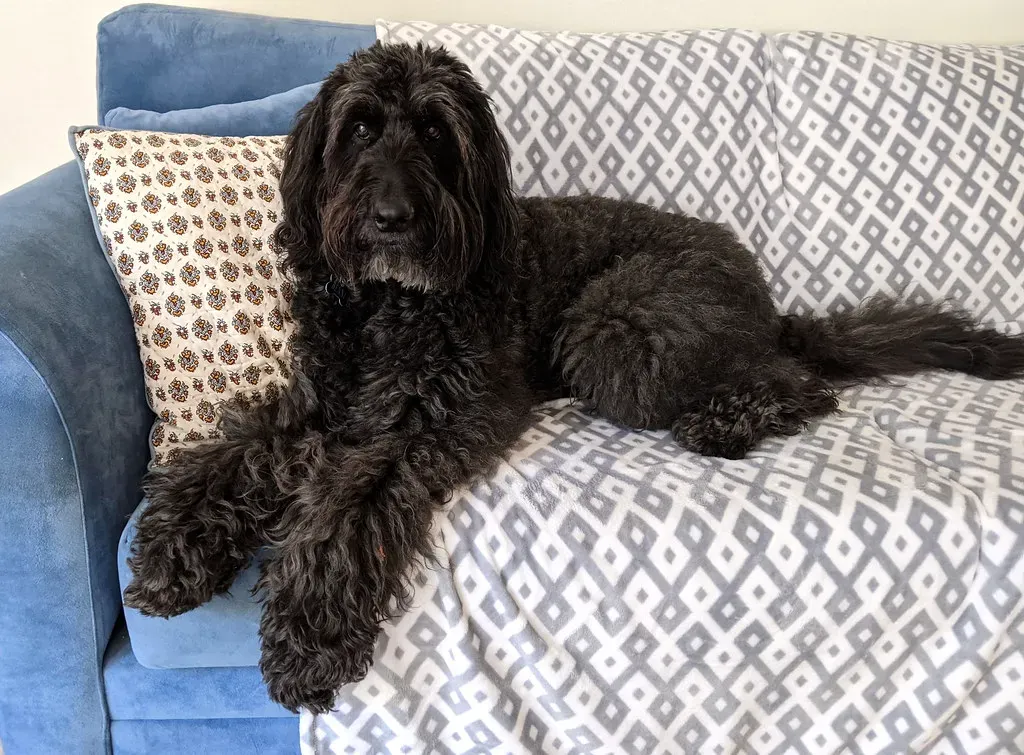
Black Dog Syndrome is a phenomenon where black dogs are adopted less frequently, and this bias stems from misconceptions and preferences. While some studies debate whether this truly exists, shelter workers across the country report seeing it firsthand.
In shelters, where animals are often kept in dimly lit spaces or behind bars, black cats and dogs can be harder to see in detail, making it more difficult for them to stand out to potential adopters. Their facial expressions don’t photograph as well either. In our Instagram-obsessed culture, that matters more than it should.
There’s also the cultural baggage. Popular culture has depicted black dogs negatively for decades, from scary hounds in Harry Potter to ominous creatures in horror films. These unconscious biases affect adoption decisions, leaving perfectly wonderful black dogs languishing in kennels far longer than their lighter-colored counterparts.
Rottweilers
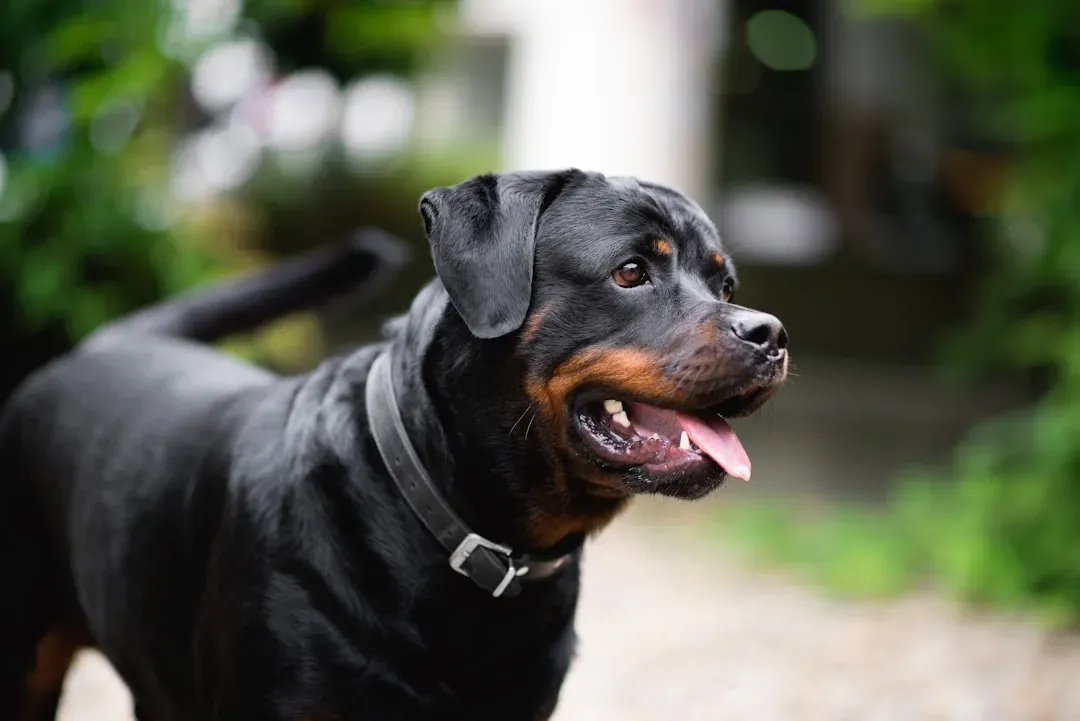
Rottweilers carry a fierce reputation, but behind their muscular build lies a loyal, intelligent companion devoted to their family. People see the size and the intimidating appearance and make assumptions. They forget these dogs were originally bred as herding and protection animals, not fighting machines.
They need someone who will understand that deep down they are big softies who need patience in training and handling, not aggression and harsh talk, and when trained well, Rottweilers can make 100-pound gentle giants who are capable, loving, affectionate, and goofy. Yes, goofy. Rotties have personalities that surprise people who only know them from their reputation.
Rottweilers often struggle in a shelter setting, and having a foster based rescue that welcomes them into a home environment makes an enormous difference, as they are willing to take dogs with medical needs or behavior challenges. These dogs simply need the right match, someone who understands their needs and won’t be intimidated by their strength.
Large Mixed Breed Dogs
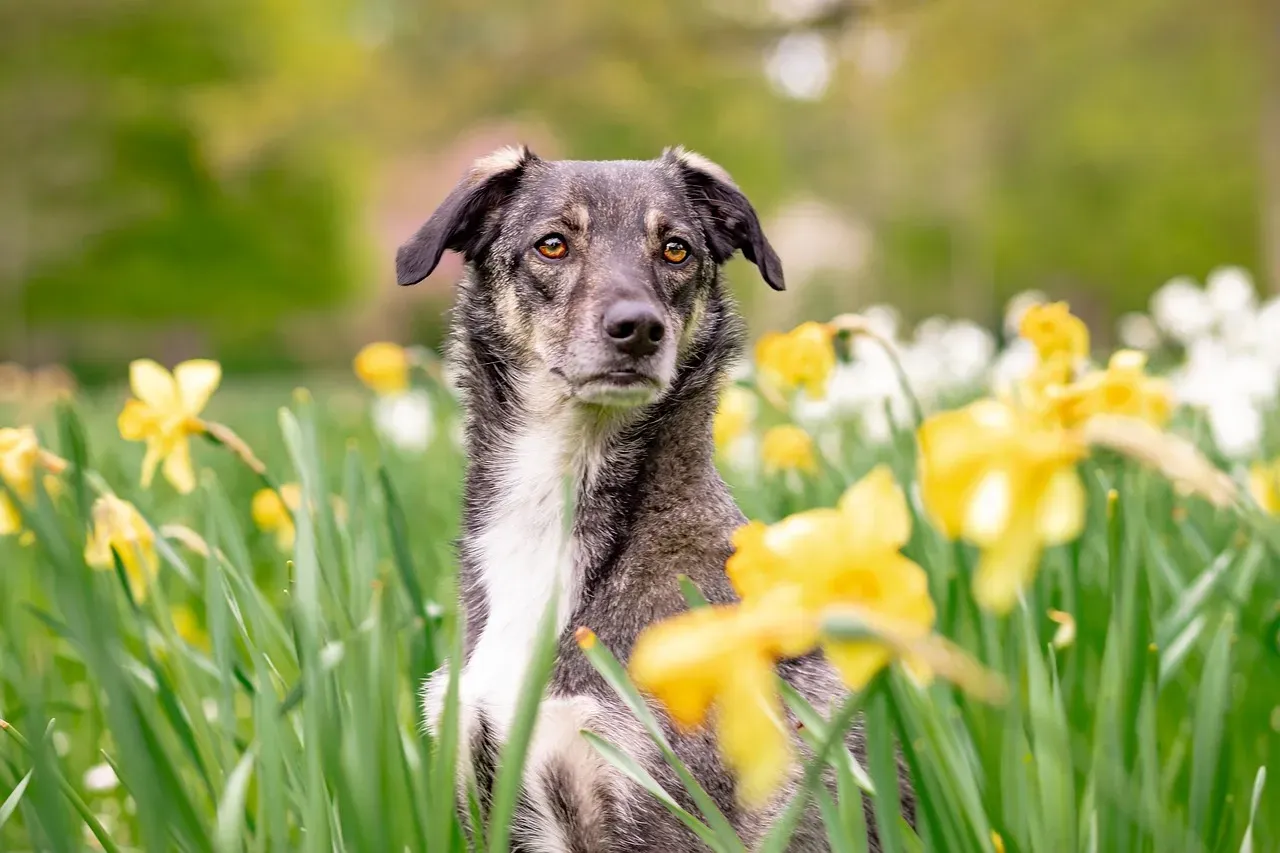
Big, mixed-breed dogs are often overlooked for smaller or purebred dogs due to their size and the lack of specific breed appeal, as adopters sometimes worry about training or space requirements. It’s ironic because mixed breeds often have fewer genetic health issues than purebreds.
People want predictability. They want to know what they’re getting. A large mixed breed represents the unknown, and that scares potential adopters away. Will this dog get bigger? Will temperament issues emerge later?
Despite these concerns, large mixed-breed dogs are frequently well-behaved, adaptable, and loving. They’re often the hidden gems of the shelter world, combining the best traits of multiple breeds without the genetic problems that plague purebreds. They just need someone willing to take a chance on them.
Hound Breeds
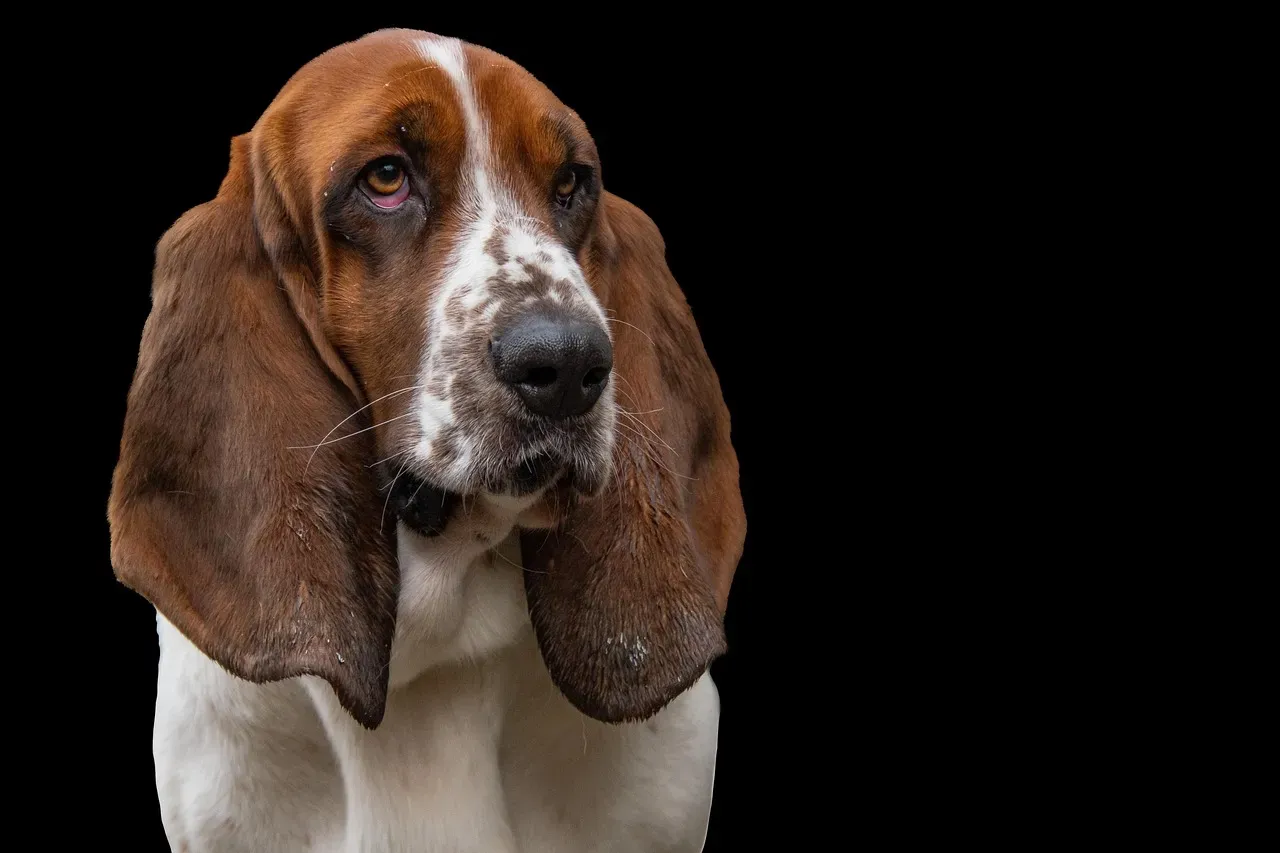
Hounds, including breeds like Beagles and Coonhounds, are often left behind due to their high energy levels, strong prey drives, and tendency to howl, traits that stem from their history as hunting dogs. That signature hound bay can be off-putting to apartment dwellers or noise-sensitive neighbors.
These dogs were literally bred to follow scents for miles and vocalize their findings. When you take away their job but not their instincts, you get frustrated dogs and frustrated owners. Many hounds end up surrendered because people underestimate how much exercise and mental stimulation they need.
Yet for active owners who understand them, hounds are highly loyal and intelligent companions. They make great hiking partners and excel at scent work activities. They just need the right home that appreciates their unique qualities rather than viewing them as problems.
Chihuahuas
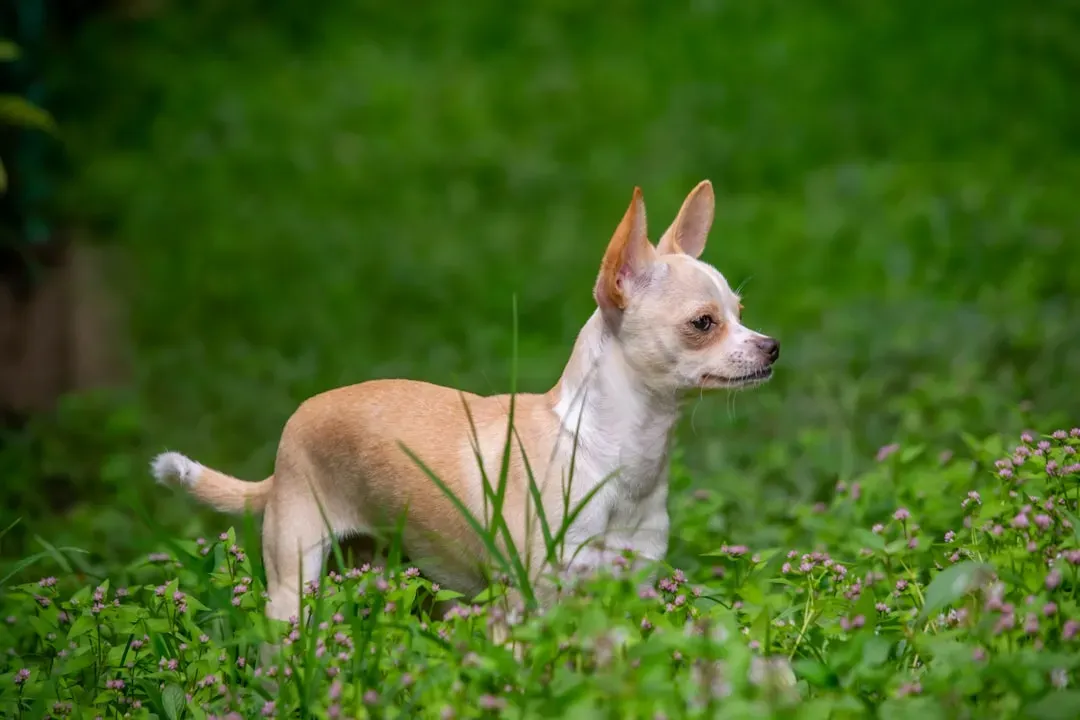
Don’t let their tiny size fool you. Chihuahuas are most likely to be euthanized alongside Pit Bulls. These little dogs face massive overpopulation issues, particularly in certain regions where they’re overbred and frequently surrendered.
People adopt Chihuahuas thinking they’re low-maintenance accessories, then realize these dogs have big personalities packed into small bodies. They can be stubborn, territorial, and surprisingly challenging to train. When the reality doesn’t match the expectation, they end up back in shelters.
Additionally, many Chihuahuas in shelters come with behavioral issues from poor socialization or traumatic backgrounds. They may be snappy or fearful, making them harder to place. Yet with patience and proper training, Chihuahuas become fiercely loyal companions who bond intensely with their chosen people.
Shy and Timid Dogs
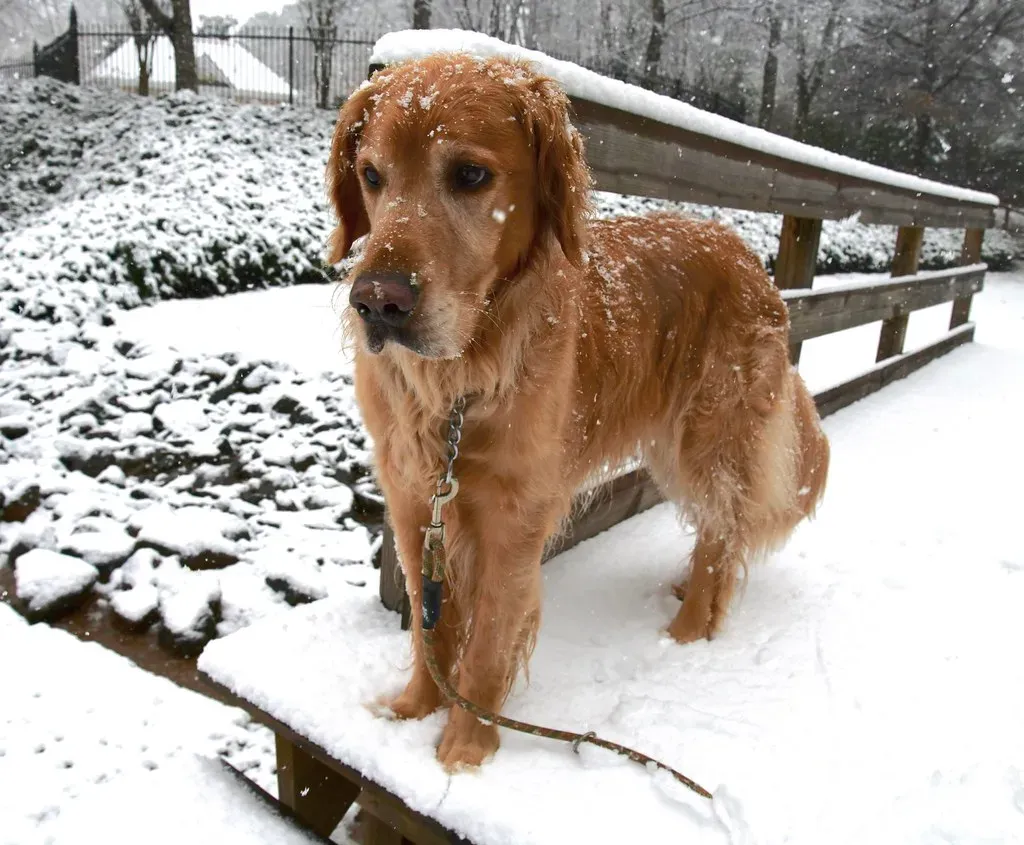
Dogs with shy or timid personalities often fail to make strong first impressions in shelters, as their nervous demeanor may be mistaken for aloofness or unfriendliness, discouraging adopters. In the chaotic shelter environment, these dogs shut down emotionally and hide in the back of their kennels.
When potential adopters walk through, they’re naturally drawn to the dogs who approach the kennel door with wagging tails and eager faces. The shy dog cowering in the corner gets overlooked every single time. It’s not because they’re bad dogs. They’re just terrified.
With patience and gentle care, these dogs often blossom into loyal, affectionate pets, and shy dogs are often among the most intelligent and sensitive, forming deep, trusting bonds with their new families once they feel secure. They just need someone willing to invest the time to earn their trust. The payoff is absolutely worth it.
Staffordshire Terriers and Other “Bully” Breeds
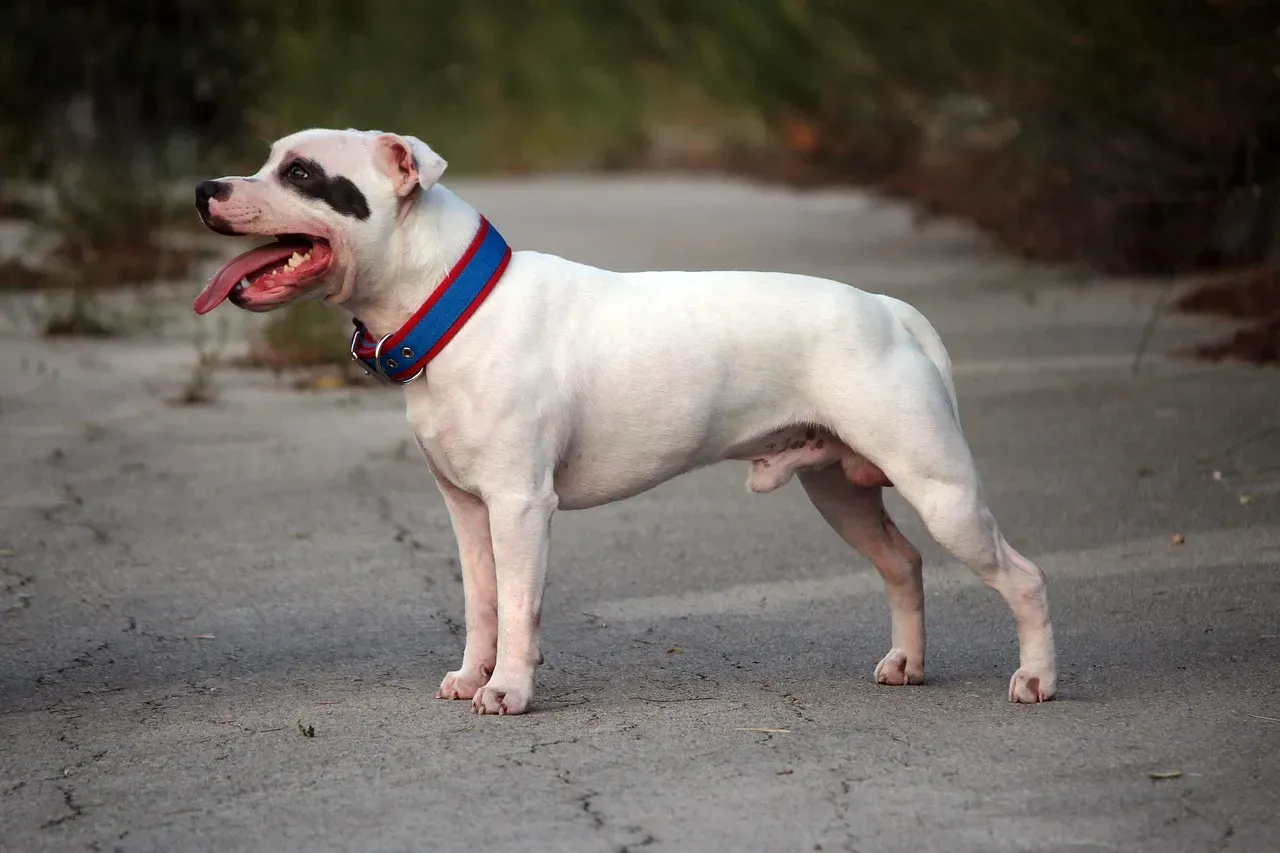
Large Terriers, such as Staffordshire Terriers, are often mistaken for aggressive or overly energetic dogs due to their muscular builds and enthusiastic behavior, however, these dogs are incredibly affectionate, intelligent, and loyal. They get lumped in with Pit Bulls under the umbrella of “dangerous breeds” despite being distinct breeds with their own characteristics.
Breed-specific legislation doesn’t help matters. Insurance companies refuse coverage, landlords ban them from rental properties, and entire communities prohibit ownership. This creates a perfect storm where even people who want to adopt these dogs can’t due to housing restrictions.
These terriers were historically bred as working dogs who needed both physical strength and trainable temperaments. They thrive with mental stimulation and positive reinforcement training. In the right hands, they’re problem-solvers who excel at dog sports and become devoted family members.
Retired Racing Greyhounds
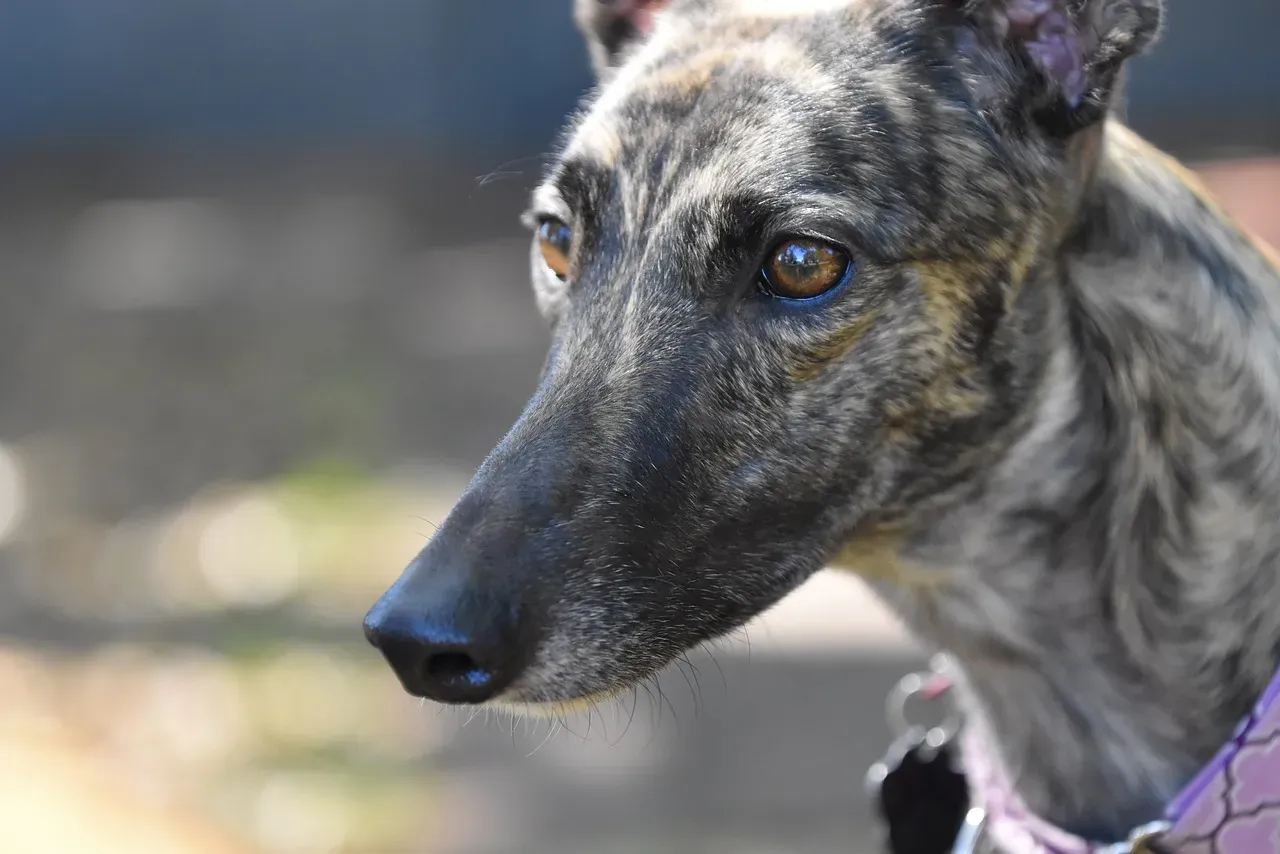
Retired racing Greyhounds often end up in shelters due to the end of their racing careers, and their large size and specific exercise needs can intimidate potential adopters. People see these lean, athletic dogs and assume they need constant exercise and massive amounts of space.
The reality? They are gentle, calm, and love lounging around, and despite being bred for speed, Greyhounds are couch potatoes and need less exercise than most people assume. They’re literally called “40 mph couch potatoes” in adoption circles.
These dogs spent their racing careers in kennels and may have never lived in a home before. They don’t know what stairs are, have never seen a mirror, and might be startled by television. Yet they’re incredibly sweet-natured and adapt remarkably well with a little patience. They just need someone willing to help them transition from track life to home life.
Conclusion
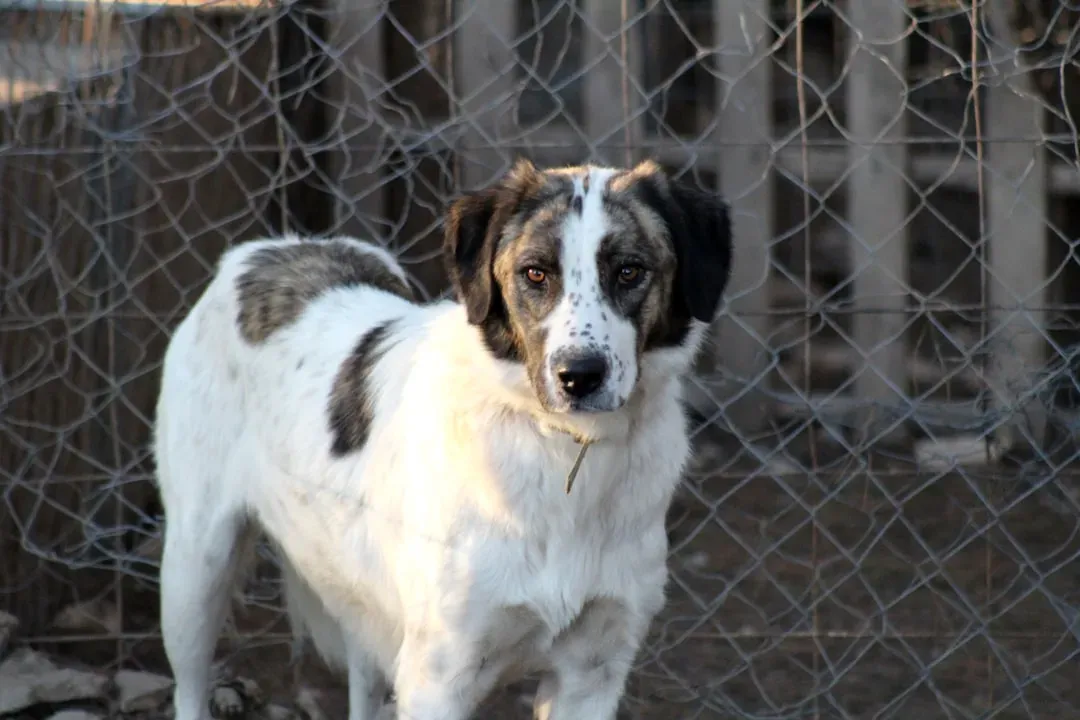
Every dog waiting in a shelter has a story. Behind the misconceptions, the unfortunate appearances, and the unfair stereotypes are living beings who simply want what all dogs want: a warm bed, regular meals, and someone to love them unconditionally.
The next time you’re considering adding a dog to your family, look past the obvious choices. Spend time with that big black dog in the back corner. Ask about the senior dog who’s been waiting months for adoption. Consider the Pit Bull with the gentle eyes who just wants a chance. You might discover the best friend you never knew you were looking for. What misconceptions have you heard about shelter dogs that simply aren’t true?


