
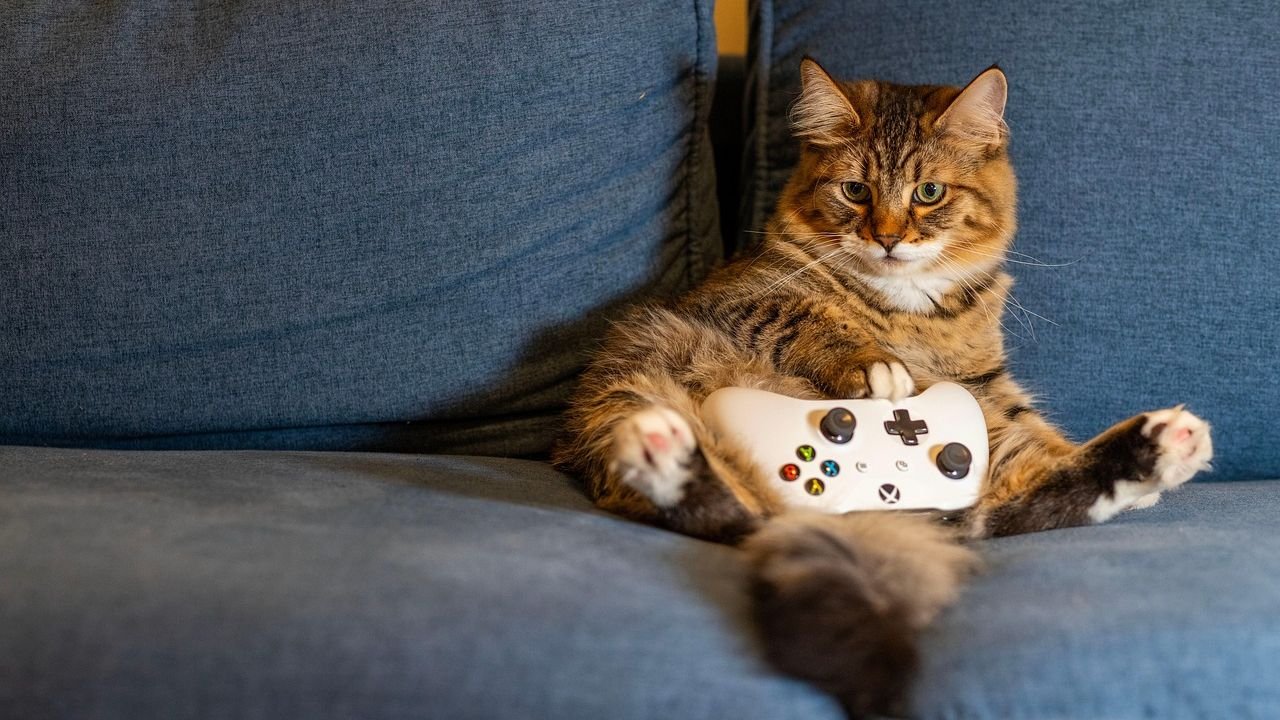
Ever notice how your cat can go from dead asleep to ricocheting off the furniture at two in the morning? That sudden burst of energy tells you something important. Despite their reputation as professional nappers and couch enthusiasts, cats actually need a surprising amount of physical activity to stay healthy and happy. It’s easy to assume that a snoozing kitty is a content kitty, yet the reality is far more nuanced.
Think of it this way. Cats might be domesticated, but they’re still predators at heart. Their bodies are built for quick, explosive movements, like stalking and pouncing. Without proper outlets for this natural behavior, you might start seeing problems you never expected. So let’s dive in and explore how much movement your feline friend truly needs.
The Magic Number: Around 30 Minutes Daily
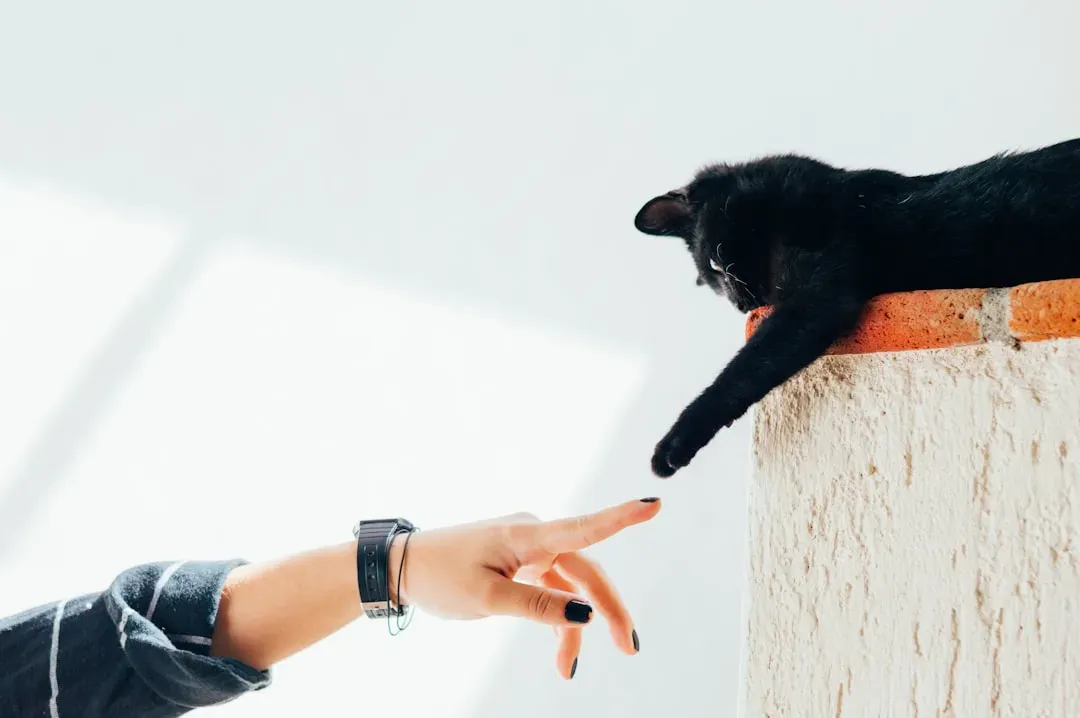
Most experts agree that adult cats need roughly 30 minutes of exercise per day. That might sound like a lot when you picture your cat lounging in the sun for hours, right?
Here’s the thing. Cats prefer exercising in short bursts, so it’s better to sprinkle brief play sessions throughout the day rather than forcing one marathon workout. It’s generally recommended that you engage your cat in at least three five-minute intense play periods each day. Those quick intervals mimic how they’d naturally hunt in the wild.
Cats are sprinters, not marathoners. Their muscles are designed for intensity and speed, not endurance. Their play needs to work on their fast-twitch fibers, the main kind of muscles cats have. So honestly, trying to get your cat to run a 5K with you isn’t just unrealistic, it’s actually contrary to their biology.
Age Matters More Than You’d Think
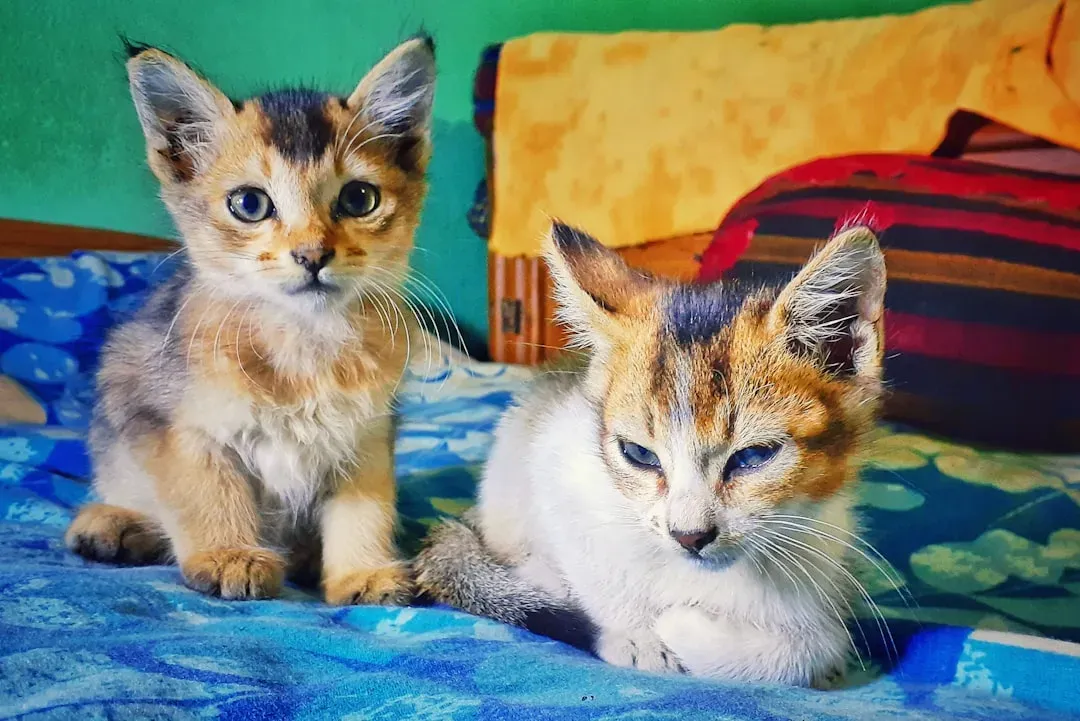
Kittens need way more exercise than the average adult cat, typically requiring one to two hours of playtime a day. If you’ve ever watched a kitten play, this makes perfect sense. They have seemingly endless energy and will chase, climb, and attack anything that moves. They’re young, agile and spry, allowing them to play tirelessly for hours, and most kittens don’t have to worry about the chronic diseases that often hinder their senior counterparts.
On the flip side, senior cats need a gentler approach. Aim for 15 to 20 minutes a day for older cats, breaking this time into smaller sessions if necessary. Senior cats have less energy and mobility than younger cats and they often deal with joint pain that can make exercising more difficult.
Senior cats would benefit the most from light, low-impact activities that put less pressure on the joints. Let’s be real, nobody wants to see their elderly companion struggling or in pain during what should be a fun activity.
Why Exercise Is Actually Critical
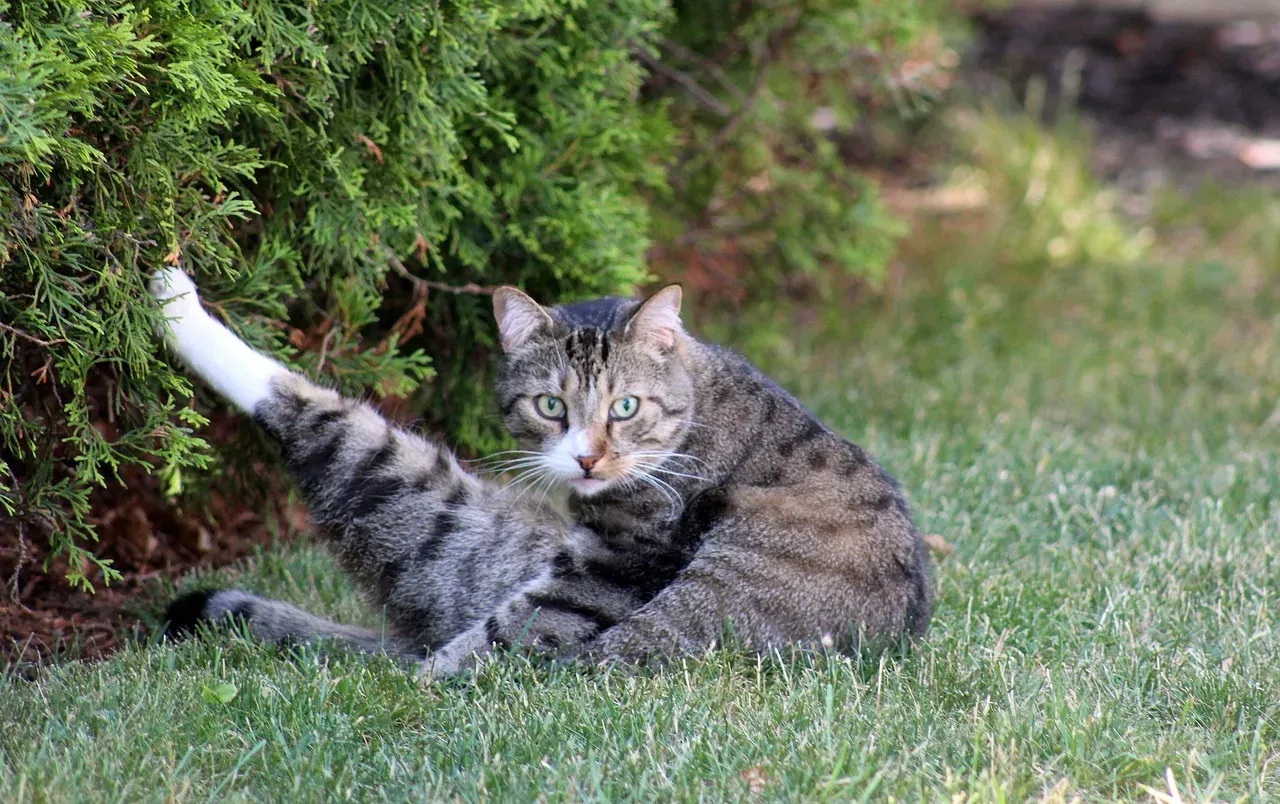
You might be thinking exercise is just about weight management. It’s much bigger than that. Pet obesity rates are rising across the United States, so by incorporating exercise into your cat’s daily routine, you can help them maintain their weight, keep their muscles strong and avoid diseases that come with obesity like diabetes and high blood pressure.
It’s believed that up to 40% of cats suffer from depression due to lack of stimulation and exercise, because cats are natural born predators and will suffer mentally when they do not engage in some form of stimulating exercise. That’s a staggering number when you stop to think about it.
Exercise also helps your cat develop good behavioral habits. Those mysterious moments when your cat attacks your feet or shreds your curtains? Often, that’s just pent-up energy looking for an outlet. Boredom and lack of physical activity can manifest in all sorts of unwanted behaviors.
Signs Your Cat Isn’t Getting Enough Movement
Behavioral changes, including destructive behaviors like biting or clawing furniture are tell-tale signs that your cat is bored and lacking physical and mental stimulation. If your previously calm kitty suddenly starts scratching up the sofa, take that as a red flag.
Cats may adopt strange, compulsive behaviors such as over-grooming and excessive licking when they don’t get enough physical and mental stimulation, often in an attempt to alleviate stress, which can lead to irritated skin, hair loss, and frequent hairballs. I’ve seen cats literally groom themselves bald from stress and inactivity.
Cats that aren’t getting enough exercise will often become depressed, and depression and lethargy often go together, making cats feel more tired than normal. It sounds counterintuitive, yet it’s the same with humans. The less you move, the more sluggish you feel. Those moments when your cat goes crazy and starts running around the house like a bat out of hell are clear signs that they need more play and they need it now, with so much energy that they could probably parkour off the living room walls.
Best Ways to Get Your Cat Moving
Cats are crepuscular, meaning they’re most active at dawn and dusk, so scheduling play around these times may help keep them more interested. That early morning wake-up call from your cat? They’re literally programmed for activity at that hour.
Play sessions with your cat should only be about 10 to 15 minutes long, with two to three daily play sessions for older cats to up to 10 sessions for kittens and younger cats. These short, five-minute bursts of activity are comparable to how they would hunt in the wild. Wand toys, feather toys, and laser pointers are all excellent choices.
Providing vertical spaces such as window shelves and perches not only gives cats an ideal spot to observe from, but encourages them to jump and climb, with cat trees providing elevated rest or play areas that also have scratching posts for healthy scratching behaviors. When a cat hauls themselves up a vertical, carpeted surface, they are pulling their entire body weight, and this kind of weight-bearing exercise is excellent for their muscle type. Honestly, a good cat tree is one of the best investments you can make.
Did you think indoor life means your cat is destined for the couch? It really doesn’t have to be that way. With a bit of creativity and regular engagement, you can keep your feline fit and fulfilled for years to come.


