
Have you ever seen a fox in a tree? Most people would assume you’re joking or mistaken. After all, foxes are dogs, and dogs don’t climb trees, right? Here’s the thing, there’s one remarkable canine that breaks all the rules.
The gray fox is the only North American canid that regularly climbs trees, a skill that makes this animal truly unique in the dog family. In 2010, Delaware named the gray fox its official state wildlife animal after a fourth-grade classroom turned a persuasive writing assignment into law. This captivating creature has been quietly living alongside us for millions of years, yet most dog lovers have never heard of it.
Let’s dive into what makes this elusive canine so special.
They’re the Only Tree Climbing Dog in North America
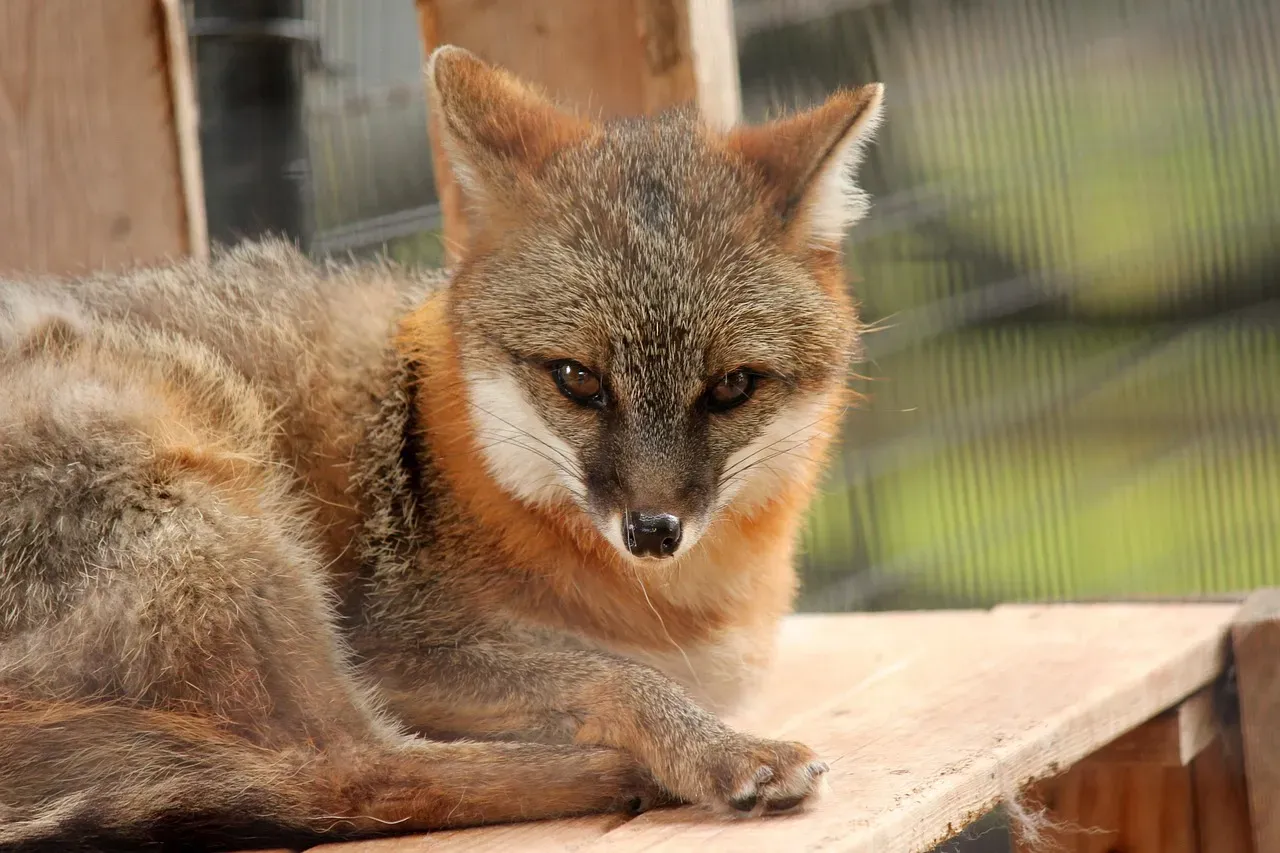
Gray foxes are uniquely adapted for climbing trees, with long, hooked claws that work almost like those of a cat. They are one of two species of canid that climb trees, with rotating wrists and semi-retractable claws that help them climb up high to den, forage, or escape predators. Think about this for a second. Your domestic dog can’t do this. Wolves can’t do this. Coyotes definitely can’t do this.
The gray fox uses powerful hind legs to push upward while gripping bark with those sharp, curved front claws. It can climb over 50 feet up a tree trunk, and usually descends by jumping from branch to branch like a squirrel, but also by slowly crawling backwards like a house cat. Honestly, it’s like watching nature create a hybrid between a dog and a cat. The ability to escape into the canopy gives gray foxes a survival advantage that other canines simply don’t have.
A Fourth Grade Class Made Them a State Symbol
In 2010, fourth graders from Joseph M. McVey Elementary School convinced state lawmakers that the gray fox deserved this distinction. These kids didn’t just write a few sentences and call it a day. They researched, crafted persuasive letters, and advocated for an animal most adults had never even heard of. The bill passed both chambers and was signed into law by Governor Jack Markell on June 10, 2010.
What strikes me most about this story is how these young students recognized something special in a creature that often goes unnoticed. The students noted that because the gray fox does not hibernate, it is “always ready like our soldiers at Dover Air Force Base”. That comparison between an animal’s resilience and the readiness of Delaware’s military community reveals a thoughtful understanding beyond their years. The gray fox became a symbol not just of wildlife, but of adaptability and perseverance.
They’re Ancient Survivors
The gray fox is a unique and primitive species, believed to be between 7 and 10 million years old. Let that sink in. This animal was already established when many of the mammals we know today were still evolving. The gray fox has been chasing woodland mice for over 3.5 million years.
It is the oldest member of the canid, or dog family. While other dog relatives have come and gone through the ages, the gray fox has endured ice ages, climate shifts, and massive ecosystem changes. Their survival strategy has been flexibility. They don’t rely on one type of habitat or food source. Instead, they adapt to what’s available, a trait that has kept them thriving through millennia.
Their Climbing Skills Help Them Avoid Coyotes
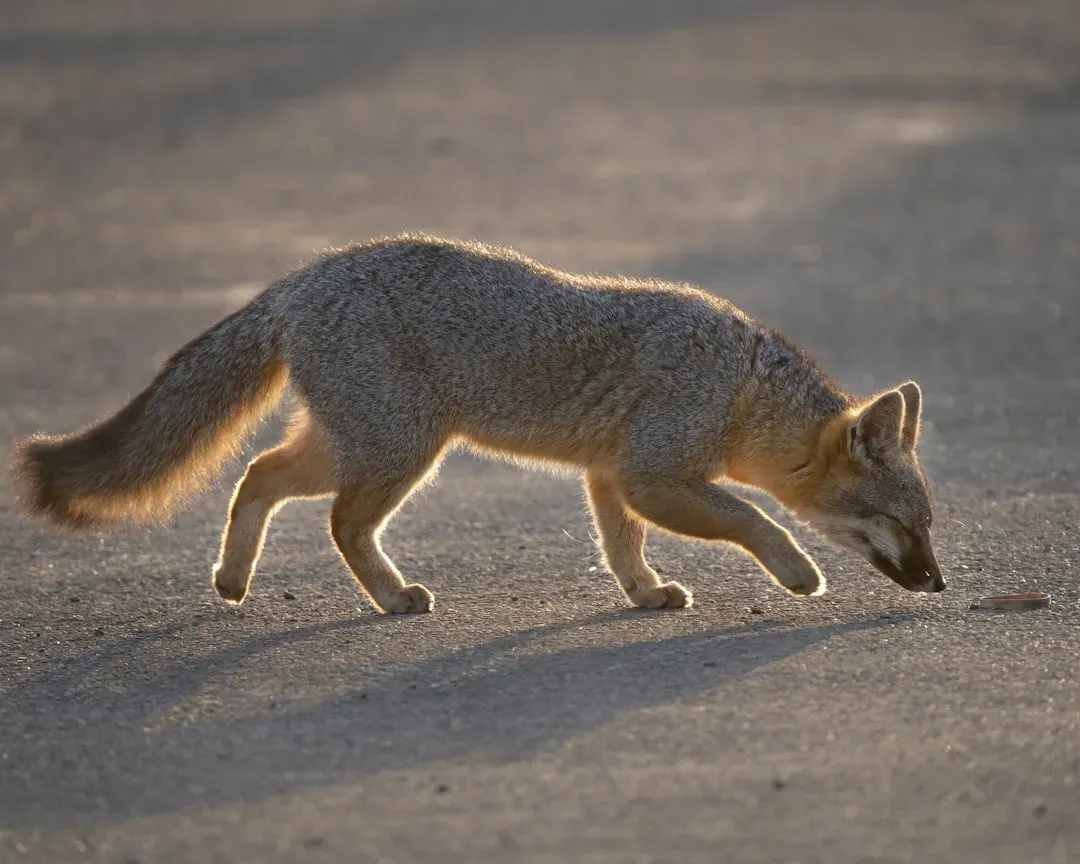
Gray foxes can climb trees, and a new study has found that the presence of trees might help gray foxes survive alongside coyotes. Coyotes are larger, more aggressive, and increasingly common across the United States. For gray foxes, being able to escape into trees can literally mean the difference between life and death.
Researchers found that gray foxes were more often out at night when there were coyotes nearby, and that gray foxes are more likely to inhabit areas that are more than half-covered by trees. It’s a clever survival tactic. When a coyote comes prowling through the underbrush, the gray fox simply climbs out of reach. Trees become safe havens. This allows the foxes to keep their claws from getting dull as they walk around, keeping them nice and sharp for climbing, something that other members of the dog family cannot do. The semi-retractable claws give gray foxes an edge in forests where coyotes are present.
They’re Smaller Than You’d Expect
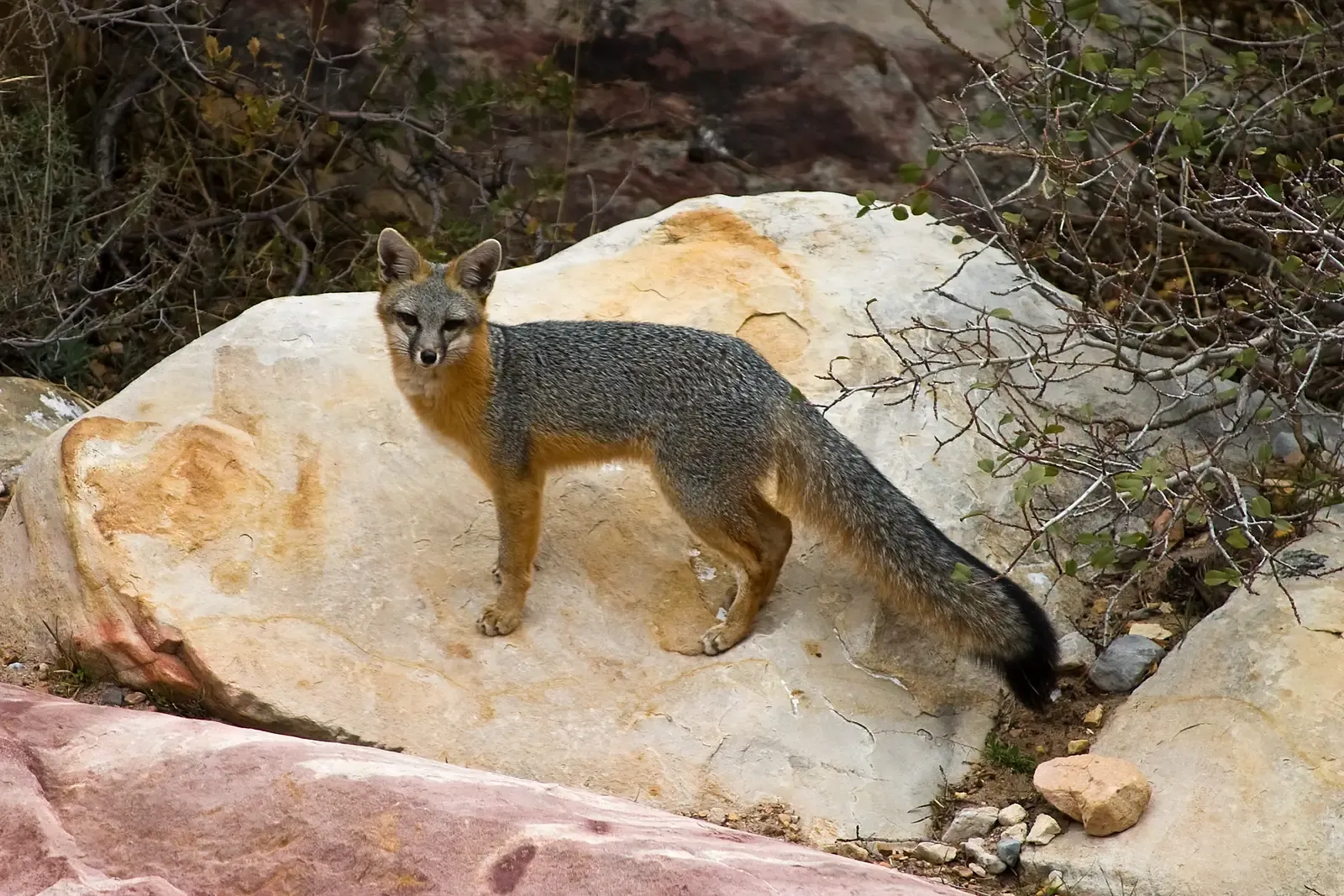
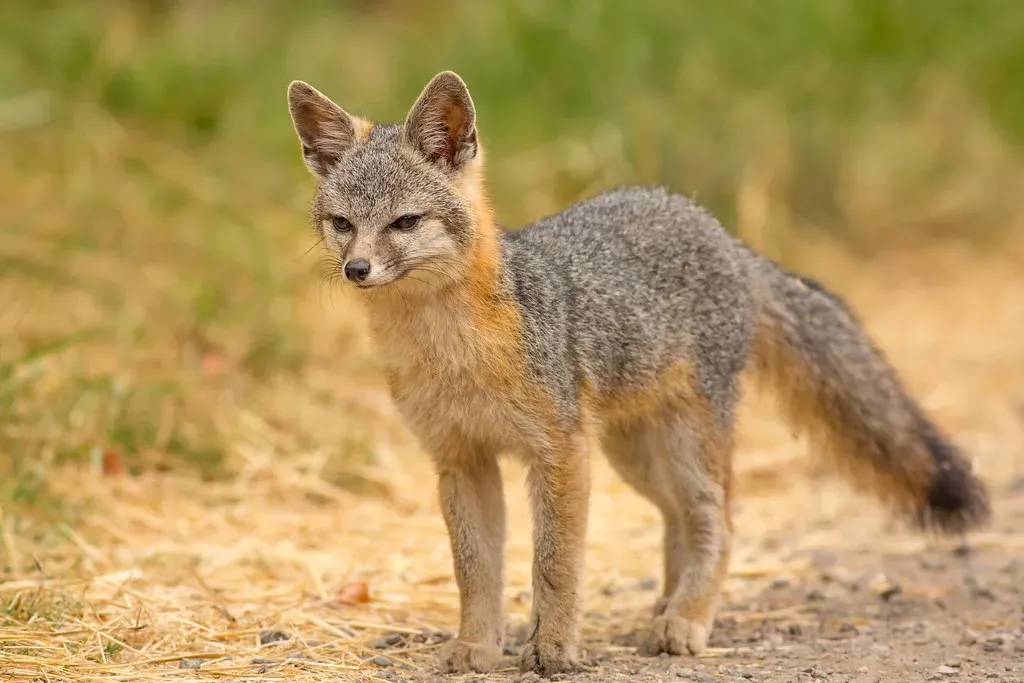
Adult gray foxes generally weigh 8 to 15 pounds, with length averaging from about 31 to 44 inches. If you’re picturing something closer to a German Shepherd size, think again. Gray foxes are compact and lightweight, roughly the size of a house cat or small terrier. The gray fox is a small member of the dog family, usually weighing between 7 and 15 pounds and standing about 12 to 15 inches tall at the shoulder.
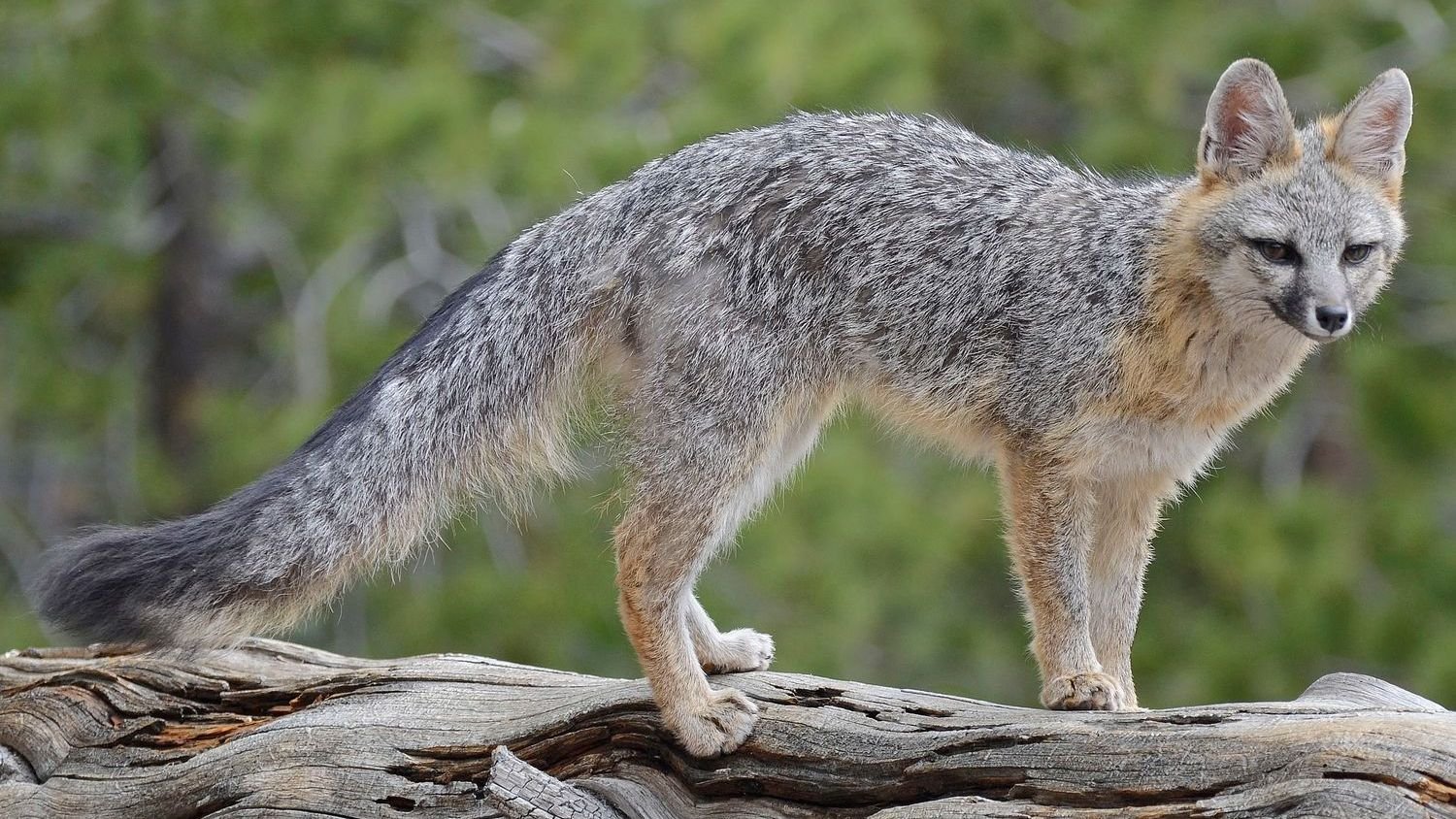
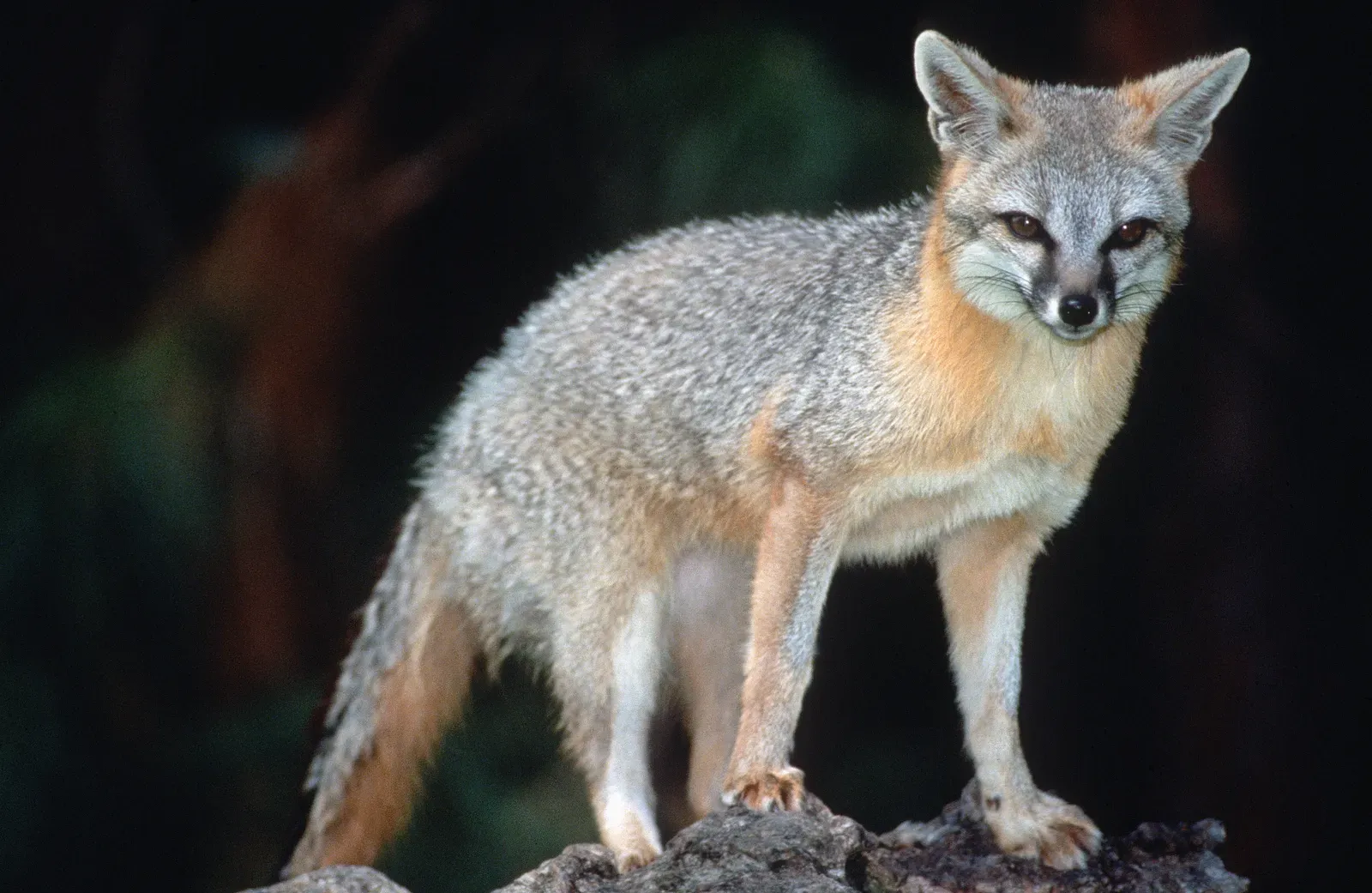
Their beautiful gray grizzled upper coat, rust and white colored underside highlights, and long black stripe down the back of the tail readily distinguish them from red foxes. That black stripe is a giveaway if you ever spot one in the wild. Their coloring helps them blend into wooded environments, making them incredibly difficult to see even when they’re close by.
They’re Omnivores With Flexible Diets
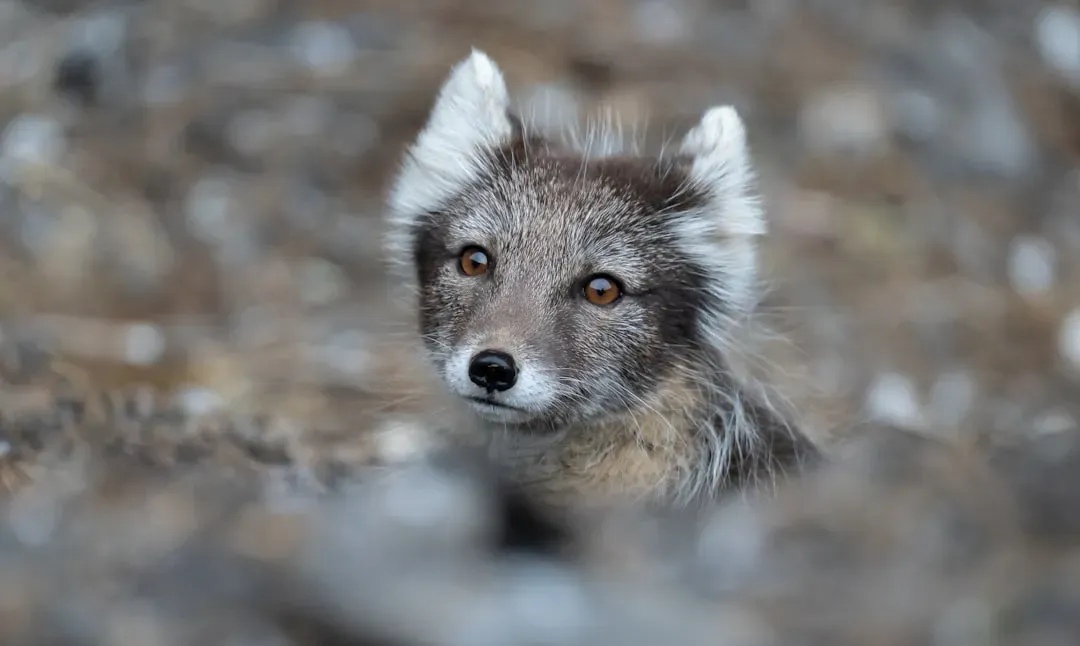
The gray fox is a solitary hunter and eats a wide variety of foods including small mammals like mice, voles and eastern cottontail rabbits, birds, insects, and plants like corn, apples, nuts, berries and grass. Unlike some predators that depend heavily on one prey type, gray foxes are opportunistic foragers. If rabbits are scarce, they’ll switch to insects. If fruit is abundant, they’ll eat that.
In the summer and autumn, grasshoppers and crickets are an important part of their diet. This dietary flexibility is one reason gray foxes have been so successful for millions of years. They don’t starve when conditions change. They adapt. It’s hard not to admire that kind of resilience. Watching a gray fox forage is like observing a skilled generalist who knows how to make the most of whatever the environment offers.
They Prefer Wooded Edges Over Open Spaces
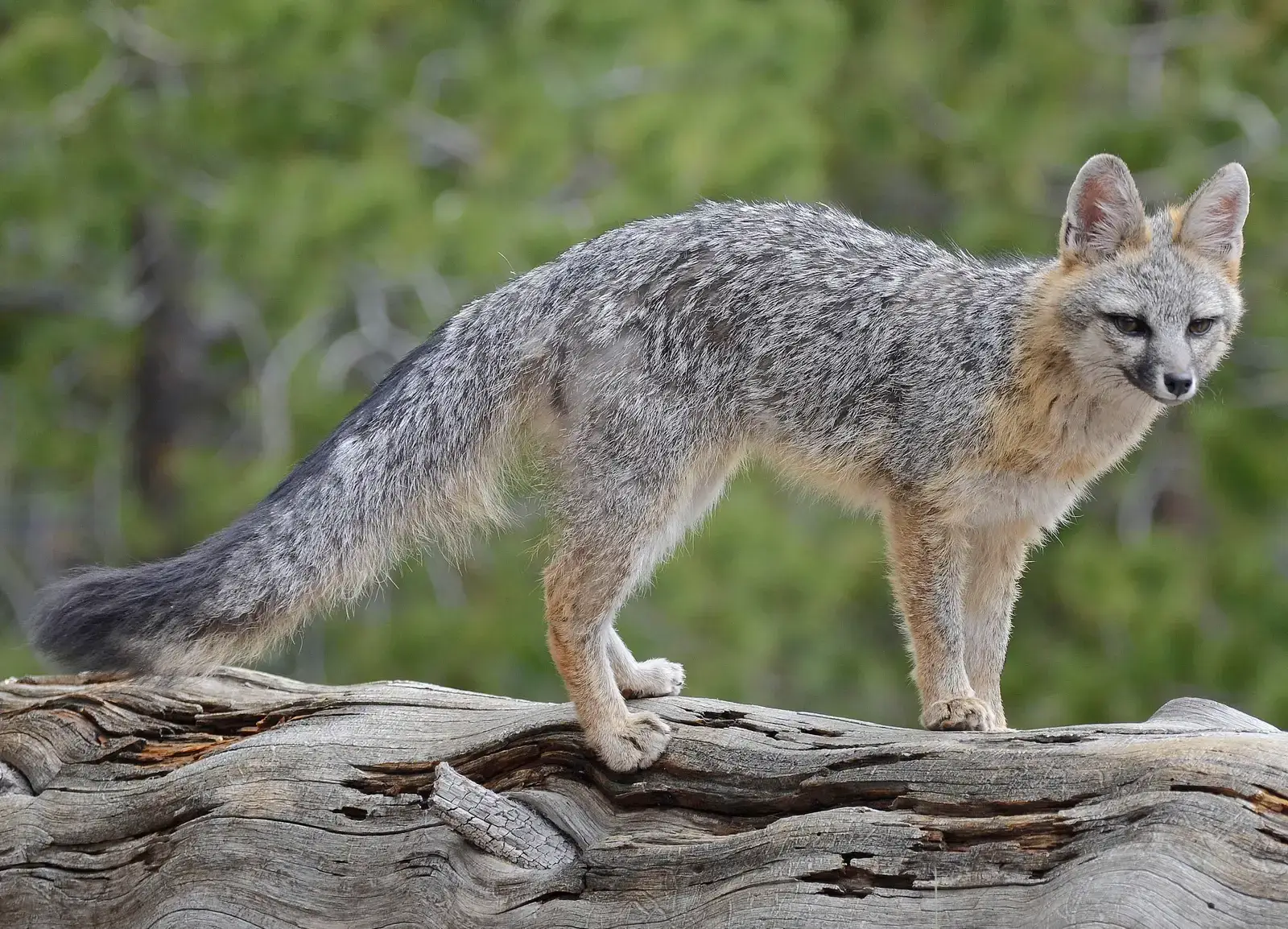
Wildlife biologists note that gray foxes favor areas where woods, brush, and open land meet. These edge habitats offer the best of both worlds: cover for denning and hiding, plus access to diverse food sources. Gray foxes prefer the cover of deciduous woodland habitat, but they’re not confined to deep forests.
Tidal wetlands, farmland, suburban neighborhoods, and patches of second-growth forest all provide food and cover. This adaptability means gray foxes can live surprisingly close to humans without ever being noticed. They’re secretive and mostly nocturnal. The gray fox is nocturnal and crepuscular, which means it is most active at dusk and dawn, remaining in the den during the day. So even if you live in an area with gray foxes, you might never see one unless you’re out at the right time.
They’re Monogamous and Family Oriented
The gray fox is monogamous, possibly maintaining permanent pair bonds although adults are solitary except when breeding and caring for young. This is not a species that hops from partner to partner each season. Gray foxes form lasting bonds. The gray fox breeds and raises one litter annually, and after mating, a male will stay with a female to provide her with food during denning and to assist in caring of the young.
Kits begin to hunt with their parents at the age of 3 months, and by the time they are 4 months old, the kits will have developed their permanent dentition and can now easily forage on their own, with the family group remaining together until the autumn when the young males reach sexual maturity and then disperse. It’s honestly touching to see how involved both parents are in raising their young. The father hunts to feed the family while the mother cares for the kits in the den. Then both parents teach their offspring how to survive before sending them out into the world.
Conclusion
The gray fox is one of those animals that reminds us how much we still don’t know about the creatures living quietly alongside us. They climb trees like cats, survive like ancient warriors, and adapt to changes that would wipe out less flexible species. By designating Urocyon cinereoargenteus as the state wildlife animal, Delaware chose a species that reflects adaptability and persistence.
What makes this little canine so remarkable isn’t just its tree climbing ability or its longevity as a species. It’s the fact that gray foxes thrive without fanfare, without demanding our attention, simply doing what they’ve done for millions of years. So next time you’re walking through a wooded area at dusk, look up. You might just spot a gray fox perched on a branch, watching the world below with those intelligent eyes. Did you ever imagine a dog could live like that?


