
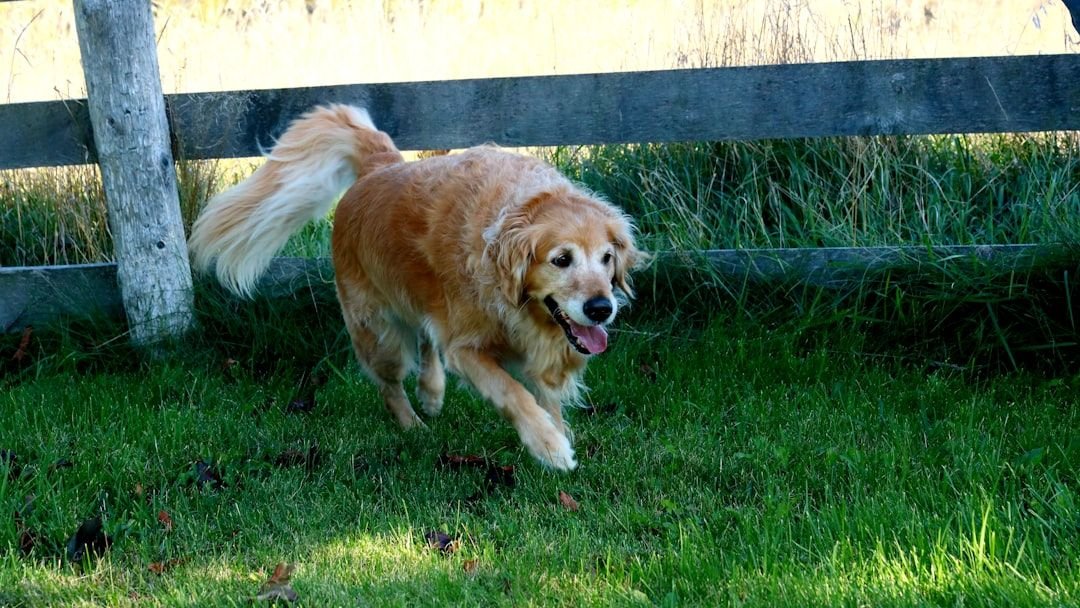
You’ve seen it a hundred times. Your pup’s tail is wagging, and you assume everything’s fine. Maybe you’re at the park, and another dog approaches. The tails are moving, so they must be happy, right?
Not so fast. Here’s the thing: that wagging tail might be telling you something completely different. It could be nervousness. Uncertainty. Even fear or aggression brewing beneath the surface. I think we’ve all been guilty of assuming a wagging tail equals a happy dog, but the reality is far more complex and honestly, far more interesting.
Let’s be real, understanding what your dog is actually saying with their tail can be the difference between a pleasant interaction and a stressful one for both of you. So let’s dive into the hidden language of tail wags and discover what your furry friend is really trying to tell you.
The Tail Tells More Than One Story
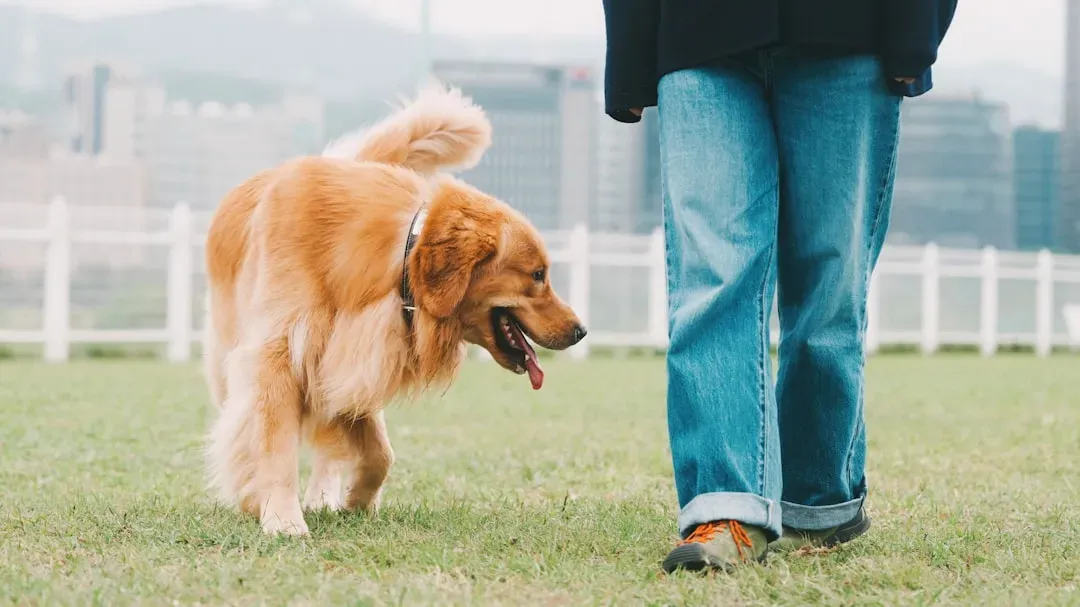
Tail wagging can express positive emotions, but it’s also an indication of fear, insecurity, challenging of dominance, establishing social relationships, or a warning that the dog may bite. A wagging tail does not necessarily mean a happy dog; it simply means arousal of some kind, which can be happy arousal, or fear, excitement, or even aggressive arousal.
Think of it like this: if your dog’s tail is wagging, it means they’re emotionally activated about something happening in their environment. The question is what kind of activation. Are they thrilled to see you, or are they ramping up to defend themselves?
Canines demonstrate many variations of the tail wag, and different wags mean different things; in fact, a wag of the tail is one of the best methods of communication in the canine kingdom. The key is learning to read the full picture, not just the movement itself.
Height and Position: The Emotional Barometer
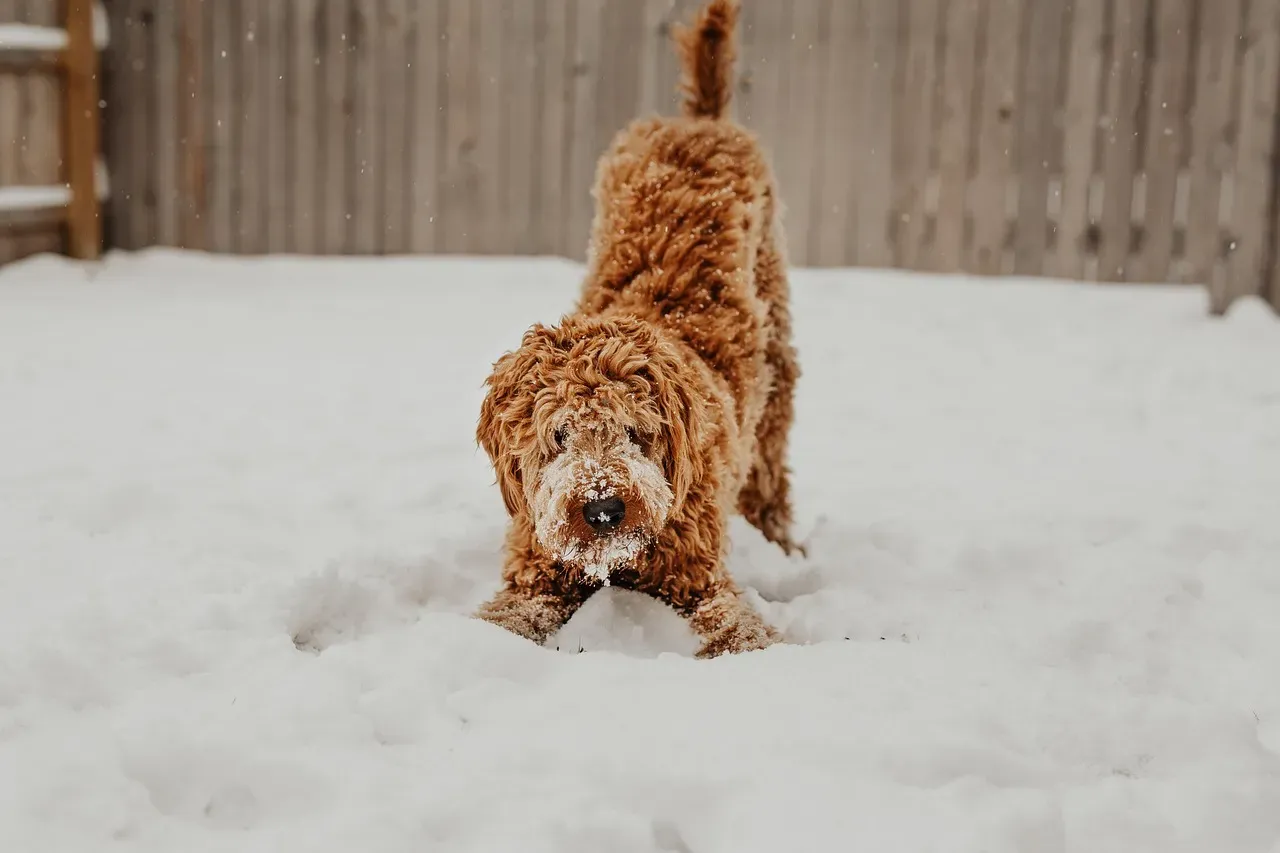
Dogs with their tails pointing down to the ground or even tucked between their legs are feeling fear and stress, while dogs with their tails held up like a flag are feeling confident, perhaps even aggressive. The height of the tail acts like an emotional barometer, giving you instant insight into where your dog’s head is at.
Lowering the tail from a neutral position can represent a dog’s intention to maintain a submissive role in the interaction, and a tightly tucked, low tail can also occur when a dog is fearful. When you see that tail drop or tuck, your dog is essentially saying they want to be smaller, less threatening, or they’re genuinely scared.
On the flip side, a high tail doesn’t always mean joy. A flagging tail, straight up or even curved slightly over the dog’s back, moving at blur-fast speed, is an indication of strong emotion. That strong emotion could be excitement, but it could also be overarousal or even a warning. Context matters enormously here.
Speed and Intensity: Reading the Volume
The speed of the wag indicates how excited the dog is, while the breadth of each tail sweep reveals whether the dog’s emotional state is positive or negative, independent from the level of excitement. Fast doesn’t always mean friendly. Sometimes it means frantic.
The faster the wag, the more excited the dog; a tail wag may range from very slow to extremely rapid, known as flagging, and sometimes the dog’s tail wags so fast that it appears to vibrate. When you see that vibrating tail, take a step back and look at everything else your dog is doing. Are their ears forward and relaxed, or pinned back? Is their mouth open and soft, or tight and closed?
A slow, tentative wag can indicate uncertainty or insecurity. When dogs are tentative about a pending interaction, their tails often wag more slowly, typically in a neutral or slightly low position. Your dog might be saying, “I’m not sure about this yet.”
The Directional Secret: Left Versus Right
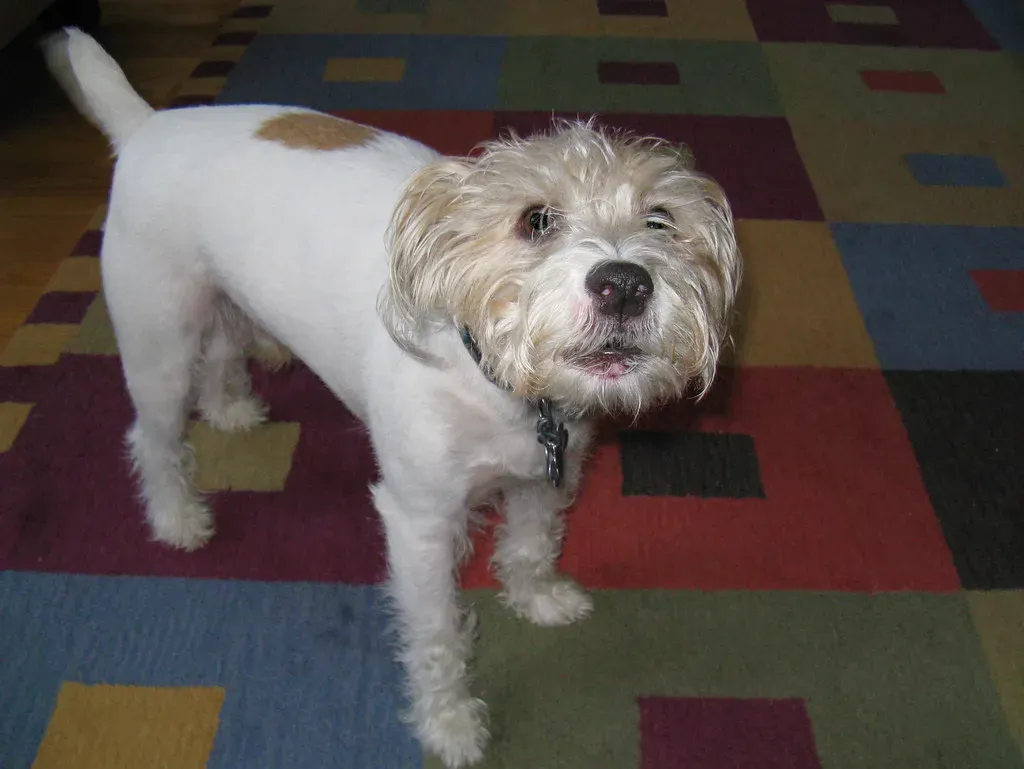
This one’s fascinating. Studies show that dogs wag their tails to the right when they are happy or confident, and to the left when they are frightened. It sounds almost too subtle to notice, but once you start paying attention, it becomes easier to spot.
Usually positive feelings within a dog are associated with the right side; if a dog is about to receive a treat, their tail will likely move with a bias towards its right, while negative feelings are typically connected with a bias towards its left side, and if a dog is being approached by another dog and feels threatened, the dog’s tail will usually move more to its left.
The science behind this is pretty incredible. At least one study found that dogs are more likely to wag their tail to the right when they experience positive emotions, and more in a left direction for negative emotions, with the left side of the brain associated with positive emotions like love, whereas the right side may be associated with fearful or unpleasant emotions. It’s hard to say for sure, but this gives us a remarkable window into how dogs process their world.
Context Is Everything: Reading the Whole Dog
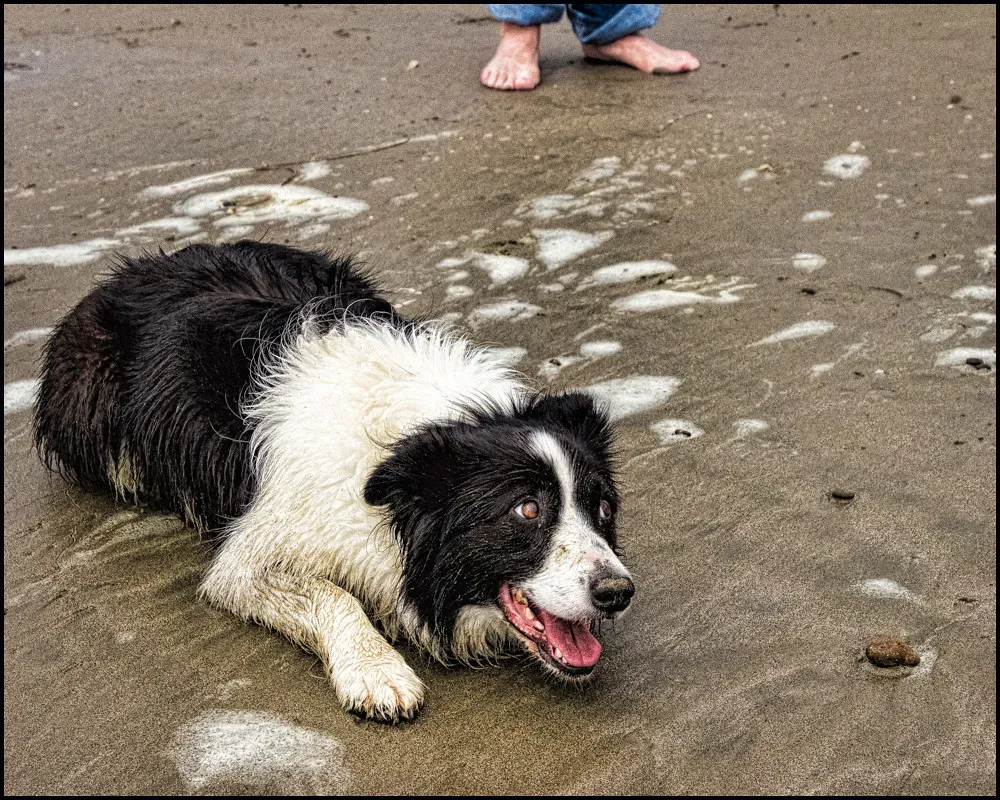
You can’t just look at the tail in isolation. No dog body language signals act alone; they’re all part of a package, so when you read a dog’s communication, look at every signal the dog is using from the tail height to the eye shape.
Is your dog’s body stiff or loose? Are their ears relaxed or pinned? What about their eyes? Whale eyes, where the dog’s nose stays pointed forward but eyes move sideways to monitor the situation, is a sure sign that your dog is experiencing anxiety. A wagging tail combined with whale eyes is a contradiction that tells you your dog is uncomfortable.
It’s important to recognize that a dog with a wagging tail does not necessarily mean they want to interact; a tail may begin to wag tentatively during an interaction with the message being pause, and dogs experiencing emotional conflict may begin to wag their tails rapidly as a reflection of their discomfort. Sometimes that wag is actually a plea for space.
Conclusion
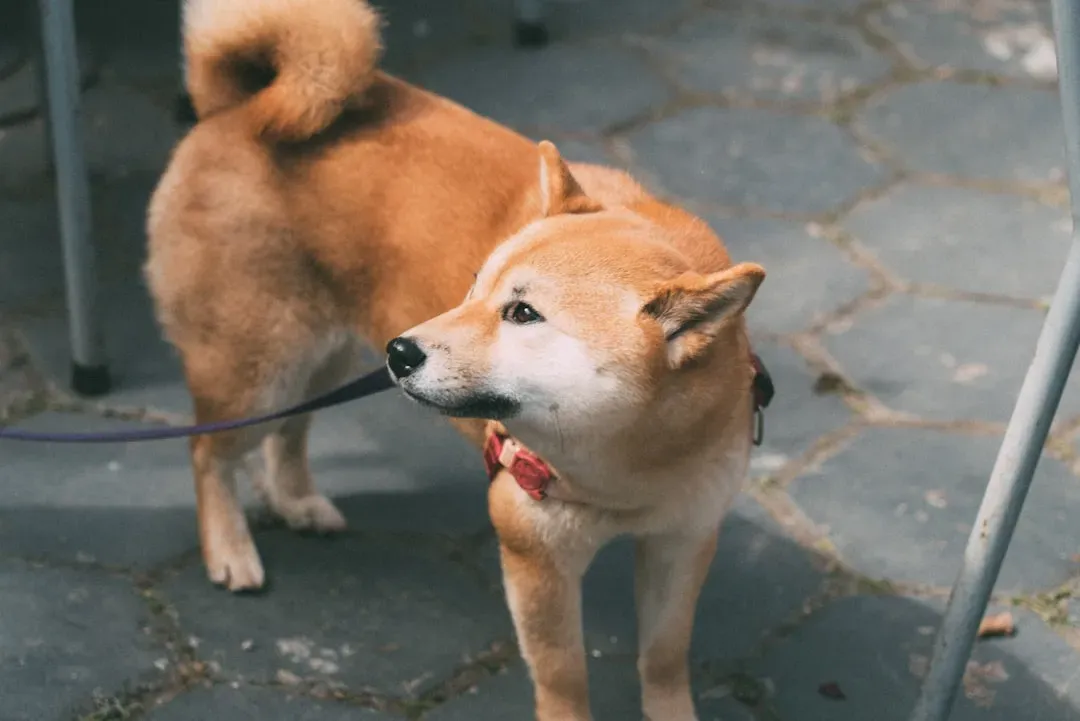
Learning to read your dog’s tail language transforms how you communicate with them. It helps you see when they’re genuinely happy versus when they’re stressed, anxious, or uncertain. This isn’t just about avoiding bites or misunderstandings; it’s about building a deeper connection with your best friend.
Start paying attention today. Watch not just if the tail wags, but how it wags, where it’s positioned, and what the rest of their body is saying. Your dog has been trying to talk to you all along. Now you’ll finally understand what they’re saying.
What subtle signals have you noticed in your own dog? Share your observations in the comments below.


