

You already know your dog makes you smile. That tail wagging, those hopeful eyes when you reach for the leash, that ridiculous way they greet you after you’ve been gone for ten minutes like you’ve returned from war. It feels good.
What you might not realize is just how deeply your furry companion is woven into the fabric of your mental health. We’re not talking about vague notions of happiness here. Science has been busy uncovering the profound, sometimes surprising ways dogs genuinely improve our psychological well-being every single day. Some of these benefits happen without you even noticing. Let’s dive in.
They Trigger a Powerful Hormone Surge That Mimics Mother-Child Bonding

When dogs and humans interact with each other in a positive way, both partners exhibit a surge in oxytocin, often called the love hormone. This isn’t just about feeling warm and fuzzy. Gazing behavior from dogs increased urinary oxytocin concentrations in owners, which consequently facilitated owners’ affiliation and increased oxytocin concentration in dogs.
Think about it: your dog looks at you, your brain releases oxytocin, you feel closer to them, you gaze back, their oxytocin spikes, they gaze more. These findings support the existence of an interspecies oxytocin-mediated positive loop facilitated and modulated by gazing. It’s a biological feedback loop that mirrors the bond between mothers and infants. Honestly, it’s one of nature’s most beautiful hacks.
Dogs have specifically evolved so that our oxytocin levels increase just by making eye contact with a dog or puppy, and the stronger the bond between a human and a dog, the greater the oxytocin spike. That’s thousands of years of evolution working in your favor every time your pup gazes up at you during your morning coffee.
Your Dog Actively Lowers Your Stress Hormones

Let’s talk cortisol. It’s the stress hormone that floods your system when life gets overwhelming. Interacting with animals has been shown to decrease levels of cortisol and lower blood pressure. This isn’t a temporary distraction; it’s a measurable physiological change.
Studies have found that interacting with a therapy dog can lead to reduced anxiety, blood pressure, heart rate, and cortisol. Even a brief interaction matters. Dogs can reduce stress in humans due to their impact on cortisol in our bodies.
Whether you’re petting your dog after a terrible day at work or simply sitting beside them on the couch, your body is biochemically shifting toward calm. The repetitive motion of petting, the warmth of their body, the rhythm of their breathing – it all works together to tell your nervous system that you’re safe.
They Offer Unconditional, Judgment-Free Emotional Support
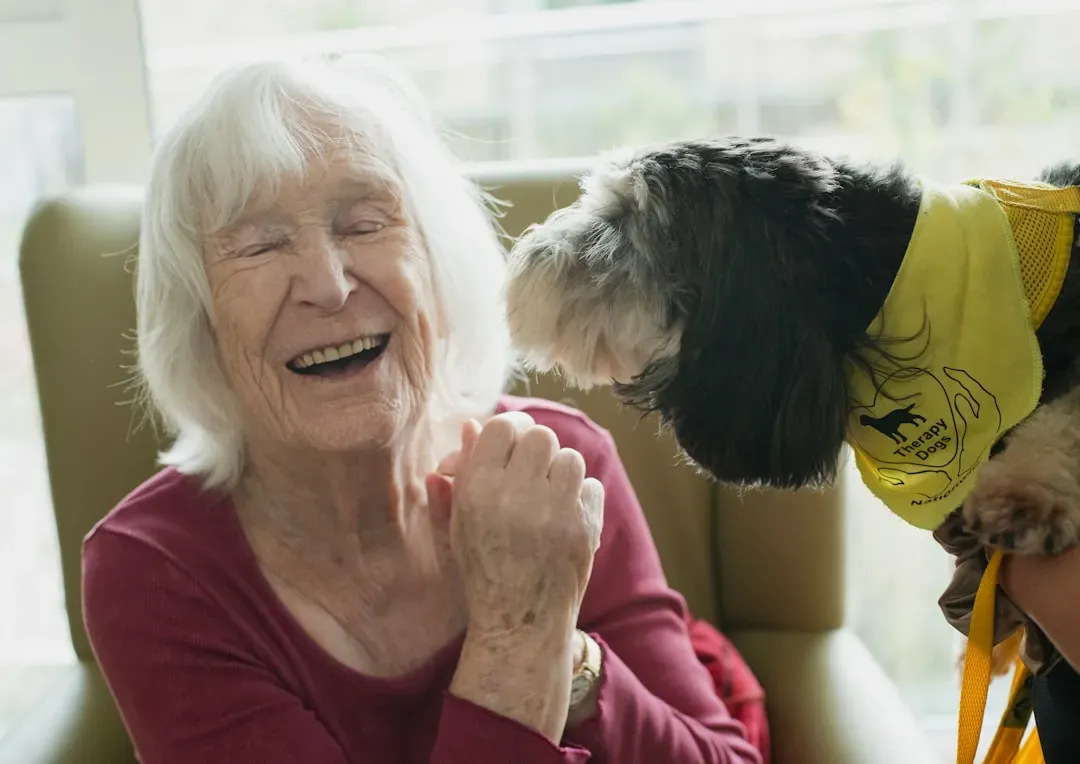
Here’s the thing about people: we judge. Even when we try not to, we do. Dogs don’t. Spending time with a therapy dog allows someone to have judgment-free interactions and experience unconditional support. When you’re struggling with anxiety or sadness, this matters more than you might think.
Animals can feel like safe, nonjudgmental beings that provide comfort. You can tell your dog about your worst day, your deepest fear, your most embarrassing mistake, and they’ll just wag their tail and maybe lick your face. No advice, no critique, no awkward silence. Just presence.
These benefits appear to be due to a combination of having a source of love, nonjudgmental social support, and companionship. In a world that constantly asks you to perform, explain, and justify yourself, your dog asks for nothing but your company.
Dogs Help Combat Loneliness and Social Isolation

Loneliness isn’t just feeling sad. Research links companion animals with lower feelings of social isolation. Animals can reduce loneliness, increase feelings of social support, and boost your mood.
An attachment relationship with a pet dog may serve as a coping resource by buffering the relationship between loneliness and depression, particularly for older adults. Your dog doesn’t replace human connection, but they fill a space that would otherwise feel empty.
Older adults who own pets report a reduction in stress and loneliness, an increase in activity and overall quality of life, and lower rates of depression. Even for younger people, coming home to a dog means never walking into an empty house. That simple presence matters.
They Give You a Sense of Purpose and Routine

Caring for a pet provides a sense of purpose. When depression or anxiety make it hard to get out of bed, your dog still needs to be fed, walked, and cared for. Pets provide a sense of order and routine, and needing to care for your pet may help you remember to take care of yourself.
I’ve heard countless people say their dog saved their life not through some dramatic intervention, but through the simple act of needing them. For many people, showing up for their pet gives them a sense of purpose, which motivates them to keep going, especially on challenging days, and purpose gives our lives meaning, offers hope, and strengthens our resilience.
Your morning walk might feel like a chore some days, but it’s also structure. It’s a reason to move your body, get outside, and engage with the world. That matters more than you think.
Your Dog Reduces Symptoms of Depression and Anxiety

Studies show that dogs reduce stress, anxiety and depression, and ease loneliness. The preponderance of evidence links animal-assisted interventions to a decrease in depression.
Social problems were significantly lower in adolescents with a dog at home compared to those without a dog. People who interacted with their dog felt less anxiety and experienced more positive feelings compared to other stress-relief activities.
It’s not that your dog makes mental illness disappear. What they do is provide consistent, reliable comfort during difficult moments. Having a psychiatric service dog is associated with fewer PTSD symptoms, less depression and anxiety, and better quality of life. Even for those without diagnosed conditions, dogs offer a buffer against the daily psychological wear and tear of modern life.
They Increase Your Feelings of Safety and Grounding
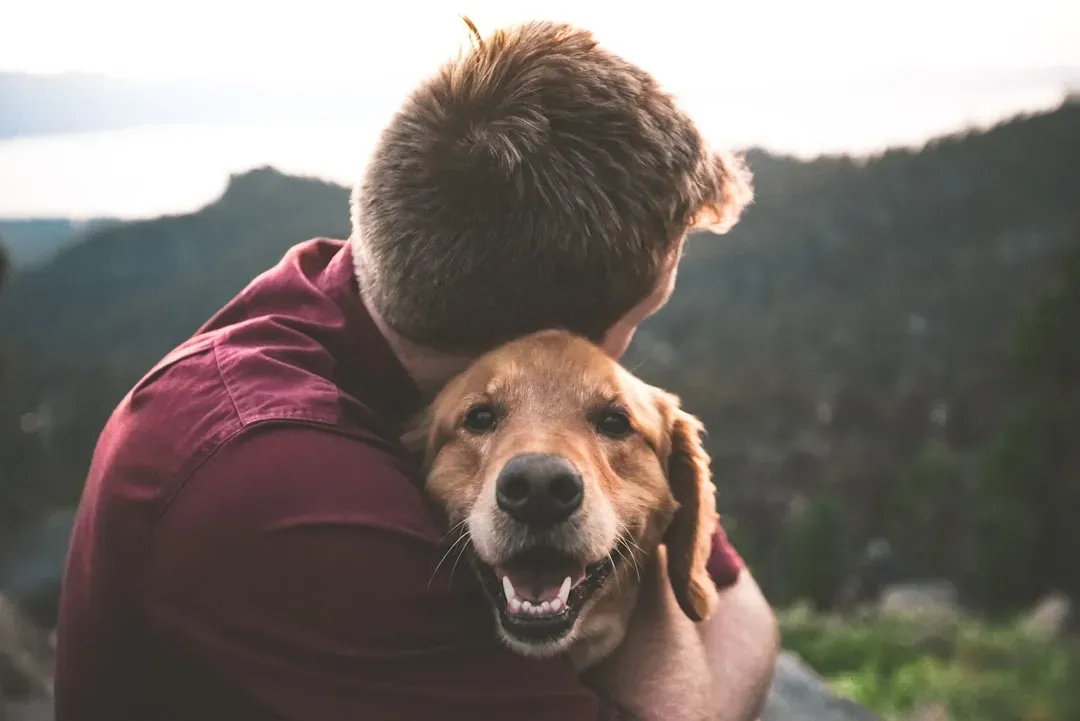
For people living with PTSD, animal-assisted interventions helped reduce dissociation, produced feelings of comfort and warmth, and served as a reminder that they were no longer in danger. This sense of safety isn’t exclusive to trauma survivors.
An animal companion can bring a sense of calm, which combats fear, anxiety, anger, and other intense feelings. When your thoughts are spiraling, your dog’s physical presence can anchor you back to the present moment. Their warm body beside you, the sound of their breathing, the feel of their fur under your hand – these are grounding sensations.
Animals can help us feel more connected to ourselves and others. There’s something about a dog’s quiet, steady presence that reminds you that right now, in this moment, you’re okay.
Dogs Actually Change Your Brain Chemistry for the Better

Beyond oxytocin, dogs affect multiple neurochemicals. Pets boost the release of happy hormones such as serotonin, prolactin, and oxytocin, which can alleviate feelings of depression and stress. Serotonin plays a pivotal role in regulating mood by reducing depression and controlling anxiety.
Interacting with a canine can raise levels of oxytocin, a hormone associated with love, bonding and positive feelings. Dopamine, another feel-good neurochemical, also increases during dog interactions. Dopamine facilitates cognition and learning, and motivation towards achievement of goals, while feelings of calmness and positivity occur when serotonin, oxytocin and endorphins increase.
This isn’t woo-woo stuff. These are real, measurable changes in your brain’s biochemistry. Your dog is essentially a four-legged pharmacy dispensing exactly what your brain needs to function better.
They Improve Your Social Connections With Other People

Dogs, cats, and even small pets often act as social icebreakers, helping people meet neighbors and build community. Walking your dog creates opportunities for casual conversations with other dog owners. These micro-interactions might seem trivial, but they contribute to a sense of social connectedness.
You’re more likely to get outdoors and exercise with your dog, which also increases your chances of social interactions. Even a brief chat at the dog park or a friendly wave to a fellow walker adds up. Social connection is a critical protective factor for mental health, and your dog facilitates it effortlessly.
Maybe you’ve noticed how people smile more when they see your dog. That positive attention extends to you, too. Your dog makes you more approachable, more visible, more connected to the community around you.
They Even Help Through the Microbiome-Gut-Brain Connection

Dogs prompt changes in the collection of microbes that live in and on our bodies, resulting in an increase in mental health benefits. Raising dogs has beneficial effects, especially for adolescents, and these effects may be mediated through symbiosis with microorganisms.
Dog owners have differences in their gut microbiomes, including greater microbial diversity. The gut-brain axis is a real and powerful connection, and a healthier, more diverse microbiome is associated with better mental health outcomes.
A family dog can change the microbiome in ways that support mental health, empathy, and prosocial behavior, likely as the result of tens of thousands of years of human-canine coexistence. This is one of the most unexpected pathways through which your dog improves your well-being, working quietly at the microscopic level.
Conclusion

Your dog isn’t just a pet. They’re a biological intervention, a psychological support system, and a daily reminder that connection matters. From the moment they lock eyes with you in the morning to the way they settle against your leg at night, they’re actively shaping your mental health in profound ways.
The science behind these benefits is stunning, but you don’t need a research paper to know what your heart already understands: life is simply better with them in it. What surprising way has your dog improved your life lately? Share your story – we’d love to hear it.


