
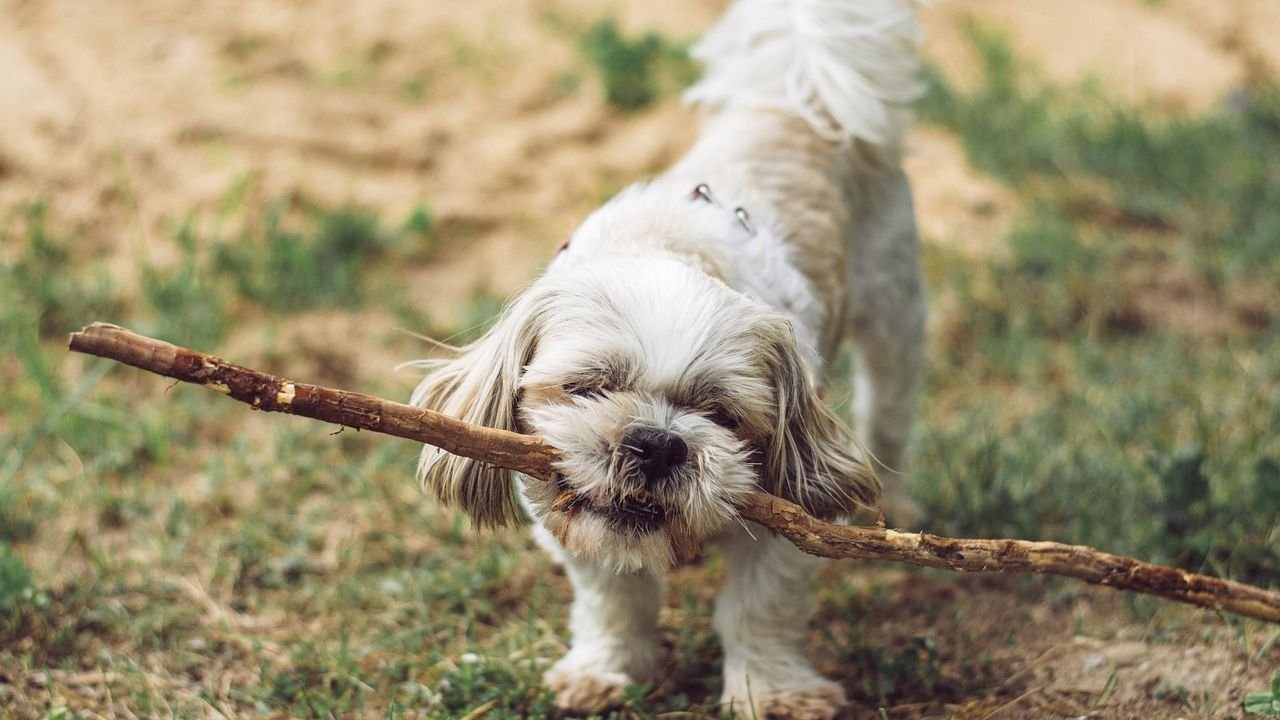
You know that look. The one where your dog sits at your feet, staring with those soulful eyes that seem to say something you can’t quite translate. Maybe it’s boredom, maybe longing, or perhaps a tiny plea for connection. Dogs are masters of communication, yet we often miss the quiet messages they send our way.
The thing is, our dogs don’t speak English. They rely on body language, small behaviors, and patterns we might dismiss as quirks or naughtiness. When a dog needs more play, more movement, more mental engagement, they tell us in ways that are easy to overlook. I think we owe it to them to listen better. Let’s explore those subtle signs your dog might be waving like tiny flags, hoping you’ll notice.
The Deep, Dramatic Sigh

When a dog is idle, watching you type away or catch up on screens, they may sigh out of boredom with eyes open and alert, and the body seems ready for stimulation. It’s not the soft, contented sigh they make when settling into their favorite nap spot. This one feels different.
After playtime ends or when walked past a favorite toy, some dogs sigh sitting up with open, alert eyes staring at you, reflecting mild emotional frustration and a signal they’re craving more interaction. Pay attention to the context. If your pup exhales heavily while awake and watching you, they’re probably hoping you’ll grab that ball or initiate a game.
Following You Like a Shadow
If your dog constantly tries to paw, bark, whine, or jump or simply follows you from room to room, they are likely trying to tell you they are bored. It’s especially noticeable when they stick to you like glue, even when you move between the kitchen and bathroom.
This behavior isn’t about separation anxiety in most cases. It’s about seeking engagement. They’re checking in, hoping you’ll notice them and offer something exciting. This is especially true for younger dogs or puppies. Your presence is their entertainment source, and when they trail you everywhere, they’re essentially saying, “Hey, I’m here and ready whenever you are.”
Excessive Licking or Chewing on Themselves

Here’s one that can be alarming if you don’t know what to look for. Excessive chewing can be a sign of boredom in dogs, with some dogs chewing on their own bodies such as paws or flank. This isn’t about grooming.
Focused licking on paws or paw pads could also signal extreme boredom. While skin conditions or allergies are possible culprits, if your vet rules those out, consider whether your dog is simply understimulated. Dogs need outlets for their energy, and when they don’t have them, they sometimes redirect that energy inward.
Bringing You Toys Repeatedly
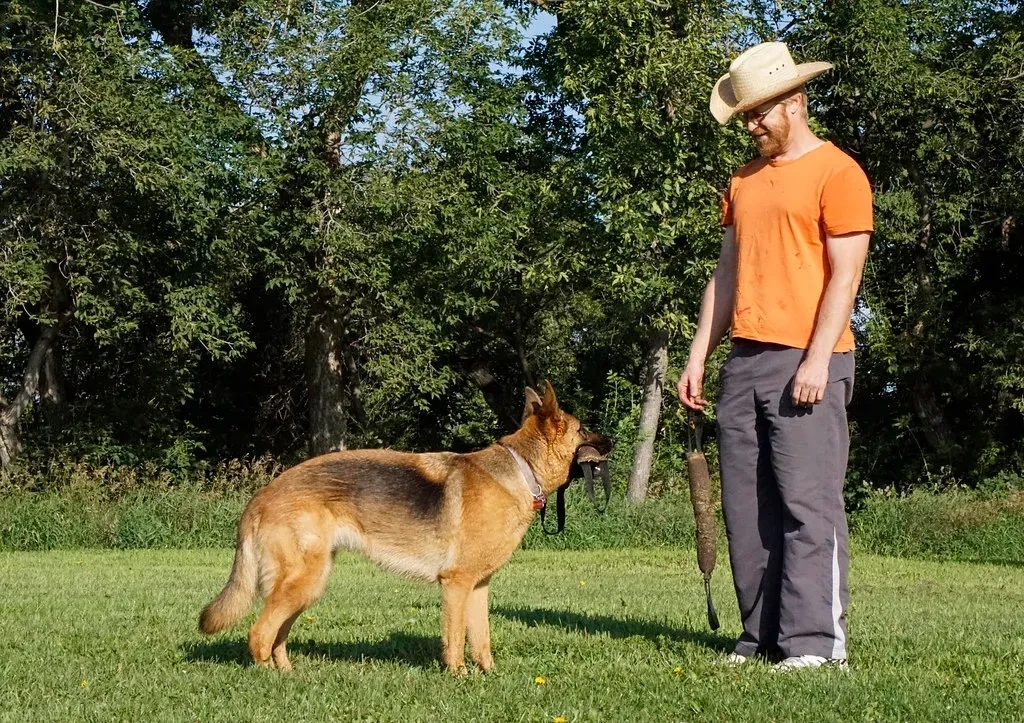
This one seems obvious, yet many of us miss it or brush it off. Your dog drops a toy at your feet, waits, then does it again. And again. It’s their version of knocking on your door.
They’re initiating play in the most direct way they know how. Sure, sometimes they just want you to throw the toy once, but if they keep returning with it, they’re telling you they need more. Honestly, it’s one of the sweetest and clearest invitations they can offer.
Destructive Chewing on Furniture or Household Items

Excessive chewing can be a sign of boredom in dogs, with some chewing on furniture or shoes. That chewed-up couch cushion or shredded shoe isn’t an act of revenge. Destructive behavior in dogs is often a symptom of underlying issues such as boredom, anxiety, or a lack of physical and mental stimulation.
When your dog is chewing furniture or tearing up pillows, this likely means they are trying to release pent-up energy or stress, and if dogs do not have access to appropriate chew toys or partake in sufficient exercise, they often redirect their chewing behavior towards household items. It’s their way of self-soothing and burning off steam. If this is happening regularly, it’s time to up the playtime and mental enrichment.
Excessive Barking or Whining

Barking, whining, jumping and even nipping can be ways for your dog to communicate, sometimes to let us know they need to go out to potty or are hungry. Yet when these vocalizations happen multiple times a day without an obvious trigger, boredom is often the reason.
If your dog barks, whines, jumps or nips at you many times each day, that may be his way of saying, “I’m bored.” They’re trying to grab your attention any way they can. If you notice a pattern, perhaps at certain times of day, that’s your cue to plan more engaging activities during those windows.
Pacing or Restlessness
You see them walking back and forth across the living room, unable to settle. Yawns, more chewing, and restlessness are signs your dog might need extra mental stimulation. Pacing is one of those behaviors that can mean several things, but in a healthy dog, it often signals pent-up energy.
They can’t seem to find a comfortable spot, not because the space is wrong, but because their mind and body are craving activity. Let’s be real, when we’re restless ourselves, it’s usually because we need to move or do something stimulating. Dogs are no different.
Digging in the Yard or Around the House
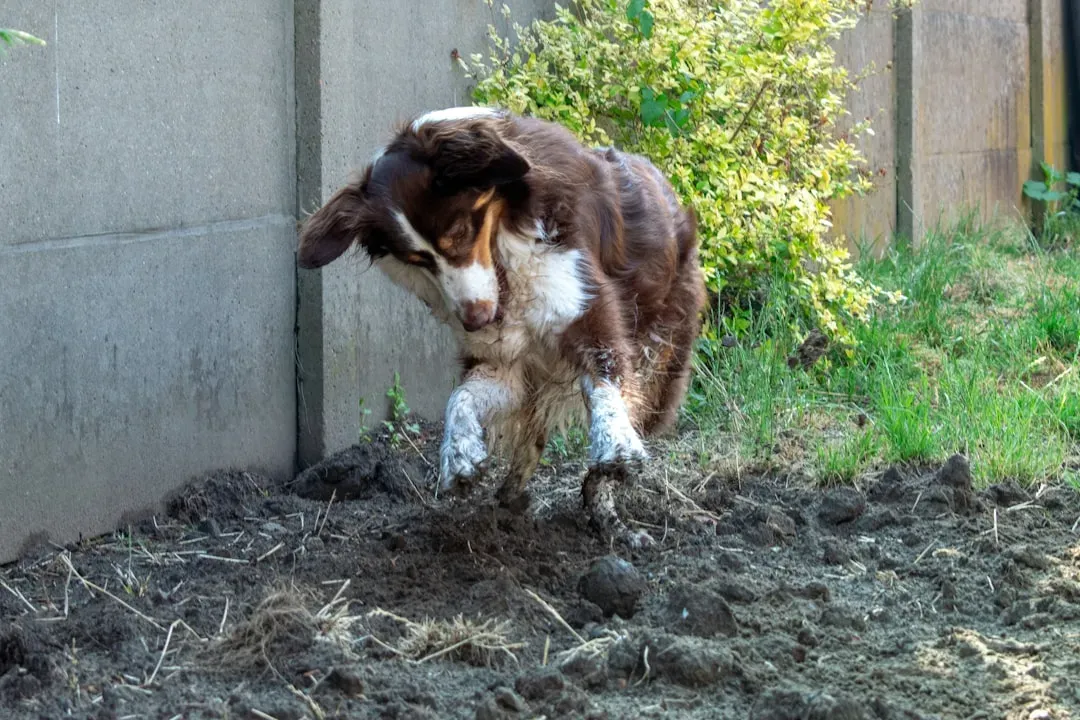
Boredom in dogs can also lead to digging, often in gardens or yards, which can be frustrating for owners, and it’s important to understand that digging is a natural activity for dogs looking for stimulation. Some breeds are more prone to this, but any dog might dig when they’re bored.
If you’re finding holes in your backyard or your dog is scratching at carpets and furniture, they’re likely trying to entertain themselves. Providing designated digging spots or engaging activities can redirect this behavior.
Nudging You with Their Nose or Pawing at You
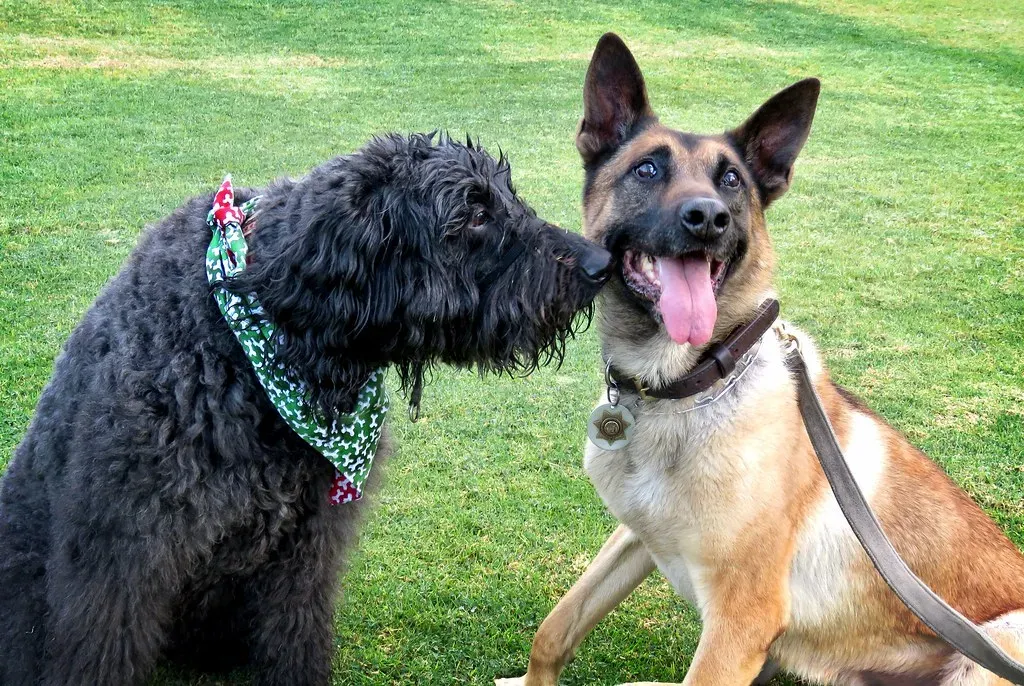
That gentle nudge on your leg or the paw tap on your arm? It’s a polite request. Dogs use their noses and paws to communicate, and when they’re repeatedly poking you, they want something.
Often, it’s attention, play, or interaction. They’re testing to see if you’re available. When you ignore it or just pat them once and return to your phone, they’ll often escalate to more obvious behaviors. It’s their way of saying, “Hey, I’m right here and I’d really love to do something fun with you.”
Stealing Objects or Playing Keep-Away
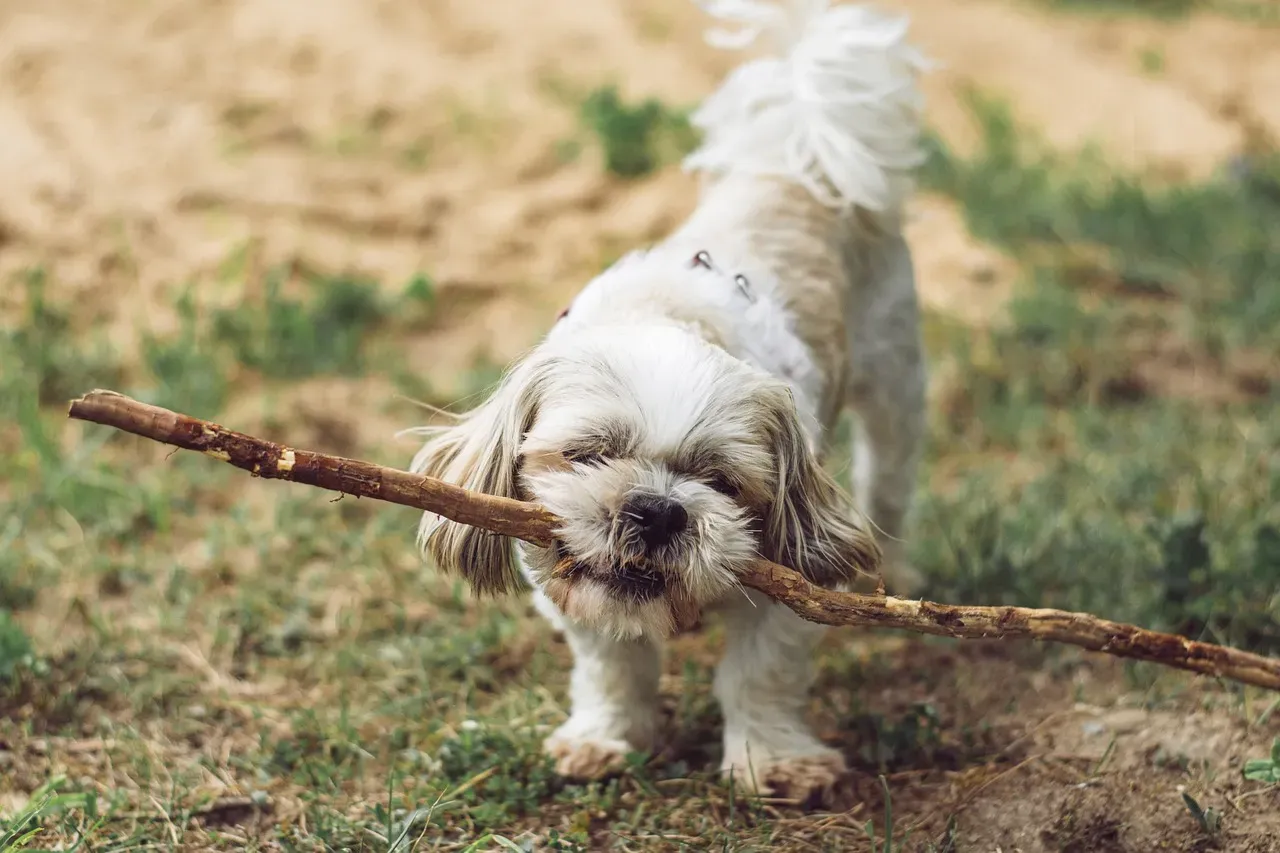
Ever notice how your dog suddenly becomes very interested in your sock, remote, or glasses? They grab it and run, looking back to see if you’ll chase them. This isn’t spite or mischief for its own sake.
They’ve learned that taking your stuff gets your attention and often leads to an impromptu game. It’s a clever strategy, really. If they can’t get you to engage through normal channels, they’ll improvise. While it’s not ideal behavior to encourage, it’s definitely a sign they need structured playtime.
Excessive Sleeping During the Day

Wait, isn’t sleeping normal? Absolutely. Adult dogs may sleep for 12 to 14 hours a day. Yet there’s a difference between healthy rest and shutting down due to lack of stimulation. Inactivity or lethargy can also be a sign of boredom, and if your dog seems uninterested in playing or going for walks, they might be bored.
When dogs have nothing to do, they sometimes just sleep because there’s no other option. If your dog seems lethargic and uninterested even when you offer activities, they might be overtired from understimulation. Boredom and fatigue look eerily similar in dogs. You might need to shake up their routine to reignite that spark.
Staring at You Intently Without Moving
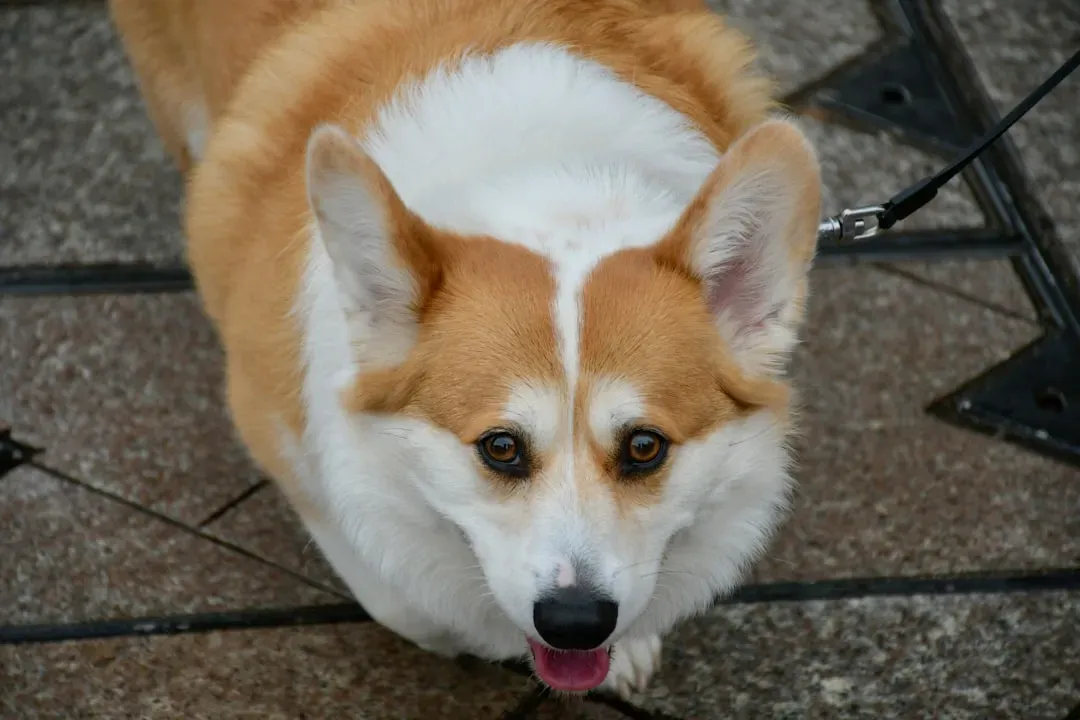
This one can feel a little unnerving. Your dog just sits and stares at you, unblinking, for what feels like ages. They’re not asking to go out, they’re not hungry, they’re just… staring.
It’s a signal. They’re trying to communicate something, and often it’s a need for engagement. In cases of boredom, their eyes are open and alert, and the body seems ready for stimulation, with these signs often triggering playful eye contact or nudges. They’re waiting for you to make the first move, hoping you’ll suggest a walk, a game, or even just some quality time together. What do you think, does your dog ever give you that look?
Conclusion
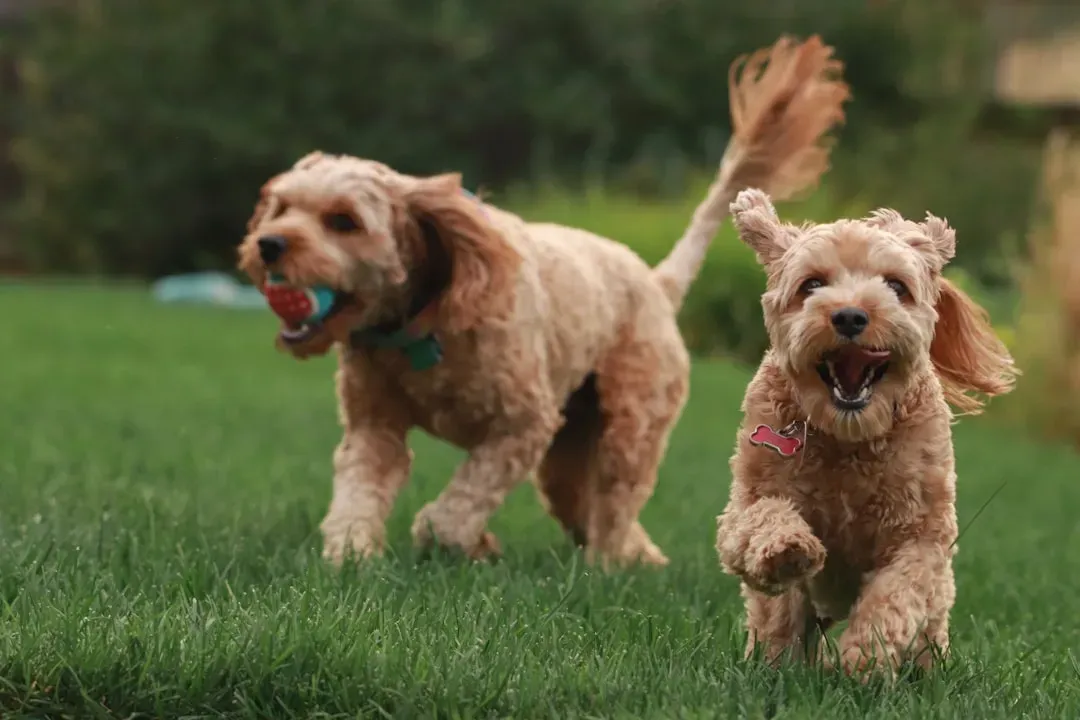
Our dogs rely on us to meet their physical and emotional needs, and play is a huge part of that equation. Mental tiredness counts just as much as physical exhaustion, and dogs are intelligent creatures that crave mental stimulation; without challenges and opportunities to use their brains, they can develop behavior problems out of boredom. The signals they send aren’t always loud or obvious, but they’re there if we take the time to notice.
From sighs and stares to destructive chewing and restless pacing, these behaviors are your dog’s way of asking for more. More engagement, more movement, more connection. When we tune in and respond, we don’t just prevent problem behaviors, we deepen the bond we share with our furry companions. So next time your dog gives you one of these subtle signals, put down your phone, grab that leash or toy, and give them what they’re asking for. You might be surprised how much joy it brings to both of you. What subtle signals have you noticed in your own dog lately?


