
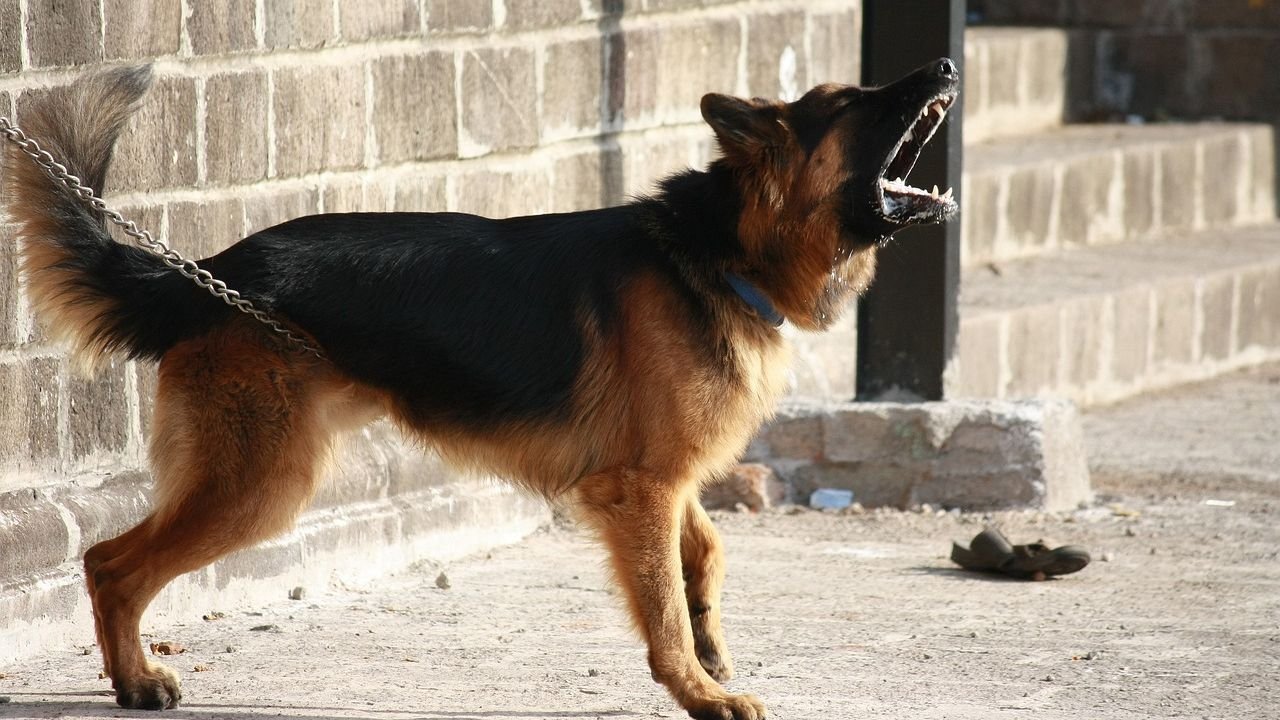
You hear it from across the neighborhood before you even step inside. That familiar bark, sharp and insistent, followed by another, and another. Your dog isn’t in danger, isn’t alerting you to trouble. They’re just… barking. Maybe you’ve tried everything. Maybe you’re exhausted. What you might not realize is that some of the things you’re doing to help might actually be making it worse.
Here’s the thing: dogs are brilliant at learning what works. They’re watching us all the time, reading our reactions, figuring out what gets them what they want. Sometimes, without meaning to, we teach them that barking is the golden ticket. Let’s walk through some of the most common slip-ups that well-meaning dog owners make, and how they might be accidentally turning their beloved companion into the neighborhood’s loudest resident.
Responding to Demand Barking with Attention

A demanding, noisy dog has been taught to be this way, usually not on purpose! The moment your dog barks and you look at them, speak to them, or even glare in their direction, you’ve given them exactly what they wanted: your attention. Any attention you give him reinforces demand barking. Eye contact, physical contact, verbal admonishment – all of these give him what he wants: attention!
Think about it like this: your pup barks at you while you’re working from home, you turn around and say “quiet!” in frustration. To you, that’s a reprimand. To your dog, it’s engagement. They got you to react. We probably have been rewarding them for this barking accidentally for quite a while before it gets to the point where we think, oh no, that barking is so annoying, I have to do something about it. The fix? Turn away completely when the barking starts. Wait for even a moment of silence, then reward that instead.
Yelling or Shouting Over the Barking

Let’s be real: when your dog launches into a barking marathon, your first instinct might be to shout “Be quiet!” or “Stop it!” louder than they’re barking. It feels like you’re doing something, taking charge. Don’t shout at your dog, even though this is a very common reaction to barking. Shouting at a barking dog might actually encourage the behavior even more – your dog could think you are joining in with her!
Your dog doesn’t understand what you’re saying, they just know that when they “yell,” you “yell,” and now everyone yells, which is a very fun reinforcing game for your dog. From their perspective, it’s a chorus, not a correction. Instead, practice calm responses and teach an alternative behavior they can do to communicate with you properly.
Inconsistently Reinforcing Quiet Behavior
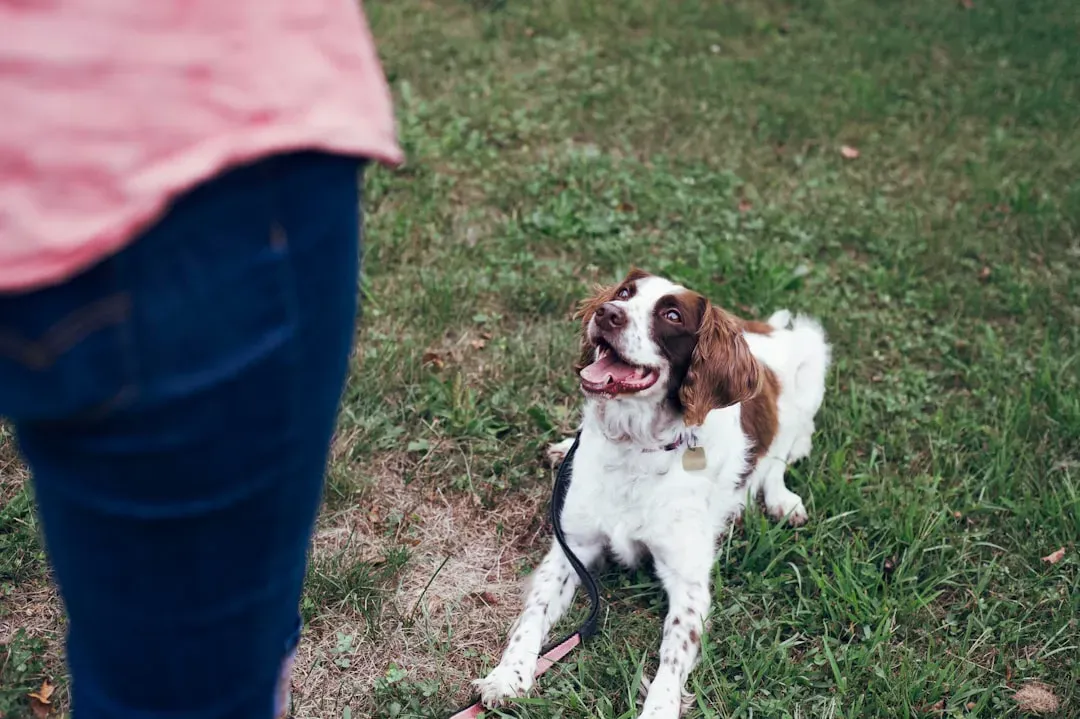
Maybe today you ignore the barking. Tomorrow you’re tired and just give in to stop the noise. Next week you reward silence, but only sometimes. Dogs thrive on consistency, and when our responses change constantly, we create confusion. Ensure that your dog is not being rewarded inadvertently. Some owners in an attempt to calm their dog down will actually encourage the barking by giving attention, play, food or affection.
If you’re trying to teach quiet behavior, you need to commit fully. Every single time your dog is calm and quiet in a situation where they’d normally bark, acknowledge it. A gentle “good” or a small treat goes a long way. Inconsistency teaches them that persistence pays off, which means they’ll just bark longer and louder next time hoping to hit the jackpot.
Giving Treats or Toys to Stop the Barking

Picture this: your dog is barking relentlessly at the window. You grab their favorite toy or a handful of treats and toss it to them, hoping to distract and silence them. Silence achieved! Problem solved, right? Not quite. What you’ve actually done is create a powerful association in your dog’s mind: bark equals treats.
This is one of the sneakiest ways we accidentally reinforce the very behavior we’re trying to eliminate. If she barks a couple times more, we’re more likely to throw something to shut her up because we’re like, oh, we’re talking, you know, so it might be sort of like an antecedent thing. Wait for a pause in the barking, however brief, then reward the silence instead of the noise.
Failing to Identify the Root Cause
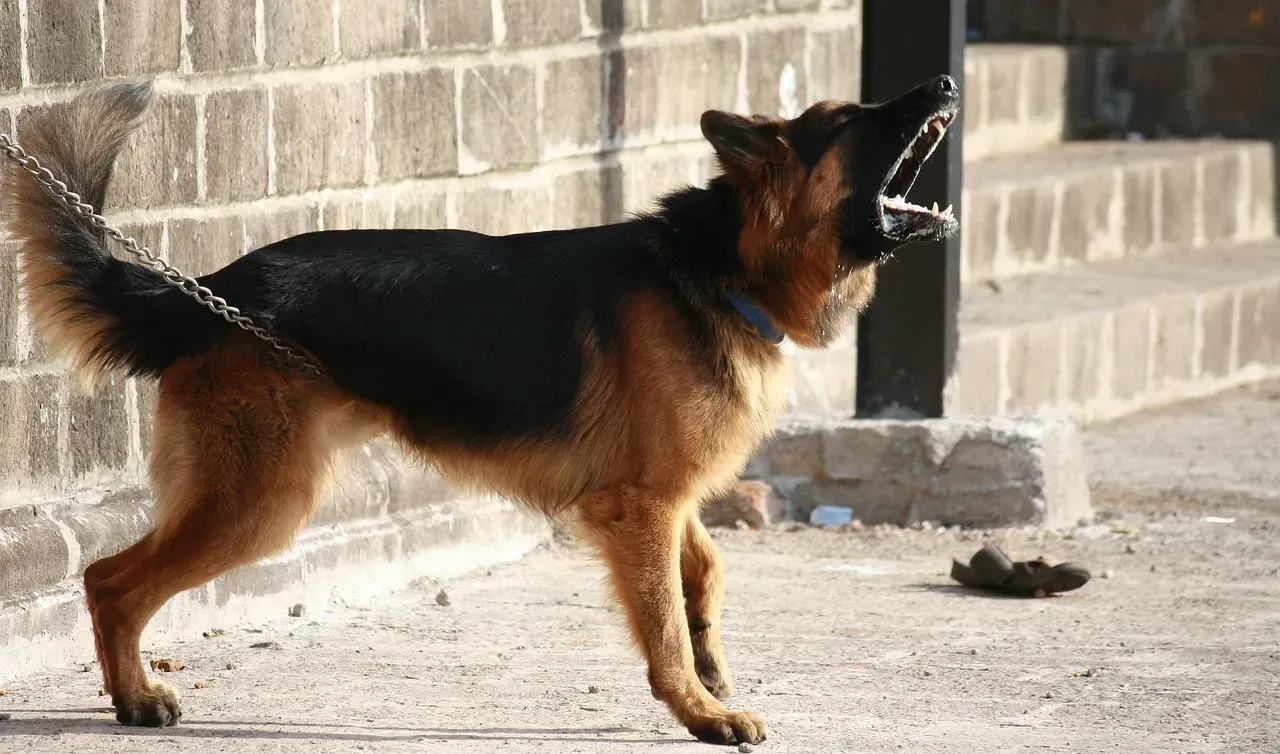
Not all barking is created equal. A dog barking at the mailman has different motivations than one barking when left alone, or one barking during playtime. If you want to reduce your dog’s barking, it’s crucial to determine why he’s barking. Treating every bark the same way won’t get you anywhere.
Identify what triggers your dog to bark such as other dogs, people, wildlife, garbage trucks, or door knocking. Keeping a log is helpful and can speed up the behavior modification progress. Is it fear? Boredom? Excitement? Territorial behavior? Once you understand the why, you can address it properly. Trying generic solutions for specific problems is like putting a bandage on a broken bone. It just doesn’t work.
Not Providing Enough Mental and Physical Stimulation
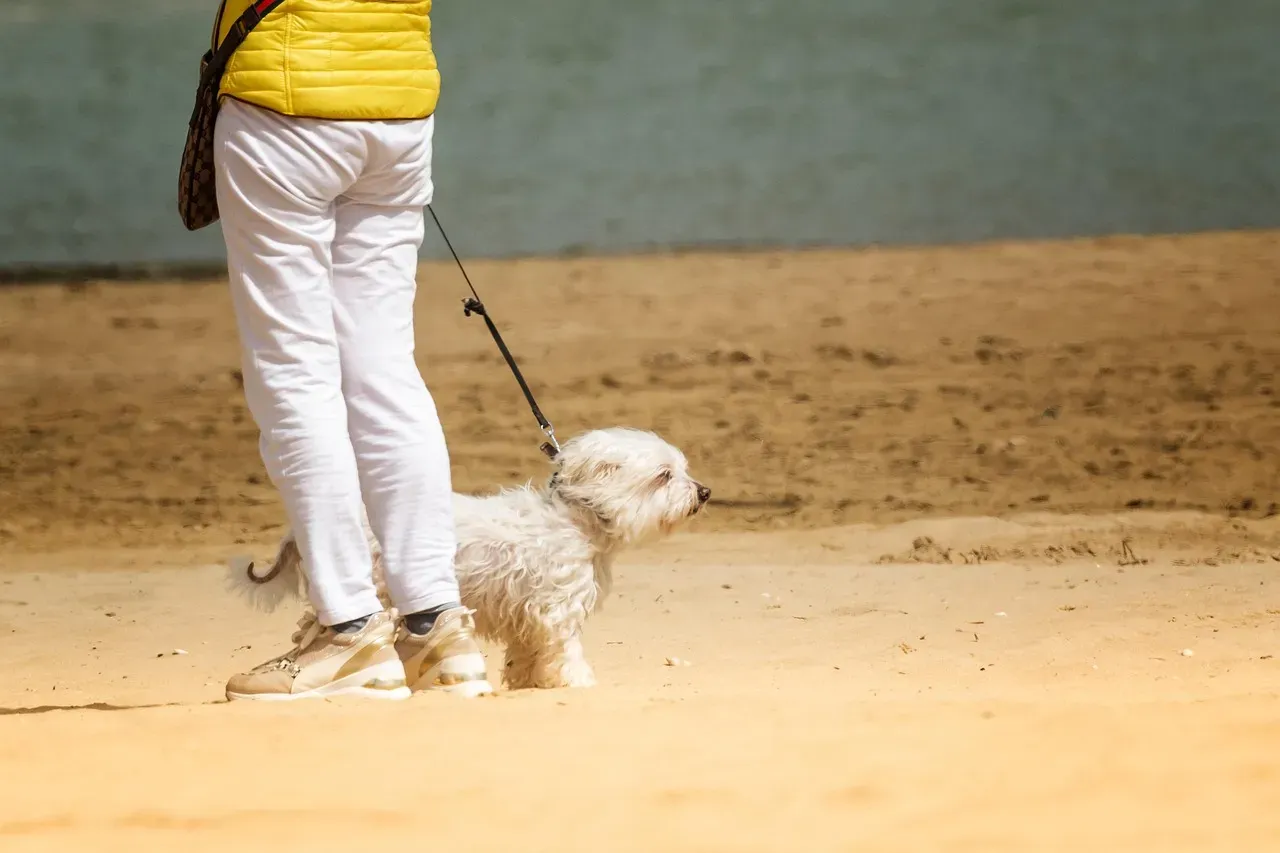
A tired dog is a quiet dog. I know it sounds simple, but honestly, it’s one of the most overlooked factors in barking problems. Keeping your dog mentally and physically engaged can significantly reduce boredom-based barking. Dogs who don’t get enough exercise or mental challenges will find their own entertainment, and frequently, that entertainment involves vocalizing.
Think about those puzzle toys sitting unused in the closet, or the walks that got shorter because life got busier. Your dog has energy to burn and thoughts to process. Without an outlet, barking becomes the release valve. Regular walks, training sessions, interactive toys, and playtime aren’t luxuries. They’re necessities for a well-adjusted, quieter companion.
Allowing Unrestricted Window Watching
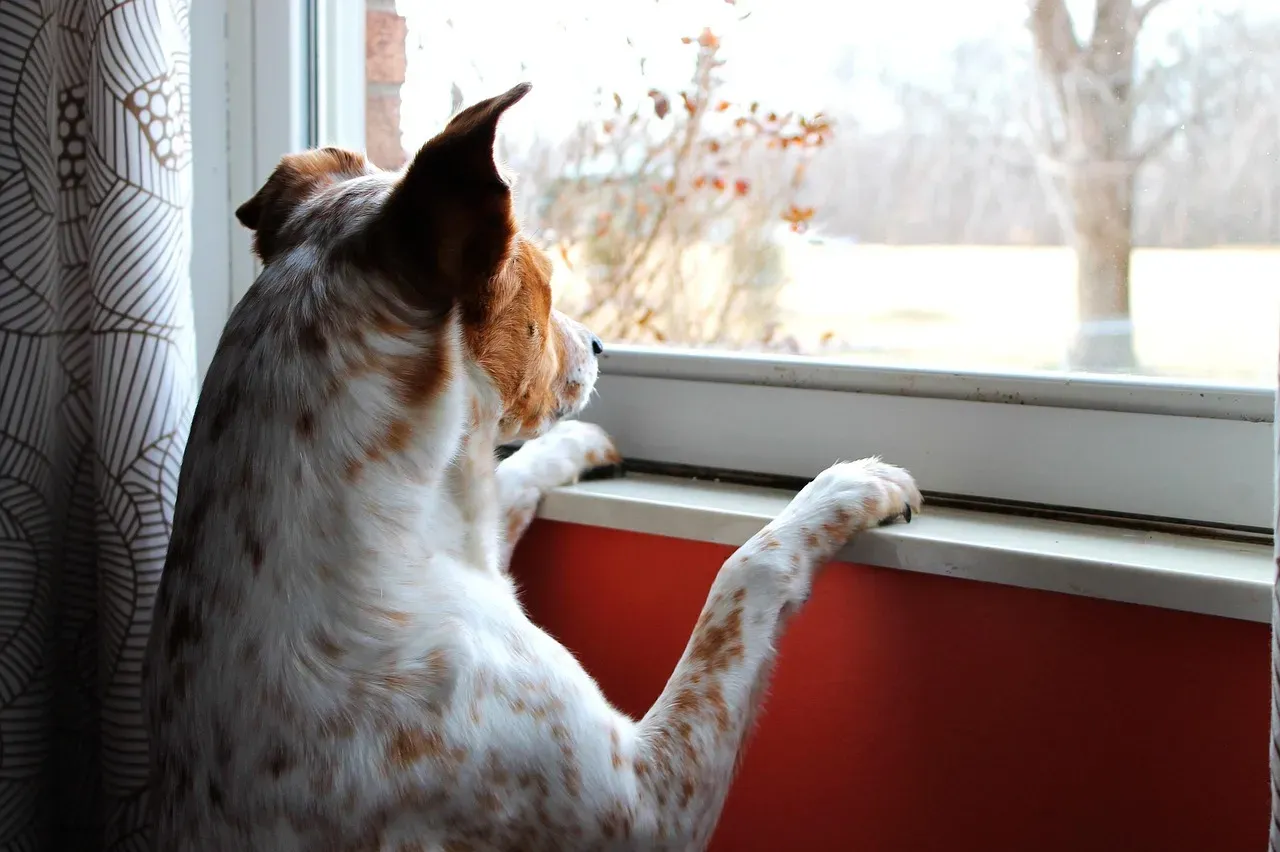
Your dog parks themselves at the front window like it’s their personal security station. Every person, squirrel, or car that passes triggers an alert bark. You might think they’re just being protective, but what’s really happening is they’re practicing territorial barking over and over, reinforcing it every single time. That’s a self-rewarding behavior: your dog barks at the mail carrier and what do you know, they walk away. Of course, they were going to leave anyway, but from your dog’s point of view, their barks did the job.
The most effective solution is to block your dog’s view of people and animals going past your home. That might mean a solid front gate or curtains on the windows, but if your dog can’t see the “intruders” they won’t feel the need to bark. Sometimes the simplest management strategy is the most effective one. Close the curtains, move the dog bed, problem dramatically reduced.
Making a Big Deal Out of Arrivals and Departures
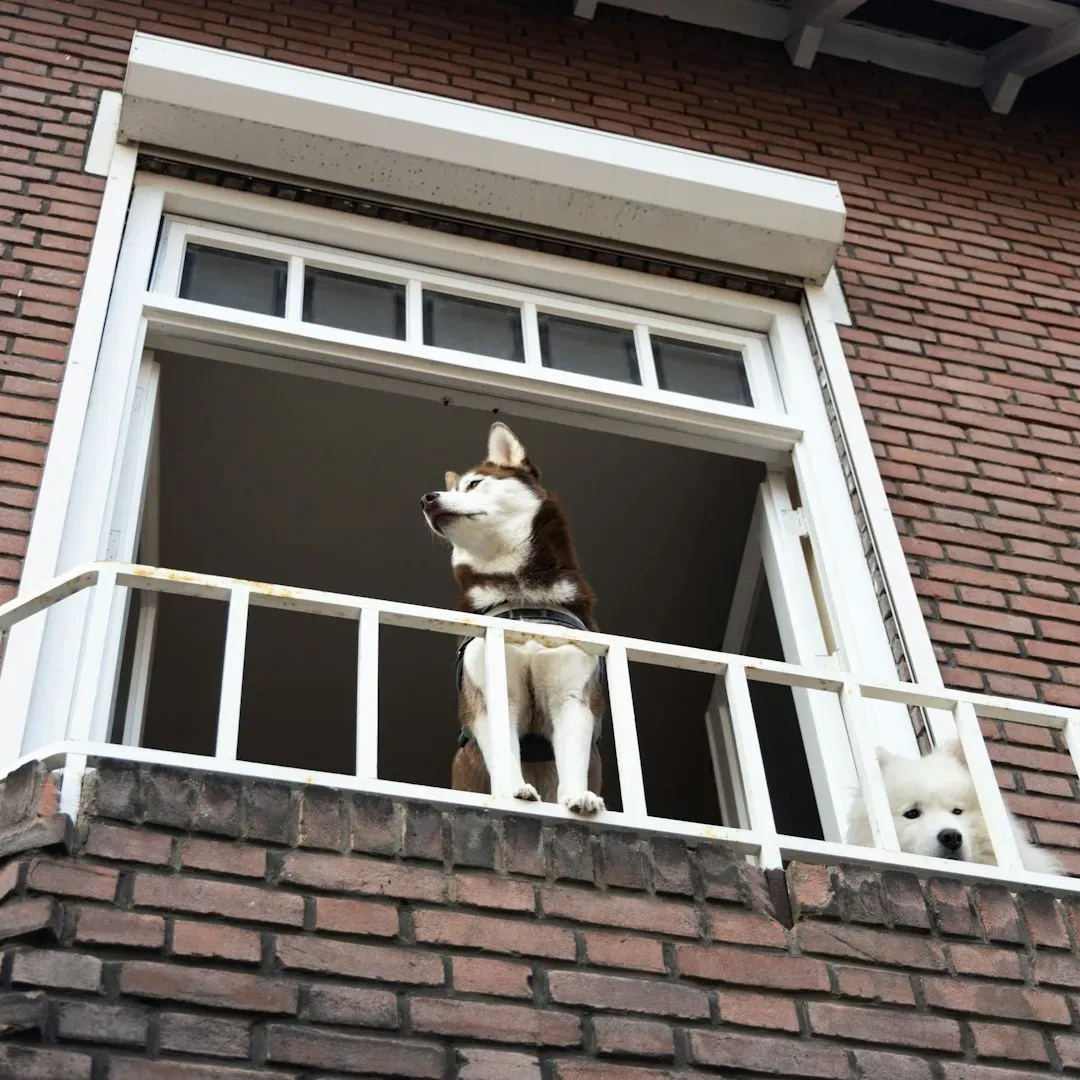
Don’t make a big thing out of leaving or returning home; an overly excited dog is more likely to bark and yelp. When you leave or come home with lots of fanfare, hugs, excited greetings, and dramatic goodbyes, you’re actually ramping up your dog’s emotional state. High emotions often translate directly into vocalizations.
Those first few minutes when you walk through the door set the tone. If you’re greeting your dog with high-pitched baby talk and excited energy, you’re teaching them that arrivals are thrilling, explosive events worthy of barking announcements. Try this instead: come home calmly, ignore your dog for the first few minutes until they settle, then greet them quietly. It takes willpower, but it works.
Punishing Fear-Based or Anxiety-Driven Barking

Unless a Certified Applied Animal Behaviorist or veterinary behaviorist advises you to do otherwise, never use punishment procedures if your dog is barking out of fear or anxiety. This could make him feel worse and, as a result, his barking might increase. When a dog barks because they’re scared or anxious, punishment doesn’t teach them to feel safer. It just adds more stress to an already stressful situation.
Make sure that your response is not aggravating the problem. For example, yelling or punishing a dog that is barking due to anxiety or as a territorial response is only likely to increase the dog’s barking and anxiety. If your dog is barking because they’re genuinely distressed, they need comfort, desensitization, and possibly professional help. Not scolding.
Ignoring the Extinction Burst

Here’s where many dog owners give up right before success. You start ignoring demand barking like you’re supposed to. For a day or two, it seems manageable. Then suddenly, the barking intensifies. It gets louder, longer, more persistent. You think, “This isn’t working!” and you cave. Be prepared for an extinction burst – a period when the behavior gets worse rather than better. The behavior used to work, so the dog thinks if he just tries harder, surely it will work again.
If you give in during an extinction burst, you reinforce the more intense barking behavior, and guess what happens next time? Right – your dog will offer the more intense behavior sooner, and it gets even harder to extinguish the barking. This is the critical moment. Push through the storm, stay consistent, and the behavior will fade. Give in, and you’ve just taught your dog that extreme persistence pays off.
Not Teaching an Alternative Communication Method
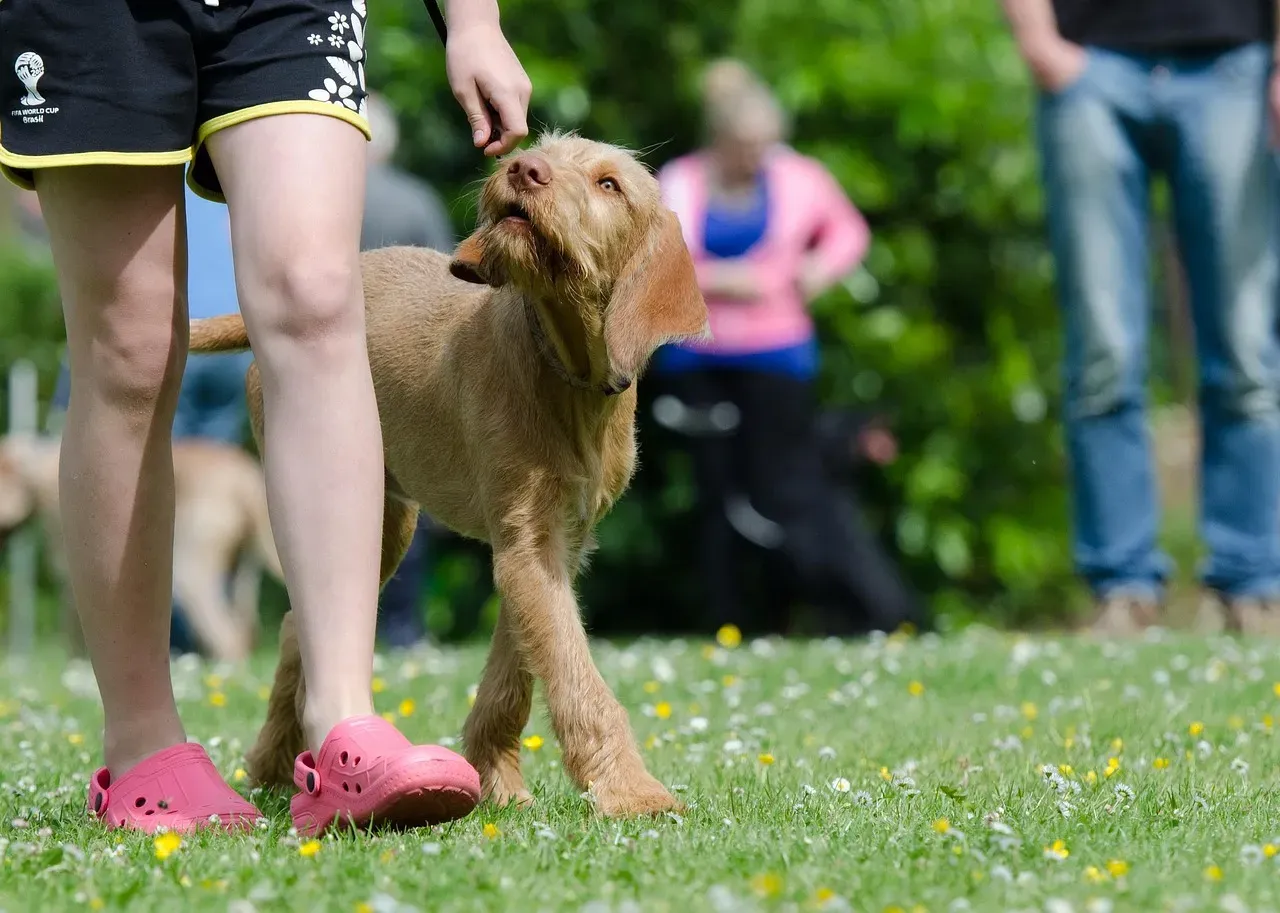
Dogs bark because it works. It gets them things. If we take away barking without giving them another way to communicate their needs, we’re setting them up for frustration. Identify what they need and use positive reinforcement to teach a replacement behavior. Maybe it’s sitting at the door instead of barking to go out, or bringing you a toy when they want to play.
Use positive reinforcement to teach a replacement behavior. For example, if a dog learns that sitting by the door is what gets you to open it and that barking doesn’t, they will be more likely to sit by the door instead of bark. Training takes time, but it’s so much more effective than just trying to suppress a natural behavior. Give them the tools to ask politely, and they will.
Conclusion
Nuisance barking doesn’t develop overnight, and it won’t disappear overnight either. The good news? Most of these mistakes are completely fixable once you know what you’re doing. Your dog isn’t trying to drive you crazy. They’re just doing what they’ve learned works. By recognizing these common pitfalls and adjusting your responses, you can help your dog become the calm, quiet companion you both deserve to be.
Remember, every dog is different, and what works for one might need tweaking for another. Be patient with yourself and your pup. Celebrate the small victories, stay consistent, and don’t be afraid to reach out to a professional trainer if you need extra support. What’s the one mistake you’ve been making without realizing it? Once you see it, you can fix it.


