
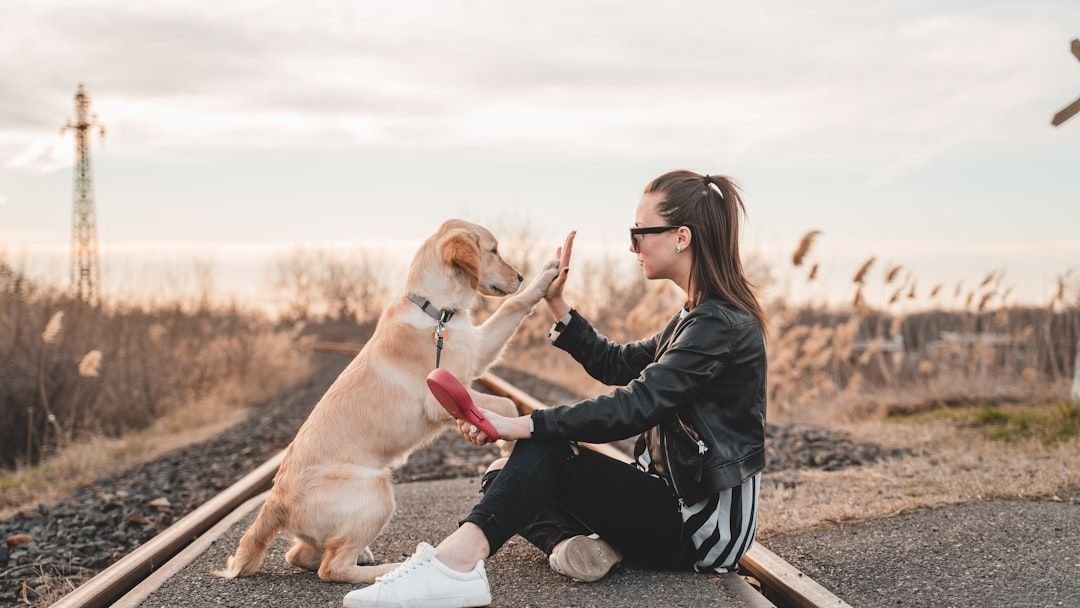
Ever notice how your dog seems to pick up on your mood before you even realize you’re stressed? Like they’re reading something invisible in the air around you. That uncanny sixth sense isn’t magic or coincidence. It’s rooted in something much deeper, something that connects you and your four-legged companion in ways science is only just beginning to fully understand. Your dog doesn’t just live with you. In many ways, they live through you, absorbing your emotional world and making it their own.
We often think we’re doing a good job hiding our anxiety or frustration. We stay calm on the outside, smile, go through the motions. Yet our dogs know. They always know. Their happiness, their sense of safety, even their stress levels are tied to ours in a profound, physiological way. So before you look for solutions to your dog’s anxiety or restlessness, maybe it’s time to take an honest look in the mirror. Because their happy place might just begin with yours.
The Science Behind Emotional Mirroring in Dogs
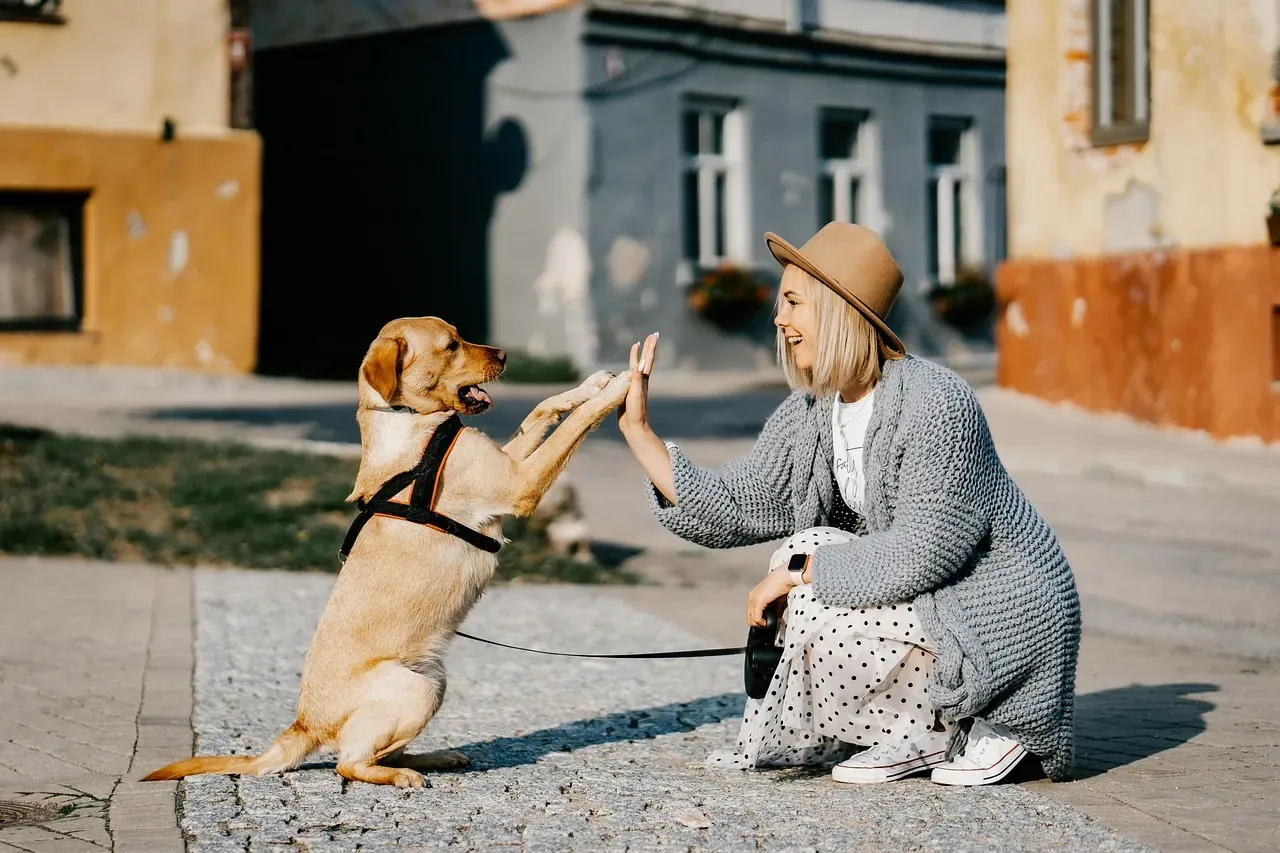
Research from Linköping University revealed something remarkable: long-term stress levels are synchronized between dogs and their owners, measured through cortisol concentrations in hair. Surprisingly, the personality of the owner had a strong effect on the dog’s stress levels, while the dog’s personality had little impact, suggesting that dogs mirror their owner’s stress rather than the other way around.
Dogs look to humans for cues about how to react to their surroundings, and when their people project feelings of calm and confidence, dogs tend to view their environment as safe and secure. Their owner’s stress and anxiety can become the dog’s stress and anxiety through a process called interspecies emotional contagion. This isn’t just behavioral mimicry. It’s a biological response.
What’s happening here is that cortisol, the stress hormone, gets stored in hair over time, creating a retrospective calendar of stress. Studies found that the only variable corresponding to a dog’s anxiety level was their owner’s anxiety level, meaning an owner with high cortisol in their hair also had a dog with high cortisol.
How Dogs Detect Your Hidden Stress
Your dog doesn’t need you to say you’re anxious. They can smell it. Literally. Dogs exposed to human fear sweat samples spontaneously showed more owner-seeking behaviors and higher heart rates compared to when exposed to happiness samples. They’re picking up on chemical changes in your body odor that even you aren’t aware of.
Dogs are highly attuned to human emotions, perceiving subtle cues through body language, tone of voice, scent, and overall energy. Your actions and emotions are often louder than your words, and no matter how much you verbally reassure your dog, if your stress levels are through the roof, they will know because phrases like “calm down” mean nothing if your dog senses worried or nervous energy behind them.
Think about it. You might say all the right things to your dog, use a gentle voice, but if your jaw is clenched and your shoulders are tight, your dog reads that tension. Dogs are highly attuned to our emotions, they sense energy and take on the energy they’re exposed to, and because dogs spend most of the day with us, the chances of them absorbing our energy is high, so when we carry stressed energy, it’s no surprise if dogs start showing signs of stress too.
When You’re Calm, Your Dog Breathes Easier
A dog living with a calm, emotionally stable owner is more likely to be relaxed, confident, and socially adaptable. Conversely, a dog living with high emotional tension may exhibit hyperactivity, reactivity, or withdrawal. The environment you create emotionally becomes the foundation for how your dog navigates the world.
I’ve seen this play out countless times. A friend once told me her rescue dog barked nonstop at every little noise. Training methods failed. Consultations didn’t help. Then one day, after months of her own therapy addressing her anxiety, the barking just… stopped. She hadn’t changed anything with the dog. She’d changed herself.
Dogs tend to feel and act like their owners, so if you want them to be more confident, you need to show them you’re calm, sure, and confident yourself by being mindful of your own energy and emotions around your dog. Your calmness is contagious. It gives your dog permission to relax.
Behavioral Cues That Show Your Dog Is Mirroring You
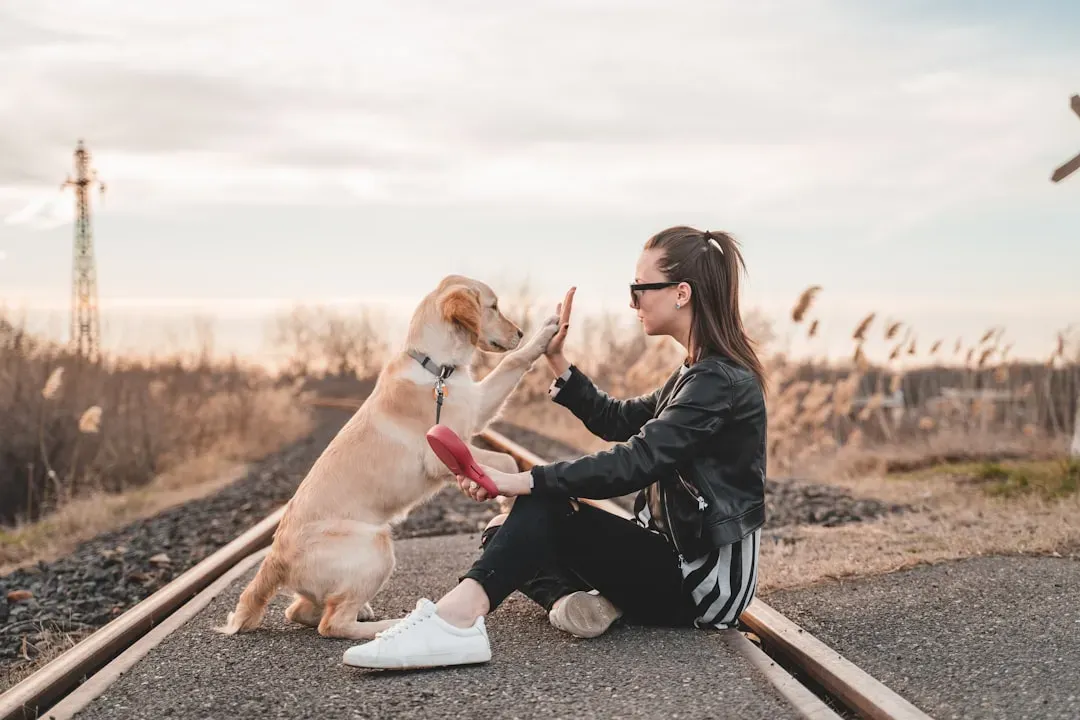
Watch for changes in their energy: clinginess, restlessness, appetite changes, or mirrored physical ailments may all be signs of emotional mirroring. If you’ve been going through a particularly stressful period and suddenly your dog won’t leave your side or seems unusually on edge, they’re likely reflecting what they’re picking up from you.
Quiet, anxious caregivers typically had dogs who were reserved and often unwilling to offer creative problem-solving behaviors, less likely to engage in play with other dogs, instead choosing to sit back and observe. Flamboyant, confident, and expressive caregivers tended to have dogs who were overly friendly and exuberant.
Notice patterns. Does your dog get more reactive on walks when you’ve had a tough day at work? Do they settle faster when you’re in a good mood? These aren’t coincidences. They’re responses to the emotional climate you’re creating. Let’s be real: your dog is like an emotional barometer in your home.
Creating a Calmer Environment for Both of You
So what do you do with this information? Start by recognizing that managing your stress isn’t just self-care anymore. It’s dog care. We have to ensure that we take time to release stress so dogs won’t have to deal with the consequences of our pent-up stress.
Every morning, start your day with a quiet, calm energy by sitting in silence for thirty seconds to three minutes, then quietly observe how this change in energy affects your dog and whether they become calmer and more relaxed, and once both you and your dog are calm, call them and you will see how relaxed and receptive they are. This simple practice can shift the entire tone of your day together.
Spend quality, quiet time with your dog where you engage in gentle activities like petting, cuddling, or simply being together in a calm environment. The goal isn’t to be perfect or never feel stress. The goal is to process it in healthy ways instead of letting it leak out and saturate your dog’s world. Breathe. Pause. Reset.
The Bond That Works Both Ways
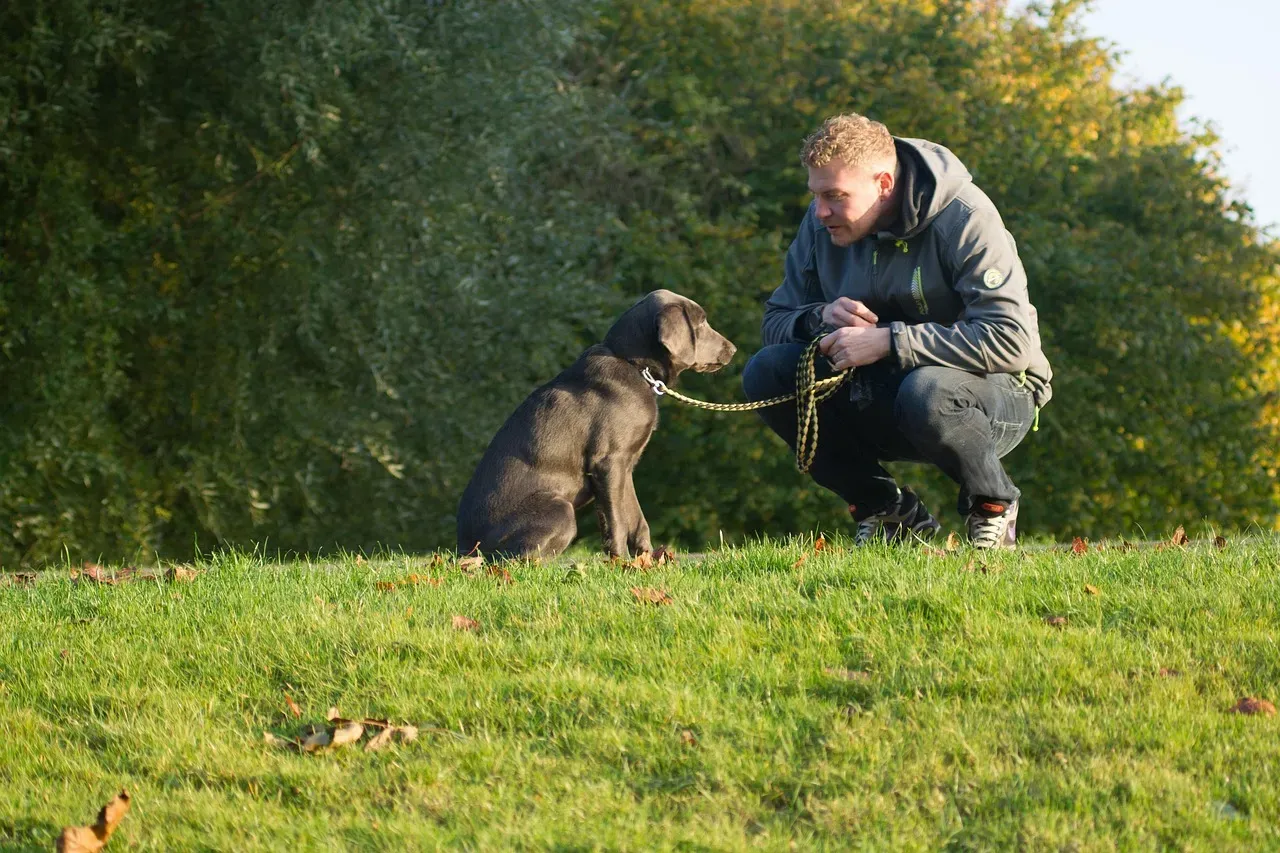
It’s not just your dog mirroring you, you mirror them too, and when your dog is anxious, unwell, or in pain, you often feel it in your own body and mind. This phenomenon stems from emotional contagion, disrupted routines, and a profound empathetic bond between you and your dog.
Dogs and owners who competed in activities like agility showed even stronger cortisol synchronization, and the reason may be that dogs and owners who train together might be more emotionally bonded by spending additional time together and engaging in shared tasks. Time together matters. Shared positive experiences matter. They deepen the emotional connection and amplify how much you influence each other.
Here’s the thing: this bond is a gift, not a burden. Yes, your stress affects them. Yet their presence can also calm you if you let it. The Anxiety Disorders Association of America recommends adopting a pet as a potential way to cope with stressors of everyday life, and medical research has shown being around dogs can lower blood pressure. It’s reciprocal. Symbiotic. Beautiful, honestly.
Conclusion: Your Peace Is Their Peace
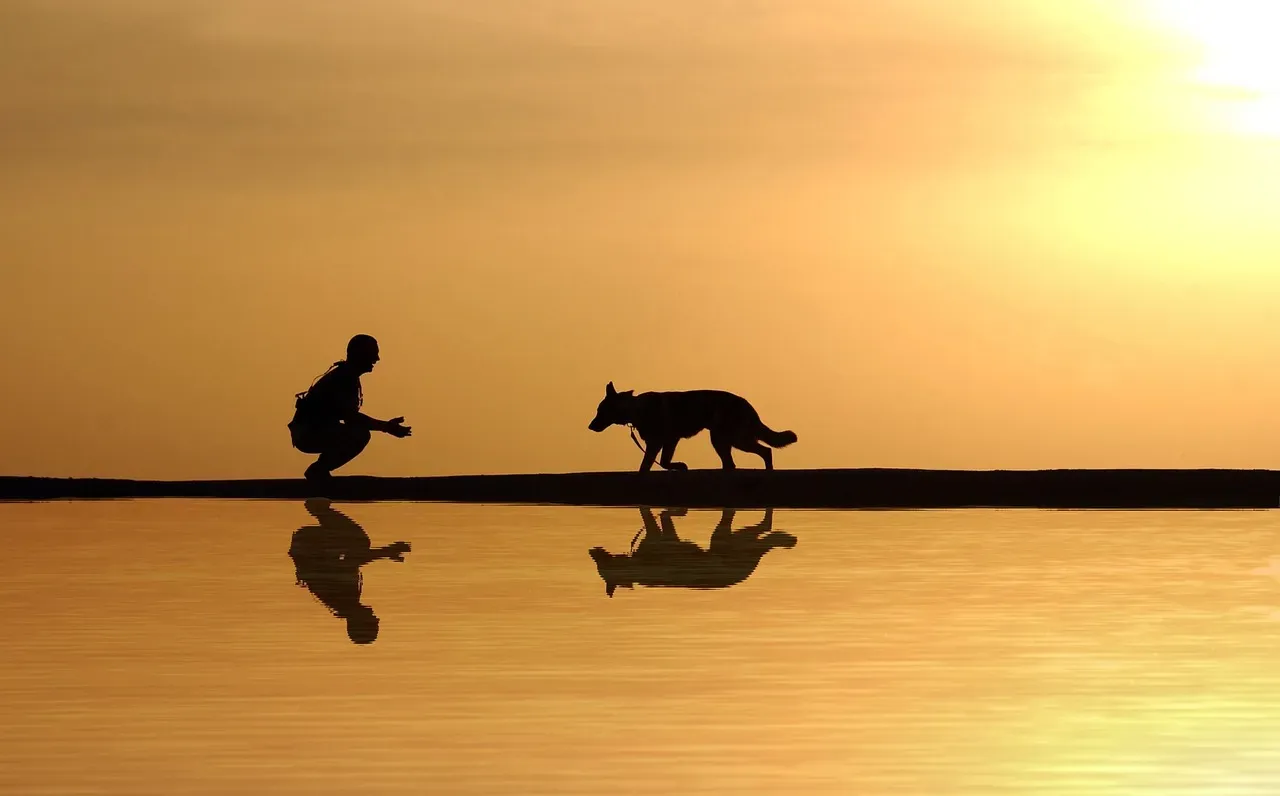
Your dog’s happiness isn’t separate from yours. It’s woven into the fabric of your emotional state, your energy, and how you move through the world. When you cultivate calm within yourself, you’re not just improving your own life. You’re creating a sanctuary for your dog.
Their peace becomes your peace, and energy is contagious, especially to a creature whose world revolves around you. So take a breath. Be gentle with yourself. Work on your own emotional wellness, knowing that every step you take toward inner calm is a step toward giving your dog the happy, secure place they deserve.
What changes could you make today to bring more peace into both your lives? Your dog is watching, waiting, and ready to follow your lead.


