
You’ve probably met them. Those dignified Akitas who seem content to watch the world from a distance. The Shiba Inus who act like they’ve got better things to do than cuddle. The Afghan Hounds who carry themselves with such elegance you’d think they were above needing anyone. These dogs wear their independence like a badge of honor, and honestly, it can feel refreshing. They don’t demand constant validation or follow you from room to room like a shadow.
Yet here’s the truth that surprises most dog owners. Even these independent breeds still want your love, and their affection shows up in subtle, meaningful ways. Behind that cool exterior, something deeper is happening. They might not beg for attention or whine at your feet, but they’re watching you. Always watching. Let’s explore what’s really going on beneath that independent facade.
The Science Behind the Bond
Think your aloof dog doesn’t need you? Science tells a different story. In domestic dogs, oxytocin enhances social motivation to approach and affiliate with both conspecifics and human partners. This chemical response forms the foundation for every stable social bond your dog creates.
What’s fascinating is how this works between species. Mutual gazing increases oxytocin levels, and when dogs sniff oxytocin, it increases gazing behavior, an effect that transfers to their owners. It’s like a feedback loop of connection. Even wolves, who rarely engage in eye contact with humans, seem resistant to this effect. Your dog evolved specifically to bond with you in ways wild canines simply can’t.
Children produce the highest levels of salivary oxytocin when interacting with their family dog, and they also produce more when interacting with an unfamiliar dog, although not as much. This shows the bond goes both ways. Your independent pup might not show it dramatically, but their brain chemistry is lighting up during those quiet moments together.
What Independence Really Means
Independent dog breeds aren’t known to show clingy or needy behaviors, but they still need attention and affection. This distinction matters more than most people realize. Independence doesn’t equal indifference.
Independent dogs have love and loyalty to give, they just might express it differently than other breeds, like preferring to lie in the corner while you’re watching TV instead of cuddling up next to you. I think this is where we often misread our dogs. We interpret distance as disinterest when it’s actually their version of comfortable companionship.
No dog, including independent breeds, should be left alone constantly or consistently, as this can lead to anxiety and behavior issues, and every pet relies on you to fulfill their needs. Even the most self-sufficient looking dog needs daily engagement. Their needs just look different from a Golden Retriever’s needs.
Subtle Signs Your Dog Craves Connection
A quiet lean, a gentle glance, or a surprise cuddle says everything. These reserved breeds communicate through whispers rather than shouts. You might miss it if you’re expecting dramatic displays.
Watch for positioning. Many independent breeds choose one person as their quiet favorite, and you’ll notice subtle loyalty in how they position themselves near you and check back during walks. That Chow Chow sitting across the room isn’t ignoring you. They’re keeping you in their peripheral vision because your presence matters.
They may not be cuddly lap dogs, but they’ll show affection in quieter ways, like sitting near you or following you from a distance. Sometimes the most meaningful connections happen in silence. Your dog might not be on your lap, but they’re choosing to be in the same room. That’s intentional.
When Lack of Attention Shows Up
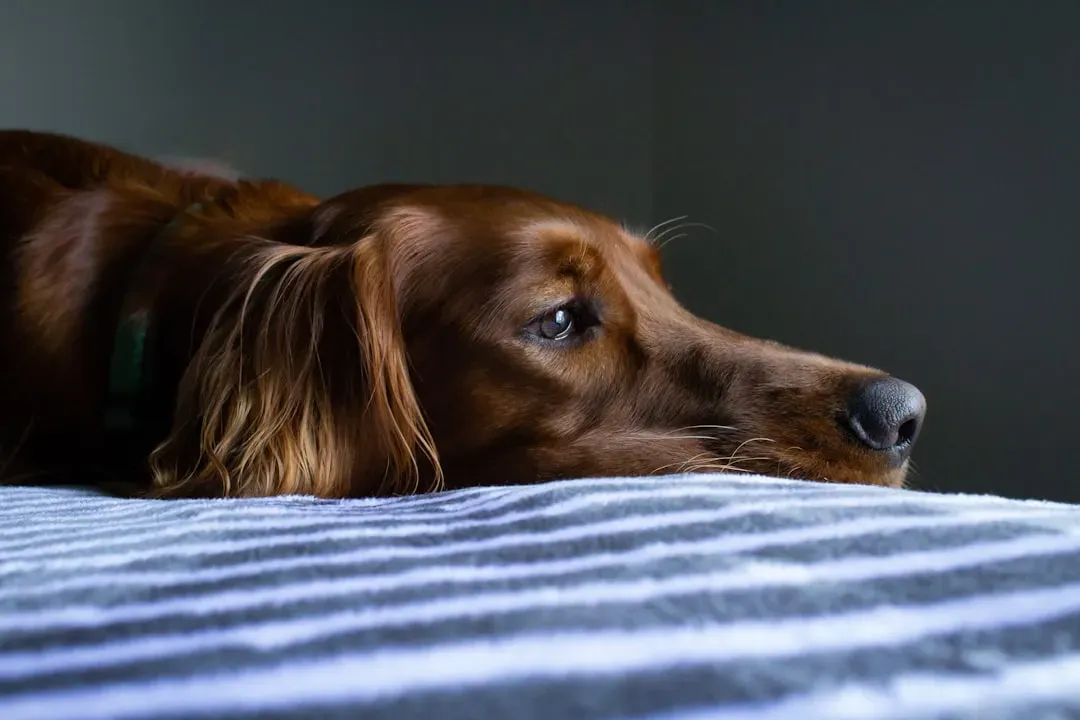
Here’s where things get concerning. If your dog has been lazier than usual, lounging around, not interacting much, spending a lot of time sleeping, they’re probably in need of some loving and might be withdrawing because they’re not getting enough playtime. Even stoic breeds will shut down emotionally.
Destructive chewing is often a symptom of boredom or anxiety, both of which can result from a lack of mental stimulation and affection, and if your dog is gnawing on furniture or shoes, it might be their way of expressing a need for more engagement. Independent doesn’t mean self-entertaining forever. They still need you to show up.
Affection is showing love through belly rubs and snuggles, but attention is interacting with your dog in a way that makes them find you interesting, like playing, walking, training, feeding, and talking to your dog. You could be giving plenty of physical affection but still missing the mark on genuine attention.
The Daily Dose They Actually Need
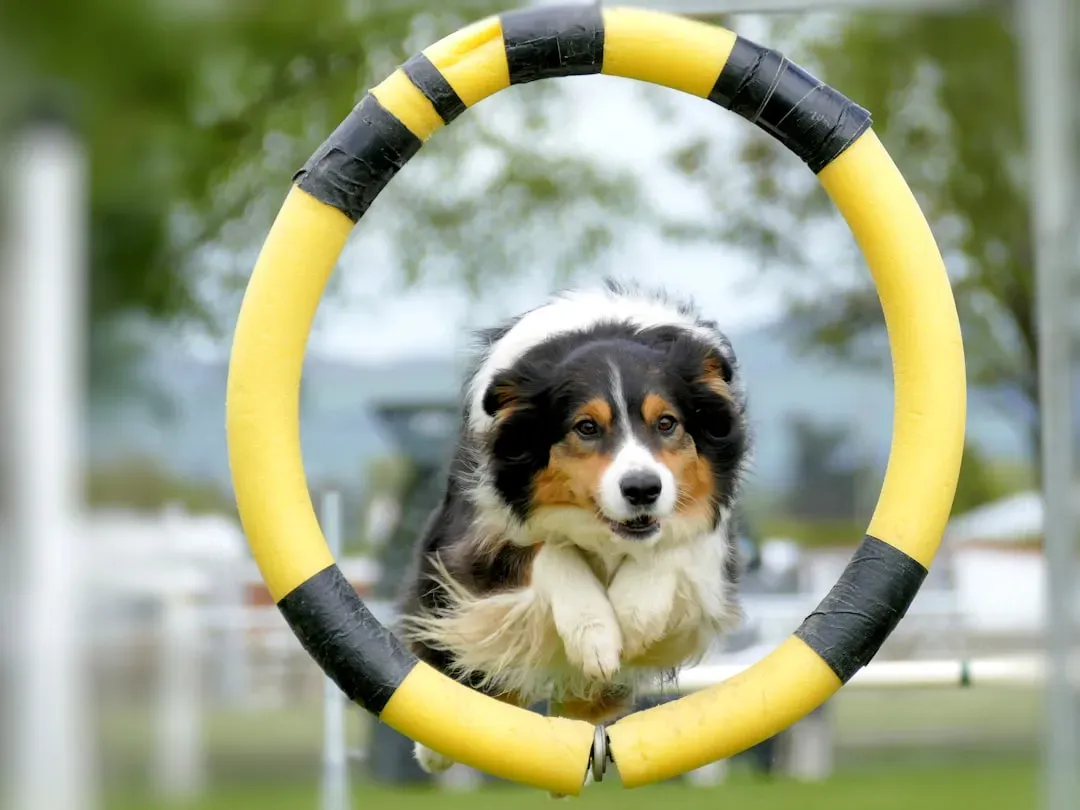
Let’s be real about time commitments. How much attention a dog needs depends on factors like age and breed, with larger working breed dogs typically needing the most attention while smaller companion dogs are content with less. Still, every dog lands somewhere on that spectrum.
If you don’t provide your dog with what they need in terms of physical and mental exercise and social interactions, they can hardly be blamed for going self-employed, and very few totally fulfilled dogs need to attention-seek. Think of it this way: proper daily engagement prevents problems before they start.
The solution isn’t necessarily more hours. It’s better quality. Short, focused interactions throughout the day can satisfy an independent dog more effectively than sporadic marathon cuddle sessions. Consistency matters more than duration for these breeds.
Building Connection on Their Terms
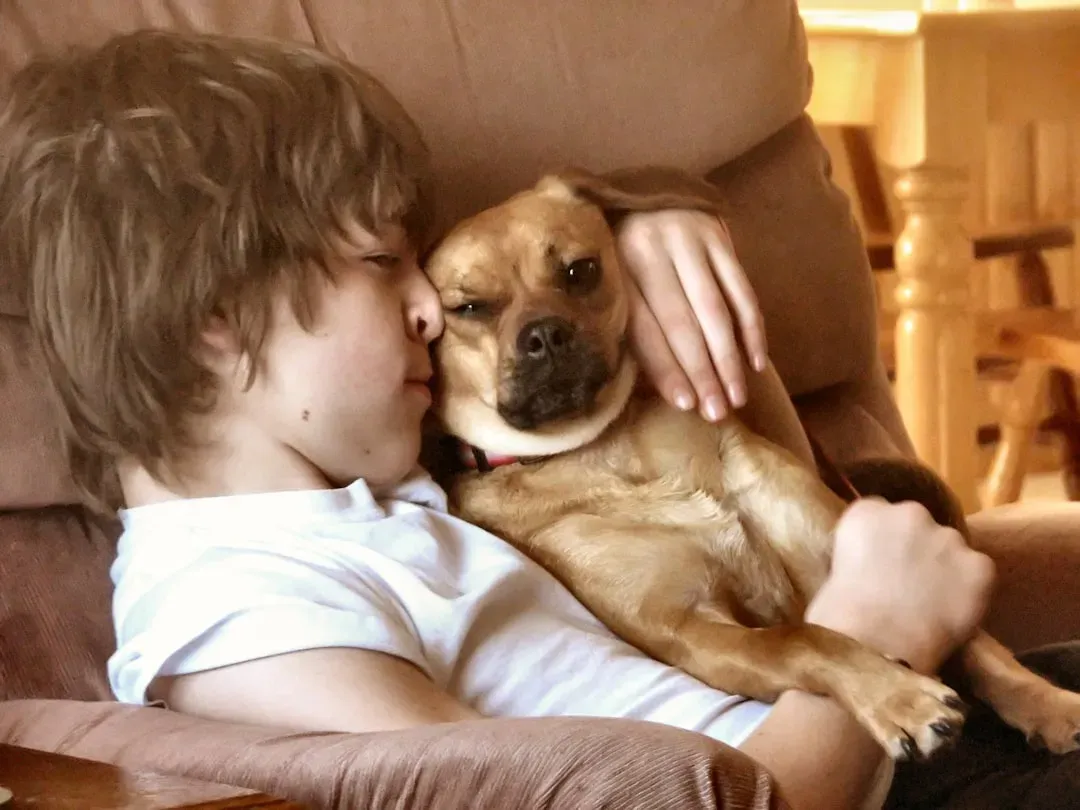
Respectful handling builds trust far more than heavy affection, and dogs appreciate choice and space, which ironically strengthens attachment. This might sound counterintuitive, but pushing for closeness can backfire with independent breeds.
These dogs love companionship but on their terms, and you should watch for subtle signs of affection like a soft tail wag or gentle head nudge and reciprocate in their language, respecting their need for personal space. Meeting them where they are creates deeper trust than forcing them into your preferred style of interaction.
Try parallel activities. Sit near them while reading. Let them observe you working. Dogs like Shar Peis may not jump all over you, but they’ll sit by your side, lean into your hand, and give you the reassuring look without needing much in return. Their love is strong, silent, and absolutely real.
Conclusion: The Quiet Truth About Independent Dogs
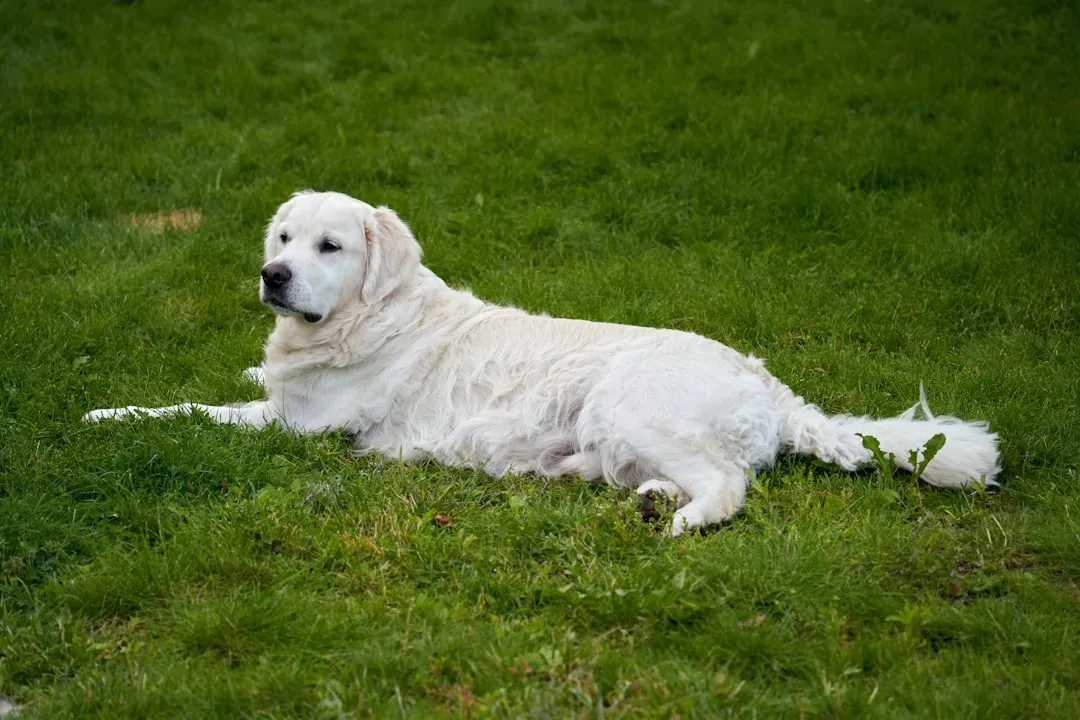
Independence in dogs is often mistaken for not caring. That Basenji who entertains himself? He’s still checking where you are. That Afghan Hound who seems aloof? She’s deeply aware of your presence. Beneath their cool confidence is a heart that cares deeply, and they’re just as devoted as any lap-loving pup.
The beautiful thing about these breeds is they teach us different ways to love. Not every bond looks like constant physical contact. Sometimes love is the dog who chooses your room to nap in. The one who glances back on walks to make sure you’re still there. The quiet companion who sits just close enough.
Your independent dog needs you more than their demeanor suggests. They’ve just learned to need you differently. Honor that difference, show up daily with patience and respect, and you’ll discover a depth of loyalty that might surprise you. What does your independent dog do that shows they care? You might be seeing their love language already without recognizing it.


