

You’ve heard it before. That bark that makes you flinch, wondering what the neighbors think or whether you’re failing as a dog parent. Maybe it happens when you grab your keys or when a truck rumbles past outside. It’s easy to label it as bad behavior, something to correct or suppress. Yet what if I told you that most of the time, barking is your dog’s way of telling you something important?
Dogs don’t have words to explain their feelings. They can’t tap you on the shoulder and say they’re anxious or hurting. Instead, they use the only voice they have. Let’s dive into what they might really be trying to tell us.
Barking as a Natural Form of Communication

Barking is a form of communication and is a completely normal dog behaviour. Just as humans use words, dogs rely on vocalizations to express themselves. Dogs communicate a lot through barking, and the pitch, how often they bark, and what else they do with their body can indicate what your dog is feeling.
Think about it this way: when your dog sees a stranger approaching, hears a strange sound, or feels uncomfortable, barking is their instinct. Dogs bark for so many different reasons and so it’s necessary to discover what the cause is. The real question isn’t whether your dog should bark, but what they’re trying to communicate when they do.
Fear and Anxiety Behind the Noise

If your dog barks high-pitched and often, they might be anxious or scared, and dogs bark this way when they are feeling stressed, worried, or afraid. Fear barking isn’t defiance. It’s a plea for safety.
Anxious barking is caused by anxiety or fear, and often happens when a dog sees a “trigger” such as a stranger, another dog, or a motorcycle. Your dog might be telling you that something in their environment feels threatening. Fear or anxiety is a common reason dogs bark when it seems like nothing is there, as their heightened senses may detect something subtle, like a strange sound or scent, that makes them feel uneasy. Their world is more vivid than ours.
Separation Anxiety Is Real and Painful

Research shows that eight out of 10 dogs experience stress when left alone, and may show this stress through barking. That statistic should stop us in our tracks. A dog who has separation anxiety might bark or howl when left alone or when separated from his guardian, and this kind of barking or howling is persistent and doesn’t seem to be triggered by anything except being left alone.
Dogs with separation anxiety are barking because they are scared and anxious, not because they are willfully misbehaving, and punishing these types of dogs only adds to their anxiety and fear. Imagine feeling abandoned every single time your loved one walks out the door. That’s what separation anxiety feels like to your dog. They need understanding, not scolding.
Pain and Medical Issues You Might Miss

If your dog is in pain, they might bark to let you know, and dogs with arthritis or other painful conditions might bark when they’re uncomfortable, especially if they’re having trouble resting or moving around. Sometimes barking escalates at night or during movements that aggravate an injury.
Illnesses or diseases that cause any kind of painful or discomforting sensations for your dog, like cancer, arthritis, urinary tract infection, dental problems, and Cushing’s Disease can all lead to increased vocalization. There are some medical and cognitive conditions that can increase vocalization and some dogs bark when they get injured. If your dog suddenly starts barking more than usual, a trip to the vet should be your first step, not a training collar.
Boredom and Under-Stimulation Trigger Noise
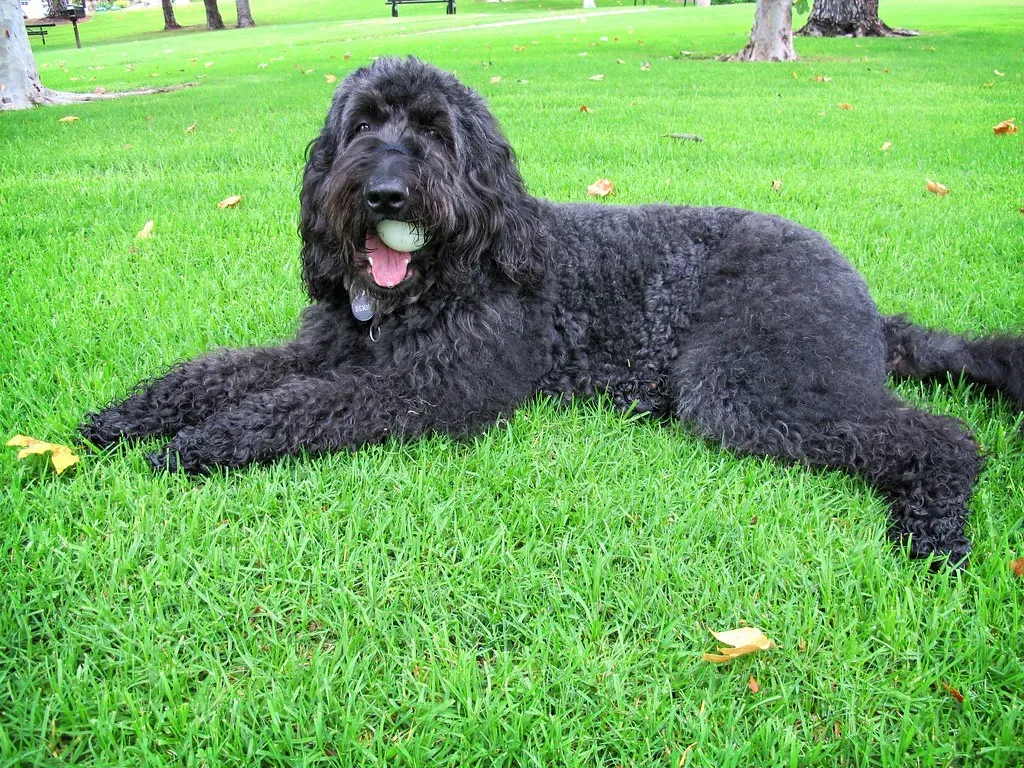
Dogs need both physical and mental exercise to thrive. Our dogs will be more inclined to bark excessively if they are bored or haven’t gotten enough exercise, so be sure that you are providing daily mental and physical enrichment so they are less inclined to bark overall.
A tired dog is often a quieter dog, not because they’ve been silenced but because their needs are met. Exercise is a cure for many problems, including dogs who are making too much noise, as most canines have plenty of energy, and if this isn’t kept in check, it can cause them to become stressed and anxious, which in turn can lead to behavior problems that include excessive vocalization. Long walks, puzzle toys, and engaging games can work wonders.
What You Can Do to Help Your Dog

If the amount your dog barks increases or becomes excessive, it can be a sign that something isn’t right and it may also cause problems for other people. Start by observing when and why your dog barks. Keep a simple log if it helps you spot patterns.
Establish a good routine – your dog may be barking to communicate that they want to play, want food or need attention, so make sure that you have a daily routine in place for your dog which includes meal times as well as play and exercise, at around the same time each day. Consistency builds security. Use dog-friendly methods, such as counterconditioning and desensitization (CC&D), to teach your dog to accept the triggers more calmly, and you may want to consult a certified trainer to help you come up with the right plan for your dog.
Above all, be patient. Your dog isn’t trying to annoy you. They’re asking for help in the only language they have. Listen carefully, respond with compassion, and you might be surprised how quickly things improve. What would your dog say if they could speak? Maybe they’re already telling you, and it’s our job to finally hear them.


