
You’ve probably heard it a thousand times. Someone at the dog park casually mentions they need to show their pup who’s boss. Another friend insists treats are bribery. Maybe you’ve even been told that your rescue is too old to learn anything new. Let’s be real, the internet is flooded with dog training advice, but not all of it helps your furry friend thrive.
In fact, some of these deeply rooted beliefs can actually set you and your dog back, creating frustration, stress, and even fear where there should be trust and joy. Here’s the thing: dog training has evolved dramatically over the past few decades, backed by solid behavioral science and real research. Yet outdated myths persist, passed down through generations or sensationalized on television. It’s time to bust these misconceptions wide open so you and your dog can build the relationship you both deserve.
You Must Dominate Your Dog to Earn Respect
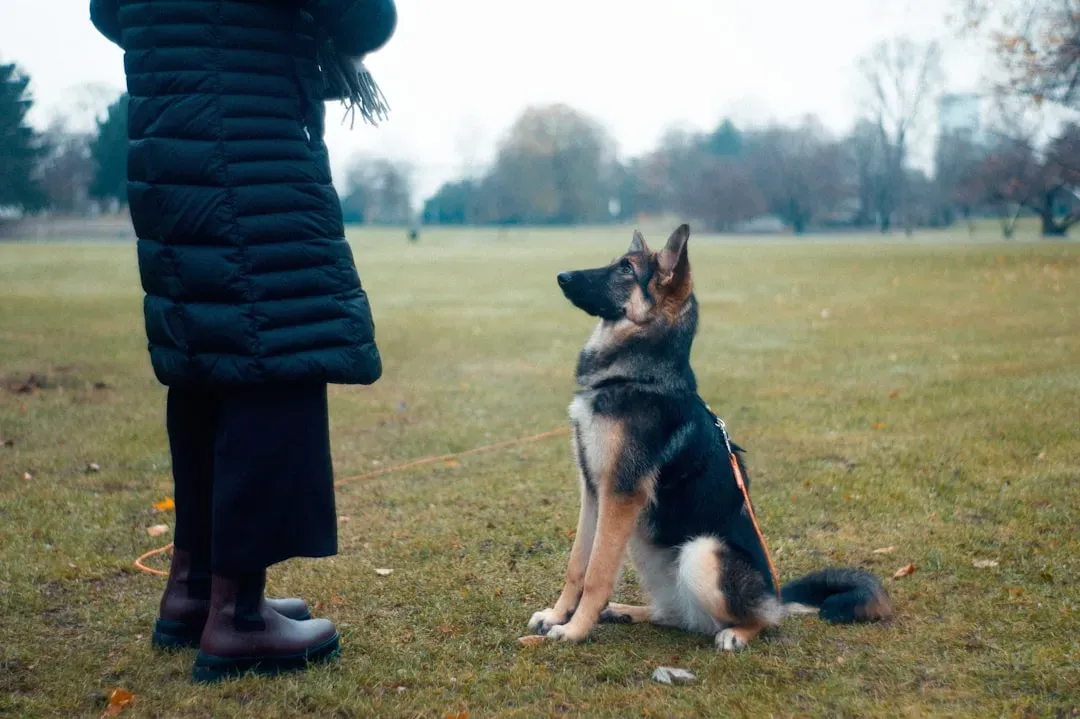
This myth centers on dominance training methods like showing your dog who’s boss, but despite their popularity with some trainers and attention from the media and TV shows, most of the time they do more harm than good. The whole alpha dog theory actually comes from outdated wolf studies conducted on captive, unrelated wolves in artificial zoo settings. The original observations of dominance behaviors were based on captive wolves kept in a zoo enclosure, and the idea was later debunked after ecologists realized the error.
Most dogs simply want safety, security, and those things which generally make them feel good, and they know people are not dogs, preferring us to provide effective, non-combative, and punishment-free leadership. Your dog isn’t plotting a household takeover. When they pull on the leash or jump on visitors, they’re not challenging your authority. They’re just expressing natural behaviors that haven’t been properly redirected yet.
Old Dogs Can’t Learn New Tricks
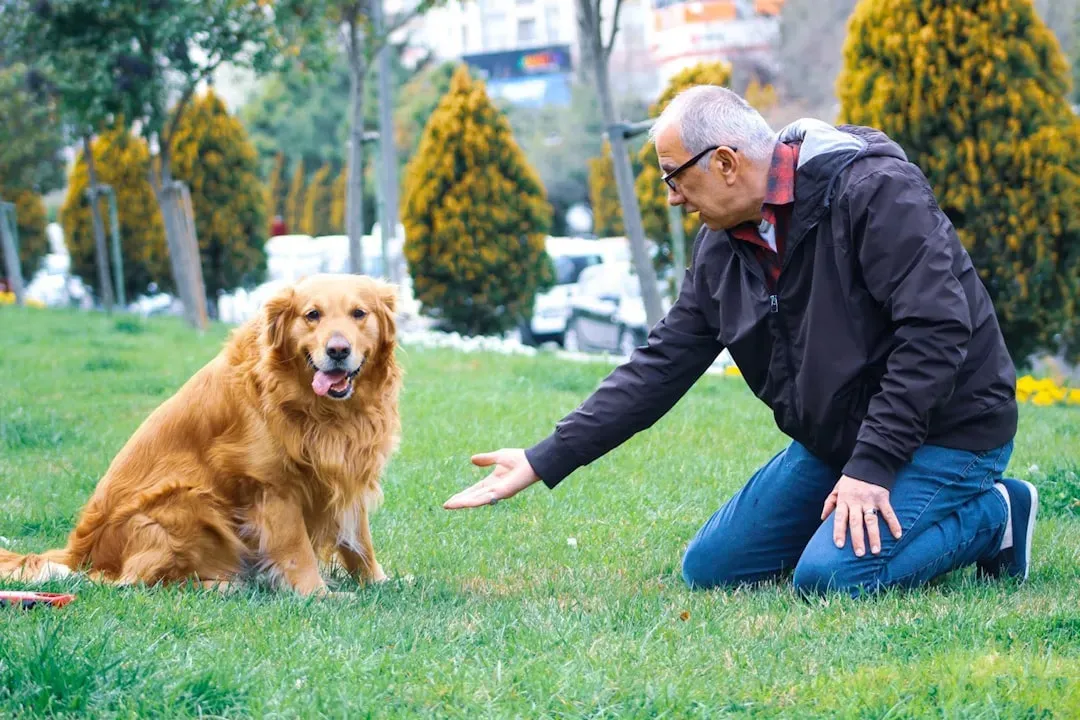
This one breaks my heart because I’ve seen so many people give up on older dogs before even trying. While it might be true that younger dogs tend to learn faster, that doesn’t mean senior dogs are incapable of learning, and dogs of any age have the ability to learn new tricks with patience and consistency.
I know it sounds crazy, but older dogs often have longer attention spans and calmer demeanors than puppies, making them excellent students. Older dogs can benefit greatly from training, and the process might even improve their overall well-being, with positive reinforcement and repetition being especially effective for senior dogs. Teaching your elderly companion new commands can enhance their safety, strengthen your bond, and keep their minds sharp. Never write off a dog based on age alone.
Using Treats Is Just Bribery

The myth of using food being equal to bribery is very common and often promoted by balanced trainers that rely on force and intimidation, rather than behavioral science. Think about it this way: would you go to work if your paycheck suddenly stopped? Of course not.
Dogs learn through association, so if they learn a certain behavior results in something pleasant, they will want to repeat it, and qualified dog trainers utilize food, toys, praise and play to reward specific behaviors to increase the likelihood of a behaviour being repeated. Desirable treats increase the level of dopamine in your dog’s brain, thereby changing their emotional state and creating a positive association that motivates them to stay engaged. Food rewards are a paycheck, not a bribe, and they’re scientifically proven to work.
Punishment Is Necessary for Good Training
Let’s get one thing straight: punishment might suppress a behavior temporarily, but it doesn’t teach your dog what to do instead. When you punish your dog, they will often become nervous or stressed which will damage your bond with them. Even worse, punishment can create fear and anxiety that manifests in ways you never intended.
Aversive or punitive dog training, which usually involves some form of intimidation, fear, and physical punishment, is associated with increased anxiety, stress, and a greater likelihood for the dog to shut down or behave more aggressively, and even though intimidation and physical force might stop aggressive behavior in the moment, a dog is more likely to defend himself aggressively in the future because the underlying cause of the behavior has not been addressed. Dogs trained with aversive methods displayed more stress-related behaviors, were more frequently in tense and low behavioral states, panted more during training, exhibited higher post-training increases in cortisol levels, and were more pessimistic in cognitive bias tasks than dogs trained with reward-based methods.
Positive Training Means No Boundaries
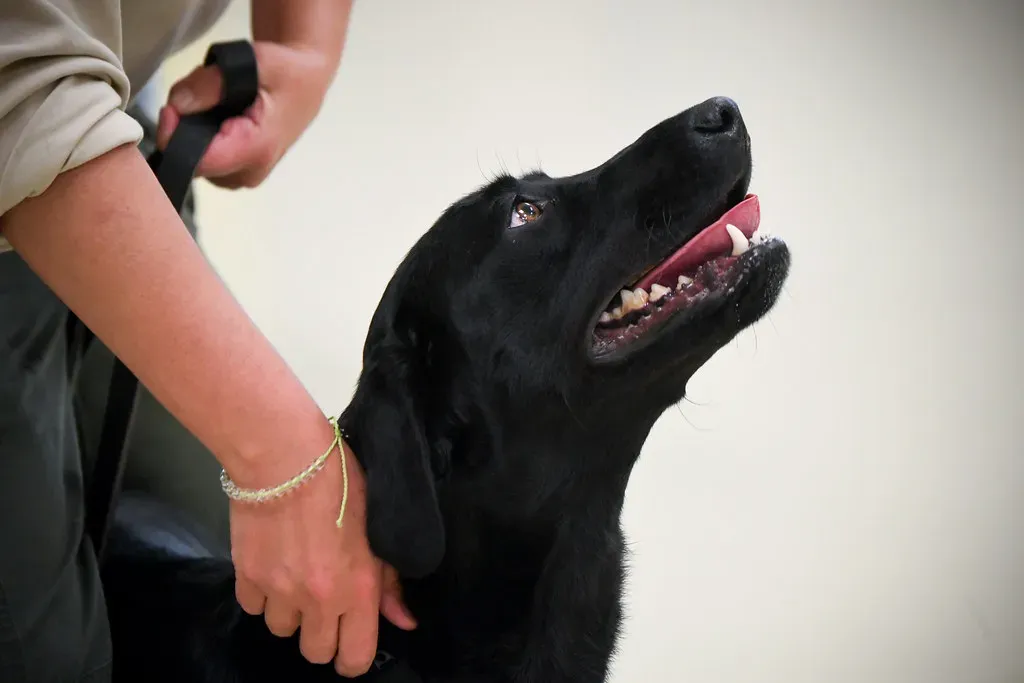
Here’s the thing people get wrong: positive reinforcement doesn’t mean permissive parenting. Positive does not mean permissive, and positive trainers set boundaries and teach limits so your dog can’t practice unwanted behaviors but choose appropriate behaviors.
Honestly, boundaries are essential for any well-adjusted dog. By setting up the appropriate boundaries and limits to prevent unwanted behavior, a dog can learn the appropriate behavior more quickly. The difference lies in how you establish those limits. Instead of punishing your dog for jumping on guests, you teach them an incompatible behavior like sitting for attention. You’re still setting rules, just in a way that builds confidence rather than fear.
Training Sessions Should Be Long to Be Effective
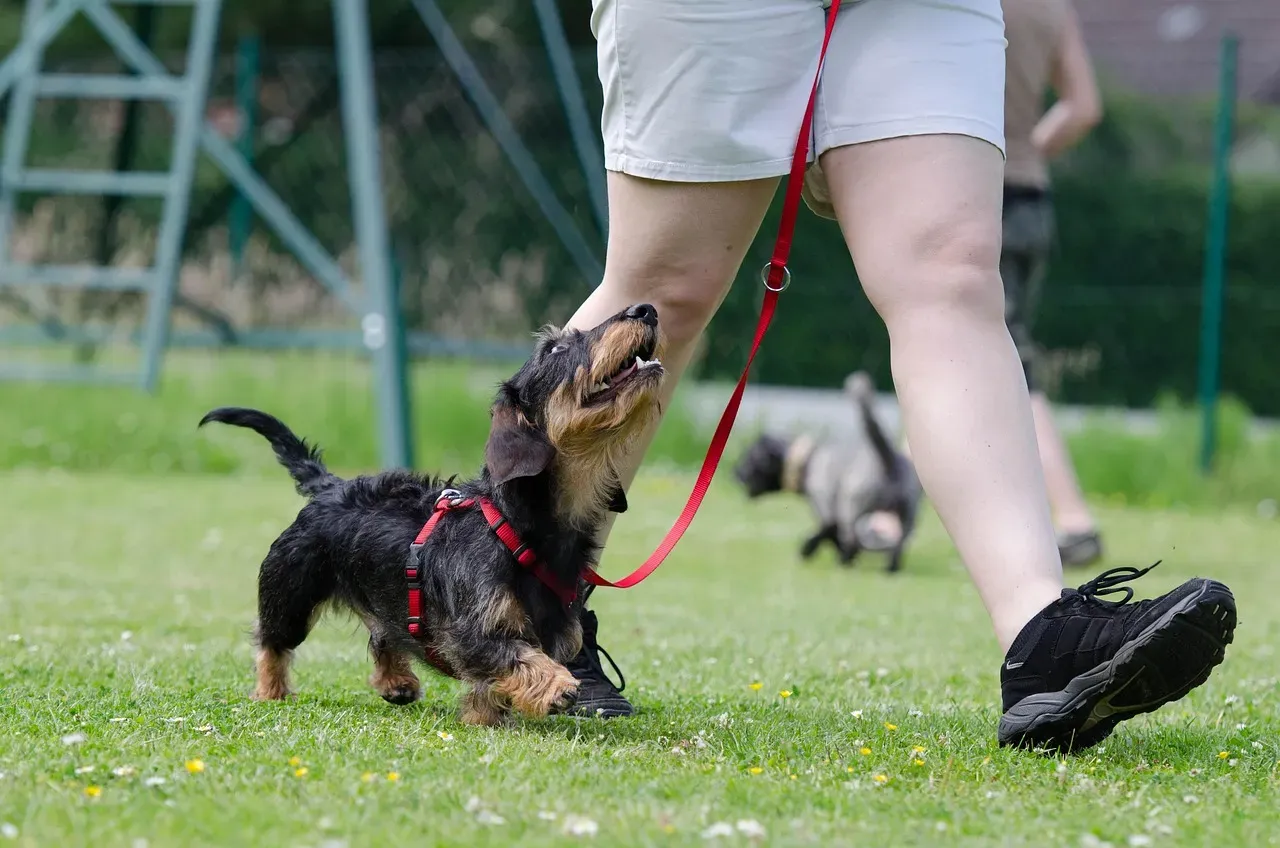
Multiple short training sessions are better than one long one, but many novice trainers don’t realize that when trainers say short sessions, they mean 30 to 90 seconds, not 20 minutes or more. I’ll admit, when I first started training dogs, I thought longer was better. Wrong.
Dogs have attention spans similar to toddlers. Dogs have the mentality of a human toddler, and just like toddlers, their attention spans can be short, with most pups having better success with five to ten minute sessions. Pushing past that sweet spot leads to frustration for both of you. Keep sessions brief, upbeat, and always end on a high note. Quality trumps quantity every single time.
Dogs Generalize Training Automatically
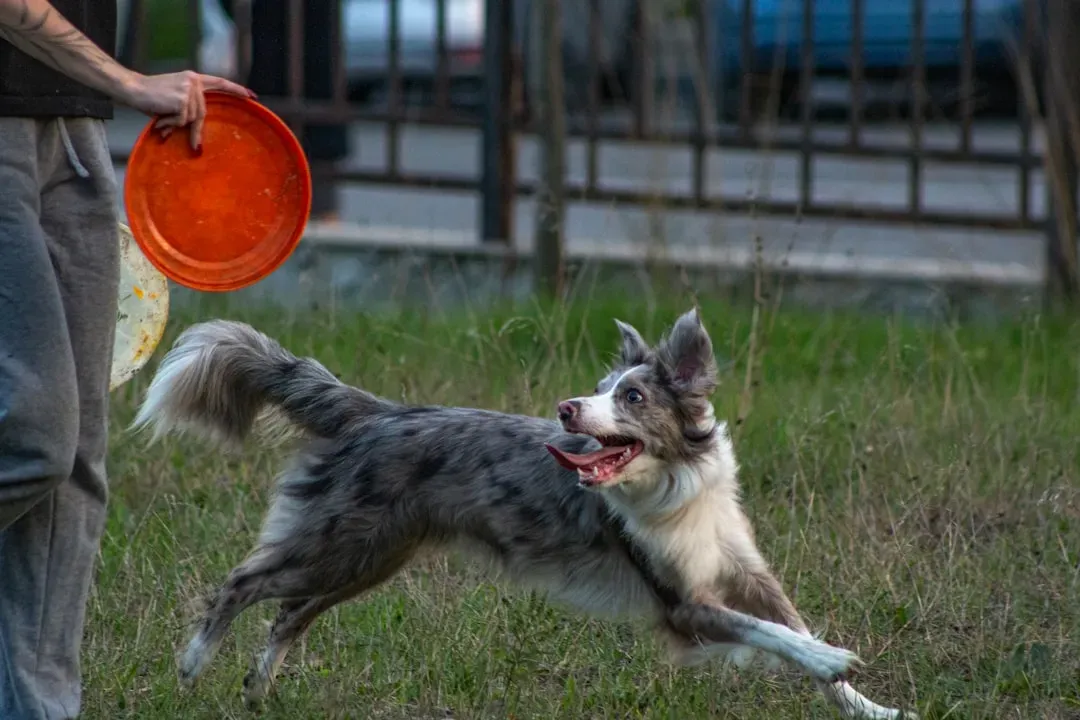
You’ve taught your dog to sit perfectly in your living room, so why won’t they do it at the park? Even though a dog responds to a cue in a familiar environment, they may not be able to do so in other locations or situations; a dog who can lie down at home may not be able to do so while on a walk or when visitors come over, and they may come when called in the backyard but not at the dog park, which is completely normal and to be expected, though not everybody knows this, so they ask for a behavior in a new context without understanding that dogs have to learn to generalize their skills to new situations and higher levels of distraction.
Your dog isn’t being stubborn or defiant. They genuinely need practice in multiple environments with varying distractions. Start in quiet settings, then gradually increase the difficulty. Think of it like learning to drive: mastering a parking lot doesn’t automatically mean you can handle rush hour traffic.
Saying a Cue Repeatedly Will Help Your Dog Learn
Cue nagging is when your dog doesn’t respond to a cue, so you keep repeating it, which often happens with the word come, and pretty soon, your dog doesn’t pay attention until you’ve said the word five or six times, with repeating the cue teaching your pet that he doesn’t have to respond right away.
This drives me crazy because it’s so common. You’re essentially training your dog that the fifth “come” is the real one. Say the cue once, wait for the response, and if nothing happens, move closer or use a treat to lure the behavior. Clarity matters more than repetition.
A Few Weeks of Training Is Enough
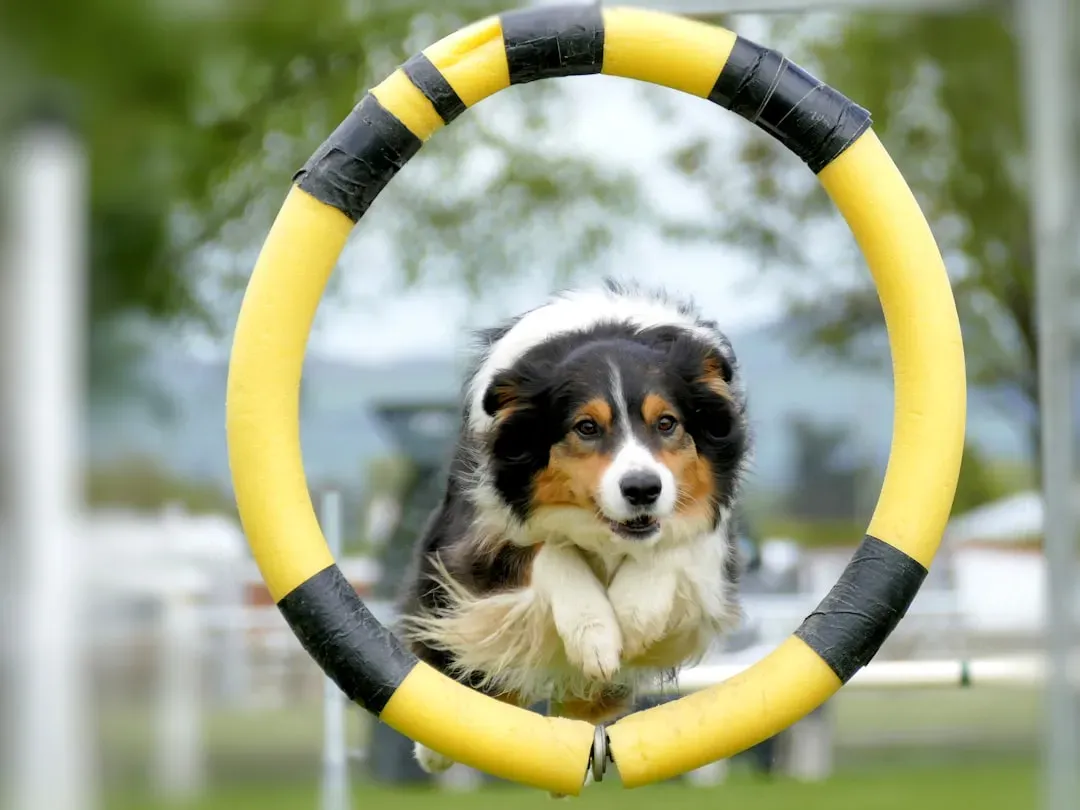
Puppies and dogs never stop learning, and they go through lots of different life stages with each stage calling for a different level of training. Training isn’t a destination; it’s an ongoing journey. Your puppy will hit adolescence, your adult dog will face new situations, and your senior companion will need mental stimulation.
Training is a long-term thing, something that needs reinforcing again and again. Think of training like maintaining your physical fitness. You wouldn’t go to the gym for a month and expect to stay fit forever. Consistent practice, even just a few minutes daily, keeps skills sharp and strengthens your bond. Life happens, environments change, and your dog needs your guidance throughout it all.
Training your dog shouldn’t feel like a battle. It should be a conversation built on trust, patience, and mutual respect. By letting go of these harmful misconceptions and embracing science-based methods, you’re setting both yourself and your dog up for genuine success. The journey might have bumps, but every small victory is worth celebrating.
What surprised you most about these myths? Have you encountered other training beliefs that just don’t sit right? Share your experiences, because chances are, another dog lover needs to hear them too.


