
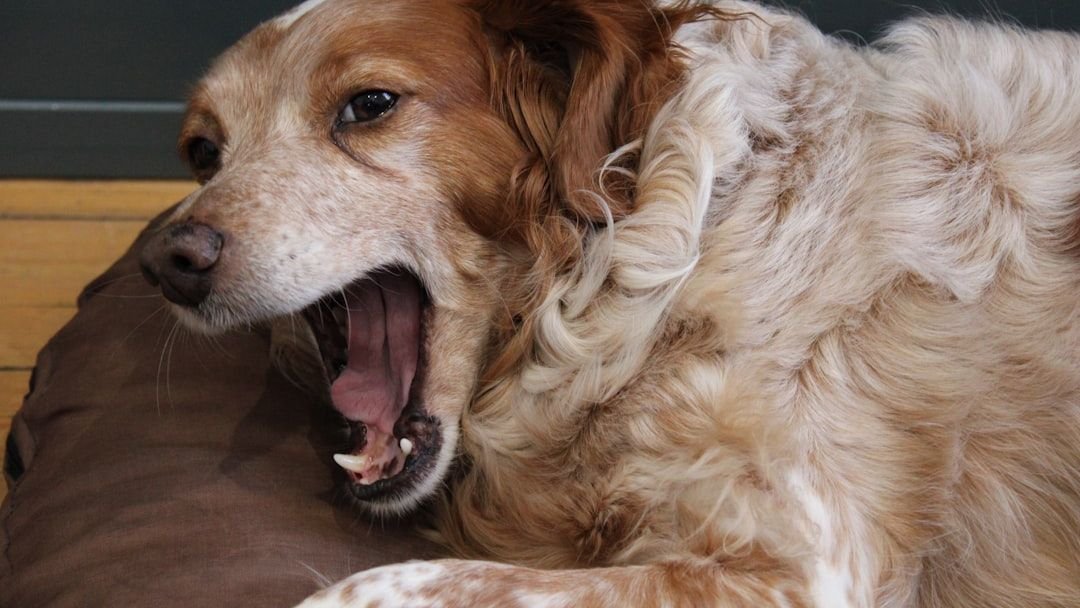
You hear that low rumble and your heart skips a beat. Your dog is growling, and suddenly you’re wondering if your sweet pup has suddenly turned into something else entirely. Here’s the thing though: that sound you’re interpreting as a threat might actually be your dog’s way of expressing something completely different. Growling is one of the most misunderstood forms of canine communication, and honestly, we’ve all been guilty of jumping to the wrong conclusion.
What if I told you that growl could mean your dog is having the time of their life, or simply asking for a little space? Dogs don’t speak our language, so they use vocalizations and body language to tell us what’s on their mind. Let’s dive into the surprising world of dog growls and learn what your furry friend is really trying to say.
The Joyful Rumble of Play Growling
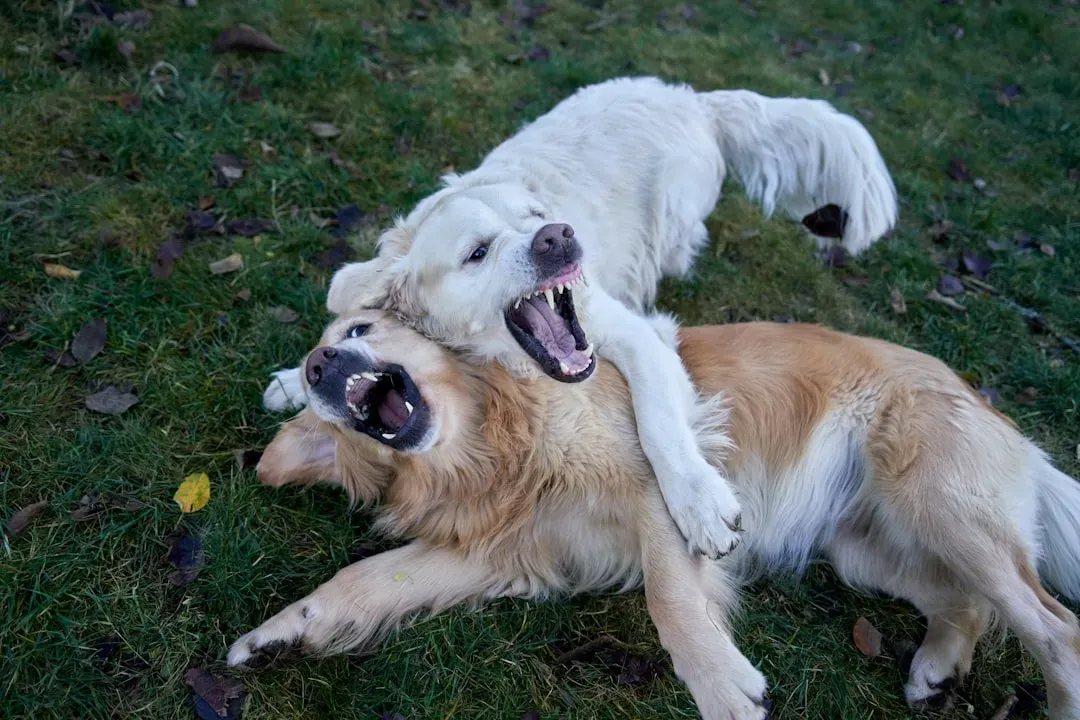
Picture this: two dogs wrestling in the yard, and suddenly you hear what sounds like a vicious brawl. You rush over, but wait. Their tails are wagging, they’re bouncing around, and their mouths are relaxed and open. This type of growling indicates that your dog is having fun; your dog might even be trying to tell you that they want to keep on playing! It’s basically the canine equivalent of laughing during a tickle fight.
Play growls will sound higher pitched than other kinds of growling and will also often be shorter and may be accompanied by body language like bounding motions, or your dog bending down onto their front legs, or raising their rear-end in the air. That rear-end-in-the-air position is called a play bow, and it’s your dog’s universal signal for “Let’s have fun!” Play growling can appear to be very ferocious to the novice dog owner and can be heard in dog-dog play activities but also when playing tug-of-war or rough housing with humans.
Terrier breeds especially love to be vocal during play. If your dog’s body is loose, their face is soft, and they keep coming back for more, you’re witnessing healthy, normal play behavior.
The Pleasure Growl That Sounds Like Purring
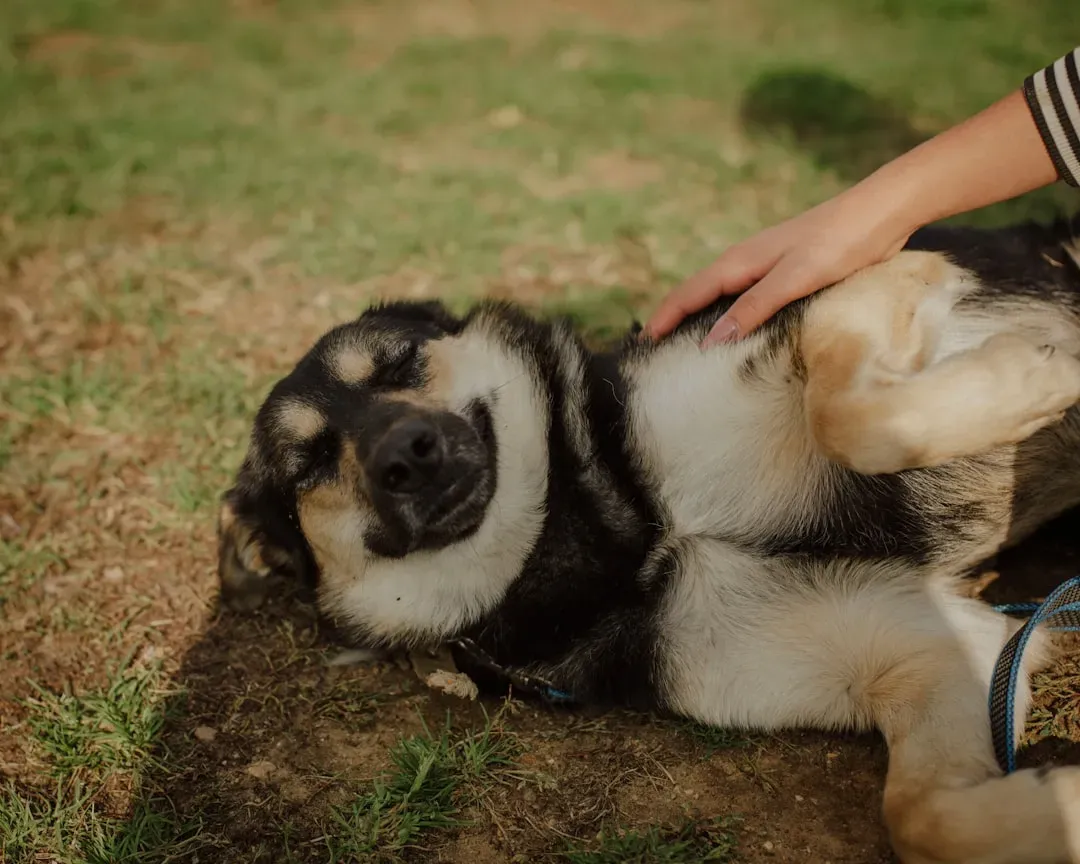
Ever been giving your dog a really good belly rub and heard a low, continuous growl that almost sounds like they’re trying to talk? Some dogs will growl affectionately when being petted, for example, and this is usually a low growl with loose body language that owners tend to think seems like the dog is trying to talk. Some folks say it sounds like their dog is saying something sweet in dog language.
Pleasure growling is a type of vocalization that dogs make when they are enjoying a specific activity or interaction, and these growls are typically short, soft, and rhythmic, often accompanied by relaxed body language. Think of it like your dog’s version of a contented sigh or hum. Their body will be floppy and relaxed, their tail might be gently wagging, and they’ll lean into whatever you’re doing.
The key difference here is context. If your dog is getting a massage, playing with their favorite toy, or just chilling with you on the couch, that growl is pure happiness. Some dog owners mistakenly think their pup is warning them off, but really, your dog is just expressing pure bliss.
Warning Growls: The Polite Ask for Space
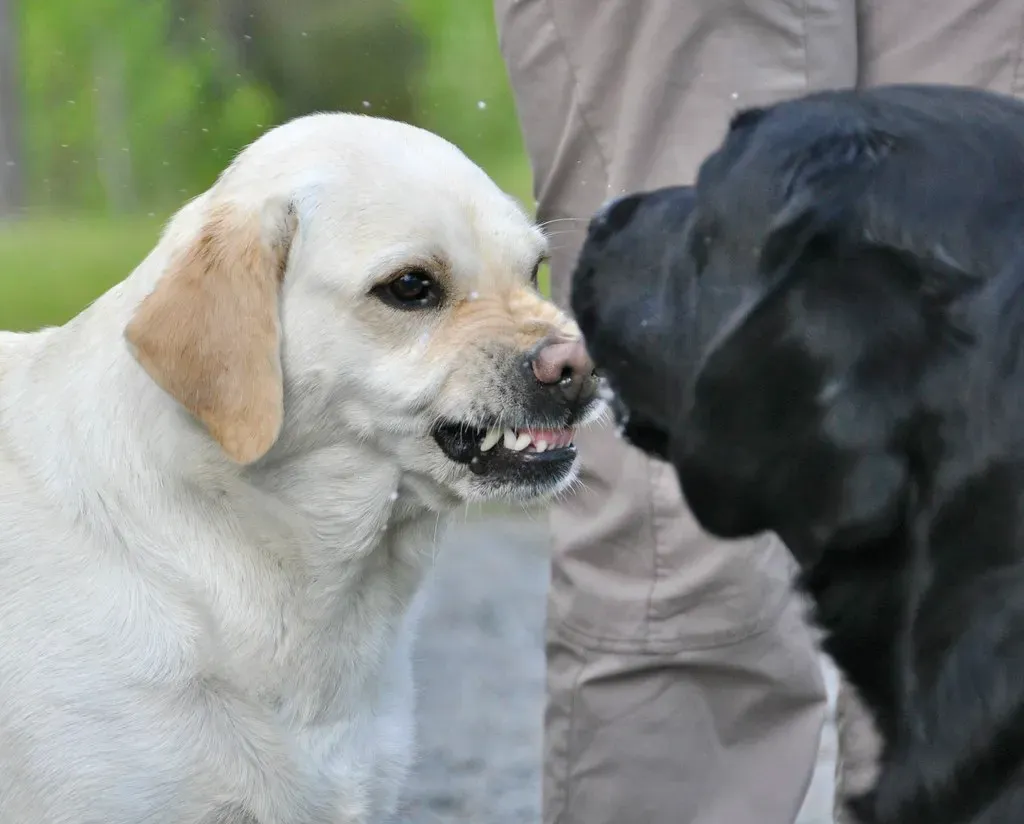
Now, this is where things get serious, and I think this is the most important type of growl to understand. Threat growling is used when the dog wants to increase the distance between themselves and a perceived threat, and this is seen in dogs that are fearful, territorial or possessive. Let me be clear: this isn’t your dog being mean or aggressive. It’s actually them being polite.
Stress growls are a warning signal, and their purpose is to tell others to back off before the dog is forced to take further action. Dogs would much rather avoid conflict than get into one. When your dog growls in this context, they’re basically saying “Hey, I’m uncomfortable here, can you please give me some room?” This may be accompanied by stiff body language, a hard stare, and ears pointed forward or held to the side, and other times, growling may occur after the face-to-face greeting ritual, especially if one dog is taking a long time sniffing the other dog’s face.
Respecting this growl is crucial. It’s your dog’s early warning system, and honestly, we should be grateful they’re communicating before things escalate. Punishing a dog for this type of growl is one of the worst things you can do because you’re essentially teaching them not to warn you next time.
Pain-Related Growling: The Silent Suffering Made Vocal
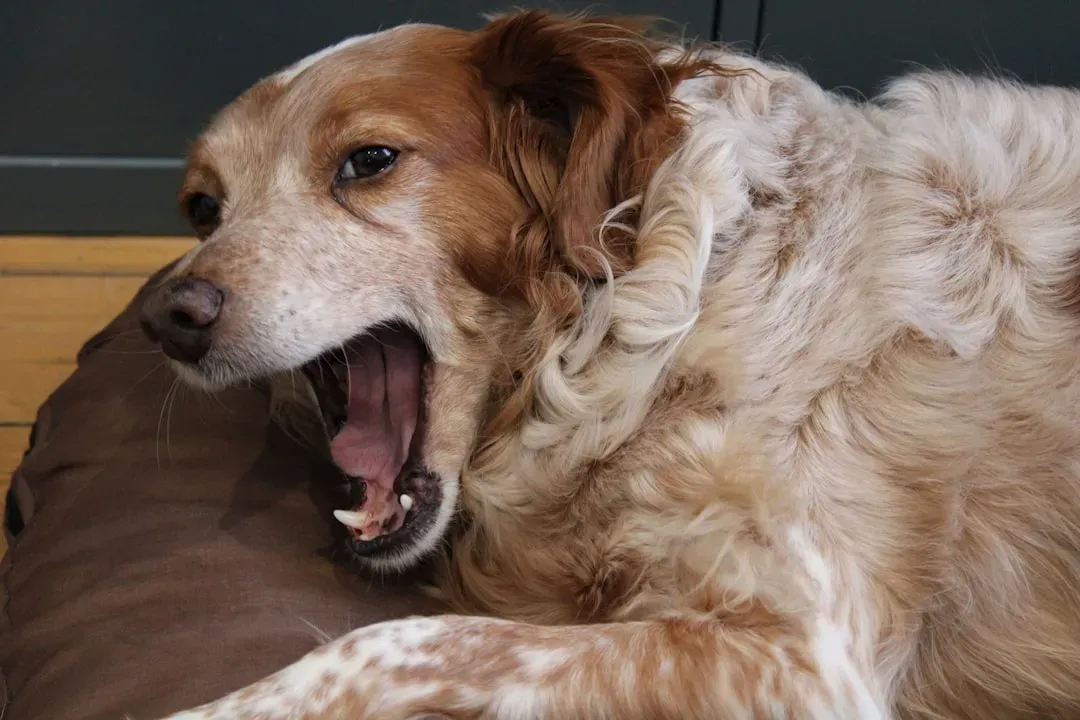
Here’s something that breaks my heart: dogs are incredibly good at hiding pain. When a dog is in pain or discomfort, they may vocalize their discomfort through growling, and pain-induced growls can be sudden and intense, serving as a clear indication that something is bothering the dog. If your normally sweet dog suddenly growls when you touch a certain area, pick them up, or even when they move, pain should be your first consideration.
If your dog is growling more frequently than usual, if they suddenly growl when you contact a specific part of their body, or if they exhibit other signs of discomfort like limping and whimpering, they may be in pain. Older dogs with arthritis, dogs recovering from surgery, or pups with hidden injuries might growl simply because touch hurts. Pain can make dogs feel agitated, irritable, or cranky, and if your dog demonstrates sudden or unusual aggression, it might be due to pain or a physical irritation.
This isn’t a behavior issue. This is a medical emergency. Never punish a dog for pain-related growling. Instead, get them to a veterinarian as soon as possible to identify and treat the underlying cause.
Reading the Whole Picture: Body Language Matters More
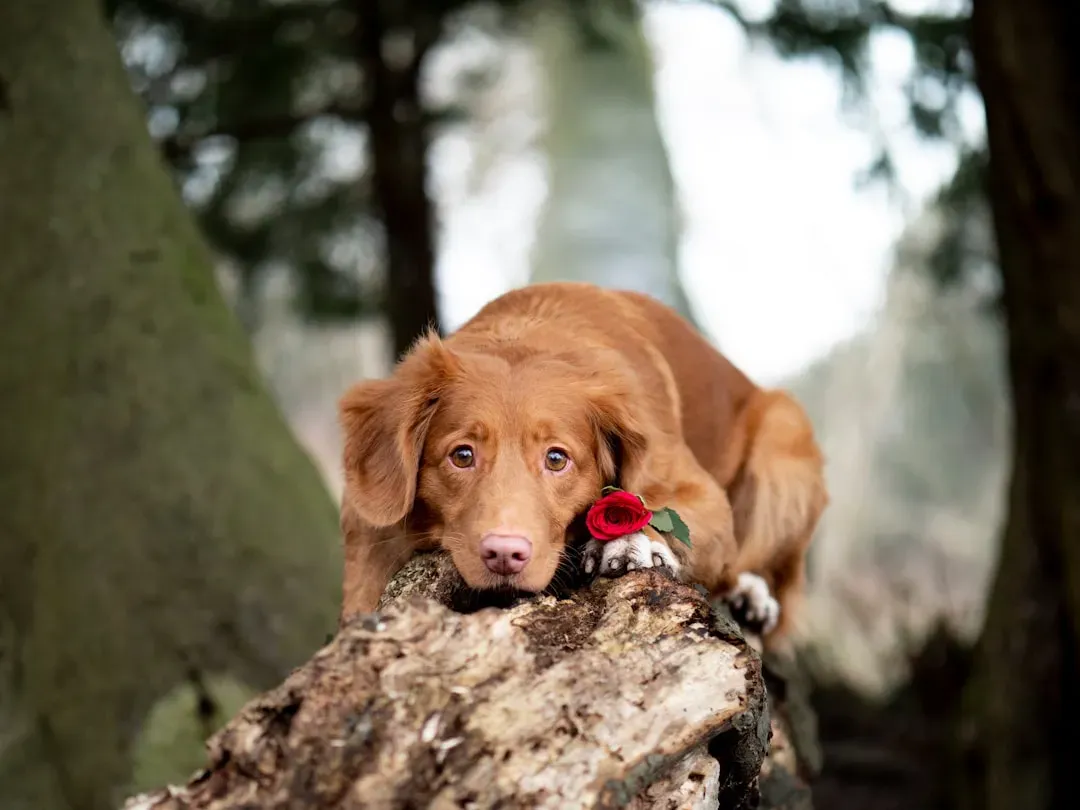
You can’t just listen to the growl alone. Most growls sound pretty similar, so it’s important to pay close attention to the situation and context surrounding the growl because growls can have different meanings in different contexts. Look at your dog’s entire body. Are their ears pinned back or perked forward? Is their tail tucked, wagging loosely, or held stiff and high? Is their mouth relaxed or tense?
When a dog growls playfully, they have loose body language and soft facial expression, such as a tail held in neutral position and soft ears moved slightly to the side. Compare that to a warning growl where the body is stiff, the eyes are hard and staring, and the dog might be leaning forward or backing away. Context is everything.
Dog owners were much better than other people at correctly identify a growl’s meaning, and this suggests that experience listening to dogs improves our recognition ability and also suggests that we can train people to better understand these communication signals from our canine companions. The more time you spend with your dog, the better you’ll become at reading their unique communication style. Every dog has their own voice and their own way of expressing themselves.
What to Do When Your Dog Growls
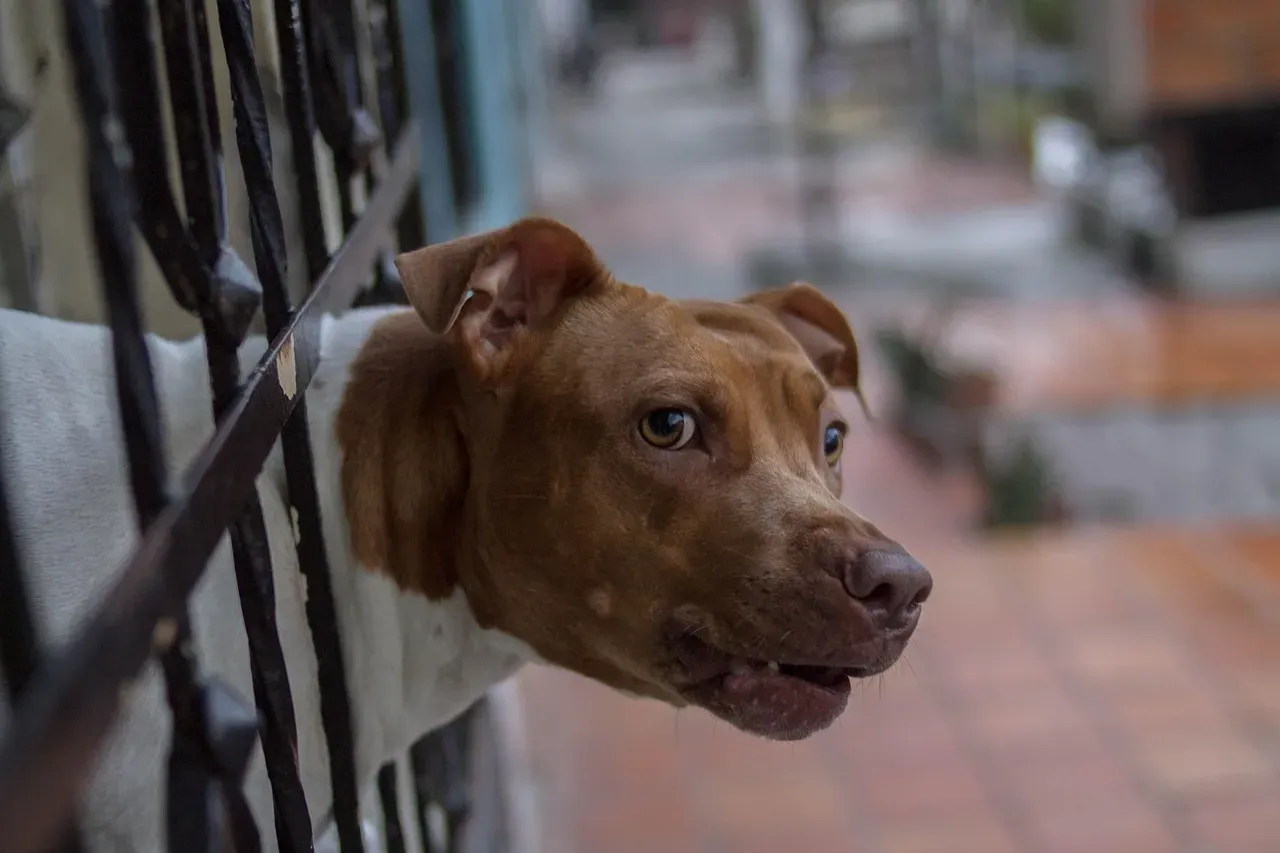
First rule: never punish your dog for growling. When you tell your growling dog to be quiet, you are only correcting what you perceive to be a problem in that moment and not understanding why your dog is growling, and when you physically punish your dog for growling, it may lead to further aggression with your dog baring their teeth, lunging, snapping, or even biting. Seriously, punishing a growl is like smashing your car’s check engine light because you don’t like the warning. The problem is still there, you just can’t see it anymore.
When your dog growls, acknowledge the growl and redirect your dog to perform more desirable behaviors, for example, if you’re on a walk and your dog growls at someone heading in their direction, interrupt the behavior using a neutral noise, such as a quick whistle, finger snap, or light clap, and next, as the stranger walks by, have your dog focus their attention on you by asking them to perform a command.
If the growling is new, sudden, or happening more frequently, it’s time for a vet visit. If your dog continues to growl, refuses to take rewards, appears fearful and anxious, or escalates their behavior to barking, lunging, and biting, take them to a veterinarian for an exam because sometimes medical conditions can cause a dog to growl and not want to interact with their environment. After ruling out medical issues, working with a certified dog trainer or veterinary behaviorist can help address any underlying fear, anxiety, or stress.
Honestly, growling is communication, and communication is a gift. Your dog is telling you something important. Our job is to listen, observe, and respond with understanding rather than fear or frustration. Next time your dog growls, take a breath, look at the whole picture, and ask yourself what they might really be trying to say. You might be surprised to find it’s not aggression at all, but rather a perfectly reasonable canine conversation.
What do you think? Has your dog ever growled in a way that surprised you? Understanding these nuances can completely change your relationship with your pup for the better.


