
The Silent Battle: Why Your Dog’s Joint Health Needs Your Attention Now
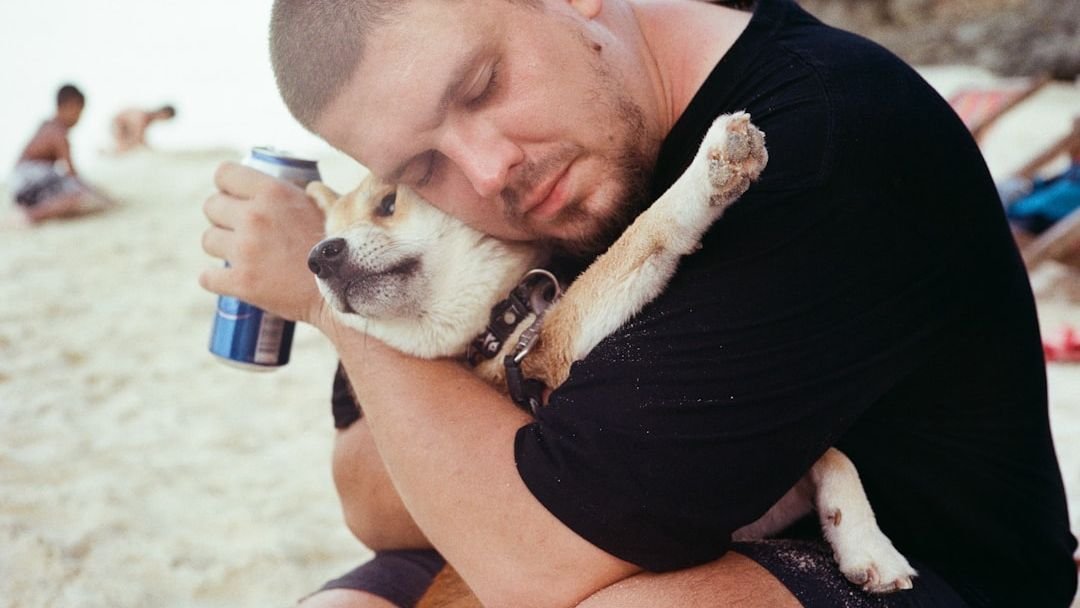
You’ve probably noticed it. That moment when your best friend hesitates at the bottom of the stairs, or when they stretch a little longer after getting up from a nap. Maybe they don’t bound to the door anymore with that same puppy energy. It’s easy to brush off as just getting older, right? Here’s the thing, though. What if I told you these small changes aren’t just about age? Arthritis affects 1 in 5 dogs. It’s happening quietly, right under your nose, and by the time most of us notice, our dogs have been suffering in silence for months.
Joint health in dogs isn’t something that magically becomes important when they hit their senior years. It’s a lifelong journey that demands your attention right now, whether your pup is two or twelve. The truth is, dogs are masters at hiding pain. They don’t complain, they don’t whine about their aching hips. They just adapt, compensate, and keep trying to be the joyful companions they’ve always been. That’s what makes this battle so silent, and honestly, so heartbreaking.
The Hidden Enemy: Understanding What’s Really Happening in Your Dog’s Joints
Let me break this down in a way that makes sense. Arthritis is a general term for abnormal changes in the joint. These changes occur when cartilage is worn away faster than it can be replaced. Cartilage acts as a cushion to protect the bones. Think of cartilage like the shock absorbers in your car. When they wear out, every bump feels rougher, every turn becomes uncomfortable.
When it wears away, joints become swollen and painful. This isn’t just discomfort we’re talking about. It’s bone grinding against bone, inflammation building up, and your dog’s body desperately trying to cope with something it was never designed to handle. Canine arthritis, or osteoarthritis (OA), is a degenerative joint disease characterized by the breakdown of cartilage, which cushions the joints. As the cartilage wears down, bones begin to rub against each other, causing pain, stiffness and inflammation.
The Warning Signs You’re Probably Missing
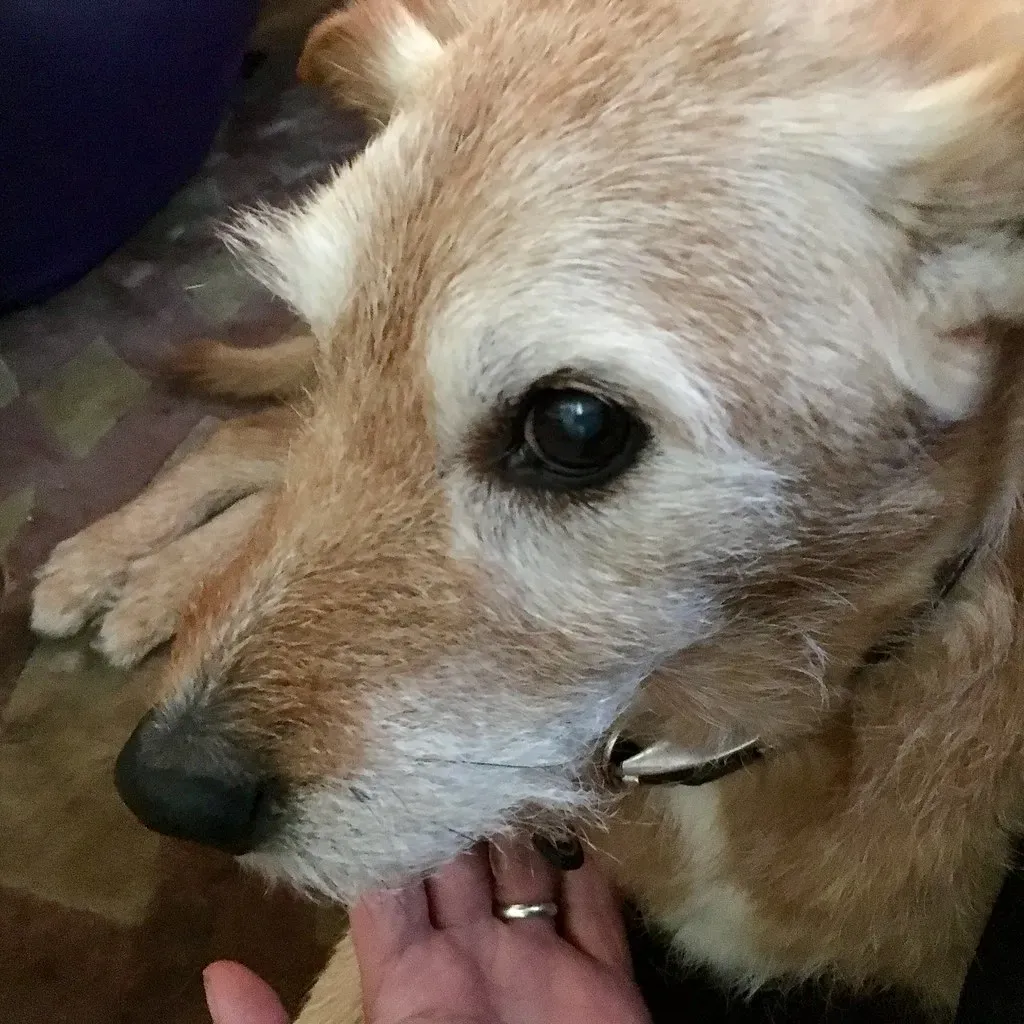
Let’s be real. Most of us miss the early signs because we’re not looking for them. The earliest signs of arthritis are usually stiffness, difficulty rising, and limping or lameness. Often these signs are attributed to general aging, but they can be our first clues that arthritis is developing. Your dog isn’t going to tap you on the shoulder and say they’re hurting.
Its symptoms can include difficulty getting up, not being as playful as usual, and having trouble with stairs. Pay attention to the small stuff. Does your dog take a few steps before they really get moving in the morning? Are they suddenly reluctant to jump into the car? Stiffness, a reluctance to walk, and the refusal to climb stairs are all signs of arthritis. Early symptoms include limping, lameness, a loss of activity, and behavioral changes.
Sometimes the signs are behavioral. Common dog arthritis symptoms include difficulty getting up from lying down, being less active than usual, and being more irritable. That grumpy snap when you touch their hip? That might not be attitude, that might be pain.
Who’s at Risk? It’s Not Just Old Dogs

I know what you’re thinking. “My dog is only three years old, they’re fine.” Wrong. Arthritis doesn’t only affect older dogs. Under certain circumstances, arthritis can affect young dogs too. Certain breeds are walking around with genetic time bombs in their joints.
Although this condition can develop in any breed of dog, it is most often seen in larger breeds such as German Shepherds, Golden Retrievers, Labs, Rottweilers, and giant breeds. Large breeds carry more weight, putting extra stress on developing joints. This condition is most common in older dogs, overweight dogs, and breeds predisposed to joint issues, such as Labradors, German Shepherds and Golden Retrievers. However, OA isn’t just reserved for senior dogs and can happen at any stage of your dog’s life.
Weight plays a massive role here. Obesity contributes to increased pressure on the joints, which leads to pain and discomfort. Every extra pound your dog carries is like adding bricks to a backpack they can never take off.
Prevention: The Gift of Proactive Care
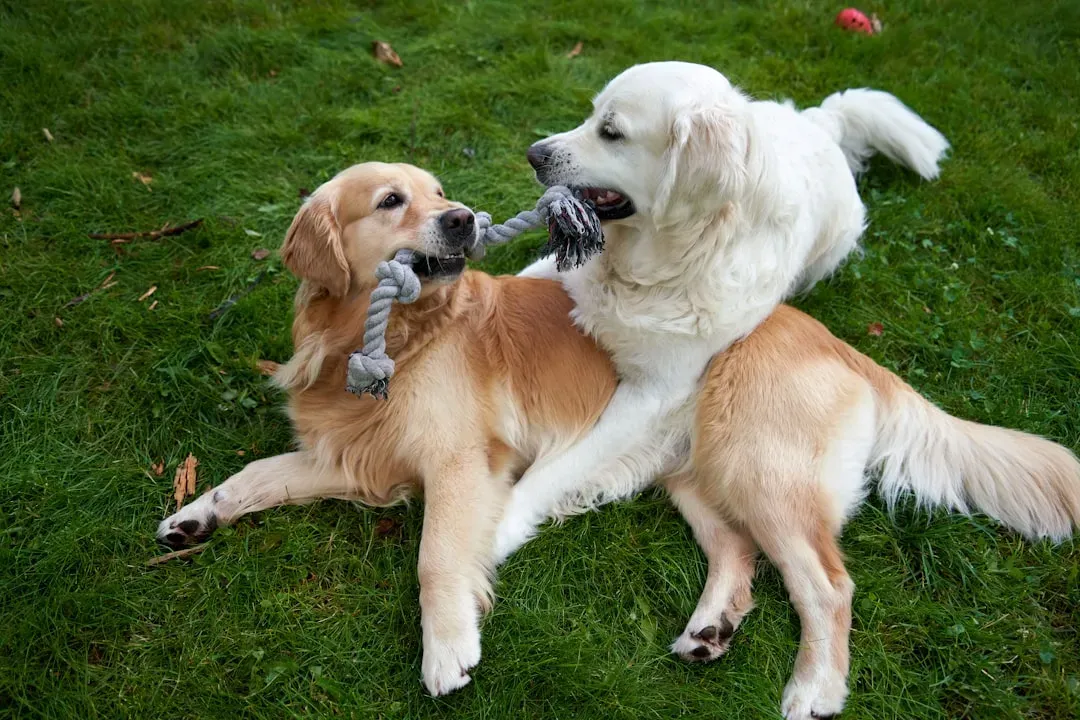
Here’s where you can actually make a difference. Prevention isn’t sexy or dramatic, but it’s powerful. In breeds that are predisposed to arthritis, it’s recommended to start joint supplements as early as 8 weeks of age. That’s right, eight weeks. Not eight years.
Joint supplements are one of the most common long-term treatments recommended to help reduce inflammation and pain, improve function, and slow progression of joint damage and arthritis. Common ingredients include glucosamine and chondroitin. Glucosamine is a naturally occurring compound used to alleviate pain and stiffness by suppressing inflammation in the arthritic joint, inhibiting cartilage degradation, and boosting the repair of damaged cartilage.
Exercise matters too, but it needs to be smart exercise. Swimming, gentle walks, and controlled play keep joints mobile without causing damage. Keeping your dog at a healthy weight alongside regular exercise is advised. It’s about balance, not marathons.
Treatment Options: You’re Not Powerless
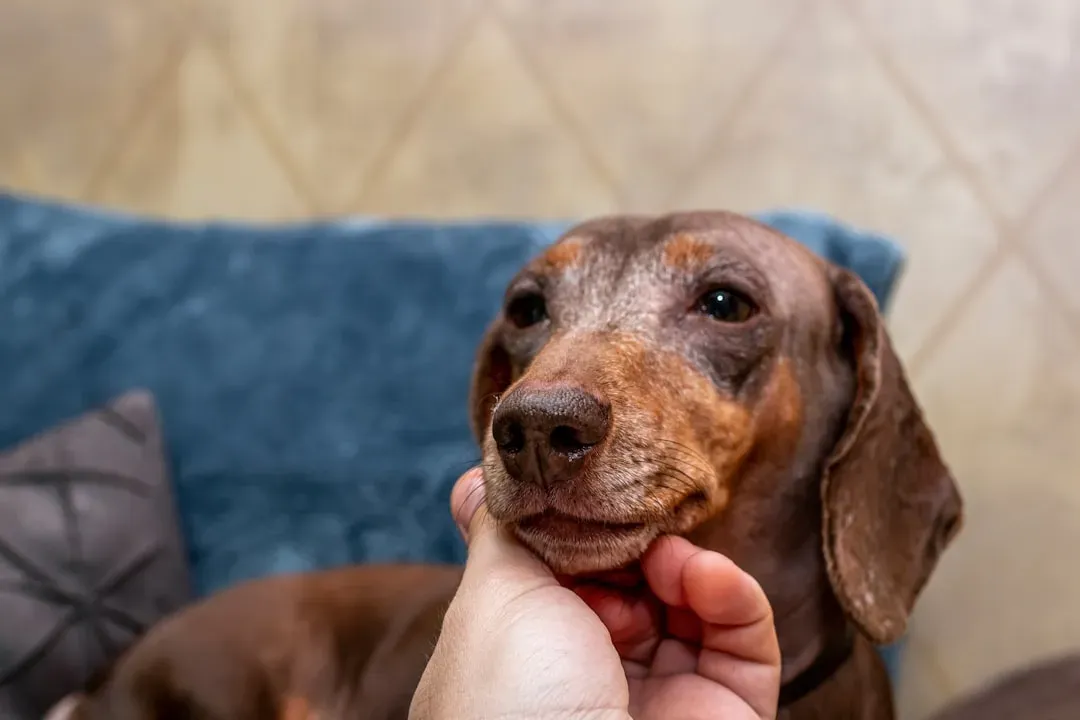
So your dog has been diagnosed. It’s not the end of the world, honestly. There is no cure for arthritis. But with appropriate management, your dog can live their best life. Management is the name of the game here, and there are more tools in your toolbox than you might think.
Using a multimodal approach – combinations of different types of medications and joint supplements – to treat arthritis in dogs is the best way to ensure quality of life and successful treatment. Your vet might prescribe NSAIDs for pain and inflammation. Nonsteroidal anti-inflammatory drugs (NSAIDs) play a major role in controlling dog joint pain and inflammation. Galliprant (active ingredient grapiprant) is an easy-to-give daily medication that can be used at the earliest signs of osteoarthritis.
Physical therapy, acupuncture, cold laser therapy, weight management, prescription diets. These aren’t just buzzwords, they’re legitimate interventions that can add quality years to your dog’s life. Providing a balanced, high-quality diet and maintaining a healthy weight with gentle exercise can reduce pressure on the joints and keep them moving.
The Real Cost of Waiting
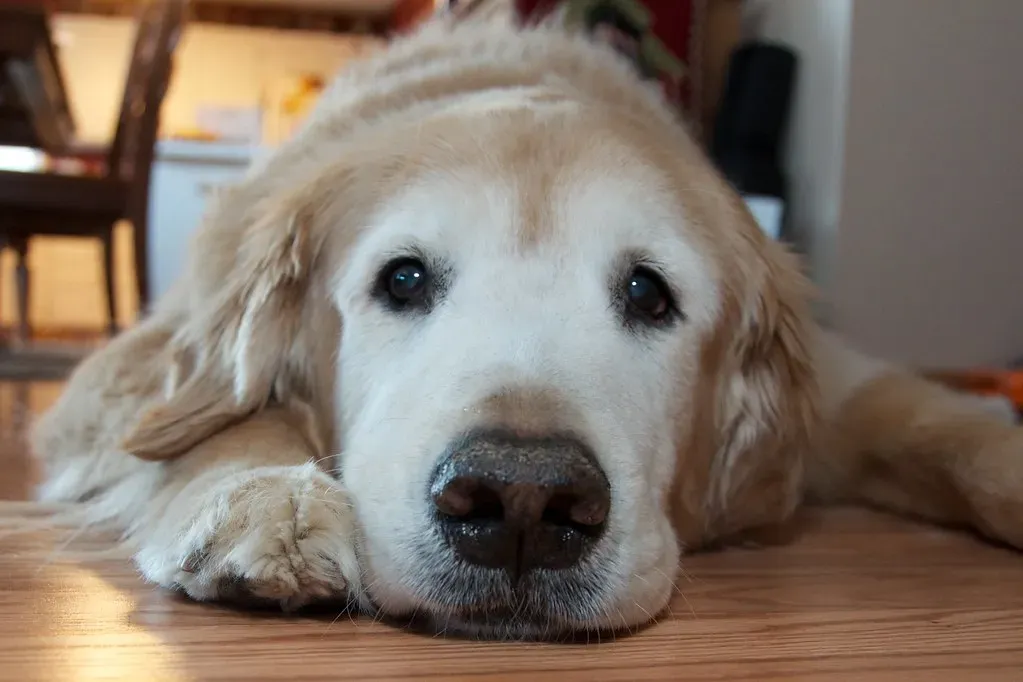
Every day you wait is a day your dog compensates for pain you can’t see. The grim reality is that the majority of dogs presented with joint pain have actually been experiencing it for some time prior to diagnosis. Dogs are incredible at coping with chronic pain and will adjust their weight bearing and movement to reduce their pain and to carry on with being our companions. They love us that much.
Although arthritis is not curable, early treatment is key – without it, your dog will continue to lose cartilage resulting in the need for more aggressive treatments like surgery. That hesitation on the stairs today could become complete immobility tomorrow. Marked muscle wasting is generally a sign of advanced or end-stage arthritis in dogs. By the time muscle loss is visible, you’re fighting an uphill battle.
Catching it early makes all the difference. Catching arthritis early gives us the best chance of managing it long-term.
Conclusion: Your Dog Is Counting on You

Joint health isn’t glamorous. It doesn’t come with dramatic moments or instant gratification. It’s the daily supplement, the maintained weight, the soft bed in a warm spot. It’s paying attention when your dog moves just a little differently. It’s choosing prevention over regret.
Your dog has spent their entire life reading your emotions, responding to your needs, being there when you needed them. They can’t tell you their joints hurt. They can’t ask for help. That’s your job.
Start paying attention today. Watch how they move. Talk to your vet about prevention strategies, even if your dog seems perfectly healthy. Because by the time the symptoms are obvious to you, they’ve been fighting this battle alone for far too long. What changes have you noticed in your dog’s movement lately? Share your observations in the comments below.