
Beyond the Bowl: Why Enriching Your Dog’s Mealtime Is a Game Changer
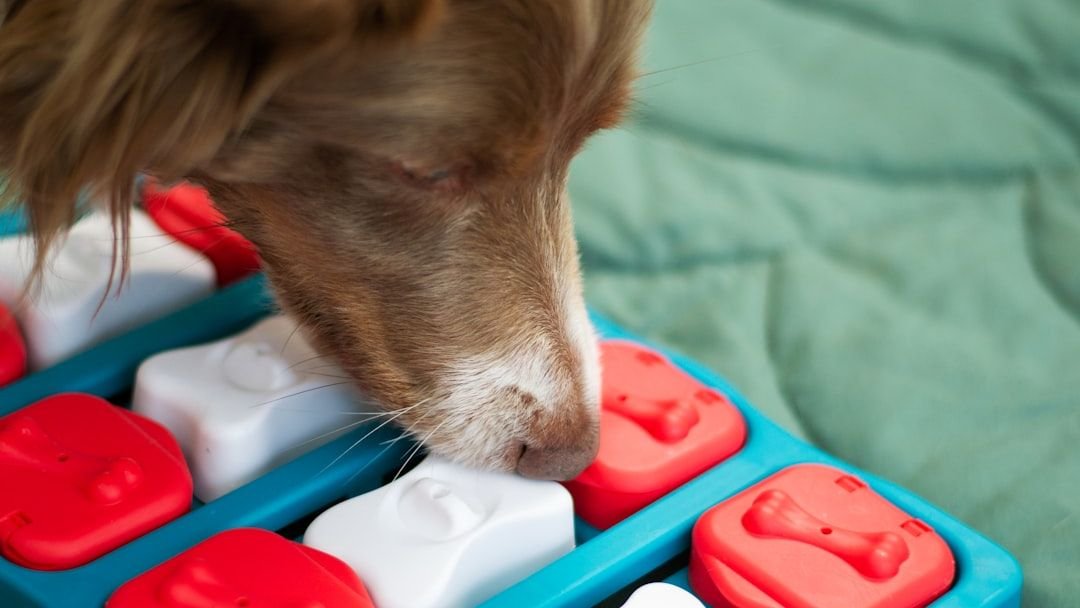
Picture this: you watch your dog demolish their entire dinner in roughly ten seconds flat, then they stare up at you with those eyes that say “What’s next?” Sound familiar? Here’s the thing – most of us assume that as long as we’re feeding our dogs quality food, we’re doing our job.
But what if I told you that how your dog eats matters just as much as what they eat? Honestly, when I first learned about mealtime enrichment, I thought it sounded like unnecessary extra work. Yet the moment I saw the difference it made, I became a total convert. Let me walk you through why transforming those few minutes of eating can actually reshape your dog’s entire day.
The Science Behind Working for Food
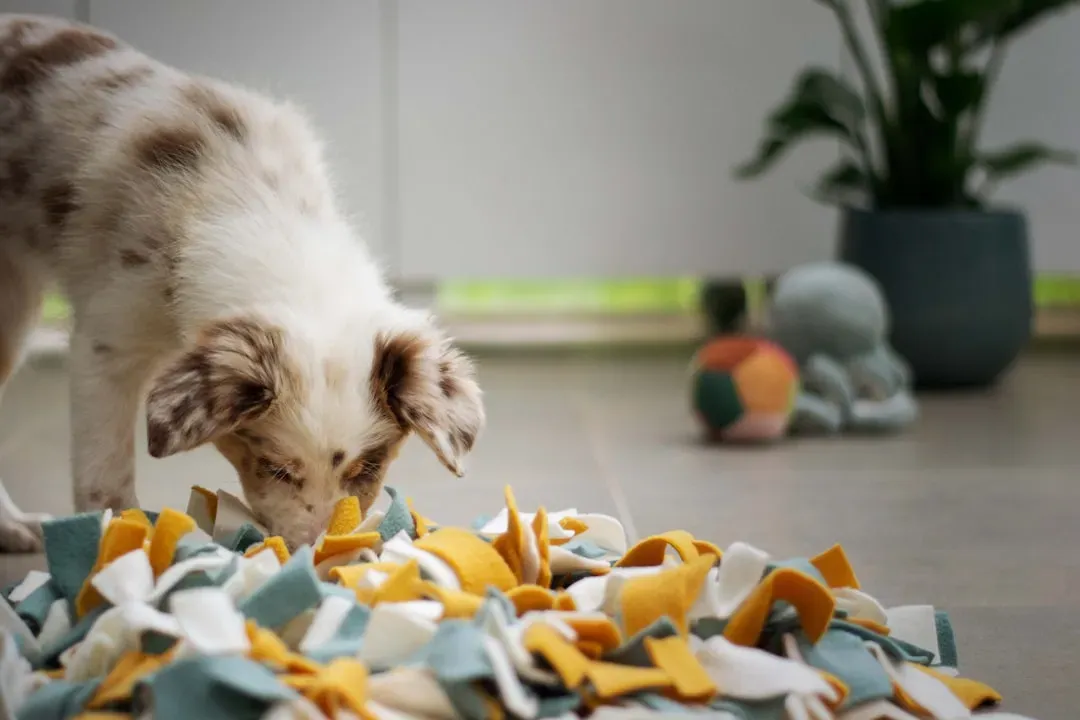
There’s a fascinating concept called contrafreeloading, and it basically means that animals prefer to work for their food rather than having it handed to them on a plate. Dogs are no exception. When given the choice between a bowl full of kibble and a puzzle that dispenses the same kibble, dogs actually prefer the food that requires effort.
This isn’t some quirk of evolution – it’s deeply rooted in their biology. Dogs are natural foragers, and their ancestors spent hours every day hunting and scavenging for meals. Now we just plop food in a dish twice a day. While that’s convenient for us, it leaves our dogs mentally understimulated and can lead to boredom, anxiety, and those destructive behaviors we all want to avoid.
Research shows dogs get excited and wag their tails when they complete a task and know food is coming, but dogs given food randomly showed signs of frustration. The takeaway? Your dog actually enjoys the challenge and feels more satisfied when they earn their meal.
Slowing Down Does More Than You Think
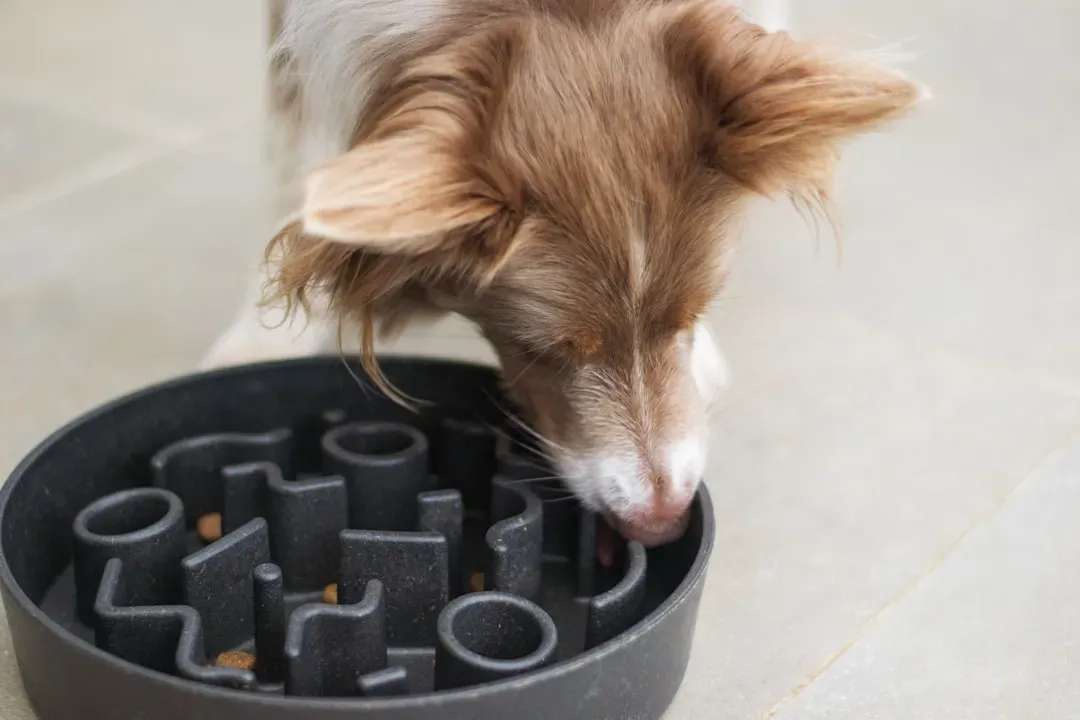
Let’s be real: some dogs eat like they’re in a competitive sport. If your pup inhales their food in seconds, you’re probably worried about choking, and you should be. Dogs who virtually inhale food could get something stuck in their throat, which leads to choking or vomiting, and a slow feeder bowl helps prevent the swallowing of over-large pieces.
Yet it goes deeper than that. Eating slower means your pup doesn’t swallow as much air, which is the main cause of gas, bloating, and other gastrointestinal discomfort. For large, deep-chested breeds like Great Danes and Greyhounds, this is especially critical because fast eating increases the risk of a life-threatening condition called gastric dilatation-volvulus or bloat.
The puzzle-like design of slow feeders forces dogs to slow down and work around obstacles, which encourages smaller mouthfuls and more thorough chewing, improving digestion. Think of it as hitting pause on the chaos and giving your dog’s body time to actually process what they’re eating.
Mental Workout Equals a Calmer Dog
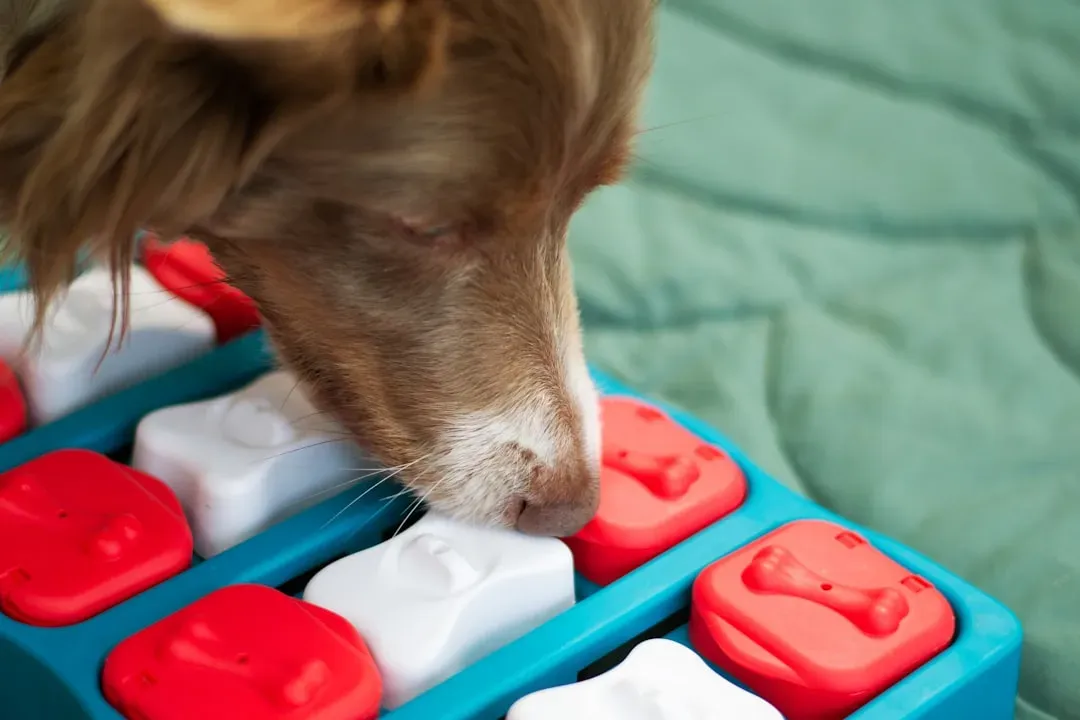
Enrichment helps with mental stimulation, alleviates boredom, and reduces destructive behaviors. I can’t stress this enough – a tired dog isn’t just a physically exhausted dog. Mental fatigue is just as powerful, sometimes even more so.
Problem solving and mentally stimulating sniffing opportunities help reduce arousal levels and promote calmness. When your dog has to figure out how to extract kibble from a puzzle feeder or sniff out scattered food in the grass, their brain is fully engaged. That twenty minutes of mental work can be as tiring as a long walk.
The act of licking, chewing, sniffing and working for food is incredibly calming and provides a healthy outlet for natural behaviors, leading to a more relaxed and contented dog. If you have a dog who struggles with anxiety or gets overly excited, mealtime enrichment can become a valuable tool in your calming toolkit.
Strengthening Your Bond Through Food Games
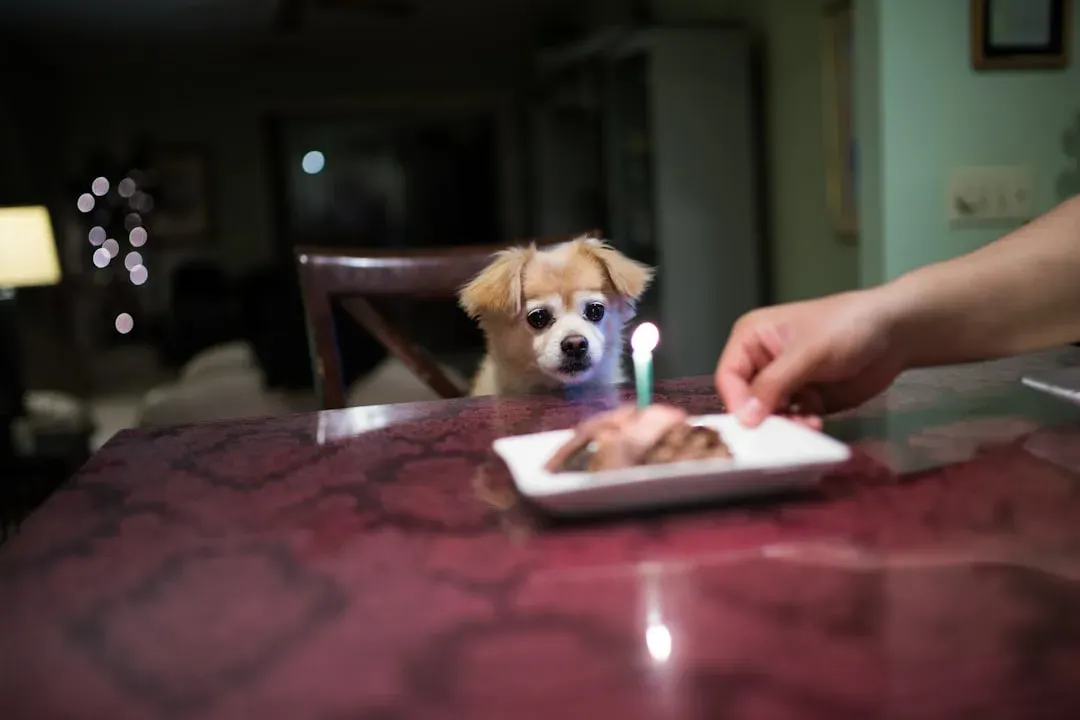
Here’s something I think gets overlooked: mealtime enrichment isn’t just about keeping your dog busy. Engaging with your dog during mealtime through games and activities can strengthen your bond and build trust. You become the provider of not just food, but fun, challenge, and satisfaction.
Think about the difference between tossing kibble in a bowl and walking away versus sitting with your dog while they work through a snuffle mat or hiding treats around the yard for them to find. You’re present. You’re engaged. You’re part of the experience, and your dog feels that connection.
Even when you’re using independent feeders like puzzle toys, you’re still the one who set up the game, chose the challenge level, and made their meal interesting. Dogs notice these things. They appreciate the effort, even if they can’t say it out loud.
Simple Ways to Ditch the Bowl

The same food in the same bowl in the same spot every single day can feel tedious, even to the most food-motivated dog. The good news? You don’t need fancy equipment or a big budget to get started with mealtime enrichment. Honestly, some of the best options cost nothing at all.
Scatter feeding is an excellent way to provide mental stimulation while slowing down eating – simply take a handful of your dog’s food and scatter it over a safe area for them to seek out. Your backyard, a room with carpet, or even a clean towel spread on the floor all work beautifully. Dogs use their incredible sense of smell to hunt for each piece, which taps into their natural foraging instincts.
You can also try towel or cardboard rolls stuffed with kibble, frozen Kongs filled with a mix of food and peanut butter, or muffin tins with tennis balls covering treats hidden in each cup. Change the location of the bowl, try feeding outside to really up the interest factor, or rotate different types of feeders to keep things fresh and exciting.
Start simple if your dog is new to this. Let them build confidence with easier puzzles first, then gradually increase the difficulty. The goal is engagement and fun, not frustration.
Health Benefits That Go Beyond Mealtime
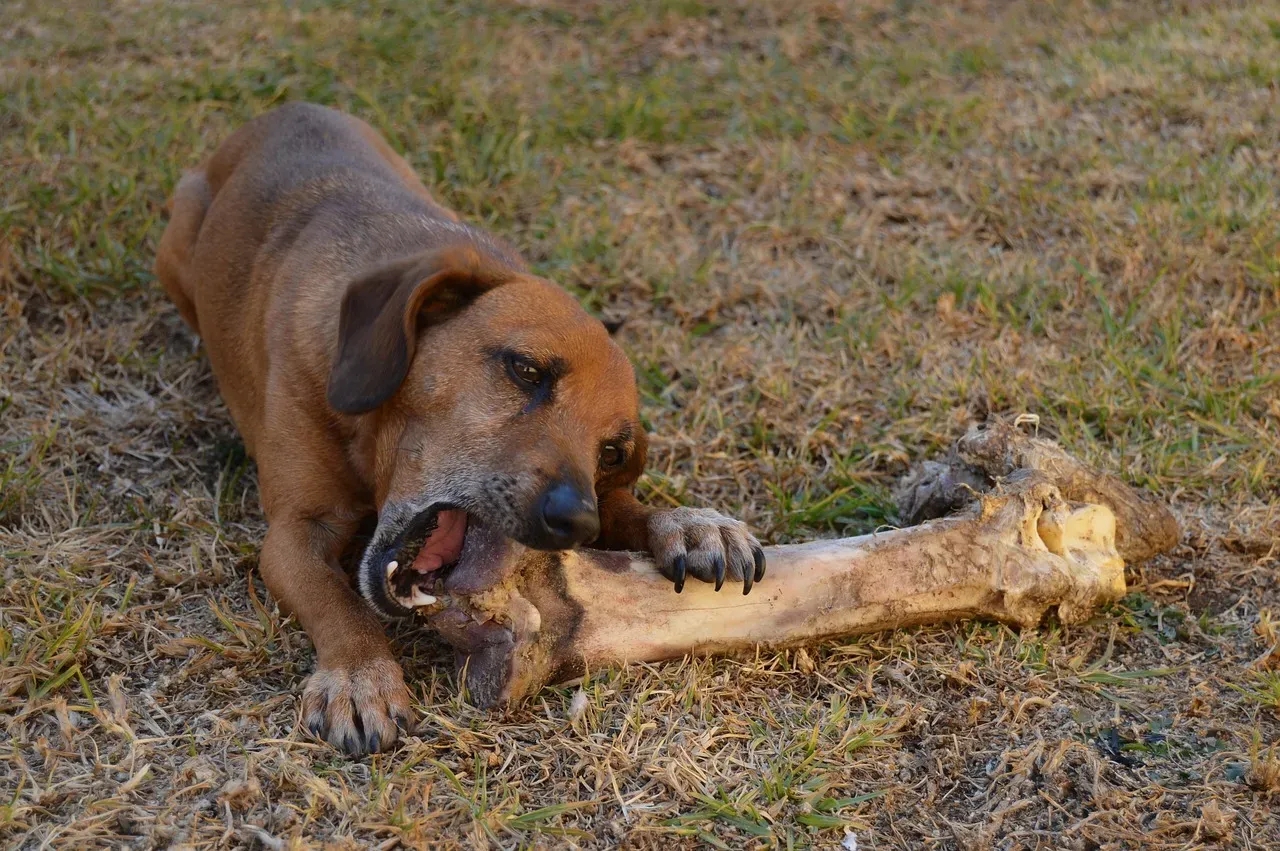
Smaller bites translate into a more even distribution of food through your dog’s stomach and intestines, allowing more comprehensive nutrient absorption, which helps maintain a healthy weight and shinier coat. When your dog actually chews their food instead of gulping it down, their body can extract more nutrition from every bite.
Slower eating encourages salivation along with more chewing and scraping action by the tongue and teeth, which supports better oral health. Saliva contains enzymes that start breaking down food before it even reaches the stomach, making the entire digestive process smoother and more efficient.
A slower pace of eating gives a dog’s stomach time to send signals to the brain to let it know that no more food is required, preventing overeating. This natural satiety response gets bypassed when dogs scarf down their meals too quickly. For dogs who struggle with weight management or seem perpetually hungry, enrichment feeding can genuinely help them feel more satisfied with appropriate portions.
While scientists are unsure what causes canine cognitive dysfunction, they know stimulating dog intelligence games and puzzles can help, and these activities will make your dog happy and help them reach developmental goals. Even senior dogs benefit enormously from continued mental challenges during their golden years.
Conclusion
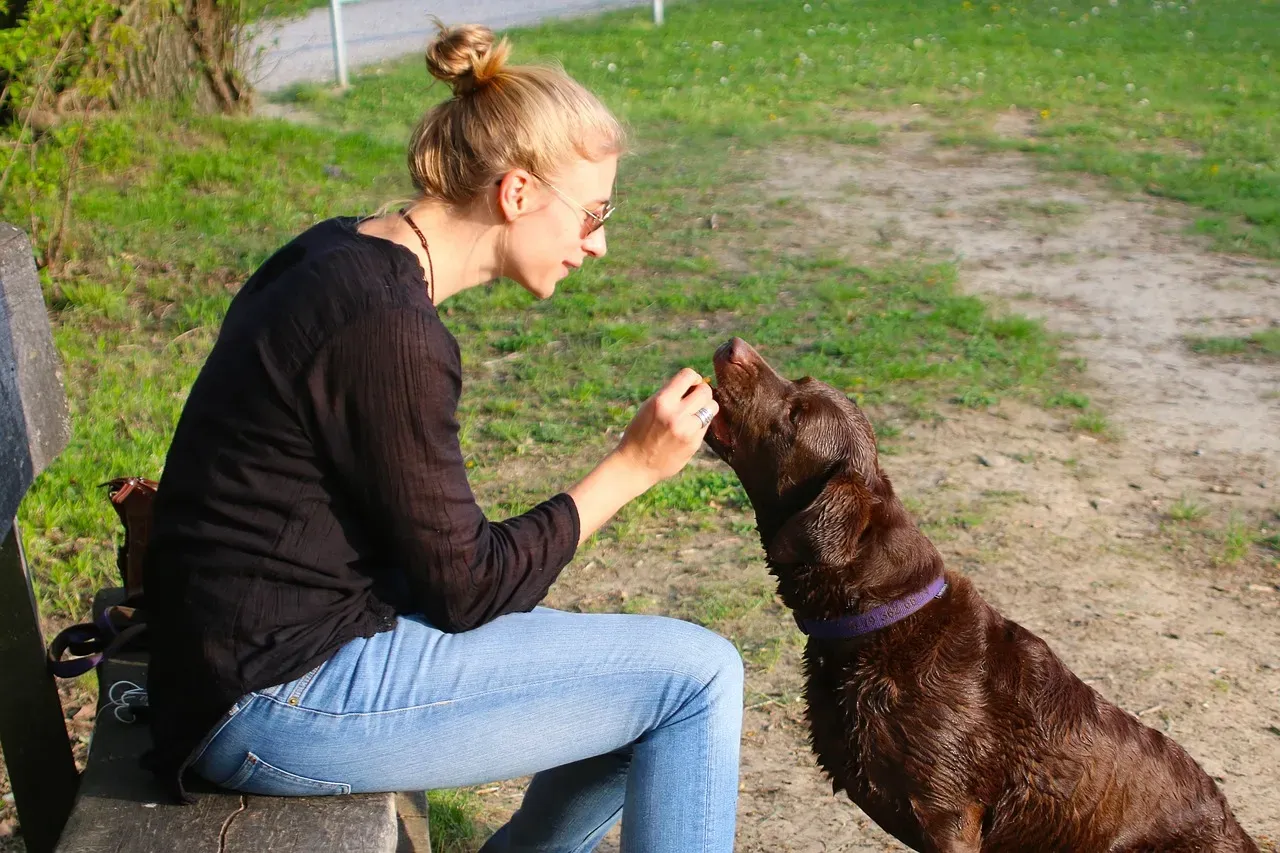
Transforming your dog’s mealtime from a rushed, two-minute affair into an engaging, enriching experience doesn’t require a complete lifestyle overhaul. It just takes a willingness to see feeding time as an opportunity rather than a chore. Whether you start with something as simple as scattering kibble on the lawn or invest in a few puzzle feeders, your dog will reap the benefits – physically, mentally, and emotionally.
The beauty of mealtime enrichment is that it meets dogs where they are, honoring their natural instincts while supporting their modern needs. It slows them down when they need to take a breath. It engages their brilliant minds when boredom creeps in. It deepens your connection when you’re both present in the moment.
Have you tried any form of mealtime enrichment with your dog yet? What changes have you noticed in their behavior or overall happiness? I’d love to hear your experiences in the comments below.