
Can Your Dog Really Sense Your Mood? The Empathic Power of Our Canine Friends

You’ve probably noticed it. That moment when you’ve had a rough day at work, and before you’ve even said a word, your dog is right there next to you, head resting on your knee. Or maybe you’re feeling anxious, and suddenly your pup stays closer than usual, eyes locked on yours with an intensity that feels almost human.
It’s not your imagination. Dogs really do seem to know how we’re feeling, often before we’ve fully processed the emotion ourselves. Scientists have spent years trying to unlock what makes this connection so powerful, and the answers are more fascinating than you might think. Let’s dive into what your dog actually perceives when you’re happy, stressed, or somewhere in between.
Your Dog’s Nose Knows More Than You Think

When researchers presented stress samples to dogs, they could tell the difference between baseline and stress samples with over 90% accuracy, as acute stress changes volatile organic compounds in breath and sweat. Think about that for a second. Your dog isn’t just reading your body language or listening to your voice. They’re literally smelling the chemical changes happening inside your body when you’re stressed.
The physiological processes associated with an acute psychological stress response produce changes in the volatile organic compounds emanating from breath and sweat that are detectable to dogs. This means when you’re anxious about a presentation or upset about an argument, your body releases chemical signals through your skin and breath. To your dog, it’s like you’re broadcasting your emotional state on a frequency only they can tune into.
The Science Behind Those Soulful Eyes
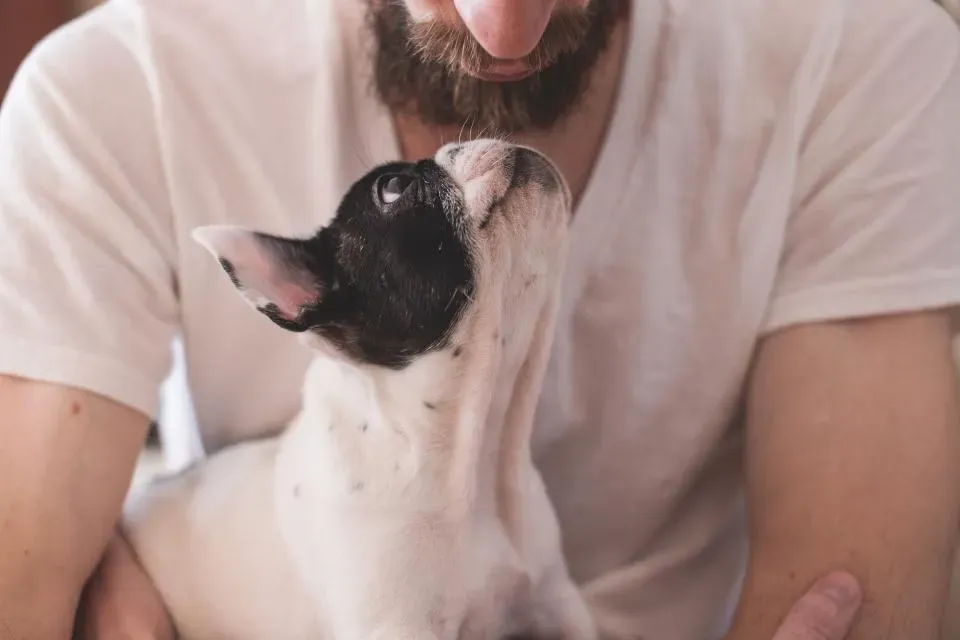
Research found that dogs behaved differently depending on the owner’s emotional state: they gazed and jumped less at owners when they were sad, and their compliance with the ‘sit’ command was also diminished. This isn’t just about dogs being lazy when you’re down. Something deeper is happening here.
Brain imaging studies reveal something remarkable. Viewing their caregiver activated brain regions associated with emotion and attachment processing in humans, while the stranger elicited activation mainly in brain regions related to visual and motor processing. Your dog’s brain lights up differently when they see you compared to anyone else. The emotional circuitry that fires when they look at your face is similar to what happens in human parent-child bonds.
Reading Your Face Like an Open Book

Dogs don’t just smell your emotions. They watch your face with incredible attention to detail. Dogs have been empirically shown to be particularly sensitive to human emotions and discriminate and show differential responses to emotional cues expressed through body postures, facial expressions, vocalisations and odours.
Here’s what blows my mind: dogs actually scan human faces the same way we do. They look at specific features to gauge emotion, focusing particularly on the eyes and mouth. When you smile, your dog notices. When you frown, they pick up on that too. It’s not automatic mirroring though. Dogs have learned over thousands of years living alongside humans which facial cues matter most for understanding what we’re feeling and what we might do next.
The Stress Transfer You Didn’t Know About

Dogs experience emotional contagion from the smell of human stress, leading them to make more ‘pessimistic’ choices. This is where things get really interesting and maybe a little concerning for dog owners. Your stress doesn’t just affect you. It affects your dog’s decision-making and emotional state.
Approaching the training process while stressed could have a negative effect on how a dog feels and learns. When you’re tense during training sessions, your dog becomes more hesitant, less optimistic, and less willing to try new things. They’re picking up your stress through smell and adjusting their behavior accordingly. It’s like your anxiety becomes their anxiety, transmitted through invisible chemical messengers.
What This Means for Your Daily Life Together

Dogs co-evolved with humans for thousands of years, and it makes sense that dogs would learn to read our emotions because it might be helpful to them to know if there’s something threatening in the environment or some stressor that they need to be aware of. This sensitivity isn’t just cute. It’s a survival mechanism refined over millennia of living together.
This has real practical implications. If you’re about to train your dog or work through a behavioral issue, check in with yourself first. Are you frustrated? Anxious? That emotional state will bleed through into your interactions, making training less effective. Taking a few minutes to calm down before working with your dog isn’t just nice for you. It changes the entire dynamic of how your dog learns and responds.
The Beautiful Mystery That Remains
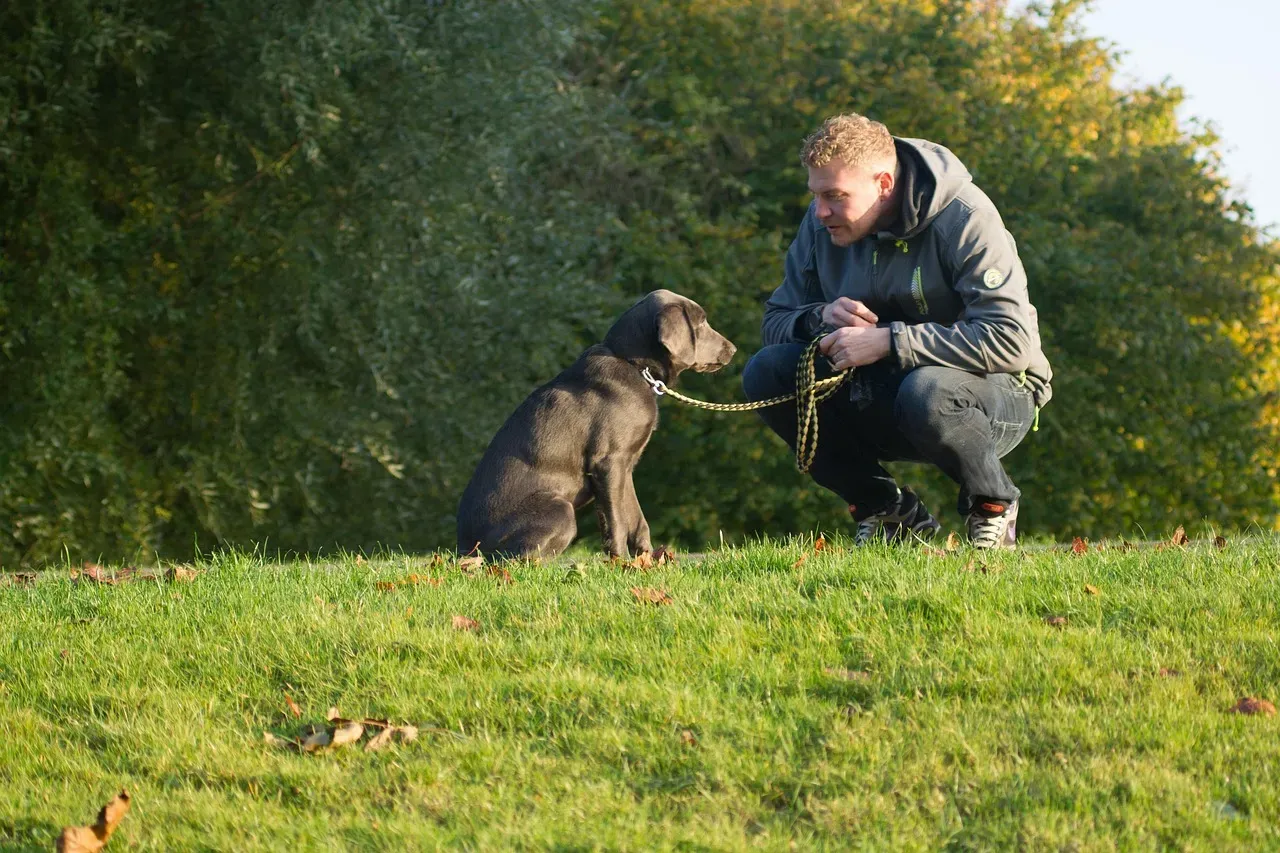
People and dogs have been living intimately with each other for at least 14,000 years, and in that time, dogs have learned plenty of things about how to get along with human beings, yet research suggests there are quite big gaps in how we understand what dogs are feeling. Here’s the thing: while dogs are exceptional at reading us, we’re surprisingly terrible at reading them.
The bond works both ways, but it’s not symmetrical. Your dog might understand your mood better than your closest friend does, yet you might completely misread whether your dog is happy, stressed, or uncomfortable. It’s humbling, honestly. We think we know our dogs so well, but there’s still so much mystery in those eyes looking back at us.
What matters most is recognizing that your emotional state ripples outward to affect your dog more than you probably realized. They’re not just pets sharing your space. They’re deeply attuned companions absorbing the emotional weather of your household. That’s both a gift and a responsibility. What do you think about it? Does knowing your dog can smell your stress change how you’ll interact with them? Tell us in the comments.