
The Unexpected Joy: Why Adopting a ‘Difficult’ Dog Can Be the Most Rewarding
You’ve probably scrolled past them countless times. The shelter listings that mention words like reactive, anxious, needs experienced owner, or special needs. Most people keep scrolling, searching for that picture-perfect pup with a clean slate. I get it – life is already complicated enough, right?
Yet here’s what nobody tells you about those so-called difficult dogs: they might just change your life in ways a well-adjusted puppy never could. It sounds counterintuitive, maybe even a bit crazy. Still, the bond you build with a dog who needs you – truly needs you – creates something profoundly different from your typical adoption story. It’s messy, challenging, sometimes frustrating. It’s also incredibly beautiful. So let’s explore why choosing the harder path with a troubled pup might be the best decision you ever make.
The Truth About Labels and Second Chances
When a dog gets labeled as difficult or challenging, it rarely tells the whole story. Most rescue dogs haven’t been abused, though many have endured neglect or inappropriate care rather than outright abuse, which can still result in behavioral and health challenges. These dogs aren’t broken – they’re just carrying invisible baggage from circumstances beyond their control.
Think about it this way: we all have our quirks and baggage from past experiences. Dogs are no different. Research shows that rescue dogs were significantly more fearful than non-rescue dogs, but the groups didn’t differ in their dog-owner relationship questionnaire scores. What does that mean? With patience and understanding, these fearful pups form bonds just as strong as any other dog. They simply need someone willing to see past the label.
Many rescue dogs develop a strong bond with their new owner, offering love and loyalty that can’t be matched. There’s something about earning a fearful dog’s trust that creates an unshakeable connection. You become their safe person, their anchor in a world that once felt threatening.
Building Your Empathy Muscles Through Patience
Let’s be real: adopting a reactive or anxious dog will test you. Some dogs may take only a few weeks to settle in and learn to trust in their family, while others may take up to a year to truly feel safe. That timeline isn’t what most people want to hear when they’re excited about bringing home a new companion.
Here’s the thing though – this process teaches you skills most people never develop. You learn to read body language with remarkable precision. You become attuned to subtle shifts in energy and emotion. You discover reserves of patience you didn’t know existed. One owner shared their experience: it was stressful with a lot of work and a long time working with behavioral issues, but these little dog souls are usually so traumatized, and their first rescue became “an absolute joy now”.
These dogs force you to slow down and pay attention. In our rushed, distracted world, that’s actually a gift. You can’t check your phone while working through a training session. You can’t multitask when helping your dog navigate a trigger. They demand your full presence, and honestly, when was the last time anything required that from you?
The Science Behind Their Success Stories
Despite all the behavior challenges, roughly 94 percent of owners rated their rescue dog’s overall behavior as excellent or good six months after adoption, showing that rescue dogs are resilient and can make amazing progress. Those numbers should give you hope. The vast majority of people who stick it out report genuine success.
What makes the difference? Many factors contribute to a pet’s behavior that may be more important than whether they’re a rescue animal, including early experiences, training, socialization, nutrition, exercise, and living environment. You have more control over the outcome than you think. It’s not about fixing a broken dog – it’s about providing structure, consistency, and compassion.
A reactive dog is usually a fearful dog, with causes more likely due to a lack of socialization, prior bad experiences or a lack of training rather than genetics. That means these behaviors can change. They’re learned responses, not hardwired personality traits. With the right approach, you can help your dog rewrite their story.
Practical Strategies That Actually Work
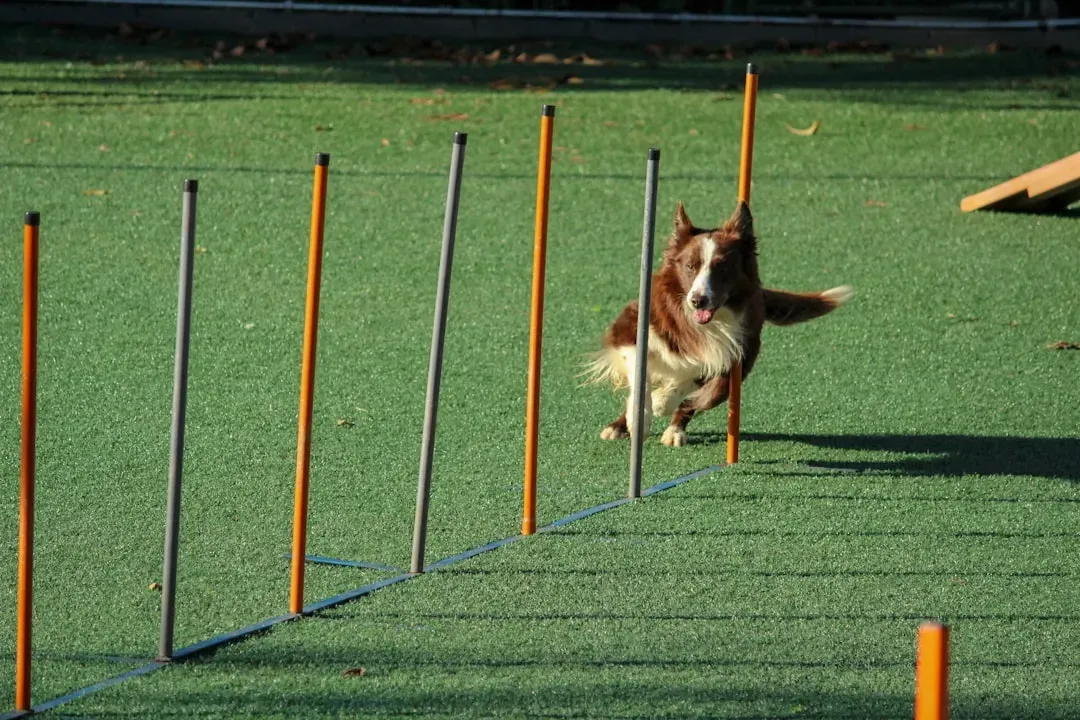
Training a difficult dog requires a different approach than standard obedience work. Training plans should help your dog become comfortable with their fears, teach them to focus on you through positive reinforcement, and show you how to interrupt unwanted behaviors without punishment or anger. This isn’t about dominance or correction – it’s about building confidence.
Consistency is key to helping a dog feel safe, so maintaining a consistent routine for feeding, walks, and rest helps reduce anxiety and makes your new friend feel at ease. Dogs thrive on predictability. When every day looks roughly similar, your anxious pup learns the world isn’t so scary after all.
Distance matters more than most people realize. After identifying triggers, try to avoid them while working on a training plan by walking your dog when others aren’t out, avoiding the dog park, and not immersing your dog in situations where they’re not comfortable. This isn’t avoidance – it’s strategic management. You’re setting your dog up for success rather than repeatedly flooding them with stress.
One effective technique involves working below your dog’s threshold. If we go over a certain critical stress level, all our dog will remember is fear, so always stay under this stress level and don’t push your dog too far too quickly. Progress happens in the calm moments, not during emotional explosions.
The Unexpected Rewards That Make It Worthwhile
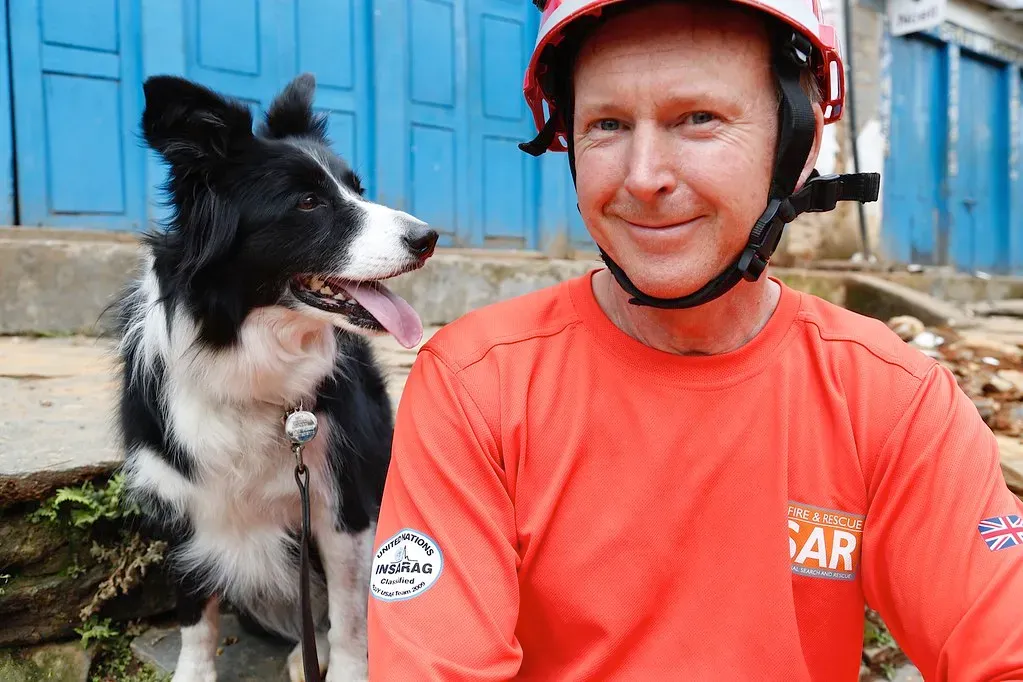
There’s a moment every difficult dog owner experiences – the first time your reactive dog stays calm when they would have previously lost it. The first time they seek comfort from you instead of cowering. The first time they play with genuine joy. Those moments hit differently when you’ve worked so hard to get there.
Every challenge met is a step closer to building trust and forming an unbreakable bond, with rescue dogs proving time and again that they’re capable of becoming loyal, happy companions when given a second chance. You’re not just training a dog – you’re witnessing a transformation. You become part of their healing journey, and that’s profoundly meaningful.
These dogs also teach you about resilience in ways other pets simply don’t. Rescue dogs prove time and again that they can overcome difficult pasts, with many shelter dogs adapting to new environments with surprising ease, teaching us about resilience. Watching them bounce back from trauma shows you what’s possible when someone refuses to give up.
Honestly, there’s also something deeply satisfying about proving people wrong. When others see that supposedly unadoptable dog thriving in your care, when your once-fearful pup greets houseguests calmly, when your reactive rescue plays peacefully at the park – those victories feel sweeter because you both worked so hard for them. You gave a dog a chance when others wouldn’t, and that matters.
Conclusion: The Choice That Changes Two Lives
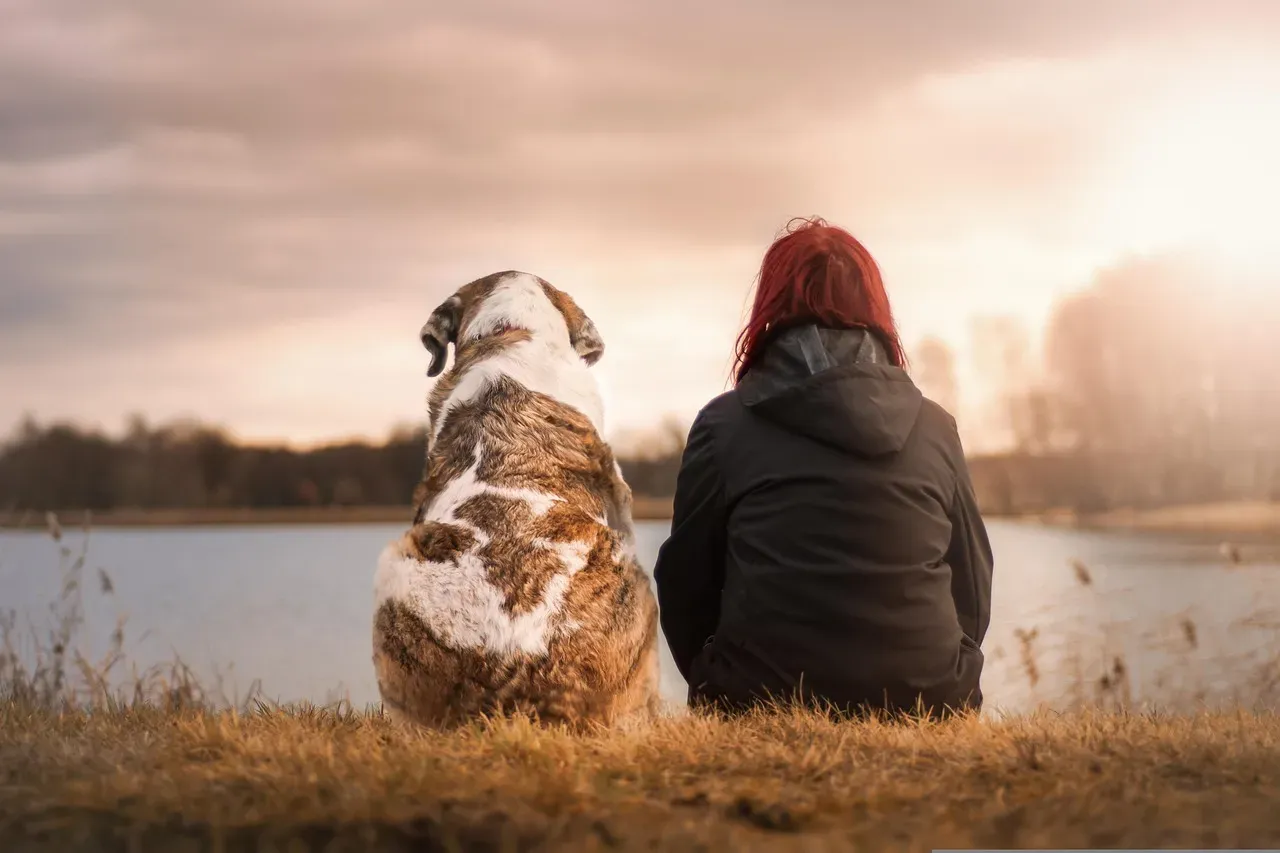
Adopting a difficult dog isn’t for everyone, and that’s perfectly fine. It requires time, patience, and emotional bandwidth that not everyone has available. There’s no shame in acknowledging your limitations. Still, if you’re reading this and feeling that pull toward a dog others have overlooked, trust that instinct.
While adopting a rescue dog comes with challenges, the rewards far outweigh the difficulties, with patience, understanding, and the right approach helping rescue dogs become loyal, loving companions. The journey may not always be easy, but it’s always worth it. You’re not just saving a life – you’re enriching your own in unexpected ways.
These so-called difficult dogs have an incredible capacity for growth, love, and transformation. They’ll frustrate you, challenge you, and push you outside your comfort zone. They’ll also teach you about unconditional commitment, celebrate small victories with you, and offer a depth of gratitude that’s genuinely touching. The bond you build becomes something extraordinary precisely because it wasn’t easy.
So here’s my question for you: are you ready to be the person who sees potential where others see problems? Are you willing to invest in a relationship that demands your best but gives back tenfold? Sometimes the most rewarding things in life are the ones we have to work hardest for. A difficult dog might just be your greatest teacher. What will your answer be?