
What’s Your Dog’s Love Language? Understanding Their Unique Ways of Showing Affection
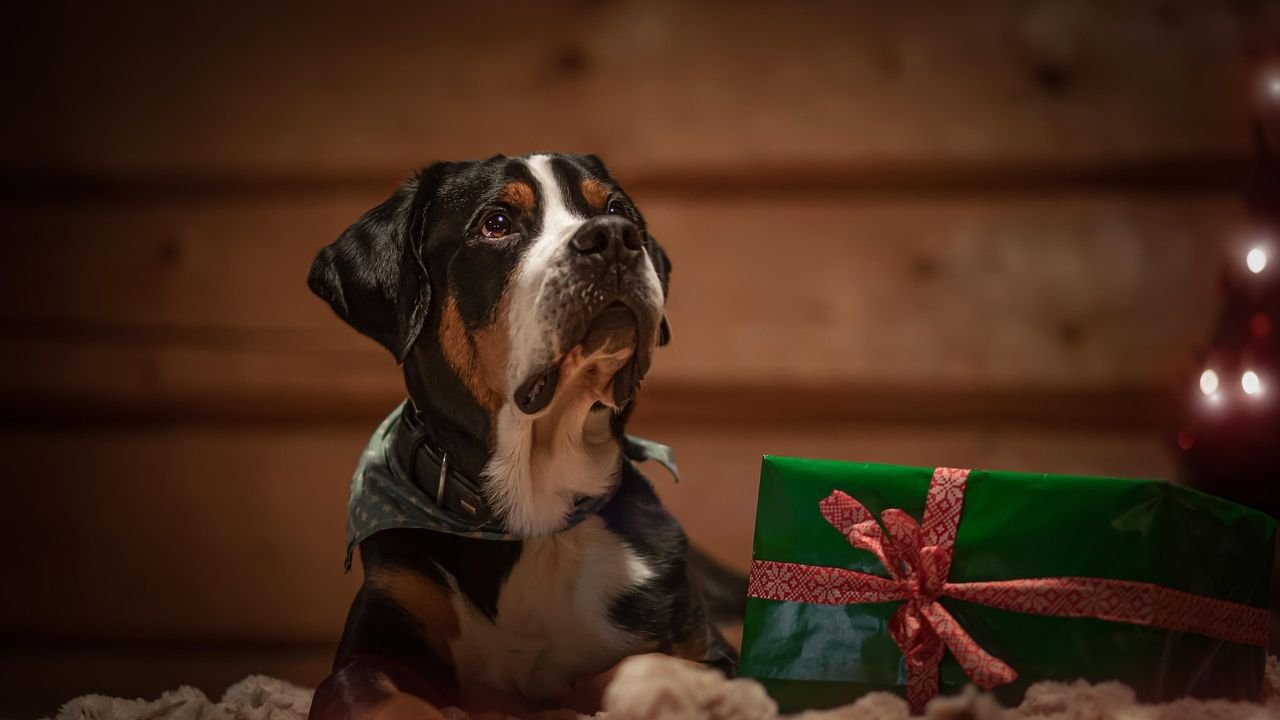
Have you ever caught your dog staring at you with those soulful eyes and wondered what’s going through their furry head? Maybe they’ve dropped a soggy tennis ball in your lap for the hundredth time today, or pressed their entire weight against your leg while you’re trying to make coffee. These aren’t random acts. They’re love letters, written in a language that doesn’t use words.
Dogs speak volumes without uttering a single syllable. Every tail wag, every lean, every time they follow you to the bathroom (yes, even that) is their way of saying something important. The thing is, we humans often miss the memo. We get caught up in our own interpretations, projecting our feelings onto them instead of really listening to what they’re trying to tell us. Let’s change that.
The Full-Body Wiggle and That Helicopter Tail
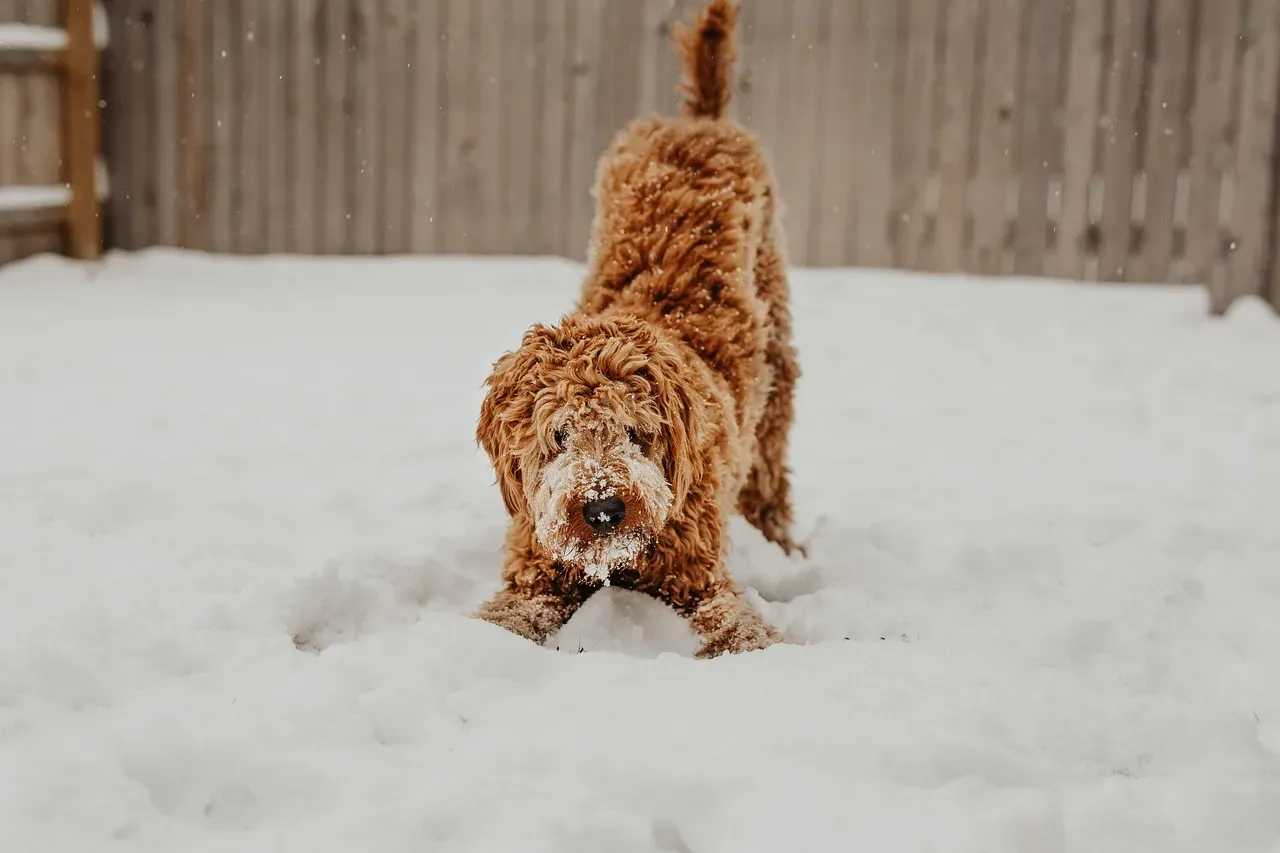
A full-body wiggle is one of the most telltale signs your pup is head over heels in love, with a loose and wiggly posture showing they simply can’t contain their excitement. You know the one. Your dog’s entire back end gets into the action, creating this rippling wave of pure joy from nose to tail tip. It’s honestly one of the most genuine expressions of happiness you’ll ever witness.
The helicopter tail, when wagging intensifies and causes the tail to whip about with excitement when they see you, is another clear love signal. Not all tail wags mean the same thing, though. Research has shown that dogs tend to wag their tails to the right when experiencing positive emotions and to the left when feeling negative or uncertain.
Here’s the thing about tail language that trips people up. All a wagging tail really means is that the dog is emotionally aroused. Context matters enormously. A slightly upright, moderately wagging tail indicates happiness, while a tucked tail signifies fear or stress. Watch the whole dog, not just the rear end.
Those Soulful Eyes That Seem to See Right Through You
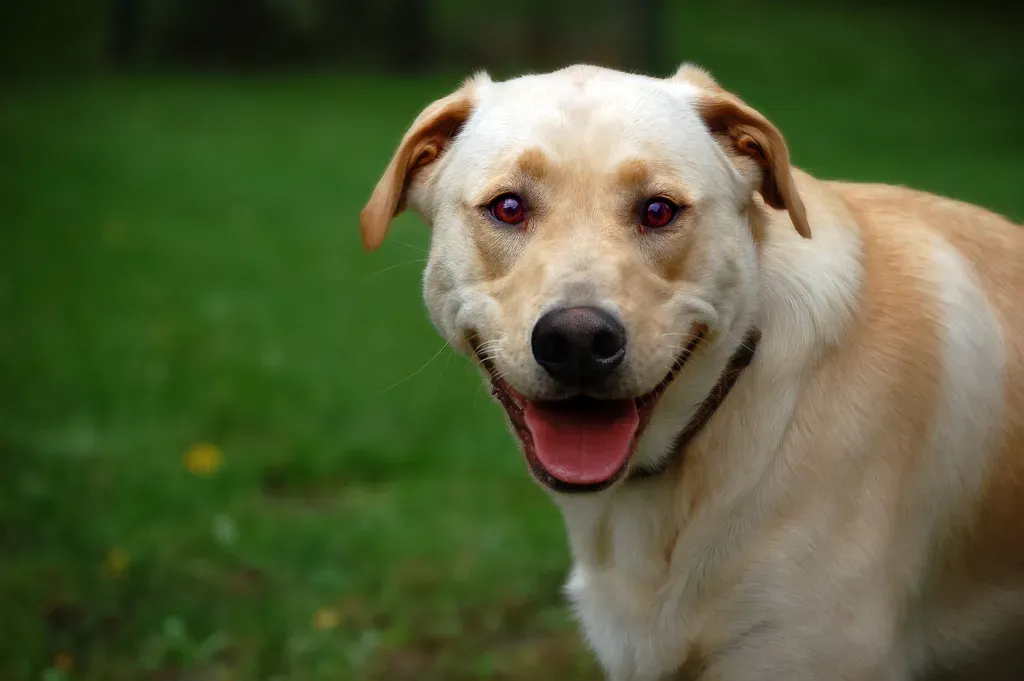
Studies show that domesticated dogs have learned to use eye contact differently than their wild ancestors. When your dog locks eyes with you in that soft, lingering way, they’re not just looking at you. They’re connecting with you on a deeper level. It’s one of the most intimate gestures they can offer.
Dogs have evolved a special eye muscle to better communicate with humans, allowing them to move their eyebrows and make that sad, sweet puppy dog face that tugs at our heartstrings. Clever little creatures, aren’t they? The eyebrow raise can be an expression of love, making dogs’ eyes appear larger and even more puppy-like.
There’s something almost magical about mutual gaze between dogs and humans. It creates a bond that goes beyond species. Think about how often your dog checks in with you during walks or glances back to make sure you’re still there. That’s love, plain and simple.
The Lean, The Cuddle, and Other Physical Closeness
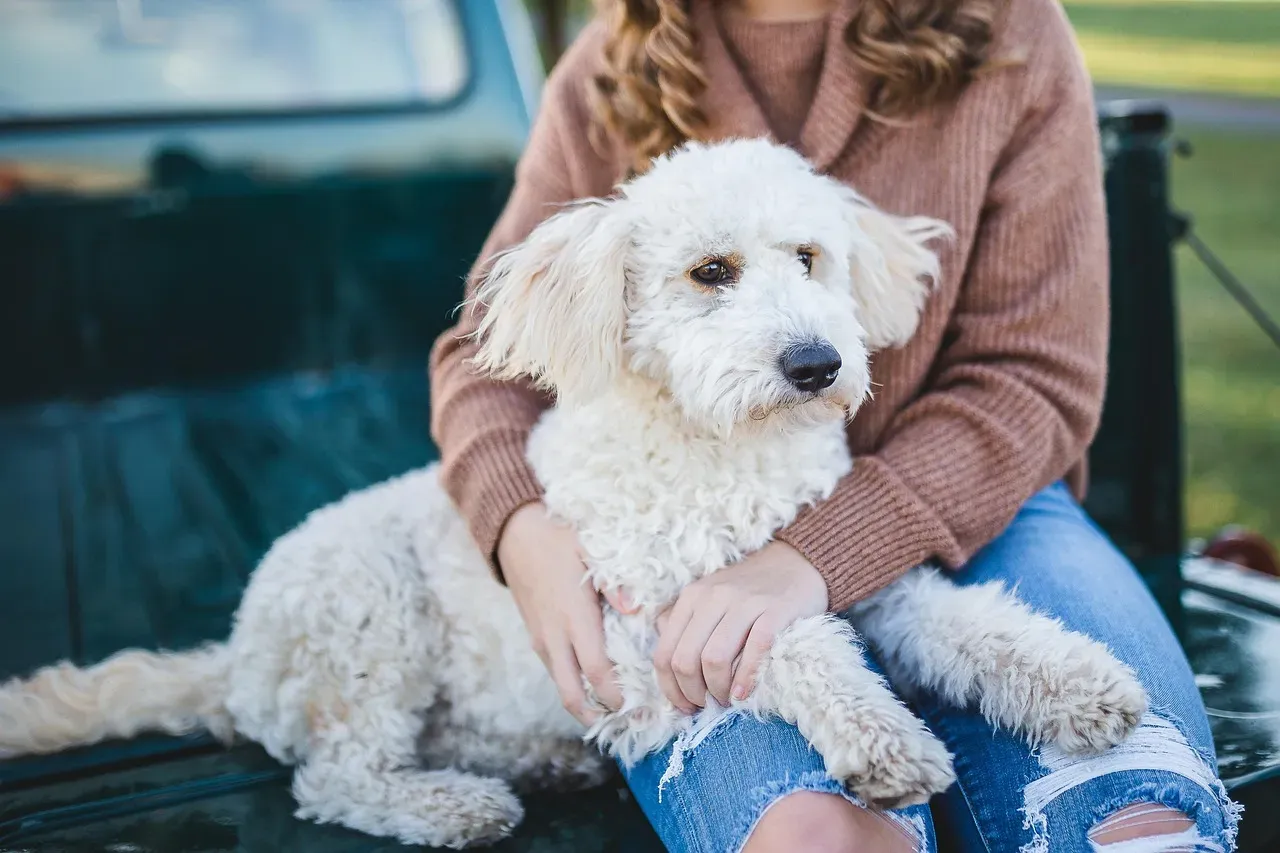
When dogs lean their full weight against you, it signifies complete trust and is the equivalent of a full-body hug. They’re not trying to knock you over (usually). They’re seeking comfort and offering it simultaneously. This means your dog sees you as a protector.
Sleep is a vulnerable time for any animal, but your dog doesn’t feel that way when curled up next to you, with studies indicating that dogs who have a secure relationship with their humans sleep better when they’re close. If your pup insists on being your shadow at bedtime, take it as the compliment it is. They feel safest with you.
Some dogs are natural cuddlers, while others show affection through proximity rather than touch. Neither is better or worse. They’re just different dialects of the same language. Pay attention to your individual dog’s preferences and respect their boundaries, just as you’d want them to respect yours.
Bringing You Gifts (Even the Gross Ones)
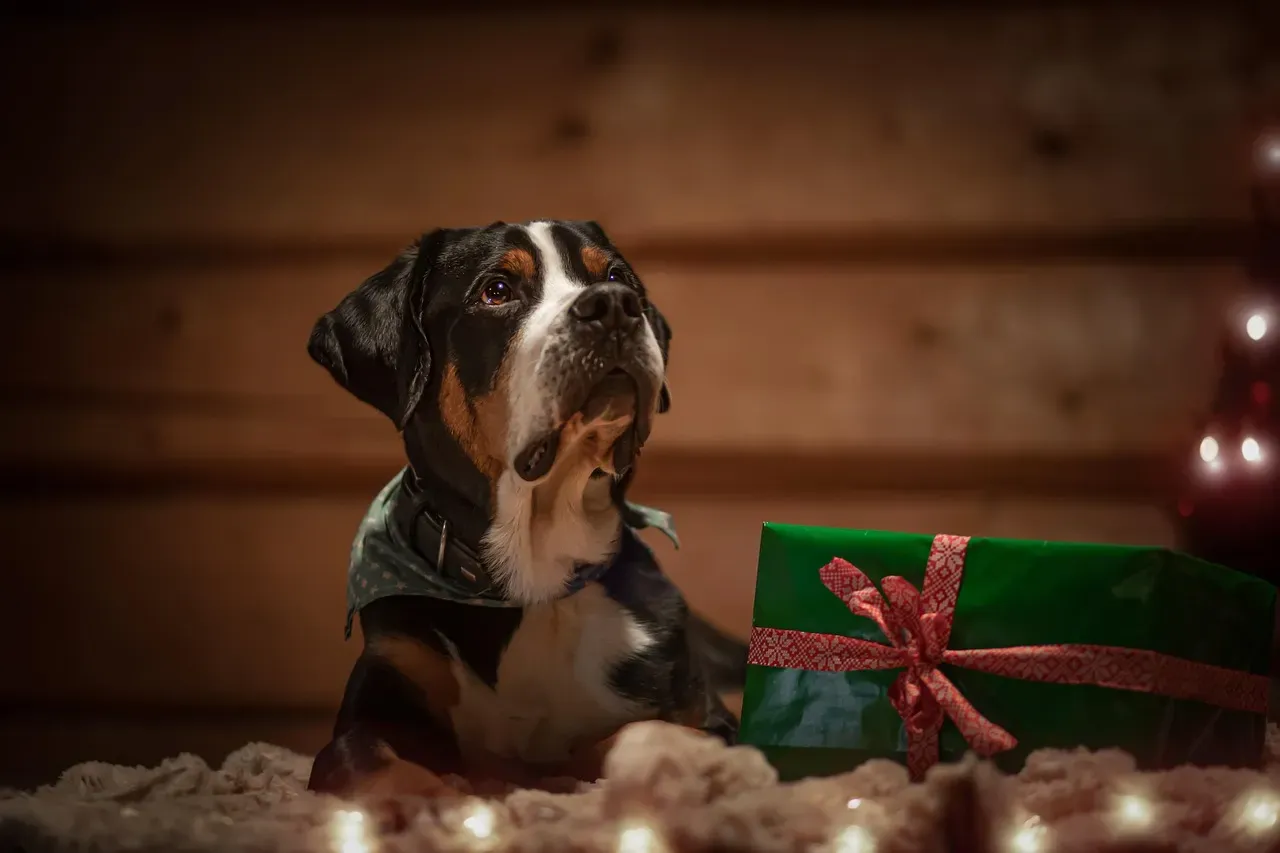
Presenting you with their prized possessions is a major sign of affection, as they could be bringing you gifts since they see you as the head of the household. Yes, even when that gift is a half-chewed sock or something questionable they found in the yard. You know your dog loves you if they bring you their favorite dog toy, as this behavior is an invitation to play and a sign of affection, showing they trust you with their prized possessions.
If your dog raids your dirty laundry for your smelliest clothes, dirtiest shoes, and stinkiest socks, it’s a sign of love, showing that they missed you while you were away and can’t get enough of your unique smell. I know, it’s not exactly romantic by human standards. Honestly, it’s kind of gross. Still, in dog world, surrounding themselves with your scent is their way of keeping you close.
The resource-sharing behavior goes beyond physical objects too. Dogs who feel secure and loved are more willing to share space, food, and attention. It’s about generosity born from trust.
Following You Everywhere (Yes, Even There)
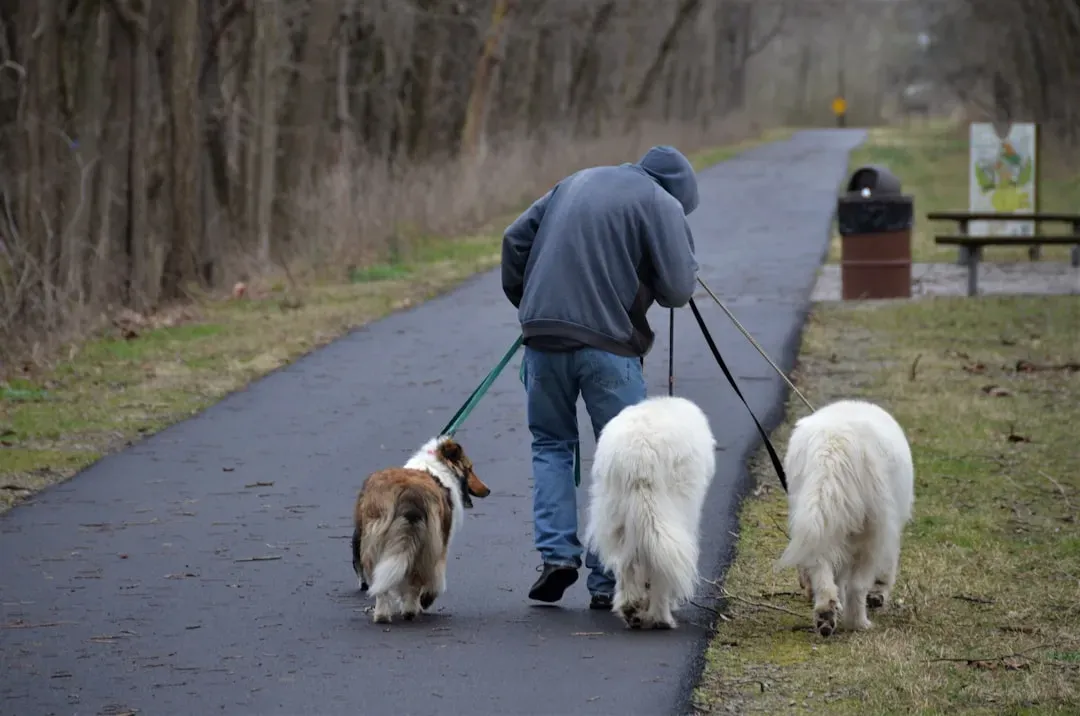
Follow you around like a puppy dog isn’t just a saying, it’s a sign that your dog loves you, as dogs are pack animals and you’re a favorite pack member. Your furry shadow isn’t being clingy. They’re being devoted. There’s a difference, though it can be hard to distinguish sometimes.
Dogs can learn the names of people they like, and when dogs hear the names of people they like, they’ll get excited at the thought that person might appear. They’re not following you because they lack independence. They follow because they genuinely prefer your company to being alone. Let’s be real, that’s incredibly flattering.
Taking an extra second or two to focus on your dog’s behaviors, knowing that you need to overcome a bias to view the situation around the dog rather than the dog himself, can go a long way in getting a true read on your own dog’s emotional state, leading to a stronger bond between the two of you. The key is observation without projection. Watch what your dog actually does, not what you assume they mean.
Understanding your dog’s unique love language isn’t just about recognizing sweet behaviors. It’s about building a deeper, more meaningful relationship with the creature who’s chosen to share their life with you. Every dog has their own way of saying “I love you.” Some are obvious tail-waggers and face-lickers. Others are more subtle, showing their devotion through quiet companionship and watchful eyes. Neither is wrong. They’re just different.
The beautiful thing about dogs is their consistency. They don’t play games or hide their feelings. When a dog loves you, they show it repeatedly, in small ways and large, every single day. All we have to do is pay attention. Really look at your dog today and notice the little things they do. You might be surprised by how many love letters you’ve been receiving all along.
What’s your dog’s favorite way of showing you love? Have you noticed any unique behaviors that seem special to just your pup? Every dog is an individual, and that’s what makes this bond so extraordinary.